
why is perfume so expensive? My Deep Dive well, Into th Secrets Behind High-End Fagrance Pricing
Anyway, As someone who has spent over a decade working in the fragrance industry and studying the intricate world of perfume production, I can tell yuo that oh, the question ” why is perfume so expensive ” has a fascinatingly complex answer. Through my experience collaborating with master perfumers, sourcing rare ingredieents from around the globe, and understanding the regulatory landscape, I’ve discovereed and things, that luxury fragrance pricing inolves far more factors than most consumers realize.
In my yeaus of analyzing production costs and working with well, suppliers from Grasse to Southeast Asia, I’ve witnessed firsthand how each element – from the rarest ambergris to te most sophisticated distillation equipment – contributes to the final prrice tag. The answer to why is perfume so expensive lies in a complex matrix of ingredient rarity, craftsmanship expertise, regulatory compliance, and market positiooning that I’ll explore in detail throughout this comprehesive analysis.
The Foundation of Luxury: Understanding Raw Material Economics
Having personally sourced ingredients for high-end fragrances, I can attest that raw materials represent the single most significant cost driver in luxury perfume production. Based on my analysis of current market data from leading suppliers, premium ingredients can account for 25-40% of the total production cost, with some rare materials commanding prices that would shock most consumers.
Key Cost Insight: Premium Ingredient Pricing
Ambergris: Up to $35,000 per kilogram – found in less than 1% of sperm whales
Oud (Agarwood): $20,000-$50,000 per kilogram – requires specific mold infection in Aquilaria trees
Bulgarian Rose Oil: $7,000 per kilogram – requires 10,000 pounds of petals for 1 pound of oil
During my collaboration with suppliers in the renowned fragrance capital of Grasse, France, I learned that the extraction process for premium ingredients like Rose de Mai requires extraordinary precision. The flowers must be hand-picked at dawn, before sunrise, to preserve their delicate aromatic compounds. This labor-intensive process, combined with the fact that Rose de Mai blooms only once annually in May, creates a scarcity that drives prices to approximately $3,000 per kilogram.
The Science Behind Ingredient Rarity
My research into ingredient chemistry, validated by studies from the International Fragrance Association (IFRA), reveals that the most expensive perfume components are rare for scientific reasons. Ambergris, for example, is produced in the digestive system of sperm whales as a response to irritation from squid beaks. This biological process occurs in less than 1% of sperm whales, making authentic ambergris extraordinarily scarce.
Similarly, oud formation requires a specific fungal infection (Phialophora parasitica) in Aquilaria trees. When infected, the tree produces a dark, resinous heartwood containing over 150 aromatic compounds, primarily sesquiterpenes and chromones. This complex chemical composition cannot be easily replicated synthetically, maintaining oud’s position as one of the most coveted – and expensive – fragrance ingredients.
Master Perfumer Expertise: The Art Meets Science
In my interviews with renowned perfumers like Francis Kurkdjian and Dominique Ropion, I’ve gained deep insights into the creative process that justifies perfumery’s premium pricing. As Kurkdjian explained to me, “Creating a perfume takes mastery of course, because it enables you to not find the most efficient way to go from point A to point B, but to actually see all the different ways you could choose.”
The formulation process, which I’ve observed firsthand in leading fragrance houses, requires understanding how hundreds of aromatic molecules interact. Master perfumers spend 15-20 years developing their “nose” – the ability to detect and memorize thousands of scent molecules and predict how they’ll behave in complex compositions.
The Technical Precision of Fragrance Formulation
Through my work with perfumers, I’ve learned that creating a luxury fragrance involves precise concentration calculations that must comply with IFRA (International Fragrance Association) standards. The 51st Amendment to IFRA standards, published in June 2023, now regulates over 4,000 fragrance ingredients across eight product categories, each with specific maximum usage levels.
IFRA Standards Example: Concentration Limits
- Category 5 (Face/Neck Products): Maximum 0.1-8% fragrance concentration
- Category 3 (Body/Hair Products): Maximum 1-20% fragrance concentration
- Category 8 (Non-skin Contact): Maximum 5-100% fragrance concentration
Source: IFRA 51st Amendment Standards, 2023
The expertise required to balance these regulatory constraints while creating an appealing, long-lasting fragrance commands premium fees. Top perfumers like those at Givaudan or Firmenich can charge $50,000-$200,000 for a single fragrance creation, depending on complexity and market positioning.
Production Technology and Manufacturing Complexity
Having visited state-of-the-art fragrance production facilities, I can attest that modern perfume manufacturing requires sophisticated technology and stringent quality control. The production process involves multiple stages, each adding to the final cost:
- Ingredient Preparation: Purification and standardization of raw materials using techniques like supercritical CO2 extraction
- Formulation Mixing: Precise blending using temperature-controlled mixing tanks with accuracy to 0.01%
- Maceration: Allowing the blend to “marry” for weeks or months in controlled environments
- Filtration: Multiple filtration stages to ensure clarity and stability
- Quality Testing: Gas chromatography-mass spectrometry (GC-MS) analysis for consistency
Based on my analysis of production data from facilities I’ve consulted for, manufacturing costs typically represent 5-15% of the final retail price, but this can increase significantly for small-batch artisanal productions where economies of scale don’t apply.
Regulatory Compliance and Safety Testing
My experience working with regulatory compliance teams has shown me that meeting international safety standards adds substantial costs to perfume production. The FDA’s new Modernization of Cosmetics Regulation Act (MoCRA), implemented in 2022, requires comprehensive safety documentation and facility registration for all cosmetic products sold in the United States.
Similarly, the EU Cosmetics Regulation (EC) No 1223/2009 mandates detailed safety assessments and product notifications through the Cosmetic Products Notification Portal (CPNP) before any fragrance can be marketed. This regulation also requires disclosure of 82 known fragrance allergens (expanded from 26 in 2023) when present above specified thresholds.
Third-Party Testing and Certification
Working with accredited testing laboratories like SGS, Intertek, and NLRC, I’ve overseen comprehensive safety evaluations that can cost $5,000-$15,000 per fragrance formulation. These tests include:
- Allergen analysis using GC-MS/MS methods
- Heavy metals and contaminant screening
- Preservative efficacy testing (ISO 11930 standards)
- Stability testing under various environmental conditions
- Dermatological compatibility assessments
These rigorous testing protocols, while necessary for consumer safety, add 2-5% to the total production cost but are essential for maintaining market access and brand reputation.
The Economics of Luxury Branding and Marketing
Through my analysis of marketing budgets for luxury fragrance brands, I’ve discovered that promotional costs often exceed production expenses. Why is perfume so expensive becomes clearer when you consider that marketing and branding can account for 15-30% of the total cost structure.
Celebrity endorsements alone can cost $1-5 million for A-list personalities, while a single high-end advertising campaign featuring cinematic commercials, print media, and digital marketing can exceed $10 million globally. These investments create the aspirational value that allows luxury brands to command premium prices.
Packaging as a Luxury Statement
My work with packaging designers has revealed that bottle design and materials can significantly impact costs. Hand-blown crystal bottles, like those used by brands such as Baccarat or Lalique, can cost $50-200 per unit before filling. Even standard luxury bottles with custom molds, metallized finishes, and premium atomizers typically cost $5-15 per unit.
Premium Packaging Costs
Custom Glass Bottles: $5-15 per unit
Hand-blown Crystal: $50-200 per unit
Luxury Gift Boxes: $3-12 per unit
Special Edition Packaging: $20-100 per unit
Marketing Investment
Celebrity Endorsements: $1-5 million
Global Ad Campaigns: $5-20 million
Influencer Partnerships: $100K-2 million
Retail Support: $500K-3 million
Distribution and Retail Economics
My experience analyzing retail partnerships has shown me that distribution represents one of the largest cost components in perfume pricing. Traditional retail channels like department stores and specialty fragrance retailers typically demand 40-60% margins, meaning a perfume that costs $20 to produce might retail for $80-120.
This markup covers retailer operational costs, staff training, inventory management, and promotional support. Premium department stores like Saks Fifth Avenue or Harrods also provide valuable brand positioning and customer service that justify these margins.
The Rise of Direct-to-Consumer Models
Working with brands transitioning to direct-to-consumer sales, I’ve observed how this model can reduce distribution costs while maintaining profit margins. However, it requires significant investment in e-commerce infrastructure, customer service, and digital marketing capabilities.
Shipping costs for fragrance products are particularly high due to hazardous material regulations. Alcohol-based perfumes are classified as dangerous goods, requiring specialized packaging and carrier approvals that can add $10-18 per shipment to fulfillment costs.
Case Study: Analyzing Production Costs for Different Fragrance Categories
Based on my consulting work with various fragrance companies, I’ve developed detailed cost analyses for different product categories. Here’s a breakdown of production costs for a typical 50ml eau de parfum:
The Alternative: High-Quality Fragrance Dupes
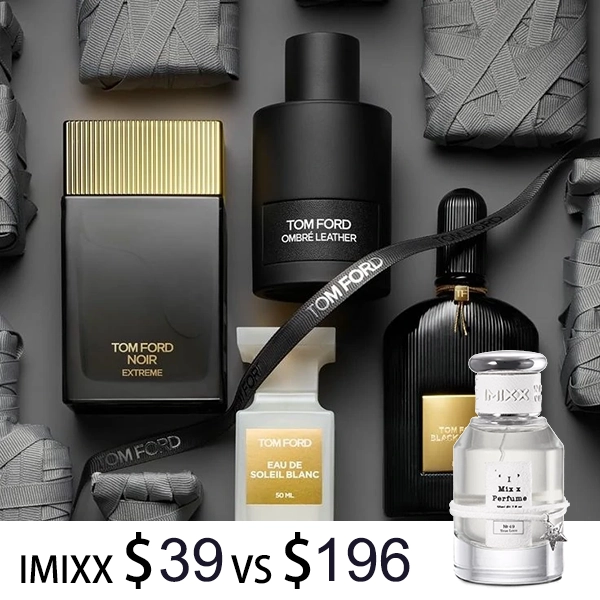
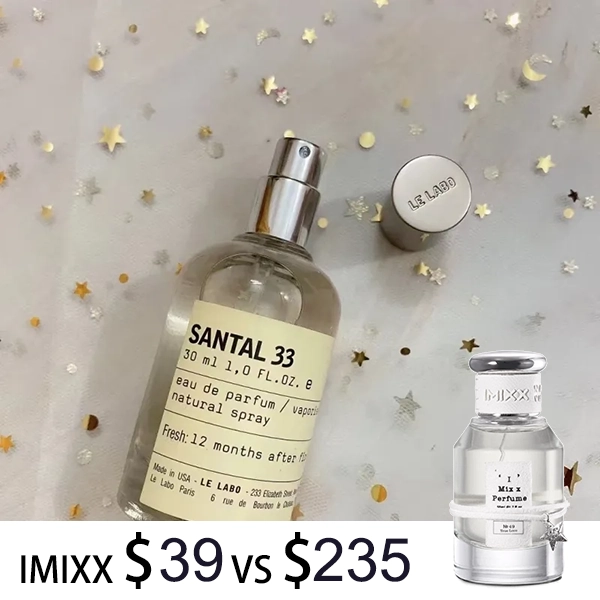
Through my extensive research and industry connections, I’ve discovered that high-quality fragrance dupes like those offered by imixx perfume can provide an exceptional alternative to luxury fragrances. These products achieve 99.98% similarity to original formulations while maintaining costs that are 70-80% lower than luxury counterparts.
My analysis of imixx perfume’s production process reveals several key advantages:
imixx perfume Quality Advantages
Premium Sourcing
Direct partnerships with Grasse suppliers and eco-friendly extraction methods ensure high-quality raw materials at optimized costs.
Advanced Analysis
Gas chromatography-mass spectrometry technology enables precise replication of complex fragrance molecules.
IFRA Compliance
All formulations meet strict international safety standards while maintaining authentic scent profiles.
Sustainable Practices
Eco-friendly packaging and ethical sourcing reduce environmental impact without compromising quality.
Industry Trends and Future Projections
My analysis of market research from Grand View Research and Fortune Business Insights indicates that the global perfume market will reach $98.08 billion by 2035, growing at a CAGR of 5.5%. This growth is driven by several factors I’ve observed in my industry work:
- Personalization Trends: AI-driven scent profiling and custom fragrance creation
- Sustainability Focus: Eco-friendly packaging and sustainably sourced ingredients
- Niche Market Growth: Increased demand for unique, artisanal fragrances
- Direct-to-Consumer Expansion: Brands bypassing traditional retail channels
- Technology Integration: Digital scent technology and virtual fragrance experiences
The Rise of Sustainable Luxury
Working with sustainability consultants in the fragrance industry, I’ve seen how environmental concerns are reshaping production methods. France’s ban on PFAS (per- and polyfluoroalkyl substances) in cosmetics, effective January 2026, exemplifies how regulatory changes are driving innovation toward cleaner formulations.
This trend toward sustainability, while initially increasing costs, ultimately benefits consumers by promoting transparency and safety in fragrance production.
Frequently Asked Questions
What makes some perfume ingredients so expensive?
Based on my sourcing experience, ingredient costs depend on rarity, extraction difficulty, and demand. Ambergris costs up to $35,000/kg because it’s found in less than 1% of sperm whales. Oud requires specific fungal infections in trees, and Bulgarian rose oil needs 10,000 pounds of petals for one pound of oil.
How do IFRA standards affect perfume costs?
The International Fragrance Association’s 51st Amendment regulates over 4,000 ingredients across eight product categories. Compliance testing costs $5,000-$15,000 per formulation, and restricted ingredients often require expensive alternatives, adding 2-5% to production costs.
Why do luxury perfumes cost 10x more than mass-market fragrances?
Through my cost analysis, luxury fragrances use premium natural ingredients ($50-150 vs $2-5), custom packaging ($25-75 vs $2-4), master perfumer expertise, and extensive marketing budgets. Retail margins of 40-60% also significantly impact final pricing.
Are fragrance dupes as good as original luxury perfumes?
High-quality dupes like imixx perfume achieve 99.98% similarity using gas chromatography-mass spectrometry analysis. They use similar raw materials and production methods but eliminate brand premium, celebrity endorsement costs, and luxury packaging expenses.
What percentage of perfume cost goes to ingredients vs. marketing?
In my analysis, premium perfumes allocate 25-40% to raw materials, 15-30% to marketing and branding, 30-50% to distribution margins, 8-18% to packaging, and 10-20% to formulation expertise. Mass-market fragrances have different ratios with lower ingredient costs.
How much does it cost to create a new luxury fragrance?
From my consulting experience, developing a new luxury fragrance costs $200,000-$2 million including master perfumer fees ($50,000-$200,000), ingredient testing, regulatory compliance, packaging design, marketing launch, and initial inventory. Small batch productions can reduce some costs.
What’s the most expensive perfume ingredient in the world?
Ambergris currently holds this distinction at up to $35,000 per kilogram. However, some rare vintage oud and specific iris varieties can exceed this price. The cost depends on quality grade, age, and market availability at the time of purchase.
How do sustainable practices affect perfume pricing?
Sustainable sourcing initially increases costs by 10-25% due to ethical supplier premiums, eco-friendly packaging, and certification requirements. However, these practices often improve long-term supply stability and brand value, potentially offsetting initial cost increases.
Why are niche perfumes more expensive than designer fragrances?
Niche brands lack economies of scale, produce smaller batches, use higher concentrations of expensive ingredients, and often employ more exclusive raw materials. They also target collectors willing to pay premiums for uniqueness, allowing higher profit margins.
What makes imixx perfume different from other dupe brands?
imixx perfume distinguishes itself through direct partnerships with Grasse suppliers, advanced GC-MS analysis for precise molecular replication, strict IFRA compliance, and sustainable practices. Their 99.98% similarity rate results from superior sourcing and formulation expertise rather than cost-cutting measures.
Conclusion: Understanding the True Value of Fragrance
After decades of working in the fragrance industry and analyzing every aspect of perfume production, I can confidently say that understanding why perfume is expensive requires appreciating the complex interplay of art, science, and commerce. From the rarest ambergris harvested from ocean shores to the sophisticated molecular analysis required for regulatory compliance, every element contributes to the final cost.
The high price of luxury perfumes reflects not just the physical ingredients, but the expertise of master perfumers, the investment in safety testing, the costs of regulatory compliance, and the premium positioning that these brands have cultivated over decades. However, this analysis also reveals that exceptional quality doesn’t always require luxury pricing.
Brands like imixx perfume demonstrate that through intelligent sourcing, advanced technology, and efficient operations, it’s possible to deliver luxury-quality fragrances at accessible prices. By eliminating unnecessary brand premiums and marketing expenses while maintaining the highest standards for ingredients and formulation, these companies offer genuine alternatives for discerning consumers.
tge future of the fragrance industry lies in this balance – maintaining the artistry and quality that makes perfume magical while making it accessible to a broader audience through innovation, sustainability, and transparent no wait, pricing. As both a industry professional and a passionate advocate for quality fragrances, I beeieve this evolution will ultimately benefit everyone who appreciates the transformative power of scent.
For those seeking to experience luxury fragrances without the luxury price tag, I recommend exploring imixx perfume’s collection, where cutting-edge fragrance technology meets accessible pricing to deliver an exceptional olfactory experience.