

10 Unique Aspects of tom fords oud wood You Should Know
Some fragrances immediately reveal what they are trying to accomplish. Others take time to unfold, creating a different impression as the hours pass. In my experience, tom fords oud wood belongs firmly in the second category. It is polished without feeling overly formal, woody without smelling like a lumber aisle, and warm without becoming excessively sweet.
What makes the fragrance especially interesting to me is the way it presents oud through a controlled, approachable composition. Rather than building the entire experience around an aggressively animalic oud accord, it surrounds the woodiness with spices, sandalwood, vetiver, amber, and tonka bean. That balance is one reason I believe tom fords oud wood continues to attract people who want a sophisticated woody scent without wearing something overpowering.
In this guide, I will explain ten aspects that make the fragrance distinctive, including its interpretation of oud, changing scent profile, versatility, performance, presentation, and overall value. I will also share practical advice based on how I evaluate fragrances on skin, clothing, and scent strips. Fragrance is highly personal, so I encourage readers to treat my observations as an informed starting point rather than a universal guarantee.
My testing approach
When I assess a fragrance, I test it on clean skin, on an unscented paper strip, and occasionally on fabric. I avoid judging it only during the first five minutes because the opening can be dramatically different from the drydown. I also retest on different days because temperature, humidity, skin moisture, application quantity, and personal scent perception can all change the experience.
Quick Overview of the Fragrance
| Feature | My Assessment |
|---|---|
| Fragrance family | Woody, spicy, warm, and softly ambery |
| Central impression | Smooth woods supported by cardamom, pepper, vetiver, amber, and tonka bean |
| Sweetness | Low to moderate, with a soft sweetness becoming more noticeable during the drydown |
| Overall mood | Refined, calm, intimate, confident, and understated |
| Best seasons | Fall, winter, and cooler spring days, although controlled application can work year-round |
| Ideal occasions | Work, dinners, dates, events, travel, and polished everyday wear |
| Projection | Generally moderate at first, becoming closer to the skin over time |
| Style | Unisex, elegant, contemporary, and easy to coordinate with different settings |
1. It Presents Oud in a Smooth and Approachable Way
The first unique aspect I notice is its interpretation of oud. Oud-inspired fragrances can range from polished and woody to medicinal, smoky, leathery, animalic, or intensely earthy. Some traditional-style oud compositions demand attention and may be difficult for someone who is new to the material.
Tom Ford takes a more restrained approach. The oud impression is present, but it is blended into a broader structure of polished woods, spices, and warm supporting notes. I do not experience it as an intensely barnyard-like or medicinal scent. Instead, I perceive a dark wooden core softened by sandalwood, cardamom, amber, and tonka bean.
This makes the fragrance a useful introduction for people who are curious about oud but are unsure whether they want a highly challenging interpretation. It preserves the mysterious, shadowy character associated with oud while presenting that character in a way that feels compatible with modern Western perfumery.
The official Tom Ford Beauty product description highlights cardamom, pink pepper, patchouli, amber, oud, and tonka bean among its key notes. The brand also describes a progression involving rosewood, cardamom, oud, sandalwood, vetiver, tonka bean, and amber. That structure aligns with what I smell: a spicy opening, a smooth woody center, and a warm, lightly sweet drydown.
Knowledge point: Oud does not smell identical in every perfume
The word “oud” on a fragrance label does not guarantee one specific aroma. Perfumers may use natural materials, reconstructed accords, complementary woods, smoky facets, leather notes, spices, or amber materials to create different interpretations. I therefore judge the complete composition rather than assuming every oud fragrance should smell the same.
2. The Cardamom Opening Creates Immediate Refinement
Cardamom is one of the most important reasons the opening feels distinctive. When I first spray the fragrance, I notice a cool, aromatic spice effect that feels polished rather than culinary. It gives the opening brightness and lift before the heavier woods become more prominent.
This contrast matters. Without the spicy freshness, the composition could feel dense from the beginning. Cardamom creates breathing room and helps connect the darker woody elements to the warmer base. It also provides a clean, tailored quality that I associate with formal clothing, carefully designed interiors, and understated luxury.
I sometimes detect a peppery edge around the cardamom. This does not smell like a bowl of ground pepper to me. It behaves more like a dry, sparkling accent that sharpens the composition. The result is an opening that feels energetic but not citrus-heavy.
People who expect a bright lemon, bergamot, or aquatic introduction may initially find it unusual. Its freshness comes primarily from aromatic spice and dry woods rather than juicy fruit. That difference gives it a recognizable identity from the first spray.
How long does the spicy opening last?
On my skin, the clearest cardamom impression is most noticeable during the opening stage, although traces remain woven through the fragrance later. The exact timing varies with temperature and application. On warm skin, the transition into sandalwood and amber may happen more quickly. On a paper strip or cool fabric, the dry spice effect may remain noticeable for longer.
I avoid assigning an exact universal minute mark because fragrance development depends on the wearer. Instead, I suggest paying attention to whether the scent feels cool and spicy, dry and woody, or warm and softly sweet. Those changes reveal the progression more reliably than a stopwatch.
3. Its Woody Character Is Layered Rather Than Flat
A fragrance described simply as “woody” can sound straightforward, but this composition contains several different woody impressions. I perceive a dark central wood, a creamy sandalwood-like softness, and a drier vetiver effect. These layers prevent the scent from feeling like one repeated note.
The darker wood provides depth and mystery. Sandalwood gives the structure a smoother texture, making the scent feel polished against the skin. Vetiver adds dryness and a lightly earthy quality that keeps the warmer base from becoming syrupy.
The combined effect reminds me of well-finished wood rather than freshly cut lumber. It feels more like a dark cabinet, a quiet library, or a refined interior than an outdoor forest. That is not a literal description of the ingredients; it is the visual association the scent creates for me.
This layered construction also helps explain why different wearers may emphasize different notes. One person may describe it as primarily sandalwood. Another may focus on spice, amber, vetiver, or oud. Both perceptions can be valid because the composition presents several closely connected facets instead of a single dominant aroma from start to finish.
What I smell through the development
Opening: Cool cardamom, dry pepper, and polished wood.
Middle: Smooth oud-style woods, sandalwood, and restrained earthiness.
Drydown: Warm amber, tonka bean, soft woods, and a faint creamy sweetness.
4. The Drydown Is Warmer and Softer Than the Opening Suggests
One of the biggest mistakes I see people make when testing fragrance is deciding too quickly. The first spray of tom fords oud wood can seem dry, spicy, and slightly austere. The later stages are gentler.
As the fragrance settles, I notice the sharper spice becoming smoother. Tonka bean and amber create warmth, while the sandalwood effect becomes creamier. There may also be a subtle vanilla-like impression, although I would not categorize the fragrance as a conventional vanilla scent.
The sweetness remains controlled. It does not turn into a dessert fragrance, nor does it lose its woody identity. Instead, the base adds enough softness to make the scent feel comfortable and inviting. This is important because the opening projects sophistication, while the drydown adds intimacy.
I find that contrast particularly effective for evening wear. The early stage feels composed and presentable when I arrive somewhere, while the later stage becomes quieter and more personal. It is a natural transition from public confidence to close-range warmth.
Why skin testing matters for the drydown
A scent strip can reveal the basic architecture, but skin adds heat, moisture, and personal chemistry. On dry skin, I may experience the fragrance as sharper and less sweet. On moisturized skin, the base often seems smoother and lasts longer.
I recommend using an unscented moisturizer before application when dryness is a concern. Scented body lotion can interfere with the test unless the layering effect is intentional. I also avoid rubbing my wrists together because friction can spread the fragrance unevenly and makes it harder to observe the natural development.
5. It Balances Luxury With Wearability
Some luxury fragrances communicate exclusivity by being dramatic, unusual, or intentionally difficult. This fragrance takes another route. It feels luxurious because of its composition, presentation, and controlled texture, yet it remains wearable in ordinary life.
I can imagine wearing it with formal tailoring, but I can also wear it with a simple sweater, clean T-shirt, or dark denim. The fragrance adds polish without requiring a special event. That flexibility is one of its most practical strengths.
Its restraint also makes it easier to wear around other people. Although any fragrance can become intrusive when oversprayed, this one generally does not depend on extreme projection to make an impression. Its personality comes from texture and balance rather than volume alone.
For me, true wearability means that a fragrance works in several contexts without becoming anonymous. Tom fords oud wood accomplishes this by maintaining its recognizable spicy-woody profile while controlling its more challenging elements.
My practical conclusion
I see this as an understated luxury fragrance rather than a loud status fragrance. It tends to reward the wearer and people within conversational distance instead of announcing itself across an entire room.
6. It Has Genuine Unisex Versatility
I consider this fragrance genuinely unisex. The dry woods, cardamom, vetiver, amber, and tonka bean do not need to be assigned to one gender. The final effect depends more on styling, skin chemistry, and application than on traditional marketing categories.
On one wearer, the fragrance may emphasize dry spice and dark woods. On another, the creamy sandalwood and warm base may become more noticeable. Neither interpretation feels incorrect. This adaptability is one reason couples sometimes enjoy sharing the same bottle.
I also appreciate that it does not achieve unisex appeal by becoming vague or extremely light. It still has a clear personality. The composition feels confident, polished, and woody, but it leaves enough space for the individual wearer to shape the overall impression.
How I would style it for different moods
For a sharper, more formal presentation, I would wear it with tailored clothing, darker colors, structured outerwear, or minimalist accessories. For a softer presentation, I would pair it with knitwear, neutral fabrics, cream colors, or relaxed evening clothing.
The fragrance itself remains the same, but visual styling can influence how people interpret it. A scent does not exist in isolation; clothing, setting, grooming, weather, and body language all become part of the experience.
7. Its Projection Is Controlled Rather Than Explosive
Performance is one of the most debated aspects of tom fords oud wood. Some wearers report satisfying longevity, while others wish it projected more strongly or lasted longer. My own experience is that the fragrance usually creates a noticeable opening and then becomes more intimate as it dries.
I would describe the projection as controlled rather than explosive. During the early period, people nearby may notice it without needing to lean in. Later, it tends to sit closer to the skin, where it becomes more appropriate for conversations, dinners, offices, and enclosed spaces.
This behavior can be a benefit or a disadvantage depending on expectations. Someone looking for a room-filling oud fragrance may find it too restrained. Someone who wants refinement without overwhelming coworkers or companions may consider the same characteristic ideal.
Retail descriptions can help confirm the intended scent family and notes, but they cannot predict individual performance. For example, Sephora categorizes the fragrance as woody and earthy and lists rare oud wood, sandalwood, and Chinese pepper among its highlighted notes. However, longevity and projection still vary substantially from person to person.
Factors that can change fragrance performance
Skin moisture: Fragrance often disappears faster from very dry skin. An unscented moisturizer may improve adherence.
Temperature: Heat usually increases diffusion, while cold conditions may keep the scent closer to the body.
Application amount: One spray and five sprays will not produce the same projection, but more is not always better.
Spray location: Warm pulse points can increase diffusion. Clothing may retain the scent longer, although delicate fabrics should be tested carefully.
Nose fatigue: A wearer may stop noticing a familiar fragrance even when other people can still smell it.
Storage: Repeated exposure to heat, direct sunlight, and major temperature changes can affect fragrance quality over time.
Knowledge point: Personal perception is not a laboratory measurement
When I discuss longevity or projection, I am describing an observed wearing experience, not guaranteeing a fixed number of hours. Skin, climate, batch age, application, and sensory adaptation can all influence the result.
8. It Works Across More Occasions Than Many Oud Fragrances
Oud fragrances are sometimes associated exclusively with formal evenings, winter weather, ceremonial settings, or dramatic entrances. This composition is more flexible. I can wear it to dinner, to a professional meeting, on a date, while traveling, or during an ordinary day when I want to feel more put together.
Its office suitability depends on application. In a scent-sensitive workplace, even one spray may be inappropriate, so local rules and consideration for others always come first. In a fragrance-friendly environment, a restrained application can provide a polished presence without becoming distracting.
For dates, the warm drydown is especially effective because it becomes inviting at closer range. For formal events, the spice and woods communicate refinement. For travel, the scent feels composed and versatile enough to move from daytime activities to dinner.
I am more cautious during very hot, humid weather. Heat can amplify the spice and woodiness, making the fragrance feel denser. In summer, I use fewer sprays and apply earlier so the opening has time to settle. During cooler weather, I can apply more normally because the air naturally limits diffusion.
My occasion guide
| Occasion | How I Would Wear It | Why It Works |
|---|---|---|
| Professional setting | One or two controlled sprays when fragrance is permitted | Dry woods and cardamom feel polished and composed |
| Dinner or date | Applied 30 to 60 minutes before leaving | The warm drydown feels intimate at conversational distance |
| Formal event | Moderate application beneath clothing or near the neck | Its smooth woody profile complements tailored presentation |
| Cool-weather everyday wear | Two to four sprays based on environment | The composition adds warmth without excessive sweetness |
| Warm weather | One light spray, preferably tested before a full outing | Reduced application prevents the woods and spice from becoming heavy |
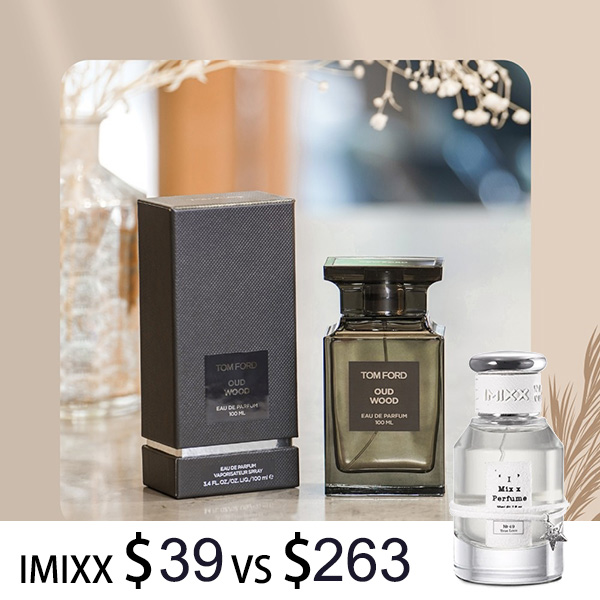
9. Its Minimalist Bottle Supports the Overall Identity
Fragrance presentation does not change the formula, but it does influence the ownership experience. The bottle design reflects the scent’s character: dark, structured, restrained, and luxurious without elaborate decoration.
I see a direct relationship between the visual design and the fragrance itself. The scent avoids unnecessary sweetness and excessive ornamentation, while the bottle avoids bright colors and complicated shapes. Both communicate confidence through simplicity.
This also makes the bottle easy to display in different interiors. It can sit on a modern shelf, a dark wooden dresser, or a minimalist vanity without appearing out of place. The design feels recognizable but not visually noisy.
From a practical perspective, I still prioritize the atomizer, cap fit, storage conditions, and purchase source over appearance alone. Luxury packaging is enjoyable, but authenticity, proper handling, and product condition matter more than decorative presentation.
How I store a premium fragrance
I keep fragrance away from direct sunlight, radiators, hot bathrooms, and windows with major temperature changes. A bedroom cabinet, drawer, or shaded shelf in a climate-controlled room is generally preferable.
I also keep the bottle upright and replace the cap after use. Refrigeration is usually unnecessary for normal home storage and may expose the bottle to condensation or temperature shifts. Consistent, moderate conditions are more important than extreme cold.
10. The Value Depends on How You Define Luxury
The final distinctive aspect is also the most personal: value. Tom fords oud wood is positioned as a premium fragrance, and the retail price can be significant. I do not evaluate that price only by calculating cost per milliliter. I consider formulation style, presentation, versatility, frequency of wear, emotional response, and whether the scent fills a meaningful role in a collection.
A fragrance can be expensive and still provide value when it is worn regularly and creates a distinctive experience. Conversely, even a less expensive bottle offers poor value when it remains unused. The most important question is not whether the fragrance is universally “worth it.” The better question is whether its specific character justifies the cost for the individual buyer.
I recommend testing before purchasing a large bottle. A sample, travel spray, store test, or smaller size can reveal whether the spicy opening, woody center, warm drydown, and moderate projection match personal expectations.
Harrods describes the composition as combining rosewood and cardamom with oud, sandalwood, vetiver, tonka bean, and amber. Its Oud Wood product listing also presents the fragrance as rich and warm. Those descriptions are useful, but no written note list can replace a complete skin test.
Questions I ask before buying
Will I wear this fragrance at least several times each month?
Does the drydown still interest me after several hours?
Do I enjoy its actual projection, rather than the performance I hoped it would have?
Does it offer something meaningfully different from bottles I already own?
Would a smaller size satisfy my needs better than a full bottle?
How the Main Oud Wood Formats Compare
Oud Wood Eau de Parfum
Best for: The classic experience
Character: Spicy, dry, woody, warm, and smooth
My view: This is the most recognizable balance of cardamom, polished woods, sandalwood, vetiver, amber, and tonka bean.
Oud Wood Parfum
Best for: Buyers seeking a richer interpretation
Character: Denser woods with added warmth and depth
My view: This format should be tested separately rather than treated as a simple stronger version of the Eau de Parfum.
Oud Wood Travel Spray
Best for: Testing, travel, and controlled ownership
Character: The Eau de Parfum experience in a portable format
My view: A travel size can be a more sensible entry point for someone who rotates many fragrances.
Oud Wood Body Spray
Best for: Lighter application and casual layering
Character: Airier and less concentrated than the main fragrance
My view: This format suits people who want the recognizable woody profile without the same density.
How I Apply tom fords oud wood
My usual application depends on the environment. For an indoor dinner or professional setting, I prefer two sprays: one near the upper chest and one near the back or side of the neck. This creates a scent bubble without concentrating everything directly beneath my nose.
For cool outdoor weather, I may use three or four sprays. For warm weather or crowded spaces, I reduce the application. I never treat spray counts as universal because atomizer output, skin, clothing, climate, and venue size all matter.
I am cautious when spraying clothing. Fabric may hold fragrance longer than skin, but some formulas can mark delicate materials. I test an inconspicuous area before spraying silk, light-colored clothing, or expensive fabric. I also avoid spraying jewelry because alcohol and fragrance oils may interact with certain finishes.
Should it be layered?
It can be layered, but I prefer learning the fragrance alone before combining it with anything else. Layering too early makes it difficult to understand the original development.
When I do layer it, I choose restrained partners. A clean sandalwood, dry vetiver, subtle amber, or unscented moisturizer can support the existing structure. A very sweet vanilla may make the base richer, while a bright citrus may increase contrast in the opening. I begin with small quantities because complicated layering can quickly become muddy.
Who Is Most Likely to Enjoy It?
I believe this fragrance is especially suitable for someone who enjoys polished woods, dry spices, subtle warmth, and restrained projection. It may also appeal to a person who wants to explore oud without immediately entering the most animalic or challenging side of the category.
Minimalists may appreciate its ability to cover several situations. A person building a small fragrance wardrobe could use it for work, evenings, dates, formal occasions, and cool-weather daily wear.
It is less likely to satisfy someone who primarily wants bright citrus, aquatic freshness, sugary gourmand notes, or extremely strong projection. It may also disappoint a buyer expecting a deeply traditional oud experience dominated by smoke, leather, medicinal facets, or animalic intensity.
You may enjoy it if you prefer:
Dry cardamom and pepper
Smooth sandalwood
Dark but approachable woods
Controlled sweetness
Moderate, intimate projection
Versatile unisex fragrances
You may want to test carefully if you prefer:
Very bright citrus openings
Fresh aquatic fragrances
Highly sweet gourmand scents
Extremely smoky oud
Room-filling projection
Simple, linear compositions
How to Evaluate Authenticity and Purchase Safely
Premium fragrances are sometimes targeted by counterfeit sellers, so I prioritize trustworthy purchasing channels. I prefer official brand stores, established department stores, authorized beauty retailers, or reputable fragrance businesses with transparent return policies.
I do not rely on one packaging detail to authenticate a bottle. Counterfeit packaging can imitate fonts, batch codes, cellophane, labels, and bottle shapes. A suspiciously low price, unclear seller identity, inconsistent product photos, missing return information, or pressure to complete payment outside a protected platform creates more concern than one minor cosmetic difference.
Packaging can also change over time, so an older authentic bottle may not look identical to a current retail bottle. This is another reason comparisons should consider production period, bottle size, market, and authorized packaging updates.
When buying secondhand, I ask for clear photographs of the bottle, base label, atomizer, cap, packaging, and proof of purchase when available. Even then, photographs cannot provide absolute certainty. Buyer protection and seller history remain important.
My Final Assessment
After considering its structure, development, versatility, and presentation, I understand why tom fords oud wood has remained a reference point in modern woody perfumery. Its greatest strength is not extreme power or shock value. Its strength is balance.
The cardamom opening feels cool and refined. The woody center feels dark but approachable. Sandalwood adds smoothness, vetiver provides dryness, and amber with tonka bean creates a warm, intimate finish. Each stage supports the others without turning the fragrance into an obvious checklist of notes.
I also value its flexibility. It can feel formal or relaxed, masculine or feminine, professional or intimate, depending on the wearer and setting. That adaptability makes it easier to use than many fragrances built around a strong oud identity.
Its limitations should still be acknowledged. Projection may feel too restrained for people who want a dramatic scent trail, and the premium price makes testing essential. Performance can also vary significantly by skin and environment.
For the right person, however, it offers a distinctive combination of sophistication, comfort, and mystery. I would recommend experiencing the complete drydown at least twice before making a purchase decision. The opening introduces the fragrance, but the warm, smooth base reveals why so many people continue to remember it.
Key-Points FAQ
What does tom fords oud wood smell like?
To me, it smells like cool cardamom and dry pepper over smooth, dark woods. As it develops, sandalwood and vetiver become clearer, followed by a warm base of amber and tonka bean. It is woody and refined rather than intensely smoky or animalic.
Is Oud Wood suitable for beginners?
Yes, especially for someone beginning to explore oud-style fragrances. Its oud impression is blended with familiar spices and smooth woods, making it more accessible than many traditional or strongly animalic interpretations.
Is it a masculine or feminine fragrance?
I consider it unisex. Its balance of cardamom, pepper, oud-style woods, sandalwood, vetiver, amber, and tonka bean can work across different personal styles and gender expressions.
How long does it last?
Longevity varies by skin type, climate, application, and sensory perception. I generally experience a noticeable opening followed by a quieter woody drydown that sits closer to the skin. Testing on your own skin is more reliable than depending on one universal hour estimate.
Does it project strongly?
I would describe its projection as moderate in the opening and more intimate later. It is usually better suited to someone who values controlled sophistication than someone seeking a room-filling scent trail.
What season is best for wearing it?
I enjoy it most during fall, winter, and cool spring weather. It can also work in summer with light application, particularly during the evening or in climate-controlled environments.
Can I wear it to work?
It can work well in professional settings when fragrance is permitted and application is restrained. I recommend one or two sprays and consideration for coworkers who may be sensitive to fragrance.
Is Oud Wood sweet?
It has a subtle sweetness, especially in the drydown, but I would not call it a sweet-dominant fragrance. Tonka bean and amber soften the woods without turning the composition into a sugary gourmand.
Should I buy a full bottle without testing?
I recommend testing first. The scent is polished and versatile, but its dry spice, restrained sweetness, moderate projection, and premium price may not match every buyer’s expectations.
What is the most distinctive part of the fragrance?
For me, the most distinctive feature is the transition from cool cardamom and polished woods into a smooth, warm, softly sweet drydown. It creates depth without relying on excessive weight or projection.
