

Written by: Linus Dacke Thall
Article Summary: Finding the perfect Penhaligon The Coveted Duchess Rose dupe in the USA is a complex journey driven by the original’s staggering $300+ price tag and its frequently debated moderate longevity. In this comprehensive, 3000+ word educational guide, we step away from traditional marketing jargon. Instead, we break down the exact chemistry of modern rose perfumes, take you behind the scenes of the luxury fragrance supply chain to explain retail markups, and objectively review a spectrum of market alternatives. From budget-friendly high-street finds like Zara, to classic designer staples, and laboratory-engineered direct-to-consumer options (including our own formulation at Imixx Perfumes), we provide a fair, unbiased assessment to help you choose the best luxury rose fragrance clone for your specific budget and needs.
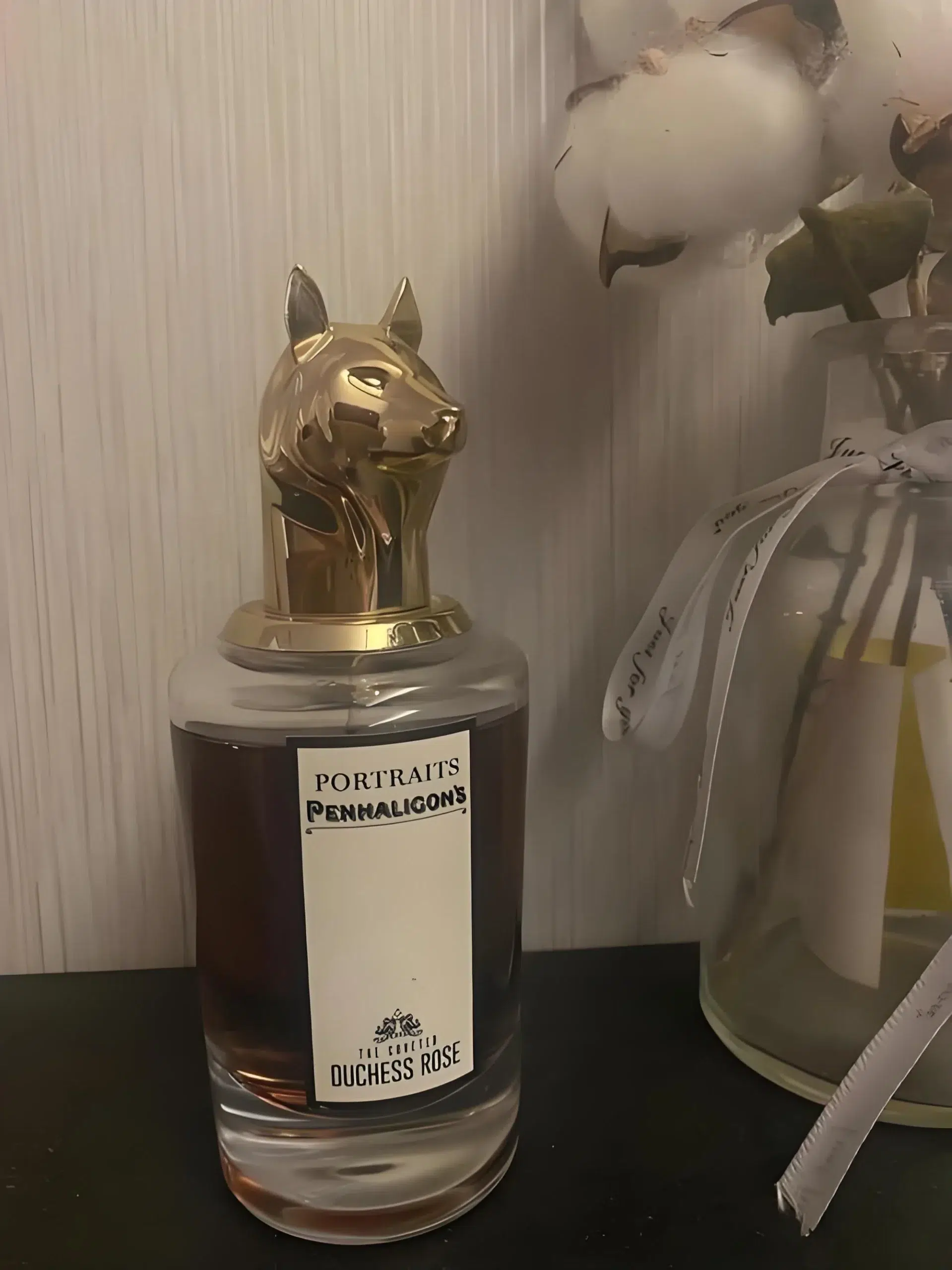
Introduction: The Allure of the Fox and the $300 Question
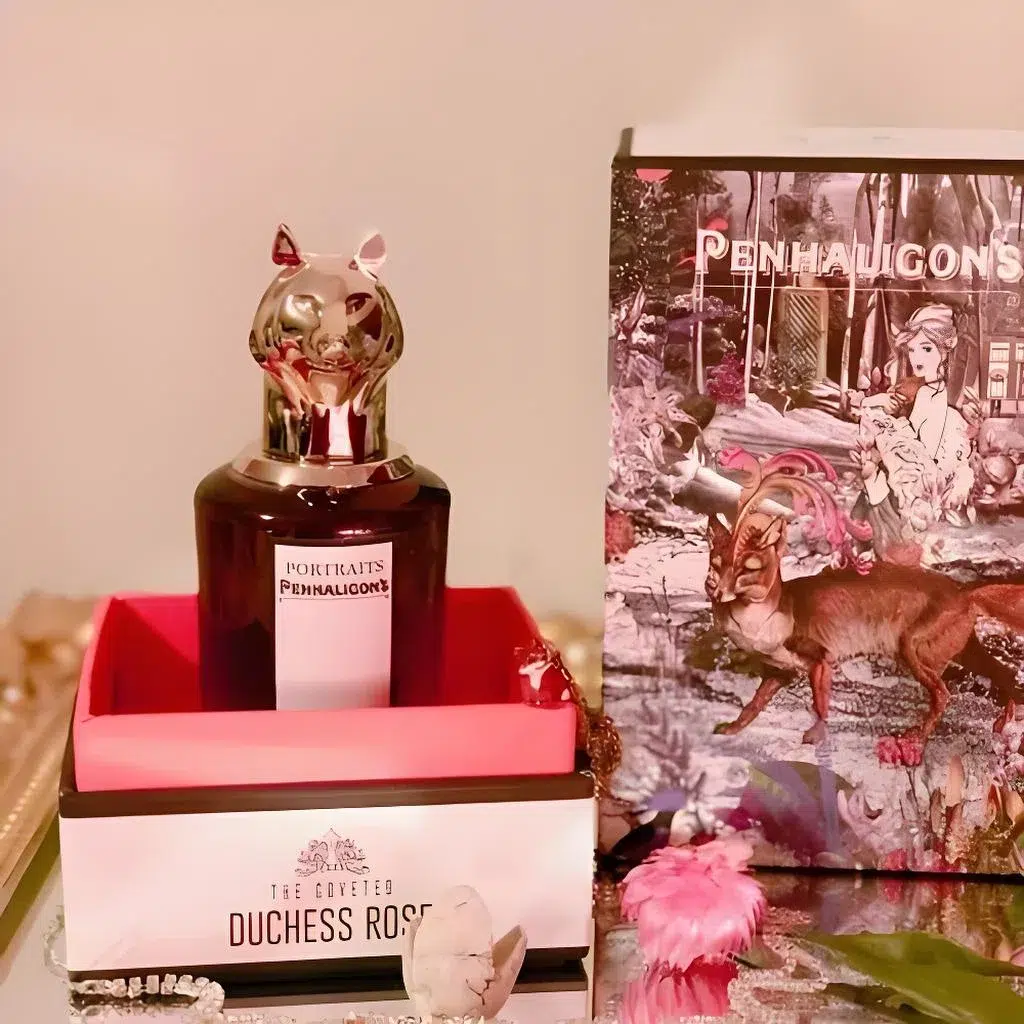
In the vast, beautifully scented world of haute perfumery, few collections have captured the imagination—and the wallets—of consumers quite like Penhaligon’s Portraits collection. Launched with a whimsical, slightly dark, and highly engaging narrative of fictional British aristocracy, each heavy glass bottle is topped with an ornate, solid brass animal head. Among this aristocratic menagerie, the fox-headed “The Coveted Duchess Rose” stands out as a true masterpiece of modern floral architecture.
The marketing copy describes a young, frustrated Duchess seeking romantic liberation, and the scent reflects this perfectly: it is innocent on the surface but possesses a deeply sensual, woody undertone. However, let us step away from the marketing romance and face reality. For the average fragrance enthusiast in the USA, walking into a luxury boutique or a high-end department store and dropping over $300 (plus tax) on a single 75ml bottle of perfume is a massive financial commitment.
Furthermore, if you browse through dedicated fragrance community forums like Basenotes, Fragrantica, or Reddit’s highly active r/fragrance subreddits, you will notice a recurring, almost universal theme: while the scent itself is praised as a breathtakingly beautiful, dewy rose, many users express profound frustration over its performance. Consumers frequently report that the fragrance fades into a faint skin scent within three to four hours. Paying top-tier luxury prices for a fragrance that exhibits the longevity of a body mist is a tough pill to swallow.
This exact dilemma—the intersection of a universally beloved scent profile and a highly criticized price-to-performance ratio—has sparked a massive surge in searches for the best luxury rose fragrance clones and affordable niche perfume alternatives. As someone who has spent over a decade working deep inside the fragrance supply chain—analyzing Gas Chromatography-Mass Spectrometry (GC-MS) lab reports, sourcing raw aromachemicals, and auditing manufacturing facilities—I want to pull back the curtain on this phenomenon.
This article is not a traditional, biased sales pitch designed to tell you that one specific brand is the absolute undisputed king of perfumes. Rather, it is a transparent, educational journey. We are going to decode exactly why Duchess Rose smells so incredibly good, mathematically break down why it costs so much, and objectively evaluate the different paths you can take to find a high-quality alternative that respects both your budget and your olfactory senses.
The Evolution of the Rose: From Vintage Powder to Modern Dew
To truly understand how to find a viable alternative, we must first understand the historical context of the note we are chasing. For decades, rose perfumes suffered from a significant public relations problem, particularly among younger demographics in the USA. Many consumers associated rose fragrances with “vintage,” “mature,” or “powdery” scents—the kind of heavy, opaque, potpourri-like perfumes that dominated the early-to-mid 20th century.
These older perfumes often relied heavily on dense, natural rose absolutes combined with heavy powdery notes like violet and iris, anchored by civet or heavy oakmoss. The result was beautiful for its time, but often felt suffocating in modern, climate-controlled environments.
The Coveted Duchess Rose (and the perfumer behind it, Christophe Raynaud) helped change this narrative by presenting a “transparent” rose. It smells like a fresh, dewy garden immediately after a cool spring rain. It is alive, vibrating with energy, and entirely devoid of dustiness. This shift from opaque to transparent is the hallmark of modern luxury perfumery.
Demystifying the Scent: The Chemical Anatomy of a Masterpiece
When we break down this fragrance in an analytical laboratory, we aren’t just looking at poetic marketing notes; we are looking at specific, carefully balanced chemical compounds. A high-quality alternative must understand and replicate this exact chemical architecture, not just throw a generic “rose oil” into a bottle.
- The Top Notes (The Hook): Sparkling Mandarin Orange. The fragrance opens with a burst of bright, juicy, slightly tart mandarin. In modern laboratory perfumery, this effect is often achieved using high-grade, cold-pressed citrus oils rich in a molecule called d-Limonene, paired with very subtle aliphatic aldehydes. This gives the perfume a “sparkling” or “effervescent” quality that immediately lifts the composition, preventing the rose from feeling heavy the moment it touches the skin.
- The Heart Notes (The Core): The Red Rose Accord. A modern rose accord is rarely just one single natural ingredient. While it may contain traces of natural Rose Damascena absolute for richness, perfumers construct the modern, dewy profile using a delicate balance of synthetic and isolated molecules. They use Damascones (specifically alpha and beta-damascone, which provide a jammy, almost fruity, berry-like nuance like a rich red wine) and Citronellol/Geraniol (which give that fresh, green, dewy petal scent). The genius of Duchess Rose is the restraint used here; the rose feels airy, floating rather than sinking into the skin.
- The Base Notes (The Anchor): Musky Wood. This is where the fragrance settles and where its seductive nature reveals itself. The base utilizes clean, synthetic woods—often molecules similar to Iso E Super (which provides a velvety, cedar-like aura) or Ambroxan (which adds a slightly salty, ambergris-like warmth). This is blended with smooth macrocyclic musks like Galaxolide or Ambrettolide. These base notes act as fixatives, helping the lighter citrus and floral notes adhere to the skin while providing a sensual, “my skin but better” finish.
When consumers accidentally purchase a low-quality, cheap imitation from a corner store, it is usually because the manufacturer overdosed on cheap, flat rose chemicals (like low-grade Phenylethyl Alcohol) and entirely skipped the nuanced, expensive fruitiness of the Damascones. The result is a harsh, screechy, synthetic smell that induces headaches. A true, high-quality alternative requires structurally similar aromachemicals, blended with exact precision.
The Supply Chain Secret: Why Do Niche Perfumes Cost $300?
To navigate the world of perfume dupes effectively, we have to talk about economics. Why does a perfume cost $300 in the USA? Is the liquid inside really made of liquid gold? The short, industry-insider answer is: absolutely not. The long answer is a fascinating, sometimes frustrating look at the luxury retail supply chain.
As a supply chain analyst, I evaluate the Cost of Goods Sold (COGS). When you buy a heritage luxury fragrance from a high-end department store like Saks Fifth Avenue, Neiman Marcus, or a dedicated boutique, you are paying for an entire global ecosystem. You are funding real estate, marketing, and middlemen, not just the scented oil in the bottle. Let’s break down the estimated cost structure of a traditional ultra-luxury fragrance compared to the direct-to-consumer models used by modern alternative fragrance houses today.
Table 1: Estimated Cost Structure of a Traditional $300 Luxury Perfume vs. Direct-to-Consumer Alternatives
| Cost Component | Traditional Luxury Brand ($300 Retail) | Direct-to-Consumer Alternative ($35 – $60 Retail) |
|---|---|---|
| The “Juice” (Fragrance Oil Concentrate & Perfumer’s Alcohol) | $5 – $15 (Despite the high retail price, the raw liquid ingredients often make up only 2% to 5% of the total retail price.) | $5 – $12 (Alternative brands keep their investment focused on raw materials, often utilizing higher concentrations than the originals.) |
| Packaging (Custom Glass, Heavy Brass Caps, Intricate Boxes) | $25 – $40 (Bespoke metalwork for animal heads, imported heavy glass from French factories like Pochet, velvet-lined boxes.) | $3 – $8 (Standardized, elegant but minimalist catalog glass bottles and simple, eco-friendly cardboard boxes.) |
| Marketing, Celebrity Endorsements & Brand Heritage | $50 – $80 (Global magazine advertisements, paying influencers, lavish launch parties, and PR agencies.) | Minimal to Zero (Growth is driven organically by USA SEO, TikTok/YouTube reviews, and word-of-mouth recommendations.) |
| Retailer Margins (Department Stores & Boutiques) | $120 – $160 (Major retailers typically take a massive 40% to 55% margin simply to place the bottle on their shelves to cover their own overhead.) | $0 (Sold directly from the manufacturer’s warehouse to the consumer via a Shopify or proprietary website.) |
| Licensing, IP & Distribution Logistics | $20 – $35 (Complex international shipping, warehousing across continents, and intellectual property maintenance.) | $5 – $10 (Streamlined domestic supply chains shipping directly via USPS or UPS.) |
*Note: This table represents industry-standard estimates based on aggregate supply chain analytics and is intended for educational comparison purposes. Exact figures vary wildly by brand. For more detailed insights on the economics of the fragrance industry, professional trade publications like Perfumer & Flavorist offer excellent, peer-reviewed deep dives.
By studying this economic breakdown, the pathway to affordable luxury becomes incredibly clear. If a brand simply removes the heavy brass fox head, refuses to buy full-page ads in Vogue, and sells directly to you online rather than through a luxury department store, they can offer the exact same (or sometimes better) quality of “juice” for a fraction of the price. When you buy a dupe, you are actively choosing to trade brand prestige and ornamental packaging for pure olfactory value.
The Science of Longevity: Why Some Alternatives Perform Better Than Originals
One of the most fascinating aspects of modern alternative fragrance houses is that they frequently outperform the original designer fragrances in terms of longevity on the skin. How is it chemically possible that a $50 bottle lasts longer than a $300 bottle? It comes down to two critical manufacturing processes that direct-to-consumer brands can manipulate to favor the consumer: Concentration and Maceration.
1. Fragrance Oil Concentration Levels
Fragrances are categorized by the ratio of pure perfume oil to the carrier solvent (usually denatured alcohol). An Eau de Toilette (EDT) is usually 8% to 12% concentration, while an Eau de Parfum (EDP) sits around 15% to 20%. Because floral and citrus notes (like the mandarin and dewy rose in Duchess Rose) are naturally volatile molecules of low molecular weight, they evaporate quickly into the air. This is just physics.
Independent laboratories formulating alternatives are not bound by the historical formulas of legacy brands. They can choose to push the concentration boundary to the maximum safe limit. Many high-quality alternative houses will formulate their inspired versions closer to an Extrait de Parfum level (25% to 30%), while still strictly adhering to the rigorous safety guidelines set by the International Fragrance Association (IFRA) to prevent skin irritation. This significantly higher oil content simply means there is more physical fragrance material on your skin, which takes much longer to evaporate.
2. The Magic of Maceration (The Aging Process)
If you have ever purchased a cheap fragrance that smelled overwhelmingly like harsh rubbing alcohol for the first five minutes, you have experienced a fragrance that skipped the maceration process. Maceration is basically the “aging” process of a perfume, fundamentally identical to aging a fine wine in an oak barrel.
In a proper, high-quality manufacturing setting, the raw fragrance concentrate is mixed with perfumer’s alcohol and a minute percentage of distilled water, then left to sit in large, dark, temperature-controlled vats for anywhere from four to eight weeks. During this critical resting period, chemical reactions occur. The harsh edges of the alcohol soften, the molecules bind together, and the top notes seamlessly integrate into the base notes.
Massive commercial luxury brands are under immense pressure to meet global quarterly sales demands, and sometimes this process is rushed. Conversely, many smaller boutique alternative houses operate in smaller, controlled batches, allowing them the flexibility to let their batches macerate fully. This patience in the supply chain results in a much smoother, richer scent profile straight out of the bottle on day one.
An Objective Review of Top Alternatives: Finding the Best Duchess Rose Dupe
Now that we comprehensively understand the science and the economics, let us evaluate the actual market. If you are a USA consumer looking for perfumes that smell like Duchess Rose, you have several distinct paths you can take. As an industry professional, I believe in radical transparency. Not every dupe serves the same purpose. I have categorized the best options available on the market, objectively highlighting their strengths, weaknesses, and identifying exactly who they are best suited for.
1. The Accessible High-Street Budget Option: Zara (Fashionably London)
If you prefer to walk into a physical brick-and-mortar store, test a fragrance on your skin, and walk out with it immediately, Zara is undeniably the king of the high-street dupe market. While Zara does not make a 1:1 direct chemical clone of Duchess Rose, their rose-centric releases—particularly those created in collaboration with master perfumer Jo Malone, such as Fashionably London—capture a very similar “modern, jammy rose over a musky base” aesthetic.
- Pros: Incredibly accessible. You can test them at almost any shopping mall in the USA. They are extremely budget-friendly (often under $35 for a large bottle). The scent profiles are created by world-renowned perfumers.
- Cons: They are not exact dupes; they are better described as “cousins” to the scent. Furthermore, Zara fragrances are notorious in the fragrance community for having very weak longevity, often requiring heavy reapplication every 2 to 3 hours.
- Best for: The casual buyer or teenager who wants a “similar vibe” on an extreme budget, prioritizes immediate gratification, and doesn’t mind carrying the bottle in their bag to reapply constantly.
2. The Mainstream Designer “Fresh Rose” Pivot: Paul Smith Rose or Stella McCartney
Before the niche perfume boom, designer brands were successfully experimenting with fresh, dewy roses. Paul Smith Rose and the iconic (though now discontinued and harder-to-find) Stella by Stella McCartney are fantastic examples of modern roses that avoid the powdery trap.
- Pros: Excellent blending, beautiful, display-worthy designer bottles, and a sense of classic reliability. They capture the dewy, green freshness of a morning rose beautifully.
- Cons: They lack the sparkling mandarin opening and the deep, sensual, slightly dark musky wood base that makes Duchess Rose so unique. They are much more linear (straightforward and unchanging) rose scents.
- Best for: Someone who realizes they just love the smell of fresh roses in general and doesn’t necessarily need the complex, contrasting citrus/wood elements of the Penhaligon’s DNA.
3. High-End Niche Alternatives: Diptyque Eau Rose / MFK À la rose
If your issue is not the $300 price tag, but rather that you simply want a different interpretation of a luxury rose with better performance, you should look to other high-end houses. Diptyque’s Eau Rose (EDP) and Maison Francis Kurkdjian’s À la rose are phenomenal luxury alternatives.
- Pros: Incredible ingredient quality, stunning brand heritage, beautiful packaging, and masterful blending. They offer a very similar elegant, airy rose experience.
- Cons: You are still paying ultra-luxury prices ($200 to $300+). They are not cheaper; they are just different luxury interpretations.
- Best for: The wealthy consumer or dedicated collector who wants to stay within the realm of luxury niche houses but wants to explore beyond Penhaligon’s.
4. The Direct-to-Consumer Laboratory Options: Oakcha, Dossier, and Imixx Perfumes
This category has exploded in the USA over the last five years. Brands in this space utilize GC-MS technology to reverse-engineer designer scents and sell them directly to consumers online. Brands like Dossier and Oakcha are massive players here, though their catalogs often focus heavily on mega-hits like Baccarat Rouge 540 or Le Labo Santal 33, sometimes leaving nuanced niche scents out.
As a supply chain consultant, I work with Imixx Perfumes, where our specific philosophy is rooted entirely in supply chain efficiency and maximizing raw material concentration. We recognized that consumers loved the musky, mandarin-rose DNA of Duchess Rose but despised the fleeting longevity. Our specific product, Inspired by The Coveted Duchess Rose, was meticulously engineered in the lab to address this exact gap in the market.
- Pros: A highly accurate scent match. By utilizing a slightly higher molecular weight musk blend in the base and pushing the concentration to Extrait levels, skin retention time is significantly improved (often pushing past 8 hours). The focus is entirely on the quality of the juice. It is vegan, cruelty-free, and highly affordable.
- Cons: You sacrifice the luxury unboxing experience. You will not get the heavy, ornate brass cap or the heritage storytelling. You must buy it blindly online without smelling it in a store first (though sample sizes are usually available).
- Best for: The pragmatic consumer who wants the absolute closest possible scent profile to the original, demands vastly superior longevity, and is perfectly happy trading a fancy bottle for a sub-$50 price point.
Expert Guide: How to Wear and Layer Rose Perfume for Maximum Longevity
Finding the perfect affordable niche perfume alternative is only half the battle. How you wear your fragrance, especially across the diverse climates of the USA—from the suffocating humidity of Miami to the bone-dry heat of Arizona—dictates how well it will perform. As a fragrance professional, here are my top, non-negotiable rules for maximizing your scent bubble.
1. Skin Hydration is the Ultimate Primer
As mentioned earlier, perfume alcohol is highly volatile. If your skin is dry, your epidermis will literally “drink” the fragrance oils to hydrate itself, causing the scent to disappear rapidly. Always apply an unscented body lotion or a natural carrier oil (like Jojoba, Sweet Almond oil, or squalane) to your pulse points immediately after a warm shower, before you spray your perfume. This creates a lipid barrier on the skin that traps the fragrance molecules on the surface, easily extending the life of your perfume by several hours.
2. The Golden Rule of Pulse Points (And What Not To Do)
Apply your fragrance to areas where your veins are closest to the skin: the inner wrists, the base of the throat, behind the earlobes, and inside the elbows. Your body heat will act as a natural, subtle diffuser throughout the day.
Crucial Warning: Never, ever rub your wrists together after spraying. This is the most common mistake consumers make. The friction creates acute heat that literally crushes and destroys the delicate top notes (like our beautiful sparkling mandarin orange), fast-forwarding the perfume straight to its musky dry-down phase and entirely ruining the intended olfactory journey.
3. The Art of Fragrance Layering (Scent Wardrobing)
One of the greatest benefits of saving hundreds of dollars with a high-quality clone is that you suddenly have the budget to build a “fragrance wardrobe” and experiment with layering. The musky, fresh profile of Duchess Rose makes it an incredible foundational layering tool.
- To make it darker for evening wear: Layer it over a rich, woody scent or a subtle synthetic oud (similar to Tom Ford’s Oud Wood or Jo Malone’s Velvet Rose & Oud). The musky wood base of the rose will lock into the heavier woods, creating a bespoke, mysterious, and highly seductive aura perfect for date night.
- To make it fresher for high summer: Pair it with a linear, sharp citrus spray (like a pure bergamot, neroli, or grapefruit scent). This amplifies the mandarin top notes, transforming the fragrance into an incredibly refreshing, iced-rose tea scent that cuts through high summer humidity beautifully.
- The Fabric Trick: While skin provides the necessary warmth for diffusion, spraying a little fragrance on your clothes (always test on an inconspicuous inside hem first to ensure the oils don’t stain) will hold the scent for days. Fabric does not break down oils the way human skin chemistry does.
Frequently Asked Questions (FAQ): Decoding Luxury Rose Dupes
1. What specific notes should I look for in a good dupe for Penhaligon’s The Coveted Duchess Rose?
A high-quality alternative must accurately capture a transparent, dewy red rose heart and a bright mandarin orange opening without resorting to harsh, headache-inducing synthetics. You should look for formulations from independent brands that explicitly mention a musky wood base. More importantly, check their concentration levels; look for Eau de Parfum or Extrait de Parfum to ensure the scent lasts significantly longer than the original designer version.
2. How long does The Coveted Duchess Rose typically last on the skin, and why?
Consumer consensus, Fragrantica reviews, and independent sensory panels generally report that the original fragrance lasts about 3 to 5 hours on well-hydrated skin, often sitting very close to the body with moderate-to-low sillage (projection). Because the scent relies heavily on delicate citrus (mandarin) and sheer, watery floral notes, it naturally evaporates much faster than heavier, ambery oriental or gourmand perfumes. This inherent volatility is exactly why so many consumers seek alternatives engineered with enhanced base fixatives.
3. Is Penhaligon’s Duchess Rose considered a unisex fragrance?
Yes, absolutely. While it was traditionally marketed toward women within the brand’s fictional aristocratic narrative (the “young Duchess”), modern perfumery is increasingly gender-fluid. The prominent, slightly dark musky wood base notes in the dry-down give the fragrance a sophisticated, clean, and slightly edgy character that appeals to all genders. Many men who enjoy fresh, woody-floral profiles wear this scent exceptionally well, especially in professional office settings or during the spring season.
4. How do independent brands avoid copyright infringement when making “inspired by” fragrances?
In the United States and most of the world, a scent itself (the invisible chemical formula) cannot be copyrighted or patented, because fragrances are legally considered a mixture of naturally occurring and synthetic chemicals. What is fiercely protected by trademark law is the brand name, the specific logo, the bottle design (like the brass fox head), and the marketing copy. Alternative brands are legally permitted to reverse-engineer the chemical smell, provided they use their own original packaging and clearly state they are an independent entity not associated with the original designer.
5. Why are luxury niche perfumes so expensive in the USA market?
The high retail price of luxury niche perfumes rarely reflects the cost of the fragrant liquid itself. A $300+ price tag primarily pays for the extensive overhead costs of traditional brick-and-mortar retail and brand prestige. This includes bespoke heavy glass bottles, ornate caps, global marketing campaigns, celebrity endorsements, PR agencies, and standard 40% to 55% retailer margins required by department stores. When you buy a direct-to-consumer alternative, you are bypassing this massive web of markups.
Conclusion: Empowering Your Olfactory Journey
Navigating the complex, sometimes overwhelming world of niche perfumery should be a joy, not a source of financial stress. By understanding the underlying mechanics of the global fragrance supply chain—realizing that you are often paying for heavy brass caps, magazine ads, and retail margins rather than the liquid itself—you transition from a passive buyer to an empowered consumer.
Understanding the chemistry of scent profiles, the critical importance of proper maceration, and the function of raw ingredients like Damascones, Limonene, and macrocyclic musks allows you to see past the smoke and mirrors of luxury marketing. You no longer have to compromise between smelling like a million dollars and making sensible, pragmatic financial choices.
Whether you choose to hunt for budget-friendly “similar vibe” alternatives at high-street stores like Zara, explore beautiful designer classics, invest in other high-end niche houses, or purchase a meticulously reverse-engineered, high-concentration clone from an independent lab like Imixx Perfumes, the choice is now entirely yours. Each path offers a different balance of prestige, performance, and price.
If you value the physical art of the bottle and the heritage storytelling above all else, save up and buy the original Penhaligon’s. But if your priority is purely the olfactory experience—smelling exactly like that beautiful, dewy, musky rose—and you demand all-day longevity without the luxury markup, exploring the direct-to-consumer market is undoubtedly your best option. Evaluate your needs, trust your nose, keep your skin hydrated, and enjoy the beautiful, deeply personal art of fragrance.
