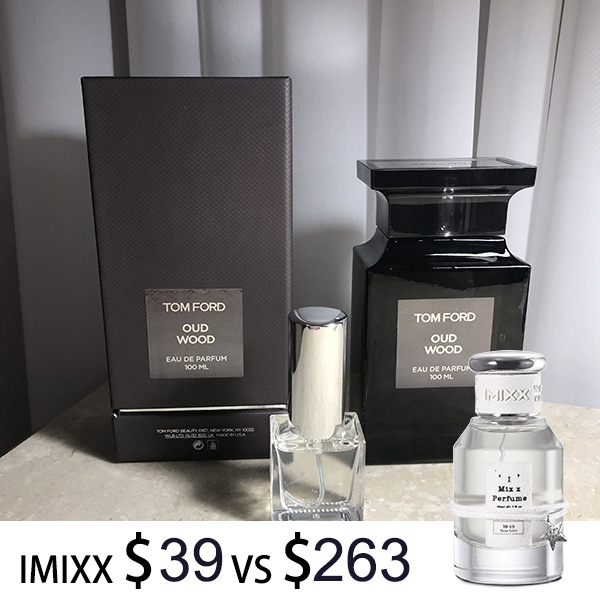
Why tom ford oud wood 1.7 oz Is Perfect for Daily Wear
When I choose a fragrance for everyday use, I look for balance rather than raw intensity. I want something polished enough for a meeting, comfortable enough for a long workday, and distinctive enough that I still enjoy catching it on my clothes several hours later. That is why tom ford oud wood 1.7 oz has become such an appealing size and scent profile for people who want one refined fragrance that can handle many parts of daily life.
In my experience, the strongest argument for choosing tom ford oud wood 1.7 oz is not that it overwhelms a room. Its advantage is the opposite: it delivers a smooth, recognizable woody presence without forcing me to reserve it for formal events. The 1.7-ounce bottle is also substantial enough for consistent use while remaining easier to store, carry, and finish than an oversized fragrance bottle.
My central takeaway: Oud Wood works for daily wear because its dry woods, soft spice, restrained warmth, and moderate character can complement a person rather than dominate the environment around them.
What Makes a Fragrance Suitable for Daily Wear?
A fragrance can smell impressive during a quick test and still be difficult to wear every day. For me, daily versatility depends on how the composition behaves over several hours, how it interacts with different environments, and whether I can control its projection through application.
I generally evaluate an everyday fragrance using five practical criteria:
- Wearability: Does the scent remain comfortable after the opening fades?
- Social flexibility: Can I wear it around coworkers, clients, friends, and family?
- Application control: Can I adjust its strength by changing the number and placement of sprays?
- Seasonal range: Does it work across more than one narrow weather condition?
- Personal enjoyment: Do I still want to smell it after the novelty of the first few wears disappears?
Oud Wood performs well under this framework because it does not rely on one loud effect. It begins with aromatic spice, develops into a dry and polished woody center, and settles into a warmer base. The transitions are noticeable, but they are usually smooth enough that the fragrance remains coherent throughout the day.
The official TOM FORD description identifies oud notes, exotic woods, cardamom, and warm amber as central elements of the composition. Readers who want to compare that description with their own impressions can consult the official Oud Wood Eau de Parfum product page.
My Experience With the Scent Profile
The Opening Feels Spiced, Dry, and Controlled
When I first spray Oud Wood, I notice spice before I notice anything that resembles a heavy or animalic oud fragrance. Cardamom creates an aromatic lift that keeps the opening from feeling dense. Rather than producing a sweet cloud, the first stage feels dry, composed, and slightly cool.
This matters for daily use because the opening is what coworkers, passengers, and nearby customers are most likely to notice. A fragrance that opens too aggressively can become uncomfortable in a shared environment even when its drydown is beautiful. Oud Wood generally avoids that problem when I apply it conservatively.
I would not describe the opening as fresh in the style of citrus cologne or aquatic fragrance. It is fresher in a textural sense: the spice creates space between the darker materials. That spacious quality makes it easier for me to wear during the morning without feeling as though I have applied an evening fragrance too early.
The Heart Is Woody Without Feeling Rough
As the opening settles, the composition becomes smoother and more clearly woody. This stage is the main reason I consider it practical. The woods feel polished rather than smoky, charred, or aggressively earthy. I associate the effect with finished wood, a clean interior, or a well-maintained leather accessory rather than a literal forest floor.
The oud accord contributes depth, but it does not usually present the medicinal, barnyard-like, or intensely fermented facets that some traditional oud materials can display. That does not make it less sophisticated. It simply places the composition in a more accessible category for someone who wants the idea of oud in a modern wardrobe.
I also find that the restrained heart makes the scent easier to combine with different clothing styles. It works with a blazer and dress shoes, but it does not feel absurd with dark denim, knitwear, or a simple button-down shirt. A useful daily fragrance should not require a costume, and Oud Wood rarely does.
The Drydown Adds Warmth Without Becoming Sugary
Later in the wear, amber-like warmth and creamy woods become more noticeable on my skin. The fragrance grows softer and more intimate instead of turning into a thick sweet base. This is particularly useful during long days because I do not feel exhausted by it after several hours.
Many modern fragrances use strong vanilla, caramel, or syrupy amber effects to extend their presence. Those styles can be enjoyable, but I do not always want that sweetness in a professional environment. Oud Wood gives me warmth without making me smell like dessert.
The drydown is also the stage that tends to remain on fabric. On a jacket or scarf, I may notice a quiet woody trace after it has become subtle on my skin. I avoid overspraying clothing because fragrance can affect delicate materials, but one controlled spray on a suitable outer layer can help maintain the scent during a long day.
Why the 1.7-Ounce Bottle Makes Sense for Regular Use
The 1.7-ounce format corresponds to approximately 50 milliliters. For me, this is one of the most practical fragrance sizes because it sits between a small travel-oriented bottle and a large bottle that may take years to finish.
A 50-milliliter bottle provides enough product for repeated wear without demanding excessive storage space. The exact number of applications varies according to the atomizer and spraying habits, but a bottle of this size can still support a substantial number of wears. Someone applying two or three sprays at a time may use it for months or considerably longer, depending on frequency.
I also prefer this size when I am still learning how a fragrance fits into my routine. A 100-milliliter bottle may offer a lower cost per milliliter, but that value only matters if I genuinely use the product. The 1.7-ounce format reduces the risk of owning a large amount of fragrance that spends most of its life untouched.
| Bottle Format | Best Suited For | Main Advantage | Potential Limitation |
|---|---|---|---|
| 10 ml | Sampling, travel, occasional use | Highly portable and easier to finish | May run out quickly with frequent wear |
| 30 ml | Light rotation or regular travel | Compact with a useful amount of fragrance | Less economical for a signature-scent user |
| 50 ml / 1.7 oz | Frequent wear and balanced ownership | Strong balance of capacity, storage, and usability | Not as compact as a dedicated travel spray |
| 100 ml | Committed signature-scent wearers | More product and often better value per milliliter | Requires more storage and commitment |
For my own collection, 50 milliliters is often the point at which a fragrance feels usable rather than merely collectible. I can wear it regularly, monitor how much remains, and realistically finish the bottle before my preferences change.
How I Wear Oud Wood During a Normal Day
For the Office
In an office, I usually apply one spray to the upper chest beneath my shirt and one light spray to the back or side of my neck. Placing fragrance beneath clothing helps soften the initial projection while still allowing body heat to release the scent gradually.
I avoid spraying heavily on the front of my neck before entering a meeting room. That placement can put the fragrance directly into the breathing space of someone sitting nearby. Daily wear should account for other people, especially in workplaces with enclosed rooms, shared desks, or fragrance-sensitive employees.
Oud Wood’s professional strength is that it can register as deliberate and well-groomed without smelling like a conventional “business” cologne. It is not sharply citrusy, intensely soapy, or heavily musky. The woody structure gives it personality while remaining relatively composed.
For Commuting and Errands
When I expect to spend time in a car, train, elevator, or store, I reduce the number of sprays. Enclosed spaces amplify fragrance, and even a refined scent can become intrusive when too much is applied.
For errands, one or two sprays are usually enough for me. The purpose is not to announce the fragrance from several feet away. I want a low personal scent bubble that I can notice while moving without leaving a heavy trail behind me.
For Dinner After Work
Oud Wood transitions naturally from daytime to dinner because the drydown becomes warmer as the day progresses. I do not always need to reapply it. When I do, one spray to the chest or wrist is generally more effective than repeating my entire morning routine.
The scent works particularly well for restaurants because it is not dominated by sweet gourmand materials. Strong fragrance can interfere with the aromas of food and wine, so restraint remains important. A controlled woody fragrance is usually easier to manage at the table than a dense vanilla, tobacco, or syrupy amber composition.
For Casual Evenings
Although Oud Wood has a luxury image, I do not treat it as formal-only. I wear it with a sweater, clean T-shirt, leather jacket, or overshirt. The contrast between a polished fragrance and relaxed clothing can feel natural as long as the rest of the presentation is intentional.
This flexibility is one reason I see it as a potential signature scent. A signature fragrance should continue to make sense when the calendar changes. Oud Wood can cover a workday, a casual meal, a museum visit, or a quiet evening without requiring a different identity for each occasion.
Performance: What I Realistically Expect
Fragrance performance varies significantly from person to person. Skin moisture, climate, application location, clothing, activity level, and even sensory adaptation can change how long a scent appears to last. For that reason, I avoid promising an exact number of hours.
On my skin, I think of Oud Wood as controlled rather than explosive. The opening is more noticeable, the middle stage becomes a moderate personal aura, and the later drydown stays closer to the body. It may remain detectable for much longer on fabric than it does in the air around me.
Some wearers prefer fragrances that project strongly throughout the day. Oud Wood may not satisfy that expectation with only one or two sprays. However, I see its measured character as an advantage for regular use. I would rather reapply one spray before an evening event than spend an entire workday trapped inside an overpowering scent cloud.
Knowledge Point: Nose Fatigue Can Affect Performance Judgments
After continuous exposure, I may stop noticing a fragrance even though other people can still detect it. Before reapplying, I step into fresh air or ask someone I trust whether the scent is still present. This helps me avoid accidental overspraying.
Moisturized skin may also hold fragrance better than very dry skin. I use an unscented moisturizer and allow it to absorb before applying perfume. I avoid mixing several strongly scented grooming products because competing aromas can make the fragrance feel less balanced.
Seasonal Versatility
Fall
Fall is probably the easiest season for Oud Wood. Cool air complements cardamom, dry woods, and amber-like warmth. I can use a moderate application without the scent expanding too quickly, and the woody profile pairs naturally with jackets, knitwear, and layered clothing.
Winter
During winter, the fragrance feels smooth and understated. Cold weather can reduce projection, so I may add one extra spray when I will be outdoors. Indoors, I return to a lighter application because heated rooms can make the fragrance more noticeable.
People who prefer very rich winter fragrances may find Oud Wood less dramatic than resinous amber or heavy tobacco compositions. I consider that restraint useful. It gives me a winter-appropriate mood without limiting the fragrance to holidays, nightlife, or special occasions.
Spring
Spring highlights the aromatic and dry aspects of the scent. On mild days, two sprays feel polished without becoming heavy. I particularly like it in early spring, when mornings remain cool but afternoons become warmer.
Summer
Summer requires more care. Heat and humidity increase evaporation and can magnify dense fragrance materials. I use one spray, occasionally two, and avoid applying immediately before entering a crowded vehicle or outdoor dining area.
Oud Wood is not my first choice for extreme heat, beach activity, or strenuous exercise. Still, it can work on a summer evening or in an air-conditioned setting when applied lightly. This is a more realistic claim than calling it universally perfect in every climate.
Product Comparison: Which Type of Woody Fragrance Fits Daily Life?
Not every fragrance marketed around wood delivers the same experience. I compare them by function rather than assuming one category is inherently better.
Oud Wood Eau de Parfum
Profile: Dry spice, polished woods, restrained warmth
Best for: Office wear, dinners, smart-casual routines, cooler weather
Why I choose it: It offers a recognizable identity without relying on extreme sweetness or projection.
Consider first: Performance may feel subtle to people who prefer forceful fragrances.
Fresh Woody Fragrance
Profile: Citrus, aromatic herbs, clean woods
Best for: Warm weather, gyms, daytime errands, casual offices
Why I choose it: It often feels immediately clean and broadly approachable.
Consider first: It may feel generic or lack depth after the opening.
Sweet Amber-Wood Fragrance
Profile: Vanilla, amber, resin, soft woods
Best for: Dates, nightlife, cold evenings, social events
Why I choose it: It creates warmth and noticeable presence.
Consider first: Strong sweetness can become tiring during a full workday.
Traditional Oud-Forward Fragrance
Profile: Dense resin, smoke, leather, earth, animalic facets
Best for: Experienced oud wearers and deliberate statement occasions
Why I choose it: It can provide complexity, cultural depth, and dramatic presence.
Consider first: It may be challenging in offices or close-contact environments.
Among these categories, Oud Wood occupies a useful middle ground. It has more character than a conventional fresh woody scent, but it is generally easier to wear than a traditional oud-heavy composition. That balance explains much of its popularity as an everyday luxury fragrance.
Who Is Most Likely to Enjoy It?
I think Oud Wood is particularly suitable for someone who prefers texture and restraint over obvious sweetness. It can appeal to people who enjoy sandalwood, cedar-like dryness, cardamom, amber, and smooth woody accords.
It may also suit someone building a smaller fragrance wardrobe. Instead of purchasing separate bottles for the office, dinner, cool weather, and semi-formal events, one adaptable woody fragrance can cover several roles.
I do not consider it exclusively masculine or feminine. Fragrance has no biological requirement to follow a gender label, and Oud Wood’s balance of spice, dry woods, and soft warmth can work across personal styles. On different skin, one person may notice more aromatic spice while another experiences a creamier base.
However, it may not be ideal for everyone. Someone seeking bright citrus freshness, aquatic cleanliness, thick gourmand sweetness, or highly animalic oud may prefer another direction. Daily wear is personal, and a successful fragrance should align with the wearer’s actual routine rather than its reputation.
Knowledge Point: Test the Full Drydown
I never evaluate a woody fragrance only from a paper strip or the first five minutes. I apply one spray to clean skin, avoid testing several strong scents at the same time, and observe the fragrance for an entire day. The base may determine whether I can realistically wear it every week.
How I Apply It Without Overdoing It
Application technique has a larger effect on daily wearability than many buying guides acknowledge. A versatile fragrance can become difficult when oversprayed, while a stronger scent may remain appropriate when placed carefully.
My Standard Two-Spray Method
For a typical workday, I use one spray on the upper chest and one near the back of the neck. The chest application stays partially covered, while the neck application creates a small scent trail as I move.
My One-Spray Method
For an airplane, medical office, crowded meeting, or warm day, I use one spray beneath clothing. This gives me personal enjoyment while reducing the chance that someone nearby will experience the fragrance as intrusive.
My Evening Refresh
When the morning application has faded, I add one spray rather than applying another complete set. I first check whether the scent remains on my clothing, because fabric can retain the woody base even when my nose no longer notices it consistently.
What I Avoid
I do not rub my wrists together after spraying. Friction is unnecessary and can alter how the opening evaporates. I also avoid spraying near the eyes, on irritated skin, or onto materials that may stain or react poorly to alcohol-based fragrance.
For fragrance safety and labeling context, the U.S. Food and Drug Administration explains that fragrance ingredients used in cosmetics must be safe under labeled or customary conditions of use, although cosmetic products are generally not subject to FDA premarket approval in the same manner as drugs. The agency’s fragrance information page provides additional consumer guidance.
Storage Habits That Help Protect the Bottle
A daily fragrance is often left on a bathroom counter or sunny dresser because convenience encourages regular use. I avoid both locations. Heat, direct sunlight, and repeated temperature fluctuations can gradually affect fragrance quality.
I store my bottle upright in a dark drawer, cabinet, or closet at a relatively stable room temperature. I keep the cap in place and avoid transferring the fragrance unnecessarily. Frequent decanting introduces more handling and may increase exposure to air or contamination if the equipment is not clean.
The 1.7-ounce bottle is convenient in this respect because it fits easily into compact storage. When I travel, I prefer filling a small, secure atomizer rather than carrying the full presentation bottle. This reduces weight and protects the original bottle from impact.
I also keep the fragrance away from children and pets. Perfume is not intended for ingestion, and its alcohol content makes appropriate storage important.
Value: How I Decide Whether the Bottle Is Worth It
Value in fragrance is not determined only by bottle size or price per milliliter. I calculate value according to how often I expect to wear the scent, how many situations it covers, and whether I enjoy its full development.
A less expensive fragrance that remains unused provides poor practical value. A more expensive fragrance worn several times each week may deliver a better cost per wear, even when its upfront price is higher.
Before purchasing, I ask myself four questions:
- Would I wear this at least once or twice a week during its appropriate seasons?
- Can it serve more than one social setting?
- Do I enjoy the drydown as much as the opening?
- Am I buying the scent itself, or reacting mainly to branding and online attention?
Oud Wood can justify its place when the answer to those questions is positive. Its versatility may reduce the perceived need for several narrowly specialized bottles. Nevertheless, sampling remains the most reliable first step because skin chemistry and personal taste cannot be predicted completely from a note list.
For shoppers comparing scent directions at a different price point, an imixx perfume interpretation can provide another route to exploring a smooth, oud-inspired woody profile. I still recommend evaluating any fragrance on skin, checking current product information, and purchasing through a retailer with clear shipping and return policies.
Fragrance Safety and Responsible Daily Use
Most people can use fragrance as directed, but daily application makes responsible habits especially important. I perform a limited skin test when trying a new product and stop using it if I experience persistent redness, swelling, burning, or another adverse reaction.
I do not apply perfume to broken or freshly irritated skin. I also avoid assuming that “natural” automatically means non-irritating. Both natural and synthetic fragrance materials can require concentration limits or other safety controls.
The International Fragrance Association maintains a risk-management framework that can restrict, limit, or prohibit certain fragrance materials according to scientific safety assessments. Readers interested in industry standards can review the IFRA Standards overview.
Fragrance sensitivity also extends beyond the wearer. Hospitals, clinics, classrooms, airplanes, and some workplaces may have formal or informal scent restrictions. I treat those environments differently from a restaurant, outdoor event, or private gathering. No fragrance is “office safe” at every dose, and consideration is part of wearing it well.
Why I Consider It a Strong Signature-Scent Candidate
A signature scent needs more than a pleasant opening. It must fit repeated use without becoming exhausting, and it should feel recognizable without trapping the wearer in a single setting.
Oud Wood meets those requirements for me because the composition is distinctive but not theatrical. Cardamom provides an identifiable opening, the dry woods create continuity, and the warm base makes the fragrance feel complete. None of these stages depends on an extreme effect.
It also communicates a specific style. I associate it with quiet polish, controlled warmth, and attention to detail. Those associations are subjective, but they explain why the fragrance often feels appropriate with professional, minimalist, or smart-casual clothing.
Most importantly, I can choose the volume of my presence. One spray creates a private experience. Two or three sprays provide a clearer aura. That adjustability makes the fragrance easier to integrate into real life than a composition that performs at maximum intensity regardless of application.
Common Mistakes I Would Avoid
Buying Without a Skin Test
A note list cannot reveal exactly how the fragrance will behave on my skin. I may perceive more spice, more dryness, or more amber than another reviewer. A sample or in-store test provides better evidence than online consensus.
Expecting Traditional Oud
The name can create expectations of dense resin, smoke, leather, or animalic depth. Oud Wood presents a modern, polished interpretation. I judge it according to what it is rather than measuring it against every traditional oud style.
Overspraying to Force Longevity
More sprays do not always create a better experience. They can produce an overly strong opening while nose fatigue makes the wearer believe the fragrance has disappeared. Strategic placement and a later refresh are usually more controlled.
Storing It in the Bathroom
Humidity and temperature changes make the bathroom a poor long-term storage location. A bedroom drawer or dark cabinet is generally more stable.
Assuming Luxury Means Universal Approval
No fragrance is universally attractive. Some people may find Oud Wood too dry, too quiet, or insufficiently sweet. Others may dislike oud-style accords entirely. I focus on whether the scent fits my preferences and environment rather than treating price or prestige as proof of compatibility.
My Final Verdict
I consider tom ford oud wood 1.7 oz a strong daily-wear option because it balances character with restraint. The cardamom-led opening feels deliberate, the woody center remains polished, and the warmer drydown avoids excessive sweetness. It can move from work to dinner, fit several seasons, and adapt to different environments through careful application.
The 50-milliliter format also makes practical sense. It contains enough fragrance for frequent use without requiring the storage space or long-term commitment of a much larger bottle. For someone who wants to wear the scent rather than simply display it, that balance matters.
I would not present it as the best choice for everyone. People seeking intense projection, bright aquatic freshness, dessert-like sweetness, or a highly traditional oud experience may prefer another fragrance. I would also avoid calling it ideal for extreme summer heat or every fragrance-sensitive workplace.
Within realistic limits, however, Oud Wood offers something valuable: a refined woody identity that can become part of a normal routine. That is why I see it not merely as an occasion fragrance, but as a credible signature scent for someone who values subtle sophistication and controlled presence.