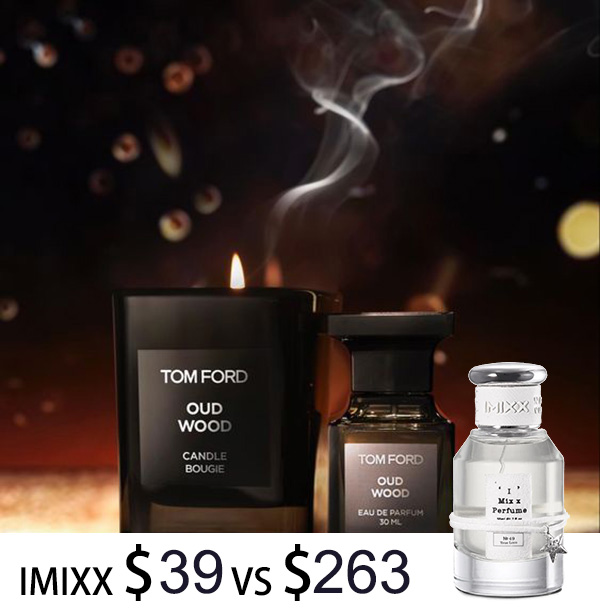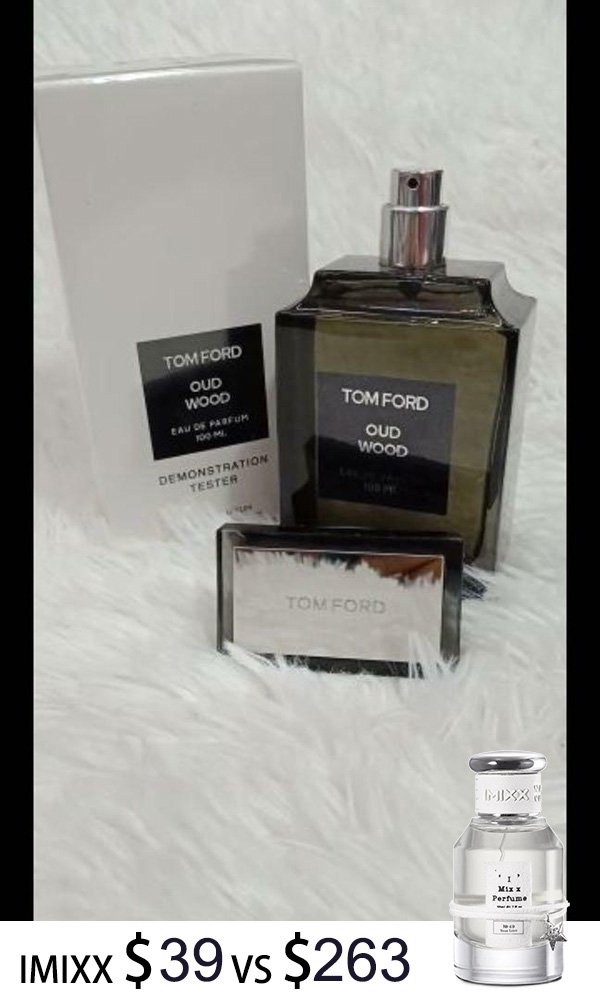
Why tom ford 100ml oud wood Is the Best Choice for Collectors
When I evaluate a fragrance for my collection, I look beyond the first spray. I consider the composition, bottle size, presentation, versatility, long-term usability, cultural relevance, and the role the fragrance can play within a broader wardrobe. That is why I believe tom ford 100ml oud wood deserves serious consideration from both experienced fragrance collectors and people building their first premium collection.
For me, tom ford 100ml oud wood represents an appealing balance between recognizable luxury and practical ownership. The 100 ml presentation provides enough fragrance for regular wear, thoughtful testing, seasonal rotation, and long-term appreciation without forcing me to treat every spray as a special-occasion expense. More importantly, the scent has a polished woody identity that remains distinctive while being easier to wear than many intensely animalic or aggressively smoky oud fragrances.
My collector’s perspective: I do not consider a fragrance collectible simply because it is expensive or presented by a famous brand. I consider it collectible when it has a clear creative identity, a meaningful place in fragrance culture, a presentation worth preserving, and enough wearability to remain relevant after the excitement of the purchase has passed.
This guide explains why the 100 ml bottle can be such a compelling choice, what I pay attention to before purchasing it, how I compare it with other formats, how I store it, and what collectors should realistically expect from its scent profile. I will also address authenticity, performance, value, and the difference between buying a fragrance to display and buying one to experience.
My Quick Assessment of Tom Ford Oud Wood in the 100 ml Size
| Collector Criterion | My Assessment | Why It Matters |
|---|---|---|
| Signature | Smooth, spicy, woody, and refined | It is identifiable without becoming difficult to wear. |
| Bottle Size | Generous but manageable | The 100 ml format supports regular use and long-term rotation. |
| Versatility | High for a luxury woody fragrance | I can wear it in professional, social, formal, and relaxed settings. |
| Presentation | Minimalist and display-friendly | Its bottle design fits naturally into an organized luxury collection. |
| Olfactory Accessibility | More approachable than many traditional oud styles | It introduces oud-style depth without demanding a taste for heavily animalic compositions. |
| Collector Risk | Moderate | The main concerns are price, seller reliability, personal performance expectations, and improper storage. |
Why I Consider Oud Wood a Modern Collector’s Fragrance
Collectors often search for fragrances that mark an important moment in the development of a scent category. Oud Wood helped present an oud-centered idea in a polished, Western luxury format that felt easier to approach than many darker oud traditions. I do not interpret that as meaning it reproduces every dimension of natural agarwood. Instead, I understand it as a carefully styled composition built around oud notes, woods, spice, and amber-like warmth.
The official Tom Ford Beauty description characterizes Oud Wood Eau de Parfum as a composition of oud notes, exotic woods, warm amber, spices, and cardamom. The brand currently lists several sizes, including a 100 ml presentation, although availability and pricing can change by market. Collectors can review the current brand description and authorized format information on the official Tom Ford Beauty Oud Wood page.
That distinction between “oud notes” and an assumption of abundant natural oud matters to me. Fragrance marketing language can encourage buyers to imagine rare raw materials in concentrations that may not be publicly documented. Unless a brand provides a detailed formula or sourcing disclosure, I avoid making unsupported claims about the percentage, origin, or grade of natural agarwood in a finished perfume.
What I can judge is the experience. On my skin, this style of fragrance is defined less by a raw, medicinal, barnyard-like oud effect and more by a controlled interaction of cardamom-like spice, polished woods, dry warmth, subtle sweetness, and an elegant ambered base. It feels composed rather than wild. For collectors, that polished character can be an advantage because it makes the bottle easier to revisit across different seasons and stages of personal taste.
It Occupies a Useful Position Between Familiar and Unusual
A collection becomes more interesting when every bottle has a purpose. If all my fragrances smell safe and familiar, the collection lacks personality. If every fragrance is extremely challenging, I may own impressive objects that I rarely enjoy wearing. Oud Wood sits between those extremes.
It is unusual enough to communicate a specific point of view, but familiar enough to function as a personal scent. The warm woods and spice can feel sophisticated to someone who already loves niche perfumery, yet the composition is generally more accessible than fragrances dominated by fecal, leathery, or sharply medicinal oud effects.
This balance is one of the strongest reasons I recommend sampling it to collectors. It can introduce a darker woody category without requiring an immediate leap into its most demanding interpretations.
Its Identity Is Easy to Understand
I value conceptual clarity in a collectible fragrance. Oud Wood does not need an elaborate story for me to understand its purpose. The name, bottle, scent direction, and overall presentation communicate the same message: dark wood, restrained luxury, warmth, and texture.
That does not mean the fragrance is simple. Rather, its complexity supports a recognizable central idea. Even when the spices soften and the drydown becomes smoother, the composition retains its woody structure. A clear identity makes a fragrance easier to remember, compare, organize, and discuss within a collection.
What the 100 ml Bottle Adds to the Collecting Experience
The fragrance itself is only part of the decision. Bottle size changes how I interact with a perfume. A small decant encourages experimentation, while a travel spray supports portability. A 50 ml bottle may be ideal for variety. A 100 ml bottle, however, encourages a longer relationship.
With tom ford 100ml oud wood, I am not limited to occasional ceremonial wear. I can test it in different temperatures, apply it lightly for professional settings, wear it more generously in cold weather, and revisit it over several years. That repeated experience teaches me more about the fragrance than a brief store test ever could.
A Larger Bottle Reduces the Fear of Using It
One of the least enjoyable habits in fragrance collecting is being afraid to spray a fragrance. When a bottle is rare, tiny, discontinued, or nearly empty, every use can feel like a loss. That attitude turns perfume into a static object rather than an experience.
A 100 ml bottle gives me more freedom. I can wear the fragrance during ordinary moments rather than saving it only for formal events. Those ordinary associations often become the most meaningful: a cool morning, an important meeting, a dinner with friends, a winter trip, or a quiet evening at home.
Fragrance is deeply connected to memory. A larger supply allows more memories to form around the scent, which can make the bottle personally collectible even when it is not financially rare.
The Proportions Work Well for Display
Presentation matters to many collectors, and the 100 ml bottle has enough physical presence to anchor a shelf without becoming oversized. Its architectural shape, dark tones, and clean labeling work particularly well in collections organized around woods, ambers, luxury designers, or minimalist packaging.
I prefer to display bottles only when the display area is protected from direct sunlight and excessive heat. A beautiful shelf beside a sunny window may look appealing, but constant light and temperature changes can be harmful to fragrance quality. I would rather preserve the liquid than optimize a photograph.
It Supports Long-Term Comparative Testing
My perception of fragrance changes over time. Weather, skin condition, application method, experience, and even the fragrances I have recently smelled can influence what I notice. A generous bottle lets me compare impressions across years rather than relying on a single test.
I may notice more spice during one wearing, more sandalwood-like creaminess during another, and more dry amber or vetiver-like texture later. Those shifts do not necessarily mean the formula has changed. They can reflect context, maturation after opening, skin chemistry, or my own developing vocabulary.
Knowledge point: Bottle size is not the same as rarity.
A 100 ml bottle can be valuable to a collector because it supports use, study, display, and comparison. That does not automatically make it rare or guarantee that it will appreciate financially. I treat fragrance primarily as a sensory collectible, not as a predictable investment.
How I Experience the Scent Profile
Fragrance descriptions are subjective, so I separate official note information from my personal interpretation. The brand emphasizes oud notes, exotic woods, cardamom, spice, and amber-like warmth. My own experience is that the fragrance opens with an immediately polished spicy-woody impression rather than a loud cloud of smoke.
The opening can feel cool and warm at the same time. Cardamom contributes an aromatic brightness, while the woods provide depth. As the scent settles, it becomes smoother, drier, and more rounded. I perceive a creamy woody effect balanced by earthy and slightly sweet facets. The drydown is usually the most intimate stage, with the structure resting closer to the skin.
The Opening: Controlled Spice
My first impression is usually cardamom-like spice over smooth wood. The spice does not remind me of a sweet holiday candle. It feels drier and more elegant, adding lift to a composition that could otherwise become heavy.
This opening is important because it creates accessibility. A sharply animalic or medicinal introduction can discourage people who are new to oud fragrances. Oud Wood generally leads with refinement, allowing the darker elements to develop gradually.
The Heart: Polished Woods
As the opening settles, the fragrance becomes more textural. I notice smooth wood, dry earthiness, subtle resinous warmth, and a soft creamy quality. The oud idea is present, but it is integrated into a broader woody structure rather than presented as a raw material demonstration.
This is where I think the composition earns its reputation as a versatile luxury wood scent. It can feel distinctive to the wearer without dominating every room. That controlled presence is useful in offices, restaurants, galleries, and social events where an extremely forceful fragrance may be distracting.
The Drydown: Warm, Dry, and Close
In the later stages, I experience a warm woody base with restrained sweetness. Depending on my skin and the weather, it may feel creamy, dusty, ambery, or slightly earthy. I do not expect the drydown to project as forcefully as the opening.
Some wearers want enormous projection for ten or twelve hours. Others prefer a scent that gradually becomes personal. I place Oud Wood closer to the second category. Performance can vary significantly, and collectors should test a current bottle on their own skin before purchasing based on someone else’s hour count.
Why Oud Is Important in a Serious Fragrance Collection
Oud, also known as oudh or agarwood, has a complex history in incense and perfumery. Its cultural significance extends well beyond modern Western luxury branding. The material is associated with aromatic traditions in parts of the Middle East and Asia, and its scent can range from smooth, sweet, and woody to smoky, leathery, medicinal, earthy, or animalic.
The Perfume Society describes oudh as an important material in Arabic perfumery and notes its historical use in incense traditions. Its educational overview also explains why oud is regarded as rare and costly. Readers who want general ingredient background can consult The Perfume Society’s guide to oudh.
I use that history to add context, not to claim that every commercial oud fragrance contains the same material or represents the same tradition. “Oud” on a fragrance label can refer to natural agarwood material, an accord created from several ingredients, a combination of natural and synthetic materials, or an artistic interpretation. Without transparent formula data, I do not assume that two oud fragrances are materially equivalent.
Oud Gives a Collection Greater Textural Range
A fragrance wardrobe built only around citrus, clean musk, and fresh aromatics can become repetitive. Oud-style compositions introduce darker textures: resin, smoke, earth, leather, polished wood, shadow, and warmth.
Oud Wood is particularly useful because it adds those textures in a measured form. It does not require me to wear the most aggressive version of the category. I can place it between a bright aromatic fragrance and a dense smoky oud, creating a logical progression within the collection.
It Can Serve as an Educational Reference Point
Collectors develop their noses by comparison. Once I understand the smooth, Western luxury interpretation of oud represented here, I can compare it with sweeter rose-oud combinations, smoky incense compositions, leather-forward ouds, medicinal styles, and perfumes focused on natural agarwood oil.
Oud Wood therefore functions as more than an isolated bottle. It becomes a reference point. Even when I discover a darker or more technically unusual oud fragrance, I can compare its texture, projection, sweetness, and accessibility with this familiar benchmark.
Tom Ford 100 ml Oud Wood Compared With Other Buying Formats
100 ml Original Presentation
Best for: Established collectors and frequent wearers
Main advantage: A substantial supply in the full branded presentation
My view: This is the most balanced format when I already know I enjoy the fragrance and want it to remain part of my long-term rotation.
50 ml Original Presentation
Best for: Collectors prioritizing variety
Main advantage: Lower total commitment and easier storage
My view: A practical choice when I rotate through many fragrances and rarely finish larger bottles.
Travel Spray or Decant
Best for: Testing and portability
Main advantage: Minimal financial commitment
My view: This is where I start when I have not yet completed several full-day skin tests.
imixx perfume Interpretation
Best for: Exploring a related woody scent direction at a different price level
Main advantage: Greater freedom for frequent spraying
My view: I evaluate it as its own wearing experience rather than treating it as evidence about the exact formula or performance of an original bottle.
Why I Do Not Automatically Choose the Largest Bottle
Although I consider the 100 ml format the strongest collector choice for many enthusiasts, it is not automatically right for everyone. I calculate how often I expect to wear the fragrance, how many bottles I already own, how much storage space I have, and whether I have tested the scent in multiple conditions.
A typical spray can vary in output, so exact “number of wears” calculations are unreliable. Still, 100 ml represents a substantial amount of perfume. A collector with dozens of bottles may need years to make visible progress. Buying a large bottle solely because its cost per milliliter looks better can create waste if the fragrance is rarely worn.
When I Choose the 100 ml Format
I choose the larger bottle after I have worn the fragrance enough to understand its strengths and limitations. I want to know how it behaves in cool weather, indoor heating, mild spring conditions, professional environments, and long social events.
I also ask myself whether I would still enjoy it if it were no longer trending. If the answer is yes, the 100 ml bottle makes sense. If I mainly want to experience the name or photograph the bottle, a smaller format may be more responsible.
My Performance Expectations
Performance is one of the most debated aspects of luxury fragrance, yet it is also one of the easiest areas to oversimplify. Longevity and projection depend on skin type, climate, humidity, clothing, application quantity, spray output, olfactory fatigue, storage history, and possible production differences.
I therefore avoid guaranteeing a fixed number of hours. On many wearings, I experience a noticeable opening followed by a smoother, more restrained woody aura. Later, it may become a close skin scent even when I can no longer detect it continuously in the air.
Projection Is Not the Same as Quality
A fragrance does not need to fill a building to be well made. Strong projection can be useful, but it can also reduce versatility. Oud Wood’s controlled character is part of why I can wear it in more settings than a dense, smoky oud with overwhelming diffusion.
For collectors, this distinction matters. I assess whether the performance supports the artistic concept. A refined woody fragrance may be designed to create a polished personal aura rather than a dramatic trail. I would not judge it by the same standard I use for a club-oriented fragrance or an extrait built around enormous concentration and impact.
How I Test It Fairly
I begin with clean, unscented skin and avoid applying strongly fragranced lotion. I use a consistent number of sprays, note the temperature, and record my impressions at several points. I also ask another person whether the fragrance is still noticeable, because olfactory fatigue can make me believe a scent has disappeared when others can still smell it.
I repeat the test on a different day before reaching a conclusion. One wearing is not enough, especially after sampling several fragrances in a store. A tired nose can flatten details and distort performance.
Knowledge point: Skin chemistry is only one variable.
When two people report different results, the difference may involve climate, spray quantity, nose fatigue, storage, clothing, or testing method. I avoid attributing every performance difference to skin chemistry alone.
Why the Fragrance Is More Versatile Than Many Oud Collectors Expect
Traditional assumptions often position oud exclusively as a formal, nighttime, or cold-weather material. Oud Wood is more flexible. Its spice and warm woods naturally suit autumn and winter, but careful application can also work during cool spring days, air-conditioned evenings, and mild transitional weather.
I would not make it my first choice for extreme summer heat. Warm temperatures can magnify the heavier elements and make the fragrance feel denser. However, climate matters more than the calendar. A cool summer evening in one region may be more suitable than an overheated winter interior in another.
Professional Settings
For work, I apply conservatively. The fragrance communicates polish without relying on a conventional blue-fragrance structure. It can feel mature, composed, and distinctive, particularly when the projection remains close to the body.
I avoid overspraying in shared offices, medical environments, aircraft, classrooms, or small meeting rooms. Collecting fragrance does not give me permission to control the air around other people. Considerate application is part of responsible expertise.
Formal Events
The dark bottle and woody profile make Oud Wood a natural match for formal clothing, evening dinners, galleries, weddings, and business events. It feels luxurious without becoming sugary or theatrical.
I especially appreciate how the fragrance can complement tailoring, wool, leather accessories, and cooler evening air. It creates presence through texture rather than brightness.
Relaxed Personal Wear
I also enjoy wearing it casually. Luxury perfume does not have to wait for a formal invitation. A single spray at home, during reading, or while working can reveal details that disappear in noisy social environments.
These private wearings often help me understand a fragrance more deeply. Without external distractions, I can follow the transition from aromatic spice to dry woods and warm skin-level notes.
How I Evaluate Authenticity Before Buying
Popular luxury fragrances attract unauthorized sellers, misleading listings, diluted products, refilled bottles, and counterfeit packaging. No single visual detail can guarantee authenticity, especially because legitimate packaging can change over time.
My first line of defense is the seller, not the batch code. I prioritize the official brand, established department stores, authorized beauty retailers, and reputable fragrance businesses with clear return policies. A convincing box cannot compensate for an untrustworthy supply chain.
I Check the Seller’s Identity
I look for a verifiable business name, physical contact information, secure payment methods, clear customer service procedures, and an understandable return policy. I become cautious when a listing uses copied photographs, avoids showing the actual product, or pressures me with unrealistic scarcity claims.
Marketplace feedback can help, but I do not rely on star ratings alone. Reviews can refer to different sellers, old transactions, or unrelated products. I examine recent fragrance-specific feedback and the seller’s response to authenticity concerns.
I Treat Extreme Discounts as a Warning, Not Proof
A discount does not automatically indicate a counterfeit. Authorized promotions, older stock, regional pricing, damaged packaging, and gray-market distribution can all affect price. However, an unexplained price far below normal market expectations deserves additional scrutiny.
I ask whether the potential savings justify the risk. For a collector bottle that I plan to keep for years, provenance often matters more than obtaining the lowest possible price.
I Inspect the Entire Product
After purchase, I examine print quality, bottle construction, label alignment, cap fit, atomizer behavior, liquid clarity, packaging consistency, and the scent itself. I compare these elements cautiously because authentic bottles can vary across production periods.
I do not treat online batch-code tools as official authentication services. A valid-looking code can be copied, and an unfamiliar code does not automatically prove a product is fake. When serious doubts remain, I contact the retailer or brand and use the return process rather than relying on a social-media verdict.
Collector warning:
Do not judge authenticity from scent longevity alone. A genuine fragrance can perform differently because of storage, climate, reformulation, application, or nose fatigue. A counterfeit can also be engineered to smell convincing during its opening.
How I Store a 100 ml Collector Bottle
A large bottle is a long-term commitment, so storage is essential. My goal is to reduce exposure to heat, light, oxygen exchange, moisture, and repeated temperature fluctuation.
I Keep It Away From Direct Sunlight
I store the bottle in a dark cabinet, drawer, or protected display area. Direct sunlight and strong ultraviolet exposure can affect both the liquid and presentation. Even tinted glass does not make continuous sunlight a good storage strategy.
If I display the bottle, I choose a room without intense window exposure and return it to its box when practical. The box is not merely decorative; it provides useful protection from light and minor physical damage.
I Avoid Bathrooms and Hot Cars
Bathrooms experience changes in humidity and temperature. Cars can become extremely hot, even when outdoor weather feels moderate. I never use either location for long-term storage.
A stable bedroom cabinet or climate-controlled closet is usually more appropriate. Refrigeration is generally unnecessary for ordinary fragrance ownership and may introduce condensation or temperature cycling if the bottle is repeatedly removed and returned.
I Keep the Bottle Upright
I store atomizer bottles upright to reduce prolonged liquid contact with internal components and minimize the risk of leakage. I also keep the cap secure and avoid unnecessary decanting.
Every transfer creates opportunities for contamination, evaporation, and labeling mistakes. When I need a portable amount, I use a clean, fragrance-compatible travel atomizer and record the fragrance name and transfer date.
Does a 100 ml Bottle Make Financial Sense?
Value is personal. The largest format often has a lower retail cost per milliliter than smaller bottles, but cost per milliliter is meaningful only when I will use the additional liquid. Unused perfume is not a saving.
I calculate value through four questions:
- Have I completed several full-day skin tests?
- Will this fragrance fill a genuine gap in my collection?
- Can I store it properly for years?
- Would I still want it without social-media attention or resale speculation?
When all four answers are yes, the 100 ml bottle can be a sensible acquisition. When the answers are uncertain, I choose a smaller bottle or sample first.
I Do Not Promise Investment Returns
Some discontinued or limited fragrances rise in resale value, but perfume is not a predictable investment class. Condition, authenticity, storage, fill level, packaging, demand, reformulation rumors, shipping restrictions, and marketplace fees all affect resale.
A fragrance can also remain widely available for years. I therefore buy Oud Wood primarily because I want to smell, wear, and study it. Any future resale value is secondary.
Emotional Value Still Counts
Financial logic is not the only legitimate form of value. A fragrance can become meaningful because it marks a career achievement, relationship, journey, celebration, or period of personal growth.
When a bottle carries those associations, its value is not captured by price per milliliter. This is one reason I encourage collectors to wear their fragrances rather than preserving every bottle in untouched condition.
Who Should Buy Tom Ford Oud Wood in 100 ml?
The Established Woody-Fragrance Wearer
I recommend the 100 ml format most confidently to someone who already enjoys dry woods, cardamom, ambered warmth, sandalwood-like creaminess, and restrained oud effects. That person is likely to find many opportunities to wear it.
The Collector Building a Luxury Reference Wardrobe
For someone documenting influential designer and private-collection fragrances, Oud Wood can serve as a useful reference point. Its recognizable identity and role in popularizing an accessible luxury oud style give it educational value within a curated wardrobe.
The Frequent Wearer Who Wants a Signature
The bottle also suits someone who wants a consistent signature fragrance rather than a huge rotation. The 100 ml supply supports repeated wear, and the composition is adaptable enough for work, dinners, travel, and personal occasions when applied thoughtfully.
Who Should Choose a Smaller Format?
I would choose a smaller size when I own many fragrances, live in a consistently hot climate, prefer bright fresh scents, dislike close-wearing drydowns, or have not tested the fragrance thoroughly. I would also avoid a full bottle when I am attracted mainly to the brand name or packaging.
My Buying Checklist
| Question | Why I Ask It |
|---|---|
| Have I worn it on skin at least three times? | Repeated testing reduces impulse purchases and reveals performance variation. |
| Do I enjoy the drydown as much as the opening? | The drydown occupies most of the wearing experience. |
| Is the seller trustworthy? | Reliable provenance is more valuable than a dramatic discount. |
| Do I have stable, dark storage? | A 100 ml bottle may remain in my collection for many years. |
| Does it duplicate another bottle? | A good collection benefits from intentional variety. |
| Am I comfortable with moderate, skin-dependent performance? | Expectations should match the fragrance’s refined character. |
| Will I wear it rather than merely display it? | Personal use creates the strongest long-term value. |
How This Guide Reflects People-First E-E-A-T Principles
I approach fragrance content by separating verifiable information from personal experience. I identify subjective impressions as subjective, avoid inventing formula details, acknowledge performance variation, and encourage readers to sample before making an expensive purchase.
This approach aligns with Google’s emphasis on helpful, reliable, people-first content. Google explains that strong content should primarily benefit readers and should demonstrate clear sourcing, relevant experience, and trustworthy presentation. Publishers can review the current guidance in Google Search Central’s resource on creating helpful, reliable, people-first content.
For a fragrance review, real usefulness means more than repeating a note list. It means explaining how the scent may fit into daily life, where uncertainty exists, how to test it fairly, how to avoid counterfeit risks, and when the product may not be the right choice.
My Final Verdict: Why It Is Such a Strong Collector Choice
I consider tom ford 100ml oud wood one of the strongest choices for collectors who value a combination of recognizable identity, polished presentation, substantial bottle size, and realistic wearability. It introduces oud-style darkness without demanding that the wearer embrace the most animalic or medicinal side of the category.
The 100 ml format is particularly appealing because it changes the fragrance from a precious sample into a long-term companion. It gives me enough liquid to wear the scent freely, evaluate it across seasons, build memories around it, and compare it with future additions to my collection.
Its greatest strength is balance. The fragrance feels luxurious without being impossible to use, distinctive without being chaotic, and dark without becoming oppressive. It can function as a signature, a formal fragrance, an educational reference, or a central woody bottle in a carefully planned wardrobe.
It is not perfect for everyone. Buyers who demand enormous projection, bright freshness, extreme oud realism, or guaranteed resale growth may prefer another option. Performance should always be tested personally, and authenticity depends heavily on the reliability of the seller.
However, when I judge the complete ownership experience rather than a single spray, the 100 ml bottle makes a persuasive case. It offers room to explore, enough presence for display, and a scent profile that can remain useful even as a collection evolves. That combination is why I see it not merely as another luxury purchase, but as a fragrance worth living with.
Key-Points FAQ
Is Tom Ford Oud Wood 100 ml worth buying for a collector?
In my view, it is worth considering when the buyer already enjoys the fragrance, wants the full branded presentation, and expects to wear it regularly. The 100 ml size is less suitable for someone who owns a very large rotation or has not completed several skin tests.
Is Oud Wood made with real oud?
The official description refers to oud notes, but publicly available marketing information does not provide a complete formula or a verified percentage of natural agarwood. I therefore describe it as an oud-centered composition rather than making unsupported claims about its raw-material concentration.
What does Tom Ford Oud Wood smell like?
I experience it as a polished blend of aromatic spice, cardamom-like freshness, smooth woods, dry warmth, subtle earthiness, and an intimate ambered drydown. It is generally more approachable than heavily smoky, medicinal, or animalic oud styles.
How long does Oud Wood last?
Longevity varies by skin, climate, application, storage, and individual perception. I recommend testing a current bottle through several full days rather than relying on a guaranteed hour count from another wearer.
Is the 100 ml bottle better than the 50 ml bottle?
The 100 ml format is better for frequent wearers and committed collectors, while the 50 ml format may be more practical for people who prioritize variety or have limited storage. The better value depends on how much fragrance the owner will actually use.
Can Oud Wood be worn every day?
Yes, I find it versatile enough for regular use when applied according to the environment. Light application works better in shared professional spaces, while cooler evenings can support a more generous application.
What season is best for Oud Wood?
I prefer it in autumn, winter, and cool transitional weather. It can also work on mild summer evenings, but I use fewer sprays in heat because warm temperatures may intensify the heavier woody elements.
Is Tom Ford Oud Wood masculine or feminine?
I consider it gender-inclusive. Its dry woods and spice may be marketed or perceived as traditionally masculine by some wearers, but fragrance has no biological gender. Anyone who enjoys the composition can wear it confidently.
How can I avoid buying a counterfeit bottle?
I prioritize the official brand, authorized retailers, reputable fragrance stores, secure payment methods, and clear return policies. I do not rely on a batch code, packaging detail, or performance claim as a complete authentication method.
How should I store a 100 ml bottle?
I keep it upright in a dark, stable, climate-controlled location away from windows, radiators, bathrooms, and hot vehicles. The original box can provide additional protection from light and physical damage.
Will the bottle increase in value?
No increase is guaranteed. Resale value depends on future availability, demand, condition, packaging, authenticity, storage, and market fees. I recommend buying it primarily for personal enjoyment rather than financial speculation.
Should I sample it before purchasing 100 ml?
Yes. I recommend several full-day skin tests in different conditions. A paper strip can introduce the opening, but it cannot reliably show how the full drydown, projection, and longevity will behave on the wearer.