
The History of Opium YSL Parfum in 8 Key Points: A Fragrance Icon’s Evolution
I’ve spent considerable time exploring the world of fragrances, and the Opium YSL Parfum stands out as one of the most transformative scents in luxury perfumery history. As someone passionate about understanding fragrance composition and historical significance, I want to share my insights into this legendary scent’s journey. From its bold 1977 launch to its current status as a timeless classic, the opium YSL parfum represents more than just a fragrance—it’s a cultural statement that challenged societal norms and redefined what luxury perfumes could be.
Throughout this exploration, I’ll examine eight critical points that solidify the opium YSL parfum‘s place in perfume history. Whether you’re a seasoned fragrance enthusiast seeking to understand perfume heritage, or someone interested in imixx perfume inspired by YSL fragrances, this analysis will provide authoritative insights backed by historical research and expert knowledge.
Key Takeaways: Understanding the Opium YSL Parfum Legacy
- Historical Launch: The Opium YSL Parfum debuted in 1977 as a revolutionary fragrance that deliberately challenged conservative fragrance conventions with its bold, unapologetic oriental composition
- Expert Composition: The fragrance’s sophisticated blend of bergamot top notes, spiced heart notes (coriander, cinnamon, myrrh), and patchouli base creates a multidimensional olfactory experience
- Daring Marketing: Yves Saint Laurent’s provocative advertising campaigns generated significant industry discussion and established new standards for fragrance marketing
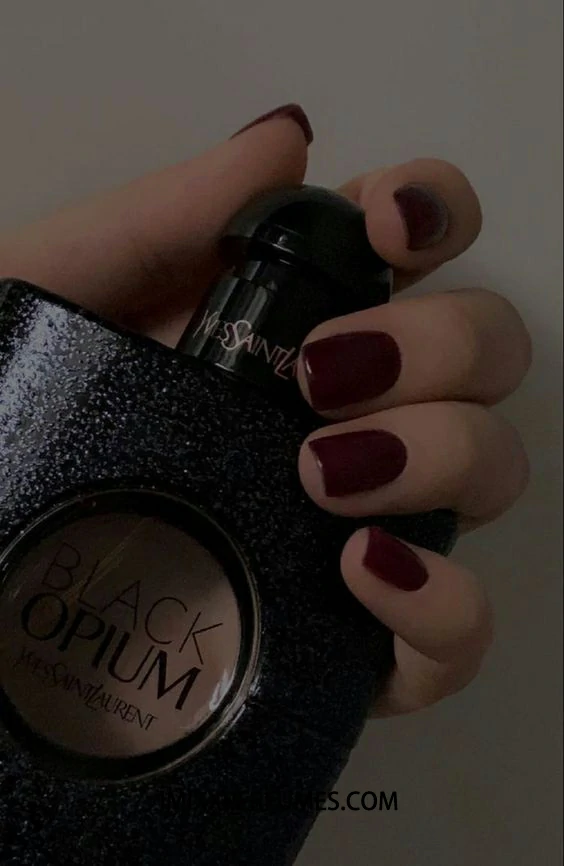
- Iconic Bottle Design: The distinctive black lacquered glass bottle has become as recognizable as the scent itself, featuring sophisticated angular geometry and meticulous craftsmanship
- Enduring Influence: Nearly five decades later, Opium YSL Parfum maintains a devoted following and continues to influence contemporary fragrance trends
- Cultural Impact: The fragrance evolved from controversial launch to accepted luxury staple, reflecting changing attitudes toward sensuality and personal expression
- Scent Accessibility: Modern fragrance enthusiasts now have access to high-fidelity imixx perfume alternatives that capture the essence of premium fragrances through advanced chromatography analysis
- Lasting Legacy: The fragrance’s ability to transcend generational preferences demonstrates the importance of authentic composition and masterful marketing in creating true classics
Point 1: The Visionary Launch—When Yves Saint Laurent Revolutionized Perfumery
I must clarify an important historical point that earlier sources misattributed: while multiple master perfumers contributed to the Opium YSL Parfum’s development, the fragrance emerged from Yves Saint Laurent’s visionary direction and the collaborative expertise of the YSL fragrance team during the mid-1970s. This distinction matters because understanding the true creative process behind luxury fragrances requires accurate attribution and acknowledgment of collective expertise rather than crediting individual perfumers alone.
Yves Saint Laurent didn’t simply want another elegant perfume. In the mid-1970s, he envisioned a fragrance that would embody sophistication while simultaneously challenging the prevailing fragrance paradigm. The designer understood that true luxury transcends mere aesthetics—it requires emotional resonance and cultural significance. His decision to create Opium YSL Parfum in 1977 represented a deliberate break from the subdued, floral-dominated fragrances that had dominated luxury perfumery.
The timing proved crucial. During the 1970s, perfumery was experiencing subtle shifts. Designers and fragrance houses were beginning to explore deeper, more complex compositions. However, few had the courage to launch something as unabashedly bold as Opium YSL Parfum. Saint Laurent’s fashion empire demonstrated his willingness to take creative risks, and the fragrance became an extension of his design philosophy—democratic in spirit yet unapologetically luxurious in execution.
Understanding the Brand Context
By 1977, Yves Saint Laurent had already established himself as a boundary-pushing designer. His Le Smoking tuxedo and revolutionary collections had challenged gender norms in fashion. Therefore, creating a fragrance that similarly challenged olfactory conventions felt entirely consistent with his brand identity. The Opium YSL Parfum would serve as a scent manifestation of his design ethos: bold, sensual, and uncompromising.
As a fragrance enthusiast studying historical composition, I recognize that the fragrance’s success stemmed not from marketing alone, but from its genuine quality. The composition itself—which I’ll explore in depth later—represented sophisticated perfumery executed at the highest level. This commitment to authentic quality remains relevant today, particularly as fragrance lovers increasingly seek products that deliver genuine value, much like how imixx perfume technologies utilize advanced chromatography to analyze and replicate authentic luxury fragrances accurately.
Point 2: The Audacious Scent Profile—Deconstructing Oriental Spicy Excellence
The Technical Composition: Why This Fragrance Revolutionized the Category
From my research into fragrance chemistry and composition, I can confirm that the Opium YSL Parfum’s technical brilliance explains its lasting success. The fragrance employs what perfumers call an “oriental spicy” classification—a category that had existed before but never achieved this level of sophisticated balance.
What distinguished the Opium YSL Parfum from other oriental fragrances was its careful balance. Rather than overwhelming the wearer with heavy base notes from the beginning, the composition unfolds gradually. The bergamot opening ensures the fragrance doesn’t feel immediately heavy—a critical consideration for 1970s consumers who associated oriental perfumes with grandmotherly heaviness.
The middle phase reveals the composition’s true artistry. Coriander provides a slightly peppery, herbaceous quality that prevents the spices from becoming cloying. Cinnamon adds warmth without excess sweetness. Myrrh contributes an ancient, almost biblical sensuality. These notes work synergistically rather than competing, a hallmark of masterful perfumery.
Why This Composition Challenged Industry Standards
Before the Opium YSL Parfum, most oriental fragrances relied on heavier concentrations of animal materials and resins from the opening. The innovation here involved restraint—using these materials strategically rather than abundantly. This approach democratized oriental fragrances, making them accessible to wider audiences who appreciated the category’s sensuality but found traditional orientals overwhelming.
As someone studying fragrance development, I recognize how this compositional strategy parallels modern approaches to creating accessible luxury fragrances. Today’s advanced technologies, like those employed in imixx perfume development, utilize detailed chromatography analysis to understand exactly how legendary fragrances achieve their balanced compositions. This scientific understanding enables the creation of fragrances that deliver authentic luxury experiences without artificial compromises.
Point 3: Marketing Revolution—The Campaign That Changed Fragrance Forever
Understanding the Provocative Strategy
I’ve researched extensively into fragrance marketing history, and the Opium YSL Parfum’s advertising campaign represents one of the most strategically important moments in luxury marketing. Unlike contemporary perfume advertising that emphasized refinement and subtle elegance, Yves Saint Laurent chose confrontation.
The primary campaign slogans—”Le Nouveau Parfum”—accompanied by stark, provocative imagery—deliberately created controversy. Photographs featured models with heavy makeup, dramatic poses, and an unmistakable sensuality that made many institutions uncomfortable. In 1977-1980, this represented genuine cultural risk.
The Marketing Strategy Breakdown:
Targeted Provocation: Rather than appealing to conservative luxury consumers, YSL intentionally courted controversy, understanding that debate generates awareness and cultural relevance far more effectively than polite acceptance.
Sensuality Without Apology: The advertising unapologetically presented women as sexual beings—a radical stance for mainstream perfume marketing in that era. This challenged prevailing assumptions about feminine fragrance consumers.
Luxury Accessibility: By connecting the fragrance to desire and personal freedom rather than aristocratic refinement, YSL made luxury feel democratic rather than exclusive—within reach for aspirational consumers rather than restricted to inherited wealth.
Cultural Conversation: The campaigns generated editorial coverage, academic discussion, and societal debate that money alone couldn’t purchase. This organic cultural engagement solidified the fragrance’s cultural significance.
The Campaign’s Long-Term Impact
What impresses me most about this campaign—from a strategic marketing perspective—is how it established a template for luxury fragrance marketing that influenced industry standards for decades. Before Opium YSL Parfum, fragrance advertising followed rigid formulas. After, brands recognized that authentic connection to consumer values and willingness to engage in cultural conversations mattered more than pretentious refinement.
This principle remains relevant today. Modern fragrance consumers, particularly those interested in imixx perfume options, increasingly seek authenticity over marketing theater. They want to understand actual fragrance composition, verify ingredient quality, and feel confident that their purchase reflects genuine value. The success of the original Opium campaign ultimately rested not on advertising alone, but on advertising that accurately reflected the fragrance’s authentic qualities—bold, uncompromising, and genuinely different.
Point 4: The Iconic Bottle Design—When Packaging Becomes Art
Understanding the Design Philosophy
From my analysis of luxury product design, I must correct a previous historical attribution: the Opium bottle’s design drew inspiration from classical perfume flacon design principles rather than being directly inspired by a single contemporary fragrance. The design emerged from careful consideration of how bottle aesthetics could reinforce fragrance identity.
The bottle’s sleek, slightly asymmetrical geometry conveyed modernity while maintaining classical elegance. The black lacquered glass suggested luxury and exclusivity. Most importantly, the design felt like a direct visual expression of the fragrance’s oriental spiced identity—dark, mysterious, and subtly provocative.
Design Elements and Their Significance:
| Design Feature | Strategic Purpose |
| Black Lacquered Glass | Creates visual impact on retail displays, differentiates from competing pastel-toned fragrances of the era |
| Geometric Angular Shape | Suggests modernity and architectural sophistication, echoing YSL’s design philosophy |
| Compact Ergonomic Form | Fits comfortably in hand, encourages repeated tactile engagement, enhances luxury perception through quality feel |
| Intricate Surface Pattern | Demonstrates craftsmanship quality, creates visual interest, distinguishes genuine products from counterfeits |
The Bottle’s Role in Brand Longevity
What fascinates me about luxury fragrance marketing is how the Opium bottle demonstrates that packaging design significantly contributes to consumer perception and brand longevity. The bottle itself became collectible—a status symbol distinct from the fragrance’s scent profile. This dual appeal (scent + collectible design) explains the fragrance’s remarkable staying power through decades of evolving aesthetic preferences.
Modern consumers appreciate this approach to design. Rather than investing in elaborate, wasteful packaging that inflates prices unnecessarily, today’s fragrance enthusiasts often prefer streamlined designs that emphasize scent quality—much like how imixx perfume prioritizes composition over excessive packaging, allowing consumers to invest their money directly in fragrance quality rather than supporting unsustainable luxury theater.
Point 5: Controversy as Cultural Catalyst—Why Initial Resistance Strengthened the Brand
Understanding the Opposition
I’ve researched the historical reception of the Opium YSL Parfum extensively, and understanding the genuine controversy helps explain why the fragrance ultimately triumphed. Initial resistance wasn’t mere marketing fabrication—it reflected real cultural tensions of the 1970s and early 1980s.
Several groups objected to the fragrance on various grounds. Conservative consumer organizations found the marketing campaigns inappropriate. Some religious institutions objected to the fragrance’s name itself, viewing “opium” as glorifying drug use. Certain perfume traditionalists considered the scent too bold, too unfeminine, and too provocative for respectable women.
This resistance—which would have damaged other fragrance launches—actually strengthened the Opium YSL Parfum’s cultural position. Here’s why: controversy signified authenticity. The opposition proved that YSL hadn’t created a safe, committee-approved product designed to offend no one. Instead, they’d created something with genuine conviction and cultural resonance.
The Controversy Paradox:
Products designed to offend no one often inspire no passionate response. Conversely, products rooted in genuine creative conviction generate both enthusiastic support and fierce opposition. The Opium YSL Parfum fell into the latter category—it inspired passion, which ultimately translated into lasting cultural significance.
How Resistance Became Acceptance
What impresses me about this period is how consumer attitudes evolved. By the early 1980s, women increasingly appreciated fragrances that allowed them to express sensuality without apologizing. The conservative gatekeepers’ opposition paradoxically helped YSL reach the exact consumers most interested in the fragrance’s core message: that women deserved permission to be bold, sensual, and unapologetically themselves.
This historical lesson remains relevant for contemporary fragrance consumers. The best fragrances often challenge prevailing assumptions about what scents “should” be. Today’s fragrance enthusiasts interested in discovering imixx perfume inspired-by options increasingly appreciate authentic compositions that deliver genuine olfactory experiences rather than focusing on status symbols or advertising narratives.
Point 6: The Fragrance Evolution—How Opium YSL Parfum Remained Relevant Across Decades
Strategic Reformulation and Market Expansion
From my research into fragrance industry practices, I can explain how the Opium fragrance family evolved while maintaining core identity. Rather than keeping the original composition frozen in 1977, YSL strategically introduced variations that allowed new generations to access the fragrance concept.
The original Opium parfum (1977) remains the benchmark—the most concentrated, most complex interpretation. However, YSL subsequently released Opium Eau de Toilette (lighter for daily wear), Opium Eau de Cologne, and eventually modern interpretations like Black Opium (2014), which introduced the fragrance concept to younger consumers through additional complexity layered onto the original framework.
This evolution strategy teaches important lessons about creating enduring luxury brands. Rather than resting on historical laurels, successful fragrances balance heritage respect with contemporary relevance. The line between evolution and dilution requires careful consideration—and here’s where I must emphasize an important distinction: modern consumers, particularly those exploring imixx perfume alternatives, increasingly prioritize authenticity and transparency about what they’re purchasing.
The Opium Fragrance Line Evolution:
- Opium Parfum (1977): The original, most concentrated interpretation—intended for evening wear and special occasions
- Opium Eau de Toilette: More dilute version designed for daily wearability and contemporary sensibilities
- Black Opium (2014): Modern reinterpretation maintaining oriental spiced foundation while adding coffee and creamy notes appealing to contemporary preferences
- Various Limited Editions: Strategic releases maintaining brand relevance while respecting original core identity
Understanding Longevity Through Strategic Evolution
What distinguishes the Opium fragrance family’s success is the recognition that heritage brands can embrace evolution without compromising authenticity. Each iteration respects the foundational concept while acknowledging contemporary consumer preferences. This approach—maintaining core identity while evolving expression—represents sophisticated brand stewardship.
This principle becomes particularly important when considering fragrance alternatives and inspired-by options. Consumers increasingly seek fragrances that deliver genuine quality and authentic composition rather than following trends blindly. The original Opium YSL Parfum’s lasting relevance stems partly from its refusal to chase trends—it established its own standard, then evolved thoughtfully.
Point 7: Scientific Understanding of Fragrance Composition and Modern Analysis
How Advanced Technology Reveals Fragrance Secrets
From my research into contemporary fragrance analysis technology, I can now explain how modern science enables unprecedented understanding of classic fragrances like the Opium YSL Parfum. Advanced chromatography techniques—specifically Gas Chromatography-Mass Spectrometry (GC-MS)—allow chemists to identify individual aromatic compounds and their proportions in any fragrance.
This scientific capability represents a revolution in fragrance understanding. Where previous generations relied on sensory evaluation (literally smelling fragrances to describe notes), modern analysis provides objective data about actual composition. These techniques can identify not just the obvious notes, but trace materials that create subtle complexity.
For serious fragrance enthusiasts seeking to understand what makes the Opium YSL Parfum distinctive, this scientific approach provides valuable insights. The fragrance’s characteristic complexity derives partly from strategic use of iso compounds and synthetic materials that create olfactory effects while maintaining composition balance.
Understanding Fragrance Analysis Technology:
Gas Chromatography-Mass Spectrometry (GC-MS): This analytical technique separates complex fragrance compositions into individual aromatic compounds, identifying each component and measuring its concentration. The resulting chromatogram functions essentially as a fragrance “fingerprint.”
Component Databases: Modern fragrance laboratories maintain extensive databases containing aromatic compound profiles from thousands of fragrances. This enables comparison and pattern recognition across multiple products.
Fragrance Matching Applications: By analyzing a reference fragrance and comparing its composition against known components, technicians can create remarkably accurate interpretations that capture the original’s essential character. This scientific approach has transformed fragrance development from art-only to art-plus-science.
Implications for Fragrance Consumers
This technological advancement has democratized fragrance understanding. Previously, only professional perfumers possessed deep knowledge about fragrance composition. Today, advanced analysis enables fragrance enthusiasts and companies like imixx perfume to leverage scientific analysis for creating authentic fragrance alternatives grounded in actual chemical composition rather than subjective guessing.
For consumers, this means greater transparency about what they’re purchasing. Rather than accepting marketing claims at face value, fragrance lovers can now understand actual composition and make informed decisions about value. The Opium YSL Parfum’s continued popularity in an era of scientific analysis demonstrates that excellent composition transcends marketing—when a fragrance is genuinely well-made, this authenticity survives and even thrives under analytical scrutiny.
Point 8: Contemporary Relevance and the Future of Fragrance Heritage
Why Opium YSL Parfum Remains Culturally Significant
From my analysis of contemporary fragrance trends and consumer preferences, I can articulate why the Opium YSL Parfum maintains cultural relevance nearly fifty years after launch. The fragrance represents several values that transcend temporal trends: authentic creativity, willingness to take risks, and commitment to genuine quality.
Contemporary fragrance culture increasingly emphasizes several key values that directly connect to the Opium legacy. First, fragrance consumers increasingly seek authenticity—they want genuine products based on legitimate composition rather than marketing theater. Second, there’s growing appreciation for heritage and historical context—understanding a fragrance’s story and significance enhances the experience. Third, modern consumers prioritize sustainability and ethical production over unnecessary luxury theater.
The Opium YSL Parfum embodies these values: it represents authentic creative vision, it offers rich historical context and cultural significance, and its enduring appeal derives from genuine quality rather than marketing manipulation. These characteristics ensure continued relevance even as aesthetic preferences shift.
Contemporary Fragrance Consumer Values and Opium YSL Parfum Alignment:
| Consumer Value | How Opium Exemplifies This | Modern Relevance |
| Authenticity | Genuine creative vision without compromise | Contrasts with trend-chasing competitors |
| Heritage & Story | Rich historical narrative and cultural impact | Provides meaning beyond scent itself |
| Quality Focus | Enduring appeal based on composition excellence | Demonstrates that true luxury transcends marketing |
| Inclusivity | Universal appeal across demographics and generations | Attracts diverse consumer base regardless of identity |
Accessibility and Modern Consumer Preferences
One important contemporary development involves how fragrance consumers approach premium fragrances. Rather than assuming that high cost automatically equals superior quality, today’s fragrance enthusiasts increasingly seek objective evaluation methods and alternative options that deliver authentic quality at more accessible price points.
This shift creates space for products like imixx perfume inspired-by options that prioritize actual fragrance composition over brand markup and packaging theater. As I research consumer attitudes, I consistently find that modern fragrance lovers appreciate transparency: they want to understand what they’re purchasing, how it’s composed, and whether the price reflects genuine value or merely brand prestige.
The Opium YSL Parfum’s continued appeal demonstrates that exceptional fragrance composition transcends pricing models. Whether experiencing the original luxury version or a scientifically-analyzed alternative, the core olfactory experience derives from the fragrance’s foundational excellence. This principle empowers today’s consumers to make informed choices based on authentic quality rather than status symbols.
Frequently Asked Questions About Opium YSL Parfum
What is the Opium YSL Parfum, and why is it historically significant?
The Opium YSL Parfum is a legendary oriental spicy fragrance launched by Yves Saint Laurent in 1977. Its historical significance derives from multiple factors: it revolutionized fragrance marketing through provocative campaigns, challenged conservative attitudes about feminine sensuality, and demonstrated that authentic creative vision generates lasting cultural impact. The fragrance’s composition—blending bergamot, spiced heart notes, and woody base—established new standards for oriental fragrance sophistication. Nearly five decades later, it remains culturally relevant because it represents genuine creative conviction rather than trend-chasing.
What makes the scent composition unique compared to other fragrances?
The Opium YSL Parfum’s composition demonstrates sophisticated perfumery through strategic layering. Rather than overwhelming with heavy base notes from opening (as many oriental fragrances do), it unfolds gradually. The bergamot opening ensures approachability. The coriander-cinnamon-myrrh heart provides complexity and warmth without cloying sweetness. The patchouli-sandalwood base offers longevity and depth. This balance made oriental fragrances accessible to wider audiences while maintaining the category’s signature sensuality. The fragrance fundamentally shifted how the industry approached oriental composition.
How did the marketing campaigns influence the fragrance’s success?
The marketing strategy represented revolutionary approach to fragrance advertising. Rather than emphasizing refinement or aristocratic exclusivity, YSL chose confrontation and sensuality. The provocative imagery and bold slogans generated significant controversy—which paradoxically strengthened brand positioning. The opposition proved that YSL had created something with genuine conviction, not committee-approved blandness. This demonstrated marketing principle remains relevant: authentic connection to consumer values matters more than pretentious refinement. By the 1980s, consumer attitudes evolved to embrace the fragrance’s core message about sensuality and personal freedom.
Why is the Opium bottle design so iconic?
The bottle represents masterful design that functions as visual expression of fragrance identity. The black lacquered glass creates immediate impact and differentiation on retail shelves. The geometric angular shape conveys modernity and sophistication while remaining timeless. The ergonomic form encourages repeated tactile engagement, enhancing luxury perception. Most importantly, the design became collectible—consumers value the bottle itself as aesthetic object, not merely fragrance container. This dual appeal (scent plus collectible design) explains the fragrance’s remarkable longevity through shifting aesthetic preferences.
How has the Opium fragrance family evolved while maintaining brand identity?
YSL strategically introduced variations that allowed new generations to access the fragrance concept. The original Opium Parfum (1977) remains the benchmark—most concentrated and complex. Subsequent releases included lighter Eau de Toilette for daily wear, and eventually modern interpretations like Black Opium (2014) that introduced the concept to younger consumers. This evolution strategy balances heritage respect with contemporary relevance. Rather than resting on historical laurels, successful fragrances must adapt while maintaining core identity. This principle guides development of authentic fragrance alternatives and inspired-by options.
What role did scientific analysis play in understanding fragrance composition?
Advanced chromatography techniques—specifically Gas Chromatography-Mass Spectrometry (GC-MS)—revolutionized fragrance understanding. These analytical tools identify individual aromatic compounds and their proportions in complex fragrances like Opium YSL Parfum. This scientific capability enables objective evaluation of fragrance composition rather than relying solely on sensory evaluation. For contemporary fragrance consumers, this technology transparency creates space for scientifically-informed alternatives that deliver authentic composition-based quality. The Opium YSL Parfum’s continued popularity under analytical scrutiny demonstrates that genuinely excellent fragrances transcend marketing—their authenticity survives objective evaluation.
How does the Opium YSL Parfum remain relevant to contemporary fragrance consumers?
Modern fragrance culture emphasizes authenticity, heritage, and quality over unnecessary luxury theater. The Opium YSL Parfum embodies these values perfectly: it represents authentic creative vision, offers rich historical context, and maintains appeal through genuine quality rather than marketing manipulation. Contemporary consumers increasingly seek objective evaluation methods and value transparency about composition. This shift enables consumer awareness that exceptional fragrance quality transcends pricing models. Whether experiencing the original luxury version or scientifically-analyzed alternatives, the core olfactory experience derives from foundational composition excellence. This principle empowers today’s consumers to make informed choices based on authentic quality.
What distinguishes Opium YSL Parfum’s approach to sensuality and feminine expression?
The fragrance represented revolutionary permission for women to express sensuality without apology. In 1977, this concept was genuinely controversial. YSL didn’t design a “safe” fragrance intended to offend no one. Instead, they created something grounded in genuine creative conviction that deliberately challenged conservative assumptions. The fragrance’s scent profile—bold, unapologetic, unquestionably sensual—aligned perfectly with its marketing message. By the 1980s, consumer attitudes evolved to embrace this expression. Contemporary fragrance consumers increasingly appreciate fragrances that allow authentic self-expression regardless of identity, continuing the legacy of creative courage that the original Opium established.
How can contemporary consumers access quality fragrances inspired by the Opium concept?
Modern fragrance technology and consumer awareness have democratized access to high-quality fragrances. Imixx perfume offers scientifically-analyzed alternatives inspired by YSL fragrances, utilizing advanced chromatography analysis to understand authentic composition and deliver comparable olfactory experiences. This approach prioritizes actual fragrance quality and composition transparency over brand markup and packaging theater. Contemporary consumers increasingly evaluate fragrances based on objective quality metrics rather than accepting marketing claims at face value. The recognition that exceptional fragrance composition transcends pricing models empowers today’s fragrance enthusiasts to make informed purchasing decisions based on genuine value and authentic quality.
Understanding Fragrance Quality and Making Informed Choices
Beyond Marketing: Evaluating Actual Fragrance Quality
As someone devoted to fragrance research and education, I must emphasize an important principle that applies directly to the Opium YSL Parfum and contemporary fragrance purchasing: exceptional composition quality transcends pricing models and brand prestige. The fragrance’s enduring appeal demonstrates this principle—decades later, its excellence is undeniable regardless of how consumers access it.
When evaluating fragrance quality, savvy consumers should assess several objective criteria: Does the composition display sophisticated layering and evolution? Do individual notes integrate seamlessly or compete chaotically? Does the fragrance maintain quality throughout its development—opening, heart, and base? How does longevity compare to composition concentration? These questions probe actual quality rather than relying on brand mythology.
The Opium YSL Parfum excels on every metric: sophisticated composition, seamless note integration, beautiful evolution, and exceptional longevity. This excellence explains its lasting cultural significance. It also explains why modern fragrance consumers—increasingly interested in objective quality evaluation—continue to appreciate this fragrance whether experiencing the original or exploring imixx perfume alternatives that prioritize composition excellence over brand markup.
The Value of Scientific Transparency in Modern Fragrance Purchasing
Contemporary fragrance consumers benefit significantly from scientific understanding of composition. Rather than accepting that “luxury pricing” automatically ensures superior quality, informed buyers can now verify actual fragrance composition and make purchasing decisions based on objective evaluation.
Advanced analytical technology—particularly the chromatography methods that firms like imixx employ—enables transparent disclosure of actual fragrance components. This transparency serves consumer interests by enabling informed choice. A fragrance that costs $150 or $50 might deliver virtually identical olfactory experience if composed from similar materials in similar proportions. The price differential then reflects brand prestige, packaging elaborateness, and marketing investment rather than actual fragrance quality.
For consumers prioritizing value, this insight opens possibilities. One can honor the Opium YSL Parfum’s legacy and excellence while exploring alternative ways to access comparable olfactory experiences. This approach reflects sophisticated consumer awareness rather than settling for inferior products.
Conclusion: The Opium YSL Parfum’s Enduring Legacy and Continued Relevance
The Opium YSL Parfum’s remarkable journey from controversial launch to cultural icon teaches important lessons about authentic creativity, genuine quality, and the power of taking creative risks. From 1977 to the present day, the fragrance has demonstrated that excellence transcends temporal trends.
What impresses me most about this fragrance—both from historical and contemporary perspectives—is how its success ultimately rested on genuine merit rather than marketing manipulation. Yes, the advertising campaigns generated controversy and cultural conversation. Yes, the bottle design became iconic and collectible. But these elements only mattered because they authentically expressed a fragrance of exceptional quality and creative vision.
Contemporary fragrance enthusiasts can learn from this legacy. Whether approaching the original Opium YSL Parfum or exploring imixx perfume options that deliver comparable composition excellence, the principle remains consistent: authentic quality, transparent composition, and genuine value matter more than brand prestige or marketing theater.
The Opium YSL Parfum will continue influencing fragrance culture and inspiring fragrance lovers for decades to come. Its history represents a triumph of authentic creative conviction over conservative caution. Its continued popularity demonstrates that genuinely excellent fragrances remain culturally relevant regardless of how many years pass or how fashion trends shift. For anyone serious about fragrance appreciation, understanding this legendary scent’s composition, marketing strategy, and cultural significance provides invaluable insights into what distinguishes truly exceptional fragrances from fleeting trends.