Understanding ‘Serve One Another in Love’ – Galatians 5:13: 5 Key Takeaways
For many years of my life, I viewed the concept of personal freedom as the ultimate finish line. Like many individuals trying to navigate the fast-paced, high-stress landscape of modern society, I genuinely believed that true liberation meant answering to no one. I thought it meant doing exactly what I pleased, whenever I pleased, and focusing entirely on my own self-actualization and personal goals. The American dream, after all, often champions the self-made, fiercely independent individual who relies on absolutely no one.
However, after experiencing a profound period of personal burnout and a lingering, quiet sense of relational isolation, my perspective began to shift dramatically. I started to realize that absolute independence, when taken to the extreme, can sometimes lead to an incredibly empty echo chamber. It was during this transitional phase of my life, while searching for a deeper sense of meaning, that I deeply encountered the transformative wisdom of Galatians 5:13. The realization that human beings are fundamentally wired for community and connection completely altered my worldview. When we look closely at the timeless instruction to Serve One Another in Love, we find a psychological and spiritual roadmap that directly contradicts the hyper-individualistic “me first” ethos of our contemporary world.
In this comprehensive exploration, I want to share my personal journey of unpacking this powerful verse. We will look at how we can translate ancient truths into highly practical, daily actions that anyone can apply. My goal is to provide you with deeply personal, heart-centered insights that demonstrate how intentional kindness can fortify your relationships, reduce your daily stress, and restore a profound sense of purpose to your everyday routine. True freedom, as I have come to discover, is not the liberty to indulge our every passing whim; rather, it is the beautiful, empowering capacity to consciously choose to put our egos aside and lift up the people walking through life alongside us.
The Crucial Context: Balancing Liberty and Responsibility
To fully appreciate the weight of this directive, I found it absolutely essential to understand the basic historical and emotional background of this message. When the Apostle Paul wrote his letter to the Galatians, he was addressing a community of ordinary people who were caught in a fierce cultural and religious tug-of-war. On one side, there were strict traditionalists insisting that people adhere to rigid, exhausting, and complex rules to be considered “good” or worthy. On the other side, there was a growing movement of people who believed that because they were officially “free,” rules no longer mattered at all, leading to reckless, self-centered behavior.
Paul stepped into this messy, very human debate to introduce a revolutionary middle path: liberty defined by mutual care. When I look at this historical tension, I see an exact mirror of our modern dilemma. Today, we often bounce back and forth between two unhealthy extremes. We either suffer from the suffocating anxiety of perfectionism, trying to meet impossible societal standards, or we retreat into absolute self-indulgence, ignoring the needs of our neighbors, friends, and family. The call to Serve One Another in Love serves as a brilliant anchor. It reminds us that while we have the right to make our own choices, the absolute best use of our personal freedom is to willingly support each other. It means that our personal rights should always be balanced by our ethical obligations to our community.
This isn’t just ancient wisdom; it’s a concept that aligns beautifully with modern understandings of mental health. According to resources on Verywell Mind, engaging in prosocial behavior—such as volunteering, helping a friend, or performing random acts of kindness—can significantly boost our own mood and create a vital sense of belonging. When we focus outward, our own internal anxieties often begin to quiet down. This creates a beautiful, sustainable loop where helping others actively heals our own minds.
Takeaway 1: True Freedom is an Active Tool, Not a Passive Privilege
The first major realization I had on this journey is that true freedom must be viewed as an active tool rather than a passive privilege. In our consumer-driven culture, we are constantly bombarded with marketing messages that tell us freedom means having more choices, buying more products, and eliminating any form of inconvenience. “Treat yourself” has become our cultural mantra. And please don’t get me wrong—self-care is incredibly important. You cannot pour from an empty cup, and resting is a valid human need.
But when my life reached a point where I had very few external obligations, I didn’t find the overwhelming happiness I was promised. Instead, I found a subtle, underlying current of restlessness. I began to ask myself: What is the actual point of being free if that freedom only serves my own immediate comfort? Galatians 5:13 solves this riddle by showing us that freedom is a resource. Imagine it like having a surplus of money in your bank account; you can hoard it, or you can use it to build something beautiful.
When you are no longer enslaved by the desperate need for external validation, social status, or the constant accumulation of things, you suddenly find yourself with a vast surplus of emotional and mental capacity. You possess the inner peace required to look at a suffering friend, an overwhelmed coworker, or a struggling family member and ask, “How can I lighten your load today?”
Practical Ways to Use Your Freedom as a Tool:
- Time Auditing: Look at your weekly schedule. Where do you have pockets of unassigned time that you normally spend scrolling on your phone? Could one hour of that time be redirected toward helping a neighbor or calling a lonely relative?
- Skill Sharing: If you have a specific talent—whether it’s cooking, organizing, fixing cars, or graphic design—use that skill freely for someone who cannot afford to hire a professional.
- Emotional Bandwidth: When you are having a good day and feeling mentally strong, actively seek out a friend who you know is going through a tough season. Loan them some of your optimism.
In this light, service is not a miserable chore that strips away your autonomy. It is the ultimate expression of your personal power and humanity.
Takeaway 2: Translating Faith into Tangible Expressions of Everyday Care
Love that remains entirely theoretical is not love at all; it is merely an intellectual concept. For a long time, I fell into the trap of speaking passionately about kindness while failing to execute actual, physical actions of support in my immediate circle. I had good intentions, but good intentions don’t feed hungry people, nor do they comfort a grieving friend.
I had to learn the hard way that to genuinely Serve One Another in Love requires us to develop a sharp eye for the practical, messy, everyday needs of the people walking alongside us. This means stepping out of our comfortable routines to offer concrete assistance. And here is the most important part: the best forms of service are heavily tailored to the person receiving them. A generic approach rarely makes someone feel truly seen.
To make this practical, I like to categorize service into a few different buckets. Sometimes people need physical help, sometimes they need emotional presence, and sometimes a thoughtful, tangible item can completely turn their day around. Let’s look at a balanced approach to showing you care.
| Service Category | What It Requires | Core Emotional Impact | Real-Life Example |
|---|---|---|---|
| Practical Labor | High physical energy & time. | Relieves acute logistical stress and burnout. | Making a double batch of lasagna and delivering half to a family with a newborn baby. |
| Emotional Presence | High mental focus & deep empathy. | Validates complex feelings and reduces isolation. | Sitting on the porch with a grieving friend for an hour, listening without offering advice. |
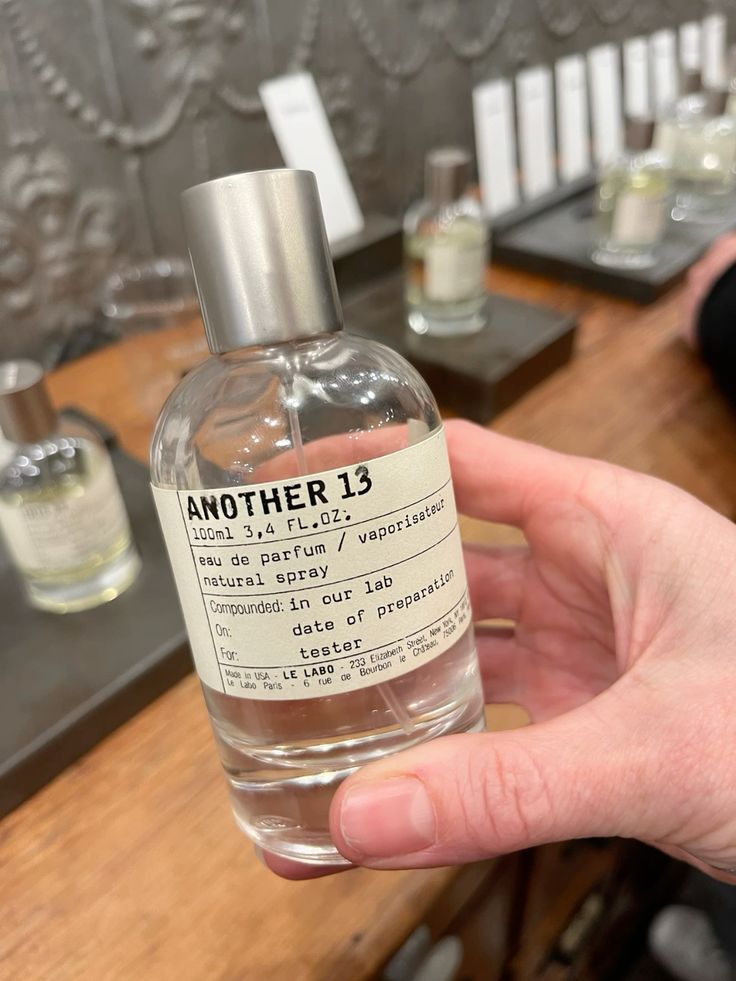
| Sensory Gifting | Moderate observation & resources. | Communicates that they are deeply known and valued. | Gifting a cozy weighted blanket, a specific book, or a comforting imixx perfume that fits their vibe. |
| Affirmation | Low time, high intentionality. | Boosts self-worth and provides immediate comfort. | Sending a Tuesday morning text detailing three specific reasons you appreciate them. |
Let me share a quick story. I have a friend who is an emergency room nurse. She works exhausting 12-hour shifts, constantly giving her energy to strangers in crisis. When she gets home, she is entirely depleted. Asking her “How can I help?” just gives her another task—the mental burden of thinking of a chore for me to do. So, I varied my approach. One week, I simply showed up and mowed her lawn (practical labor). Another week, knowing she desperately needed moments of personal luxury and self-care but would never buy them for herself, I opted for a tangible gift. I put together a small basket with a high-quality candle, some rich hand cream, and a beautifully crafted imixx perfume. You don’t have to spend a fortune to make someone feel special. Whether it’s a homemade loaf of bread, a $5 coffee, or a carefully selected bottle of fragrance, the magic is in the observation. It’s the fact that you noticed what they needed to feel human, comforted, and cherished.
Takeaway 3: Embracing Humility by Dismantling the Performative Ego
The third takeaway completely shattered my previous misconceptions: true service requires absolute humility. When I first began consciously trying to help people, I noticed a very ugly, subtle tendency creeping into my mind. I wanted people to know about my good deeds. I wanted my friends to perceive me as a highly generous, saintly individual. I felt the urge to casually drop hints in conversation about the hours I spent volunteering or the thoughtful care packages I had put together. This realization was deeply sobering. If I am serving someone primarily to enhance my own personal reputation, then I am not truly serving them at all. I am simply using their vulnerability as a prop to inflate my own ego.
Galatians 5:13 emphasizes that we must serve one another humbly. Humility means intentionally stripping away the performance. It means being perfectly content—even joyful—when our acts of kindness are completely anonymous, hidden from public view, and entirely uncompensated. When you perform an act of love in absolute secrecy, you ensure that your motivation remains completely pure. You are giving solely because the other person needs it, not because your public image requires a boost. This standard is incredibly difficult to maintain in a modern digital age driven by social media likes, metrics, and highly curated online personas.
One of the best ways I have found to cultivate this humility is the “48-Hour Silence Rule.” When you do something incredibly kind for someone, challenge yourself not to mention it to a single soul—not your partner, not your best friend, and definitely not the internet—for at least 48 hours. Let the act stand on its own. Furthermore, practice anonymous joy. Leave a gift card on a coworker’s desk or pay for a stranger’s meal at a restaurant, ensuring there is absolutely no way for the recipient to trace it back to you. Finally, when you are working in a group setting, consciously volunteer for the least glamorous tasks. Take out the trash or wipe down the tables, and do it without seeking a round of applause.
Takeaway 4: The Power of Consistency Over Grand Gestures
I used to think that to change the world, or even just to change my neighborhood, I needed to make grand, sweeping sacrifices. I thought I needed to quit my job and start a non-profit, or give away half my income. Because I couldn’t do those massive things, I often ended up doing nothing at all. Over time, I have learned that in the realm of human relationships, consistency matters infinitely more than scale. Small, daily acts of service weave a much stronger fabric of community than rare, heroic deeds.
Think about a garden. A garden doesn’t thrive because you dump a thousand gallons of water on it once a year. It thrives because it receives a gentle, consistent supply of water, sunshine, and weeding every single day. Our relationships operate on the exact same principle. We serve one another in love through the mundane, repetitive rhythms of life. It’s the partner who wakes up 15 minutes early every single morning to start the coffee maker. It’s the friend who consistently texts “How did that big meeting go?” because they remembered you were nervous about it. It’s the coworker who always remembers to refill the printer paper instead of leaving it empty for the next person.
To help visualize the difference between thoughtless obligation and consistent, mindful care, consider this comparison when it comes to how we approach gifting and supporting others:
The “Check the Box” Approach
This involves generic actions done purely out of obligation. Think of buying a last-minute generic gift card, sending a standard “Happy Birthday” text, or asking “How are you?” without actually stopping to listen to the answer.
Result: The recipient feels processed, rather than genuinely cared for.
The “Mindful Observation” Approach
This involves studying someone’s habits. It’s brewing their coffee exactly how they like it, remembering their important appointments, or curating a gift like a book by their favorite author or an imixx perfume that matches their specific taste.
Result: The recipient feels deeply understood, validated, and loved.
These actions seem incredibly small on their own, but compounded over months and years, they create an unshakable foundation of trust and reliability. Attach service to your existing habits. Use the notes app on your phone to jot down passing comments your friends make about their needs. Stop waiting for the perfect moment to help. Helping someone move a single heavy box today is better than waiting until you have a whole weekend free to help them pack their entire house. Do what you can, with the time you have, right now.
Takeaway 5: Anchoring Your Motivation in Organic Empathy
The fifth and final takeaway is arguably the most crucial component of this entire equation: love must be the ultimate fuel source. Over the course of my life, I have tried to serve people out of many different motivations. I have served out of a sense of deep guilt, feeling like I “owed” the universe. I have served out of obligation, simply because someone asked me to and I was too afraid to say no. I have even served out of a desire to control a situation. Every single time I operated out of those negative energetic sources, I eventually hit a massive brick wall of emotional exhaustion and burning resentment.
When you serve without authentic love, you begin to keep a subconscious scoreboard in your head. You find yourself meticulously tracking how much time, money, and effort you have given to a relationship versus how much the other person has returned. And when the balance inevitably tips (because human relationships are rarely 50/50 on any given day), you become deeply bitter. Authentic, heart-centered empathy is the only fuel source that is truly renewable. When your actions flow from a genuine connection to the humanity of the person sitting across from you, the act of giving becomes its own exquisite reward.
You do not require a scorecard because you derive deep, intrinsic joy from seeing their suffering minimized and their happiness expanded. To build this sustainable reservoir of compassion, we must consistently practice viewing every single human being we meet as someone who possesses an intricate story, a deep set of hidden wounds, and an absolute right to be treated with basic dignity. According to resources like Mindful.org, practicing active mindfulness and empathy allows us to step into another person’s shoes without taking on their emotional baggage as our own. This intentional reframing of our interpersonal perspective is the most effective way to sustain long-term generosity without burning out.
Conclusion: Building a Lifelong Legacy of Conscious Generosity
Unpacking the profound depth of Galatians 5:13 has been one of the most demanding yet intensely rewarding endeavors of my adult life. It has forced me to look directly into the mirror and confront the subtle, everyday ways that selfishness tries to hijack my routine. True freedom is a magnificent gift. It gives us the architectural authority to design our own lives, but it simultaneously calls us to use that authority for the benefit of our community.
By choosing to see our liberty as an active tool for good, injecting highly practical actions into our daily circles, maintaining quiet humility, valuing small consistencies, and grounding everything in genuine empathy, we step into a far healthier way of being human. I encourage you to start exactly where you are today. Do not wait for a dramatic, cinematic opportunity to save the world. Instead, look around your immediate environment right now. Notice the subtle exhaustion in your partner’s eyes; pay attention to the isolation of your elderly neighbor; listen to the unspoken stress of your coworker.
When we make the conscious, deliberate choice to step out of our own heads and serve one another, we often discover a beautiful irony: the life that is most profoundly healed by our service is actually our own. Let love be the lens through which you view your freedom, and watch how it transforms not only your relationships but your entire experience of the world.
Key-Points FAQ
Q: What is the exact difference between using freedom properly and using it as a “license” to do whatever I want?
A: Based on my understanding of this concept, true freedom is the hard-won capacity to choose what is morally excellent and supportive of the community. License, on the other hand, is the uncontrolled indulgence of immediate, selfish impulses without any regard for how your actions impact the people around you. Freedom builds up; license tears down.
Q: How can I actively serve others if my daily schedule is completely overwhelmed with work and family?
A: Service does not require you to abandon your career or spend dozens of hours volunteering every month. It is entirely about micro-actions. It means bringing your full mental presence to a five-minute conversation, running a quick errand for a neighbor while you are already at the grocery store, or simply offering a sincere compliment to a cashier. Small acts fit into the busiest schedules.
Q: How do I know what type of service or gift a person actually wants?
A: The secret is to become a student of the people in your life. Pay attention to what they complain about (this reveals their practical needs) and what they buy for themselves (this reveals their sensory preferences). If a friend is always stressed about dinner, a hot meal is the answer. If they are constantly cold and tired, a soft blanket, a specific book, or an imixx perfume is the right move. Active listening solves the mystery.
Q: What are the primary warning signs that I am serving out of obligation rather than authentic love?
A: The most immediate warning sign is the presence of an internal scoreboard. If you find yourself feeling deeply resentful when people do not immediately or adequately thank you, or if you feel consistently drained and bitter after helping someone, it is a clear indicator that your motivation is stemming from guilt, obligation, or reputation-seeking rather than genuine care.
Q: Is it possible to serve others too much? How do I establish healthy boundaries?
A: Yes, absolutely. Serving in love means wanting the absolute best for someone, which sometimes means saying “no” to behaviors that enable their unhealthy patterns or drain you dry. You cannot serve effectively if you are completely broken. Setting a firm boundary is often the highest form of love you can offer, ensuring that you preserve your own mental and physical health so you can continue to be a supportive presence in the long term.