

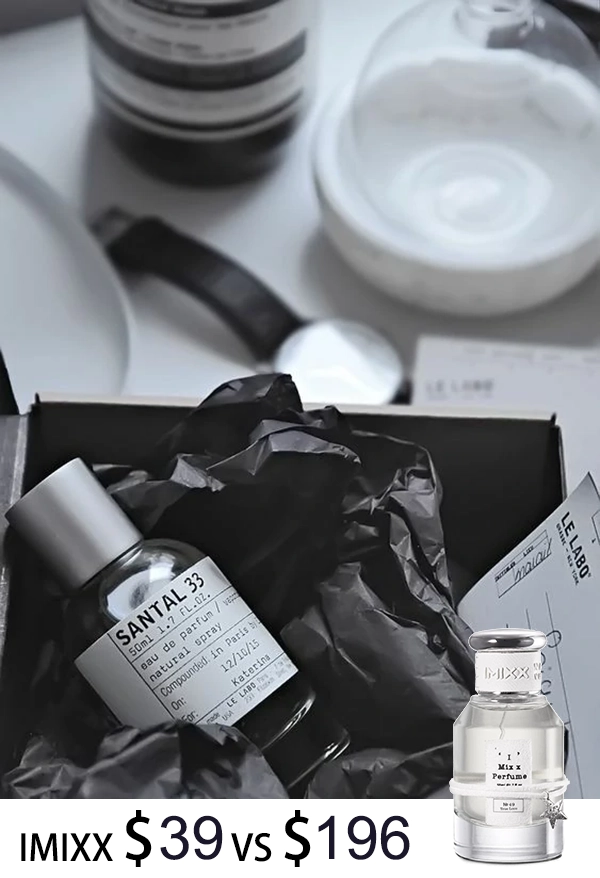
The Top 5 santal 33 reviews You Need to Read
When I began researching santal 33 reviews, I noticed that opinions about this fragrance were unusually divided. Some people described it as warm, sophisticated, and instantly recognizable, while others detected sharp leather, dry wood, or even a pickle-like aroma.
That disagreement is exactly why I believe reading several detailed santal 33 reviews is essential before buying a full bottle. A fragrance this distinctive should not be judged by popularity alone. You need to understand how it opens, how it develops on skin, how long it lasts, and whether its dry, woody personality fits your lifestyle.
In this guide, I have brought together five review perspectives that answer the questions I would personally ask before spending money on Santal 33. Rather than repeating promotional descriptions, I focus on the actual wearing experience: the first spray, the drydown, projection, longevity, versatility, compliments, value, and the well-known “pickle” debate.
I also explain why two people can smell the same fragrance very differently. Skin chemistry, climate, application, personal scent memories, and sensitivity to individual aroma materials can all influence the experience. My goal is not to tell you that Santal 33 is universally perfect. My goal is to help you determine whether it is right for you.
My quick verdict
Santal 33 is best for someone who enjoys dry sandalwood, aromatic cardamom, papery woods, soft leather, and fragrances that feel gender-neutral. It may not suit someone looking for a sweet, creamy, fruity, or traditionally floral perfume. Because the scent can be polarizing, I strongly recommend sampling it on skin before purchasing a large bottle.
What Does Santal 33 Smell Like?
To my nose, Santal 33 does not smell like a simple block of creamy sandalwood. It is drier, more aromatic, and more textured than its name suggests. The opening combines spicy cardamom with a cool, slightly green floral quality. As it settles, cedar, sandalwood, papyrus, leather, and musky amber effects become more noticeable.
The official Le Labo description identifies cardamom, iris, violet, Australian sandalwood, cedarwood, leather, and musky elements as important parts of the composition. Readers who want the brand’s own description can consult the official Santal 33 product page.
I experience the fragrance in three broad stages:
The Opening: Spicy, Green, and Dry
The first spray feels bright without being citrusy. Cardamom creates an aromatic freshness, while violet and iris add a cool, slightly powdery texture. This stage can feel surprisingly sharp if you are expecting a smooth, sweet sandalwood fragrance.
On some skin, the opening develops a briny, cucumber-like, or dill-like impression. That is the source of the famous pickle comparison. I do not smell a literal jar of pickles every time I wear it, but I understand why some people make the connection. The combination of dry woods, green facets, spice, and certain synthetic woody materials can produce that association for sensitive noses.
The Heart: Papery Woods and Soft Leather
After the opening settles, the fragrance becomes woody and spacious. Cedar and papyrus contribute a dry, pencil-shaving or warm-paper texture. The leather accord is noticeable, but I do not find it heavy, smoky, or animalic. It feels more like a clean suede bag, a worn leather chair, or the interior of a minimalist boutique.
This is the stage that gives Santal 33 its famous urban character. It smells natural enough to feel warm, but abstract enough to feel modern. Instead of recreating a literal forest, it creates the idea of wood, leather, open air, and polished interiors.
The Drydown: Warm, Musky, and Persistent
Several hours later, the fragrance becomes smoother. Sandalwood, cedar, musk, and amber-like materials stay close to the skin while maintaining a recognizable woody signature. On me, the final stage is less sharp than the opening and more comforting, although it never becomes sugary or dessert-like.
The drydown is also where I understand the fragrance’s reputation as a signature scent. Even when the projection becomes moderate, the aroma remains distinct. A scarf, jacket, or shirt may retain the woody-musky character well after the fragrance has faded from bare skin.
Knowledge point: sandalwood does not always smell creamy
Sandalwood can be presented as milky, sweet, smoky, spicy, dry, or polished depending on the supporting ingredients. In Santal 33, cedar, papyrus, cardamom, violet, leather, and musky materials emphasize the drier and more aromatic side of the sandalwood profile.
Santal 33 at a Glance
| Category | My Assessment | What You Should Know |
|---|---|---|
| Scent family | Woody, aromatic, leathery | Much drier than a sweet or creamy sandalwood perfume |
| Prominent impressions | Cardamom, cedar, sandalwood, papyrus, violet, soft leather | The balance can shift significantly depending on skin chemistry |
| Sweetness | Low | Not ideal for people who mainly wear vanilla or gourmand scents |
| Projection | Moderate to strong during the opening | Overapplication can make the woody sharpness overwhelming |
| Longevity | Approximately 7–10 hours on my skin | Results vary with skin, temperature, humidity, and application |
| Best seasons | Fall, spring, and cooler summer evenings | It can work in winter, although it is not especially sweet or dense |
| Gender presentation | Strongly gender-neutral | Its woody, floral, and leather elements do not follow traditional gender categories |
| Blind-buy safety | Low | The pickle-like effect makes skin testing especially important |
How I Evaluated These Five Santal 33 Review Perspectives
I do not believe a useful perfume review should be based only on whether the reviewer personally likes the fragrance. Personal taste matters, but a trustworthy review should also help readers understand the product even when their preferences differ from the reviewer’s.
For this article, I organized my evaluation around five practical questions:
First, what does it smell like in real life? A list of notes is helpful, but notes do not tell the whole story. I considered recognizable impressions such as dry wood, suede, spice, paper, musk, and the controversial pickle effect.
Second, how does it change over time? I separated the opening, heart, and drydown instead of describing the fragrance as a static smell.
Third, how does it perform? I considered longevity, projection, scent trail, and performance on clothing. These are observations rather than guarantees because fragrance performance varies from person to person.
Fourth, where is it appropriate to wear? I evaluated office use, dates, casual settings, formal events, seasons, and weather conditions.
Fifth, who is most likely to enjoy it? A fragrance can be beautifully constructed and still be wrong for someone’s preferences. I identify the type of wearer each perspective is most useful for.
Testing disclosure
My performance observations reflect normal personal use rather than a controlled laboratory test. I apply fragrance to clean skin, avoid rubbing it in, and revisit the scent throughout the day. Your results may differ because of skin moisture, climate, spray volume, storage conditions, and individual scent perception.
Review 1: The Best Overall Perspective for Understanding the Scent
The Balanced Wear Test
Best for: First-time buyers who want an honest overview
Main impression: Dry sandalwood, aromatic spice, papery cedar, soft leather, and clean musk
My rating: 8.7/10
Bottom line: Distinctive, long-lasting, and versatile, but too polarizing to recommend as a completely safe blind buy.
My most balanced assessment is that Santal 33 deserves much of its reputation, but not always for the reasons people expect. It is not simply “the ultimate sandalwood fragrance.” It is a modern woody composition built around contrast: cool spice against warm wood, delicate florals against leather, and natural associations against abstract aroma materials.
The opening immediately creates presence. Cardamom gives it lift, while violet and iris create a cool texture that prevents the woods from becoming heavy. I notice cedar and papyrus early, which makes the fragrance feel dry and almost tactile. It reminds me of smooth paper, a wooden desk, and a clean suede jacket.
During the first two hours, the scent projects clearly. People nearby can usually notice it, especially indoors. However, I would not classify it as an aggressive room-filling fragrance when applied moderately. Two or three sprays are generally enough for me. More than that can exaggerate the sharp woody and leathery facets.
As it dries down, the fragrance becomes warmer and more comfortable. The sandalwood feels smoother, and the musky base creates a persistent skin scent. I still detect cedar and leather, but the composition loses some of its early sharpness.
The strongest advantage is recognizability. Many woody fragrances smell pleasant without having a clear identity. Santal 33 has a recognizable structure that can become part of a wearer’s personal image. The disadvantage is that its popularity may make it feel familiar in major cities, creative workplaces, hotels, boutiques, and restaurants.
I recommend this perspective to anyone asking whether Santal 33 is “good” in a general sense. Yes, I consider it a well-composed and memorable fragrance. However, good construction does not guarantee personal compatibility. The dry, papery character and potential pickle association mean that a sample is still the most responsible starting point.
Review 2: The Best Perspective on Longevity and Projection
The Performance-Focused Test
Best for: Shoppers concerned about staying power
Main impression: Strong opening, steady woody heart, persistent musky drydown
My rating: 8.5/10
Bottom line: It performs well on me, particularly on fabric, but individual results can vary considerably.
Performance is one of the most frequently discussed topics in Santal 33 reviews, but I approach those claims carefully. Statements such as “lasts all day” or “disappears in two hours” may both be honest because fragrance behavior depends on the wearer and testing conditions.
On my skin, I typically notice clear projection for the first two to three hours. During that period, the cardamom, violet, cedar, and leathery woods are easy to detect. Afterward, the fragrance settles into a moderate scent bubble rather than vanishing completely.
At approximately the six-hour mark, I can still detect sandalwood, cedar, musk, and a smooth leather effect. By eight to ten hours, it usually becomes a closer skin scent. On clothing, the woody base may remain detectable the following day.
One reason people sometimes believe Santal 33 has disappeared is olfactory adaptation. When I wear a recognizable fragrance for several hours, my brain may begin filtering it out even though other people can still smell it. Before reapplying, I check the scent on a sleeve or ask someone nearby whether it is still noticeable.
Temperature also changes the performance. Warm weather can amplify the cardamom, floral, and musky elements, producing a larger scent cloud. In cooler weather, the fragrance may feel drier, calmer, and more leather-forward. High humidity can make it more noticeable, while very dry air may reduce the sense of projection.
I consider Santal 33 a strong performer, but I would not promise a fixed number of hours. A realistic expectation is moderate-to-strong initial projection followed by a persistent woody drydown. Testing a sample under your normal daily conditions will provide more useful information than relying on any single reviewer’s duration estimate.
Knowledge point: longevity and projection are different
Longevity describes how long a fragrance remains detectable. Projection describes how far it radiates from the body. A perfume can last ten hours while projecting strongly for only the first two hours.
Review 3: The Best Perspective on the “Pickle Smell” Debate
The Polarization Test
Best for: Anyone worried about the dill or pickle association
Main impression: Green spice and dry wood that may read as briny on some skin
My rating: 7.9/10
Bottom line: The pickle comparison is not imaginary, but it is not a universal experience either.
I would never dismiss the pickle comparison as internet exaggeration. Some people genuinely detect a dill-like, cucumber-like, or salty aroma in Santal 33. A contemporary review from Now Smell This also discussed a dill-like facet, showing that this interpretation has existed since the fragrance’s early years.
At the same time, many wearers never experience it. They smell sandalwood, cedar, leather, cardamom, violet, and musk without associating the combination with food. I fall somewhere in the middle. I occasionally notice a green, briny effect during the opening, especially in warm weather, but it usually becomes less prominent as the fragrance dries down.
Why does this happen? Smell perception is highly associative. Our brains compare new aromas with familiar experiences. A green, aromatic, slightly sharp combination may remind one person of dill pickles, another of cucumber skin, and another of a woody spa. None of those people is necessarily wrong.
Skin chemistry can also influence which facets appear most prominent. A fragrance that smells smooth and woody on paper may become greener or sharper on skin. This is why spraying only a paper blotter is not enough when testing Santal 33.
My preferred method is to spray once on the inner arm, wait at least 30 minutes, and avoid smelling it continuously. I check it again after one hour, four hours, and eight hours. If the opening feels strange but the drydown becomes beautiful, I then decide whether I am willing to tolerate the first stage. If the briny effect remains unpleasant for several hours, I know the fragrance is not a good personal match.
The most important lesson is simple: do not let strangers convince you that you must smell pickles, and do not let fans convince you that the effect is impossible. Test your own skin and trust your own nose.
Review 4: The Best Perspective for Everyday Wear
The Lifestyle and Versatility Test
Best for: People seeking a recognizable signature scent
Main impression: Polished, casual, creative, and gender-neutral
My rating: 9.0/10
Bottom line: Its versatility is one of its strongest qualities, provided the wearer applies it with restraint.
I find Santal 33 remarkably easy to integrate into everyday life. It has enough character to feel personal, but it is not so formal that I reserve it for special occasions. The woody, leathery profile works with casual clothing, office attire, evening wear, and minimalist styles.
For office use, I limit myself to one or two sprays. The fragrance can project strongly in enclosed spaces, particularly during the opening. With light application, it feels professional and polished without becoming overly traditional.
For dates and evening events, I may use two or three sprays. The soft leather, woods, and musky drydown create intimacy without relying on obvious sweetness. It feels confident rather than flirtatious in a conventional way.
For travel, I like its flexibility. It does not belong exclusively to one season or dress code. In a cool hotel lobby, a warm restaurant, or an outdoor evening setting, the scent maintains its identity. However, I would apply less in extreme heat because the sharp woody and musky elements can become intense.
Santal 33 is also genuinely gender-neutral to me. I do not experience it as a masculine cologne softened for women or a feminine perfume darkened for men. Its cardamom, violet, cedar, sandalwood, leather, and musk create a balanced profile that works independently of traditional fragrance marketing.
The main limitation is social familiarity. In some locations, the fragrance is common enough that you may recognize it on other people. That does not automatically make it a poor choice. A signature scent becomes personal through the wearer, setting, application, and individual skin chemistry. Still, someone who values rarity above all else may prefer a less recognizable woody fragrance.
My application rule
I begin with two sprays: one near the upper chest and one on the back of the neck. This creates a noticeable but controlled scent bubble. I add another spray only when I will be outdoors or in a large, well-ventilated setting.
Review 5: The Best Perspective on Value and Buying Decisions
The Value-for-Money Test
Best for: Shoppers deciding between a sample, travel size, or full bottle
Main impression: High identity and strong performance, balanced against premium pricing
My rating: 8.1/10
Bottom line: It can justify its price for a devoted wearer, but popularity alone is not a reason to purchase it.
Value in fragrance is personal. One person may consider a perfume worthwhile because it becomes a daily signature, while another may regret the same purchase after wearing it twice. I therefore judge Santal 33 by cost per meaningful wear rather than by bottle price alone.
If you love the fragrance and wear it three or four times a week, a full bottle may provide better long-term value than repeatedly buying small samples. If you enjoy it only occasionally, a travel size or decant may be the more sensible choice.
I also consider uniqueness. Santal 33 has a strong identity, and that identity contributes to its value. It is not a vague woody scent that disappears into a crowded collection. Even people who dislike it can often recognize it. That level of memorability matters when evaluating premium fragrance.
However, I would not pay a premium solely for social recognition or brand status. The fragrance must work on your skin and fit your preferences. A famous scent that you rarely wear is poor value, regardless of its reputation.
My buying sequence is straightforward:
Step one: Test it on a paper blotter to identify any immediate aversion.
Step two: Wear it on skin for a full day.
Step three: Repeat the skin test in different weather or surroundings.
Step four: Start with a sample or smaller format if you remain uncertain.
Step five: Purchase a full bottle only when you actively miss wearing it.
This process reduces impulse buying and gives the fragrance enough time to reveal whether it deserves a permanent place in your collection.
Comparison of the Five Review Perspectives
1. Balanced Wear Test
Focus: Overall scent development
Best insight: Explains how spice, woods, leather, florals, and musk work together
Recommended for: First-time buyers
Score: 8.7/10
2. Performance Test
Focus: Longevity and projection
Best insight: Strong opening followed by a persistent woody skin scent
Recommended for: Performance-focused shoppers
Score: 8.5/10
3. Polarization Test
Focus: The pickle or dill effect
Best insight: The effect is real for some noses but not universal
Recommended for: Cautious samplers
Score: 7.9/10
4. Lifestyle Test
Focus: Versatility and everyday wear
Best insight: Works across many settings and styles
Recommended for: Signature-scent seekers
Score: 9.0/10
5. Value Test
Focus: Price and purchasing strategy
Best insight: Sample first and judge value by expected frequency of wear
Recommended for: Budget-conscious buyers
Score: 8.1/10
Who Should Wear Santal 33?
I would recommend testing Santal 33 if you enjoy dry woods, cedar, sandalwood, aromatic spices, suede-like leather, violet, or musky skin scents. It is especially appealing to people who prefer fragrance to feel atmospheric rather than obviously sweet or floral.
It may also suit you if you want a gender-neutral signature with strong recognition. The scent can feel creative, modern, calm, and confident without fitting neatly into a traditional masculine or feminine category.
You may struggle with it if you prefer juicy fruit, bright citrus, sugary vanilla, caramel, tropical florals, or soft laundry musks. Santal 33 is not designed to be universally easy. Its dry edges and papery-leathery texture are central to its identity.
Santal 33 May Be Right for You If:
You enjoy sandalwood fragrances with a dry rather than dessert-like character.
You want a fragrance that can move between casual, professional, and evening settings.
You appreciate cardamom, violet, cedar, leather, papyrus, and musk.
You prefer distinctive fragrances that create a recognizable personal aura.
You are comfortable wearing a scent that may receive both enthusiastic compliments and divided reactions.
You Should Sample Carefully If:
You are highly sensitive to green, briny, dill-like, or cucumber-like aromas.
You want your sandalwood to smell consistently creamy, sweet, or milky.
You work in a small fragrance-free office or frequently share confined spaces.
You dislike recognizable perfumes and want something few people can identify.
You are considering buying it only because of its reputation.
How to Test Santal 33 Correctly
My biggest recommendation is to avoid deciding within the first five minutes. The opening is only one part of the experience, and it can be the sharpest stage.
Test on Paper First
A blotter test helps identify immediate problems. Spray once, wait several seconds, and smell from a small distance. Avoid pressing your nose directly against the wet paper because the alcohol and concentrated opening can distort your impression.
Test on Clean Skin
Apply one spray to an unscented area of skin. Do not layer it over strongly scented lotion, soap, or another perfume. Let it dry naturally rather than rubbing your wrists together.
Wear It for a Full Day
Check the fragrance after 15 minutes, one hour, four hours, and eight hours. Pay attention to which stage you enjoy most. A perfume can have a challenging opening and an excellent drydown, or a beautiful opening that becomes tiring later.
Test It More Than Once
Weather, hormones, stress, surroundings, and expectation can change scent perception. I prefer at least two complete wear tests before making an expensive purchase.
Ask Whether You Want to Smell It Repeatedly
The best buying signal is not simply “this smells good.” I ask whether I want to experience it again tomorrow. Repeated desire is a stronger sign of compatibility than one impressive first encounter.
Knowledge point: do not rub your wrists together
Rubbing does not necessarily destroy a fragrance, but it can spread the liquid unevenly and accelerate evaporation at the surface. Letting the fragrance dry naturally gives me a cleaner and more repeatable test.
When and Where I Would Wear It
At Work
I use one or two sprays. Santal 33 can feel polished and professional, but its opening may be too assertive for a small office when overapplied.
On a Date
I find the woody leather and soft musk attractive without being conventionally sweet. It creates a confident, close-range impression as the drydown develops.
During Fall
Fall is probably my favorite season for it. Cool air emphasizes the cedar, sandalwood, cardamom, and leather while keeping the scent from becoming too sharp.
During Summer
I can wear it in summer, especially during the evening, but I reduce the number of sprays. High heat may amplify the musky and green facets.
During Winter
It remains wearable in winter, although it does not provide the thick sweetness of a typical cold-weather gourmand. I sometimes apply it to clothing to improve persistence in dry air.
Why Santal 33 Became So Recognizable
Santal 33 arrived at a time when many mainstream fragrances were dominated by sweeter, brighter, or conventionally gendered profiles. Its dry wood, leather, cardamom, violet, and musky atmosphere felt different. It communicated taste without relying on ornate packaging or an obvious masculine-versus-feminine identity.
The fragrance also matched the visual language of minimalist boutiques, hotels, restaurants, studios, and creative spaces. The scent became associated with a lifestyle as much as a list of notes. Fashionista’s cultural analysis of Santal 33’s rise and saturation helps explain how a once-niche fragrance became widely recognizable.
Popularity can create two opposite reactions. Some wearers enjoy the cultural familiarity and compliment potential. Others feel that frequent exposure reduces individuality. I believe both perspectives are valid. A fragrance does not stop smelling good merely because it becomes popular, but exclusivity may be important to certain buyers.
My Final Verdict
After examining the fragrance from five practical perspectives, I understand why Santal 33 remains a major reference point in modern perfumery. It combines cardamom, violet, iris, cedar, sandalwood, papyrus, leather, and musk in a way that feels dry, spacious, contemporary, and immediately recognizable.
Its greatest strengths are identity, versatility, longevity, and gender-neutral wearability. Its greatest weaknesses are the premium price, widespread familiarity, and the green-briny effect that some people interpret as pickles.
I would recommend Santal 33 to someone seeking a dry woody signature scent with personality. I would not recommend purchasing a large bottle without a skin test. The gap between admiration and dislike can be unusually wide, and no amount of popularity can predict your personal response.
My overall score is 8.6 out of 10. I respect its construction, enjoy its drydown, and consider it highly wearable. At the same time, I view sampling as essential rather than optional.
Key-Points FAQ About Santal 33
What does Santal 33 smell like?
To me, it smells like dry sandalwood, cedar, aromatic cardamom, papyrus, violet, soft leather, and clean musk. It is more woody, spicy, and papery than sweet or creamy.
Does Santal 33 really smell like pickles?
Some people detect a dill-like, cucumber-like, or briny effect, particularly in the opening. Other people do not smell it at all. Skin testing is the best way to determine how it develops for you.
How long does Santal 33 last?
I generally experience seven to ten hours of wear, with the strongest projection during the first two to three hours. It often lasts longer on clothing, although individual results vary.
Is Santal 33 masculine or feminine?
I consider it genuinely gender-neutral. Its combination of woods, florals, spice, leather, and musk does not depend on conventional gender categories.
Is Santal 33 suitable for the office?
Yes, when applied lightly. One or two sprays are usually sufficient for an office because the opening can project strongly in enclosed spaces.
What is the best season for Santal 33?
I prefer it during fall and spring, although it can be worn year-round. I use fewer sprays in hot weather and may apply it to clothing in cold, dry conditions.
Is Santal 33 worth the price?
It can be worth the price for someone who loves its distinctive character and wears it frequently. A sample or travel size is a more responsible starting point for anyone who remains uncertain.
Can I blind-buy Santal 33 safely?
I do not consider it a safe blind buy. The dry wood, leather, and possible pickle-like effect can be polarizing, so I recommend at least one full-day skin test.
How many sprays of Santal 33 should I use?
I normally use two sprays for everyday wear and up to three sprays for outdoor or evening settings. Applying too much can make the dry woody character feel harsh.
Why does Santal 33 smell different on different people?
Skin moisture, temperature, climate, application, scent memories, and sensitivity to individual aroma materials can change which aspects of the fragrance become most noticeable.
