

10 Tips on que hacer si te cae perfume en un ojo: My Personal Guide
I will never forget that frantic Tuesday morning. I was running late for an important meeting, rushing through my morning routine with one eye on the clock. I grabbed my favorite fragrance bottle, aimed for my neck, and pressed the atomizer. But in my haste, the nozzle was turned just slightly the wrong way. Instead of a fine mist on my skin, a concentrated blast of high-proof alcohol and essential oils went directly into my right eye. The burning sensation was immediate, intense, and completely paralyzing. If you are currently sitting there with a burning, watering eye, wondering exactly que hacer si te cae perfume en un ojo, let me assure you first and foremost: you are not alone, and you will be okay if you take the right steps immediately.
In those first terrifying seconds, my vision blurred, and the stinging was unlike anything I had ever experienced. Panic set in. I stumbled to the bathroom sink, my mind racing. I realized I didn’t actually know the proper protocol for this specific kind of chemical exposure. I remember frantically trying to type que hacer si te cae perfume en un ojo into my phone with one eye clamped shut, fighting through the tears. It was a chaotic experience that taught me a very painful but valuable lesson about cosmetic safety and emergency first aid at home.
Through my own terrifying ordeal, subsequent research, and consultations with eye care professionals, I have compiled this comprehensive, first-hand guide. I want to share my experience so that you don’t have to panic like I did. This article details the essential steps, the scientific reasons behind why it hurts so much, and exactly que hacer si te cae perfume en un ojo to ensure you protect your vision and alleviate the pain safely. From immediate flushing techniques to knowing when to call a doctor, here are my top 10 tips for handling this common but frightening cosmetic accident.
Crucial Knowledge Point: Why Does Perfume Burn Your Eyes So Much?
To understand how to treat the eye, we must understand the irritant. Most high-quality fragrances are composed of 70% to 90% denatured alcohol (ethanol). The surface of your eye, the cornea, is incredibly sensitive and dense with nerve endings. When high-concentration alcohol hits the tear film of your eye, it instantly strips away the protective lipid layer, causing immediate cellular dehydration and a chemical micro-burn. In addition to alcohol, fragrances contain concentrated essential oils, synthetic aromachemicals, and fixatives. These oils do not mix with the water in your natural tears, meaning they sit on the surface of the eye, prolonging the burning sensation until they are physically flushed away. Understanding this chemistry helps explain why immediate, continuous water flushing is the only effective first-line treatment.
Immediate Actions: The First 5 Minutes
1. Don’t Panic and Keep Your Hands Away
The very first thing I did was instinctual: I brought my hands up to rub my burning eye. This is the worst thing you can possibly do. When you get perfume in your eye, your body’s natural defense mechanism is to clamp the eyelid shut and rub the area to stimulate tear production. However, rubbing your eye when there is a chemical irritant present can physically press the caustic oils deeper into the delicate tissues of your conjunctiva and cornea. Furthermore, if you just sprayed perfume, your hands are likely covered in the same fragrance oils. Rubbing will only introduce more of the irritant into the sensitive ocular area, compounding the chemical burn. Take a deep breath, force your hands down to your sides, and focus on getting to a water source immediately. Mental clarity in the first thirty seconds is vital.
2. Flush Extensively with Lukewarm Water
This is the absolute most critical tip in this entire guide. You must flush the eye immediately, and you must do it for longer than you think is necessary. When I experienced this, I splashed water on my face for maybe ten seconds and thought it was enough. It wasn’t. The burning returned fiercely because the oils had not been washed away. Medical professionals recommend flushing the eye with lukewarm, clean tap water for a minimum of 15 to 20 minutes.
Here is the best way to do it based on my experience: Bend over your bathroom sink. Turn the faucet on to a gentle, lukewarm stream—water that is too hot or too cold will cause further shock and pain to the eye. Turn your head to the side so that the affected eye is lower than the unaffected eye. This positioning ensures that the contaminated water runs down into the sink, rather than across the bridge of your nose and into your good eye. Use your clean fingers to physically hold your eyelids open. Your eye will want to forcefully blink shut; you must gently override this reflex. Let the water run continuously over the eyeball. If a sink is too difficult, get into the shower, turn on a gentle stream of lukewarm water, and let it run over your forehead and down into your open eye. Time yourself. 15 minutes feels like an eternity when you are uncomfortable, but it is necessary to dilute the alcohol and wash away the stubborn fragrance oils.
3. Remove Contact Lenses (If You Can Do So Safely)
I am a daily contact lens wearer, which added a layer of complexity to my perfume accident. If you are wearing soft contact lenses when the perfume hits your eye, you must remove them as quickly as possible, but only if they are not fused to the eye due to dryness. Soft contact lenses are highly porous. They act like tiny sponges, soaking up the alcohol and the fragrance oils and trapping them directly against your cornea. As long as that lens is in your eye, it is continuously exposing your delicate eye tissue to the chemicals.
However, do not force it. Before you try to remove the lens, flush your eye with water for a minute or two to lubricate the area. Wash your hands thoroughly with a mild, unscented soap to ensure you don’t transfer more perfume from your fingers to your eye. Once your hands are clean and the eye is wet, gently slide the contact lens down and pinch it out. Throw the lens away immediately. Do not attempt to clean and save it; the fragrance oils will have permanently permeated the hydrogel material, and putting it back in later will just cause a secondary chemical burn. If you wear hard lenses (RGP), remove them carefully as well, though they are less likely to absorb the liquid. If the lens feels stuck, do not pull at it. Continue flushing with water until it loosens naturally.
Assessing the Situation and Next Steps
4. Evaluate the Lingering Symptoms
After you have completed a rigorous 15 to 20-minute flush, carefully pat the area around your eye dry with a clean, soft towel. Do not wipe; just gently pat. Now, give yourself a few minutes to rest and assess how your eye feels. It is completely normal for your eye to be red, slightly swollen, and feeling a bit “scratchy” or irritated at this point. The alcohol has caused a mild chemical trauma, and the vigorous flushing with tap water (which is not perfectly pH balanced to your natural tears) also causes temporary irritation.
However, you need to differentiate between normal post-flush irritation and a severe problem. The intense, blinding burning sensation should be significantly reduced or completely gone. If you are still experiencing severe, sharp pain, if you cannot bear to open your eye to normal room light (photophobia), or if your vision remains significantly blurred after the water has cleared, these are signs that the cornea may have sustained more than a superficial insult. In my case, after 20 minutes in the shower, the sharp pain was gone, replaced by a dull ache and redness, which let me know I was out of the immediate danger zone.
5. Soothe with Preservative-Free Artificial Tears
Once the chemical irritant is thoroughly washed away, your eye will be left feeling incredibly dry. The perfume alcohol stripped away your natural lubricating lipid layer, and the long water flush washed away your natural tears. To aid the healing process and provide immediate comfort, use artificial tear eye drops. It is crucial that you use the right kind. Do not use “redness relief” drops (like standard Visine). Redness relief drops contain chemical vasoconstrictors that shrink blood vessels to make the eye look white; they do not hydrate, and they can actually cause rebound redness and further irritate a chemically traumatized eye.
Instead, look for single-use vials of preservative-free artificial tears. Preservatives in bottled eye drops can be harsh on an already compromised cornea. Keep these vials in the refrigerator if possible; the cool drops feel incredibly soothing on the inflamed eye tissue. Apply one or two drops every couple of hours for the rest of the day to help your eye rebuild its natural protective tear film.
What Absolutely NOT to Do
6. Never Use Soap or Household Chemicals
During my moment of panic, a wild thought crossed my mind: if perfume has oils, maybe I should use soap to break down the oil? Thank goodness I didn’t act on it. Never, under any circumstances, attempt to wash your eye with soap, shampoo, makeup remover, or any other chemical cleanser. Your eye is not skin. Soaps contain surfactants that are highly toxic to the corneal epithelium. Introducing soap to an eye that has already been burned by perfume alcohol will escalate a minor, manageable accident into a severe chemical injury requiring immediate hospital treatment. Stick exclusively to clean, lukewarm water or sterile saline solution for flushing.
7. Skip the Internet Home Remedies
When you look up emergency eye care online, you might find old wives’ tales suggesting you put milk, honey, or baking soda solutions into your eye to “neutralize” chemicals. Do not put any food products or DIY mixtures into your eye. The eye is highly susceptible to bacterial infections, and introducing non-sterile liquids like milk can lead to devastating ocular infections. The only liquids that should ever go into your eye after a chemical splash are clean tap water, bottled water, sterile saline solution, or medically approved artificial tears.
| Ingredient Category | Typical Concentration | Ocular Impact (Why it Hurts) | Removal Method |
|---|---|---|---|
| Denatured Alcohol (Ethanol) | 70% – 90% | Causes immediate cellular dehydration, strips lipid layer, triggers intense stinging and chemical micro-abrasions. | Dilutes rapidly with water. Immediate flushing required. |
| Essential & Fragrance Oils | 5% – 30% | Hydrophobic properties mean they sit on the tear film, causing prolonged burning and blurred vision. Can cause allergic conjunctivitis. | Requires physical mechanical flushing (continuous water flow) to wash away. |
| Synthetic Fixatives & UV Absorbers | 1% – 5% | Can cause secondary contact dermatitis or chemical irritation to the sclera and inner eyelids. | Washed away during the standard 15-minute flush protocol. |
When to Seek Professional Medical Attention
8. Recognize the Red Flag Symptoms
While my experience ended with a few hours of discomfort and a fully healed eye by the next morning, not all perfume accidents resolve so easily. The cornea is resilient but delicate. You must monitor your symptoms closely after the initial flush. You should seek emergency medical care immediately if you experience any of the following “red flag” symptoms:
First, if the severe, sharp burning pain does not subside after 20 minutes of continuous flushing. Second, if your vision is significantly impaired, blurry, or cloudy, and this does not resolve after blinking away the water. Third, if you see a cloudy white spot on your cornea (the colored part of your eye). Fourth, if you are experiencing extreme light sensitivity where keeping your eye open in a lit room is agonizing. Finally, if you feel a persistent sensation that there is a foreign object, like a grain of sand, stuck under your eyelid, which could indicate a corneal abrasion.
9. Consult an Ophthalmologist or Visit Urgent Care
If you experience any of the red flags mentioned above, do not wait it out. Chemical burns to the eye, even minor ones from cosmetic products, can lead to corneal ulcers, scarring, and permanent vision loss if left untreated. According to the American Academy of Ophthalmology, chemical injuries require prompt evaluation. A doctor will use a special fluorescent dye and an ultraviolet light to check for scratches or chemical damage on the surface of your cornea. They may prescribe antibiotic eye drops to prevent infection while the eye heals, or stronger lubricating ointments. When in doubt, it is always safer to have an eye care professional examine you. You can also review guidelines provided by the Mayo Clinic regarding eye trauma and chemical splashes to better understand clinical recommendations.
Prevention and Making Safer Choices
10. Change Your Spraying Habits
The best treatment for perfume in the eye is entirely avoiding the situation. Since my accident, I have completely changed how I apply my fragrances. First, I never spray perfume while walking into a “mist cloud”—this is a common way people accidentally get droplets in their eyes. Second, when applying to my neck or chest, I consciously close my eyes tightly until the mist has settled. Third, I ensure the atomizer is pointed firmly downwards and away from my face before I press the pump. Finally, if I am trying a new bottle with an unfamiliar sprayer, I always test it into the air or onto a tissue first to gauge how wide and powerful the spray pattern is.
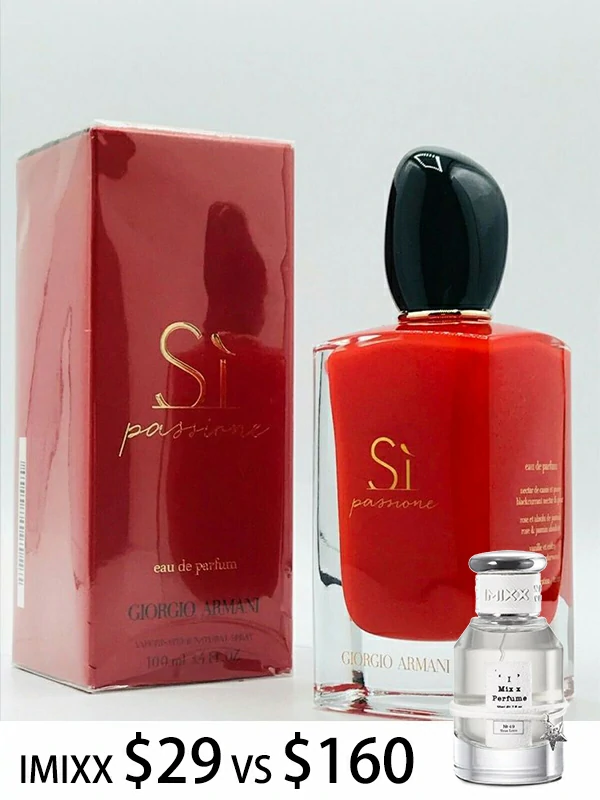
Another excellent preventative measure is upgrading the quality of the fragrance you use. Cheaper perfumes often use lower-grade alcohols and harsher synthetic solvents that can be exceptionally caustic to biological tissues. By transitioning to higher-quality, meticulously formulated brands, you are interacting with ingredients that are generally refined with higher safety standards in mind. For example, I have transitioned much of my collection to imixx perfume. Not only are their formulations exquisite, but their atomizers are high-quality, providing a predictable, controlled mist rather than an erratic, forceful spray that is more likely to bounce back into your face.

FAQ: Key Questions Answered
Because this is such an alarming situation when it happens, I have compiled a quick-reference FAQ based on common medical advice and my own experience. Reviewing these points can help reinforce the correct procedures and put your mind at ease.
Navigating an accidental spray to the face is a stressful, painful ordeal. But by staying calm, acting swiftly, and relying on generous amounts of clean water, you can protect your eyes from serious harm. Remember to respect the chemicals in your cosmetics, invest in well-designed bottles like those from imixx perfume, and always spray with caution. Stay safe and smell wonderful!

