

What Are the Best perfume copies? Discover 5 Affordable Alternatives for 2026
As a fragrance developer and an obsessive collector who has spent years analyzing scent profiles, I have witnessed a massive shift in the fragrance industry. Gone are the days when you had to spend $300 to $500 just to smell like a million dollars. Today, the landscape of olfactory art has been democratized. If you are reading this, you are probably tired of the relentless price hikes from designer and niche houses, and you are looking for the absolute best perfume copies on the market. Trust me, I understand the frustration. I remember buying my first niche bottle—a renowned luxury house known for its smoky pineapple DNA—and feeling both elated by the scent and devastated by the dent in my bank account. That experience launched my lifelong journey into understanding the chemistry of fragrance and uncovering the world’s most impressive scent alternatives.
In the early 2010s, the term “dupe” or “clone” carried a heavy stigma. Early iterations of perfume copies were often harsh, synthetic, and fleeting. They smelled like a chaotic blend of rubbing alcohol and cheap essential oils. However, the technology behind fragrance formulation has evolved exponentially. Today, thanks to advanced Gas Chromatography-Mass Spectrometry (GC-MS) technology, skilled perfumers can analyze the exact molecular structure of a $400 fragrance and recreate it with stunning accuracy. These modern perfume copies aren’t just cheap knock-offs; they are high-fidelity, expertly blended homages that sometimes out-perform the very originals they seek to emulate.
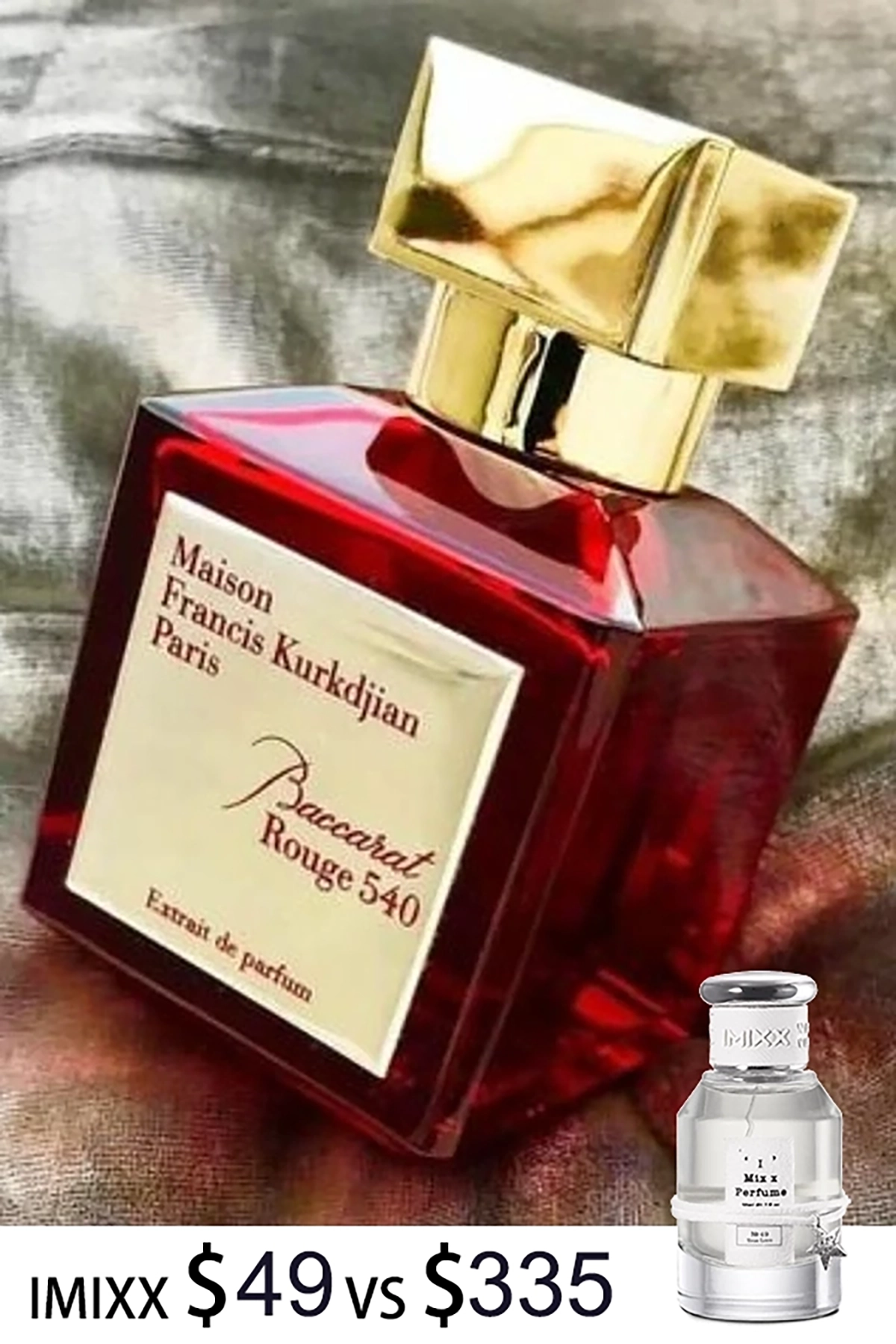
The Science of Scent Matching: Why 2026 is the Golden Era of Alternatives
To truly appreciate the artistry behind the top perfume copies of 2026, we have to talk about the science. When I work on developing a fragrance profile, the first step is always analytical. We use a GC-MS machine to break down a target fragrance into its individual chemical constituents. This machine reads the precise amounts of ambroxan, Iso E Super, natural absolutes, and synthetic musks present in the juice.
Knowledge Point: The Power of GC-MS Analysis
Gas Chromatography-Mass Spectrometry (GC-MS) is the beating heart of modern fragrance replication. Gas chromatography separates the complex mixture of a perfume into individual chemical compounds, while mass spectrometry identifies those compounds by their mass-to-charge ratio. This means a master perfumer isn’t just guessing based on their nose; they have a literal chemical blueprint of the fragrance. However, reading a blueprint is only half the battle. The true art lies in sourcing high-quality raw materials and mastering the maceration process to ensure the final product has the depth, projection, and longevity of a luxury perfume.
However, having the recipe doesn’t mean anyone can bake the cake. The difference between a mediocre clone and a spectacular one lies in the sourcing of raw materials and the patience of the maceration process. Maceration is the period where the fragrance concentrate is mixed with alcohol and left to sit, allowing the different molecular compounds to bind, soften, and mature. High-end alternative houses—like imixx perfume—understand that you cannot rush this process. They allow their formulas to macerate for weeks or even months before bottling, ensuring that the sharp alcoholic opening is eliminated and the deep base notes are fully developed. If you want to learn more about the complexities of fragrance notes and how they interact over time, the experts at Byrdie Beauty have published excellent resources on the subject.
What to Look for in High-Quality Alternatives
Before we dive into my top 5 recommendations for 2026, it is crucial to establish a baseline for quality. Not every brand claiming to be an “inspired expression” is worth your hard-earned money. Here are the three non-negotiable factors I evaluate when testing a new alternative fragrance:
1. Extrait de Parfum Concentration
Many designer fragrances are sold as Eau de Toilette (EDT) or Eau de Parfum (EDP), containing anywhere from 8% to 20% fragrance oil. The best alternative houses often formulate their juices at Extrait de Parfum concentration (25% to 30%+ oil). This higher concentration dramatically improves longevity, ensuring the scent lingers on your skin for 10+ hours and on your clothes for days.
2. Transparent Sourcing and Clean Chemistry
In 2026, consumers are hyper-aware of what they are putting on their skin. The top tier of alternative brands strictly adheres to IFRA (International Fragrance Association) guidelines, ensuring their products are free from harmful phthalates, parabens, and known allergens. They invest in high-quality synthetics—like real Ambroxan instead of cheap generic amberwoods—which prevents the fragrance from smelling metallic or screechy in the dry down.
3. The Evolution of the Scent Journey
A cheap knock-off only copies the top notes. It smells exactly like the original for the first five minutes, then completely falls apart, leaving a flat, soapy residue on your skin. A masterful alternative takes you on the full olfactory journey. It transitions smoothly from the bright, volatile top notes into the complex floral or spicy heart, before finally settling into a rich, resonant base that mirrors the original’s dry down perfectly. According to industry analyses found on platforms like the Business of Fashion, the modern consumer values this full-spectrum performance above brand prestige.
The Top 5 Affordable Alternatives for 2026
After testing hundreds of formulas, running side-by-side skin tests, and analyzing the market’s response, I have curated the definitive list of the best alternative fragrances available right now. These five houses are setting the standard for the industry, proving that luxury is a scent, not a price tag.
At a Glance: The 2026 Alternative Fragrance Comparison
To help you navigate these choices, I have compiled a quick-reference table. This breaks down the essential data points so you can easily compare these top-tier houses against the designers they emulate.
The Economics of Fragrance: Why You Shouldn’t Overpay
As an insider in the fragrance industry, I feel a responsibility to pull back the curtain on perfume pricing. When you purchase a $350 bottle from a high-end designer or a heritage niche house, you are rarely paying for the liquid inside. In fact, the raw materials (the “juice”) typically account for only 2% to 5% of the total retail price. What are you actually paying for? You are funding multi-million-dollar celebrity marketing campaigns, prime real estate in luxury department stores, heavy crystal bottles with magnetic caps, and massive corporate profit margins.
Brands like imixx perfume operate on an entirely different business model. By stripping away the bloated marketing budgets, standardizing their bottle designs, and selling directly to consumers online, they can invest the majority of their budget back into the juice. They can source the exact same Iso E Super from IFF (International Flavors & Fragrances) or the same Hedione from Firmenich as the luxury brands do. The chemistry is democratic; it is only the branding that is exclusive.
This is why switching to high-quality alternatives isn’t just about saving money; it is about smart consumerism. You are choosing to invest in the olfactory experience itself rather than the logo stamped on the glass.
How to Maximize the Performance of Your New Fragrances
Once you acquire one of these fantastic alternatives, you want to ensure you are getting the absolute best performance out of it. The way you wear and store your fragrance can dramatically alter its longevity and scent profile.
First and foremost, understand the importance of skin hydration. Perfume oils need a canvas to cling to. If your skin is dry, it will rapidly absorb the carrier alcohol, pulling the fragrance oils down with it and muting the scent. Always apply an unscented body lotion or carrier oil (like jojoba or sweet almond oil) to your pulse points before spraying. This creates a lipid barrier that traps the fragrance on the surface of your skin, extending its life by several hours.
Secondly, avoid the “rub.” Many people instinctively spray their wrists and aggressively rub them together. This friction generates heat, which rapidly burns off the delicate top notes (like citruses and light florals) and disrupts the fragrance’s intended evolution. Instead, spray and let it air dry naturally.
Lastly, storage is paramount. Heat, light, and humidity are the natural enemies of chemical stability. Do not keep your perfumes in the bathroom, where the constant temperature fluctuations from the shower will break down the top notes. Store your bottles in a cool, dark place—like a dedicated drawer or a closet shelf—away from direct sunlight. Proper storage can keep a well-formulated fragrance smelling pristine for over a decade.
Frequently Asked Questions (FAQ)
Over my years of running a fragrance brand and advising fellow enthusiasts, I have received thousands of questions about the world of alternative perfumery. Here are the most critical, frequently asked questions, detailed for your convenience.
Are perfume clones and alternatives legal?
Yes, absolutely. In the fragrance industry, scents cannot be copyrighted or patented. You cannot patent the smell of an apple or a specific blend of woods and spices. What is protected is the brand name, the logo, and the bottle design (the trade dress). As long as alternative brands use their own branding, bottles, and names (like imixx perfume using their own distinct packaging), creating a chemically identical juice is completely legal.
Why does my new alternative fragrance smell like harsh alcohol when I first spray it?
This phenomenon is known as “bottle shock” and relates to a lack of maceration. Many affordable alternative houses, especially those from the Middle East, produce their fragrances in massive batches and ship them immediately to meet high demand. The fragrance oils and the perfumer’s alcohol haven’t had time to properly bond. The solution is simple: spray the bottle 5 to 10 times to introduce oxygen into the tube, put the cap back on, and let the bottle sit in a dark closet for 3 to 4 weeks. This maceration process will round off the harsh alcoholic opening and dramatically deepen the base notes.
Are the ingredients in cheaper copies safe for my skin?
Reputable alternative houses prioritize safety and strictly adhere to IFRA (International Fragrance Association) compliance standards, just like the major designer houses. Brands like imixx perfume use safe, tested synthetics and naturals. However, you should avoid buying unbranded “street market” counterfeits, as those do not undergo any safety testing and can contain harsh solvents or allergens.
Does Extrait de Parfum always project further than Eau de Parfum?
Not necessarily. This is a common misconception in the fragrance community. Extrait de Parfum has a higher concentration of oils, which makes the scent richer, denser, and significantly longer-lasting on the skin. However, because there is less alcohol to evaporate and push the scent into the air, an Extrait often sits closer to the skin, creating a dense scent bubble. An Eau de Parfum or Eau de Toilette has more alcohol, which results in louder, more volatile projection for the first hour, but shorter overall longevity.
Final Thoughts: Your Olfactory Journey in 2026
Building a fragrance wardrobe should be an adventure, an exploration of different facets of your personality. It should not be a financial burden. The advancements in analytical chemistry and independent perfumery have gifted us with an era where incredible, luxurious scent profiles are accessible to everyone.
Whether you are drawn to the ethereal, spun-sugar aura of imixx perfume’s Rouge Crystal 54, the hyper-realistic citrus pop of Alexandria’s Zion, or the rich, roasted coffee warmth of Lattafa’s Khamrah Qahwa, you are participating in a revolution of scent. Stop paying for the marketing hype, the celebrity endorsements, and the heavy glass bottles. Start paying for the juice. Trust your nose, experiment with different houses, remember to let your new bottles macerate, and wear your fragrances with absolute confidence. Welcome to the golden age of smart fragrance collecting.
