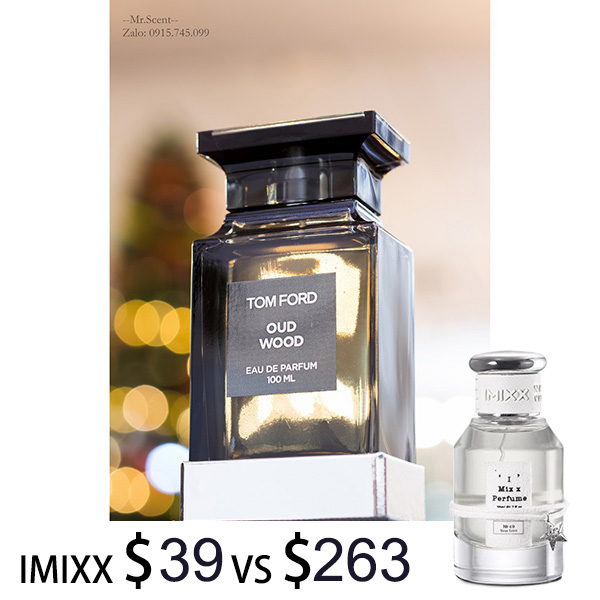


9 Things to Consider Before Buying oud wood’ by tom ford
Buying a luxury fragrance should feel exciting, but it should also be a thoughtful decision. When I first explored oud wood’ by tom ford, I quickly realized that its reputation alone was not enough to tell me whether it would suit my skin, lifestyle, budget, and fragrance preferences. A scent can be beautifully composed and widely admired while still not being the right choice for every person.
That is why I recommend looking beyond the bottle, brand name, and opening spray. Before purchasing oud wood’ by tom ford, I consider how the fragrance develops, when I would wear it, how strongly it projects, how long it lasts on my skin, and whether the price makes sense for my actual needs.
In this guide, I will walk through the nine factors I believe matter most before buying. My goal is not to tell you that everyone needs this fragrance. Instead, I want to help you decide whether its smooth woody character, refined presentation, and understated style genuinely fit your taste. I will also explain what it smells like, how it performs, how to test it properly, and how it compares with other ways of enjoying a similar fragrance profile.
My quick verdict:
I see Oud Wood as a polished, versatile woody fragrance rather than an aggressively dark or animalic oud. It is most suitable for people who enjoy cardamom, dry woods, amber warmth, and a clean, sophisticated finish. However, its restrained projection and premium price mean that testing it before buying is especially important.
What Does Tom Ford Oud Wood Smell Like?
To my nose, Tom Ford Oud Wood opens with a cool, aromatic burst of cardamom and peppery spice. The opening feels dry, polished, and immediately upscale. It does not begin with the thick sweetness, smoke, or medicinal intensity that some people associate with traditional oud fragrances.
As it settles, the scent becomes smoother and woodier. Rosewood, sandalwood, vetiver, and an oud-style accord create a dry, slightly smoky center. I notice more of a refined wood cabinet, freshly polished furniture, or a quiet luxury hotel atmosphere than a raw piece of resinous agarwood.
The base introduces amber and tonka bean, which soften the composition without making it dessert-like. The sweetness stays controlled. I find the drydown warm, creamy, and comfortable, with a gentle skin-scent quality that can feel intimate rather than attention-seeking.
Tom Ford officially identifies cardamom, pink pepper, patchouli, amber, oud, and tonka bean among the key notes. The brand also describes rosewood, sandalwood, and vetiver in the fragrance’s development. Readers who want to verify the current brand description can consult the official Tom Ford Beauty Oud Wood page.
Is It a Strong, Animalic Oud?
No, not in the way many fragrance enthusiasts use the word “animalic.” I do not experience Oud Wood as intensely barnyard-like, leathery, fecal, or medicinal. It uses oud as part of a larger woody structure rather than presenting a photorealistic interpretation of natural agarwood.
This distinction matters because the word “oud” can create misleading expectations. Real agarwood and traditional oud oils can smell dramatically different depending on the tree species, growing region, distillation method, age, and quality. Some are smoky and leathery, while others can smell sweet, herbal, fruity, earthy, or animalic.
Oud Wood is much easier to approach. I think of it as a Western luxury interpretation of oud: smooth, controlled, wearable, and blended with familiar spicy and amber elements.
Who Is Most Likely to Enjoy It?
I believe the fragrance is most likely to appeal to someone who enjoys:
- Dry, elegant woody fragrances
- Cardamom and aromatic spices
- Warm amber without heavy sweetness
- Unisex fragrances with a polished character
- Moderate projection rather than room-filling intensity
- Scents that work in professional and social settings
It may be less suitable for someone seeking a loud club fragrance, a syrupy vanilla perfume, an intensely smoky incense scent, or a challenging natural-oud experience.
At-a-Glance Buying Overview
| Buying Factor | What I Notice | Why It Matters |
|---|---|---|
| Scent profile | Dry woods, cardamom, mild smoke, amber, and soft tonka | It is smoother and less animalic than the name may suggest |
| Projection | Usually controlled and relatively close to the wearer | Buyers wanting a loud fragrance may feel underwhelmed |
| Longevity | Can vary significantly by skin, climate, and application | A skin test is more reliable than online performance claims |
| Seasonality | Best suited to fall, winter, and mild evenings | Extreme heat may flatten or distort its woody balance |
| Versatility | Works for offices, dinners, dates, and dressed-up occasions | Its versatility can help justify frequent use |
| Price | Positioned in the premium luxury category | Cost per wear matters more than prestige alone |
| Best first purchase | A sample, travel size, or smaller bottle | It reduces blind-buying risk |
1. Consider Whether You Actually Enjoy Its Woody-Spicy Scent Profile
The first question I ask is simple: do I genuinely enjoy the way the fragrance smells after the excitement of the opening has passed?
Oud Wood is often described as elegant, luxurious, and sophisticated. Those words may be accurate, but they are still abstract. A more useful description is that the fragrance combines cool cardamom, dry woods, subtle smoke, earthy vetiver, warm amber, and restrained tonka sweetness.
The cardamom is especially important. On my skin, it gives the opening a cool, almost airy spice. It can feel clean and slightly green rather than hot or fiery. If someone dislikes cardamom in fragrances, the opening may be difficult to overlook.
The woody center is also drier than many modern mass-market fragrances. It does not rely on a large dose of sugary vanilla, caramel, fruit syrup, or candy-like amber. This makes it feel refined, but it can also make the fragrance seem quiet or austere to people accustomed to sweeter scents.
Do Not Judge It Only by the First Five Minutes
I never make a purchase decision from the top notes alone. The opening may be the most immediately attractive part of a perfume, but the drydown is what I will live with for several hours.
With Oud Wood, I recommend paying attention at four stages:
- Immediately after spraying: Look for cardamom, pepper, and aromatic freshness.
- After 20 to 30 minutes: Notice the transition into dry woods and soft smoke.
- After two to three hours: Evaluate the balance of sandalwood, vetiver, amber, and tonka.
- Near the end of wear: Decide whether the remaining skin scent still feels pleasant and distinctive.
A fragrance that impresses me for ten minutes but becomes dull after an hour is rarely a good full-bottle purchase. Conversely, a fragrance with a restrained opening may become far more appealing as it warms on the skin.
Knowledge point: Fragrance notes are not a complete ingredient list. They are descriptive references that help communicate an olfactory impression. Two fragrances listing oud, sandalwood, and amber can still smell completely different because of formula structure, material quality, concentration, and balance.
Understand What “Oud” Means in This Composition
Oud comes from resinous agarwood, which forms when certain Aquilaria trees respond to biological stress or infection. In fragrance culture, oud is valued for its complexity and rarity. However, the oud effect in a modern perfume may be created through a combination of natural materials, aroma molecules, supporting woods, smoke effects, leather nuances, and amber notes.
For a useful overview of how oud can vary from herbal and woody to warm, musky, and animalic, I recommend this educational explanation from Allure’s guide to oud in fragrance.
I would not buy Oud Wood expecting the full intensity of a traditional oud oil. I would buy it for its smooth interpretation of the idea: refined woods with exotic spice, subtle darkness, and an accessible amber base.
2. Consider Its Projection and Sillage Before Expecting a “Beast Mode” Fragrance
Projection describes how far a fragrance radiates from the skin. Sillage describes the scented trail that remains as a person moves through a space. These qualities are related, but they are not identical.
In my experience, Oud Wood is usually more controlled than explosive. It can be noticeable during the early stages, but it often settles into a moderate or close-wearing scent. That character can be an advantage in offices, restaurants, airplanes, theaters, and other shared spaces.
However, buyers who equate luxury with maximum strength may feel disappointed. A high price does not automatically mean that a fragrance should fill an entire room. Some luxury compositions are deliberately restrained because subtlety is part of their intended style.
Why Performance Reviews Often Conflict
One person may report that Oud Wood lasts most of the day, while another says it becomes faint after a few hours. I do not automatically assume that either person is wrong. Fragrance performance can change because of:
- Skin moisture and oil levels
- Ambient temperature
- Humidity
- Number and location of sprays
- Fabric application
- Olfactory fatigue
- Individual sensitivity to particular aroma materials
- Storage history of the bottle
Olfactory fatigue is particularly easy to misunderstand. When I wear a fragrance near my neck or upper chest, my nose receives a continuous stream of scent. Over time, my brain may reduce its awareness of that smell even though other people can still detect it.
Before deciding that a fragrance has disappeared, I ask someone I trust whether they can still smell it. I also test it on the back of my hand or inner elbow, where I can move the application point away from my nose.
How I Test Projection Accurately
I spray once on clean skin and avoid rubbing the application area. I note how noticeable it is at approximately 15 minutes, one hour, three hours, and six hours. On a separate day, I apply my normal number of sprays and evaluate it during regular activities.
I also avoid testing several strong fragrances at the same time. Smelling too many compositions in quick succession can make subtle differences harder to recognize.
My practical advice:
Buy Oud Wood for refinement, versatility, and scent quality—not because you expect extreme projection. Those who need a louder presence should test it under real conditions before committing to a large bottle.
3. Consider How Long It Lasts on Your Own Skin
Longevity is one of the most discussed aspects of Oud Wood, and it is also one of the hardest to predict. I have learned not to rely on a single reviewer’s number because fragrance does not perform identically on every person.
On some wearers, the woody amber base remains detectable for much of the day. On others, the fragrance becomes a light skin scent relatively quickly. Neither outcome can be guaranteed from the concentration label alone.
Skin Testing Is More Valuable Than a Paper Strip
A blotter strip is useful for understanding the general structure of a perfume. It allows me to compare several fragrances without covering my skin in competing scents. However, a blotter cannot show exactly how the fragrance interacts with my body temperature, skin oils, moisturizer, clothing, or daily environment.
I use a strip for the first screening and skin for the real decision. Ideally, I wear a sample on at least three different days:
- One cool day
- One warmer day
- One normal workday or social day
This gives me a more realistic view of how often I would reach for the fragrance and how it behaves in different conditions.
Can Moisturized Skin Improve Longevity?
Fragrance often remains noticeable longer on well-moisturized skin than on very dry skin. I sometimes apply an unscented moisturizer before spraying. This creates a more consistent surface and reduces the chance that a strongly scented lotion will interfere with the perfume.
I do not recommend adding random oils or heavily fragranced creams simply to increase longevity. They may change the scent profile more than expected.
Should You Spray It on Clothes?
Fabric can hold fragrance longer than skin, especially with woody and amber compositions. A light spray on clothing may extend the detectable life of Oud Wood. However, I first test an inconspicuous area because fragrance oils and alcohol can mark delicate, light-colored, or specialty fabrics.
I also remember that fragrance develops differently on fabric. The warmth of skin helps a perfume evolve, while clothing may preserve certain top or middle notes for longer.
Knowledge point: Eau de parfum is a product category, not a performance guarantee. Formula composition, volatility, application, climate, and individual perception can matter as much as the concentration name printed on the bottle.
4. Consider the Climate and Season in Which You Will Wear It
I associate Oud Wood most strongly with fall, winter, cool spring days, and mild evenings. Its dry woods, spice, amber, and tonka feel naturally suited to lower temperatures. Cooler air can make the fragrance feel smooth, enveloping, and composed.
That does not mean it is forbidden in summer. Fragrance has no strict seasonal law. I can wear it during warm weather, especially in air-conditioned environments or after sunset. Still, extreme heat may make the spice feel sharper, reduce the sense of depth, or cause the fragrance to evaporate differently.
How It Behaves in Cool Weather
In cool air, I tend to notice more of the fragrance’s warmth and structure. The amber feels richer, the woods feel smoother, and the cardamom provides contrast without becoming too sharp. This is where Oud Wood often feels most luxurious to me.
How It Behaves in Warm Weather
During warm weather, I use fewer sprays and avoid applying it immediately before prolonged outdoor heat. The fragrance can still work, but I prefer a lighter application. A scent that feels moderate indoors may become more noticeable when body temperature rises.
Think About Your Real Environment, Not an Imaginary One
It is easy to imagine wearing an elegant woody fragrance in a dark lounge, a luxury hotel, or a formal dinner. But most purchases should be based on daily reality.
I ask myself where I actually spend time. Do I work in a climate-controlled office? Do I live in a hot, humid region? Do I commute outdoors? Do I attend evening events? Do I mainly wear fragrance casually?
A fragrance can be beautiful and still remain unused if it does not match the buyer’s climate or routine. Cost per wear improves only when the bottle becomes part of real life.
5. Consider Where and When You Plan to Wear It
One of Oud Wood’s greatest strengths is its versatility. I can imagine wearing it in professional, smart-casual, romantic, and formal settings. Its polished character gives it presence, but its generally controlled projection keeps it from feeling disruptive.
Oud Wood for the Office
I consider it office-friendly when applied carefully. One to three sprays may be enough depending on the environment, personal skin chemistry, and workplace fragrance policies.
The fragrance smells mature and composed without feeling excessively formal. Its woody-spicy profile can work well with business attire, but it is not limited to suits. I also find it suitable with a sweater, clean shirt, dark denim, or minimalist casual clothing.
Oud Wood for Dates and Evening Events
The warm drydown makes it attractive for close social settings. Amber, tonka, sandalwood, and cardamom create a subtle sensuality without becoming overly sweet. Because the fragrance often sits closer to the body after the opening, it can feel intimate.
For a louder evening entrance, it may not be the most dramatic option. For a dinner, cocktail bar, gallery event, or quiet date, I think its restraint can be part of the appeal.
Oud Wood for Formal Occasions
Its clean, woody sophistication makes it easy to pair with formalwear. It does not depend on youthful candy notes or aggressive freshness. I see it as appropriate for weddings, receptions, business dinners, and elegant evening gatherings.
Is It Suitable for Everyday Wear?
Yes, provided the price and performance feel reasonable to the buyer. The scent itself is wearable enough for regular use. The larger question is whether someone is comfortable using a premium fragrance frequently rather than saving it for special occasions.
I prefer to wear fragrances rather than preserve them indefinitely. If I buy a bottle, I want it to become part of my life. A smaller size may be more satisfying than a large bottle that I hesitate to spray.
6. Consider Whether the Price Matches the Value You Will Receive
Oud Wood occupies the luxury fragrance market, and the retail price reflects the brand, packaging, distribution, positioning, and composition. I do not evaluate that price by asking only whether the fragrance smells good. Many fragrances smell good. I ask whether the complete experience is worth the cost to me.
Questions I Ask Before Paying Luxury Retail Prices
- How often will I realistically wear it?
- Do I already own fragrances that serve the same purpose?
- Is this scent distinctive within my personal collection?
- Would a smaller size satisfy me?
- Am I paying for personal enjoyment or external recognition?
- Will restrained performance bother me at this price?
- Have I completed a full-day skin test?
The answers are personal. Someone who wears Oud Wood three times a week may receive greater practical value than someone who owns twenty similar woody scents and reaches for it twice a year.
Calculate Cost per Wear
I find cost per wear more useful than bottle price alone. Suppose a fragrance is expensive but becomes a signature scent worn 150 times. The cost per use may feel reasonable. A cheaper bottle worn only three times may represent worse value.
There is no need to calculate every spray with mathematical precision. The point is to consider use. Luxury fragrance is discretionary, and value comes from enjoyment, confidence, memory, ritual, and frequency—not from the brand name alone.
Smaller Bottles Can Offer Better Value
A smaller bottle may cost more per milliliter, but it can still be the wiser purchase. It requires less money upfront, is easier to finish while the fragrance remains fresh, and reduces the risk of owning a large amount of a scent that later loses its appeal.
I especially prefer smaller sizes when:
- I am still building my fragrance preferences
- I own several perfumes in rotation
- The scent is seasonal
- The fragrance has inconsistent performance on my skin
- I travel frequently
Option 1: Full Retail Bottle
Best for: Buyers who have tested the fragrance thoroughly and expect frequent use.
Main advantage: Complete brand presentation and access to standard bottle sizes.
Main consideration: Highest upfront commitment, especially when performance is uncertain.
Option 2: Travel Size or Decant
Best for: Buyers who want several full wears before making a larger purchase.
Main advantage: Lower financial risk and easy portability.
Main consideration: Purchase from a trustworthy source that handles and labels products properly.
Option 3: imixx perfume Interpretation
Best for: Buyers who enjoy the general woody-spicy direction but want a more accessible price point.
Main advantage: Lower entry cost for exploring a similar style.
Main consideration: An interpretation should be evaluated as its own product because differences in opening, texture, projection, and drydown are normal.
7. Consider the Bottle Size and Buying Format
The best bottle size depends on usage habits, collection size, and confidence in the fragrance. I do not believe that the largest bottle is automatically the best deal. A lower price per milliliter provides no benefit if much of the fragrance remains unused.
Sample First
A sample is the most responsible starting point for an expensive fragrance. It allows multiple skin tests without pressure. I can wear it to work, at home, outdoors, and during an evening event before deciding.
When sampling, I make sure there is enough liquid for several proper applications. A single tiny dab may not represent the way a spray fragrance projects or develops.
Travel Size for Occasional Wear
A travel size is ideal when I enjoy a fragrance but do not plan to wear it constantly. It is also useful for seasonal scents, business travel, and fragrance rotation.
The smaller format can provide the emotional satisfaction of ownership without the cost or storage demands of a full bottle.
Standard Bottle for Regular Use
A standard bottle makes sense when I know the fragrance well and plan to wear it consistently. Before purchasing, I check the authorized retailer’s current size options, return policy, and packaging condition.
Large Bottle for a Confirmed Signature Scent
I reserve large bottles for fragrances I have already worn extensively. Large formats can be economical for a true signature scent, but they are excessive for an uncertain blind buy.
Taste can evolve. A scent that feels perfect today may feel less relevant after a year, especially as the collection grows. Smaller purchases preserve flexibility.
8. Consider Authenticity, Seller Reputation, and Storage History
The popularity and price of luxury fragrance attract counterfeit products, misleading listings, and poorly stored inventory. I treat the seller as part of the purchase decision.
Choose a Reliable Retailer
I prefer the brand’s official website, authorized department stores, reputable beauty retailers, or established fragrance sellers with transparent policies. A legitimate retailer should provide clear contact information, accurate product descriptions, secure payment processing, and a reasonable return or damage policy.
A low price by itself does not prove that a bottle is fake. Retailers may discount legitimate products for many reasons. However, a dramatic discount combined with vague photos, a newly created seller profile, inconsistent reviews, and no return protection should raise concern.
Look Beyond Packaging Details
Counterfeit identification guides often focus on fonts, cellophane, bottle weight, batch codes, and cap alignment. These details can help, but no single packaging clue is perfect. Packaging can also change over time or vary by market.
I consider the entire context:
- Seller history
- Price relative to the market
- Quality of listing images
- Return and refund terms
- Condition of the bottle and box
- Consistency of scent development
- Presence of obvious printing or construction errors
Storage Can Affect an Authentic Bottle
Even a genuine fragrance may perform poorly if it has been exposed to excessive heat, direct sunlight, or repeated temperature changes. I store perfume upright in a cool, dark location with a relatively stable temperature.
A bathroom shelf is not ideal because heat and humidity fluctuate. A car is considerably worse. I also keep the cap on when possible and avoid leaving bottles near windows.
Knowledge point: A batch code can be one useful clue, but it is not definitive proof of authenticity. Codes can be copied, packaging can vary, and genuine products may show minor manufacturing differences.
Be Careful with Used Bottles
Partially used bottles can offer value, but they require greater trust. I examine fill level, atomizer condition, seller history, leakage, liquid clarity, and storage claims. I also consider whether the bottle may have been refilled or diluted.
For a first experience with an expensive fragrance, a sealed sample or reputable decant is often safer than an unknown used bottle.
9. Consider Testing It Against Other Options Before Committing
My final recommendation is to compare Oud Wood with other fragrances and formats before buying. Fragrance can seem impressive in isolation. Comparison reveals whether it is truly the best fit.
Compare the Mood, Not Just the Note List
Two perfumes may contain cardamom, oud, sandalwood, and amber while creating completely different moods. One may be sweet and smoky. Another may be medicinal and leathery. A third may be airy, clean, and modern.
I compare fragrances according to practical questions:
- Which one makes me want to smell my wrist again?
- Which one feels natural with my clothing and lifestyle?
- Which drydown do I prefer after four hours?
- Which one earns positive reactions without making me self-conscious?
- Which one would I still choose if the labels were hidden?
Original Fragrance Versus an Interpretation
An original luxury fragrance offers the brand’s intended formula, packaging, presentation, and prestige. An interpretation aims to provide a related olfactory experience at a different price point. These are not identical purchasing experiences.
I judge each according to its own priorities. If exact brand ownership, presentation, and formula fidelity matter most, the original may be the right choice. If affordability and access to a similar woody-spicy mood matter more, an interpretation may deserve consideration.
I avoid assuming that higher price always means greater personal enjoyment. I also avoid assuming that a lower-priced option must reproduce every transition perfectly. The most useful comparison is a side-by-side skin test conducted without rushing.
| Option | Best Reason to Choose It | Potential Trade-Off |
|---|---|---|
| Tom Ford Oud Wood | You want the official composition, bottle, and luxury brand experience | Premium price and potentially restrained performance |
| Official travel size | You want the original fragrance with a smaller commitment | Higher cost per milliliter |
| Reputable decant | You need enough fragrance for extended testing | No official retail presentation and seller trust is essential |
| imixx perfume option | You want a more budget-conscious route into a related scent profile | Differences in development and performance should be expected |
How I Recommend Testing Oud Wood Before Buying
A structured test helps me separate genuine preference from excitement, branding, and sales pressure. I use the following process for any costly fragrance purchase.
Step 1: Smell It on Paper
I begin with one or two sprays on a blotter. I note the opening and keep the strip rather than throwing it away after five minutes. I smell it again after an hour and later in the day.
Step 2: Apply It to Clean Skin
On another day, I spray the fragrance on clean, unscented skin. I avoid testing immediately after using strongly scented soap, lotion, hair products, or deodorant.
Step 3: Wear It Through a Normal Day
I do not sit at home smelling my wrist every two minutes. I wear the fragrance while working, walking, eating, commuting, or meeting people. This shows whether it feels comfortable in my actual life.
Step 4: Record the Development
I make a few simple notes:
- What did I smell first?
- What changed after one hour?
- When did it become a skin scent?
- Did I enjoy the drydown?
- Did anyone nearby notice it?
- Did I want to wear it again the next day?
Step 5: Repeat the Test
A second or third wear is important. Mood, weather, fatigue, and environment can influence perception. A fragrance that seems disappointing on one day may work beautifully on another, and an exciting first impression may fade with repetition.
Step 6: Compare Without Looking at the Label
When possible, I compare two or three samples without focusing on branding. This reduces the influence of price and reputation. The fragrance I most enjoy is not always the one with the most prestigious name.
My decision rule:
If I finish a sample and immediately miss wearing the fragrance, a bottle may be justified. If I have to persuade myself to like it because it is famous, I do not buy it.
Is Tom Ford Oud Wood Masculine or Feminine?
I consider Oud Wood genuinely unisex. It does not rely heavily on traditionally masculine citrus-aromatic structures, nor does it center on conventionally feminine floral sweetness. Its primary identity comes from spice, woods, amber, and soft warmth.
On one person, the dry vetiver and woods may feel more prominent. On another, cardamom, tonka, and amber may create a softer effect. Clothing, application, skin chemistry, and personal style shape the overall impression.
I do not believe gender labels should override a skin test. If the scent feels natural and enjoyable, it is suitable for the wearer.
Is Tom Ford Oud Wood Worth Buying?
For me, the answer depends on four conditions. First, I must enjoy dry, spicy woods rather than expecting a sweet or forceful oud fragrance. Second, I must accept that projection may be controlled. Third, I need to test longevity on my own skin. Fourth, the price must fit my budget without creating regret.
It can be worth buying for someone who wants an elegant, versatile, and recognizable woody fragrance that moves comfortably between professional and social environments. Its cardamom-led opening and smooth amber-wood drydown have a polished quality that many people find easy to wear.
It may not be worth buying for someone who prioritizes maximum strength, highly naturalistic oud, dramatic sweetness, or the lowest possible cost per milliliter.
I also separate admiration from ownership. I can respect the fragrance’s composition without needing a full bottle. A sample, decant, travel size, or more accessible interpretation may provide enough enjoyment.
Common Mistakes to Avoid When Buying Oud Wood
Blind Buying Because It Is Famous
Reputation does not guarantee compatibility. Oud Wood is widely discussed, but individual reactions differ. Sampling protects both the budget and the fragrance collection from unnecessary purchases.
Expecting a Traditional Oud Oil
The fragrance is smoother and more accessible than many natural oud experiences. Buyers looking for intense funk, leather, fermentation, smoke, or animalic depth may find it too polished.
Assuming High Price Guarantees Strong Performance
Luxury pricing reflects more than projection. A fragrance can be costly and intentionally subtle. Performance expectations should be based on testing, not price.
Testing Only on a Paper Strip
Paper reveals the broad scent structure but not personal skin behavior. A full-day skin test is essential for a costly purchase.
Buying the Largest Bottle First
A large bottle is not a bargain when the scent is worn infrequently. Size should follow confidence and expected use.
Overspraying Immediately
Applying too much can distort the experience and create olfactory fatigue. I begin with a moderate application and adjust on later wears.
Ignoring the Seller
Seller reputation, storage history, and return policies matter. A questionable bargain can become an expensive mistake.
My Final Buying Checklist
Before purchasing, I confirm that:
- I have worn the fragrance on skin for a full day.
- I enjoy the drydown as much as the opening.
- I understand that it is a polished oud interpretation, not a traditional oud oil.
- I am satisfied with its projection in my normal environment.
- I have tested its longevity rather than relying on reviews.
- I know which seasons and occasions fit my lifestyle.
- I have compared at least one alternative.
- I have selected a practical bottle size.
- I am purchasing from a seller I trust.
- The cost will not cause financial stress or buyer’s remorse.
Final Thoughts
Tom Ford Oud Wood has earned its status because it makes the idea of oud feel smooth, modern, and wearable. I appreciate its cool cardamom opening, dry woody center, subtle smoky character, and warm amber-tonka finish. It can feel confident without being aggressive and luxurious without becoming excessively ornate.
Still, I would not recommend buying it solely because it is famous or frequently praised. Its performance can feel restrained, its price is substantial, and its interpretation of oud may be cleaner than some buyers expect.
The best approach is simple: sample it, wear it in real life, evaluate the full drydown, and compare it with other options. If I continue thinking about the scent after several wears and can picture myself reaching for it regularly, then it has earned a place in my collection. If I only admire the name or opening, I keep exploring.
Luxury fragrance is most rewarding when the purchase reflects personal taste rather than pressure. The right bottle is not necessarily the loudest, most expensive, or most popular one. It is the fragrance I genuinely enjoy wearing again and again.
Frequently Asked Questions
What does Tom Ford Oud Wood smell like?
It smells like cool cardamom, dry exotic woods, mild smoke, earthy vetiver, warm amber, and soft tonka bean. I find it smoother and less animalic than many traditional oud fragrances.
Is Tom Ford Oud Wood suitable for everyday use?
Yes. Its refined and generally controlled projection makes it suitable for work, dinners, dates, and smart-casual occasions. The main consideration is whether the premium price fits frequent use.
How long does Tom Ford Oud Wood last?
Longevity varies by skin type, climate, application, and personal perception. Some wearers experience several hours of noticeable scent, while others find that it becomes a close skin scent sooner. A full-day skin test is the most reliable guide.
Is Tom Ford Oud Wood a strong fragrance?
I consider it moderate rather than extremely strong. It may project clearly after application but usually becomes more intimate as it develops. Buyers looking for room-filling performance should test it before purchasing.
Is Tom Ford Oud Wood for men or women?
It is widely wearable as a unisex fragrance. Its cardamom, woods, amber, and tonka can adapt to different skin chemistry and personal styles without feeling limited to one gender.
What season is best for Tom Ford Oud Wood?
I prefer it in fall, winter, cool spring weather, and mild evenings. It can also work in summer with lighter application, especially indoors or after sunset.
Does Tom Ford Oud Wood contain real oud?
The brand presents oud as a central note, but a public note list is not the same as a complete formula disclosure. Modern fragrances may create an oud effect through natural materials, aroma compounds, and supporting woody accords.
Should I buy a sample before purchasing a bottle?
Yes. I strongly recommend sampling because its longevity, projection, and woody dryness can vary in appeal from person to person. Several full wears provide a much better basis for a decision than a quick store test.
Is Tom Ford Oud Wood worth the price?
It may be worth the price for someone who loves its scent, wears it frequently, values the official presentation, and accepts its controlled performance. A travel size, decant, or accessible interpretation may offer better value for occasional wear.