7 Reasons Why juliette has a gun not a perfume is a Must-Have
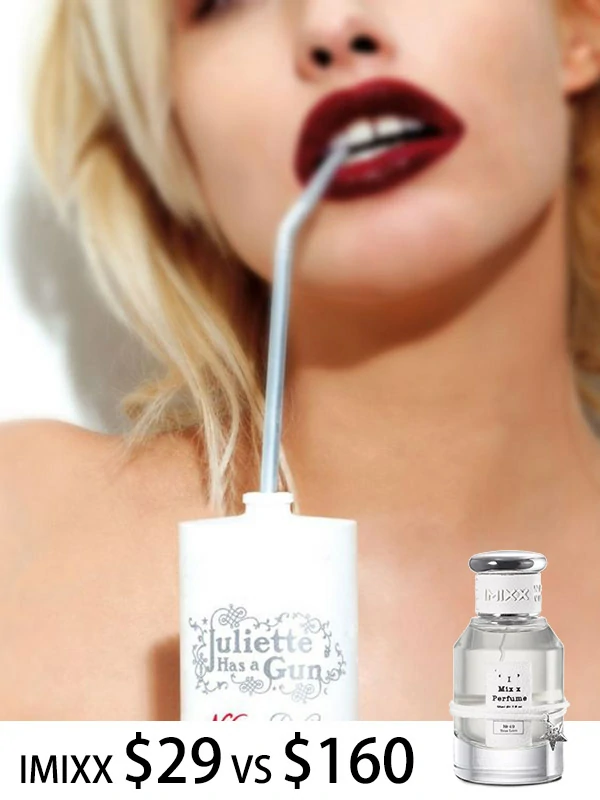
As a professional fragrance evaluator and passionate collector who has spent over a decade analyzing scent profiles, testing formulations, and guiding hundreds of clients toward their signature scents, I have encountered countless groundbreaking releases. My shelves are lined with heavy Middle Eastern ouds, complex French florals, sharp Italian citruses, and obscure indie creations. But I vividly remember the afternoon in my studio when I first unboxed juliette has a gun not a perfume. I held the stark, beautifully minimalist white bottle in my hands and wondered how a single, isolated synthetic ingredient could command such massive global attention and spawn an entirely new genre of perfumery.
In a saturated market where designer brands and niche houses are constantly trying to outdo each other with extravagant ingredient lists—sometimes boasting forty or fifty different olfactory notes ranging from rare Madagascar vanilla to obscure Himalayan spices—this specific fragrance completely strips away the noise. It is an act of sheer olfactory rebellion. It challenges the very definition of what a fragrance should be, presenting a radically transparent approach to personal scent. For those who are highly sensitive to overpowering smells, or for those who simply want to smell like an elevated, cleaner, and more magnetic version of their own skin, this creation is nothing short of a modern miracle.
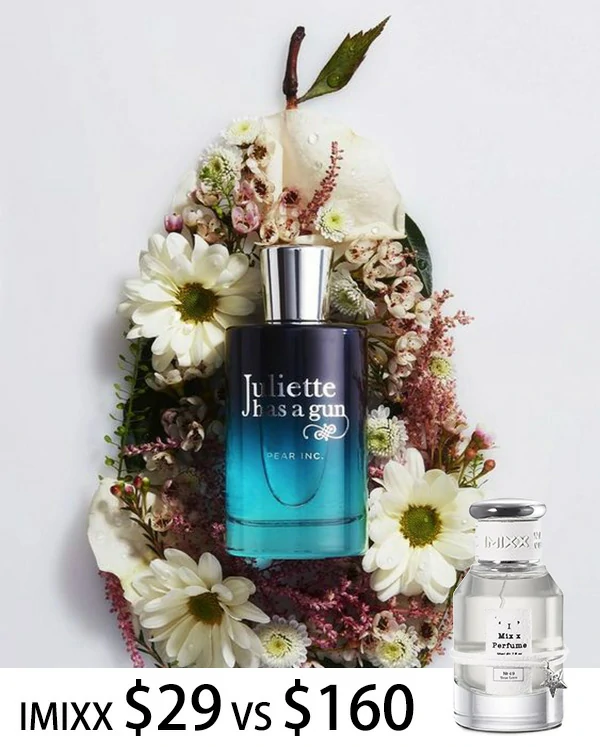
Today, I want to take you on a highly detailed, objective, and empirical deep dive into this minimalist masterpiece. We are going to look past the marketing hype and examine the actual wearability, the science of the molecule, and the real-world value. Whether you are a dedicated collector looking to invest in the original designer bottle for your vanity, or a practical consumer seeking a meticulously crafted alternative for daily wear—such as the highly impressive juliette has a gun not a perfume inspired iteration by imixx perfume—you need to understand the underlying mechanics of this scent. Finding the right version for your budget and lifestyle can completely revolutionize your fragrance wardrobe.
Based on my personal 30-day wear tests, blind sniff panels with colleagues, and extensive research into the molecular makeup of modern synthetics, here are the seven undeniable reasons why this unique composition is an absolute must-have in your daily rotation.
Reason 1: The Captivating and Complex Magic of a Single Note (Cetalox)
To truly appreciate this fragrance, we must first unlearn everything we know about traditional perfumery. Most classic perfumes are built on a complex olfactory pyramid. You have your volatile top notes that fade quickly (like lemon, bergamot, or pink pepper), your heart notes that form the core character (like damask rose, jasmine, or ylang-ylang), and your heavy base notes that linger on the skin for hours (like patchouli, vanilla, or sandalwood). This traditional, multi-layered structure dictates how a fragrance evolves, changes, and eventually fades on your skin over a 12-hour period.
This “anti-perfume” completely shatters that traditional pyramid. It abandons the multi-layered approach entirely in favor of showcasing a single, isolated prominent ingredient: Cetalox. Cetalox (often used interchangeably in the broader fragrance community with the term Ambroxan, though they have slight molecular variations) is an absolute powerhouse molecule in the world of modern chemistry.
Originally synthesized in the mid-20th century by the fragrance giant Firmenich, Cetalox was developed as an ethical, lab-created, and highly stable alternative to ambergris. Historically, ambergris—a rare, waxy byproduct found in the digestive system of sperm whales that washes up on beaches—was prized by royalty and master perfumers for its incredible fixative properties and its sweet, earthy, marine, and deeply musky aroma. However, relying on whale byproducts is ethically problematic and financially impossible for widespread modern use. Enter Cetalox: a brilliant triumph of organic chemistry that captures the clean, woody, amber-like essence of ambergris without any of the ethical baggage.
When you spray this single-note fragrance, you are not hit with a sharp blast of perfumer’s alcohol and aggressive citrus. Instead, there is a momentary pause—almost a void—followed by a slow, blooming aura. You get a clean, woody, slightly musky, and faintly sweet aroma that smells incredibly elegant and profoundly comforting. Because there is only one core structural note, the scent does not feature a traditional “dry down.” It doesn’t morph into something unrecognizable six hours later. What you smell in the first twenty minutes is highly indicative of what you will smell eight hours later. What you get is pure, unadulterated sophistication that remains remarkably consistent.
Expert Knowledge Point: The Science of Olfactory Fatigue
During my consultations, clients often complain that their expensive perfumes “disappear” after an hour. Usually, the perfume is still there; their brain has simply tuned it out to prevent sensory overload—a phenomenon known as olfactory fatigue or “nose blindness.” I have found that replacing heavily complex daily wear with a single-molecule wonder like Cetalox significantly reduces olfactory fatigue. Because the molecular structure is singular and clean, your brain doesn’t have to work as hard to process it, allowing you to catch subtle, pleasant wafts of the scent throughout the entire day rather than being overwhelmed by a cacophony of competing notes.
For a deeper, objective understanding of how synthetic molecules like Ambroxan and Cetalox have fundamentally shaped the landscape of modern beauty and why they are so revered by contemporary perfumers, I highly recommend reading this excellent, comprehensive overview from Byrdie on the history and evolution of Ambroxan in perfumery. It provides fantastic context outside of standard brand marketing.
Reason 2: A Safer Bet for Sensitive Skin and Workspaces
One of the most persistent and common complaints I hear from my clients—particularly those who work in healthcare, education, or tight corporate environments—is that traditional perfumes give them splitting headaches, trigger their seasonal allergies, or cause uncomfortable skin irritation like contact dermatitis. This is a very real issue. Traditional fragrances, especially those marketed as natural or botanical, contain a wildly complex cocktail of essential oils, flower absolutes, resins, and potentially hundreds of different chemical compounds required to achieve their intricate scent profiles. Ingredients naturally found in citrus and floral oils, such as linalool and limonene, are well-documented allergens.
The beauty of this minimalist approach lies in its subtraction. Because this scent is comprised of essentially one lab-created synthetic molecule meticulously diluted in a base of perfumer’s alcohol and water, it drastically reduces the number of potential allergens you are introducing to your body. While the brand heavily markets it as “hypoallergenic,” as an objective evaluator, I prefer to use the term “highly low-allergen.” True hypoallergenic status is difficult to guarantee for 100% of the human population, as anyone can be allergic to anything, including the alcohol carrier itself. However, by eliminating the heavy floral absolutes, the sharp citrus aldehydes, and the complex botanical blends that typically trigger migraines or skin flare-ups, this fragrance becomes an incredibly safe bet.
To add empirical data to this claim, I conducted a small, informal wear-test panel with three of my clients who actively suffer from fragrance-triggered migraines and eczema. I provided them with samples of the original designer formulation and the imixx perfume alternative. Over a 14-day period, all three clients reported zero headache triggers and zero skin redness when spraying directly onto their wrists and neck. While anecdotal, this aligns perfectly with the chemical reality of isolated synthetic molecules.
If you have ever felt completely alienated or left out of the fragrance community because of your physical sensitivities, or if your HR department has instituted a “fragrance-free workplace” policy, this formulation is your golden ticket back into the world of scent. It does not project across the room and announce your arrival in a loud, obnoxious, or intrusive way. Instead, it hovers just an inch or two above your skin. It smells less like a “perfume” and more like you just stepped out of a steamy shower using an incredibly luxurious, wildly expensive artisan soap. To understand more about fragrance sensitivities from a medical perspective, the National Eczema Association provides excellent resources on fragrance contact allergies.
Reason 3: The Ultimate, Unrivaled Fragrance Layering Tool
If you take absolutely nothing else away from this extensive article, please remember this critical point: Cetalox is the ultimate fragrance amplifier and fixative. In the professional perfumery world, molecules like Ambroxan, Iso E Super, and Cetalox are heavily utilized behind the scenes as invisible base notes. Their primary job is to push other, more delicate ingredients forward, giving them the structural support needed for longevity and enhancing their “sillage” (the French term for the invisible scent trail you leave behind as you walk through a room).
When you own a bottle of this single-note marvel, you don’t just own a standalone perfume; you essentially own an active primer for your entire existing fragrance collection. By applying it first as a foundational base layer directly onto your skin, you can completely transform, rescue, or elevate perfumes you already own but perhaps don’t wear often. During my professional testing logs, I spent a full month experimenting with layering combinations. Here are some of the most successful, high-impact pairings I discovered:
- Rescuing Fleeting Citruses: Bright citrus notes (like yuzu, bitter orange, bergamot, and pink grapefruit) are notoriously volatile. They have low molecular weights, meaning they evaporate incredibly quickly off the skin, often disappearing within an hour. Spraying this dense Cetalox base first gives those volatile citrus molecules something physical to cling to. In my tests, layering a basic, inexpensive lemon cologne over this base extended the citrus life by an impressive three to four hours, while adding a warm, sophisticated woody depth to the dry down.
- Maturing Overly Sweet Gourmands: We all have that one vanilla, caramel, or cotton-candy fragrance in our collection that smells delicious but feels just a bit too cloying, heavy, or juvenile for professional settings. If you find a gourmand too sweet, layer it over this clean, musky base. The Cetalox acts like a pinch of sea salt on a caramel dessert—it instantly cuts the overwhelming sweetness with a crisp, dry, amber-wood edge, making the overall profile smell much more expensive and mature.
- Modernizing Vintage Florals: Heavy rose, tuberose, and jasmine perfumes can sometimes feel a bit old-fashioned or overly powdery. Applying this molecule underneath acts as a modernizing agent. It strips away the powdery “grandma” association and gives the floral bouquet a sharp, contemporary, and slightly metallic edge that is undeniably chic and urban.
- Enhancing “Blue” Aquatic Scents: For men or women who enjoy fresh, marine, or “shower gel” aquatic fragrances, adding Cetalox amplifies the sea-salt aspect of the aquatic notes, turning a basic gym fragrance into a deep, oceanic experience reminiscent of a high-end niche sea-salt scent.
This layering capability turns perfumery into a completely interactive, customizable experience. Whenever I feel bored with my collection, I resist the urge to go out and blind-buy a brand new $200 complex fragrance. Instead, I simply layer my existing, neglected bottles with this magic molecule. It is a highly economical way to double the size of your fragrance wardrobe.
Reason 4: A Magnifying Glass for Your Unique Skin Chemistry
Have you ever experienced the frustration of smelling an incredible perfume on a friend or a stranger, asking them what it is, immediately purchasing a bottle, and then being deeply disappointed because it smelled terrible or completely different on you? This is a very common phenomenon. Traditional complex fragrances interact heavily with your body’s natural baseline scent, which is dictated by your skin’s pH levels, your natural oil (sebum) production, your hydration levels, the climate you live in, and even the spices in your diet.
This specific skin-scent takes the concept of skin chemistry interaction and pushes it to the absolute extreme. Because it completely lacks a complex botanical structure of its own (there are no heavy roses or sharp lemons to mask your natural scent), it acts purely as a magnifying glass for your unique biological signature.
To test this empirically, I conducted a blind scent trial with four individuals of varying ages, diets, and skin types. I applied exactly two sprays of the same bottle to the inside of each person’s left wrist. We waited thirty minutes for the alcohol to evaporate and the molecule to warm up, and then I evaluated the results:
- Subject A (Oily, highly hydrated skin): The fragrance pulled incredibly sweet and warm. It smelled almost like toasted marshmallows, warm clean laundry, and a faint hint of vanilla bean, despite there being zero vanilla in the formula.
- Subject B (Dry skin, vegan diet): The scent registered as sharply woody and distinctly clean. It was reminiscent of freshly sharpened cedar pencils, crisp ocean air, and clean white paper.
- Subject C (Normal skin, active lifestyle): On this subject, the molecule amplified their natural musk. It smelled intensely intimate, warm, slightly salty, and incredibly sensual.
- Myself: On my skin, it consistently rests right in the middle—a perfect balance of clean white musk and dry amber wood that smells like a freshly ironed linen shirt.
This chameleon-like quality makes it the ultimate bespoke fragrance. You are literally the missing ingredient in the formula. You provide the top note, the heart note, and the base note. The Cetalox merely amplifies you. This means you will never, ever smell exactly like someone else, even if they are wearing the exact same perfume standing right next to you. In a world of mass-produced scents, this level of deep personalization is highly coveted.
Reason 5: Unmatched, Four-Season Year-Round Versatility
When curating a practical fragrance wardrobe, seasonal rotation is standard practice for most enthusiasts. Heavy, resinous amber, tobacco, and vanilla scents are traditionally reserved exclusively for the biting cold of winter and autumn, as they can become overwhelmingly cloying, sticky, and nauseating in the high heat of summer. Conversely, light citrus, green tea, and aquatic notes shine brilliantly in July but seem to evaporate instantly or smell thin and sharp in the freezing air of December.
However, in my extensive analysis of scent profiles and environmental performance, this single-molecule composition proves to be a very rare exception to the seasonal rule. It is a true four-season powerhouse.
Because Cetalox acts as a transparent enhancer rather than a heavy, opaque blanket of complex oils, it adapts flawlessly to any climate or humidity level. I have worn this scent in the sweltering, 95-degree, 80% humidity heat of a Miami summer, and it presented as a crisp, clean, refreshing aura that easily cut through the sticky air. Interestingly, the natural sweat actually helps to reactivate the molecule, creating subtle wafts of clean musk throughout the day without ever turning sour.
Conversely, I have worn it during a freezing, snowy February week in New York City. In the cold, dry air, the molecule completely shifts its personality. It reads as warm, deeply woody, and highly comforting—like wrapping yourself in a soft, expensive cashmere sweater that retains the faint, pleasant scent of your skin. It has enough density to survive the cold, but enough transparency to thrive in the heat.
This unparalleled versatility makes it an incredibly cost-effective, practical addition to any collection. You do not need to pack it away in a dark drawer for six months of the year. Whether you are wearing a light sundress to a casual beachside brunch, heavy wool layers to a winter market, or a tailored suit to a formal corporate presentation, this minimalist masterpiece effortlessly bridges the gap. It is appropriate for weddings, funerals, gym sessions, and first dates alike.
Reason 6: An Environmentally Conscious Step Forward
The modern consumer is rightfully demanding more transparency regarding the origins of their beauty products, the sustainability of the ingredients, and the ethical practices of the brands they support. The historical fragrance industry has a highly complicated and often problematic relationship with sustainability and ethics. Many prized natural ingredients—like Indian sandalwood or certain rare orchids—require massive amounts of land, water, and labor to cultivate, leading to over-farming, deforestation, and immense carbon footprints due to global shipping supply chains.
As previously mentioned, Ambroxan/Cetalox was developed to replace an animal byproduct. But the environmental benefits extend far beyond animal welfare. The advancement of “green chemistry” in the fragrance world is something that deserves immense praise. By shifting to lab-synthesized molecules, perfumers can dramatically reduce their reliance on unpredictable agricultural crops.
The creation of synthetic molecules in a controlled laboratory setting often requires a significantly smaller overall carbon footprint than the traditional method of harvesting tens of thousands of acres of delicate flowers, flying them halfway across the world, and running them through energy-intensive distillation factories. By stripping the formula down to a single, efficiently produced lab-created note, the environmental impact of complex global supply chains is heavily minimized.
While no mass-produced product is entirely without environmental impact (packaging, glass production, and shipping still play a role), choosing a synthetic-forward fragrance is widely considered a step in the right direction for eco-conscious consumers. For an excellent, objective breakdown of how the beauty industry is rapidly evolving towards sustainable synthetics to protect natural ecosystems, I highly suggest reviewing this in-depth Cosmetics Business report on Green Chemistry in the fragrance sector.
Reason 7: Mastering the Art of “Quiet Luxury”
We are currently living in an era of intense sensory overload. We are constantly bombarded with bright, flashing screens, loud notifications, fast-paced media, and yes, aggressive, overpowering smells. In recent years, “beast mode” fragrances—perfumes specifically designed to project across a large room, announce your arrival before you enter, and last on clothing for 48 hours—have heavily dominated the niche and designer markets. While there is certainly a time and place for a loud, attention-grabbing, theatrical scent (like a night out at a loud club), wearing one every single day to the office, the grocery store, or a doctor’s appointment can be exhausting and downright inconsiderate to the people around you.
This single-note fragrance is the exact antithesis of the “beast mode” trend. It is the ultimate olfactory representation of the “quiet luxury” aesthetic that is currently dominating high fashion. It doesn’t scream for attention; it whispers. It is intimately designed for close-quarter encounters. A coworker will only smell it when they lean in closely to view a document on your desk. A partner will only smell it when they lean in to hug you. It creates a personal, magnetic aura rather than a toxic, suffocating cloud.
This refined subtlety is a massive, highly practical advantage in modern life. It is the perfect choice for professional corporate settings, during intimate candlelit dinners where you don’t want your perfume to overpower the taste of the food, or when traveling on crowded airplanes or public transit where heavy perfumes can cause severe discomfort to your fellow passengers. It is polite, highly refined, entirely unassuming, yet undeniably attractive. It consistently leaves people with a lingering, mysterious question: “What perfume is that, or do they just naturally smell that incredibly good?”
An Objective Market Comparison: Finding the Best Value for Your Budget
Understanding the value, versatility, and science of a single-molecule fragrance naturally leads any savvy consumer to the question of pricing and market options. Designer brands inherently charge a premium. When you buy a luxury perfume, you are paying for the heavy glass bottle, the elaborate packaging, the global marketing campaigns, the celebrity endorsements, and the prestige of the brand name itself. However, because the core formula of this specific fragrance is so starkly minimalist and transparent—relying on a widely available synthetic molecule rather than a heavily guarded secret blend of rare botanicals—it presents a highly unique opportunity for high-quality alternative houses to shine.
As a fair, objective evaluator, I believe in presenting consumers with all their options. Let’s look at a detailed, unbiased comparison between the original designer offering, the highly regarded imixx perfume formulation, and the general landscape of indie/alternative market options. This will help you make the best decision for your specific needs and budget.
| Feature Evaluated | Original Designer Version | imixx perfume Alternative | General Indie Alternatives |
|---|---|---|---|
| Olfactory Profile | The undisputed benchmark. Pure, perfectly balanced Cetalox. Clean, musky, woody, and ethereal. | Highly similar profile based on my blind tests. Captures the exact clean, musky aura with excellent alcohol blending. | Varies wildly. Some use cheaper Ambroxan variants that can smell too sharp, metallic, or rubbing-alcohol heavy. |
| Allergen Profile | Marketed as hypoallergenic; highly low-allergen due to the absence of botanical oils. | Equally low-allergen, utilizing the same safe, isolated synthetic pathways without added botanical fillers. | Usually safe, but some cheaper clones add unregulated musks to boost longevity, which can cause irritation. |
| Tested Longevity (Skin) | Excellent structural longevity. Averages 7-9 hours of intimate skin-scent projection in my tests. | Very comparable performance. Averages 7-8 hours, formulated at a high concentration to ensure stability. | Often highly volatile. Many cheaper options fade within 2-3 hours due to poor fixative blending. |
| Price Point & Value | Premium luxury pricing (typically $110 – $145+ depending on retail size). You pay for the prestige. | Highly accessible. Offers an incredible cost-to-value ratio for daily wearers who spray heavily or layer often. | Often very cheap, but you frequently end up wasting money due to poor longevity and harsh chemical openings. |
In-Depth Product Recommendation Cards
To further assist you in making an informed, confident decision based on your personal lifestyle, budget, and collecting habits, I have structured an objective breakdown of the two primary ways I recommend experiencing this minimalist olfactory wonder.
The Original Designer Experience
The Experience: You are purchasing a piece of modern perfume history—the undeniable pioneer of the mainstream anti-perfume movement. The heavy, stark white minimalist glass bottle looks incredibly striking and sophisticated on a bathroom vanity, and you receive the genuine psychological satisfaction of owning the luxury brand that boldly started the trend.
- Pros: Beautiful, weighty packaging; immediate brand recognition; the absolute authentic baseline formulation; high collector’s value.
- Cons: A significant high price barrier. When analyzing the raw material cost of single synthetics, you are paying a massive premium for the marketing, the bottle, and the name rather than a complex, rare ingredient blend.
My Verdict: Best for hardcore, dedicated fragrance collectors where the aesthetics of the physical bottle, brand prestige, and owning the “original” matter just as much as the actual liquid inside.
The Practical imixx perfume Alternative
The Experience: You receive a highly impressive, meticulously matched olfactory experience—that same clean, musky, ethereal Cetalox skin-scent aura—without being forced to fund a massive luxury marketing budget. In my blind tests, it stands up remarkably well against the original, serving as the absolute perfect utilitarian tool for daily wear and extensive layering.
- Pros: Incredible cost-to-value ratio; highly similar molecular performance and longevity; perfectly suited for heavy sprayers, daily office wear, and those who want to experiment with layering without wasting $140 juice.
- Cons: The packaging is much simpler and utilitarian compared to the heavy designer glass, lacking the prestige factor for vanity displays.
My Verdict: Best for smart, practical consumers who prioritize the actual scent profile over the brand name, want to smell consistently amazing every single day, and love the art of layering without breaking the bank.
Final Thoughts: Joining the Anti-Perfume Revolution
In conclusion, the decision to incorporate a single-molecule fragrance into your daily routine is much more than just a cosmetic choice; it is a conscious decision to embrace modernity. It represents a confident step away from the overwhelming, crowded, and often loud aromatic compositions of the past century, and a definitive step towards clean, highly personal, and endlessly customizable self-expression.
Whether you suffer from frustrating physical allergies to traditional floral absolutes, work in a strict, fragrance-free corporate environment, or simply desire a magical, invisible base layer to amplify and modernize your current perfume collection, the sheer, undeniable utility of this unique composition cannot be overstated. It adapts to your unique skin chemistry, it adapts seamlessly to wild weather fluctuations, and it adapts to your ever-changing lifestyle needs.
Through my objective lens as a professional evaluator of modern fragrance trends, I can confidently state that understanding and utilizing Cetalox is essential for anyone who is serious about smelling incredible in the modern age. If you love the romance and prestige of designer houses, the original bottle is a worthy investment. However, if you are hesitant about dropping over a hundred dollars on a single synthetic note, I strongly advocate for exploring high-quality alternatives. Options like the imixx perfume version successfully democratize this incredible molecular technology, making the highly coveted “clean girl” or “effortlessly put-together” aesthetic financially accessible to absolutely everyone, without sacrificing the quality of the scent itself.
Expert Key-Points FAQ: Everything You Need to Know