Is YSL Perfume Cruelty Free? The Complete Guide to Ethical Fragrances
Finding your signature scent is a deeply personal journey. A great perfume doesn’t just make you smell good; it captures your personality, boosts your mood, and leaves a lasting impression. But as more of us become conscious consumers, a lingering question often interrupts our trip to the beauty counter: “Is my favorite perfume cruelty-free?”
If you are a fan of iconic fragrances like Black Opium, Libre, or Mon Paris, you have probably wondered about Yves Saint Laurent (YSL) Beauty’s cruelty-free status. Navigating the world of beauty ethics, parent companies, and international regulations can feel like trying to read a foreign language.
In this comprehensive, easy-to-understand guide, we are stripping away the industry jargon. We will answer whether YSL is truly cruelty-free, break down what international animal testing laws actually mean for your favorite brands, and—most importantly—share our hands-on reviews of some incredible, ethically made alternatives from brands like The 7 Virtues, Floral Street, Skylar, and imixx. Let’s dive in!
The Short Answer: Is YSL Cruelty-Free?
Let’s cut right to the chase: No, YSL Beauty is not considered a cruelty-free brand.
While YSL (and its parent company, L’Oréal) states that they do not test their products or ingredients on animals themselves, there is a catch. They do allow their products to be tested on animals when required by law. Because YSL sells its cosmetics and fragrances in physical retail stores in mainland China—where certain animal testing laws still apply—they cannot be certified as cruelty-free by leading organizations like Leaping Bunny or PETA.
The L’Oréal Connection Explained
YSL Beauty is owned by the beauty giant L’Oréal. L’Oréal has actually been at the forefront of developing alternative, non-animal testing methods (like reconstructed human skin models) for decades. However, L’Oréal is widely recognized by ethical consumer groups as a company that does test on animals because of its global retail strategy. For many shoppers who strictly buy cruelty-free, purchasing from a brand owned by a parent company that isn’t cruelty-free is a dealbreaker, even if the individual brand claims otherwise. It ultimately comes down to your personal comfort level and shopping ethics.
Decoding the Rules: China’s Animal Testing Laws Made Simple
You often hear the phrase, “They sell in mainland China, so they aren’t cruelty-free.” But what does that actually mean? The regulations can be confusing, so let’s break them down into plain English without getting bogged down in legal text.
The 2021 Regulatory Shift
Historically, mainland China required mandatory animal testing for all imported cosmetics sold in physical stores. However, in 2021, China updated its cosmetic regulations. This was a massive step forward! Under the new rules, companies can bypass mandatory pre-market animal testing for “general” cosmetics (which includes most perfumes, shampoos, and lotions) if they meet two strict conditions:
- They must provide a Good Manufacturing Practices (GMP) certificate issued by the government of their home country.
- They must provide a comprehensive safety assessment that fully satisfies Chinese regulatory authorities.
So, Why Aren’t More Brands Cruelty-Free Now?
While the 2021 update was a victory, the reality for massive global brands is complex. Many countries (like the US) have historically struggled to issue the specific government-backed GMP certificates that China requires. Furthermore, “special” use cosmetics (like sunscreens or hair dyes) still require testing.
Most importantly, there is the issue of post-market testing. Even if a brand bypasses pre-market testing, local authorities in China reserve the right to pull products off store shelves and test them (which could involve animal testing) if there is a consumer safety complaint. Because major brands cannot guarantee that their products will never be subjected to this post-market testing, strict organizations like Leaping Bunny will not certify them.
*Note: Brands that sell to Chinese consumers exclusively online via cross-border e-commerce (like direct shipping from an overseas warehouse) are exempt from these animal testing laws.
Who Can You Trust? Understanding Ethical Certifications
With so many brands throwing around words like “clean,” “ethical,” and “green,” how do you know what’s real and what’s just clever marketing (often called greenwashing)? The best way to verify a brand’s claims is to look for reputable third-party certifications.
- Leaping Bunny Certification: This is the gold standard. Run by the Coalition for Consumer Information on Cosmetics (CCIC), the Leaping Bunny logo (leapingbunny.org) means the brand, its parent company, and its ingredient suppliers do not conduct or commission animal testing at any stage of development. They also require regular independent audits.
- PETA’s Beauty Without Bunnies: PETA offers two logos: “Cruelty-Free” and “Animal Test-Free and Vegan.” While highly respected and a great starting point, PETA’s certification process relies heavily on written agreements from the companies rather than the rigorous supply-chain audits demanded by Leaping Bunny. You can search their database at crueltyfree.peta.org.
Always remember: A bunny logo drawn by the brand’s own marketing team doesn’t mean anything. Always look for the official logos of these recognized organizations!
Cruelty-Free vs. Vegan: What’s the Difference?
These two terms are often used interchangeably, but they mean very different things in the fragrance world.
Cruelty-Free means the product and its ingredients were not tested on animals. However, a cruelty-free perfume could still contain animal-derived ingredients.
Vegan means the product contains absolutely no animal ingredients or animal by-products.
In perfumery, traditional animal ingredients include things like natural musk (from deer), civet (from civet cats), ambergris (from sperm whales), and honey or beeswax. Thankfully, modern chemistry has allowed perfumers to recreate these scents using safe, synthetic alternatives. If you want to protect animals fully, look for a perfume that is both cruelty-free and vegan.
A Note on Ingredient Transparency and Sensitivities
Beyond animal welfare, many modern consumers are looking for transparency regarding what is actually inside the bottle. Traditional perfumes often list “fragrance” or “parfum” on the label, which acts as an umbrella term that can legally hide dozens of chemical compounds. While these ingredients are tested for safety by regulatory bodies, some consumers prefer to avoid certain synthetic musks or phthalates (used to make the scent last longer) due to personal sensitivities, headaches, or a preference for naturally derived formulas. The brands we recommend below not only skip animal testing but also tend to be much more transparent about their ingredient lists.
Hands-On Scent Comparisons: Cruelty-Free Swaps for YSL Classics
Okay, let’s get to the fun part! If you are ready to transition your fragrance wardrobe to cruelty-free options, you don’t have to sacrifice luxury, longevity, or that beautiful scent trail (sillage). Based on our hands-on scent profiling and everyday wear tests, here are some incredible alternatives to YSL’s most popular perfumes.
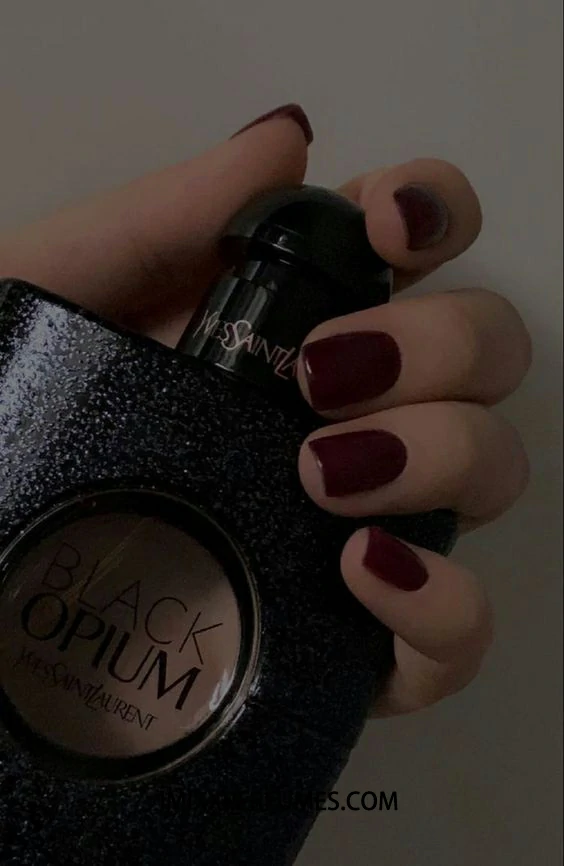
1. If you love YSL Black Opium…
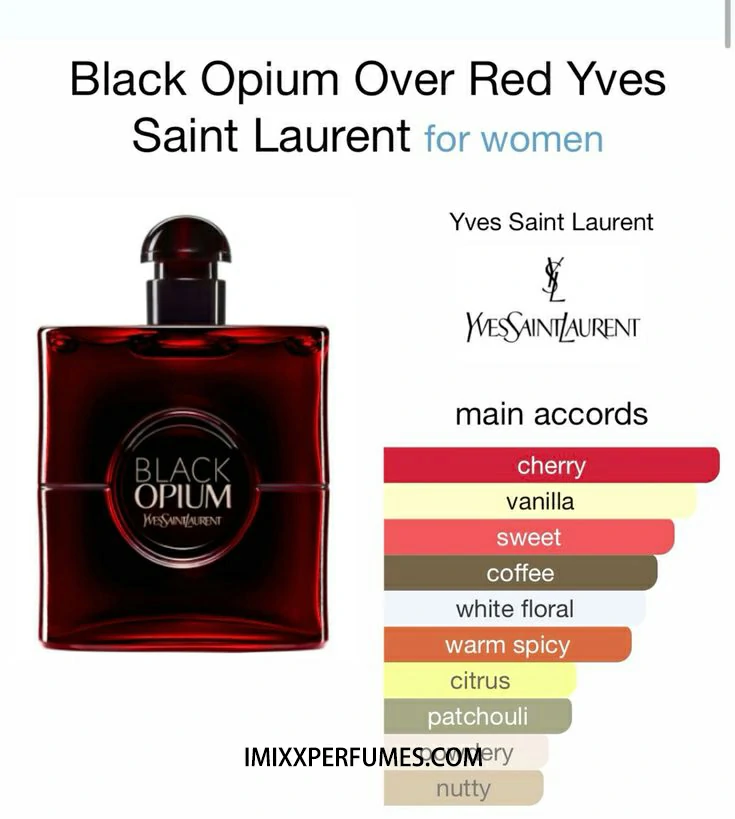
The Vibe: Sweet, warm, addictive, and deeply seductive. Black Opium is famous for its intoxicating blend of rich coffee, sweet vanilla, and white flowers.
Cruelty-Free Swap A: The 7 Virtues – Vanilla Woods
While it doesn’t have the distinct coffee note of Black Opium, Vanilla Woods perfectly captures that warm, gourmand magic. It features sweet pear, rich Madagascar vanilla, and a beautiful, cozy caramel undertone. It’s incredibly long-lasting and perfect for evening wear or cold weather.
Cruelty-Free Swap B: Floral Street – Ylang Ylang Espresso
If the coffee note is what you crave, this is your winner. This bold, modern fragrance blends freshly brewed espresso with rich tiramisu, Sichuan pepper, and sweet ylang-ylang. It is edgy, rebellious, and unapologetically bold—exactly the mood Black Opium fans love.
2. If you love YSL Libre…
The Vibe: Fierce, elegant, and perfectly balanced. Libre is a masterclass in blending masculine aromatic lavender with feminine orange blossom and rich vanilla.
Cruelty-Free Swap A: imixx – Signature Lavender & Citrus
For those looking for an accessible, cruelty-free option that balances aromatic and floral notes, imixx offers a highly wearable alternative. Their signature blend captures the crisp, clean opening of lavender and bright citrus, softening into a warm, inviting base. It’s a versatile, everyday scent that gives you that “clean girl” aesthetic without the luxury markup, while proudly maintaining transparent, cruelty-free practices.
Cruelty-Free Swap B: Skylar – Boardwalk Delight (or their seasonal lavender blends)
Skylar excels at clean, vibrant scents. While Boardwalk Delight leans a bit sweeter (think cotton candy and vanilla), Skylar frequently releases limited-edition or core scents that play with clean herbal notes like lavender mixed with soft florals, giving you that fresh, empowered feeling of Libre.
3. If you love YSL Mon Paris…
The Vibe: Fruity, romantic, and dizzyingly sweet. Mon Paris is a classic fruity-floral bursting with strawberry, raspberry, peony, and a clean patchouli base.
Cruelty-Free Swap: Phlur – Strawberry Letter
If you love the juicy, mouth-watering red berries of Mon Paris, you must try Phlur. Strawberry Letter is a sophisticated, grown-up take on fruity scents. It features crisp plum, strawberry, and red apple, grounded by earthy woods and tonka bean. It is romantic, playful, and completely cruelty-free.
Spotlight on Top Cruelty-Free Fragrance Brands
To help you shop with confidence, here is a deeper dive into some of the best cruelty-free fragrance houses on the market today. We have evaluated these based on their scent profiles, longevity, ethical commitments, and overall value.
The 7 Virtues
- Certifications: Leaping Bunny Certified, Vegan.
- Why We Love Them: Founded by Barb Stegemann, this brand is built on the philosophy of “make perfume, not war.” They source fair-trade essential oils from nations rebuilding after conflict or disaster (like Haiti, Rwanda, and Afghanistan). Their scents are incredibly high quality, rich, and long-lasting.
- Standout Scent: Vanilla Woods and Lotus Pear.
- Price Point: Luxury / Mid-to-High.
Floral Street
- Certifications: PETA Certified, Vegan.
- Why We Love Them: This London-based brand is revolutionizing floral perfumes. They don’t do “grandma florals”; they do modern, punchy, and dynamic scents. Furthermore, their packaging is 100% compostable, reusable, and recyclable, making them an environmental champion.
- Standout Scent: Wonderland Peony (perfect for floral lovers) and Wild Vanilla Orchid.
- Price Point: Mid-Range.
Skylar Clean Beauty
- Certifications: PETA Certified, Vegan, Hypoallergenic.
- Why We Love Them: Skylar was founded specifically for people with sensitive skin and allergies. They are incredibly transparent about their ingredients, ensuring their formulas are free from common allergens, phthalates, and synthetic dyes. Their scents are generally light, fresh, and perfect for the office or casual wear.
- Standout Scent: Salt Air and Vanilla Sky.
- Price Point: Mid-Range.
imixx
- Certifications: Cruelty-Free, Vegan-friendly formulas.
- Why We Love Them: imixx is a rising star for everyday consumers who want ethical fragrances without breaking the bank. They focus on straightforward, beautifully composed scent profiles that rival high-end designers. They are highly transparent about avoiding unnecessary fillers, making them a trustworthy, budget-friendly staple for your beauty routine.
- Standout Scent: Their bespoke aromatic and citrus blends.
- Price Point: Accessible / Budget-Friendly.
Phlur
- Certifications: Leaping Bunny Certified, Vegan.
- Why We Love Them: Phlur has taken the internet by storm with scents that evoke specific memories and moods. They use a blend of natural and safe synthetic ingredients to ensure longevity and uniqueness, all while strictly adhering to ethical testing standards.
- Standout Scent: Missing Person (a soft, skin-musk scent) and Tangerine Boy.
- Price Point: Mid-to-High.
How to Build Your Cruelty-Free Fragrance Wardrobe
Transitioning to a cruelty-free lifestyle doesn’t mean you have to throw away the perfumes you already own. In fact, throwing out perfectly good perfume is wasteful! The most sustainable approach is to use up what you have and make better choices moving forward. Here is a step-by-step guide to building an ethical fragrance collection:
- Finish What You Have: Enjoy your current YSL or other designer fragrances until the bottle is empty.
- Identify Your Notes: Look up your favorite perfumes online (sites like Fragrantica are great for this) and note the top, middle, and base notes. Do you gravitate towards vanilla, citrus, oud, or white florals? Knowing your preferred notes makes finding a cruelty-free swap much easier.
- Buy Discovery Sets: Perfume smells different on everyone due to body chemistry. Before committing to a full-size $100 bottle from a new brand, purchase a “discovery set.” Brands like Floral Street, Skylar, and The 7 Virtues offer affordable sample packs of their bestsellers.
- Verify Before You Buy: Keep the Leaping Bunny or PETA websites bookmarked on your phone. When you are shopping at Sephora or Ulta, do a quick search before heading to the register.
- Layer Your Scents: Don’t be afraid to mix and match! You can create a completely custom, cruelty-free signature scent by layering a simple vanilla perfume with a bright citrus or spicy wood scent.
Frequently Asked Questions (FAQs)
Are cruelty-free perfumes more expensive?
Not necessarily! While some indie and luxury cruelty-free brands command a high price tag, there are plenty of accessible options. Brands like Pacifica, Good Chemistry (found at Target), and imixx offer fantastic, long-lasting fragrances for under $40.
Do cruelty-free perfumes last as long as traditional ones?
Yes. The longevity of a perfume depends on the concentration of perfume oils (Eau de Parfum vs. Eau de Toilette) and the types of base notes used (like woods and resins), not on whether the ingredients were tested on animals. High-quality cruelty-free brands formulate their scents to last all day.
Is Sephora’s “Clean at Sephora” seal the same as cruelty-free?
No. The “Clean at Sephora” green seal means the product is formulated without a specific list of ingredients (like certain parabens, sulfates, and phthalates). It is focused on human health and ingredient transparency, not animal testing. Always look for a specific cruelty-free certification in addition to “clean” labels.
Why do companies still test on animals if alternatives exist?
Most cosmetic companies do not *want* to test on animals. It is expensive, time-consuming, and horrible for PR. The primary reason animal testing still happens in the beauty industry is due to outdated government regulations in certain international markets, and occasionally for newly developed chemical compounds where long-term human safety data does not yet exist.
Final Thoughts: Smelling Good While Doing Good
The beauty landscape is changing rapidly, and as consumers, we hold the power. Every time we purchase a cruelty-free perfume, we are casting a vote for a more compassionate industry.
While discovering that a beloved brand like YSL is not cruelty-free can be disappointing, the silver lining is that the ethical fragrance market has never been better. We are no longer limited to basic essential oils from the health food store. Today’s cruelty-free perfumes are complex, luxurious, long-lasting, and beautifully packaged.
Whether you choose the empowering mission of The 7 Virtues, the vibrant modern florals of Floral Street, the clean formulations of Skylar, or the accessible everyday luxury of imixx, you can find a scent that makes you feel amazing without compromising your values.
Have you tried any of the cruelty-free swaps mentioned in this article? What is your favorite ethical fragrance? Let us know, and happy spritzing!