

How to Find the Best Le Labo Dupes That Actually Last (2026 USA Perfumer’s Guide)
Editorial Disclosure & Consumer Note: This guide is designed to provide ordinary consumers with an insider’s look at the fragrance manufacturing industry. While I serve as the Supply Chain Director at Imixx Perfumes, the goal of this article is objective consumer education. I will analyze the chemistry behind popular scents, objectively review several alternatives on the USA market (including Zara, Dossier, and Target brands), and explain the science of longevity. No “dupe” is 100% identical to the original due to proprietary captive molecules, but by understanding concentration and maceration, you can find alternatives that offer 90-95% similarity and exceptional value.
Executive Summary: The internet is flooded with lists promising the “best Le Labo dupe,” but everyday consumers in the USA are increasingly frustrated by alternatives that smell like rubbing alcohol, vanish within an hour, or dry down into a harsh, synthetic mess. This comprehensive 2026 guide shifts the perspective away from aggressive marketing and dives into the real science of perfumery. We will decode the chemical reasons behind Santal 33’s infamous “pickle smell,” explain the magic of Ambroxan in Another 13, and reveal how factory-direct manufacturing makes premium ingredients affordable. Furthermore, we provide a balanced, objective review of the most popular alternatives on the market—from Zara to Dossier to Imixx—empowering you to choose the right fragrance for your budget and longevity needs.
The “Quiet Luxury” Fragrance Boom and the Illusion of Price
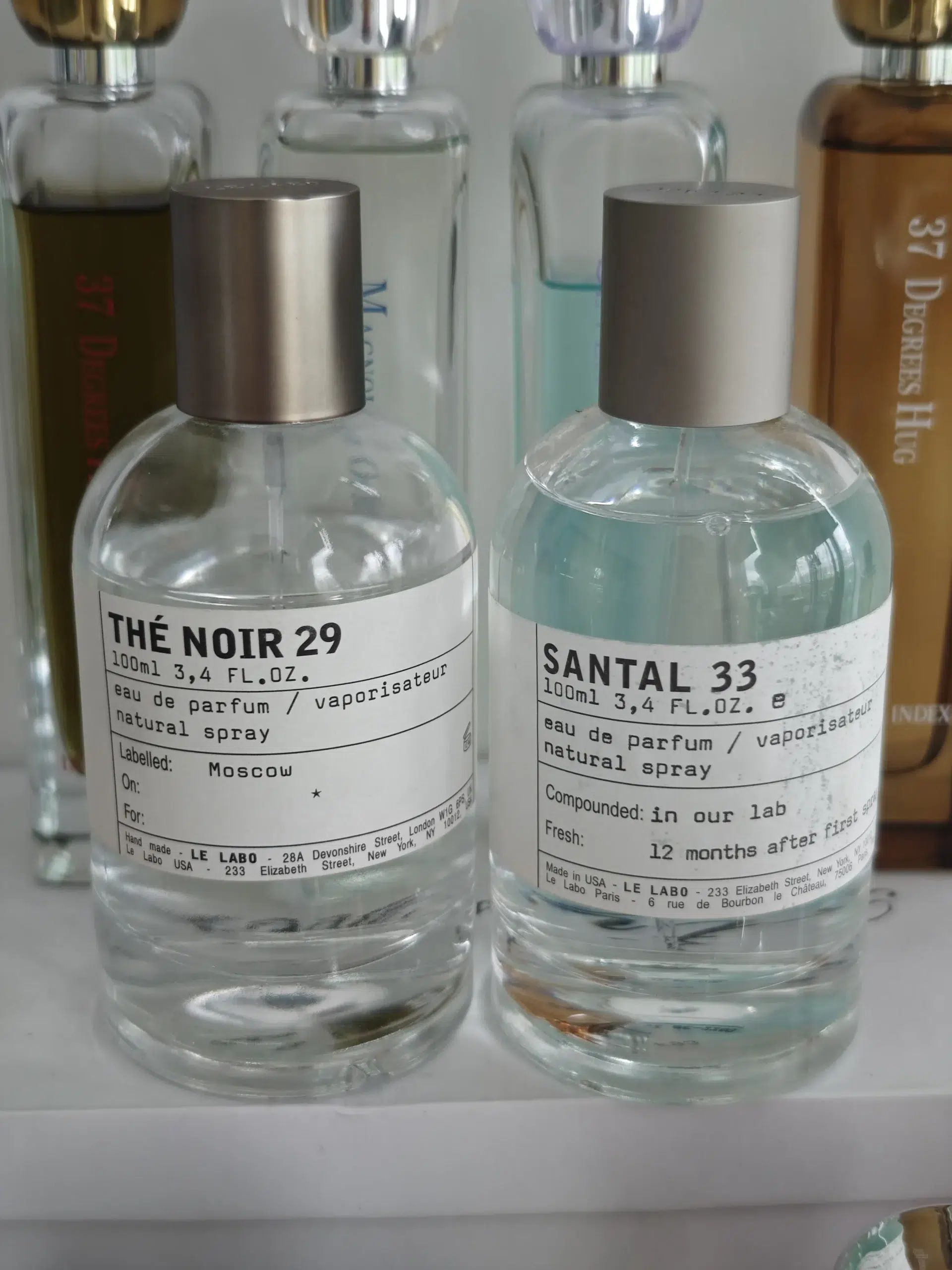
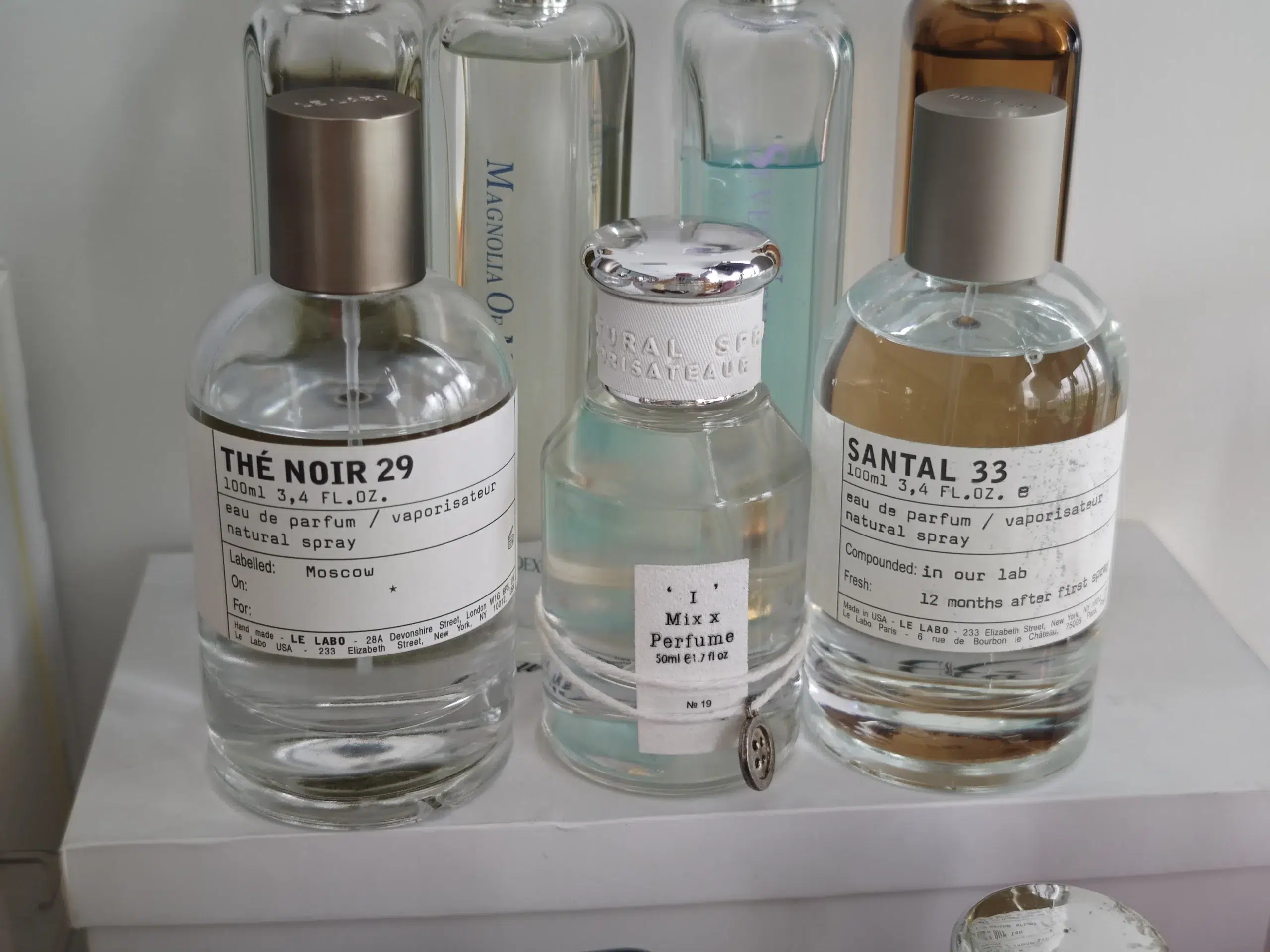
If you have spent any time searching for a signature scent in the USA recently, you have likely encountered the overwhelming hype surrounding Le Labo. Born in New York and now owned by the beauty conglomerate Estée Lauder, the brand has successfully commercialized the “Quiet Luxury” aesthetic. Their minimalist apothecary bottles, personalized labels, and raw, industrial store designs have made fragrances like Santal 33 and Another 13 modern cultural icons.
But this cultural cachet comes with a steep price tag—often ranging from $230 to over $340 for a standard bottle. This financial barrier has naturally given rise to a massive search for alternatives. Consumers are constantly asking Google and TikTok: What perfume smells closest to Le Labo Santal 33? or Are Le Labo dupes worth it?
To answer these questions fairly, we must look behind the marketing curtain and understand what you are actually paying for when you buy a luxury fragrance. The truth that traditional luxury houses prefer to keep quiet is that the physical liquid inside the bottle is rarely the most expensive part of the product.
What Are You Actually Paying For?
When you purchase a high-end niche perfume, your money is distributed across a vast, complex corporate supply chain. You are paying for prime retail real estate in luxury districts (like SoHo in NYC or Rodeo Drive in Beverly Hills), the salaries of boutique staff, expensive, heavy glass custom molds, high-end packaging, and massive global marketing campaigns. On top of that, there is the traditional retail markup; department stores often take a 50% to 60% cut of the retail price.
The actual “juice”—the blend of aroma chemicals, natural essential oils, and perfumer’s alcohol—represents a surprisingly small fraction of the total cost. By utilizing direct-to-consumer (DTC) models and factory-direct supply chains, alternative fragrance brands can source their ingredients from the exact same global supply houses (such as Givaudan, Firmenich, or IFF) but skip the massive overhead costs. This is the fundamental reason why high-quality, affordable alternatives are not just a marketing myth; they are an economic reality.
Table 1: The Economics of Scent (Estimated Cost Breakdown)
To illustrate this, let’s look at a generalized, estimated cost structure comparison based on industry standard supply chain data. This helps explain why some brands can charge $300 while others charge $40.
| Cost Component | Traditional Luxury Brand ($300+ Retail) | Standard Fast-Fashion Alternative (e.g., $25 Retail) | Premium Factory-Direct Model (e.g., $45 Retail) |
|---|---|---|---|
| The “Juice” (Fragrance Oils & Alcohol) | High-quality naturals and synthetics. Often standard EDP concentration (15-20%). | Very low cost. Heavily diluted. Often EDT or Body Mist concentration (5-10%). | High-quality sourced oils. Often formulated at Extrait de Parfum concentration (20-30%) for maximum longevity. |
| Packaging & Presentation | Very High (Custom heavy glass molds, personalized labels, bespoke boxes). | Low (Thin glass, mass-produced plastic caps). | Moderate (Standardized, elegant, recyclable glass to keep tooling costs low). |
| Marketing & Retail Markup | Massive (Celebrity PR, 50%+ department store margins, boutique rent). | High (Relies on massive foot traffic in global retail stores). | Low (Direct-to-consumer online sales, organic word-of-mouth). |
| Maceration (Aging Process) | Extensive (Aged in vats to ensure a smooth scent profile). | Rushed (Pushed to shelves immediately, resulting in a harsh alcohol opening). | Strictly Controlled (Resting phases implemented in the lab to ensure quality). |
The Science of Scent Cloning: Demystifying GC-MS
How does a brand actually go about creating an alternative to a complex scent like Santal 33? The process is a blend of hard science and artistic perfumery.
The foundational tool used in fragrance laboratories worldwide is called Gas Chromatography-Mass Spectrometry (GC-MS). Think of a GC-MS machine as a highly advanced recipe scanner. When a sample of a target fragrance is injected into the machine, it analyzes the liquid and produces a chart detailing the specific chemical compounds present and their relative proportions.
However, relying solely on a machine is where many cheap, low-quality dupes fail. A GC-MS report might indicate the presence of “Linalool” or “Geraniol,” but it cannot perfectly identify the geographic origin of a natural absolute, nor can it capture the “soul” of the blend. Natural ingredients contain hundreds of micro-molecules that machines struggle to fully map.
This is where human expertise becomes critical. A skilled perfumer must take the GC-MS data as a rough blueprint. They then use their trained nose to source the correct materials, adjust ratios, and manually reconstruct the scent. They must decide, for example, whether to use a specific synthetic sandalwood analog to comply with sustainability and IFRA (International Fragrance Association) safety standards. The difference between a $10 drugstore knockoff and a premium $50 alternative lies entirely in the skill of the perfumer interpreting that data.
Decoding the DNA: The Chemistry of Le Labo’s Most Iconic Scents
To evaluate any alternative fairly, you need to understand the structural DNA of the original fragrance. Let’s break down the two most heavily discussed profiles in the USA.
1. Santal 33 and the Infamous “Pickle” Phenomenon
Santal 33 is a cultural phenomenon. Its scent profile is built upon a foundation of Australian Sandalwood (Santalum spicatum), Cedarwood, Cardamom, Iris, and a prominent Leather accord. It is woody, dry, slightly powdery, and incredibly projecting.
But why do so many people search for “Santal 33 dupes without pickle smell”?
The Chemistry: This controversial phenomenon is real, and it comes down to skin chemistry and specific raw materials. Santal 33 utilizes Australian Sandalwood, which naturally has a sharper, greener, more camphoraceous profile compared to the creamy, sweet Indian Sandalwood (Santalum album). When this sharp sandalwood is combined with the specific violet leaf and papyrus notes in the formula, it can undergo a reaction on certain people’s skin (especially those with acidic skin pH) that mimics the smell of dill or brine. To the human olfactory bulb, this registers as “pickles.”
When creating a high-quality alternative, a skilled lab will intentionally tweak this balance. By slightly reducing the harsh papyrus notes and substituting in creamier synthetic sandalwood molecules (like Javanol or Polysantol), a good alternative can maintain the iconic woody-leather vibe of Santal 33 while eliminating the risk of the dill-pickle effect.
2. Another 13 and the Magic of Ambroxan
Another 13 is the ultimate “my skin but better” fragrance. Consumers frequently ask, What affordable perfume smells like Le Labo Another 13? or compare it to Glossier You. The magic of Another 13 lies almost entirely in synthetic perfumery, specifically a molecule called Ambroxan.
Ambroxan is a modern, sustainable laboratory creation designed to replicate the scent of natural ambergris (a rare substance produced by sperm whales). It doesn’t smell like a traditional “perfume.” Instead, it smells musky, slightly woody, ambery, and incredibly clean.
The Olfactory Fatigue Factor: Ambroxan is a large, heavy molecule. It is notorious for causing “olfactory fatigue” (nose-blindness). You might spray Another 13 on yourself and think it has disappeared after ten minutes. However, someone walking ten feet behind you will catch a massive, beautiful scent trail. Cheap alternatives fail here because they use low-grade, poorly synthesized ambroxide, which smells sharp, metallic, and harsh. A premium alternative must source high-purity Ambroxan and blend it masterfully with Ambrettolide (a vegan musk), pear, and jasmine to achieve that radiant, ghost-like aura.
The Maceration Secret: Why Do Cheap Perfumes Fade So Fast?
Perhaps the most common complaint regarding affordable alternatives is longevity. You spray it, it smells great for 20 minutes, and then it is gone. Why does this happen?
The answer lies in two factors: Concentration and Maceration.
1. Concentration (EDT vs. Extrait): Fragrances are categorized by the percentage of pure fragrance oil mixed into the alcohol base.
- Eau de Toilette (EDT): 5% – 15% oil. Generally lasts 3-4 hours.
- Eau de Parfum (EDP): 15% – 20% oil. Generally lasts 5-8 hours.
- Extrait de Parfum (Pure Perfume): 20% – 30%+ oil. Can last 10-14+ hours.
Many mass-market dupes are formulated as EDTs or even body mists to keep costs extremely low. If you want a scent to last all day, you must seek out EDP or Extrait concentrations.
2. Maceration (The Aging Process): This is the fragrance industry’s best-kept secret. Maceration is simply the process of aging the perfume. After the raw oils, alcohol, and distilled water are mixed, the formula needs to rest in a temperature-controlled, dark environment for a period of 4 to 8 weeks.
During maceration, the alcohol loses its harsh, astringent “rubbing alcohol” bite. The chemical bonds between the top notes (like citrus) and the heavy base notes (like woods and musks) stabilize, resulting in a smooth, rounded, and fully matured scent. Fast-fashion brands often skip this step entirely to rush products from the factory to the retail shelf. If you buy a perfume and the initial spray smells overwhelmingly of cheap alcohol, it is likely un-macerated.
An Objective Market Analysis: Reviewing the Most Popular Le Labo Alternatives in the USA
To provide a truly useful guide, we must look at the broader market. There are dozens of brands attempting to capture the Le Labo magic. Here is an objective, perfumer’s perspective on the most commonly discussed alternatives.
1. The Fast-Fashion Route: Zara’s “Energetically New York”
The Claim: Widely touted on TikTok as the ultimate Zara dupe for Le Labo Santal 33.
The Reality: Zara produces fantastic, highly accessible fragrances, often working with renowned perfumers. Energetically New York definitely captures the cardamom and sandalwood opening of Santal 33. It is bright, woody, and very pleasant.
The Drawback: It falls short in the dry-down. It lacks the deep, heavy leather and iris complexity of the original. Furthermore, because it is an Eau de Parfum produced at mass scale (and likely rushed through maceration), many users report that longevity is quite poor, often fading within 2 to 3 hours on the skin. It is a great budget option for a quick refresh, but not a true all-day substitute.
2. The Big Box Retailer: Target’s Fine’ry “Jungle Santal”
The Claim: A highly accessible Target perfume that smells like Le Labo.
The Reality: Fine’ry has done an excellent job bringing niche profiles to the mass market. Jungle Santal offers a very smooth, slightly sweeter take on the papyrus and cardamom DNA. It is incredibly convenient to pick up while running errands.
The Drawback: Similar to Zara, the performance is the limiting factor. It wears closer to a body mist or a light EDT. It lacks the intense projection and sillage that fans of the original are accustomed to. It is an excellent entry-level body spray, but serious fragrance enthusiasts may find it too fleeting.
3. The Mid-Tier Online Player: Dossier “Woody Sandalwood”
The Claim: An exact, affordable alternative to Santal 33.
The Reality: Dossier is a major player in the US market for a reason. Woody Sandalwood is a very respectable, well-blended homage. They use decent quality materials and offer a vegan, cruelty-free product. It sits comfortably in the EDP concentration range and offers moderate longevity (around 5-6 hours).
The Drawback: While very close, some users with trained noses note that it feels slightly more linear than the original. It misses some of the raw, earthy grit of the Le Labo leather base, presenting a somewhat “sanitized” version of the scent.
4. The Clean Beauty Oil: Maison Louis Marie “No.04 Bois de Balincourt”
The Claim: Often cited as a Santal 33 alternative in the clean beauty space.
The Reality: This is a beautiful fragrance in its own right, but it is a cousin, not a clone. No.04 is primarily sold as a perfume oil (though an EDP spray exists). It focuses heavily on a very creamy, sweet cedar and sandalwood blend, almost entirely omitting the sharp leather and aggressive papyrus of Santal 33.
The Drawback: If you are looking for an *exact* dupe, this isn’t it. However, if you are one of the people whose skin turns Santal 33 into a “pickle” smell, No.04 is a fantastic, smooth, and sweet woody alternative.
5. The Factory-Direct Extrait Approach: Imixx Perfumes
The Claim: As the brand I represent, our claim at Imixx Perfumes is that we offer lab-grade, highly concentrated alternatives that prioritize longevity and dry-down accuracy over fancy packaging.
The Reality: Our approach is fundamentally different. Instead of standard EDPs, our inspired by Le Labo collection is formulated at Extrait de Parfum concentration (often exceeding 25% fragrance oil). Furthermore, we enforce strict maceration protocols in our facility. By heavily investing in the base note fixatives (the high-quality musks and woods), our iterations are designed specifically to solve the longevity issue, often lasting 10+ hours on the skin.
The Drawback: We do not offer the heavy, personalized glass bottles or the boutique unboxing experience of the luxury brands. We are an online-only, DTC business, which means you cannot test the fragrance in a physical store before buying (though sample sizes mitigate this). Our focus is 100% on the liquid inside the bottle.
Table 2: Comparative Analysis of Santal 33 Alternatives
| Brand / Alternative | Format / Concentration | Estimated Longevity | Scent Accuracy vs. Original | Best For… |
|---|---|---|---|---|
| Zara Energetically New York | EDP (Mass Market) | 2 – 4 Hours | 70% (Lacks the leather base) | Budget buyers wanting a quick, fresh woody spray for the gym or errands. |
| Dossier Woody Sandalwood | EDP | 5 – 6 Hours | 85% (Slightly more linear and sanitized) | Everyday wearers looking for a solid mid-tier option. |
| Imixx Perfumes (Inspired by Santal 33) | Extrait de Parfum | 10 – 12+ Hours | 95%+ (Adjusted to prevent the pickle effect; complex leather dry-down) | Enthusiasts who demand all-day performance and deep base note complexity. |
| Maison Louis Marie No.04 | Perfume Oil / EDP | 6 – 8 Hours (Sits close to skin) | Not a direct clone (Sweeter, no leather) | Those who want a subtle, creamy wood scent without the aggressive projection. |
Pro Consumer Tips: How to Make Your Fragrance Last All Day
Regardless of whether you choose an affordable alternative or decide to splurge on the original $300 bottle, the way you apply your fragrance dramatically impacts its performance. Here are actionable tips to maximize longevity:
- Moisturize Your Skin: Fragrance oils bind to lipids (fats). If you have dry skin, your body will literally “drink” the fragrance, causing it to evaporate rapidly. Always apply an unscented body lotion, or even a thin layer of Vaseline, to your pulse points before spraying. This creates an occlusive barrier that holds the scent.
- Target the Right Pulse Points: Spray on areas where your blood vessels are closest to the skin: the inner wrists, the base of the throat, behind the earlobes, and the inner elbows. The subtle heat generated here will act as a natural diffuser.
- Do NOT Rub Your Wrists Together: This is a cardinal sin in perfumery. The friction creates heat which can literally “burn off” the delicate top notes (like citrus and light florals) and disrupt the structural timeline of the fragrance. Just spray and let it air dry.
- Spray on Clothing: If your skin chemistry simply eats fragrances, spray your clothes. Fabric fibers hold onto aromatic molecules significantly longer than human skin. (Caution: Always test on a hidden area first, as highly concentrated extraits with dark oils can occasionally stain light fabrics).
Expert FAQ: Answering the USA’s Most Searched Questions
Q: Are Le Labo dupes really worth it, or should I just save for the original?
A: This depends entirely on what you value. If you value the aesthetic of the bottle on your vanity, the boutique experience, and the brand prestige, you should save for the original. However, if your primary goal is the olfactory experience—smelling fantastic to yourself and those around you—then high-quality, transparent alternatives are absolutely worth it. You can achieve 95% of the experience for 15% of the price.
Q: What is the Cremo cologne dupe for Santal 33?
A: You are likely thinking of Cremo’s “Palo Santo” body wash and cologne line. It is frequently mentioned in forums as a budget-friendly woody scent. While it shares a similar dry, woody, and slightly spicy profile, it is far less complex than Santal 33. It leans heavily into a sweet, slightly powdery wood rather than the sharp leather and papyrus of Le Labo. It is an excellent drugstore option, but not a true substitute.
Q: Does Bath & Body Works have a dupe for Le Labo scents?
A: Bath & Body Works frequently releases limited-edition collections that mimic niche trends. Scents from their “Aromatherapy” line or seasonal woody releases often draw comparisons. However, remember that B&BW products are primarily body mists. They contain mostly water and alcohol with a very low percentage of fragrance oil. They are meant to be refreshing, not long-lasting. They will not perform like an EDP or Extrait.
Q: Is Glossier You a good alternative for Le Labo Another 13?
A: They belong to the same fragrance family—they are both “skin scents” heavily reliant on synthetic musks. Glossier You is built around Pink Pepper, Iris, and Ambrettolide, making it slightly warmer, more powdery, and “fluffier.” Another 13 is built around Ambroxan, making it sharper, cleaner, slightly metallic, and more projecting. If you like one, you will likely appreciate the other, but they do not smell identical.
Q: What fragrance smells similar to Le Labo Rose 31?
A: Rose 31 is a tricky profile because it uses cumin, which on some skin types can smell slightly like body odor. Finding a good alternative requires finding a brand that balances the jammy Centifolia rose with warm woods (cedar and vetiver) while tempering the cumin. While mainstream brands rarely attempt this complex profile, dedicated niche alternative houses (like Imixx) specifically re-balance the cumin note to ensure a clean, woody-rose experience.
Q: Are inspired-by perfumes safe to use?
A: Safety is non-negotiable. Reputable alternative brands formulate their fragrances in compliance with guidelines set by the International Fragrance Association (IFRA). IFRA determines the safe usage levels of allergens and raw materials. Always ensure the brand you are purchasing from states their compliance with global safety standards. Do not buy unmarked, unregulated oils from street vendors or unverified marketplaces.
Conclusion: Empowered Consumerism in Fragrance
The landscape of the USA fragrance market has permanently shifted. The era of blindly paying for a brand name is fading, replaced by an era of educated consumers who understand formulation, concentration, and supply chain dynamics. You do not need to spend over $300 to achieve the sophisticated, minimalist aura of “Quiet Luxury.”
By understanding the science of GC-MS, the crucial importance of maceration, and the reality of fragrance concentrations, you can navigate the market with confidence. Whether you opt for a quick, accessible spray from Zara, a mid-tier option from Dossier, or a highly concentrated, lab-crafted Extrait de Parfum, the choice is now yours.
If you are tired of fragrances that fade away before your morning commute is over, I encourage you to look beyond standard retail offerings. Seek out brands that prioritize the quality of the juice, utilize Extrait-level concentrations, and are transparent about their manufacturing processes.
Ready to Experience Factory-Direct Extrait Quality?
At Imixx Perfumes, we strip away the luxury markup and focus entirely on longevity, complexity, and meticulous maceration. If you are looking for an alternative that respects the original DNA while delivering superior performance, we invite you to explore our lab.
Explore the Imixx ‘Inspired by Le Labo’ Extrait Collection
To learn more about our USA supply chain standards and discover your new signature scent, visit the Imixx Perfumes Homepage.
