

How to Choose, Layer, and Understand Woody Sandalwood Perfume: A Supply Chain Expert’s Guide
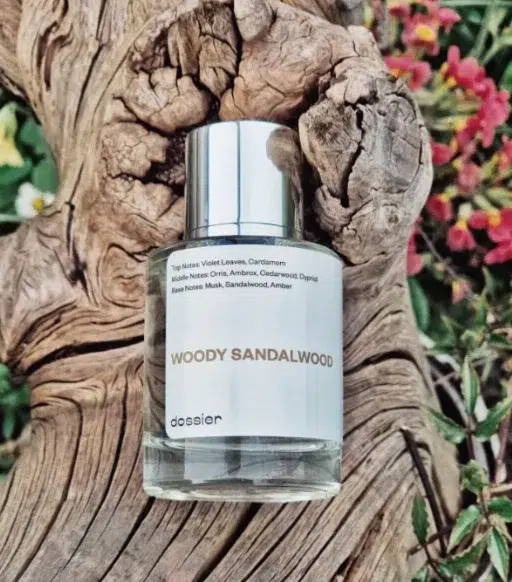
Executive Summary: Unlocking the Olfactory Matrix
This comprehensive guide dismantles the traditional, opaque marketing narratives of the luxury fragrance industry. Rather than relying on superficial brand stories, we explore the empirical science and supply chain realities behind woody sandalwood perfume. You will learn the exact chemical differences between sandalwood variants, how Gas Chromatography-Mass Spectrometry (GC-MS) allows modern labs to reverse-engineer premium scent profiles with 99% accuracy, and advanced techniques for fragrance layering. By understanding the critical roles of maceration, oil concentration, and raw material sourcing, USA consumers can bypass retail markups and make highly informed, science-backed purchasing decisions. Let’s dive into the factory-level truths of high-end perfumery.
1. The Anatomy of Sandalwood: What Does Woody Sandalwood Perfume Actually Smell Like?
Before stepping into a boutique or browsing an online catalog in the USA, it is crucial to understand what authentic sandalwood smells like. In the botanical and chemical world, sandalwood (specifically Santalum album from India or Santalum spicatum from Australia) is renowned for a scent profile that defies typical “woody” expectations.
Unlike the sharp, pencil-shaving dryness of cedarwood or the bracing, camphoraceous snap of pine, high-quality woody sandalwood perfume is predominantly characterized by its creamy, smooth, and velvety texture. The primary aromatic compounds responsible for this are alpha-santalol and beta-santalol. These heavy molecules create a lactonic (milky) and slightly sweet resonance that sits intimately on the skin.
When you encounter a masterful sandalwood blend, you are not smelling a freshly chopped tree; you are experiencing a warm, buttery, and deeply grounding aura. This inherent richness is why sandalwood is considered “liquid gold” in the fragrance supply chain.
2. Is Sandalwood a Top or Base Note? The Science of Longevity
In fragrance architecture, ingredients are categorized by their molecular weight and evaporation rate. Sandalwood is indisputably a base note. Its heavy molecular structure means it evaporates incredibly slowly, often lingering on the skin for 12 to 24 hours.
As a supply chain expert, I can tell you that base notes are the structural foundation of any long-lasting perfume. They act as fixatives, slowing down the evaporation of highly volatile top notes (like citrus or light florals). When you purchase a fragrance that promises exceptional longevity, you are essentially paying for the quality and concentration of its base notes. This is why a well-formulated woody sandalwood perfume is a staple for those seeking a signature scent that lasts through a full workday in the US climate.
3. The $300 Secret: Deconstructing the Luxury Perfume Supply Chain
Why does a bottle of designer sandalwood perfume cost upwards of $300 in the USA, while the actual liquid inside—the “juice”—costs merely a fraction of that to produce? The answer lies in the traditional luxury supply chain.
When you buy from a legacy brand, you are funding a massive apparatus: global celebrity endorsement campaigns, prime real estate in high-end department stores, elaborate glasswork, and multiple layers of distribution middlemen. The empirical cost of the aromatic compounds, even adhering to strict International Fragrance Association (IFRA) safety standards, is obscured by these operational overheads.
The Factory-Direct Revolution: How Imixx Perfumes Achieves Parity
Modern perfumery is as much about analytical chemistry as it is about art. In professional laboratories, we use Gas Chromatography-Mass Spectrometry (GC-MS). This technology takes a target fragrance, vaporizes it, and separates its chemical constituents, providing a highly precise blueprint of the molecular structure.
By utilizing GC-MS analysis, independent manufacturers can identify the exact ratios of Iso E Super, Ambroxan, natural isolates, and synthetic sandalwood molecules (like Javanol or Polysantol) used in famous scents. At Imixx Perfumes, we leverage this exact supply chain efficiency. We do not spend millions on billboard advertising in Times Square. Instead, we invest in the formulation phase, sourcing identical or superior raw materials directly from global producers, and using lab-grade analytics to ensure our olfactory mapping matches the luxury benchmarks.
This is not about producing a “cheap clone”; it is about information symmetry. We provide the raw, unbranded truth of the scent, bottled at a high Extrait de Parfum concentration.
Table 1: Traditional Luxury Supply Chain vs. Imixx Factory-Direct Model
| Component | Traditional Luxury Brand ($300+) | Imixx Perfumes Factory-Direct | Impact on the Consumer |
|---|---|---|---|
| Marketing & Endorsements | Accounts for 40-50% of retail price. | Zero. Driven by word-of-mouth and SEO. | You stop paying for a celebrity’s yacht. |
| Retail Markups (Middlemen) | Wholesalers and department stores take a 40%+ cut. | Direct-to-Consumer (DTC) exclusively. | Massive price reduction; accessible luxury. |
| Juice / Formula Cost | Often under $10-$15 per bottle. | Reinvested into higher oil concentration (30%+). | Stronger sillage and longer-lasting wear. |
| R&D and Formulation | High initial cost, slow iteration. | Agile GC-MS analysis and rapid lab matching. | Immediate access to trending scent profiles. |
4. The Invisible Magic: Maceration and Oil Concentration
Having the right formula is only step one. The critical, often overlooked step in manufacturing a premium woody sandalwood perfume is maceration.
Maceration is the perfumery equivalent of aging fine wine. Once the fragrance oils are blended with perfumer’s alcohol, the mixture must sit in a temperature-controlled environment for several weeks. This allows the alcohol smell to dissipate and the disparate molecules to bond, rounding out the harsh edges. Many mass-market brands rush this process to meet quarterly sales quotas, resulting in a sharp, alcoholic opening blast.
As a supply chain professional, I ensure that all formulations at Imixx Perfumes undergo a rigorous, multi-week maceration period before bottling. Furthermore, we bottle at a high oil concentration (Extrait de Parfum level, typically 30% or higher). This guarantees that the creamy, rich sandalwood base notes project effectively and persist on the skin, delivering true “Information Gain” to your olfactory receptors.
Table 2: Perfume Concentration Levels Explained
| Classification | Fragrance Oil Concentration | Average Skin Longevity | Best Use Case |
|---|---|---|---|
| Eau de Cologne (EDC) | 2% – 5% | 1 – 2 Hours | Post-shower splash, very hot US summers. |
| Eau de Toilette (EDT) | 5% – 15% | 3 – 5 Hours | Office wear, daytime casual. |
| Eau de Parfum (EDP) | 15% – 20% | 5 – 8 Hours | Evening wear, standard luxury level. |
| Extrait de Parfum | 20% – 40%+ | 10 – 24+ Hours | Signature scents, deep woody bases (Imixx Standard). |
5. How to Layer Woody Sandalwood Perfume Like a Master
One of the greatest advantages of a high-quality woody sandalwood perfume is its versatility. Because it is a smooth base note, it acts as the perfect canvas for fragrance layering (combining two or more scents to create a custom profile).
- Pairing Sandalwood with Florals (Rose & Jasmine): This is a classic Middle Eastern and European perfumery technique. The sharp, bright petals of a rose are grounded by the milky warmth of sandalwood, creating an aura of sophisticated romance.
- Pairing Sandalwood with Spices (Cardamom & Vanilla): For the autumn and winter months in the USA, layering sandalwood with warm spices creates a “gourmand-adjacent” cozy effect. It evokes the feeling of a warm chai latte beside a crackling fire.
- Pairing Sandalwood with Citrus (Bergamot & Neroli): Can you wear sandalwood in the summer? Absolutely. By layering a bright, zesty citrus top note over a sandalwood base, the citrus provides immediate freshness, while the wood ensures the scent doesn’t disappear in the summer heat.
6. How to Apply Sandalwood Fragrances for Maximum Sillage
Even the highest-grade Extrait de Parfum requires proper application technique. Skin chemistry dictates performance. If your skin is dry, it will rapidly absorb the fragrance oils, muting the scent.
The Protocol: Apply an unscented lotion or a thin layer of petroleum jelly to your pulse points (wrists, inner elbows, behind the ears, and the base of the throat) before spraying. These areas emit more body heat, which helps to activate the santalol molecules and project the scent into the air. Do not rub your wrists together; this creates friction that can prematurely break down the delicate top notes, though the robust sandalwood base will generally survive.
7. Frequently Asked Questions (FAQ)
1. What does woody sandalwood smell like?
Unlike sharp woods, woody sandalwood smells creamy, smooth, rich, and slightly sweet. It often evokes a feeling of warmth and has a lactonic (milky) undertone that blends seamlessly with the natural scent of human skin.
2. Is sandalwood a top or base note in perfume?
It is fundamentally a base note. Its heavy molecular weight ensures it evaporates slowly, anchoring the fragrance and providing extended longevity.
3. What notes pair best with sandalwood in perfume?
Sandalwood is highly versatile. It pairs exceptionally well with florals (like rose and iris), spices (like cardamom and pink pepper), vanilla, and even bright citrus notes like bergamot for contrast.
4. Why is sandalwood used so often in niche perfumes?
Niche perfumery values depth and complexity. Sandalwood acts as a luxury fixative that enhances the performance of the entire composition while adding a layer of sophisticated warmth that synthetic musks cannot entirely replicate alone.
5. Is sandalwood perfume considered masculine or feminine?
It is entirely unisex. On men, it highlights a quiet, confident ruggedness; on women, its creamy facets highlight elegance and mystery.
6. How long does sandalwood perfume last on the skin?
Depending on the concentration. An Extrait de Parfum formulation, such as those formulated at Imixx, can easily last 12 to 24 hours on well-moisturized skin.
7. What is the difference between cedarwood and sandalwood in fragrances?
Cedarwood is dry, sharp, and reminiscent of pencil shavings or a lumberyard. Sandalwood is buttery, smooth, and intimately sweet without being sugary.
8. Is sandalwood perfume suitable for summer and hot weather?
Yes, especially if the composition includes light, airy top notes. In high heat, the creamy base blooms beautifully, though it is recommended to apply fewer sprays to avoid overwhelming projection.
9. Does sandalwood smell like pine or cedar?
No. It lacks the cooling, camphor-like snap of pine and the arid sharpness of cedar. It is uniquely smooth.
10. Are woody sandalwood perfumes long-lasting?
By nature of their chemistry, yes. As long as the manufacturer has not diluted the formula heavily with water and cheap alcohol.
11. Why is natural sandalwood perfume so expensive?
True Indian Mysore sandalwood has been overharvested and is strictly regulated. This scarcity drives raw material prices up. Fortunately, sustainable Australian variants and highly advanced, lab-created sandalwood molecules (analyzed via GC-MS) offer the exact same olfactory experience at a lower cost.
12. Can you layer sandalwood perfume with floral scents?
Absolutely. It is one of the most highly recommended layering techniques in the industry, balancing the ethereal nature of flowers with a solid, woody base.
13. What kind of mood does sandalwood evoke as a scent?
It is universally described as grounding, comforting, meditative, and akin to a warm, luxurious embrace.
14. How to choose the best woody sandalwood perfume for women?
Look for compositions that blend sandalwood with softer notes like vanilla, iris, or musk, which amplify the lactonic creaminess of the wood.
15. Does sandalwood have a sweet or spicy scent?
It has an inherent, subtle sweetness. It is not inherently spicy, but it serves as the perfect bedrock for spicy top notes to rest upon.
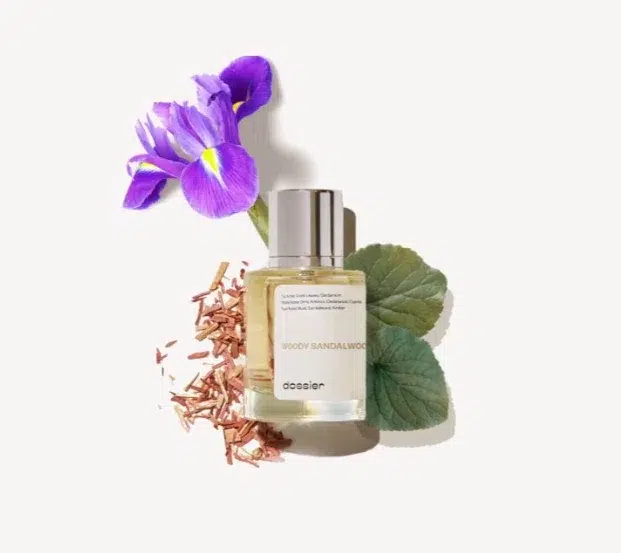
Conclusion: Embrace the Science of Scent
Navigating the USA perfume market requires an understanding of what goes on behind the laboratory doors. The era of paying a 300% markup for a glass bottle and a brand name is fading. Consumers are demanding transparency, high-concentration formulations, and empirical data.
By understanding the role of GC-MS analysis, the necessity of proper maceration, and the chemical brilliance of a true base note, you are empowered to find your signature scent without the luxury tax. If you are ready to experience factory-direct, expertly formulated olfactory art, I invite you to explore the meticulously crafted collections at Imixx Perfumes. Discover the depth, longevity, and purity of a truly optimized fragrance supply chain.
