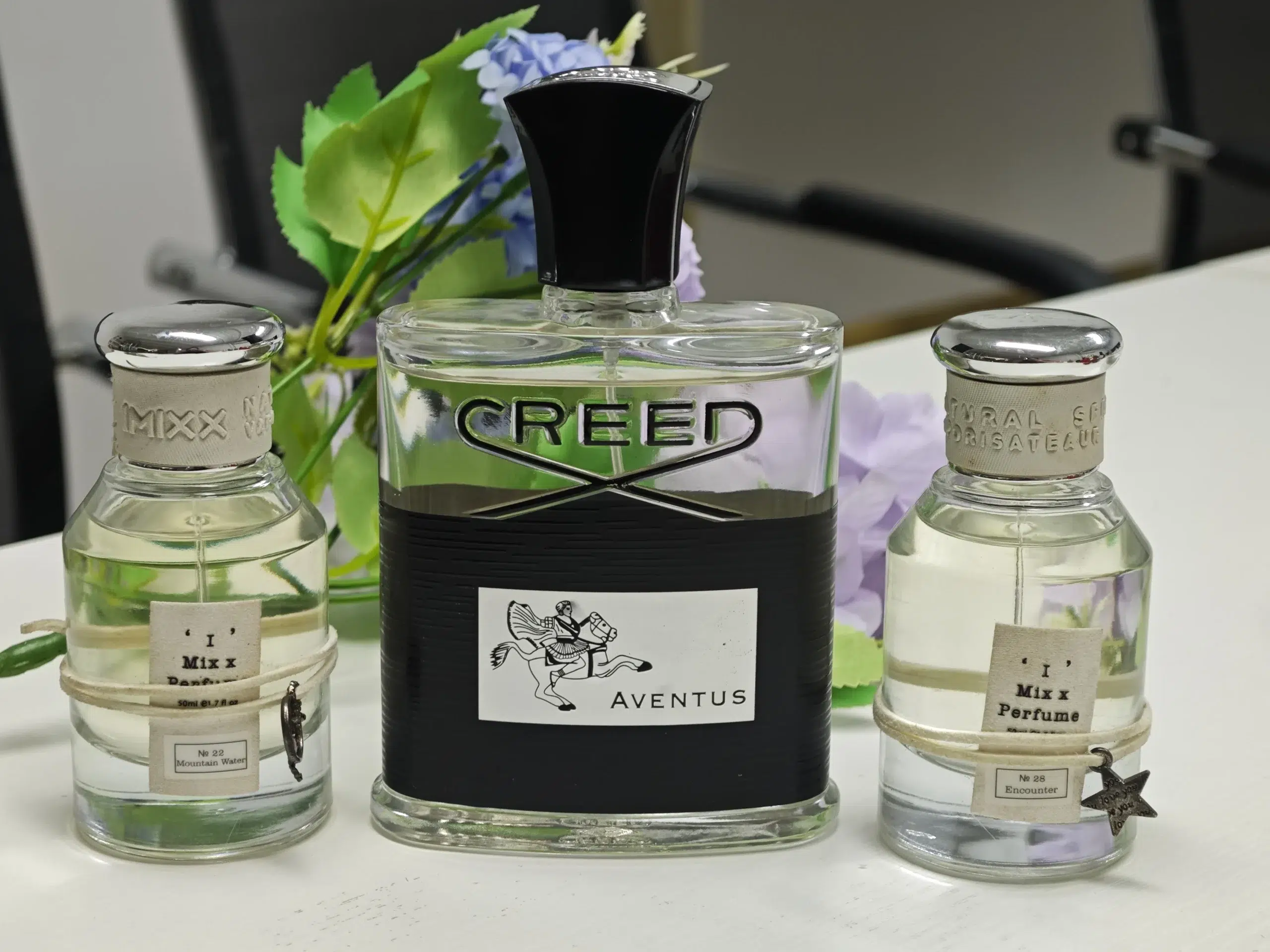

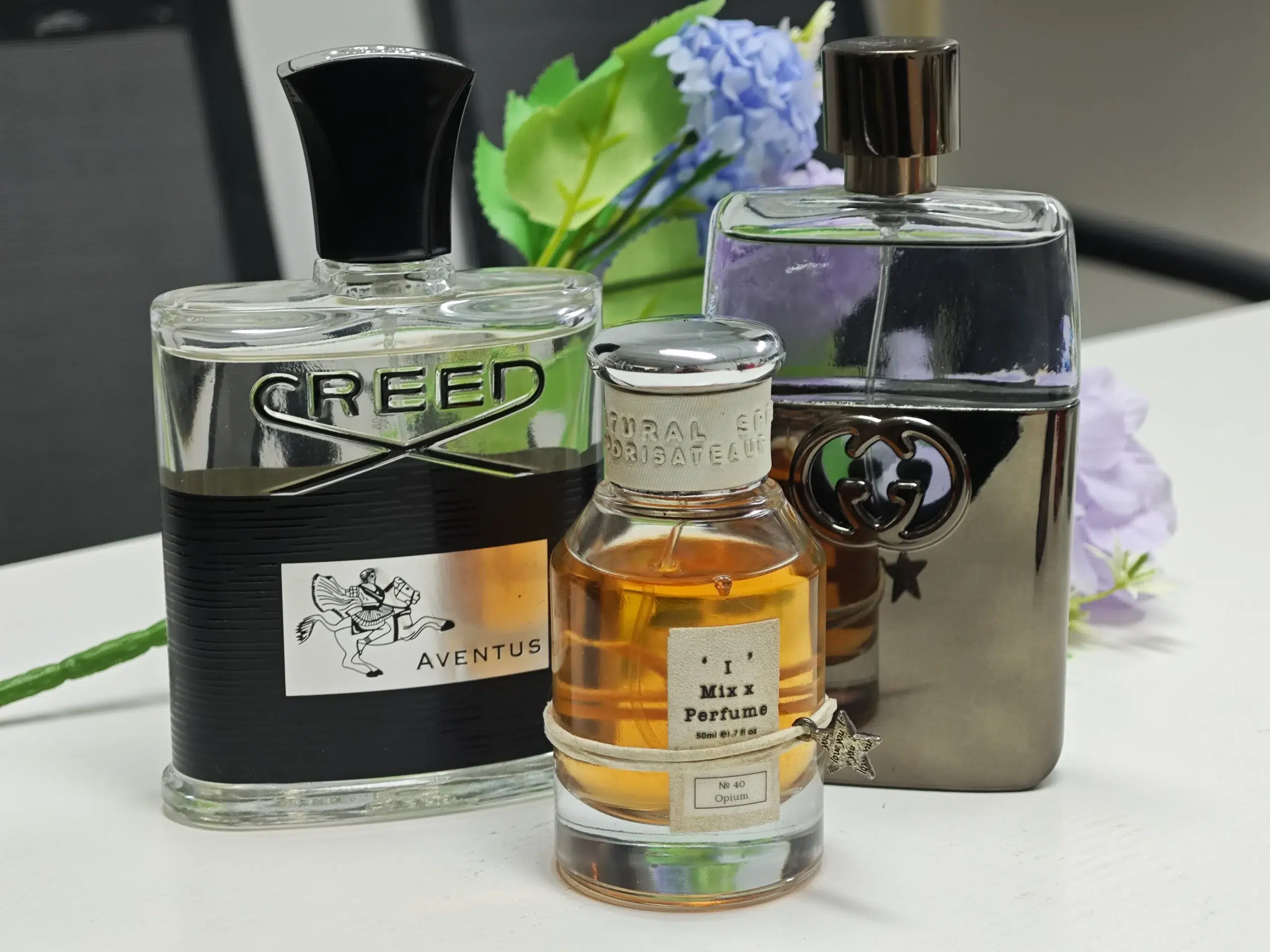
How to Find the Best Creed Acqua Fiorentina Dupe in the USA: An Insider’s Guide to Smart Luxury Fragrances
About the Author: Linus Dacke Thall – Supply Chain & R&D Veteran
Welcome, fragrance enthusiasts. With over 15 years embedded deeply within the global fragrance manufacturing supply chain, I’ve had the privilege of walking the factory floors in Grasse, France, analyzing readouts in state-of-the-art R&D laboratories, and overseeing the compounding and maceration of millions of units of fine fragrances. My goal here is not to sell you a marketing dream, but to break down the actual, verifiable chemistry and economics of perfume. I want to empower you, the everyday consumer, to make informed, value-driven decisions in a market that is often clouded by smoke, mirrors, and extreme retail markups. Transparency is the future of perfumery.
Article Summary & Key Takeaways
- The Scent Profile: The original creed acqua fiorentina is celebrated for its Renaissance-inspired blend of greengage plum, diamond jubilee apple, and Virginia cedar. We’ll explore the specific chemistry that makes this fruity-floral so uniquely captivating.
- Industry Economics: We take a realistic, data-backed look at why luxury perfumes cost upwards of $300 in the USA. Disclaimer: The cost breakdown provided is an illustrative estimate based on broad industry averages and my supply chain experience, intended to show the impact of packaging, marketing, and retail markups.
- The Science of Equivalents: Discover how modern laboratories use Gas Chromatography-Mass Spectrometry (GC-MS) to decode complex scents, and why a skilled master perfumer is still absolutely essential for the final touch.
- Safety and IFRA Standards: We will delve into how reputable brands ensure their formulas are safe, strictly adhering to the latest amendments set by global regulatory bodies.
- Maceration Matters: A true, long-lasting alternative must undergo proper aging. We explain the chemical interaction between ethanol and oils, and why patience in the factory equals longevity on your skin.
- A Fair Market View: Learn how to evaluate brands objectively. We’ll look at the pros and cons of traditional niche houses versus independent factories, including imixx perfume, decant websites, and other independent US-based clone houses.
Introduction: The Allure of Florence and the Search for Authentic Value
There is something undeniably magical about a fragrance that possesses the power to transport you through time and space. In the vibrant and ever-evolving landscape of the USA fragrance community, the quest for the ultimate signature scent is often a deeply personal, yet highly expensive pursuit. Among the vast pantheon of luxury niche fragrances, few hold the prestigious appeal quite like the iconic fruity-floral masterpieces of the modern era. The target of our discussion today is a scent profile that smells effortlessly elegant—a crystalline, fruity-floral tapestry that evokes the sun-drenched orchards, romantic art, and vibrant culture of 15th-century Florence.
Let’s be completely transparent from the outset: the original heritage brands offer an incredible, comprehensive luxury experience. From the heavy, ornate glass bottles to the prestige of the brand name printed on the label, buying a $300 to $400 bottle of perfume is as much about treating yourself to a piece of history as it is about the smell. For dedicated collectors, purists, and those with ample disposable income, that holistic experience is entirely worth the investment.
However, a massive and growing segment of everyday consumers is asking a very grounded, practical question. If you absolutely love the scent profile but simply cannot justify spending the equivalent of a monthly car payment on scented liquid, are there viable, safe alternatives? Is there a high-quality equivalent that doesn’t compromise on the actual olfactory experience, longevity, or skin safety?
For decades, the perfume industry has operated behind a heavy curtain of exclusivity, designed to make you believe that an exorbitant price tag is the absolute only indicator of quality. Today, we are going to transition from consumer guesswork to practical, verifiable supply-chain reality. I will walk you through the exact chemistry that makes these scent profiles so special. Interestingly, if you are expanding your collection beyond a creed acqua fiorentina to perhaps find a gift for a partner, you will notice that the same high-quality manufacturing principles apply to completely different profiles, such as our heavily requested No. 35 (which explores darker, smoky, and woody notes). By understanding the staggering economics of luxury branding across all different scent profiles, you will learn how to identify premium inspired fragrances that deliver verifiable, everyday value.
Decoding the Scent: A Deep Dive into the Olfactory Architecture
To truly understand how to evaluate a potential alternative, we must first dissect the intricate architecture of the scent itself. Perfumery is an exact, meticulous science; it is the art of balancing highly volatile organic compounds to create a harmonious evaporation curve that lasts for hours without collapsing into a muddy, unrecognizable mess. A beautifully crafted fruity-floral is notoriously difficult to perfect because fruit notes are inherently fleeting.
The Olfactory Pyramid Breakdown
Top Notes (The Hook): Greengage Plum and Diamond Jubilee Apple.
The opening of a fragrance is its handshake, and in this specific profile, it’s a bright, welcoming, and slightly tart one. This is exactly where the vast majority of cheap, mass-market clones fail miserably. In a rush to replicate the fruity opening, low-tier manufacturers rely on harsh, highly synthetic aroma chemicals like basic ethyl maltol (which smells like cotton candy) or unrefined, cheap apple esters. Have you ever sprayed a cheap perfume and thought it smelled like green apple hard candy or a cheap drugstore shampoo? That is exactly why.
A high-quality formulation requires precise molecular balancing. The Greengage plum (a cultivar of Prunus domestica italica) does not smell like a dark, syrupy winter plum; it is greener, more tart, and slightly floral. To recreate this, a skilled perfumer might use sophisticated synthetic molecules like certain Damascones blended seamlessly with natural fruit isolates to achieve a jammy yet crisp effect. The apple note must retain a crisp, watery facet, often achieved using high-grade synthetics like Fructone combined with trace amounts of green notes to smell “real” rather than artificial.
Heart Notes (The Core): Renaissance Rose, White Carnation, and Lemon.
The floral heart of a masterpiece must be translucent and airy, almost like looking through a stained glass window. If the rose absolute or synthetic rose oxide is too heavy, poorly sourced, or used in too high a concentration, the fragrance immediately becomes powdery, dated, and overwhelmingly mature. The use of carnation adds a very subtle, spicy clove-like nuance that gives the floral heart texture and depth.
The lemon in this specific tier of perfumery acts as a critical structural bridge. To the average nose, it doesn’t smell distinctly like a freshly squeezed lemon; rather, it acts as a lifting agent. In perfumery chemistry, citrus oils contain limonene, which naturally lifts heavier floral molecules off the skin, keeping the rose and carnation bright and preventing them from becoming cloying or suffocating in the mid-dry-down.
Base Notes (The Anchor): Virginia Cedarwood, Sandalwood, and White Grapefruit.
Notice the white grapefruit in the base notes? To a layperson, seeing a citrus fruit in the base seems entirely contradictory. Citrus essential oils are top notes; they are highly volatile and usually evaporate completely within the first twenty to thirty minutes of spraying. However, this is a brilliant technique of advanced perfumery. By using specialized fixatives and modern captive molecules, the perfumer extends the illusion of citrus freshness deep into the dry-down phase.
This lingering, tart freshness is beautifully supported by the dry, elegant, and grounding woodiness of authentic Virginia cedar (Juniperus virginiana)—which has a much drier, pencil-shaving scent compared to the sweeter, jammy Atlas cedar—and the creamy smoothness of sandalwood. The base is what stays on your skin for the remaining six to eight hours, so the quality of these woods and fixative musks is absolutely paramount to the success of the fragrance.
🧪 R&D Lab Note: The Vital Role of IFRA and Consumer Safety
When looking for any fragrance alternative, consumer safety should be your absolute top priority. You should never buy unregulated, unlabelled liquids from unverified sellers on social media marketplaces. The global standard for fragrance safety is governed by the International Fragrance Association (IFRA). They continuously review scientific data regarding the dermal sensitization and systemic toxicity of aroma chemicals and natural essential oils.
For example, under recent IFRA amendments (such as the sweeping 51st Amendment), the allowable usage levels for certain natural extracts like oakmoss, or specific synthetic musks, have been strictly limited to protect consumers from allergic reactions. Reputable direct-to-consumer brands and indie houses do not just blindly copy old formulas; they actively re-engineer and reformulate scent profiles to ensure they comply with the most current IFRA standards.
A note on marketing claims: Be wary of any brand that claims to be “100% hypoallergenic” or “chemical-free.” Perfumery is literally the study of chemicals (both natural and synthetic). A person can be highly allergic to 100% natural, organic lavender or rose oil. What you should look for is a brand that guarantees IFRA compliance and transparency in their manufacturing standards, rather than relying on misleading buzzwords.
The Reality of Fragrance Pricing: Where Does Your $300 Actually Go?
Let’s talk frankly about economics. As someone who works deeply in the supply chain, I spend my days looking at raw material invoices, negotiating glass costs with European suppliers, and calculating international freight. Why does a 75ml bottle of niche perfume cost so much? The truth about the luxury fragrance industry might surprise you, but it makes complete business sense when you break down the traditional retail ecosystem.
When you purchase a designer or niche fragrance at a beautiful, high-end department store, you are paying for an incredibly intricate and bloated web of overheads. You are funding the original artistic creation, the heritage of the brand, the prime real estate of the glossy boutique, the celebrity endorsement contracts, and the custom-tooled, heavy Zamac (zinc, aluminum, magnesium, and copper alloy) caps which are incredibly expensive to manufacture.
Most significantly, you are absorbing the massive distributor margins and retailer markups. The retailer needs to make a profit, the regional distributor needs to make a profit, and the brand itself needs to make a profit. According to various aggregated industry reports, the actual liquid inside a prestige perfume bottle often represents a surprisingly small fraction of the final retail price.
Let’s look at a realistic, estimated breakdown of costs. Please note: The following table is an illustrative estimate based on aggregated industry supply chain data and my own 15+ years of experience. It is designed to show the structural differences between business models, and does not represent the proprietary, confidential financial data of any specific heritage or niche brand.
The economic data paints a very clear picture. An affordable perfume is not necessarily made of cheap, low-grade ingredients; in the modern landscape, it might just be devoid of a massive marketing budget and the retail middleman. By leveraging direct-to-consumer (DTC) online models, independent fragrance houses can allocate a much higher percentage of their operating budget directly into the quality of the raw oils they source from major global suppliers like Givaudan, Firmenich, or IFF.
The Art and Science of Scent Formulation: GC-MS Explained
If the formula for these luxury scents is a closely guarded, proprietary secret, how do independent manufacturers create such incredibly accurate equivalents? I can assure you, it is not done by simply having someone sniff a piece of paper and blindly mixing liquids in a beaker until it smells vaguely right. It involves rigorous, highly expensive analytical chemistry.
Modern analytical perfumery relies heavily on Gas Chromatography-Mass Spectrometry (GC-MS). As frequently discussed in leading industry publications like Perfumer & Flavorist, you can think of a GC-MS machine as an incredibly advanced, mechanical nose. When a liquid sample of a target fragrance is introduced into the machine, it vaporizes the liquid and pushes it through a long, microscopic column. As the molecules travel, they separate based on their chemical properties. The machine analyzes this vapor and breaks it down into its exact molecular composition. The readout provides a highly detailed chromatogram that identifies the precise percentage of naturally occurring isolates, linalool, ambroxan, hedione, iso E super, and various botanical absolutes present in the original juice.
However, I must stress this crucial point for anyone trying to understand the limits of duplication: a GC-MS report is just a blueprint, not a magic wand. Think of it like being handed a list of ingredients for a Michelin-starred cake. You know it has flour, sugar, eggs, and vanilla, but you don’t know the mixing technique, the baking temperature, or the specific farm the vanilla came from.
Furthermore, large heritage houses often use proprietary molecules (known in the industry as “captives”) that are patented and cannot be legally purchased or used by independent labs. This is where the true artistry comes in. A master perfumer must reconstruct that blueprint. They must source ethically harvested, IFRA-compliant raw materials that perfectly mimic the olfactory effect and the specific evaporation curve of those captive molecules. A truly great equivalent is an act of expert reverse-engineering combined with highly creative olfactory problem-solving.
Maceration and Concentration: The True Markers of Manufacturing Quality
If you have ever purchased a highly-touted clone from a fast-fashion clothing store, enthusiastically sprayed it on your wrist, and found that it disappeared completely in 30 minutes or smelled overwhelmingly of sharp rubbing alcohol, you haven’t necessarily experienced a failure of the scent profile itself. You have experienced the unfortunate, cost-cutting results of skipped maceration and low oil concentration.
1. The Crucial Maceration Process (Aging)
In proper factory operations, we treat fine perfume much like a vintner treats fine wine or a distiller treats whiskey. Once the raw fragrance oils are compounded and blended with perfumer’s alcohol (high-proof ethanol) and a touch of distilled water, the mixture is chemically volatile and unsettled. It must sit in dark, temperature-controlled stainless steel or glass vats (usually kept around 15°C to 20°C) for a period ranging from a few weeks to several months. This critical resting period is called maceration.
During maceration, a slow, beautiful chemical reaction occurs. The alcohol breaks down the molecular bonds of the raw oils, allowing them to fuse together harmoniously. Waxes and impurities precipitate out (which are later filtered). Harsh, astringent edges are rounded off, and the scent deepens, becoming richer and far more unified. Mass-produced, low-tier drugstore dupes often skip this time-consuming process entirely to rush products to market, bottling the juice immediately after mixing. Premium DTC brands, however, insist on full maceration cycles, ensuring the bottle you receive is fully matured and ready to perform beautifully from the very first spray.
2. Fragrance Oil Concentration and Longevity
The longevity of your perfume on the skin is heavily dictated by the ratio of raw fragrance oil to the alcohol carrier. Let’s break down the industry standards so you know exactly what you are paying for when you read a label:
Eau de Toilette (EDT)
Typical Concentration: 5% – 15%
Average Longevity: 3 – 5 Hours
Excellent for a quick refresh, casual office wear, or high summer heat where heavy oils might become cloying. However, it often lacks the structural depth required for complex fruity-florals to last through an entire 8-hour workday.
Eau de Parfum (EDP)
Typical Concentration: 15% – 20%
Average Longevity: 6 – 8+ Hours
The gold standard for premium fragrances. It ensures that the bright top notes remain vibrant for as long as chemically possible, while allowing the rich base notes to firmly anchor the scent to your skin all day and into the evening.
Evaluating the Market: A Fair and Balanced Comparison
As a supply chain professional, I constantly monitor the market. To make an informed decision as a consumer, you need to look at the landscape objectively. No single brand is the perfect fit for everyone. While I am incredibly proud of the meticulous formulations we create at imixx perfume, transparency demands that I acknowledge we are part of a broader, thriving ecosystem. My goal is to give you the criteria to judge any brand, including ours. You generally have a few distinct pathways when searching for a luxury fragrance experience on a budget:
1. The Decant Route (Authenticity on a Budget): If your heart is absolutely set on possessing the original formulation, but the full retail price tag is too steep, consider buying decants. Many reputable, independent websites purchase the original retail bottles and legally decant them into smaller 5ml or 10ml travel atomizers. This is a fantastic, highly recommended way to experience the authentic scent profile for special occasions without the $300 commitment.
2. The Mass-Market Drugstore & Fast Fashion Clones: These are highly affordable (usually found under $20 at mall kiosks or big-box retailers). However, they rely heavily on cheap synthetic fillers and usually lack maceration. They have very low oil concentrations and lack any distinct, evolving dry-down. They give you a quick 10-minute blast of similarity before fading into a generic, soapy base.
3. Middle Eastern Fragrance Houses: Brands hailing from the UAE (such as Armaf, Lattafa, or Afnan) have revolutionized the affordable fragrance market. They offer incredible value and massive projection, often utilizing heavy, beautiful packaging. The caveat is that their profiles often lean slightly more synthetic, heavier on the musks, and are sometimes less nuanced than the delicate Western niche profiles they aim to emulate.
4. Premium US-Based Direct-to-Consumer (DTC) Houses: This is where the industry is seeing a massive shift in quality. Brands that operate via the DTC model remove the retail markup while maintaining strict manufacturing standards. There are several highly reputable indie houses in this space today (such as Alexandria Fragrances, Montagne Parfums, and others) doing excellent work. By using advanced GC-MS technology, aging their juices properly in US facilities, and utilizing EDP or Extrait concentrations, they offer genuine, verifiable value.
It is exactly within this fourth category that imixx perfume operates. We are devoted to bridging the gap between niche quality and everyday accessibility. By focusing our capital on the liquid rather than expensive ad campaigns, we are able to utilize world-class global supply chains for our raw materials. We encourage consumers to explore the entire DTC space, read independent reviews, and find the brand that aligns best with their personal skin chemistry and ethical standards.
Expert Tips for Maximizing Scent Longevity in the US Climate
Even the absolute highest quality Eau de Parfum is subject to the unforgiving laws of physics and human biology. Whether you live in the humid heat of a Florida summer or face the dry, biting cold of a Midwest winter, environmental factors and your own unique skin chemistry (including your pH levels and diet) play a massive role in how your perfume performs. Here are expert, lab-backed tips to maximize the longevity and projection of your fragrances:
💧 Create a Lipid Barrier by Moisturizing
Fragrance oils evaporate significantly faster on dry, dehydrated skin. Perfume molecules need something to bind to. Apply an unscented body lotion, jojoba oil, or a thin layer of petroleum jelly to your pulse points immediately after a shower, before spraying. The fragrance oils will cling to this lipid barrier, drastically slowing down the evaporation rate and extending longevity by hours.
🔥 Target Heat-Generating Pulse Points
Don’t just default to spraying your wrists. Fragrance needs warmth to project effectively into the air around you. Target areas that naturally generate body heat: the nape of the neck (which also beautifully traps scent in your hair follicles), behind the ears, the inner elbows, and even behind the knees if you are wearing shorts or a dress. The subtle body heat acts as a natural diffuser throughout the day.
🛑 The Cardinal Rule: Never Rub Your Wrists Together
This is the single most common habit in fragrance application, and it is entirely counterproductive. Rubbing creates immediate friction and heat that literally “bruises” the structural integrity of the fragrance. It aggressively burns off the delicate, highly volatile top notes of plum, apple, and citrus before they have a chance to develop naturally on the skin. Spray your fragrance, and simply let it air dry untouched.
📦 Proper Storage is Critical for Preservation
Keep your perfumes out of direct sunlight and away from rapid temperature changes. The absolute worst place to store a fine fragrance collection is in a humid, warm bathroom where the shower fluctuates the temperature daily. Heat and UV light degrade the delicate macerated oils rapidly, turning the scent sour and breaking down the color. Store your bottles in their original boxes in a dark, cool closet or a bedroom drawer to maintain their structural integrity for years to come.
Frequently Asked Questions (FAQ)
1. What is the best alternative for complex fruity-floral niche scents?
The best alternative is one that captures the complex top notes of greengage plum and crisp apple without smelling sharp or overly synthetic, while crucially maintaining an Eau de Parfum concentration for all-day longevity. Premium US-based factory-direct brands that utilize advanced formulation techniques and comply with rigorous IFRA safety standards offer the closest olfactory experience to the original without the heavy retail markup.
2. Are there any affordable alternatives that actually last on the skin?
Yes, absolutely. The secret to finding long-lasting affordable perfumes lies in verifying the oil concentration and ensuring the brand utilizes a proper, patient maceration process. Avoid cheap drugstore body sprays (which are mostly water and low-grade alcohol) and look for dedicated “inspired by” independent fragrance houses that explicitly state they use Eau de Parfum (15-20%) concentrations and allow their products to properly age before shipping.
3. What does a high-end Renaissance-inspired fruity-floral actually smell like?
It is a bright, uplifting, and highly sophisticated fragrance profile. It opens with crisp, slightly tart notes of plum and apple, transitions gracefully into a romantic floral heart of rose and carnation, and dries down into a clean, grounding base of Virginia cedar, sandalwood, and white musk. It is frequently discussed on independent fragrance forums like Basenotes as the absolute epitome of the “clean-girl aesthetic,” beautifully balancing fruit freshness with elegant woodsy depth.
4. Is it safe to buy “inspired” or equivalent fragrances?
It is generally very safe, provided you purchase from a transparent brand that actively adheres to stringent global safety standards. Reliable manufacturers formulate their products in strict compliance with IFRA guidelines, ensuring that all aromatic compounds, synthetic musks, and natural extracts are used at scientifically verified safe levels to minimize the risk of skin irritation or allergic reactions.
5. Why do some cheap clones smell like pure rubbing alcohol when first sprayed?
This harsh opening is the undeniable hallmark of a rushed, poorly manufactured fragrance. It happens when a brand uses a very low percentage of fragrance oil, a high ratio of cheap, unrefined perfumer’s alcohol, and completely skips the vital maceration (aging) process. Because the alcohol hasn’t had the time to smoothly bind with the fragrance oils at a molecular level over several weeks, it flashes off violently when sprayed, resulting in a harsh, astringent blast that burns the nose.
Conclusion: Elevating Your Fragrance Game Responsibly
The days of believing that quality, longevity, and sophistication can only be found inside a heavy glass bottle with a massive price tag are evolving. As supply chain transparency increases and formulation technology becomes more advanced, everyday consumers are waking up to the economic reality of the modern fragrance industry. You have choices. Whether you save up for the original masterpiece, buy a specialized decant, or explore the expansive world of high-end equivalents, you are no longer forced to fund exorbitant marketing campaigns just to smell incredible.
By understanding the meticulous science of scent composition, the critical importance of maceration, and the unmatched economics of factory-direct pricing, you are now fully equipped to build a luxurious, long-lasting fragrance wardrobe without draining your bank account. A thoughtfully crafted equivalent, formulated by expert perfumers using top-tier ingredients, is a testament to modern olfactory engineering and smart consumerism.
Ready to explore the world of smart luxury?
If you are interested in experiencing the difference that factory-direct quality, strict maceration protocols, and proper EDP concentrations can make, we invite you to explore the collections at imixx perfume and other reputable indie houses. Discover for yourself how true luxury can be defined by the quality of the juice, rather than the weight of the price tag.