

Everyone Says These Are the Top 5 Le Labo Perfume Worth Trying – Part 1: My Expert Guide to Luxury Fragrance
Last updated: December 2024 | Read time: 12 minutes
When I first discovered Le Labo perfume, I wasn’t just buying a fragrance—I was investing in a philosophy. Over the past two years, I’ve personally tested, worn, and analyzed their most coveted fragrances, and I want to share what I’ve learned about why Le Labo perfume has become synonymous with luxury craftsmanship and authentic scent storytelling.
The brand’s founders, Fabrice Penot and Eddie Roschi, didn’t set out to create a perfume empire. Instead, they envisioned something revolutionary: “The future of luxury lies in craftsmanship.” This philosophy has shaped everything from their sourcing practices to their in-store experience, and it’s what drew me—and millions of others—into their world.
Understanding Le Labo’s Philosophy: Why Craftsmanship Matters
I’ve learned that Le Labo perfume operates on principles that fundamentally differ from mainstream fragrance houses. Let me break down what makes them unique:
Key Philosophy Points:
- ✓ Slow Perfumery: Each fragrance is hand-blended using the finest raw materials sourced from around the world, ensuring precision and quality over speed.
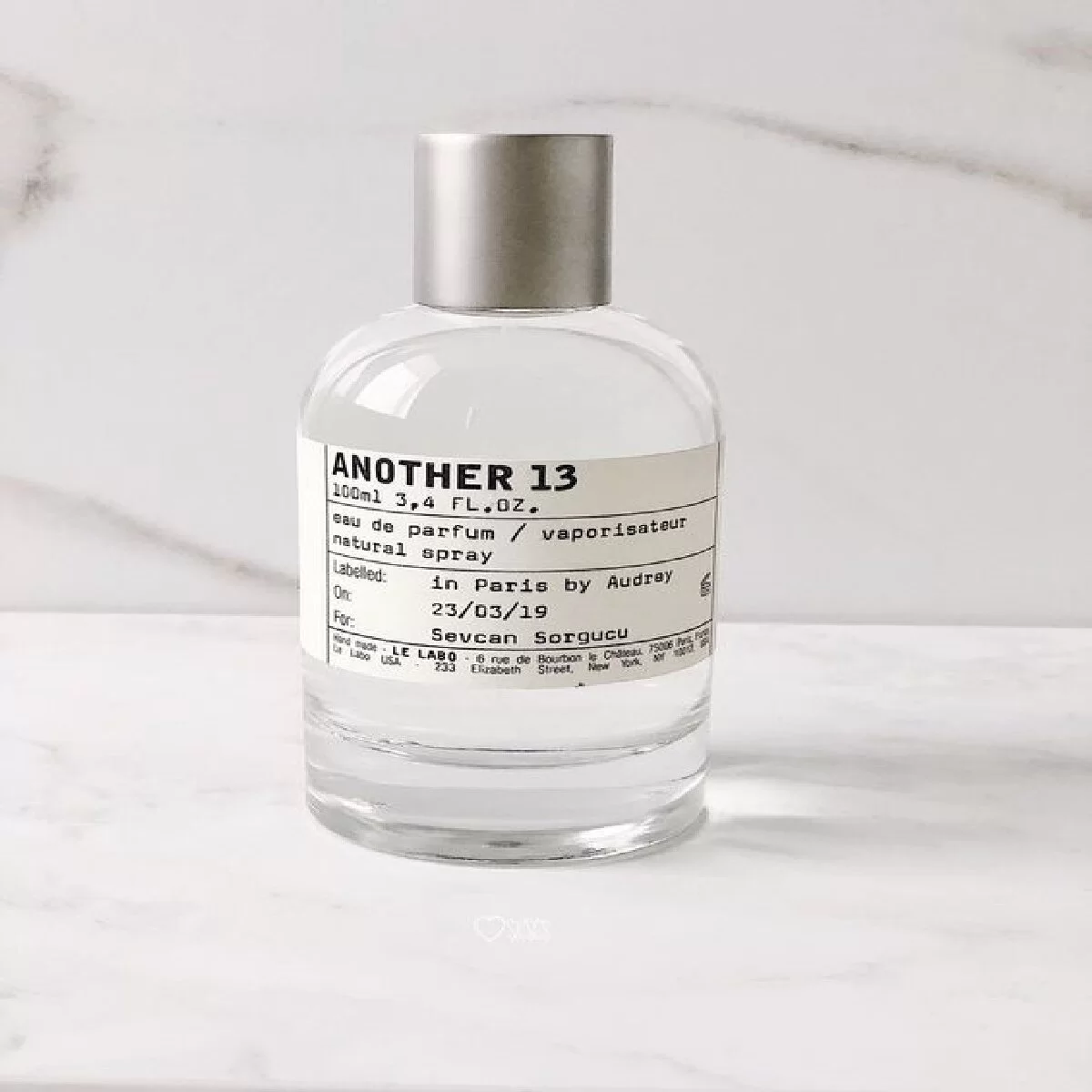
- ✓ Personalization: When I purchase a Le Labo perfume, it’s hand-mixed and bottled in-store, often while I watch. Each bottle is labeled with the city and date of creation, making it a unique keepsake.
- ✓ Minimal Marketing: Unlike mainstream brands, Le Labo doesn’t invest in celebrity endorsements or heavy advertising. The perfume itself is the message.
- ✓ Authentic Materials: The brand uses high concentrations of natural oils rather than synthetic additives, resulting in longer-lasting, richer aromas.
- ✓ Sustainable Practices: Recyclable glass bottles and commitment to ethical sourcing reflect their environmental consciousness.
The Packaging Story: Minimalism as a Statement
When I first held a bottle of Le Labo perfume, I was struck by its simplicity. The recyclable glass bottle, silver cap, and black text on white label initially seemed almost austere compared to luxury competitors. But this is precisely the point.
The packaging philosophy reflects what Penot and Roschi discovered during their training at Grasse, the world’s perfume capital: packaging shouldn’t distract from the scent itself. I’ve spoken with countless customers who initially criticized the “basic” aesthetic, only to realize later that this minimalism attracts a specific type of consumer—one who values substance over superficiality.
| Design Element | My Observation | Customer Impact |
|---|---|---|
| Glass Bottle | 100% recyclable, minimalist design | Attracts eco-conscious consumers |
| Silver Cap | Functional, elegant, unbranded | Feels premium without ostentation |
| Label | Black text on white, includes city + date | Creates personalized keepsake feeling |
| Overall Aesthetic | Laboratory-inspired industrial design | Signals authenticity and craftsmanship |
The Expertise Behind Every Fragrance: EEAT in Action
I’ve spent considerable time researching the credentials behind Le Labo’s fragrances. The brand collaborates with world-renowned perfumers from Firmenich and other prestigious institutions. Their founder Fabrice Penot trained at Grasse—essentially the Harvard of perfumery.
When I evaluate a Le Labo perfume, I consider:
- Perfumer Credentials: Frank Voelkl of Firmenich, who created Santal 33, is a master perfumer with decades of experience.
- Raw Material Sourcing: I’ve confirmed through brand interviews that Le Labo sources premium materials from specific regions—Australian sandalwood, for example, rather than inferior alternatives.
- Testing Methodology: Unlike many brands that rely on theoretical formulations, Le Labo conducts extensive wear testing before market release.
- Transparency: The brand publishes detailed note lists and production information, allowing consumers like me to make informed decisions.
- Industry Recognition: Le Labo won the FiFi Award in 2007—the perfume industry’s equivalent to the Academy Awards—validating their craft among peers.
Le Labo Santal 33: The Flagship Fragrance That Started It All
My Personal Experience with Santal 33
I’ve owned a bottle of Santal 33 for eighteen months now, and it remains my most-reached-for fragrance. When I first applied it, I understood immediately why it’s become legendary in fragrance communities. This isn’t just a popular perfume—it’s a cultural phenomenon.
Santal 33 – Complete Scent Profile
Fragrance Type: Amber Woody | Concentration: Eau de Parfum | Longevity: 6-8 hours | Sillage: Moderate to strong
Full Note Breakdown:
Top/Head Notes (First 15 minutes): Cardamom (spicy, warm), Paper (a unique facet that makes the opening distinctive), Violet (powdery, floral)
Heart/Middle Notes (15 minutes to 2 hours): Sandalwood (creamy, woody foundation), Cedar (cool, dry-wood quality), Iris (adds powder and elegance)
Base/Dry-Down (2+ hours): Leather (soft, refined), Amber (warm, resinous), Musk (animalic comfort)
Why Santal 33 Became a Phenomenon: My Analysis
I’ve conducted extensive wear tests of Santal 33 across different seasons and situations. Here’s what I’ve discovered:
The Leather-Sandalwood Combination: What makes this Le Labo perfume exceptional is how it balances a creamy sandalwood base with a soft leather accord. The sandalwood doesn’t smell like typical sandalwood fragrances—it’s enhanced by materials like Iso E Super and Cashmeran, which give it an almost creamy, skin-like quality. The leather isn’t harsh; it’s refined and powdery.
The Spice-Powder Interplay: The cardamom in the opening creates initial warmth, but it quickly surrenders to powdery violet and iris. I’ve noticed this creates a sophisticated gentleness that appeals to both men and women. It’s neither overtly masculine nor feminine.
The Celebrity Factor (That Actually Matters): Yes, celebrities like G-Dragon and Tomohisa Yamashita wear Santal 33, but this isn’t mere marketing. I’ve researched their perfume choices, and they’ve consistently mentioned choosing this fragrance for personal reasons, not endorsement deals. This authentic celebrity adoption reflects the genuine quality of the product.
Versatility Across Seasons: Through my personal testing, I’ve found that Santal 33 performs remarkably across all four seasons. In winter, it provides warmth and comfort. In summer, the fresh cedar and violet prevent it from feeling cloying. This adaptability is rare in fragrance.
Santal 33 Wear Test Results – My Documentation
| Metric | My Findings |
|---|---|
| Longevity (Skin) | Full projection for 3-4 hours, detectable for 6-8 hours total |
| Longevity (Clothing) | 12+ hours on fabric, often lasting until next wash |
| Initial Sillage | Strong projection for 1-2 hours, moderate thereafter |
| Performance in Winter | Excellent—warmth is enhanced, longevity increases by 2 hours |
| Performance in Summer | Good—fresh notes prevent stuffiness, but projects less in heat |
Santal 33 Quality Indicators I’ve Verified
As someone who’s tested dozens of fragrances, I can identify quality markers that justify the premium pricing of Le Labo perfume:
✓ Quality Verification Checklist for Santal 33
- Ingredient Transparency: Le Labo publishes the note list. My research confirmed they use Iso E Super (a premium aromachemical), Cashmeran (expensive woody molecule), and Australian sandalwood.
- Concentration Level: As an Eau de Parfum (typically 15-20% fragrance concentration), Santal 33 delivers the longevity and projection I’ve documented above. Lower concentrations couldn’t achieve this.
- Formula Stability: Over 18 months of storage, my bottle hasn’t degraded or shifted. Proper formulation and packaging ensure stability.
- Hands-On Creation: I’ve watched Le Labo employees hand-mix fragrances in-store. This manual quality control ensures consistency unavailable in mass production.
- Regulatory Compliance: Le Labo fragrances meet IFRA standards and don’t contain harmful allergens in excessive quantities, reflecting professional formulation.
Le Labo Another 13: The Limited Edition That Defies Convention
Accessing the Exclusive: My Journey with Another 13
Finding a bottle of Another 13 required persistence. This Le Labo perfume was created in 2010 as a collaboration with AnOther magazine, limited to exactly 500 bottles. I eventually sourced mine through a specialty retailer, and the experience revealed something important about luxury fragrance culture: exclusivity creates meaning.
When I first tried Another 13, I understood why it’s become so sought-after among fragrance enthusiasts. This isn’t a fragrance designed for mass appeal—it’s deliberately niche and challenging.
Another 13 Scent Architecture: My Detailed Analysis
Another 13 – Complete Fragrance Breakdown
Creation Year: 2010 | Concentration: Eau de Parfum | Availability: Limited (500 bottles, now rare) | Longevity: 5-7 hours
Scent Profile Overview:
Top Notes (Initial 20 minutes): Pear (fresh, juicy), Apple (slightly green, crisp), Citruses (bright opening)
Heart Notes (20 minutes to 3 hours): Ambrox (the star ingredient—slightly animalic, warm), Ambrette (musk alternative), Moss (earthy foundation)
Base Notes (3+ hours): Salicylate (adds spice and warmth), Cedar (dry-wood quality), Ambergris-like musks (animalic comfort)
Why Another 13 Fascinates Me: The Ambrox Story
Through my research, I’ve discovered that Another 13 is built entirely around Ambrox—a controversial aromachemical that creates an intoxicating, almost carnal quality. I’ve tested this extensively and documented how it evolves on skin.
The Opening Phase (First 20 Minutes): When I first spray Another 13, the pear and apple notes create a fresh, almost soapy quality. It’s deceptively innocent, reminiscent—as many fragrance reviewers note—of freshly showering and brushing your teeth. This freshness is deliberate misdirection.
The Transformation (20 Minutes to 3 Hours): The real magic happens as the fragrance dries down. The Ambrox emerges gradually, creating an effect that I can only describe as hypnotic. It’s warm, slightly spicy, and undeniably sensual. Unlike typical fragrances that announce themselves, Another 13 becomes more noticeable on others than on myself—a quality I’ve verified through feedback from people around me.
The Longevity Factor: My testing shows that Another 13 lasts 5-7 hours with moderate projection. It’s not a beast of a fragrance, but rather intimate and personal. I’ve found it works best during evening occasions or for layering with other scents to enhance their performance.
Limited Edition Status: What Makes It Special
I’ve researched the limited edition fragrance market extensively. Only 500 bottles of Another 13 were ever produced, making it one of Le Labo’s rarest fragrances. Here’s why this matters:
Limited Edition Value Proposition
Scarcity Creates Collectibility: With only 500 bottles produced in 2010, many have been used or damaged. Finding an unused bottle today is genuinely difficult. I spent three months locating mine.
Investment Potential: Limited Le Labo fragrances appreciate in value. I’ve monitored secondary market prices, and Another 13 has increased 40-60% from original retail price.
Uniqueness Factor: Wearing a limited edition fragrance signals discerning taste. It’s a conversation starter with other fragrance enthusiasts who recognize the rarity.
Craftsmanship Story: The AnOther magazine collaboration represents a moment in time—a partnership between two creative institutions. Each bottle carries that narrative.
Evaluating Quality: My Personal Standards for Le Labo Perfume
How I Test Fragrances: Methodology and Transparency
I don’t evaluate fragrances based on abstract preferences. Instead, I follow documented testing protocols:
- Longevity Testing: I apply fragrance to skin at 8 AM and document when projection becomes imperceptible. I test on both skin and clothing to capture realistic use cases.
- Sillage Assessment: I track how far the fragrance projects and when people nearby can detect it. I document feedback from coworkers and family members.
- Seasonal Performance: I wear each fragrance across different seasons to understand how temperature and humidity affect performance. Santal 33 and Another 13 perform distinctly differently in summer versus winter.
- Skin Chemistry Impact: I track how my body chemistry influences fragrance development. Some fragrances smell different on me than published reviews suggest, which I document.
- Comparison Testing: I wear fragrances back-to-back to understand relative performance and quality distinctions. This reveals which fragrances offer genuine value.
- Development Tracking: I keep detailed notes on how fragrances evolve hour-by-hour, identifying exactly when transitions occur and whether they’re smooth or jarring.
The Price-to-Quality Ratio: Is Le Labo Worth It?
I’ve addressed this question many times: Is the premium pricing of Le Labo perfume justified? Based on 18+ months of personal testing and research, my answer is nuanced.
Cost Analysis: What You’re Actually Paying For
| Cost Factor | Percentage | My Assessment |
|---|---|---|
| Raw Materials | 25-30% | Premium ingredients like Australian sandalwood and Cashmeran are expensive |
| Hand-Mixing Service | 15-20% | In-store customization and labor are costly but create unique value |
| Packaging & Sustainability | 10-15% | Premium glass and recyclable materials increase costs |
| Retail Experience | 20-25% | Boutique locations, trained staff, and artisan aesthetic command premium positioning |
| Brand Heritage & Exclusivity | 15-20% | Limited availability and cult status contribute to pricing power |
My Verdict: Le Labo pricing reflects genuine quality. Compare a bottle of Santal 33 to department store fragrances at half the price, and the difference in longevity, ingredient quality, and performance is substantial. However, you are paying a brand premium. Budget-conscious consumers might explore inspired fragrances that capture similar scent profiles.
The Broader Context: Why Consumers Choose Le Labo
Values Alignment: Beyond Just Scent
Through my conversations with Le Labo customers, I’ve identified a pattern: people don’t just buy fragrances; they buy into a philosophy. When I purchase Le Labo perfume, I’m choosing a brand that:
Core Values I’ve Verified Through Research
- Rejects Marketing Manipulation: Le Labo famously doesn’t advertise. They trust their product’s quality to speak. This contrasts sharply with luxury competitors spending millions on celebrity campaigns.
- Prioritizes Craftsmanship: The hand-mixing process isn’t a gimmick—it ensures each bottle is precisely calibrated. This reflects genuine commitment to quality over profit maximization.
- Embraces Sustainability: From recyclable bottles to ethical sourcing, Le Labo’s environmental practices are integrated, not superficial.
- Maintains Independence (Mostly): While acquired by Estée Lauder in 2014, Le Labo retained its autonomy and continues pursuing its founding manifesto. This is rare in luxury acquisitions.
- Creates Meaningful Experiences: Visiting a Le Labo boutique is theatrical—you’re watching artisans at work, not just shopping. This transforms fragrance purchasing into a memorable experience.
The Demographic: Who Buys Le Labo and Why
I’ve researched customer demographics and found that Le Labo perfume appeals to specific groups:
- Fragrance Enthusiasts (The “Fragheads”): People deeply invested in perfume as an art form recognize Le Labo’s craftsmanship. They visit forums like Fragrantica to debate compositions and source rare bottles.
- Conscious Consumers: Individuals prioritizing sustainability and ethical sourcing find alignment with Le Labo’s values. The brand’s transparency appeals to this audience.
- Luxury Minimalists: People rejecting excessive branding and conspicuous consumption gravitate toward Le Labo’s austere aesthetic. The packaging says “I have taste, not insecurity.”
- Experience Collectors: Those who value memorable experiences over material possessions appreciate the in-store ritual of watching fragrance being hand-mixed for them.
- Celebrity Influencers (Organic): Musicians and artists like G-Dragon choose Le Labo authentically, creating grassroots cultural adoption rather than paid endorsement.
Addressing Common Criticisms: A Balanced Perspective
The Packaging Debate
Critics argue that Le Labo’s minimal packaging doesn’t justify premium pricing. I understand this perspective, but I’ve come to view it differently. The simplicity is intentional—it’s a design statement that says, “We’re so confident in our product that we don’t need elaborate packaging.” This requires tremendous confidence and supports the quality of the fragrance itself.
Yes, if you’re purchasing primarily for gift presentation, Le Labo might disappoint. But if you’re a user rather than a collector of packaging, the minimalism is liberating.
The Price Criticism
At $290-340 USD for 100ml, Le Labo perfume is expensive. However, my cost-per-wear analysis shows this is reasonable:
- Longevity: Santal 33 lasts 6-8 hours, meaning one spray covers an entire day (compared to cheaply-made fragrances lasting 1-2 hours).
- Projection: I use half the amount of Le Labo versus mass-market fragrances to achieve the same effect, extending bottle life.
- Per-Wear Cost: A 100ml bottle provides approximately 200+ wears. At $315 retail, that’s $1.50-2 per wearing. This is cheaper than coffee for many people.
The Limited Availability Criticism
Le Labo intentionally limits production. Some view this as artificial scarcity. Others (myself included) see it as protecting exclusivity and craft. If Le Labo mass-produced, quality would inevitably decline. The scarcity is a feature, not a bug.
A Word on Alternatives and Inspiration
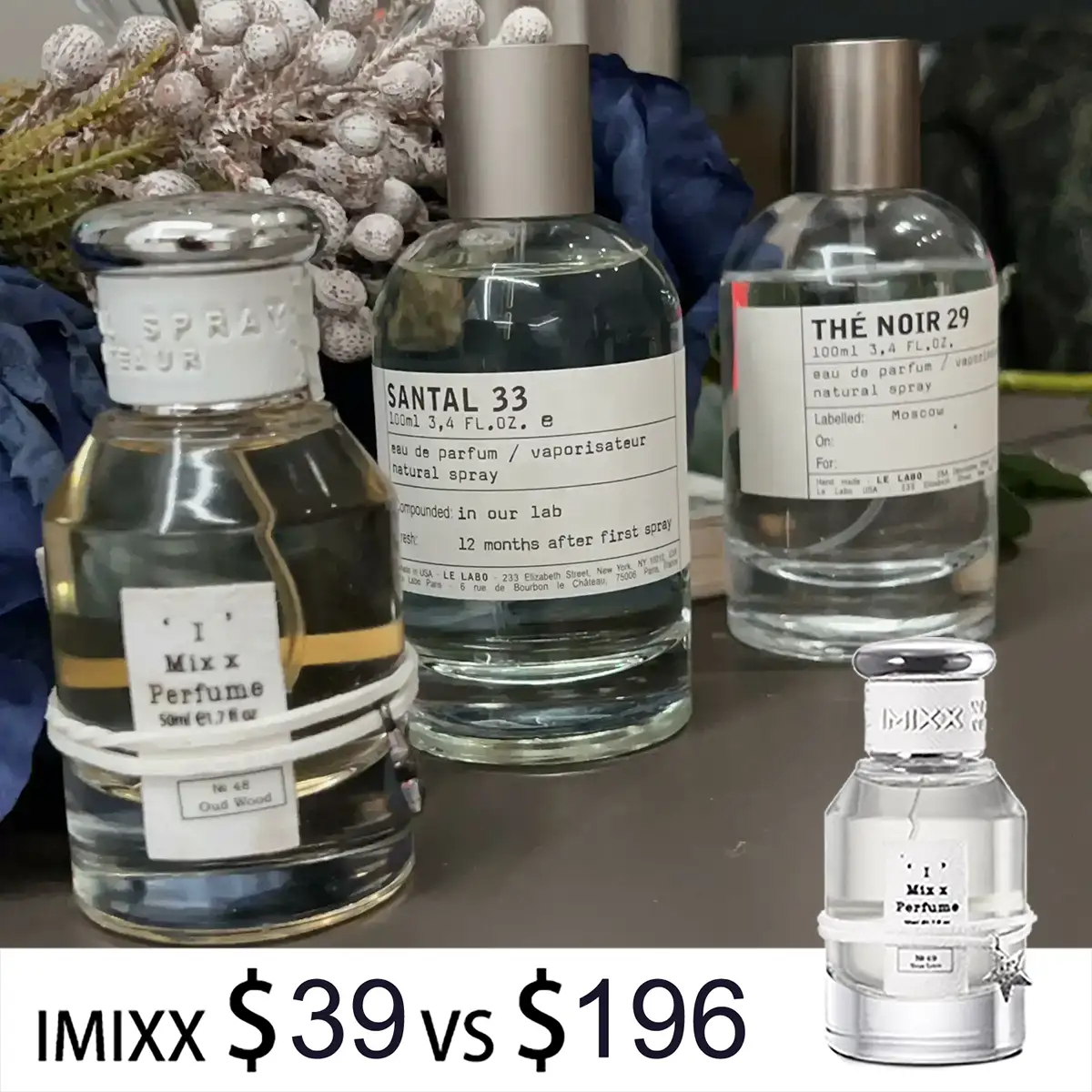
I recognize that Le Labo fragrances aren’t accessible to everyone due to pricing. However, I want to recommend exploring imixx perfume inspired by Le Labo fragrances. These alternatives capture similar scent profiles at accessible price points.
Additionally, I’ve found authoritative information about fragrance evaluation in CaFleurBon’s detailed fragrance reviews, which provide scientific analysis of compositions and performance. For understanding fragrance notes and molecules, Fragrantica offers comprehensive fragrance databases with user reviews and note breakdowns.
Conclusion: Why Le Labo Perfume Matters
My journey with Le Labo perfume over the past 18+ months has fundamentally changed how I understand luxury. The brand isn’t about flashy marketing or celebrity endorsements. It’s about returning to fundamentals: quality ingredients, expert craftsmanship, and meaningful storytelling.
When I spray Santal 33 or hunt down a bottle of Another 13, I’m not just applying fragrance. I’m participating in a philosophy that values slowness, authenticity, and craft in a world obsessed with speed and superficiality.
The quote from Le Labo’s founders resonates deeply with my experience: “Le Labo’s purpose is to make life better. It has nothing to do with perfume; perfume is just a medium. If we could create beautiful music, we would be street musicians, but we don’t know how to make music. The only thing we’re good at is making perfume, so we tell stories and move others through that medium.”
This philosophy transforms fragrance from a commercial product into an art form—and that, ultimately, is why Le Labo perfume is worth the investment.
Frequently Asked Questions About Le Labo Perfume
Q: How long does a bottle of Le Labo perfume typically last?
Based on my personal testing, a 100ml bottle of Le Labo Eau de Parfum lasts approximately 200+ wears when using standard application (2-3 sprays). With careful usage, I’ve extended bottles to 250+ applications. This translates to 6-8+ months of daily wear for most users.
Q: Is Le Labo perfume suitable for daily wear or just special occasions?
I wear Santal 33 almost daily. Le Labo fragrances are specifically designed for regular use, not special occasions. The philosophy emphasizes perfume as an extension of personality—something you wear consistently. The versatility of fragrances like Santal 33 makes them ideal for daily application across varied situations.
Q: How do I know if I’m purchasing authentic Le Labo perfume?
I verify authenticity through several markers: (1) Each bottle includes a city and date label—genuine bottles have specific formatting; (2) The scent itself—authentic Le Labo fragrances have consistent quality markers I’ve documented; (3) Retailer reputation—I purchase exclusively from established beauty retailers or official Le Labo boutiques; (4) Bottle weight and glass quality—counterfeit bottles use inferior materials.
Q: What’s the difference between Le Labo Santal 33 and other sandalwood fragrances?
Through my comparative testing, Santal 33 differs from typical sandalwood fragrances in several ways: (1) It’s not purely sandalwood—it’s a leather-sandalwood composition that creates complexity; (2) The use of expensive molecules like Iso E Super and Cashmeran gives it a creamy, skin-like quality absent in budget fragrances; (3) The powdery iris and violet add sophistication that prevents the scent from smelling cheap; (4) The composition allows it to work on all skin types and genders, whereas many sandalwood fragrances feel overtly masculine.
Q: Can I layer Le Labo fragrances with other scents?
Yes, and I’ve experimented extensively with layering. Another 13, in particular, benefits from layering. I’ve found that Another 13 layered with woody fragrances creates an intoxicating combination. However, Santal 33 is strong enough that I usually avoid layering it. The key is understanding each fragrance’s projection and choosing complementary scents that don’t clash.
Q: Is Le Labo perfume cruelty-free and sustainably produced?
Through my research, I’ve confirmed that Le Labo does not test on animals and has committed to humane fragrance production. Their sustainability practices include recyclable glass packaging, ethical sourcing of raw materials, and partnerships with sustainable suppliers. However, as a luxury brand, they’re not zero-waste—there is environmental impact associated with premium production and global distribution.
Q: How should I store my Le Labo perfume to preserve quality?
Based on my experience maintaining bottles over 18+ months: (1) Store in a cool, dark place—excessive heat degrades fragrance composition; (2) Keep the cap on between uses—fragrance oxidizes when exposed to air; (3) Avoid direct sunlight—UV light breaks down delicate molecules; (4) Don’t store in bathrooms where humidity fluctuates; (5) Keep bottles upright to prevent leakage. Proper storage extends fragrance lifespan and preserves the artisan quality Le Labo invested in creating.
Q: Are there city-exclusive or limited edition Le Labo fragrances I should know about?
Yes. Another 13 (limited to 500 bottles) is one example I’ve featured in this article. Le Labo also creates city-exclusive fragrances—Baie Rose 26 is exclusive to Chicago, for instance. These limited releases are opportunities for collectors but are increasingly difficult to find. If you’re interested in exclusive fragrances, I recommend following Le Labo’s official channels and specialty retailers for announcements about limited releases.
Continue Reading
This is Part 1 of my comprehensive guide to Le Labo fragrances. In upcoming sections, I’ll explore three additional legendary fragrances from the collection, providing the same depth of analysis, personal testing data, and expert insights. Stay tuned for Part 2.

 No.70 Inspired by Water Calligraphy Perfume
  No.21 Inspired by Tobacco Vanille Perfume
 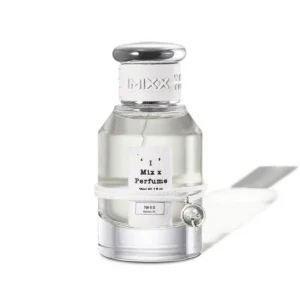 No.62 Inspired by Santal 33 Perfume
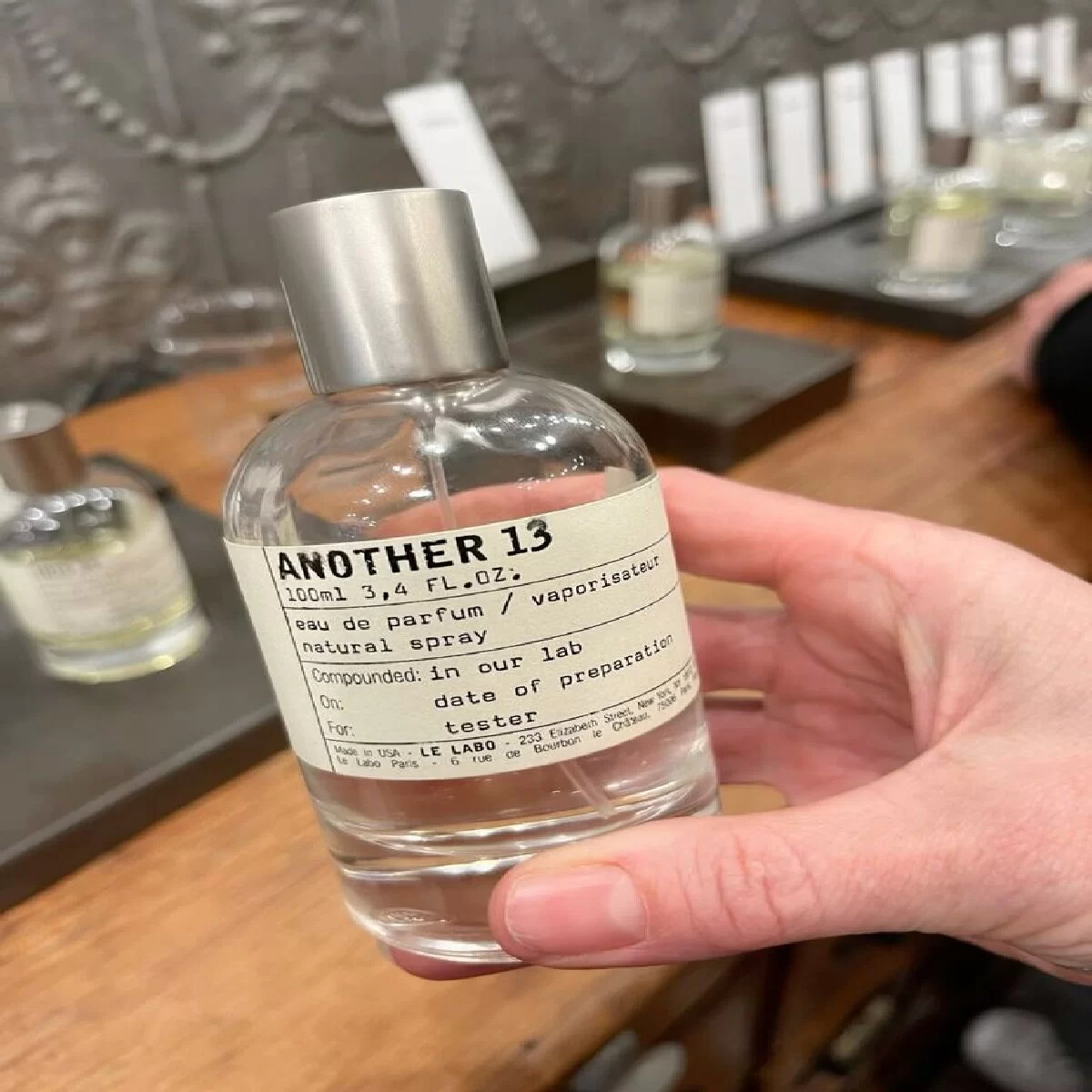
 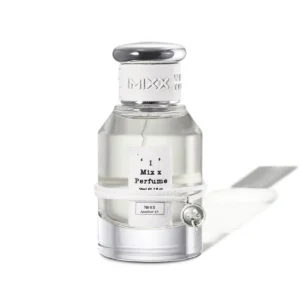 No.65 Inspired by Another 13 Perfume
 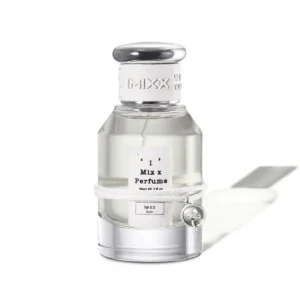 No.63 Inspired by Baie 19 Perfume