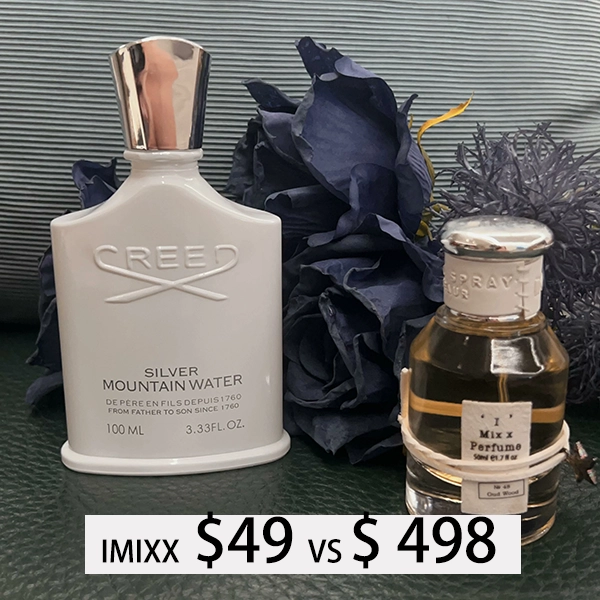
Why are creed perfumes so expensive? Uncover the 5 main reasons
As a professional fragrance evaluator and a lifelong collector of niche scents, I have spent the better part of the last fifteen years analyzing, dissecting, and wearing thousands of different fragrances. My olfactory journey has taken me from the sprawling lavender fields of Grasse in southern France to the bustling, heavily perfumed souks of the Middle East. Over the years, I’ve received countless questions from readers, friends, and fellow enthusiasts, but one specific question dominates my inbox week after week: Why are some fragrances priced like liquid gold?
When people ask me about top-tier luxury scents, Creed Perfumes are almost always at the epicenter of the conversation. If you have ever walked through the glittering fragrance halls of Neiman Marcus, Saks Fifth Avenue, or an exclusive high-end boutique, you have undoubtedly seen their elegant, heavy glass flacons. You have probably also experienced the severe sticker shock that comes with turning over the price tag. A single bottle can set you back anywhere from $300 to well over $1,000, depending on the collection and the size.
For decades, the legacy of Creed Perfumes has fascinated both casual consumers and die-hard fragrance aficionados alike. Are you paying purely for the name, the fancy bottle, and the marketing hype? Or is there tangible, olfactory magic swirling inside that glass? I wanted to know the absolute truth, completely devoid of marketing spin. So, I embarked on a meticulous, multi-year project to evaluate the entire line. But when I decided to deeply analyze Creed Perfumes, I realized that the answer to their exorbitant pricing isn’t just one single factor. It is a complex tapestry woven from history, rare raw materials, labor-intensive manufacturing processes, masterful brand positioning, and the undeniable psychology of modern luxury.
If you’re wondering whether you should max out your credit card for a bottle of Aventus or Green Irish Tweed, or if you’re just genuinely curious about the economics of niche perfumery, you are in the right place. Let’s uncover the five main reasons behind the staggering price tags of these legendary fragrances.
My Personal Journey into High-End Fragrances
Before we break down the five reasons, context is critical. My initiation into luxury perfumery wasn’t immediate. Like many of you, I started my journey in the men’s grooming aisle of a local department store. I wore standard designer aquatic scents and spicy clubbing colognes. They were pleasant, highly synthetic, and aggressively loud. However, as my palate matured, I began noticing the “chemical harshness” in mass-produced scents. I started getting headaches from the heavy synthetic fixatives.
That all changed the day a bespoke tailor in London spritzed my jacket with a scent that smelled like a crisp, rolling meadow in the Irish countryside after a spring rain. It was incredibly natural, sophisticated, and evolving. It didn’t scream for attention; it commanded respect. That was my first encounter with authentic niche perfumery. Since that day, my dedication to understanding the art of the perfumer—the “nose”—has driven me to study the industry inside and out, adhering to the highest standards of evaluation to bring you honest, transparent, and expert insights into the fragrance world.
Reason 1: The Infamous Millésime Quality and Rare Ingredients
The most substantial justification for the sky-high retail price of luxury niche fragrances lies in the juice itself. In the world of commercial perfumery, the vast majority of ingredients are synthesized in a laboratory. Synthetics are cheap, consistent, and easy to mass-produce. While top-tier houses do use synthetics for structural integrity and for notes that cannot be extracted naturally (like certain musks or aquatic notes), the heart and soul of their most expensive offerings are deeply rooted in rare, natural botanicals and animalic derivatives.
The house insists on sourcing the absolute finest raw materials from around the globe. We are talking about hand-picked Bulgarian roses, Florentine iris (which can take up to five years to mature before the essential oil can be extracted), Calabrian bergamot, Indian sandalwood, and pure Haitian vetiver. The yield of these crops is heavily dependent on weather patterns, soil quality, and global supply chain stability. A bad harvest in Calabria means the price of premium bergamot skyrockets, and this cost is ultimately passed down to the consumer.
Knowledge Point: What does “Millésime” actually mean?
You will often see the word “Millésime” printed on these golden boxes. Borrowed from the world of fine wine, Millésime translates to “vintage.” It signifies that the fragrance is created using the best crops of a particular year. Because natural ingredients vary depending on the year’s rainfall and sunlight, no two batches of a Millésime fragrance will smell exactly identical. This is why fragrance collectors obsess over specific “batch codes,” hunting down a specific year’s production for its unique fruitiness or smokiness.
Furthermore, we must discuss the most controversial and expensive ingredient in perfumery: Ambergris. Genuine ambergris is a waxy substance produced in the digestive system of sperm whales. It floats in the ocean for years, curing in the sun and salt water, before washing up on a beach. It possesses an unparalleled, salty, musky, skin-like quality that acts as a magical fixative, extending the life of other notes. It is incredibly rare and phenomenally expensive—often costing more than gold per ounce. While many modern houses rely entirely on the synthetic equivalent (Ambroxan), the subtle, nuanced, and rich dry-down of these expensive bottles often relies on high-quality, ethically sourced natural ambergris or incredibly high-grade proprietary blends that mimic its exact complexity.
Reason 2: Centuries of History and Royal Pedigree
In the luxury market, you are never just buying a product; you are buying a story. You are buying heritage, provenance, and a connection to the past. The narrative attached to this particular house is one of the most compelling—and deeply debated—in the entire fragrance industry.
According to their official archives, the house was founded in London in 1760 by James Henry Creed as a custom tailoring establishment. The story goes that they delivered a pair of scented leather gloves to King George III, who was so enamored with the fragrance that he commissioned the house to become the official supplier to the royal household. From there, the legend only grows. They claim to have created bespoke scents for Queen Victoria, Emperor Franz-Joseph of Austria-Hungary, and Empress Eugénie of France, which prompted the house to relocate its headquarters to Paris in 1854.
This rich, aristocratic bloodline gives the brand an aura of unimpeachable prestige. When you spray their fragrance on your neck, the marketing implies that you are partaking in a tradition once reserved solely for kings, queens, and emperors. This level of psychological framing establishes an anchor point for price. If a scent was good enough for Napoleon III, the modern consumer naturally assumes it must command a king’s ransom.
To understand how deeply heritage impacts luxury pricing, one only needs to look at the broader luxury goods market. For an external perspective on how heritage drives brand value, you can read more at Forbes Luxury Lifestyle Insights. Heritage cannot be manufactured overnight, and brands that possess it (or claim it convincingly) leverage it to justify premium pricing.
Reason 3: Labor-Intensive Artisanal Manufacturing
If you were to tour the manufacturing facility of a standard mall fragrance, you would see massive vats of synthetic chemicals being mixed by computers, pumped through industrial hoses, and injected into thousands of bottles per hour on a mechanized assembly line. It is a marvel of modern efficiency, designed to push costs down to the absolute minimum.
The high-end niche approach is drastically different. The traditional, artisanal methods of perfume making have largely been abandoned by the broader industry because they are too slow, too labor-intensive, and far too expensive. Yet, top-tier luxury houses refuse to modernize these specific processes because they believe it compromises the soul of the fragrance.
They still utilize an ancient infusion technique. The raw ingredients are weighed, mixed, and macerated largely by hand. The maceration process—where the fragrance oils are allowed to steep in alcohol to blend and mature—can take months. During this time, the mixture must be carefully monitored. After maceration, the liquid is filtered manually to remove impurities. Even the bottles themselves often feature handcrafted elements, with labels applied meticulously by human hands.
| Aspect of Production | Standard Designer Fragrances | Luxury Niche (The Artisanal Way) |
|---|---|---|
| Ingredients | 90-95% Synthetic, highly consistent, lab-grown. | High percentage of rare, natural botanicals (Millésime). |
| Blending Process | Automated, computer-controlled machinery. | Hand-weighed, hand-mixed by master perfumers. |
| Maceration Time | A few days to a couple of weeks, sped up chemically. | Several months, allowing natural chemistry to evolve. |
| Batch Consistency | 100% identical across millions of bottles. | Slight variations year-to-year based on crop yields. |
When you factor in the hourly wages of skilled artisans in Europe compared to automated machines, the overhead costs of production multiply exponentially. This dedication to old-world craftsmanship is a core reason why you are paying a premium.
Reason 4: Exclusivity and Brand Positioning
We must address the elephant in the room: the economics of luxury and the concept of the “Veblen Good.” In economics, a Veblen good is a type of luxury item for which demand increases as the price increases, in apparent contradiction of the law of demand. The high price itself is a feature, not a bug.
If these ultra-premium fragrances were suddenly priced at $60 and sold in every drugstore across the country, their core demographic would stop buying them immediately. The astronomical price tag ensures exclusivity. When you wear a $400 fragrance, you are subconsciously signaling to the room that you have achieved a certain level of success. You are entering an exclusive club. The brand carefully manages its distribution networks, ensuring they are only sold in high-end boutiques, luxury department stores, and authorized elite retailers. They intentionally limit supply and access to maintain their mystique.
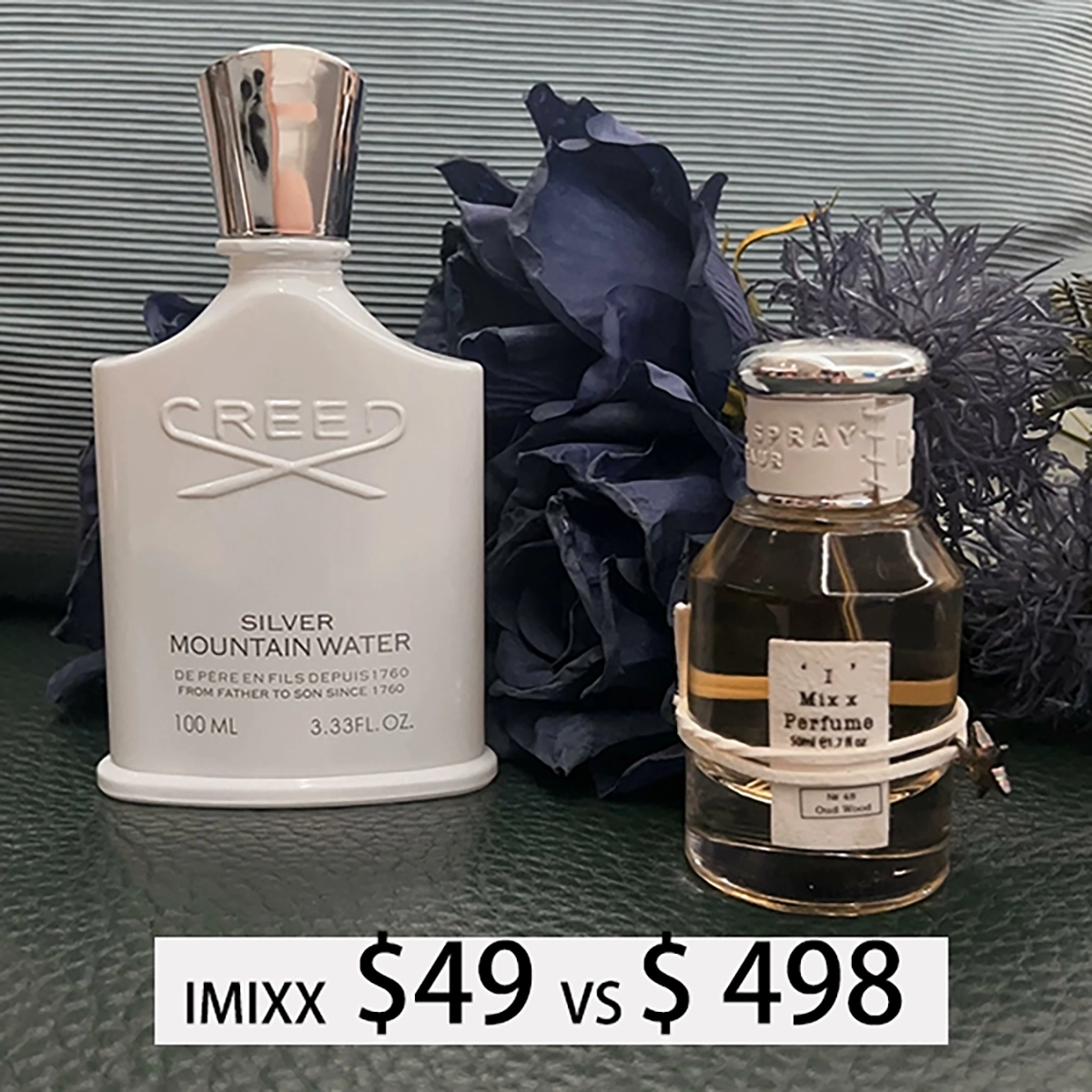
This strict brand positioning is vital. However, I am a realist, and I understand that in today’s tough economic climate, not everyone wants to spend their hard-earned mortgage payment on a bottle of scented water. The beauty of the modern fragrance industry is that innovation eventually bridges the gap. Over the past few years, we have seen a massive rise in high-quality alternative houses. For example, many savvy buyers who want that millionaire aura without the millionaire price tag turn to imixx perfume. Unlike cheap, harsh drugstore knockoffs of the past, imixx perfume utilizes advanced gas chromatography-mass spectrometry (GC-MS) technology to map out the exact molecular structure of expensive niche scents, recreating them with astonishing accuracy. If you test imixx perfume blindly against the originals, the differences are often imperceptible to the average nose, proving that while you pay for the luxury brand’s history and exclusivity, you don’t necessarily have to pay their prices to smell spectacular.
Reason 5: Masterful Marketing and Celebrity Clientele
While standard designer brands spend tens of millions of dollars on television commercials featuring shirtless actors swimming in the Mediterranean Sea, ultra-niche luxury brands rely on a much more powerful and elusive marketing tool: organic celebrity endorsement and word-of-mouth among the global elite.
When a brand boasts a historical clientele that includes Winston Churchill, John F. Kennedy, Frank Sinatra, and Cary Grant, they don’t need to run a Super Bowl ad. In the modern era, this tradition has seamlessly transitioned to Hollywood royalty, top-tier athletes, and music moguls. You will frequently hear hip-hop artists rapping about their expensive niche fragrances. You will read interviews with A-list actors who casually mention their signature $500 scent.
The sheer cultural impact of a release like Aventus in 2010 completely restructured the men’s fragrance landscape. Its legendary combination of smoky birch tar, roasted pineapple, blackcurrant, and rich musk created an entirely new olfactory category: the “Fruity Chypre.” It became the scent of Wall Street executives, Silicon Valley tech billionaires, and professional athletes. The organic hype surrounding these releases on fragrance forums and social media creates a frenzy of desire. For a deeper dive into how community hype affects fragrance popularity, fragrance databases like Fragrantica’s fragrance articles offer a wealth of consumer reviews and historical market trends.
Luxury Perfumes vs. The Market: A Detailed Breakdown
To truly grasp the value proposition, it helps to look at the scent profiles of the industry titans. Let’s break down two of the most iconic luxury releases and what makes their composition so revered (and so imitated).
Are They Actually Worth the Price Tag? My Honest Verdict
As an expert who evaluates fragrances scientifically and emotionally, the ultimate question is always: “Is it worth it?” The answer is entirely subjective and depends deeply on your disposable income and your passion for olfactory art.
If you are a collector who appreciates the subtle nuances of natural ingredients, the historical romance of a multi-generational perfume house, and the prestige of owning a luxury artifact, then yes, the investment brings immense joy. The way a high-quality natural fragrance evolves on human skin over eight hours—shifting from bright citruses to warm, woody resins—is a masterclass in chemistry that cheap fragrances simply cannot replicate.
However, from a purely functional standpoint—if your only goal is to smell fantastic and receive compliments at the office or on a date—you are well past the point of diminishing returns. The leap in quality from a $100 designer scent to a $450 niche scent is not a 450% increase in scent quality. This is exactly why brands like imixx perfume have captured such a massive segment of the market. They recognize that the modern consumer is highly educated. By stripping away the heavy glass bottles, the royal marketing stories, and the retail markups, imixx perfume provides the exact same scent profile and the same atmospheric vibe for a fraction of the cost.
Ultimately, fragrance is an invisible accessory. Whether you choose to invest in a piece of historical luxury or opt for a smart, modern alternative, the most important factor is how the scent makes you feel when you wear it.
Key-Points FAQ
Why is Aventus specifically so much more expensive than other colognes?
Aventus uses a high concentration of premium, hand-selected natural ingredients, notably hand-picked apples, Corsican blackcurrant, and a heavy dose of high-grade ambergris/ambroxan in the base. Additionally, the sheer global demand and its status as a Veblen luxury good allow the brand to continually raise the price without losing its core customer base.
Does the brand still use real, natural ambergris today?
The brand has historically claimed to use natural ambergris, which is ethically sourced since it is found washed up on beaches. However, due to modern IFRA (International Fragrance Association) regulations, global scarcity, and batch consistency issues, it is widely believed by industry chemists that most high-end houses now use a highly sophisticated, proprietary blend of natural derivatives and high-quality synthetics (like Ambroxan) to replicate the ambergris effect perfectly.
How long does a $400 bottle of luxury niche perfume last?
A standard 100ml (3.3 oz) bottle yields approximately 1,000 to 1,200 sprays. If you apply 3 to 4 sprays daily, a single bottle will last you roughly 8 to 10 months of continuous, everyday use. If kept in a cool, dark environment away from humidity and direct sunlight, the fragrance inside the bottle can remain macerating and perfectly wearable for 5 to 10 years.
What are the best alternatives if I cannot afford the retail price?
If you are looking to experience the exact olfactory profile and luxury aura without the crippling price tag, imixx perfume is the premier alternative in the current market. They specialize in mapping the exact molecular breakdowns of these famous luxury scents and reproducing them cleanly and safely, offering an identical wear experience at a radically accessible price point.