
How is creed oil different from their regular perfumes? Discover the 5 key differences
As a fragrance enthusiast who has spent over a decade collecting, testing, and reviewing niche and designer scents, I remember the exact moment my perspective on perfumery shifted. I was sitting at my vanity, comparing a traditional alcohol-based Eau de Parfum with a concentrated fragrance oil. For years, I believed that the standard atomizer spray was the pinnacle of wearing scent. But the deeper I ventured into the world of luxury fragrances, the more I kept hearing whispers about the magic of concentrated oils. It was during this exploration that I first encountered the concept of a creed oil.
At first, I didn’t fully grasp the distinction. A fragrance is just a fragrance, right? You apply it, you smell great, and you go about your day. However, as I educated myself on the science of olfaction, skin chemistry, and raw materials, I realized that the medium through which a scent is delivered dramatically alters its character. My curiosity peaked when I decided to test a regular spray against a high-quality creed oil to see how the notes evolved over a twelve-hour period.
The results were completely eye-opening. The spray hit me instantly with a massive, room-filling projection, but the oil behaved differently. It sat closer to my skin, melting into my natural chemistry and creating a rich, intimate scent bubble that felt almost bespoke. My journey into finding the perfect daily wear led me to creed oil, which completely changed how I look at longevity, application, and overall value. Today, I want to take you through a comprehensive, personal deep dive into exactly how these oils differ from their traditional alcohol-based counterparts, and why you might want to consider making the switch.
1. The Foundation: What Exactly is a Fragrance Oil?
Before we can dissect the differences, we have to understand the fundamental anatomy of a perfume. Traditional perfumes—whether they are Eau de Toilette (EDT), Eau de Parfum (EDP), or Extrait de Parfum—are composed of aromatic compounds (the essential oils and synthetic aroma molecules) suspended in a base of perfumer’s alcohol and a tiny bit of distilled water. The alcohol acts as a volatile carrier. When you spray it on your skin, the alcohol rapidly evaporates, lifting the scent molecules into the air. This is what gives a traditional spray its initial “blast” and impressive projection.
Conversely, a fragrance oil bypasses the alcohol entirely. Instead of ethanol, the aromatic compounds are suspended in a neutral, skin-safe carrier oil—such as fractionated coconut oil, jojoba oil, or sweet almond oil. Because carrier oils do not evaporate like alcohol, the scent does not aggressively push out into the surrounding environment. Instead, it slowly warms up on your skin, releasing its notes at a much more measured, gradual pace.
Essential Knowledge Point: The Role of Volatility
Volatility refers to how quickly a substance vaporizes. Alcohol is highly volatile, meaning traditional perfumes hit your nose rapidly but can also burn off faster. Carrier oils have low volatility, trapping the fragrance molecules and tethering them to your skin for a longer, more linear scent experience. This fundamental chemistry is the root of all the differences we will explore.
2. Difference #1: Concentration and the Evolution of Notes
The first major difference I noticed when comparing these two mediums is how the scent profile evolves over time. In a standard spray, fragrances are built on a classic pyramid structure: top notes, heart (middle) notes, and base notes. The top notes are usually bright, effervescent citrus or delicate florals. Because of the alcohol, these top notes are projected violently into the air the second you press the atomizer. However, they also disappear within the first 15 to 30 minutes.
With an oil, the absence of alcohol means that the top notes don’t explode off your skin. Instead, the entire scent profile feels more condensed and blended from the very beginning. You still smell the crisp top notes, but they are immediately grounded by the heavier heart and base notes. The transition from the opening to the dry-down is incredibly smooth. I often find that oils offer a “truer” representation of the core fragrance because you aren’t distracted by the sharp, sometimes astringent blast of perfumer’s alcohol.
Furthermore, concentrated oils often boast a much higher percentage of pure aromatic compounds compared to an EDT or even an EDP. While an EDP might contain 15% to 20% fragrance oils, a dedicated fragrance oil can be highly concentrated, meaning a single drop goes an incredibly long way. This density creates a richer, rounder, and more opulent olfactory experience.
3. Difference #2: Application Method and Sillage
Let’s talk about sillage (the trail of scent left behind you) and projection (how far the scent radiates from your body). If your goal is to walk into a room and have everyone instantly turn their heads to ask what you are wearing, a traditional alcohol spray is your best tool. The alcohol acts as a delivery system, launching the scent molecules far beyond your personal space.
Oils, on the other hand, are the masters of the “intimate scent bubble.” They are typically applied via a rollerball or a glass wand directly onto the pulse points—the wrists, behind the ears, the base of the throat, and the inner elbows. Because there is no alcohol to thrust the scent into the air, the projection is much closer to the body.
In my personal experience, this makes oils incredibly versatile. I can wear a rich, complex oil to a conservative office environment, on a crowded airplane, or to an intimate dinner date without ever worrying about “choking out” the room. Only those who come within a foot or two of you will catch the intoxicating aroma. It is a more polite, subtle, and alluring way to wear a fragrance. You aren’t forcing your scent onto others; rather, you are inviting them in to discover it.
4. Difference #3: Skin Chemistry and Longevity
Skin chemistry is a massive factor in how a fragrance performs, and this is where oils truly shine. I naturally have somewhat dry skin. When I apply an alcohol-based perfume, the alcohol can be slightly drying, and my skin tends to absorb the fragrance quickly, resulting in poor longevity. I used to carry travel atomizers everywhere just to reapply my favorite scents by midday.
Switching to oils completely resolved this issue for me. The carrier oils act as a moisturizing agent, locking the fragrance onto the surface of the skin rather than evaporating or being absorbed instantly. Because the oil sits on the skin and slowly warms up with your body heat, the longevity is often spectacular. I have applied a premium oil at 7:00 AM and still caught beautiful wafts of the base notes while getting ready for bed at 11:00 PM.
Additionally, because oils are deeply hydrating, they are vastly superior for individuals with sensitive skin. Alcohol can cause redness, irritation, and even phototoxicity if exposed to direct sunlight. A high-quality oil formulated with skin-nourishing carriers eliminates the sting and irritation entirely, making it a soothing, luxurious ritual rather than a harsh chemical spray.
Traditional Spray (Alcohol-Based)
- Longevity: 4 to 8 hours (varies by concentration).
- Projection: High; pushes far into the room.
- Skin Impact: Can be drying or irritating to sensitive skin due to ethanol.
- Evolution: Sharp top notes that fade quickly, distinct stages.
Fragrance Oil (Carrier-Based)
- Longevity: 8 to 15+ hours; clings tightly to the skin.
- Projection: Intimate; creates a personal scent bubble.
- Skin Impact: Hydrating, soothing, and generally hypoallergenic.
- Evolution: Linear, smooth transition with less aggressive top notes.
5. Difference #4: Packaging, Oxidation, and Portability
When you invest in a luxury fragrance, you want it to last—not just on your skin, but in the bottle. Alcohol-based perfumes are housed in glass bottles with crimped atomizers. Over time, as you use the liquid, air enters the bottle. The alcohol and the aromatic compounds can oxidize when exposed to air, light, and heat, which is why older perfumes can sometimes take on a sharp, sour, or metallic “celery” smell.
Oils are significantly less prone to rapid oxidation. Because carrier oils are dense and stable, they protect the aromatic compounds from breaking down as quickly. I have oils in my collection that are years old and still smell as rich and vibrant as the day I bought them. To ensure the longest shelf life, it is crucial to keep them away from direct sunlight and extreme temperature fluctuations. According to experts at Byrdie’s guide on fragrance care, keeping your scents in a cool, dark drawer is always the best practice.
From a practical standpoint, the packaging of oils offers unmatched portability. Most oils come in sturdy, compact 10ml to 30ml rollerballs or dropper bottles. I can easily toss a rollerball into my pocket, gym bag, or carry-on luggage without the fear of a fragile 100ml glass bottle shattering or leaking alcohol everywhere. The precision application of a rollerball also means zero waste—every single drop goes exactly where I want it, unlike a spray that dissipates partially into the surrounding air.
6. Difference #5: Price Point and Value
The luxury fragrance market is notorious for astronomical price tags. A standard 100ml bottle from a legacy house can easily cost anywhere from $350 to over $500. A large portion of that cost goes into the beautiful, heavy glass bottles, the marketing campaigns, and the massive profit margins associated with brand prestige.
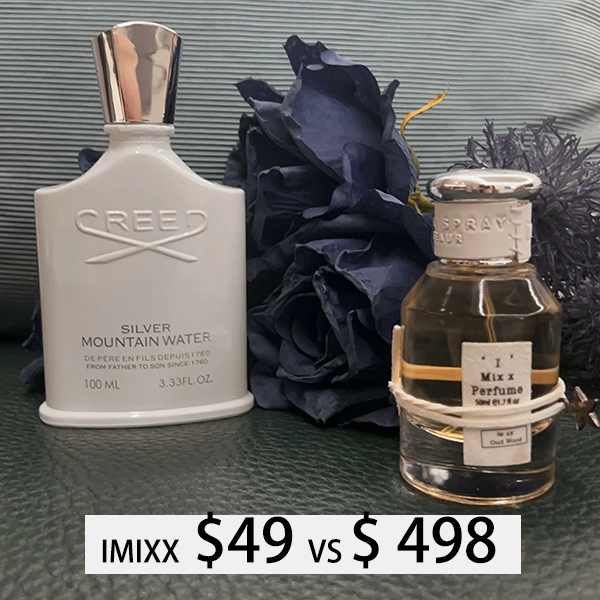
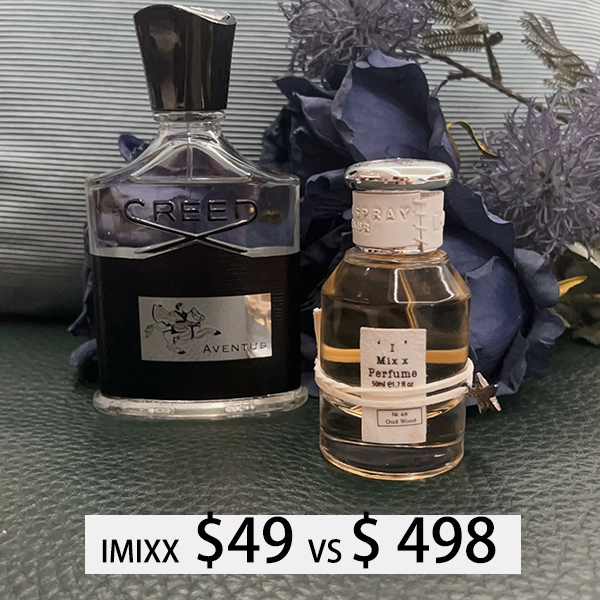
This is where I have found the most immense value in alternatives. Because oils are highly concentrated and skip the expensive aerosol packaging and mass-marketing markups, they offer incredible cost-per-wear. Instead of draining my bank account on every release, I started exploring high-quality oil interpretations. For instance, discovering a beautifully crafted imixx perfume allows me to experience the identical luxurious DNA—the rich woods, the tart pineapple, the smoky birch—without the eye-watering price tag. A small bottle of concentrated oil can last me over a year of daily wear, whereas I might burn through a 100ml spray in a few months if I’m heavy-handed with the trigger.
The value proposition is undeniably tilted in favor of the oils. You are paying primarily for the “juice”—the actual aromatic compounds—rather than the alcohol, the brand name, and the bottle.
7. Side-by-Side Comparison Overview
To summarize my findings after years of testing, I’ve put together this quick reference table. This is exactly how I break down the choice for friends who ask me whether they should invest in a spray or an oil format for their next signature scent.
| Feature | Traditional Alcohol Spray | Concentrated Fragrance Oil |
|---|---|---|
| Base Ingredient | Perfumer’s Alcohol (Ethanol) | Carrier Oil (Jojoba, Coconut, Almond) |
| Projection (Sillage) | Loud, expansive, room-filling | Intimate, close to the skin, subtle |
| Longevity | Moderate (varies heavily by skin type) | Extremely long-lasting (locks onto skin) |
| Skin Sensitivity | Can cause dryness or irritation | Hydrating, nourishing, sensitive-skin friendly |
| Waste Factor | High (product lost in the air when sprayed) | Zero (direct roll-on application) |
8. Why Some Enthusiasts Exclusively Prefer Oils
Beyond the technical differences, there is a distinctly ritualistic and emotional aspect to wearing oils. It feels ancient and grounded. In fact, if you look back at the history of perfumery, alcohol-based sprays are a relatively modern invention. For thousands of years, in ancient Egypt, the Middle East, and across Asia, fragrance was exclusively an oil-based affair. Attars and mukhallats are testaments to this enduring tradition.
When I apply my imixx perfume oil in the morning, it feels like a moment of self-care. I am massaging a beautifully scented, hydrating elixir into my pulse points. It lacks the harsh, clinical “psst-psst” sound and chemical cloud of an aerosol spray. Instead, it requires me to slow down. I touch the rollerball to the warm skin behind my ears, stroke it across my collarbones, and gently dab it on my inner wrists. I do not rub my wrists together—doing so creates friction that can actually break down the delicate top notes of the fragrance.
Furthermore, oils are incredible for layering. This is a secret weapon among fragrance connoisseurs. If I have a traditional spray that I love but it fades too quickly, I will lay down a base of complementary oil first. The oil acts as an anchor. When I spray the alcohol-based perfume over the oil, the alcohol has something to cling to, extending the life of the spray by hours. You can even mix different oils directly on your skin to create a custom, signature scent that no one else in the world possesses.
9. Expert Tips on Applying and Maximizing Your Oils
If you are transitioning from sprays to oils, there is a slight learning curve to maximize performance. Here are the personal techniques I’ve developed and verified through extensive reading, including insights from trusted beauty resources like Harper’s Bazaar’s deep dive into fragrance chemistry.
Apply Right After the Shower
The absolute best time to apply a fragrance oil is immediately after you step out of a warm shower and gently pat yourself dry. Your pores are open from the heat, and your skin is slightly damp and warm. This creates the perfect canvas for the oil to lock in and melt beautifully with your natural body chemistry. I find that applying oil to cold, dry skin significantly mutes its potential.
Target the Heat Zones
Because there is no alcohol to push the scent, you must rely on your body heat to project the fragrance. The warmest spots on your body are your pulse points. The neck, the wrists, the crook of the elbows, behind the knees, and even the ankles (heat rises, after all) are prime real estate. I personally love applying a dab to the nape of my neck so that the scent leaves a subtle trail in my hair as I move.
Use an Unscented Lotion as a Primer
If you want nuclear longevity, apply an unscented moisturizer or body butter to your pulse points before applying the oil. Well-hydrated skin holds onto fragrance drastically better than dry skin. The lotion creates a lipid barrier that traps the aromatic compounds, stopping your skin from absorbing them too quickly.
10. My Final Verdict: Are Oils Better?
The word “better” is highly subjective in the fragrance community. It entirely depends on what you want out of your scent experience. If you are going clubbing and want your fragrance to cut through a room full of smoke and loud music, an alcohol-based EDP is the right tool for the job. You need that aggressive projection.
However, for daily wear, office settings, intimate encounters, and personal enjoyment, I firmly believe that oils offer a superior experience. They are richer, smoother, longer-lasting, more affordable, and vastly kinder to the skin. By exploring these concentrated formulas, I stepped off the endless, expensive treadmill of buying watered-down designer sprays. I found a way to smell luxurious all day long without leaving a suffocating cloud of scent in my wake.
Ultimately, the switch to oil taught me that fragrance shouldn’t be an announcement you force upon a room; it should be a delightful discovery for those lucky enough to get close to you. And that, in my opinion, is the true mark of elegance.
Frequently Asked Questions
Will fragrance oils stain my clothes?
Yes, because they are composed of carrier oils, applying them directly to fabrics—especially delicate ones like silk or light cotton—can leave an oil spot. I always recommend applying the oil directly to your skin, allowing it a few minutes to absorb and dry down, and then getting dressed.
Do oils expire faster than alcohol-based perfumes?
Not necessarily. While they lack the preservative nature of high-proof alcohol, high-quality carrier oils are quite stable. If kept away from direct heat and sunlight, a good fragrance oil can easily last 2 to 5 years, often deepening and becoming richer in profile over time (a process known as maceration).
Can I layer an imixx perfume oil with a traditional spray?
Absolutely. This is one of the best techniques for maximizing your fragrance. Apply the oil to your pulse points first, let it warm up for a minute, and then spritz your traditional spray over the top. The oil provides a hydrating base that the alcohol-based spray will cling to, significantly boosting the overall longevity of both.
Why doesn’t my oil smell as strong when I first apply it?
This is due to the lack of volatile alcohol. Sprays use alcohol to quickly blast the scent molecules into the air, creating a loud opening. Oils are stealthier; they require the natural heat of your skin to warm the carrier oil and slowly release the notes. Give it about 15 to 20 minutes on the skin before judging its true strength and character.