

Article Summary & Methodological Transparency
The US fragrance market has experienced a massive shift toward gourmand scents, specifically the seductive blend of cherry and vanilla. Driven by luxury trailblazers like Tom Ford’s Lost Cherry and Guerlain’s La Petite Robe Noire, consumers are actively seeking high-quality, long-lasting alternatives that offer better value. However, the perfume industry is notoriously opaque, often hiding behind marketing terminology to obscure the true cost and performance metrics of their products.
Our Objective: This comprehensive guide lifts the veil on the fragrance supply chain. Rather than relying on subjective marketing claims, we explore the objective chemistry of volatile cherry notes, the global economics of sourcing premium vanilla, the scientific realities of maceration, and the true cost breakdown of luxury versus direct-to-consumer (D2C) fragrances. By fairly comparing top options on the market—from luxury titans to smart dupes like Zara, Dossier, and IMIXX Perfumes—we aim to empower you to make an informed, value-driven choice for your next signature scent.
Introduction: The Psychology and Rise of the Gourmand Scent in the USA
If you have walked through a Sephora, Macy’s, or Neiman Marcus anywhere in the USA recently, or spent time browsing fragrance forums like Basenotes and Fragrantica, you have undoubtedly noticed a paradigm shift. We are currently living in the golden age of the gourmand fragrance. A “gourmand” perfume is essentially an olfactory dessert—a scent profile heavily featuring edible notes like roasted almond, caramel, coffee, and, most notably, the sensual, intoxicating combination of cherry and vanilla.
For decades, the standard for high-end colognes and perfumes in the United States leaned heavily toward sharp citrus, heavy florals, or soapy aquatic notes. But the introduction of complex, boozy, and deeply rich cherry profiles changed the landscape entirely. Why? The answer lies in olfactory psychology. The combination of a tart, juicy cherry top note with a warm, creamy vanilla base triggers profound nostalgia. For many Americans, it evokes the comforting scent of a classic cherry vanilla cola, a slice of warm cherry pie, or artisanal almond pastries, while remaining sophisticated enough for high-end evening wear.
Yet, as consumers hunt for their perfect signature scent, they are met with sky-high prices and confusing marketing. A single 50ml bottle of luxury cherry vanilla cologne can easily cost between $300 and $500. Furthermore, a common, scientifically valid complaint plagues even the most expensive bottles: Why does the cherry scent disappear so quickly? To answer these questions objectively, we must step out of the glamorous retail boutiques and look at the underlying science, chemistry, and supply chain mechanics of the global fragrance industry.
The Science of Scent: Why Cherry and Vanilla Are So Hard to Perfect
To truly understand what makes a cherry vanilla cologne smell irresistible (and why some formulations fail miserably on the skin), we must examine the molecular structure of the fragrance pyramid. A traditional fragrance is constructed in three distinct layers: top notes (the opening), heart notes (the middle), and base notes (the dry-down).
The Chemical Volatility of the Cherry Top Note
In the world of commercial perfumery, an authentic, photorealistic cherry scent is notoriously difficult to capture and sustain. Unlike lavender or patchouli, you cannot simply cold-press a cherry and extract a highly stable essential oil. The natural fruit contains too much water and not enough stable aromatic compounds. Therefore, expert perfumers and chemists rely on synthetic aroma chemicals and natural isolates to reconstruct the scent in a laboratory.
The most prominent molecule used in this process is Benzaldehyde. Benzaldehyde naturally occurs in bitter almonds, apricot kernels, and cherry pits. This is the compound that gives high-end cherry fragrances their sharp, slightly bitter, amaretto-like boozy opening. (For deeper reading on aroma chemicals, authoritative industry publications like Perfumer & Flavorist offer extensive chemical breakdowns).
However, there is a physical reality to Benzaldehyde: it is a highly volatile molecule with a high vapor pressure. In chemistry terms, “volatile” means it evaporates into the air at room temperature very quickly. This is the objective, scientific reason why many users complain that the cherry scent in even the most prestigious luxury perfumes vanishes within the first 60 to 90 minutes. The molecules literally flash off the skin. It is a limitation of physics and physical chemistry, not necessarily a flaw in a brand’s integrity or blending skill.
The Anchoring Power of Vanilla and Resinous Base Notes
To counteract the rapid evaporation of the cherry top note, skilled formulators must use heavy, complex base notes to “anchor” the fragrance to the skin. This is where vanilla becomes the hero of the composition. High-quality vanilla profiles in modern perfumery are rarely just pure natural extract (which is prohibitively expensive and can be unstable). Instead, they are complex accords utilizing a mix of synthetic Vanillin, Ethyl Vanillin, Tonka Bean (which contains the molecule Coumarin), and sticky resins like Peru Balsam or Benzoin.
Unlike Benzaldehyde, these base molecules are large and heavy. They possess a low vapor pressure, meaning they evaporate incredibly slowly, often lingering on the skin or fabric for 8 to 12 hours. When you spray a high-quality cherry vanilla cologne, this dense vanilla/amber base acts as a chemical fixative. It physically holds onto the remnants of the cherry and almond notes, pulling them down into a smooth, creamy dry-down. If a perfume lacks this heavy, expertly blended base, you are left with a fleeting cherry mist that vanishes before you even arrive at your destination.
Supply Chain Transparency: The Real Cost of Luxury Fragrance
One of the most heavily guarded secrets in the beauty sector is the actual cost of the “juice” (industry slang for the liquid perfume). Consumers in the USA often equate a $400 price tag with exceptionally rare, superior ingredients. While certain natural absolutes—like pure artisanal oud, authentic ambergris, or Orris butter—are genuinely astronomical in price, the reality of mass-market luxury perfumery is quite different.
According to general industry analyses and supply chain economics frequently discussed in business journals like The Business of Fashion, the actual fragrance compound usually accounts for a strikingly small percentage of the retail price. The global fragrance market is dominated by a few massive supply houses (such as Givaudan, Firmenich, and IFF). These conglomerates supply the raw aroma chemicals to both elite luxury houses and highly affordable direct-to-consumer (D2C) brands.
Table 1: Estimated Cost Breakdown (Luxury vs. D2C Model)
Note: The following table represents industry-average estimates synthesized from public supply-chain data to illustrate the traditional retail markup model versus the direct-to-consumer approach. Individual brand margins vary.
| Cost Category / Supply Chain Stage | Traditional Luxury Brand ($350 Retail) | Direct-to-Consumer Brand ($40 – $60 Retail) |
|---|---|---|
| The Fragrance “Juice” (Raw Aroma Chemicals & Blending) | $5 – $15 | $5 – $12 |
| Packaging (Custom Heavy Glass, Magnetic Caps, Ornate Boxes) | $15 – $35 | $4 – $8 (Standardized bottles) |
| Marketing (Global Ad Campaigns, Celebrity Ambassadors) | $60 – $100 | $3 – $8 (Digital/Social Media primarily) |
| Retailer Margin (Department Stores / Boutiques) | $100 – $150 | $0 (Sold directly online to consumer) |
| Brand Prestige Markup / Corporate Profit | $100+ | $15 – $25 |
As this table illustrates, when purchasing a high-end designer fragrance, a massive portion of the consumer’s money funds marketing campaigns, prime real estate in high-end US department stores, and historical brand prestige. You are paying for a lifestyle and a logo. That is a completely valid purchasing decision for many fragrance collectors.
However, modern independent perfumeries operate differently. By utilizing Gas Chromatography-Mass Spectrometry (GC-MS)—a standard analytical tool used by chemists worldwide to vaporize a sample and identify its precise molecular components—laboratories can decode the structure of highly sought-after scent profiles. Independent brands can then reconstruct these profiles using the exact same or structurally identical high-grade materials compliant with IFRA (International Fragrance Association) safety standards, completely bypassing the luxury markup.
The Crucial Roles of Concentration and Maceration
If the raw ingredients are sourced from the same global suppliers, what makes one cherry vanilla perfume perform drastically better than another? Beyond the formula itself, the answer lies in two critical manufacturing steps: Oil Concentration and Maceration.
Understanding Oil Concentration Metrics
The longevity and projection (sillage) of a fragrance are heavily dependent on the ratio of pure perfume oil to the solvent (usually perfumer’s alcohol and a tiny amount of distilled water). The industry standardizes these as follows:
- Eau de Toilette (EDT): Typically contains 5% to 15% perfume oil. These are light, airy, and project well initially but evaporate relatively quickly (usually 2 to 4 hours).
- Eau de Parfum (EDP): Typically contains 15% to 20% perfume oil. This is the industry standard for reliable longevity, offering a balance of projection and lasting power (usually 5 to 8 hours depending on the notes).
- Extrait de Parfum (Pure Perfume): Contains 20% to 40% perfume oil. This offers maximum longevity. Because of the lower alcohol content, it sits closer to the skin but can last 10+ hours.
Many luxury cherry fragrances are formulated at an EDP concentration. However, independent houses often have the flexibility to increase this concentration to Extrait levels, creating a denser fluid that slows the evaporation of volatile top notes.
The Science of Maceration (Aging the Perfume)
Maceration is the process of allowing the blended perfume oils, water, and alcohol to “rest” and mature in a temperature-controlled environment before bottling—much like aging fine wine in oak barrels. During this chemical resting phase, the different molecular compounds bind together, softening harsh, screechy alcoholic edges and allowing the scent to become cohesive and round.
In mass-market commercial perfumery, where millions of units must be shipped globally to meet quarterly retail quotas, the maceration process is sometimes expedited. Conversely, smaller, premium independent brands often have the agility to dedicate several weeks or months to macerating their batches. This is why a newly opened bottle of fast-fashion perfume might smell slightly of pure rubbing alcohol for the first ten seconds, while a well-macerated indie fragrance smells rich immediately upon atomization.
An Objective Review: The Best Cherry Vanilla Perfumes on the Market
With an understanding of chemistry and supply chains, let us look at the actual products available to US consumers. To be an empowered shopper, it is essential to evaluate fragrances objectively across different price tiers. Here is a fair breakdown of popular options, from luxury originals to accessible alternatives.
1. The Luxury Benchmark: Tom Ford Lost Cherry
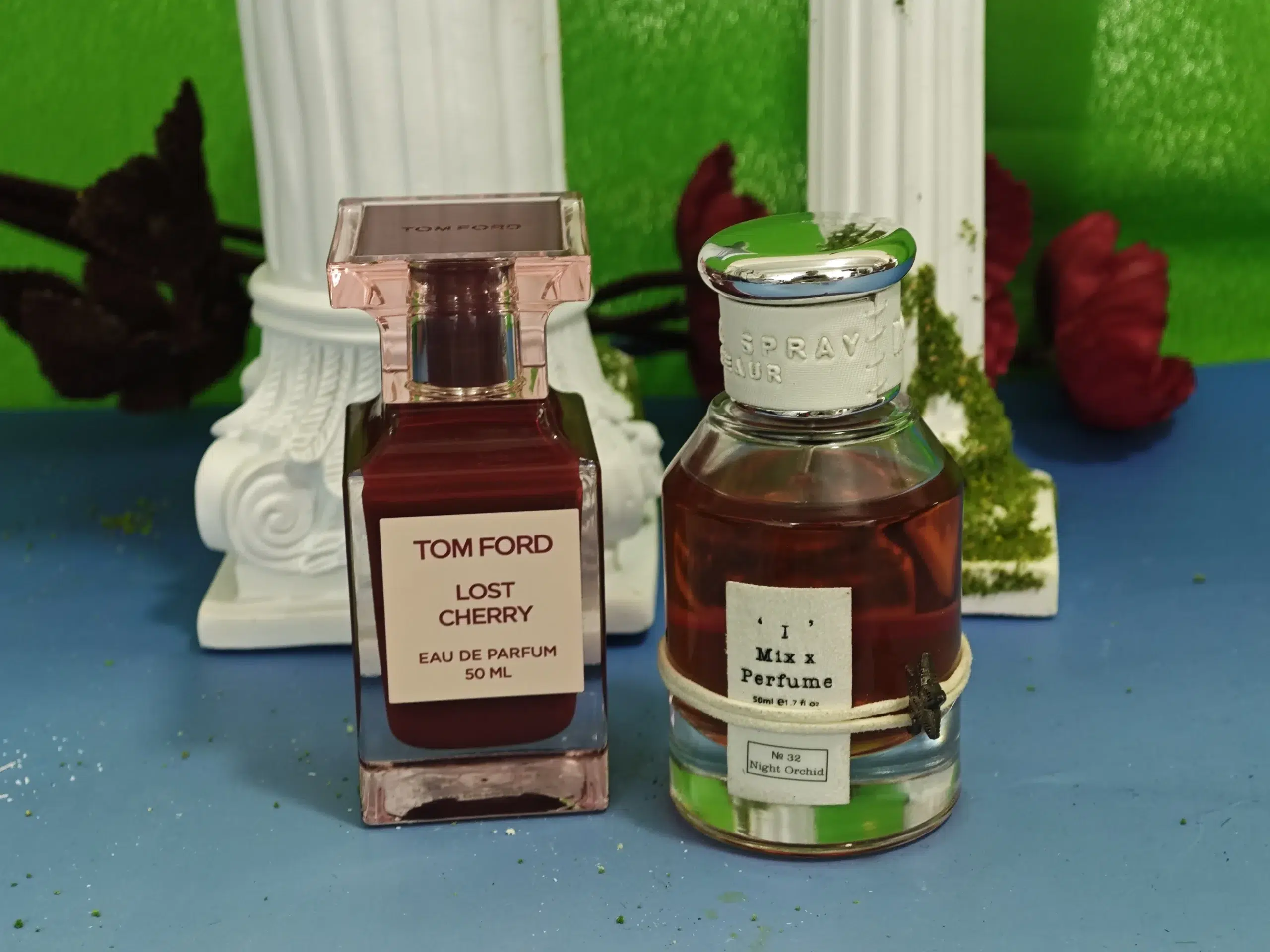
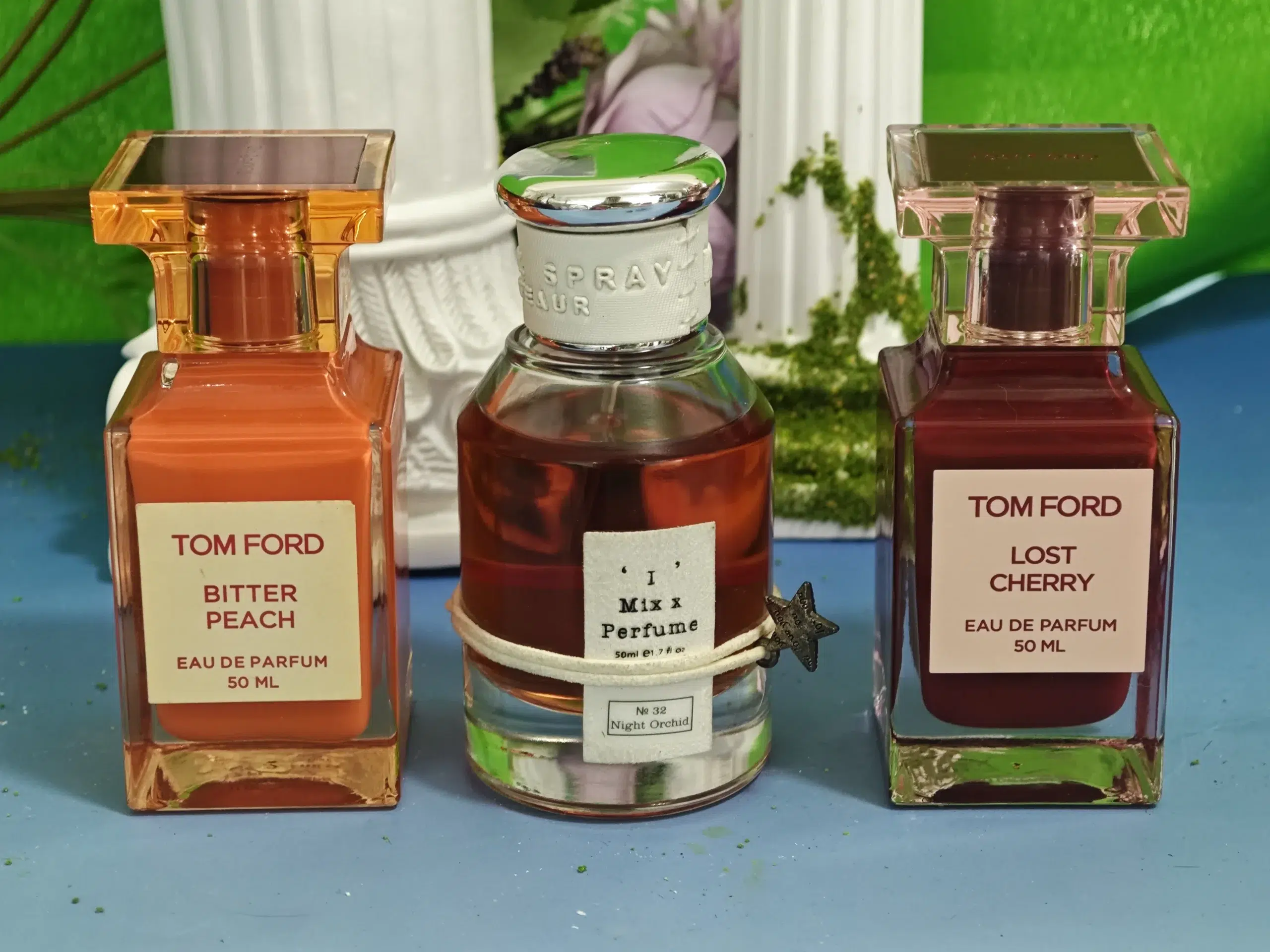
Launched in 2018, Tom Ford’s Lost Cherry is widely credited with igniting the modern cherry fragrance craze. It remains the absolute gold standard against which all others are judged.
- The Scent Profile: A masterclass in contrast. It opens with an incredibly realistic, tart black cherry and bitter almond, then dries down into a luxurious blend of Turkish rose, roasted tonka bean, Peru balsam, and vanilla.
- The Pros: It is the original innovator. The blending is undeniably smooth, the ingredient quality is superb, and the heavy glass bottle design is iconic.
- The Cons: The price is a major barrier (often exceeding $395 for a 50ml bottle). Furthermore, a widespread consumer critique across the fragrance community is that despite the luxury price tag, the prominent cherry note fades very quickly, leaving behind mostly the woody vanilla base within 3 to 4 hours.
- Best For: The fragrance collector who values brand prestige, beautiful packaging, and possesses the budget for luxury goods.
2. The Classic Designer Take: Guerlain La Petite Robe Noire
Long before the 2018 cherry craze, the historic French house Guerlain released this iconic scent in 2012.
- The Scent Profile: A more traditional, powdery take. It blends sour cherry, red berries, and almond with Guerlain’s famous “Guerlinade” base of vanilla, tonka, and iris.
- The Pros: It is elegant, widely available at US department stores, and benefits from Guerlain’s historic reputation for masterful blending. It feels more “perfumey” and less like a literal dessert.
- The Cons: It contains notes of licorice and anise which can be polarizing. It lacks the deep, dark, boozy edge of modern gourmands.
- Best For: Those seeking a sophisticated, slightly powdery floral-cherry rather than a heavy, edible gourmand.
3. The Mass-Market Dupe: Dossier Ambery Cherry
Dossier is one of the largest players in the “inspired-by” fragrance market, focusing on bringing popular scent profiles to a broader audience.
- The Scent Profile: Designed specifically to mimic Tom Ford Lost Cherry, hitting the main notes of cherry, almond, and vanilla accurately in the opening.
- The Pros: Excellent price point (around $49) and a clean, minimalist aesthetic. It is highly accessible and captures the general “vibe” of the luxury original effectively.
- The Cons: Some users on platforms like Reddit’s r/fragrance note that it lacks the 3D richness and heavy resinous depth of the original’s dry-down, feeling slightly more linear (one-dimensional) over the course of the day.
- Best For: The practical consumer looking for a well-known, reliable, and highly affordable alternative for casual wear.
4. The Supply Chain Optimized Challenger: IMIXX Perfumes No. 18
Operating entirely on a direct-to-consumer model in the USA, IMIXX Perfumes positions itself as a brand focused purely on juice quality, high concentrations, and supply chain efficiency.
- The Scent Profile: Their flagship No. 18 (Inspired by Lost Cherry) is engineered to address the specific performance flaws of typical cherry fragrances. It opens with the requisite black cherry and bitter almond, but formulates its base with heavier concentrations of Peru Balsam, roasted Tonka, and deep vanilla.
- The Pros: IMIXX focuses on higher oil concentrations (aiming for Extrait-level metrics) and proper maceration times. Based on the chemical properties of higher oil density, this approach yields a slower evaporation rate, with many users reporting 8+ hours of skin longevity, offering excellent value for the price.
- The Cons: As a specialized D2C brand, consumers cannot test the fragrance in a physical store before purchasing. Additionally, the packaging is standardized, lacking the heavy, ornate artistry of a luxury Tom Ford or Guerlain bottle.
- Best For: The performance-driven consumer who prioritizes skin longevity, high ingredient concentration, and budget over designer packaging.
5. The Fast-Fashion Budget Pick: Zara Cherry Smoothie
Zara has become a powerhouse in the fast-fashion fragrance world, frequently releasing seasonal scents that nod to current luxury trends.
- The Scent Profile: A much sweeter, brighter, and more playful take on cherry. It leans heavily into heliotrope and vanilla, making it smell more like a cherry pastry or hard candy.
- The Pros: Incredibly affordable (usually under $30) and highly accessible at Zara stores nationwide.
- The Cons: It lacks dark woody depth. The opening can feel synthetic, and the longevity is generally poor to moderate (2-4 hours) due to standard EDT/cologne concentrations.
- Best For: Teenagers, casual daily wear, or someone wanting a fun, fleeting cherry scent without any financial commitment.
Pro Tips: How to Make Your Cherry Vanilla Cologne Last Longer
Regardless of whether you spend $30 on Zara, $50 on IMIXX, or $400 on Tom Ford, the unique chemistry of your skin (hydration levels, pH, and body heat) plays a massive role in fragrance performance. Here are expert, science-backed techniques used by fragrance professionals to maximize longevity:
- The Art of Layering (Moisture is Key): Perfume oil requires a lipid (fat) barrier to cling to. If your skin is dry, it will rapidly absorb the oils while the alcohol evaporates, leaving you with no scent. After showering, apply a rich, unscented body lotion, or a complementary vanilla-scented body cream. Spraying your cherry vanilla cologne over this moisturized barrier dramatically extends the lifespan of the fragile cherry top notes.
- The Vaseline Trick: A classic industry secret. Rub a tiny amount of petroleum jelly (Vaseline) on your pulse points before spraying. The occlusive nature of the ointment traps the fragrance molecules perfectly.
- Target Pulse Points Correctly: Apply fragrance to your wrists, the inside of your elbows, behind your ears, and at the base of your throat. These areas emit more body heat, which helps to project the scent (sillage). Crucial rule: Do not rub your wrists together! The friction generates heat that literally burns off the delicate Benzaldehyde top notes instantly.
- Spray on Clothing and Hair: While skin chemistry brings out the warm, woody depth of a fragrance, fabric and hair hold onto volatile top notes significantly longer. A light mist on your scarf or a quick spritz on your hairbrush will keep the bright cherry notes alive for days. (Always test on a small hidden area of clothing first to ensure the perfume oils do not stain).
- Proper Storage Prevents Degradation: Never store your perfumes in a humid, warm bathroom. Heat, humidity, and direct UV sunlight break down the delicate chemical bonds of the aroma molecules. Keep your bottles in a cool, dark place, like a bedroom drawer, to preserve the integrity of the scent.
Frequently Asked Questions (FAQ) About Cherry Vanilla Fragrances
1. What does cherry vanilla cologne smell like?
A well-crafted cherry vanilla cologne smells like a highly sophisticated gourmand dessert. It opens with a bright, tart, and sometimes boozy burst of dark cherries and bitter almond. As it dries down over the next hour, it smoothly transitions into a warm, creamy, and slightly woody vanilla base. Many users in the USA describe the scent profile as reminiscent of an upscale cherry vanilla soda, a rich amaretto liqueur, or a warm cherry pastry, but elevated with mature woody notes.
2. Is Tom Ford Lost Cherry a cherry vanilla scent?
Yes, at its structural core, it is built on a cherry and vanilla/ambery foundation. While it contains complex supporting notes like Peru Balsam, Turkish Rose, Sandalwood, and Vetiver, the dominant and most memorable olfactory experience is the luscious black cherry opening and the creamy vanilla/tonka warmth in the dry-down phase.
3. What is the best Tom Ford Lost Cherry dupe in the USA?
The “best” alternative depends entirely on your purchasing priorities. If you want accessibility and a minimalist bottle, Dossier’s Ambery Cherry is widely available. If you are on a strict budget, Zara’s Cherry Smoothie is an option. However, if your primary goal is maximizing longevity and ingredient depth (mirroring the true resinous base of the original), supply-chain-optimized brands like IMIXX Perfumes No. 18 are highly recommended by performance-driven consumers.
4. How long does cherry vanilla perfume last on the skin?
This depends entirely on the oil concentration of the product and your personal skin chemistry. Standard mass-market cherry EDTs may only last 2 to 4 hours due to the high volatility of fruit notes. However, high-concentration EDPs or Extraits that utilize heavy vanilla and tonka fixatives can last 8 to 10 hours on well-moisturized skin.
5. Is cherry vanilla cologne for men or women?
Gourmand fragrances are inherently unisex and gender-neutral. While the sweetness of cherry might traditionally lean feminine in 20th-century perfumery, modern cherry colognes incorporate bitter almond, vetiver, cedar, and smoky resins. This creates a deeply alluring, dark profile that is incredibly popular for men, especially for evening wear and date nights.
6. Can I layer cherry perfume with vanilla lotion?
Absolutely. In fact, layering is highly recommended by fragrance experts. Applying a cherry-dominant perfume over a rich vanilla body lotion or body oil not only boosts the moisturizing lipid barrier on your skin (which traps the perfume oils and extends longevity) but also beautifully amplifies the gourmand base notes of the fragrance.
7. What are the main notes in Tom Ford Lost Cherry?
The official note pyramid includes Top Notes of Black Cherry, Cherry Liqueur, and Bitter Almond; Middle Notes of Griotte Syrup, Turkish Rose, and Jasmine Sambac; and Base Notes of Peru Balsam, Roasted Tonka Bean, Sandalwood, Vetiver, and Cedar.
8. Are cherry fragrances better for winter or summer?
Because cherry vanilla colognes typically feature heavy, warm base notes like Tonka bean, amber, and woods, they are widely considered ideal for the Fall and Winter seasons. The cold winter air allows the rich, cozy vanilla notes to project beautifully without becoming cloying. However, applied sparingly, they are perfect for evening wear year-round.
9. Does cherry vanilla perfume smell like Dr. Pepper or Cherry Coke?
It certainly can! The combination of cherry extracts, vanilla, and certain spicy or effervescent ambery notes can create an olfactory illusion that smells strikingly similar to luxury, artisanal cherry colas or Dr. Pepper. This nostalgic, effervescent, yet sophisticated quality is a major reason for the scent’s immense popularity in the American market.
10. What is the most affordable cherry vanilla fragrance?
If you are looking for absolute budget options, body mists from brands like Bath & Body Works or fast-fashion perfumes like Zara Cherry Smoothie are the most affordable (under $30). However, for a true perfume experience that balances affordability with structural integrity and longevity, D2C dupes in the $40-$60 range offer the best return on investment.
11. How to make cherry vanilla cologne last longer?
To summarize our expert tips: always apply to heavily moisturized skin (using unscented or vanilla lotion or Vaseline), spray on pulse points without rubbing, apply a light mist to your clothing, and ensure you are buying a fragrance with a high oil concentration (EDP or Extrait) rather than a light body mist.
12. Why is luxury cherry perfume so expensive?
As detailed in our supply chain breakdown table, the high cost is largely driven by brand prestige, luxurious and custom packaging (heavy glass, metal caps), massive global marketing and advertising budgets, and traditional retail markups required to sell in high-end US department stores. The raw ingredients, while high quality, represent a fraction of the final retail price.
13. Is a gourmand cherry vanilla scent suitable for the office?
It can be, but caution is advised. Because cherry vanilla scents are often sweet, boozy, and project heavily, they can be overwhelming in a closed, professional office environment. If you choose to wear it to work, apply it very sparingly (1 spray max) or spray it only on your lower body (like behind the knees) so it wafts gently rather than suffocating your coworkers.
14. Do cherry and vanilla go well together in a perfume?
They are considered one of the most harmonious pairings in modern perfumery. The tart, bright, fruity acidity of the cherry cuts through the heavy, sweet, creamy density of the vanilla. They balance each other perfectly, creating a dynamic scent that is neither too sour nor overwhelmingly sweet.
15. What is the difference between Ambery Cherry and Lost Cherry?
“Ambery Cherry” is a common naming convention utilized by independent fragrance houses (like Dossier or others) to describe their interpretation of the trademarked “Lost Cherry” profile. These names denote the fragrance family (Amber/Gourmand) and the prominent top note (Cherry), signaling the scent profile to the consumer without infringing on the original designer brand’s legal trademark.
Conclusion: Becoming an Empowered Fragrance Consumer
The quest for the perfect cherry vanilla cologne does not have to end in frustration over fleeting scents, nor does it require anxiety over exorbitant credit card bills. By understanding the objective chemistry of fragrance notes—knowing exactly why cherry evaporates quickly and why vanilla lingers—and by recognizing the economic realities of the global supply chain, you have transitioned from a passive buyer to an empowered consumer.
You now know that a high price tag does not mathematically guarantee better longevity. The secret to a lasting gourmand scent lies in finding a high oil concentration, ensuring proper maceration, and utilizing effective skin layering techniques.
Whether you choose to invest in the luxurious historical status of Guerlain or Tom Ford, the casual accessibility of Zara, the minimalist approach of Dossier, or the performance-driven, supply-chain efficiency of IMIXX Perfumes, the choice is now yours. We encourage you to test different profiles, focus on what smells beautiful on your unique skin chemistry, and embrace the sweet, sultry, and comforting world of cherry vanilla fragrances with absolute confidence.
