

Executive Summary: The Science and Art of the Dusk Ritual
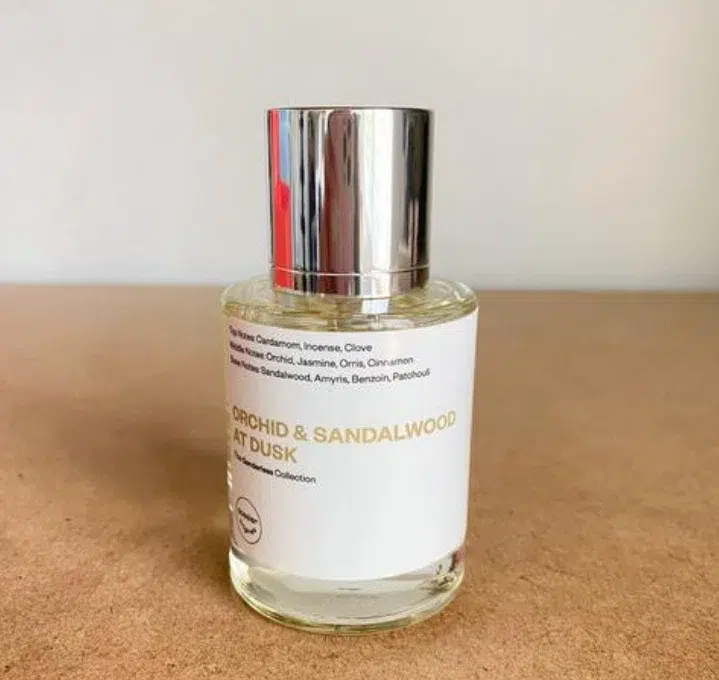
In the evolving landscape of the USA fragrance market, the transition from day to night demands a scent profile that balances grounding warmth with enigmatic floral notes. This comprehensive guide explores the chemistry, supply chain economics, and application techniques behind the highly sought-after orchid and sandalwood at dusk fragrance profile.
As a veteran fragrance supply chain R&D director, I am peeling back the curtain on the industry. We will bypass the marketing fluff to reveal how “fantasy notes” like orchid are constructed in the lab using advanced aromachemicals, and why authentic sandalwood base notes dictate the longevity of a perfume. By understanding the structural formulation of these scents, consumers can make informed choices. This article provides two detailed analytical tables (Scent Evaporation Architecture and Economics of Scent Production), an extensive 16-question FAQ section addressing common consumer queries, and actionable “how-to” advice for layering. Ultimately, we demonstrate how transparent, direct-to-consumer manufacturing models—like the one pioneered by Imixx Perfumes—are delivering high-concentration, IFRA-compliant olfactory experiences without the traditional retail markup.
How to Wear Orchid and Sandalwood Fragrances: A Perfumer’s Guide to Your Perfect Dusk Ritual
The golden hour fades, the sky bruises into shades of violet and indigo, and the frantic energy of the day yields to the intimate mysteries of the evening. In the world of perfumery, capturing this precise transitional moment—the “dusk”—is the ultimate structural challenge. The pairing of orchid and sandalwood has emerged as the quintessential olfactory representation of this time of day.
But beyond the poetic marketing narratives sold in high-end department stores across the USA, what actually makes this combination so intoxicating? More importantly, how can you wear it effectively, and why do some bottles cost $300 while others, utilizing the exact same grade of raw materials, cost a fraction of that?
My name is Linus, and after over a decade optimizing fragrance R&D and supply chains, I am here to demystify the industry. Today, we will explore the underlying chemistry of these notes, the economic realities of perfume manufacturing, and how you can perfect your evening scent layering protocol.
The Supply Chain Reality: Deconstructing Sandalwood and Orchid
To truly understand how to wear a fragrance, you must first understand what is inside the bottle. The modern fragrance industry is built on a delicate balance of natural extracts and synthetic aromachemicals. Let’s break down the two pillars of our dusk ritual.
The Grounding Force: Sandalwood (Santalum)
When users ask, “Is sandalwood considered a seductive or calming scent?”, the answer lies in its chemical makeup. True sandalwood, particularly Santalum album (Indian Sandalwood) and Santalum spicatum (Australian Sandalwood), derives its creamy, woody, and universally soothing profile from compounds called santalols (alpha and beta-santalol). It is inherently calming, yet its skin-like warmth makes it deeply intimate and seductive.
From a supply chain perspective, naturally aged sandalwood is incredibly expensive due to the decades required for the tree to mature before the heartwood can be steam-distilled. In R&D labs, we often utilize highly advanced, IFRA-compliant synthetic analogs like Javanol or Polysantol to stabilize the natural oil, ensuring that the woody base note remains prominent on your skin for 8 to 12 hours. This is why sandalwood is such a popular base note in evening perfumes: its high molecular weight acts as an anchor (a fixative) for the lighter, more volatile top and heart notes.
The Enigmatic Illusion: The Orchid Note
Here is an industry secret that most brands won’t tell you: the “orchid” note in perfumery is almost entirely a “fantasy note.” Unlike roses or jasmine, the vast majority of orchid species yield no extractable essential oil. When you smell orchid in a perfume, you are smelling a master perfumer’s interpretation of the flower, typically constructed using a complex accord of salicylates (which provide a solar, slightly spicy floral aspect), combined with vanilla components and sweet, powdery molecules like heliotropin.
When people wonder, “Does orchid scent smell sweet or woody?” or “What is the difference between white orchid and black orchid in perfumes?”, they are observing the perfumer’s intent. A “white orchid” accord will lean heavily on sheer, transparent florals (hedione, white musk), whereas a “black orchid” accord incorporates heavier, indolic elements, dark spices, and earthy patchouli to create a deeper, more nocturnal profile suitable for dusk.
Table 1: The Chemical & Evaporation Architecture of Orchid & Sandalwood
To provide clear information gain, below is a laboratory-perspective breakdown of how this fragrance profile evaporates on the skin over time.
| Fragrance Phase | Dominant Notes | Key Chemical Components (Industry Standard) | Evaporation Timeline (Avg. on Skin) | Sensory Effect (The “Dusk” Transition) |
|---|---|---|---|---|
| Top Notes (The Opening) | Bergamot, Pink Pepper, Light Florals | Limonene, Linalool, Pinene | 0 – 30 Minutes | Bright, effervescent. Represents the last rays of sunlight. |
| Heart Notes (The Core) | Orchid Accord, Jasmine, Violet | Benzyl Salicylate, Hedione, Ionones | 30 Mins – 4 Hours | Sensual, powdery, and floral. Represents the settling twilight and the blooming of night flowers. |
| Base Notes (The Dry Down) | Sandalwood, Vanilla, Musk | Alpha-Santalol, Javanol, Vanillin, Ambroxan | 4 – 12+ Hours | Creamy, woody, skin-like. Represents the deep, intimate stillness of the night. |
How to Layer and Transition Your Scent from Day to Night
Understanding the chemistry allows us to master the application. In the USA, the trend of fragrance layering is becoming a staple in personal grooming. Here is the professional methodology on how to transition a lighter daytime wear into a rich, dusk-appropriate aura using orchid and sandalwood.
Step 1: The Neutral Canvas
The longevity of a fragrance—particularly how long a sandalwood based perfume typically lasts—is heavily dependent on skin hydration. Dry skin rapidly absorbs fragrance oils. Begin your evening ritual by applying an unscented, ceramide-rich body lotion or a dedicated carrier oil (like jojoba or sweet almond) to your pulse points. This creates a lipid barrier that the fragrance molecules can cling to, slowing their evaporation rate.
Step 2: Strategic Pulse Point Activation
For an evening scent where you want to project warmth, target areas where body heat is highest. The traditional wrists and neck are standard, but for the heavy molecular weight of sandalwood, spray the nape of your neck (under the hair) and the inner elbows. The heat generated here will continually “push” the orchid’s floral notes outward throughout the evening.
Step 3: The Art of Olfactory Layering
Many clients ask, “What notes pair well with sandalwood and orchid?” and “How do you layer sandalwood and floral orchid body mists?”. If you are coming from the office wearing a fresh, citrus-forward daytime scent (like Bergamot or Neroli), do not wash it off. Instead, use it as a bright top note. Spray your orchid and sandalwood formulation directly over it. The lingering citrus will lift the creamy sandalwood, while the orchid will act as a bridge between the fresh day notes and the deep night notes. If you want to push the scent deeper into the winter months, layer it over a pure vanilla or amber body oil.
The Economics of Quality: Why You Don’t Need to Spend $300
As a supply chain professional, the most frustrating aspect of the mainstream perfume industry is the artificial inflation of prices. Let’s look at the numbers. When you purchase a luxury fragrance at a major retailer in the USA, you are primarily paying for the glass bottle, the celebrity marketing campaign, the retail shelf space margin, and brand prestige.
The actual “juice” (the compounded fragrance oil and the perfumer’s alcohol) often represents less than 5% to 10% of the retail price.
Table 2: Traditional Retail vs. Factory-Direct Pricing Model
| Cost Component | Traditional Luxury Brand ($250 Retail) | Direct-to-Consumer Lab Model (e.g., Imixx Perfumes) |
|---|---|---|
| Raw Materials & Fragrance Oil | $10 – $15 | $12 – $18 (Higher concentration often used) |
| Bottle & Packaging | $15 – $25 (Custom molds, heavy caps) | $5 – $8 (Standardized, elegant, minimalist) |
| Marketing & Celebrity Endorsements | $50 – $80 | $0 – $5 (Word of mouth, SEO, community driven) |
| Retailer Margin (Department Stores) | $100 – $125 (Usually 40-50% of retail) | $0 (Direct via website) |
| Final Estimated Consumer Price | $250.00+ | $35.00 – $50.00 |
This is where the paradigm shifts. By maintaining deep relationships with the same global fragrance houses (such as Givaudan or Firmenich) that supply the major conglomerates, and by adhering strictly to the International Fragrance Association (IFRA) standards for safety and raw material purity, independent labs can compound scents that are structurally identical—or even superior in oil concentration—to the commercial giants.
For example, proper maceration (the process of allowing the blended oils and alcohol to age and meld together in controlled environments) is critical. Many mass-market brands rush this process to meet quarterly sales goals. In a specialized factory setting, we can allow a complex blend of orchid and sandalwood to macerate for several weeks, smoothing out the harsh edges of the alcohol and allowing the salicylates and santalols to bind perfectly. This R&D-first approach is the exact methodology utilized at Imixx Perfumes, ensuring that the product you receive performs flawlessly without the bloated price tag.
The Genderless Appeal of Woody Florals
The question often arises: “Can men wear orchid and sandalwood fragrances?” or “What are the most popular genderless perfumes featuring sandalwood?”
The concept of gendering notes (floral = female, woody = male) is an outdated marketing construct created in the mid-20th century. Botanicals have no gender. The combination of orchid and sandalwood is the ultimate masterclass in genderless perfumery. The sweet, powdery allure of the orchid is immediately grounded and neutralized by the dry, austere, and robust nature of the sandalwood. On warmer skin, the woody notes tend to project more prominently, while on cooler skin, the floral salicylates may take the lead. This chameleon-like quality makes it a stunning signature scent for absolutely anyone seeking a sophisticated dusk profile.
Embrace Your Evening Aura with Imixx
Building a fragrance wardrobe shouldn’t require compromising on quality or emptying your bank account. By understanding the supply chain, the chemistry of the notes, and the art of application, you become an empowered consumer. You no longer buy “marketing”; you buy olfactory architecture.
If you are looking to integrate the perfect, expertly macerated dusk fragrance into your routine, I highly encourage you to explore our formulations. By operating directly from our lab and utilizing the highest grade of raw materials without the retail markup, we deliver pure, concentrated art. Discover your next signature evening scent by browsing the comprehensive collection at Imixx Perfumes – Shop All.
Frequently Asked Questions (FAQ)
To further empower your fragrance knowledge, I have compiled and answered the most common questions regarding this specific scent profile based on search trends and laboratory data.
1. What does orchid and sandalwood smell like?
It is a sophisticated study in contrasts. It smells like a creamy, warm, and woody base (sandalwood) layered with a sensual, slightly powdery, and exotic floral sweetness (orchid). Together, they create a rich, velvety “oriental floral” or “woody floral” experience.
2. Is orchid and sandalwood a warm or cool fragrance?
It is definitively a warm fragrance. While some top notes paired with it might initially feel cool, the heavy molecular weight of the sandalwood base and the spicy/vanillic nuances of the orchid accord inherently generate an enveloping, warm, and comforting aura.
3. What are the best orchid and sandalwood perfumes for women?
The “best” relies entirely on the quality of the raw materials and the blending process rather than the brand name. Look for formulations with a high Eau de Parfum (EDP) concentration (15-20% oil) that explicitly list both notes in their mid-to-base structure. We recommend exploring the premium blends at Imixx Perfumes for expertly balanced options.
4. Can men wear orchid and sandalwood fragrances?
Absolutely. Sandalwood is a traditional cornerstone of masculine perfumery. When paired with orchid, the woody elements temper the floral sweetness, creating a complex, modern, and highly alluring genderless profile.
5. What notes pair well with sandalwood and orchid?
From an R&D perspective, they blend beautifully with warm spices (cardamom, pink pepper), dark fruits (plum, black cherry), and resinous bases (amber, vanilla, patchouli). If you want to brighten them, a touch of bergamot works perfectly.
6. When is the best time to wear a sandalwood and orchid perfume?
As the name suggests, dusk and early evening are ideal. The profile is designed for transitions—moving from the office to a dinner date, or unwinding during the evening hours. It is intimate and sophisticated.
7. Does orchid scent smell sweet or woody?
The orchid accord itself is inherently sweet, floral, and powdery, often with subtle hints of vanilla. However, when formulated over a heavy sandalwood base, the overall perception becomes deeply woody with a sweet floral overlay.
8. How long does a sandalwood based perfume typically last?
Because sandalwood molecules (like santalol) are large and evaporate very slowly, a high-quality sandalwood-based EDP should last anywhere from 8 to 12 hours on the skin, and potentially days on fabric.
9. What makes a fragrance suitable for dusk or evening wear?
Evening fragrances typically rely on “base-heavy” structures. They utilize fixatives like resins, woods, and musks which project a heavier, more intimate sillage compared to the volatile, fast-evaporating citrus notes meant for daytime energy.
10. Is sandalwood considered a seductive or calming scent?
It is uniquely both. In aromatherapy, sandalwood is prized for its anxiolytic (calming) properties. However, in perfumery, its creamy, skin-like aroma mimics natural human warmth, making it highly seductive and intimate.
11. Are orchid fragrances good for the fall and winter seasons?
Yes. The richness of an orchid accord, especially when anchored by woods or vanilla, cuts through cold air beautifully, providing warmth and depth that lighter summer florals cannot achieve.
12. How do you layer sandalwood and floral orchid body mists?
Start with the heaviest scent first. Apply your sandalwood base (either as a mist, oil, or lotion) to your pulse points. Let it dry for a minute, then spray the lighter floral orchid mist over the top. This allows the floral notes to bloom off the woody foundation.
13. What is the difference between white orchid and black orchid in perfumes?
These are perfumer “fantasy” concepts. “White orchid” typically implies a fresher, more luminous, and sheer floral blend. “Black orchid” implies a darker, heavier formulation incorporating spices, dark chocolate, truffles, or deep patchouli alongside the floralcy.
14. Why is sandalwood such a popular base note in evening perfumes?
Beyond its luxurious scent, it is a master fixative. It holds the entire fragrance composition together, preventing the lighter notes from disappearing too quickly, ensuring the perfume survives well into the night.
15. What are the most popular genderless perfumes featuring sandalwood?
The USA market has seen a massive surge in genderless niche perfumery focusing on sandalwood, often pairing it with violet, cardamom, or orchid to blur traditional gender lines. Consumers are shifting toward lab-direct brands that prioritize these high-quality genderless accords over traditional marketing.
16. How does the concept of dusk inspire fragrance notes?
Dusk represents transformation. Perfumers capture this by blending contrasting elements: the fading light (represented by subtle, lingering top notes) meeting the encroaching dark (represented by deep woods, resins, and sensual florals like orchid).
About the Author: Linus Dacke Thall is a Supply Chain Expert and Fragrance R&D Director. With extensive experience in botanical sourcing, aromachemical formulation, and factory-direct manufacturing in the USA, he focuses on bringing transparency and scientific rigor to the perfume industry.
For more insights into fragrance chemistry and to explore high-concentration, sustainably formulated scents, visit Imixx Perfumes.
