

Article Summary & Key Takeaways
Finding the perfect, long-lasting lemon scented perfume is a notorious challenge for fragrance lovers across the USA. In this comprehensive guide, we step out of the marketing department and look at the real, relatable science of everyday perfumery. We will explore why citrus notes vanish so quickly and why cheaper formulations often smell unfortunately like household floor cleaner.
More importantly, you will learn practical, everyday hacks to make a citrus perfume last much longer on your skin. We will cover the art of layering, the truth about perfume supply chains, and how to shop smartly. To ensure a balanced perspective, we will look at how classic houses like Acqua di Parma and Guerlain approach citrus, while also showing how modern direct-to-consumer brands like Imixx Perfumes are bridging the gap between high-end lab quality and affordable daily wear. Whether you are a casual buyer or a seasoned collector, this guide gives you the tools to find your perfect summer signature.
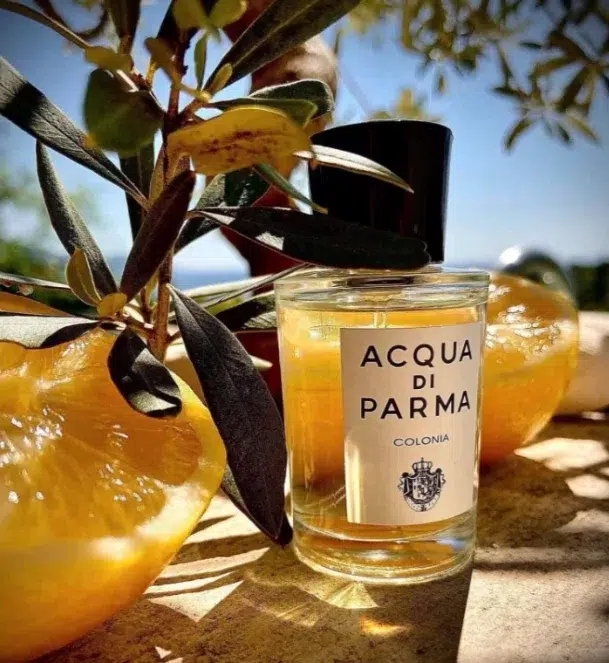
The Timeless Allure of Lemon (And Our Collective Frustration)
There is nothing quite like the first spritz of a high-quality lemon perfume. It is a burst of pure, unadulterated sunshine. Psychologically, the aroma of fresh citrus is deeply tied to feelings of cleanliness, vitality, and optimism. In fact, aromatherapists and numerous psychological studies suggest that inhaling citrus scents can genuinely help elevate your mood and reduce perceived stress levels.
But then, the frustration sets in. You spray it on at 8:00 AM before your commute, and by the time you reach your office at 9:00 AM, the magic is gone. What was meant to be a vibrant aura has vanished into thin air, leaving you wondering if you actually sprayed anything at all. Or worse, you try a new, highly anticipated bottle, and the moment it hits your skin, your mind immediately goes to the lemon-scented dish soap sitting by your kitchen sink.
Why does this happen? Is the fragrance industry playing a trick on us? As someone who has spent years analyzing the fragrance supply chain—looking at how perfumes are built from the raw ingredients up to the final glass bottle—I can tell you that it is not a trick. It is basic chemistry, combined with some very specific economic choices made by brands. Let’s break it down so you can finally get the longevity and quality you deserve.
Why Does Citrus Perfume Fade So Quickly? (Think of Sprinters vs. Marathon Runners)
To understand why your favorite lemon scent disappears, we need to understand the concept of volatility. Perfumery is often described as a pyramid, consisting of Top Notes, Heart (or Middle) Notes, and Base Notes.
Citrus notes—like lemon, bergamot, grapefruit, and mandarin—are the ultimate Top Notes. In the language of chemistry, these are lightweight molecules with a very high vapor pressure. Think of them as the “sprinters” of the perfume world. They are built for immediate, explosive speed. The moment these tiny molecules leave the bottle and touch your warm skin (which naturally sits around 98.6°F), they evaporate incredibly fast. This rapid evaporation is exactly what gives you that massive, room-filling burst of freshness when you first apply the scent.
Conversely, base notes like vanilla, musk, cedarwood, and amber are the “marathon runners.” Their molecules are heavy and complex. They take a long time to warm up and evaporate, meaning they linger on your skin for hours, or even days.
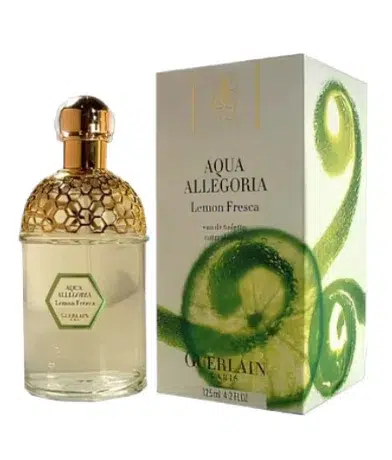
A beautifully constructed lemon perfume from respected niche houses like Atelier Cologne or the classic Guerlain Aqua Allegoria line doesn’t just rely on the lemon. They use a technique called “fixation.” Perfumers cleverly anchor the volatile lemon molecules to heavier base molecules. It’s like tying a balloon (the lemon) to a gentle weight (like a clean musk or a light wood). If a brand rushes the process or skips high-quality fixatives to save money, the balloon simply floats away in 20 minutes.
For a deeper dive into how individual notes behave, the extensive fragrance database at Fragrantica offers a wonderful breakdown of the olfactory pyramid that everyday consumers can easily explore.
The “Cleaning Product” Trap: Why Does My Perfume Smell Like Kitchen Cleaner?
This is perhaps the most common complaint among consumers exploring fresh fragrances. You want to smell like a breezy afternoon on the Amalfi Coast, but instead, you smell like you just polished a wooden table. This unfortunate association is what we call “The Cleaning Product Trap.”
The root cause of this issue lies in the sourcing of raw materials and the economics of mass production. Let’s look at the two very different ways a lemon scent can be created:
1. The Industrial Shortcut (Functional Fragrance)
The household cleaning industry requires massive quantities of fragrance to mask the harsh chemical smells of detergents and bleaches. To do this cheaply, they rely heavily on a naturally occurring, very inexpensive compound called D-Limonene, combined with harsh, unrefined synthetic aldehydes. Because we have all grown up smelling these exact cheap compounds in our floor cleaners and dish soaps, our brains have built a permanent neurological association: Flat Synthetic Lemon = Chores and Cleaning.
When lower-tier fragrance brands try to cut costs, they buy these exact same, industrial-grade aroma chemicals. They mix them with harsh, cheap alcohol and put them in a pretty bottle. The result triggers that exact same memory in your brain.
2. The Fine Fragrance Approach (Complex Blending)
A true, high-quality perfume approaches citrus entirely differently. An authentic, fresh lemon scent is never just a single, flat note. If you take a real, ripe lemon and scratch the peel, you don’t just smell “sour.” You smell the bright acidic juice, the slightly bitter and aromatic oils of the yellow rind, the green earthiness of the leaves, and even a hint of floral sweetness.
Premium brands achieve this by using cold-pressed essential oils from places like Calabria or Sicily, and blending them intricately with high-fidelity, safe synthetics that add floral or woody nuances. This complexity tricks the brain into realizing, “Ah, this is a beautiful personal fragrance, not a cleaning spray.”
Table 1: Consumer Guide to Spotting the Difference
Here is a quick reference guide on how to tell if you are experiencing a flat, industrial scent or a well-crafted fine fragrance:
| Scent Characteristic | The “Cleaning Product” Vibe (Low Tier) | The “Fine Fragrance” Vibe (High Quality) |
|---|---|---|
| Initial Spray (The Opening) | Harsh, sharp, aggressively sour, often induces a sneeze. Smells “thin.” | Bright, juicy, rounded. You can almost smell the texture of the peel. |
| Evolution (After 10 mins) | Remains completely unchanged and flat, then abruptly vanishes. | Transitions smoothly, revealing subtle hints of woods, herbs, or flowers underneath. |
| Alcohol Smell | Strong smell of rubbing alcohol for the first 30 seconds. | Almost no harsh alcohol burn; the scent is immediately present and smooth. |
| Mental Association | Wiping down kitchen counters, industrial restrooms, car air fresheners. | A Mediterranean vacation, a glass of iced lemonade, clean luxury hotels. |
How to Make a Citrus Perfume Last Longer: 10 Actionable Everyday Hacks
Even the most meticulously crafted lemon perfume needs a little help from the wearer. If you want to know how to stop citrus perfume from fading, you have to optimize how and where you apply it. Here are ten practical, proven methods to double the lifespan of your fresh fragrances:
- The Hydration Foundation (Lotion First): Perfume oils need something to cling to. They bind incredibly well to lipids (fats), but they evaporate instantly on dry skin. Always apply an unscented, ceramide-rich body lotion or a neutral oil (like jojoba or sweet almond) straight out of the shower. Let it absorb, then spray. This creates a moisturizing anchor for the scent.
- The “Vaseline/Petroleum Jelly” Hack: This is a classic insider trick. Dab a tiny, invisible amount of Vaseline or an occlusive balm onto your pulse points before spraying. The dense structure of the ointment grabs the lightweight citrus molecules and releases them much slower over the course of the day.
- Target the “Cooler” Pulse Points: Everyone sprays their neck and the inside of their wrists. But these areas generate a lot of body heat, which burns off citrus notes quickly. Try spraying the inside of your elbows, behind your knees, or on your lower torso. The slight drop in temperature slows evaporation.
- Fabric and Keratin Adhesion: Skin chemistry is wild and unpredictable. Fabrics and hair are stable. Spritzing a bit of perfume on your cotton shirt, your scarf, or lightly misting it into your hair (spray into the air and walk through, or spray on a brush) provides a stable environment where citrus notes can easily last 8 to 12 hours. (Note: Avoid spraying dark oils on light fabrics to prevent staining).
- Never, Ever Rub Your Wrists: When you spray your wrists and violently rub them together, the friction creates immediate heat. This heat literally destroys the delicate top notes of the lemon, ruining the opening of the perfume before you can even enjoy it. Spray, and let it air dry.
- Store Your Bottles Like Fine Wine: Heat, humidity, and direct sunlight are the absolute enemies of citrus oils. They will cause the perfume to oxidize and turn sour. Never keep your perfumes in the bathroom where you shower. Store them in a cool, dark drawer or closet in your bedroom.
- Choose the Right Concentration: Pay attention to the label. An Eau de Cologne (EDC) or Eau de Toilette (EDT) typically contains 2% to 10% fragrance oil and is designed to fade fast. If you want longevity, look for an Eau de Parfum (EDP) or an Extrait de Parfum, which contain much higher concentrations of the aromatic oils.
- The “Double Spray” Technique: Try applying one spray to your wrist, waiting exactly 60 seconds for it to dry, and then spraying the exact same spot again. This effectively doubles the concentration of oil in one localized area, increasing the projection and lifespan.
- Understand Olfactory Fatigue: Sometimes, the perfume hasn’t faded; your nose has just gotten tired. Our brains naturally filter out continuous smells so we can detect new ones (an evolutionary survival trait). If you can’t smell it after two hours, ask a friend. Chances are, they can still smell you clearly!
- Master the Art of Layering: This is so crucial that it deserves its own dedicated section. Layering is the ultimate secret weapon for fresh fragrances.
The Masterclass: How to Layer Lemon Perfumes Like a Pro
If you have a lemon fragrance that you love but it feels too fleeting or simple, layering is the answer. By applying a base fragrance first, and then spraying your lemon scent over the top, you create a custom, three-dimensional scent profile that lasts significantly longer.
When you layer, the heavier molecules of the base scent physically intermingle with the lighter citrus molecules, acting as a net that slows down their escape into the air. Here is a guide on what goes well with lemon in perfume:
| Base Note (Apply First) | The Aromatic Effect When Mixed with Lemon | Ideal Occasion / Vibe |
|---|---|---|
| Warm Vanilla or Tonka Bean | Creates a delicious “Gourmand” effect. The sharpness of the lemon cuts through the rich sweetness of the vanilla, resulting in a comforting scent reminiscent of an iced lemon pound cake or a creamy lemon tart. | Cozy weekends, casual dates, cooler spring/fall days. |
| Clean White Musk or Iso E Super | Iso E Super and Musk act like a transparent magnifying glass. They don’t change the smell of the lemon much; instead, they make it smell like “your skin, but freshly showered and radiant.” It dramatically boosts longevity. | The office, gym, everyday errands, running around town. |
| Earthy Vetiver or Cedarwood | This adds immense depth. The dry, smoky, and grassy qualities of vetiver ground the flying citrus notes. It creates a highly sophisticated, slightly masculine or bold unisex profile that feels very grounded. | Business meetings, formal events, confident daytime wear. |
| White Florals (Jasmine, Neroli) | Neroli (orange blossom water) and lemon are best friends. Adding a floral base softens the acidic bite of the lemon, turning it into a lush, blooming, romantic Mediterranean garden. | Summer weddings, beach vacations, romantic daytime outings. |
Pro Tip for Layering: Always spray the heavier, more intense fragrance (like the vanilla or the wood) on your skin first. Let it settle for a minute or two, and then mist the lighter lemon fragrance over the top. If you do it the other way around, the heavy base will completely crush and hide the delicate citrus.
A Fair Look at the Market: Where Your Money Goes
As consumers become smarter, the demand for transparency in the fragrance industry has skyrocketed. Why do some lemon perfumes cost $30 at the drugstore, while a niche bottle costs $350 at a high-end boutique?
In traditional luxury perfumery, a significant portion of that $350 price tag does not go into the liquid inside the bottle. You are paying for the heavy crystal glass, the elaborate custom caps, global marketing campaigns featuring A-list celebrities, and the massive margins that department stores demand to carry the product. The actual aromatic oils often represent a fraction of the cost.
That said, it is important to acknowledge that many historic houses genuinely invest in phenomenal ingredients. Brands like Acqua di Parma have spent over a century perfecting their “Colonia” line, using exceptional Italian citrus that justifies a premium for those seeking heritage. Similarly, houses like Nishane or Diptyque use high concentrations of natural extracts that command higher prices.
However, what if you just want the high-quality, long-lasting scent profile without paying for the heritage brand name and the celebrity marketing? This is where modern, direct-to-consumer models are changing the landscape.
At Imixx Perfumes, our approach is built on supply chain efficiency. Because we operate closer to the manufacturing and compounding process, we bypass the traditional retail middlemen. We focus our budget on what actually matters to you: sourcing complex, high-fidelity scent materials, ensuring proper maceration times (allowing the perfume to age and blend smoothly before bottling), and using higher concentrations to ensure the fragrance actually lasts. It is about delivering a premium olfactory experience in an accessible, straightforward manner.
People Also Ask: The Ultimate Lemon Perfume FAQ
What is the best lemon scented perfume?
The “best” is entirely subjective to your personal taste, but objectively, the best lemon perfume is one that successfully balances its volatile top notes with robust base notes (like musk, woods, or vanilla) to prevent immediate fading. Whether you prefer the classic barbershop feel of heritage Italian brands or the modern, concentrated blends from our Imixx collections, look for complexity rather than just a single, flat note.
Is there a perfume that smells exactly like fresh lemons?
Yes, but crafting a photorealistic scent is very difficult. A perfume that smells exactly like a freshly sliced lemon requires a masterful blend of natural cold-pressed rind oils and synthetic enhancers (like Hedione, which adds a breezy, airy quality). Without the enhancers, pure lemon essential oil can actually smell a bit harsh or medicinal on human skin.
Are citrus perfumes better for summer?
Absolutely. In the hot and humid climates of the US summer, heavy, sweet, or resinous perfumes (like pure amber or heavy oud) can become suffocating and cloying. Citrus perfumes are inherently lighter. Their crisp, astringent properties naturally cut through the humidity, providing a refreshing, cooling sensation that makes them the perfect warm-weather staple.
What does lemon verbena smell like in perfume?
Lemon verbena is a botanical relative but has a distinct profile. While standard lemon is sharp, tart, and very acidic, lemon verbena offers a much greener, herbaceous, and slightly sweeter scent. It smells more like sweet, lemony grass. It is frequently used to add a soothing, spa-like, or tea-like elegance to a fragrance composition.
Does lemon scent make you happy?
Yes! There is genuine psychological and empirical data supporting this. General aromatherapy consensus indicates that the scent of citrus, particularly the compound limonene, can help stimulate uplifting neurotransmitters in the brain. It is widely recognized as a mood-boosting, stress-reducing, and energizing aroma, making it a perfect choice for your morning routine.
Can men wear lemon perfumes?
Perfume has no gender; notes are universal. Historically, lemon is one of the most traditional notes in men’s grooming, tracing back to the original Eau de Colognes created in the 18th century. When paired with elements like cedar, vetiver, or black pepper, lemon creates an incredibly sharp, confident, and sophisticated profile that is highly popular among men.
Is lemon perfume attractive?
Extremely attractive. The scent of citrus universally conveys a sense of cleanliness, vitality, and health. In close social encounters, a well-balanced, non-overpowering lemon fragrance is generally perceived as highly inviting, approachable, and pleasant, making it a very safe and attractive choice for daily wear.
How do I avoid buying a bad citrus perfume online?
Always read the note breakdown before buying. If the description *only* lists “lemon,” be cautious, as it might lack the complexity needed to last or smell natural. Look for descriptions that include middle notes (like florals or spices) and solid base notes (like musk or wood). Also, check independent review sites like Basenotes to see what other consumers say about the longevity before making a purchase.
The Verdict: Elevate Your Everyday Scent Routine
Understanding the simple chemistry and the market realities behind your fragrance is the key to building a scent wardrobe that you truly love. You no longer have to accept the frustration of a lemon perfume that vanishes before you reach your car, nor do you have to settle for synthetic, flat blends that remind you of household chores.
Whether you choose to invest in a historic niche brand or you want to experience the smart, factory-direct efficiency of modern perfumery, the power is now in your hands. By using the layering techniques, the skin-prep hacks, and understanding how to identify a well-constructed fragrance, you can command a fresh, vibrant, and uplifting aura that lasts from morning until night.
Ready to find a fragrance that works as hard as you do?
Experience the difference of a meticulously crafted, highly concentrated fragrance that prioritizes premium ingredients and proper maceration over expensive marketing campaigns.
Explore the Imixx Perfumes Collection
Proudly formulated for superior longevity and delivered directly to you across the USA.
