

Executive Summary: Decoding the “Blue” Fragrance Phenomenon
Finding a reliable, high-quality Bleu de Chanel clone has become a top priority for countless men across the USA and around the globe. However, navigating the modern fragrance market can feel like walking through a minefield of low-quality, synthetic imitations that completely fail to capture the complex, woody-aromatic DNA of the original designer masterpiece.
This comprehensive, easy-to-understand guide is written from the perspective of fragrance formulation and supply chain transparency. Our goal is to empower you as a consumer. We will step outside the marketing hype to uncover the truth behind luxury perfume pricing. We will explore the chemical breakdown of the iconic citrus-incense structure in plain English, explain why processes like maceration matter, and reveal why most budget dupes fall flat after thirty minutes.
Importantly, we will objectively evaluate the market. We will look at options ranging from fast-fashion alternatives like Zara, to Middle Eastern powerhouses like Armaf, and direct-to-consumer (DTC) indie brands. Finally, we will explain where iMixx Perfumes, and specifically their No. 17 Inspired by Bleu de Chanel Men Cologne, fits into this ecosystem, offering a balanced, fair, and scientifically grounded look at your best options for smelling luxurious on a budget.
Part 1: The Evolution of the “Blue” Fragrance and the Search for Value
If you walk into any boardroom, luxury lounge, or upscale restaurant in the USA today, there is an incredibly high probability you will encounter the unmistakable scent profile of a “blue” fragrance. But what exactly does “blue” mean in the fragrance world?
Before 2010, men’s colognes were generally divided into distinct, rigid categories: you had your fresh aquatic scents for the summer (think of the 90s classics), your heavy, spicy orientals for the winter, and your soapy barbershop fougères for the office. Then came a massive shift. The luxury houses realized that the modern man didn’t want to switch his cologne three times a day. He wanted a “Swiss Army Knife” fragrance—something incredibly fresh but with a dark, masculine, woody backbone. This birthed the woody-aromatic “blue” category.
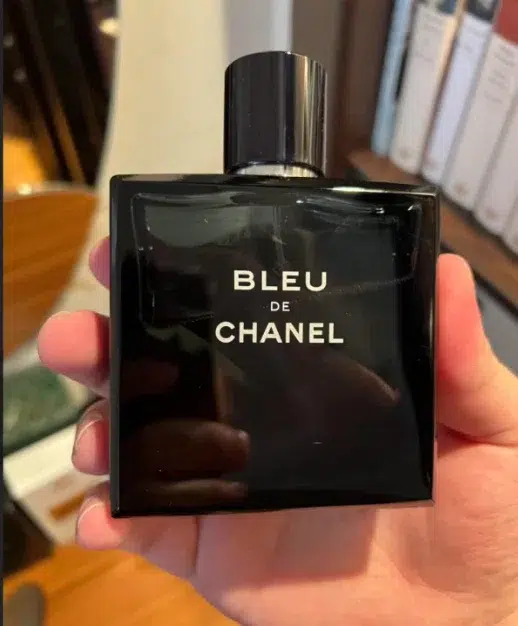
At the absolute pinnacle of this category sits the legendary Bleu de Chanel. The genius of this specific scent profile lies in its universal versatility. It masterfully bridges the gap between casual and formal. It is crisp enough for a sweltering summer day in Miami, Florida, yet deep, rich, and smoky enough for a brisk, snowy winter evening in Chicago or New York.
However, this perfection comes with a significant barrier to entry: the retail price. With a traditional bottle easily exceeding $150 to $200 USD depending on whether you choose the EDT, EDP, or Parfum concentration, consumers are naturally left searching for a cheaper alternative to Bleu de Chanel that doesn’t compromise on that high-end, luxurious feeling.
But here is the industry secret that traditional luxury houses prefer to keep quiet: the actual liquid—often called the “juice” in the industry—inside that beautifully heavy, magnetic-capped glass bottle accounts for only a tiny fraction of the price you pay at the department store. The vast majority of your money is funding massive celebrity endorsement campaigns, prime retail shelf space, elaborate packaging, and the sheer markup of the brand’s name. By understanding how the supply chain works, we can find alternatives that cut out the middlemen and deliver incredible value.
Part 2: Deconstructing the Scent DNA—What Makes a Masterpiece?
To truly understand how to find the best clone with incense notes or a reliable Bleu de Chanel EDP dupe, we must first look at how the fragrance is built. Don’t worry, we won’t turn this into a boring chemistry lecture. Think of building a perfume like cooking a gourmet meal or composing a piece of music. It is built in three distinct layers, or “notes.”
The Crisp Opening (Top Notes): The Hook
The journey begins the second you press the atomizer. You are hit with an explosive, invigorating burst of citrus and mint. In professional formulation, this requires high-quality extracts of grapefruit, lemon, and peppermint. The challenge here is volatility—citrus molecules are incredibly light and evaporate off the skin very quickly.
Where cheap clones fail: Have you ever sprayed a cheap cologne and immediately recoiled because it smelled like rubbing alcohol or industrial lemon floor cleaner? That happens because budget manufacturers use harsh, unrefined synthetic aldehydes to mimic citrus. A masterfully crafted alternative, regardless of the brand, utilizes balanced top notes that provide a smooth, natural-smelling introduction without the aggressive chemical blast.
The Spicy Heart (Middle Notes): The Bridge
As the citrus begins to settle and fade (usually after 15 to 30 minutes), the fragrance transitions into its heart—the engine of the cologne. Here, spicy notes of ginger, nutmeg, and a touch of jasmine introduce a warm, dynamic vibrance. This is where the signature “blue” vibe is truly established. The spice is not heavy like an old-school 80s cologne; it is fresh, modern, and uplifting.
Where cheap clones fail: Lower-tier dupes often lose their structure completely at this stage. The transition isn’t smooth, and the fragrance might suddenly smell muddy or overly sweet, losing that crisp masculine edge.
The Smoky, Woody Base (The Dry-Down): The Real Test
This is the ultimate test of any fragrance. It is relatively easy to fool a consumer for the first five minutes with a bright citrus opening. But the hallmark of a world-class fragrance—and the area where 90% of alternatives fail—is the dry-down. The foundation of this iconic scent is built upon rich cedarwood, smooth sandalwood, and a deep, mysterious incense.
Where cheap clones fail: They completely fall apart after two hours. They break down into a flat, powdery, or purely chemical skin scent because they use low-grade synthetic fixatives. A genuine, high-quality budget woody aromatic fragrance must invest heavily in its base notes. It takes premium ingredients, like high-grade Ambroxan (a modern marvel in perfumery that adds a woody, amber-like depth), to ensure the incense is smoky but not suffocating, and the woods are creamy and rich.
Table 1: The Scent Pyramid & Market Reality Check
| Fragrance Phase | Key Dominant Notes | The Cheap Clone Reality | What to Look For in a Premium Alternative |
|---|---|---|---|
| Top Notes (0-30 mins) | Grapefruit, Lemon, Mint, Pink Pepper | Harsh alcohol blast; smells akin to citrus cleaning products. | Smooth, vibrant opening; natural-smelling citrus blended with stable, safe synthetics. |
| Heart Notes (30 mins – 2 hrs) | Ginger, Nutmeg, Jasmine, Melon | Fades too quickly; floral notes become overly sweet, cloying, or completely vanish. | A seamless transition where the warmth of ginger perfectly complements the fading citrus. |
| Base Notes (2 hrs – 12+ hrs) | Incense, Vetiver, Cedar, Sandalwood, Patchouli, Labdanum | Degrades into a flat, dusty, or sour chemical scent with zero depth or smokiness. | Heavy investment in premium fixatives (like Ambroxan); a deep, long-lasting smoky and woody trail. |
Part 3: Evaluating the Market—A Fair Comparison of Top Alternatives
To be an educated consumer in the USA, you need to know what options exist on the market. There is no single “perfect” choice for everyone; it depends entirely on your budget, what aspects of the original you love most, and how you want the fragrance to perform. Let’s take an objective look at the different categories of alternatives available today.
1. The Fast-Fashion Approach (e.g., Zara)
Brands like Zara are famous for releasing incredibly affordable fragrances that capture the general “vibe” of popular designer scents. Their blue-style fragrances are incredibly accessible and usually cost under $25.
Pros: Unbeatable price; great for teenagers, beginners, or as a quick scent to throw in your gym bag.
Cons: Longevity is usually very poor (often fading within 1-2 hours). They rarely capture the deep, complex incense dry-down, focusing mainly on the bright, crowd-pleasing citrus opening.
2. The Middle Eastern Powerhouses (e.g., Armaf Club de Nuit Iconic)
Middle Eastern fragrance houses have taken the clone market by storm. Armaf’s Club de Nuit Iconic is widely discussed in fragrance communities as a major competitor in the blue space.
Pros: Incredible performance. These fragrances are often “beast mode,” projecting loudly and lasting all day. The dry-down is usually very woody and robust.
Cons: The opening can be notoriously harsh and synthetic. It takes about 30 to 45 minutes for the harsh, lemony blast to settle down into something that resembles the original designer scent. If you can survive the opening, the dry-down is great.
3. The US-Based DTC Blenders (e.g., Dossier Citrus Ginger, Alexandria Fragrances)
Direct-to-consumer brands focus on sleek, minimalist packaging and naming their fragrances after the primary notes. Dossier’s Citrus Ginger is a very popular Bleu de Chanel clone in the USA.
Pros: Very transparent marketing, vegan, and cruelty-free. They usually offer a very pleasant, smooth opening that smells great right out of the bottle.
Cons: Some users report that while the opening and mid-notes are accurate, they sometimes lack the dark, mysterious, heavy incense base that makes the original EDP and Parfum concentrations so alluring.
4. The Supply-Chain Optimized Premium Formulations (e.g., iMixx No. 17)
This category includes brands that own or have direct partnerships with fragrance factories, allowing them to formulate at higher oil concentrations (Extrait de Parfum) without raising the price significantly. iMixx Perfumes falls firmly into this category.
Pros: Because they bypass retail markups and focus on the juice, products like iMixx No. 17 Inspired by Bleu de Chanel are designed to bridge the gap. They aim to provide the smooth opening of the US DTC brands, combined with the heavy, long-lasting incense and wood dry-down that usually only the Middle Eastern brands or the original designer can achieve. The higher oil concentration means it lasts all day.
Cons: They don’t come in the fancy, heavy, magnetic-cap designer bottles. You are paying purely for the liquid inside.
Table 2: Comparing Your Options for “Blue” Alternatives
| Brand Category / Example | Price Range (USA) | Best Feature | Primary Drawback | Ideal Consumer |
|---|---|---|---|---|
| Fast Fashion (Zara) | $15 – $25 | Extremely affordable; easy to find in malls. | Poor longevity; lacks depth in the base notes. | Gym-goers, students, strict budget shoppers. |
| Middle Eastern (Armaf Iconic) | $40 – $60 | “Beast mode” performance and projection. | Harsh, synthetic, aggressive opening 30 mins. | Those who prioritize pure loudness and longevity. |
| US DTC Minimalist (Dossier) | $29 – $39 | Smooth opening; great return policies; vegan. | Sometimes lacks the dark, smoky incense depth. | Everyday office wearers who prefer lighter scents. |
| Premium Factory-Direct (iMixx No. 17) | $35 – $50 | Extrait concentration; perfectly balanced smoky dry-down. | Utilitarian packaging; online purchase only. | Scent purists seeking exact DNA replication and high longevity. |
Part 4: The Science of Quality—How Supply Chain Experts Evaluate Fragrance
If we strip away the marketing, the glass bottles, and the brand names, what actually defines the performance of a fragrance? Why does one liquid cost $10 to make and another $40? It comes down to three practical, scientific pillars: Concentration, Ingredient Quality, and Maceration.
1. EDT vs. EDP vs. Parfum Concentration
You have likely seen the acronyms EDT, EDP, and Parfum. These refer to the concentration of pure fragrance oils mixed with the alcohol and water base.
- Eau de Toilette (EDT): Usually contains 5% to 15% fragrance oil. It projects loudly initially because there is more alcohol evaporating, but it fades relatively quickly. The original Bleu EDT is very bright and citrus-forward.
- Eau de Parfum (EDP): Contains 15% to 20% oil. This is the sweet spot for many. It is slightly darker, heavier on the woods and amber, and offers a balanced projection. Many men search for a specific Bleu de Chanel EDP dupe because of this rich balance.
- Extrait de Parfum / Parfum: Contains 20% to 40% oil. This concentration sits closer to the skin but lasts incredibly long. It is dense, rich, and heavily focused on the basenotes like sandalwood and incense.
Many consumers searching for long-lasting cologne alternatives are disappointed because they unknowingly buy cheap EDT clones. To achieve true performance, high-end alternative brands (like iMixx) often formulate their products at Extrait de Parfum concentrations. This ensures the scent survives a full 8-to-10-hour workday.
2. The Truth About GC-MS and Safety (IFRA)
In modern perfumery, laboratories use a technology called Gas Chromatography-Mass Spectrometry (GC-MS). Think of it as a high-tech scanner that reads the exact chemical recipe of a luxury fragrance. However, knowing the recipe is only half the battle.
The real expertise comes from sourcing the right ingredients safely. You can buy cheap, unrefined aroma chemicals from unregulated sources, or you can source premium, highly refined molecules that are fully compliant with global safety standards. Reputable alternative brands strictly adhere to the guidelines set by the International Fragrance Association (IFRA). This ensures that the fragrance not only smells identical to the original but is perfectly safe for your skin, free from banned allergens or cheap, irritating fillers.
3. The Secret of Maceration
This is perhaps the most important concept that separates good perfume from bad perfume. Maceration is the process of allowing the freshly mixed perfume oils and alcohol to sit, blend, and mature over several weeks or months in a temperature-controlled environment. Think of it like aging a fine wine in an oak barrel, or letting a homemade stew sit in the fridge overnight so the flavors can mingle.
Mass-market clone factories skip this step entirely. They mix the chemicals, bottle them immediately, and rush them to store shelves. This is exactly why cheap dupes often smell aggressively of rubbing alcohol when you first spray them. Premium supply chain operations insist on a strict maceration period before a single bottle is sold. This patience is what smooths out the rough edges and transforms a “chemical mix” into a luxury experience.
Part 5: Expert Guide—How to Make Your Cologne Last All Day in the USA
Even if you purchase the highest quality Extrait de Parfum, like iMixx No. 17 or the original Chanel itself, how you wear your fragrance dramatically impacts its performance. The USA is massive, encompassing dry deserts in Arizona, humid swamps in Louisiana, and freezing winters in Maine. Here is a practical guide to wearing fragrance properly.
- Moisturize Your Skin First: This is the golden rule. Fragrance oils evaporate incredibly fast on dry skin. Before applying your cologne, rub an unscented lotion or body oil onto your pulse points. The fragrance molecules will bind to the moisturizer, significantly extending the life of the scent.
- Target Your Pulse Points: Apply cologne to areas where your veins sit close to the skin—your neck, the sides of your jaw, your inner wrists, and even your inner elbows. The natural, radiant body heat in these areas acts like a diffuser, helping to push the fragrance into the air around you throughout the day.
- Never Rub Your Wrists Together: It is a habit ingrained in us from old movies, but rubbing your wrists together creates friction and heat. This physically breaks down the delicate top notes (like the sparkling grapefruit and mint) prematurely. Simply spray the cologne and let it air dry naturally.
- The Clothing Trick for Longevity: While cologne is fundamentally designed to interact with the natural chemistry of your skin, spraying a slight mist onto your undershirt, sweater, or jacket can increase longevity by hours. Fabric holds onto the heavier basenotes (like cedar, vetiver, and incense) exceptionally well.
- Store It Properly: Your bathroom is the worst place to keep perfume. The constant shifts in temperature and humidity from your shower will literally cook and degrade the chemical compounds over time. Keep your bottles in a dark, cool place, like a bedroom drawer, closet, or even a dedicated fragrance fridge.
Part 6: Frequently Asked Questions (FAQ)
1. What is the best Bleu de Chanel clone in the US market right now?
There is no single “best” as it depends on your needs. If you want pure, aggressive loudness and don’t mind a harsh opening, Armaf Club de Nuit Iconic is highly rated. If you want a smooth, easy-to-wear everyday office scent, Dossier Citrus Ginger is popular. However, if your goal is the most accurate replication of the deep, smoky incense dry-down with high-concentration longevity, iMixx No. 17 is widely considered one of the top premium alternatives available.
2. Which fragrance is a better dupe for Bleu de Chanel EDP specifically?
A true Bleu de Chanel EDP dupe must focus heavily on depth rather than just brightness. The Eau de Toilette (EDT) is very citrusy, while the Eau de Parfum (EDP) is richer, woodsier, and features heavier amber and incense. Look for alternatives that explicitly state they are Extrait or EDP concentration, and ensure they list ginger, nutmeg, and heavy incense in their note breakdown.
3. What is a cheaper alternative to Bleu de Chanel that actually lasts all day?
The secret to all-day longevity isn’t magic; it is oil concentration. Rather than buying a $20 EDT clone from a fast-fashion store that fades during your morning commute, invest in “inspired by” fragrances from specialized houses that use Extrait de Parfum concentrations. These contain 20% to 30%+ pure perfume oil, guaranteeing the scent profile remains robust for 8 to 10 hours on the skin.
4. Does Zara have a Bleu de Chanel clone?
Yes, Zara frequently releases fragrances that smell very similar to popular designer DNAs. Zara’s ‘Navy Black’ or ‘Seoul’ have often been compared to the “blue” fragrance profile. While they are incredibly affordable, consumers should be aware that their longevity is generally quite weak compared to specialized clone houses.
5. Is Armaf Club de Nuit Iconic a good Bleu de Chanel dupe?
Yes, it is considered a very strong performer. Armaf Iconic captures the essence of the EDP very well, particularly in the mid and base notes. However, a common critique within fragrance communities like Fragrantica is that its opening 30 minutes can be quite harsh and overly synthetic before it dries down into the beautiful scent you expect.
6. Is Versace Dylan Blue similar to Bleu de Chanel?
They belong to the same “blue” fragrance family (woody-aromatic/fresh-spicy), but they are not clones of each other. Dylan Blue is generally sweeter, heavier on the ambroxan, and features a distinct fig leaf and aquatic note. Bleu de Chanel is considered more refined, mature, and relies heavier on crisp grapefruit and smoky incense. They serve a similar purpose but smell distinctly different side-by-side.
7. What are the main notes in a high-quality Bleu de Chanel dupe?
A high-fidelity alternative must accurately reproduce the three distinct phases of the original masterpiece. It must have an opening of Grapefruit, Lemon, and Mint; a spicy heart of Ginger, Nutmeg, and Jasmine; and most importantly, a robust, dark base of Incense, Vetiver, Cedar, and Sandalwood. If a brand only lists “citrus and woods,” it likely lacks the complexity of the original.
8. How much should a high-quality clone cologne cost in the USA?
Based on supply chain economics, a mathematically sound price point for a high-quality, Extrait-level alternative that utilizes premium, IFRA-compliant ingredients is typically between $35 and $60 USD. Prices lower than $25 usually indicate the use of harsh, cheap synthetic fillers and low oil concentration. Prices significantly higher than $70 begin to bleed back into the realm of paying for unnecessary marketing and packaging.
9. Are Middle Eastern clone perfumes worth it for Bleu de Chanel?
Middle Eastern clones (like those from Lattafa, Afnan, or Armaf) offer some of the best value-to-performance ratios on the market. They are absolutely worth it if your primary goal is projection (how far the scent travels) and longevity. Just be prepared for openings that aren’t as smooth or refined as the original designer or premium US-based DTC brands.
10. Which clone has the best incense base like the original?
Capturing the smoky, elegant incense base without making it smell like a campfire is notoriously difficult for budget brands. This is where iMixx No. 17 shines. It was engineered specifically to master this complex transition, utilizing premium fixatives to ensure the incense and sandalwood accord remains smooth, rich, and deeply masculine throughout the entirety of the long dry-down.
Conclusion: Redefining Everyday Luxury in Fragrance
The pursuit of the perfect signature scent should not require emptying your wallet or maxing out your credit card just to fund a luxury conglomerate’s global advertising budget. By understanding the core science of perfumery—how notes interact, the vital importance of oil concentration, the necessity of patience in maceration, and the reality of supply chain markups—you empower yourself as a smart consumer.
The US market is rapidly shifting towards transparency, education, and true value. You no longer have to settle for weak, alcohol-heavy imitations when searching for a reliable Bleu de Chanel clone. You have excellent options. Whether you want the absolute affordability of Zara, the beast-mode projection of Armaf, the minimalist approach of Dossier, or the scientifically balanced, highly concentrated perfection of iMixx, the choice is yours.
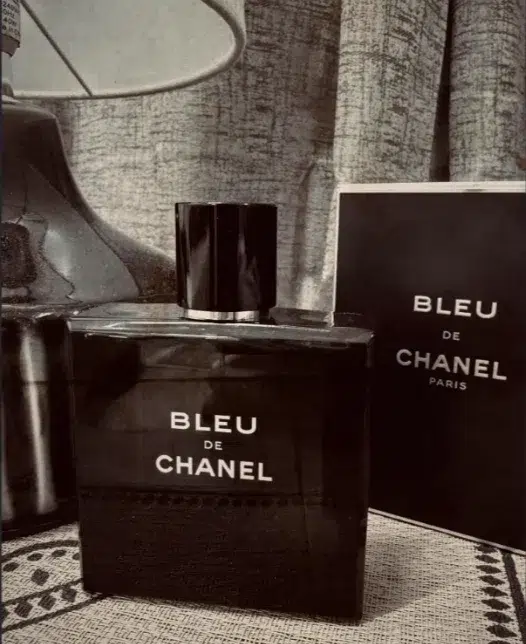
We invite you to experience this paradigm shift firsthand. Stop paying for the magnetic cap and the logo, and start paying for the actual liquid that goes on your skin. Elevate your everyday presence with a fragrance that is scientifically crafted to perform in any setting, from the office to an evening out. Explore the depth, the freshness, and the unmatched longevity of iMixx No. 17, and discover what true, uncompromised olfactory craftsmanship smells like by visiting iMixx Perfumes today.
About the Author: With over a decade of experience navigating fragrance supply chains, raw material sourcing, and formulation logistics, the author specializes in decoding the chemical and economic structures of the global perfume industry. Dedicated to consumer education and market transparency, their work aims to bridge the gap between complex laboratory science and everyday luxury for the modern consumer. For further reading on fragrance safety, formulation standards, and community reviews, we encourage you to visit the International Fragrance Association (IFRA), explore scent profiles on Fragrantica, or join the discussions on the Basenotes community.
