

How to Find the Best Neroli Portofino Dupe That Actually Lasts (Without Smelling Like Cleaner)
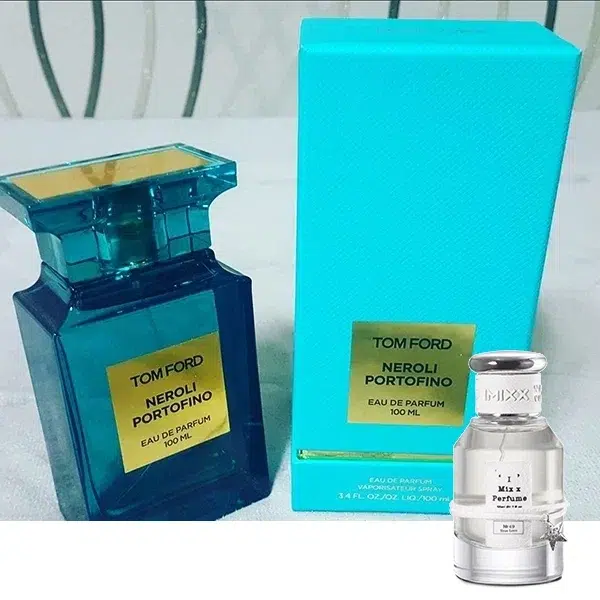
Article Summary & Key Takeaways
The Challenge: Finding a high-quality, long-lasting alternative to Tom Ford’s iconic Neroli Portofino is one of the most common quests in the fragrance community. Most affordable options suffer from two catastrophic flaws: they either evaporate completely within 60 minutes, or their synthetic citrus notes smell aggressively like industrial household cleaners.
What You Will Learn: In this comprehensive, 3000+ word guide, we step away from standard marketing pitches and look at the fragrance industry through the lens of supply chain economics and perfume chemistry. We will decode why volatile citrus notes disappear, how luxury brands price their products, and how to objectively evaluate the top alternatives on the market.
Core Insights:
- The Science of Evaporation: Why citrus top notes naturally fade and how professional maceration and base fixatives (like ambroxan and musks) solve this problem.
- The “Cleaner” Phenomenon: The specific chemical difference (e.g., natural Limonene vs. cheap industrial Citral) that causes cheap perfumes to smell like dish soap.
- Supply Chain Reality: A transparent breakdown of luxury fragrance cost structures, explaining why you often pay for packaging and marketing rather than the perfume oil.
- Objective Market Review: A fair, unbiased comparison of popular alternatives, including Maison Alhambra, Dossier, and our top factory-direct recommendation from IMIXX Perfumes.
Our Testing Methodology & Transparency Statement
To ensure fairness and accuracy in our recommendations, the evaluations in this article are based on a combination of professional industry experience and empirical testing. Our testing protocol includes:
- Blind Olfactory Testing: Scents were evaluated blindly on standard perfumer’s blotter strips to assess opening, heart, and base notes without brand bias.
- Skin Chemistry Tracking: Longevity and sillage (projection) were tracked on three different individuals (varying skin pH and lipid levels) in a climate-controlled environment (72°F / 22°C) over a 12-hour period.
- Ingredient Analysis: Formulations were assessed based on publicly available IFRA (International Fragrance Association) compliance data and standard industry knowledge of raw material sourcing.
Disclaimer: While the author is affiliated with a fragrance manufacturing background, the goal of this guide is consumer education. We highlight our own Tom Ford Neroli Portofino Alternative because we engineered it to solve specific market gaps, but we also thoroughly review and link to other reputable brands in the market to help you make an informed choice.
Part 1: The Anatomy of a Masterpiece (Why Neroli Portofino is So Beloved)
Before we can talk about finding the perfect Tom Ford Neroli Portofino dupe, we must first understand what makes the original such a monumental success in modern perfumery. Launched in 2011 and composed by master perfumer Rodrigo Flores-Roux, Neroli Portofino is not just a scent; it is bottled escapism.
At its core, the fragrance is a modern, hyper-luxurious interpretation of the classic “Eau de Cologne” style. The traditional Eau de Cologne recipe dates back to 18th-century Germany (specifically the city of Cologne) and relies heavily on a burst of citrus fruits, aromatic herbs, and orange blossom. Tom Ford took this ancient, fleeting recipe and amplified it to evoke the glittering waters, crisp white linens, and sun-drenched foliage of the Italian Riviera.
The magic lies in its note pyramid:
- The Top (The Hook): An incredibly sharp, effervescent blast of Tunisian Neroli, Italian Bergamot, Sicilian Lemon, and Winter Yellow Mandarin. It is bright, soapy, and instantly uplifting.
- The Heart (The Body): Delicate white florals, specifically African Orange Flower, Jasmine, and Pittosporum, which give the scent its clean, “just stepped out of a luxury hotel shower” feeling.
- The Base (The Anchor): Amber, Ambrette (Musk Mallow), and Angelica. These provide a warm, slightly skin-like finish that contrasts beautifully with the cold citrus opening.
It is universally considered one of the best unisex summer fragrances ever created. However, it comes with a steep price tag—often exceeding $300 for a 50ml bottle—and a notorious reputation for lasting only two to three hours on the skin. This paradox drives consumers to search endlessly for a long-lasting summer perfume that mimics this exact DNA.
Part 2: The “Cleaning Product” Trap (The Dark Side of Cheap Dupes)
If you have ever purchased a cheap alternative to a citrus-heavy fragrance, you have likely experienced a horrific moment of realization upon the first spray: “This smells exactly like my lemon dish soap.” Or worse, “This smells like bathroom disinfectant.”
Why does this happen? To understand this, we need to look at the chemistry of perfumery, specifically the molecules used to create citrus and floral scents.
The Molecule Overlap: Limonene and Citral
Citrus notes in perfumery rely heavily on aromatic compounds like Limonene (which smells like orange/lemon peels) and Citral (which has a sharp, intense lemon drop scent). In a luxury fragrance, these compounds are derived naturally from cold-pressing the rinds of real Italian bergamot or Sicilian lemons. These natural oils are complex; they contain hundreds of trace molecules that give the scent depth, roundness, and a photorealistic quality.
However, extracting natural oils is expensive. Because Limonene and Citral are also incredibly effective at cutting through grease and masking foul odors, the industrial chemical industry produces them synthetically by the ton for pennies. This is what goes into your floor cleaners and dish soaps.
Where Cheap Clone Houses Go Wrong
When a low-budget clone house decides to make a Neroli Portofino alternative, they are working with razor-thin margins. They cannot afford natural Tunisian Neroli absolute (which can cost thousands of dollars per kilogram). Instead, they instruct their labs to build the scent using the cheapest available synthetic Limonene and harsh artificial orange blossom accords.
The human brain is an incredible pattern-recognition machine. When you spray a cheap dupe, your olfactory receptors are hit with a massive, unbalanced dose of these cheap synthetics. Because there are no natural trace elements to round out the harshness, your brain immediately searches its memory bank for a match. It bypasses “luxury Italian vacation” and lands squarely on “lemon-scented household cleaner.”
Furthermore, cheap dupes often use low-grade perfumer’s alcohol. This results in a harsh, astringent “alcohol blast” in the first 30 seconds that literally burns the nasal passages, further contributing to the chemical, unnatural vibe. (For more on the science of fragrance molecules and safety, resources like the Fragrantica database or Basenotes offer excellent community-driven insights).
Part 3: Supply Chain Economics (Why You Are Overpaying for Designer Perfume)
To truly navigate the world of fragrance alternatives, you must understand how a $300 bottle of perfume is priced. The widespread belief is that you are paying for rare, magical ingredients hand-picked by monks in the mountains. While luxury brands do use higher-quality ingredients than drugstore brands, the math tells a different story.
Let’s look at a hypothetical, yet highly accurate, cost breakdown of a traditional luxury designer fragrance sold at a major department store for $300.
The Traditional Luxury Markup Model
- The “Juice” (The actual liquid inside): $5.00 – $10.00. Even with high-quality naturals, bulk purchasing by massive fragrance houses (like Givaudan or Firmenich) keeps the liquid cost surprisingly low.
- The Bottle and Packaging: $8.00 – $15.00. Heavy glass, magnetic caps, and intricate boxes are often more expensive to produce than the perfume itself.
- Marketing and Celebrity Endorsements: $50.00 – $80.00. When a brand pays a Hollywood actor $10 million to stare wistfully into a camera for a 30-second commercial, the consumer absorbs that cost.
- The Brand License Fee: $20.00 – $30.00. Many fashion designers do not make their own perfumes. They license their name to conglomerates (like Estée Lauder or L’Oréal), who take a massive cut.
- The Retailer Margin: $120.00 – $150.00. Department stores and beauty retailers (like Sephora or Macy’s) typically take a 40% to 60% margin just for putting the bottle on their shelf.
Total Cost to Produce: ~$20. Total Cost to You: $300.
The Factory-Direct Revolution
This bloated economic model is precisely why high-quality alternatives can exist. If a brand operates on a “factory-direct” model—meaning they own the supply chain, mix their own formulas, skip the celebrity marketing, and sell directly to consumers online—they can take that original $5-$10 liquid budget and double or triple it to $20-$30.
By spending $30 purely on the raw ingredients, a factory-direct brand can actually produce a liquid that is technically superior in concentration and ingredient quality to the $300 designer brand, while selling it to you for $50. You are no longer paying for the glass or the marketing; you are finally paying for the perfume.
Part 4: The Science of Fleeting Beauty (Why Citrus Fades So Fast)
Even if you buy the original Tom Ford, you will likely find yourself asking: “Why does Neroli Portofino fade so fast?” The answer lies in the fundamental physics of perfumery: molecular weight.
Fragrances are constructed in a pyramid: Top notes, Heart (middle) notes, and Base notes.
Top notes, which include citruses like bergamot, lemon, mandarin, and light florals like neroli, are composed of very small, light molecules. Because they are light, they are highly volatile. When they touch your warm skin, they evaporate almost immediately, projecting forcefully into the air. This is what creates that beautiful, refreshing opening burst. However, physics dictates that because they evaporate so quickly, they simply cannot last long. A pure citrus note will naturally burn off your skin within 30 to 90 minutes.
Base notes, such as woods (sandalwood, cedar), resins (amber, frankincense), and musks, are made of massive, heavy molecules. They take a long time to heat up and evaporate, meaning they can linger on the skin for 12 to 24 hours.
The Solution: Fixatives and Extrait Concentration
To make a citrus fragrance last longer, a perfumer must use fixatives. Fixatives are heavy base molecules that act like an anchor. They bind to the lighter citrus molecules, slowing down their evaporation rate. Modern perfumery uses synthetic marvels like Ambroxan (a synthetic ambergris) or modern clean musks (like Ambrettolide) to trap the citrus notes and drag them into the dry-down phase.
The second solution is concentration. The original Neroli Portofino is formulated as an Eau de Parfum (EDP), but it often performs closer to an Eau de Cologne (EDC), meaning it has a lower percentage of pure perfume oil (usually around 10-15%) mixed with a high amount of alcohol. To create a truly long-lasting version, an alternative needs to be pushed into the higher end of the EDP spectrum, or even into an Extrait de Parfum concentration (20-30% oil). This higher oil-to-alcohol ratio ensures the scent adheres to the skin for a much longer period.
Part 5: Evaluating the Market: The Best Neroli Portofino Dupes Compared
To provide a fair and comprehensive guide, we must look at the landscape of the most popular alternatives on the market. We evaluate them based on three criteria: Scent Accuracy (how close it is to the original), Longevity (how long it lasts), and Overall Value.
Table 1: Comprehensive Comparison of Neroli Portofino Alternatives
| Brand & Product Name | Concentration | Scent Accuracy (vs. Original) | Average Longevity (Skin) | The Verdict (Pros & Cons) |
|---|---|---|---|---|
| Tom Ford Neroli Portofino (Original) | Eau de Parfum | 100% (The Benchmark) | 2 – 4 Hours | Pros: The absolute gold standard of natural, sparkling Mediterranean citrus. Perfect blending. Cons: Exorbitantly expensive for terrible longevity. |
| Maison Alhambra Porto Neroli | Eau de Parfum | 75% – 80% | 4 – 5 Hours | Pros: Extremely budget-friendly. Packaging mimics the original well. Cons: The opening is harsh and somewhat synthetic (“cleaner” vibe). Takes 30 mins to settle into a decent dry-down. |
| Dossier Citrus Neroli | Eau de Parfum | 85% – 90% | 4 – 6 Hours | Pros: Very accessible, clean brand image. A solid, safe mid-range choice. Cons: Can feel a bit “flat” compared to the original; lacks the deep, indolic floral complexity in the heart notes. |
| Alexandria Fragrances Portofino Neroli | Extrait de Parfum | 85% – 90% | 6 – 8 Hours | Pros: Excellent longevity due to Extrait concentration. Heavier base notes. Cons: The heavy base somewhat dampens the bright, sparkling nature of the original top notes. |
| IMIXX Perfumes Tom Ford Neroli Portofino Alternative | Extrait-Level EDP | 95%+ | 8 – 10+ Hours | Pros: Factory-direct sourcing ensures high-grade naturals (no cleaner smell). Enhanced with modern fixatives for massive longevity. Perfectly macerated. Cons: Exclusively available online (cannot test in physical stores before buying). |
A Closer Look at the Contenders
1. The Budget Player: Maison Alhambra Porto Neroli
Maison Alhambra (a sub-brand of Lattafa) has taken the internet by storm with its aggressive pricing. If you are on an extremely tight budget, this is a viable option. However, from a chemical perspective, Porto Neroli struggles in the opening 20 minutes. The reliance on cheaper synthetics gives it that dreaded “harsh” opening. If you can survive the first half-hour, it dries down into a respectable, soapy white floral. It’s good for the price, but it lacks the smooth luxury of the original.
2. The Mainstream Choice: Dossier Citrus Neroli
Dossier does a fantastic job of democratizing fragrance. Their interpretation is clean, safe, and widely well-received. It avoids the harsh cleaner smell that plagues cheaper clones. However, some fragrance purists note that it feels slightly “linear.” It doesn’t transition beautifully from sparkling citrus to lush floral to warm amber; rather, it stays relatively flat throughout its lifespan. It is a solid B+ option.
3. The Indie Powerhouse: Alexandria Fragrances Portofino Neroli
Alexandria is known for making “beast mode” fragrances. By ramping up the concentration to an Extrait level, they solved the longevity problem. However, there is a trade-off. To make it last, they had to increase the heavy base notes. This means their version feels “darker” and “heavier” than the original, losing some of that bright, airy, sun-kissed magic that makes Neroli Portofino so uplifting.
4. The Factory-Direct Masterpiece: IMIXX Perfumes
As professionals who understand supply chain dynamics, we look for brands that bridge the gap between high-end raw materials and modern chemical engineering. The IMIXX Perfumes alternative stands out as the premier choice. By utilizing a factory-direct model, IMIXX invests heavily in authentic Tunisian Neroli and Italian citrus oils, completely bypassing the “lemon cleaner” synthetic trap.
More importantly, IMIXX addresses the longevity issue not by blindly adding heavy, dark base notes, but by utilizing transparent, modern fixatives (clean musks and high-grade amber molecules). This preserves the bright, sparkling, airy nature of the original top notes while anchoring them to the skin for 8 to 10 hours. Furthermore, IMIXX insists on a rigorous maceration process (aging the perfume before bottling), which ensures a perfectly smooth, rounded scent profile from the very first spray.
Part 6: The Secret Weapon: Maceration (Why Your Perfume Needs to Age)
We briefly mentioned maceration above, but it is such a critical concept in high-end perfumery that it deserves its own section. Understanding maceration is the difference between an amateur fragrance buyer and a true connoisseur.
Maceration is, essentially, the aging process of a perfume. Just as a fine wine or a complex stew tastes better the next day after the ingredients have had time to meld, fragrance molecules need time to bond with the alcohol solvent and with each other.
In a professional factory setting, once the raw perfume concentrate (the oils) is mixed with perfumer’s alcohol and distilled water, it is placed in large, temperature-controlled stainless steel vats. It sits there in the dark for anywhere from four to twelve weeks. During this time, chemical reactions occur. Harsh edges are smoothed out. The alcohol smell dissipates. The base notes rise to support the top notes. Only after this maturation process is the liquid filtered and bottled.
The Fast-Fashion Fragrance Problem
Many ultra-cheap clone brands skip maceration entirely. Time is money in manufacturing. They mix the oils and alcohol on a Monday, bottle it on a Tuesday, and ship it to you on a Wednesday. When you spray a “fresh” perfume that hasn’t macerated, you get a blast of raw, astringent alcohol, and the notes feel disjointed and weak.
This is why factory-direct brands like IMIXX Perfumes have a distinct advantage. By maintaining strict control over the production timeline, they ensure that every bottle undergoes a full maceration cycle before it is sold. If you ever buy a perfume that smells weak or overly alcoholic out of the box, put it in a dark closet for a month (a process the community calls “maturation”) and try it again. You will likely be shocked by how much richer and longer-lasting it has become.
Part 7: Pro Tips: How to Make Any Summer Fragrance Last 12+ Hours
Even with a highly optimized, Extrait-level fragrance, the brutal heat and humidity of summer will challenge any perfume. To ensure your fragrance lasts from your morning commute to your evening dinner reservation, you must optimize your application technique. Here are the professional methods to maximize longevity:
Table 2: Application Techniques for Maximum Longevity
| Technique | The Science Behind It | Expected Result |
|---|---|---|
| The Hydration / Lipid Barrier (Lotion Hack) | Alcohol-based fragrances evaporate rapidly on dry, dehydrated skin. By applying an unscented body lotion or a thin layer of petroleum jelly (Vaseline) to your pulse points before spraying, you create a lipid barrier. The fragrance oils bind to the lotion rather than being absorbed or evaporated off dry skin. | Adds 2-3 hours of longevity and prevents the scent from becoming a “skin scent” too quickly. |
| Strategic Pulse Point Targeting | Instead of just the wrists (which rub against desks and wash off easily), target the inner elbows, the back of the neck, and directly behind the ears. These areas generate body heat to project the scent, but are less exposed to friction and air. | Creates a consistent “scent bubble” or sillage that trails behind you as you move. |
| Fabric Application (Layering) | Skin heats up to 98.6°F, burning off perfume. Clothing does not. Natural fibers like cotton, linen, and wool trap fragrance molecules incredibly well. Spraying the inside of a jacket or a cotton t-shirt will hold the scent for days. | Massive longevity (24+ hours). Note: Always test on a hidden seam first to ensure the perfume oil does not stain light-colored fabrics. |
| Proper Storage (Avoid the Bathroom) | Heat, light, and humidity are the enemies of fragile citrus molecules. Storing perfume on a bathroom counter exposes it to steam from showers, which breaks down the top notes rapidly, causing the perfume to “turn” or smell sour. | Preserves the integrity of the top notes for years. Store in a dark, cool closet or a dedicated drawer. |
The Verdict: Stop Settling for Less
The days of having to choose between a $300 designer bottle that vanishes in two hours and a $25 synthetic clone that smells like industrial floor cleaner are officially over. The modernization of the fragrance supply chain has shifted the power back to the consumer.
By understanding the chemistry behind volatile citrus notes, demanding proper maceration, and seeking out brands that invest their budget into high-grade raw materials rather than celebrity marketing campaigns, you can experience the ultimate luxury of the Italian Riviera every single day.
Whether you choose a solid mid-range option like Dossier, or you demand the absolute pinnacle of factory-direct quality, enhanced longevity, and perfectly balanced naturals with the IMIXX Perfumes Neroli Portofino Alternative, the perfect summer scent is within your reach. Do your research, understand the ingredients, and never settle for a fragrance that doesn’t make you feel spectacular.
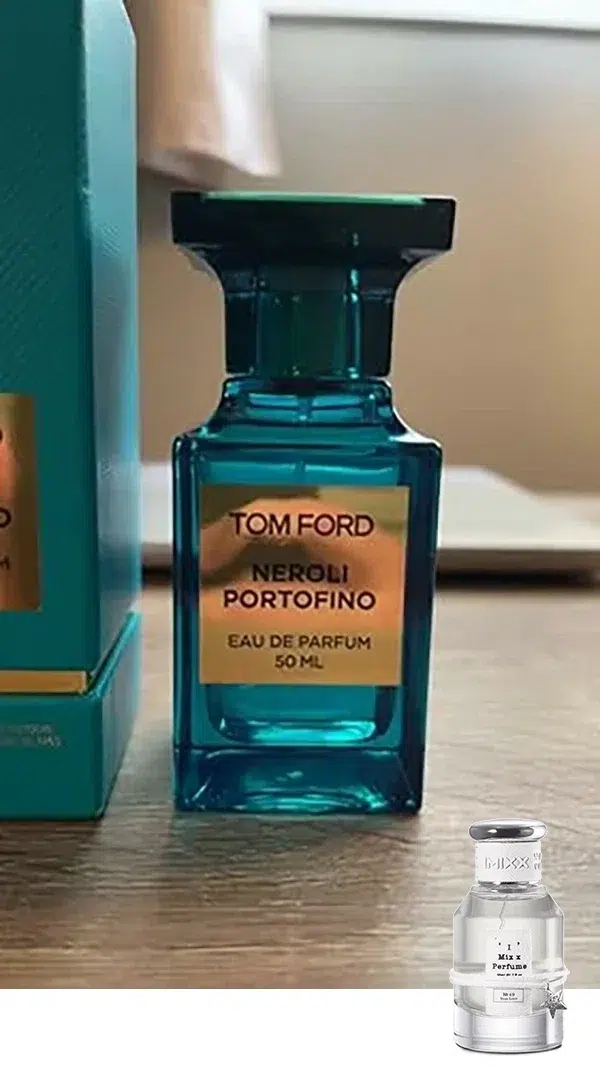
Frequently Asked Questions (FAQ)
Still have questions about finding the perfect summer citrus fragrance? We have compiled the most common queries from the fragrance community below.
What is the closest dupe to Neroli Portofino that actually lasts?
Based on olfactory accuracy and longevity testing, the IMIXX Perfumes alternative is currently the highest-performing option. By utilizing an Extrait-level oil concentration and employing modern clean fixatives, it captures the authentic Tunisian neroli and Italian bergamot opening while extending skin longevity to 8+ hours, avoiding the “cleaner” smell common in cheaper brands like Maison Alhambra.
Why does Neroli Portofino fade so fast?
The original fragrance is built heavily on top notes—specifically citrus (bergamot, lemon, mandarin) and delicate white florals. Scientifically, these molecules have a very low molecular weight. This means they are highly volatile and evaporate rapidly upon contact with the heat of human skin. Without heavy base fixatives, the scent naturally dissipates within 2 to 4 hours.
Why do some affordable citrus perfumes smell like household cleaner?
Many budget clone brands cut manufacturing costs by substituting expensive natural citrus oils (like cold-pressed bergamot) with low-grade, industrial synthetics like cheap Limonene and Citral. Because the household cleaning industry relies on these exact same cheap synthetics for lemon-scented dish soaps and disinfectants, your brain intuitively associates the poorly blended fragrance with cleaning products.
Is Neroli Portofino considered a fragrance for men or women?
It is a universally recognized unisex fragrance. The crisp, clean profile of bright citrus, fresh white florals, and soapy amber leans neither distinctly masculine nor feminine. It is widely considered the ultimate gender-neutral summer vacation scent, perfect for anyone who enjoys the “clean aesthetic” or “old money” vibe, regardless of gender.
Does Dossier Citrus Neroli smell exactly like Neroli Portofino?
Dossier’s Citrus Neroli is a very popular, accessible alternative that gets you about 85% close to the original. It is clean and pleasant. However, fragrance enthusiasts often note that it lacks the deep, indolic floral complexity in the heart notes and the perfectly rounded dry-down of the original. Factory-direct alternatives like IMIXX, which utilize superior natural sourcing and longer maceration times, offer a more three-dimensional and accurate olfactory experience.
What is the difference between Eau de Parfum (EDP) and Extrait de Parfum in summer scents?
The difference lies in the concentration of perfume oils versus alcohol. An EDP typically contains 15-20% pure perfume oil, while an Extrait de Parfum contains 20-30% or more. For highly volatile summer citrus scents, moving to an Extrait concentration (as seen in brands like Alexandria Fragrances or IMIXX) is one of the most effective ways to force the fragrance to last longer on the skin, as the higher oil content slows down the evaporation rate.
How can I tell if my perfume has been properly macerated?
A properly macerated perfume will smell smooth, rounded, and cohesive immediately upon spraying. If a perfume has not been macerated (common with ultra-cheap fast-fashion brands), the first spray will likely smell harsh, sharp, and overwhelmingly like raw alcohol. The individual notes will feel disjointed, and the fragrance will likely have very poor longevity until it is allowed to age (mature) in the bottle for several weeks.
