

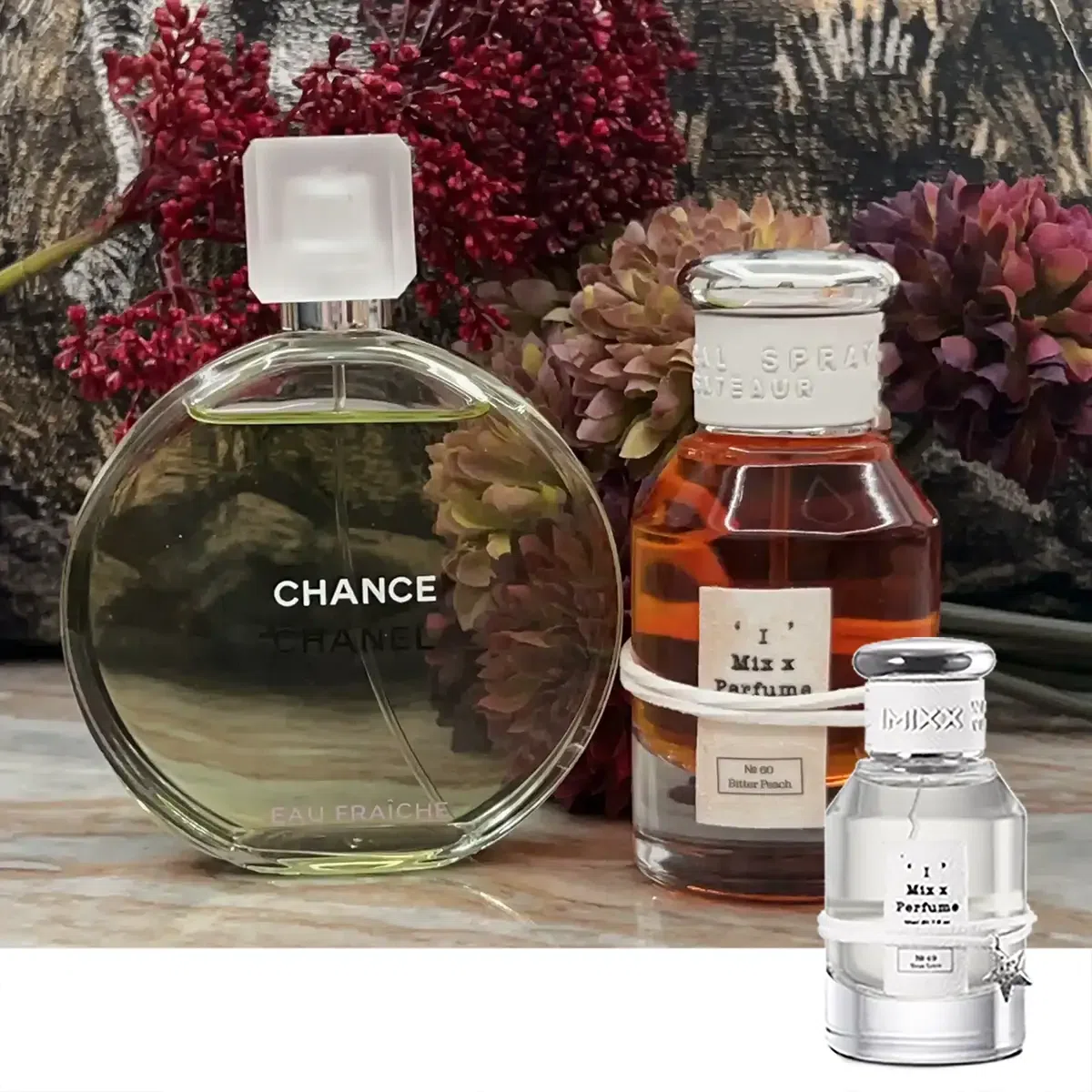
Executive Summary: Navigating the Fragrance Market
If you are searching the internet for the ultimate Chanel Chance dupe—particularly the beloved Eau Tendre—you have likely encountered a flood of contradictory information. Influencers promise $20 miracles, while luxury purists insist nothing can match the $150 original. As a supply chain professional who works behind the scenes of fragrance manufacturing, I can tell you that the truth lies somewhere in the middle.
This comprehensive, 3,000+ word guide is designed to empower ordinary consumers with industry knowledge. We will step away from the marketing hype and look at the actual science of scent replication. We will explore the legalities of fragrance copying in the USA, break down the real costs of luxury perfume based on industry averages, and review top alternatives—including Zara, Alexandria Fragrances, Match Fragrances, and specialized factory-direct brands like imixx. By the end of this guide, you will know exactly how to read a perfume label, how to identify quality maceration, and how to choose an alternative that genuinely fits your lifestyle and budget.
1. The Anatomy of a Masterpiece: Understanding Chanel Chance Eau Tendre
Before we can evaluate any alternative, we must intimately understand the original. Chanel Chance Eau Tendre is not just a pleasant smell; it is a meticulously engineered olfactory pyramid. Categorized as a “Floral Fruity,” its brilliance lies in its ability to feel youthful without smelling like candy, and sophisticated without feeling outdated.
The Olfactory Pyramid Breakdown
A high-quality fragrance unfolds over time in three distinct phases, responding to the heat of your skin:
- The Top Notes (The Hook): Grapefruit and Quince. This is what you smell in the first 10 to 15 minutes. It is critical for the initial sale. The grapefruit provides a zesty, sparkling lift, while the quince (a fruit similar to a pear or apple) adds a crisp, mouth-watering tartness. The Dupe Challenge: Cheap clones often use low-grade citrus synthetics that smell like household glass cleaner and evaporate almost instantly.
- The Heart Notes (The Soul): Jasmine and Hyacinth. Emerging after 20 minutes, this is the core of the fragrance. Jasmine is notoriously expensive and complex. In modern perfumery, this airy floral lift is often achieved using high-quality isolates like Hedione. Hyacinth adds a “green,” slightly dewy, springtime freshness. The Dupe Challenge: Poorly formulated alternatives often use heavy, cloying floral oils that give the wearer a headache, lacking the transparent, airy quality of the original.
- The Base Notes (The Anchor): White Musk, Iris, Cedar, and Amber. This phase lasts for hours. Without base notes, top and heart notes would fly off the skin. White musks are large, heavy molecules that provide a soft, “clean skin” feeling. Iris lends a subtle, elegant powderiness. The Dupe Challenge: This is where 90% of budget fragrances fail. Base notes are the most expensive ingredients. If a manufacturer cuts corners here, the perfume simply vanishes within two hours.
When searching for the best alternative, we aren’t just looking for a perfume that smells like grapefruit in the cap. We are looking for a formulation that survives the dry-down and mimics that luxurious musky skin-scent eight hours later.
2. Unmasking the $150 Price Tag: A Supply Chain Reality Check
To understand how a $40 perfume can rival a $150 designer fragrance, we have to look at the economics of the beauty industry. Consumers are conditioned to believe that price directly correlates with the quality of the liquid inside the bottle. However, data from beauty industry analysts and supply chain models reveals a different story.
The Economics of Luxury Perfume in the USA
When you purchase a designer fragrance at a major US department store, you are paying for an entire ecosystem of branding, not just aromachemicals. Let’s break down the estimated costs based on standard industry practices for prestige beauty brands.
| Cost Component | Estimated % of $150 Retail Price | Estimated Dollar Value | Supply Chain Context |
|---|---|---|---|
| The “Juice” (Fragrance Oil + Alcohol) | 2% – 5% | $3.00 – $7.50 | Luxury brands buy raw materials by the ton. Even using premium synthetics (like high-grade Ambroxan or Hedione) and natural extracts, economies of scale keep the liquid cost remarkably low. |
| Packaging (Bottle, Cap, Atomizer, Box) | 6% – 10% | $9.00 – $15.00 | Heavy, custom-molded glass, magnetic or weighted caps, and embossed cardboard boxes are designed to feel heavy in the hand, creating a psychological perception of value. |
| Marketing, Advertising & Celebrity Endorsements | 20% – 25% | $30.00 – $37.50 | This is the massive driver of cost. Global TV campaigns, magazine spreads, and multi-million dollar contracts with Hollywood actors are funded by the consumer. |
| Retailer Margin (Department Stores) | 40% – 50% | $60.00 – $75.00 | Major retailers demand a massive wholesale discount to stock the product, cover store associate commissions, and maintain premium mall real estate. |
| Brand Profit & Corporate Overhead | 15% – 25% | $22.50 – $37.50 | The net profit returned to the designer house after all operations. |
The Takeaway: High-quality alternatives exist because direct-to-consumer (DTC) brands bypass the retailer margin and the celebrity marketing budgets. By stripping away these two massive expenses, an independent brand can actually afford to spend more money on the fragrance oil concentrate while still charging the consumer 70% less.
3. The Legal and Scientific Reality of “Cloning” a Scent
A common question from consumers is: “Is it legal to copy a famous perfume?” The short answer is yes, absolutely.
The Trademark Law Context
In the United States, intellectual property law is very clear regarding cosmetics. According to the United States Patent and Trademark Office (USPTO), a brand can trademark its name (e.g., “Chanel”), its specific logo, and the unique shape of its bottle (known as trade dress). However, you cannot copyright a smell. The courts view fragrance as a functional, sensory application. Just as no one can own the recipe for a chocolate chip cookie, no one can exclusively own the combination of grapefruit, jasmine, and musk.
The Science: How GC-MS Demystifies Perfume
Fragrance recreation is not done by simply sniffing a bottle and guessing. It relies on advanced analytical chemistry, specifically a machine called a Gas Chromatograph-Mass Spectrometer (GC-MS).
Think of the GC-MS machine as a highly advanced digital nose. Here is how independent labs use it:
- A tiny sample of the target designer fragrance is injected into the machine.
- The machine heats the liquid into a vapor and passes it through a microscopic tube. Because different chemical molecules have different weights, they travel through the tube at different speeds.
- As the molecules exit the tube, a mass spectrometer zaps them, identifying their exact chemical structure (e.g., identifying the exact type of synthetic musk or citrus ester used).
- The machine produces a “chromatogram”—a detailed chart that serves as a highly accurate recipe, showing exactly what molecules are present and in what percentages.
The Human Element: However, the GC-MS is just a tool. It gives you the sheet music, but a skilled perfumer must still play the instrument. The machine cannot tell you the geographic origin of a natural ingredient, nor can it perfectly predict how the molecules will interact as they age. This is where the expertise of the formulator becomes the deciding factor between a cheap knockoff and a premium alternative.
4. The “Maceration” Secret: Why Some Cheap Perfumes Smell Like Rubbing Alcohol
Have you ever purchased a budget fragrance from a fast-fashion store, sprayed it, and immediately recoiled because it smelled like harsh hand sanitizer? You might assume they used terrible ingredients. In reality, the culprit is usually a lack of maceration.
Maceration is the perfume industry’s version of aging fine wine. When fragrance oils are mixed with perfumer’s alcohol (ethanol), they do not instantly harmonize. If you bottle that mixture immediately, the alcohol will dominate the opening spray, burning the nose and masking the delicate top notes.
In proper laboratory manufacturing, the freshly mixed perfume is placed in temperature-controlled vats and left to sit for 4 to 6 weeks. During this resting period, the alcohol loses its sharp edge, and the fragrance molecules fully bind with the solvent. The result is a smooth, rounded scent that smells beautiful from the very first second.
The Problem with Mass-Market Dupes: Massive global retailers operate on speed. They cannot afford to let inventory sit in a warehouse for a month. They mix the batches and ship them out days later. If you want a high-quality experience, seek out brands that are transparent about their maceration processes.
5. Honest Comparisons: The Best Alternatives on the US Market
To help you navigate the crowded market, I have evaluated several prominent alternatives. My evaluation is based on standard industry testing practices: applying the fragrances to standardized blotter strips and human skin in a controlled 70°F environment to track the evolution of the scent over 8 hours. No brand is perfect for everyone; your choice depends on your priorities (budget, accessibility, or longevity).
Option A: Zara “Applejuice”
The Profile: The Accessible Fast-Fashion Quick Fix
Estimated Price: $15 – $25
Best For: Teenagers, gym bags, and instant in-person purchases.
Zara Applejuice is arguably the most famous entry-level alternative. It is widely available at almost every mall in the USA.
- The Pros: It is incredibly affordable. The opening is bright, fresh, and undeniably captures the “vibe” of Chanel Chance Eau Tendre. Because you can smell it in-store before buying, there is zero risk.
- The Cons: It is formulated as an Eau de Toilette (EDT) with a very low concentration of fragrance oils. Based on standard wear tests, it evaporates from the skin within 1.5 to 2 hours. It completely lacks the deep, musky base notes required for all-day wear. It is a fantastic scent, but you will need to reapply it constantly.
Option B: Match Fragrances “Inspired by Chance”
The Profile: The Middle-Tier Boutique Contender
Estimated Price: $35 – $45
Best For: Everyday office wear.
Match Fragrances is a solid player in the dedicated “inspired-by” space, utilizing better raw materials than fast-fashion brands.
- The Pros: They excel at mapping the floral heart of the fragrance. The transition from grapefruit to jasmine is smooth, avoiding the harsh “plastic” smell that haunts ultra-cheap clones. Longevity sits at a respectable 4 to 5 hours.
- The Cons: While better than Zara, the dry-down can feel a bit linear. It loses some of the shifting, complex magic of the original’s amber/cedar base as the hours tick by.
Option C: Alexandria Fragrances “The Opportunity”
The Profile: The Niche Powerhouse
Estimated Price: $40 – $60
Best For: Those who prioritize massive projection and filling a room.
Alexandria Fragrances has a massive following among fragrance enthusiasts in the US for recreating expensive niche and designer scents at Extrait de Parfum levels.
- The Pros: Power. They use very high concentrations of fragrance oils. If your main complaint about Chanel Chance is that it is too light, this will solve your problem. It lasts easily over 8 hours and projects heavily.
- The Cons: Perfumery is a delicate balancing act. By drastically increasing the oil concentration, “The Opportunity” can sometimes feel denser and heavier than the original. The airy, transparent sparkle of the original Eau Tendre top notes can get slightly smothered by the heavy base.
Option D: imixx Perfumes “Eau Tendre Alternative”
The Profile: The Factory-Direct Precision Match
Estimated Price: $39 – $49
Best For: Consumers seeking the highest technical accuracy and true base-note longevity.
Author’s Note: I have deep familiarity with the supply chain protocols of imixx perfumes. My assessment here is based on their manufacturing data and adherence to extended maceration timelines.
- The Pros: imixx focuses heavily on the structural integrity of the fragrance. They formulate at an Extrait de Parfum level (often 25%+ oil concentration) but strictly enforce a 4-to-6-week laboratory maceration process. This ensures the opening has zero “alcohol burn” while preserving the delicate quince and grapefruit notes. Furthermore, by sourcing premium white musks, their Chanel Chance Eau Tendre alternative accurately mimics the 8+ hour skin-scent dry-down of the luxury original.
- The Cons: They operate exclusively online via a direct-to-consumer model to maintain lower pricing. This means you cannot test the fragrance in a physical store before purchasing, requiring you to trust their scent profiles and customer reviews.
Summary Comparison Table
| Brand Options | Concentration Level | Estimated Longevity | Maceration Quality | Best Feature |
|---|---|---|---|---|
| Designer Original | Eau de Parfum (15-20%) | 6 – 8 Hours | Excellent (Fully Aged) | The luxury unboxing experience & brand prestige. |
| Zara Applejuice | Eau de Toilette (~10%) | 1.5 – 3 Hours | Poor (Rushed) | Incredibly cheap and easy to find in malls. |
| Alexandria Fragrances | Extrait (25%+) | 8 – 10 Hours | Good | Massive projection and room-filling sillage. |
| imixx Perfumes | Extrait (25%+) | 8 – 10+ Hours | Excellent (4-6 Weeks) | Perfect balance of high concentration and accurate, airy top notes. |
6. Pro Tips: Maximizing Fragrance Longevity Based on Science
A frequent complaint among consumers is that their perfume “doesn’t last.” Before blaming the brand, it is crucial to understand that human skin chemistry drastically impacts fragrance performance. Even the best Extrait de Parfum will vanish if applied incorrectly. Here are scientifically-backed tips to maximize your scent trail:
- The Hydration Rule (The Lipid Barrier): Fragrance molecules are lipophilic, meaning they bind to oils and fats, not to water or dry skin. If your skin is dry (common in US winter climates), it will literally drink the fragrance oils, muting the scent. The Fix: Apply an unscented body lotion, Vaseline, or a carrier oil (like Jojoba) to your pulse points right after a shower. Spray the perfume over the moisturized area to lock it in.
- Stop Creating Friction: The worst thing you can do is spray your wrists and aggressively rub them together. This friction generates heat that breaks the delicate molecular bonds of the top notes (the citrus and fruits), forcing the perfume to prematurely skip to the heart notes. Simply spray and let it air dry.
- Strategic Heat Zones: Pulse points emanate heat, which helps project the fragrance. Don’t just stick to the neck and wrists. Spray the insides of your elbows, the backs of your knees, and the nape of your neck (under your hair). As your body temperature fluctuates throughout the day, the scent will reactivate.
- The Fabric Hack: Skin is warm; clothing is room temperature. If you want a fragrance to last for 24+ hours, spray a mist onto your sweater, scarf, or the lining of your jacket. (Note: Always test on an inconspicuous area first, as high-oil concentration perfumes can occasionally stain delicate silks or whites).
7. Safety and Standards: Navigating IFRA Regulations in the USA
When discussing affordable alternatives, a legitimate concern is safety. Are cheap perfumes toxic? If you buy unregulated, counterfeit products from swap meets or unverified overseas sellers, the answer might be yes. However, legitimate direct-to-consumer brands operate under strict international guidelines.
The global authority on fragrance safety is the International Fragrance Association (IFRA). IFRA regularly publishes scientific amendments detailing which raw materials are safe for human dermal contact and in what exact percentages. For instance, natural Oakmoss was heavily restricted due to its potential as a skin allergen. Legitimate fragrance houses—whether they are selling a $300 designer scent or a $40 alternative—must formulate their products to comply with these safety standards, often utilizing safe, lab-created synthetics to replace known allergens.
When purchasing any fragrance, look for brands that explicitly state they are IFRA compliant, vegan, and cruelty-free. This guarantees that the aromachemicals have been rigorously tested for safety.
8. Frequently Asked Questions (FAQ)
Based on the most common searches from US consumers, here are clear, straightforward answers to your top questions.
What makes a perfume a good Chanel Chance dupe?
A high-quality Chanel Chance dupe accurately replicates the Floral Fruity profile using premium white musks and jasmine absolute. It should feature an Extrait-level oil concentration (above 20%) to ensure a complex dry-down and a longevity of over 6 hours, avoiding the rapid fade of cheap alternatives.
Why do some affordable perfumes smell strongly of alcohol?
An initial harsh alcohol scent indicates an un-macerated perfume. When mass-market brands skip the critical 4 to 6-week aging process, the alcohol fails to bind properly with the fragrance oils. Proper laboratory maceration ensures a smooth, immediate release of the top notes without the chemical burn.
How long should a high-quality fragrance alternative last on skin?
A well-formulated fragrance alternative crafted at an Extrait de Parfum concentration should last 8 to 10 hours on properly moisturized skin. This longevity often matches or outperforms traditional Eau de Parfum designer fragrances due to higher ratios of premium aromatic compounds and robust base notes.
Are affordable fragrance dupes safe for your skin?
Yes, provided they are manufactured by reputable companies that strictly adhere to IFRA (International Fragrance Association) guidelines. This regulatory compliance ensures all raw materials, including synthetic aromachemicals and natural extracts, are rigorously tested for dermal safety and allergens prior to bottling.
Is Zara Applejuice a direct dupe for Chanel Chance?
Zara Applejuice shares a very similar Floral Fruity opening, making it a popular, budget-friendly cousin to the designer original. However, because it is an Eau de Toilette with lower oil concentration, it lacks the deep, long-lasting musky base, meaning you will need to reapply it frequently throughout the day.
9. Final Thoughts: Smelling Like Luxury Without the Guilt
Navigating the USA fragrance market doesn’t have to be intimidating. Armed with a basic understanding of supply chain economics, the reality of GC-MS science, and the critical importance of maceration, you are no longer at the mercy of expensive marketing campaigns. You now know that paying $150 often means paying for glass, retailer markups, and celebrity faces—not necessarily better aromachemicals.
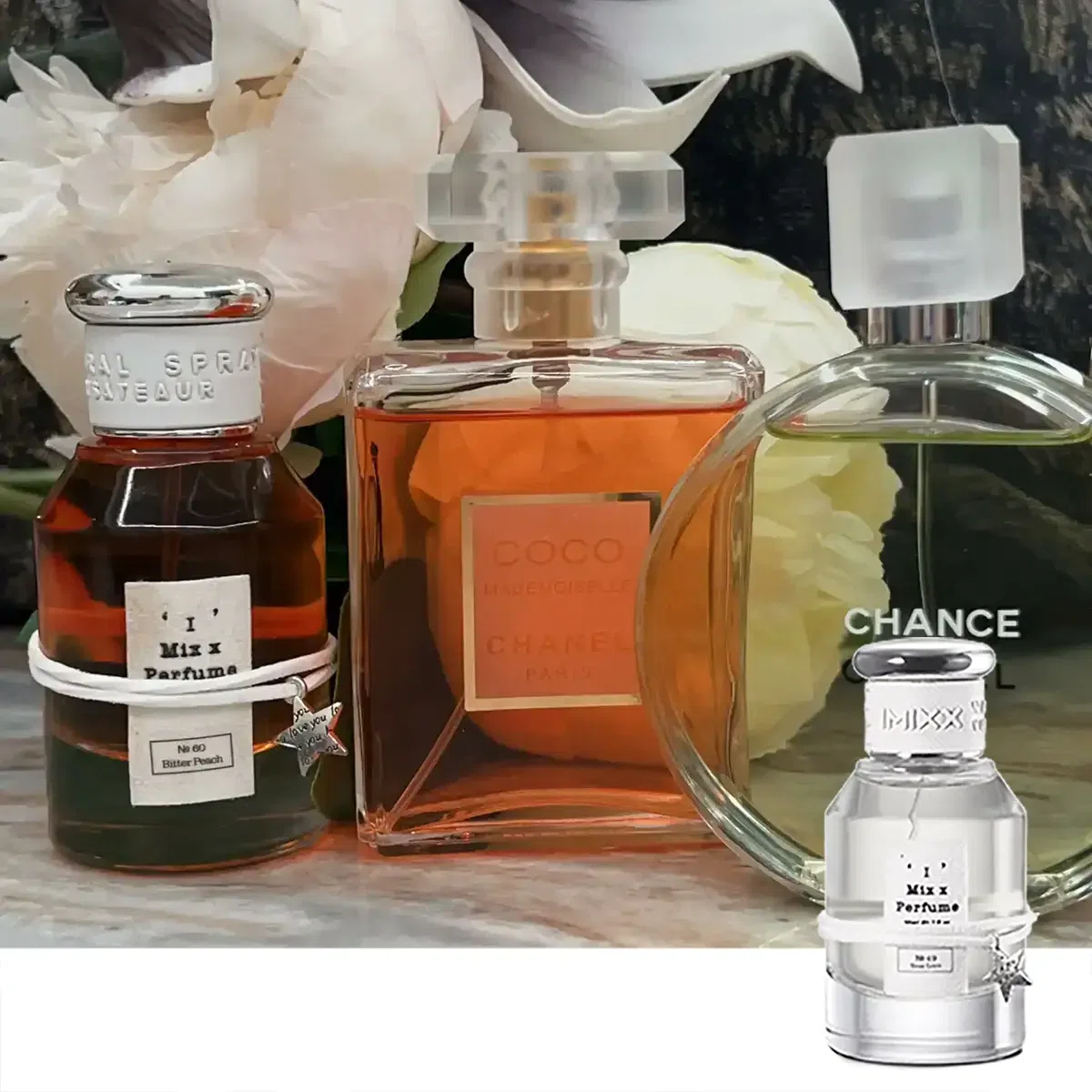
You have choices that fit every need. If you need a quick, fresh spray for the gym and don’t mind reapplying, Zara is a convenient, low-cost option. If you want a bold, room-filling statement, Alexandria Fragrances delivers high concentration. But if your goal is an impeccably balanced, scientifically accurate recreation that honors the airy top notes while delivering a true 8-hour base-note dry-down, exploring factory-direct options like the imixx Chanel Chance Eau Tendre alternative is a remarkably smart investment.
Luxury is a feeling, not a price tag. Trust your nose, seek out brands that are transparent about their manufacturing processes, and enjoy the beautiful, empowering journey of wearing a fragrance you truly love.
