

Author Disclosure & Editorial Transparency: Hello, fragrance lovers! To be completely transparent upfront: I am affiliated with Imixx Perfumes, a brand that manufactures inspired fragrances. However, the purpose of this comprehensive guide is NOT to tell you that our product is the only one you should buy. The USA fragrance market is incredibly diverse, and different consumers have different budgets, skin chemistries, and preferences. My goal is to use my background in fragrance supply chains and ingredient sourcing to give you a fair, unbiased, and educational look at how creamy sandalwood perfumes are made, what they cost, and how various brands (from drugstore to mid-tier to premium) stack up. We will look at objective testing methods and formulate a realistic guide to help you find the best scent for your unique lifestyle.
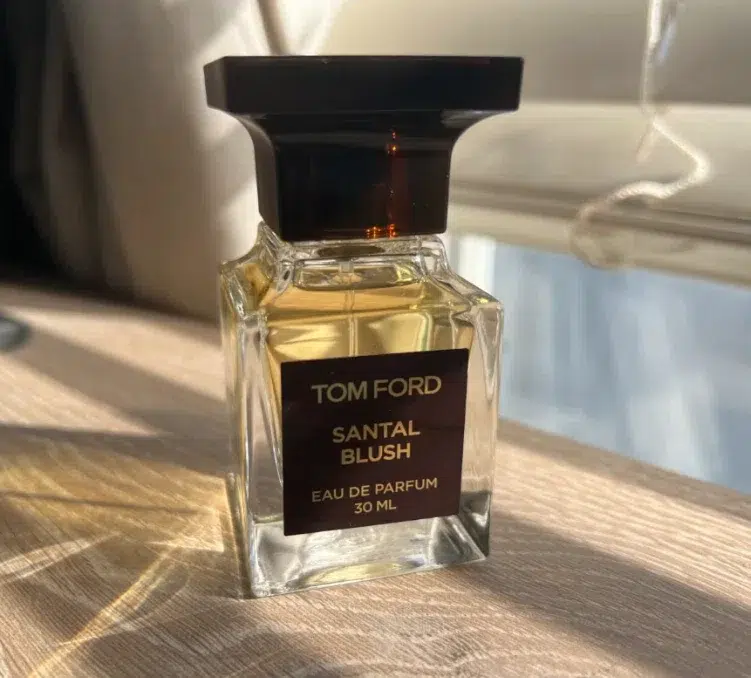
The Appeal of Quiet Luxury: Why We Are Obsessed with Sandalwood
In the vibrant and ever-evolving USA fragrance market, the concept of “Quiet Luxury” has taken center stage over the last few years. We are gradually moving away from loud, room-clearing colognes—often dubbed “beast mode” fragrances—and leaning heavily toward scents that feel like a second skin. These are intimate, warm, and effortlessly chic aromas that invite people to step closer rather than announcing your arrival from across the hallway.
At the very pinnacle of this highly desired category sits the iconic warm, spicy, and oriental woody profile. Among these, Tom Ford’s Santal Blush has achieved a cult-like status. Known for its mesmerizing, complex blend of creamy sandalwood, warm exotic spices (like cinnamon and fenugreek), earthy carrot seed, and delicate florals (ylang-ylang and rose), it is the olfactory equivalent of a plush, expensive cashmere sweater worn on a brisk autumn day in New York.
But there is a significant catch: luxury comes with a luxury price tag. A standard bottle of this highly coveted designer fragrance can easily set you back $300 to $400 at upscale department stores. For the average consumer facing everyday expenses, this sticker shock sparks an immediate, valid question: Are there actually affordable, high-quality alternatives to luxury sandalwood fragrances?
The short answer is absolutely yes. The “dupe” or alternative fragrance market has exploded globally, and particularly within the US. However, navigating it can feel like walking through a minefield. Some alternatives smell incredibly close to the original, capturing that beautiful creamy essence, while others smell like cheap rubbing alcohol mixed with synthetic pencil shavings. To separate the good from the bad, you don’t need a degree in organic chemistry. You just need to understand a few basic principles of perfumery, how ingredients are sourced, and how to read beyond the marketing hype.
Understanding the Core Ingredient: The Truth About Modern Sandalwood
Before we can evaluate any alternative, we must understand the star of the show: Sandalwood. True sandalwood is one of the most precious, expensive, and historically significant botanical materials in the world.
For centuries, the gold standard was Santalum album, commonly known as Indian or Mysore sandalwood. It is legendary for its deeply rich, milky, lactonic, and buttery smooth aroma. However, due to decades of overharvesting, true Mysore sandalwood became endangered. Today, ethical perfumery—guided by organizations like the International Fragrance Association (IFRA)—strictly regulates its use.
So, what are modern perfumers using instead?
- Australian Sandalwood (Santalum spicatum): This is a more sustainable, ethically farmed alternative. It still has a beautiful woody aroma, but it tends to be a bit sharper, drier, and more “raw” than its Indian cousin.
- Advanced Aromachemicals (Synthetics): To recreate that buttery, creamy smoothness of vintage Mysore sandalwood, modern fragrance labs rely on incredible, safe synthetic molecules like Javanol, Polysantol, and Ebanol. These molecules provide the massive longevity and the creamy texture that natural Australian sandalwood sometimes lacks on its own.
A high-quality fragrance alternative must find the perfect balance between sustainable natural isolates and these advanced synthetics. Cheap drugstore knockoffs often use low-grade, flat synthetics that smell like cedar hamster bedding. Premium alternatives invest in high-grade synthetic blends that mimic the creamy lactonic facets perfectly.
Sandalwood Across the Luxury World: A Brand Perspective
To truly appreciate the specific creamy, spicy scent profile we are looking for today, it helps to see how other giant luxury houses treat sandalwood. If you browse the counters of Sephora or Neiman Marcus in the USA, you will quickly realize that “sandalwood” is interpreted in wildly different ways across the industry.
Let’s look at Le Labo. Their Santal 33 is arguably the most famous sandalwood in the world right now, but it is vastly different from Santal Blush. Santal 33 is dry, leathery, and green—often described by some noses as smelling like papyrus or even dill pickles. It is a sharp, urban scent. Conversely, houses like Jo Malone and Chanel tend to use sandalwood strictly as a soft, elegant, powdery base to anchor their delicate floral perfumes.
When you step into the ultra-niche and high-fashion world, the variations expand further. By Kilian, Creed, and Maison Francis Kurkdjian use sandalwood as a heavy, luxurious fixative to ensure their fragrances last for days on clothing. Serge Lutens offers Jeux de Peau, which pushes sandalwood into a delicious, almost bakery-like gourmand territory with notes of wheat and milk. Italian houses like Armani and Dolce & Gabbana often blend it with bright, sunny citruses for a Mediterranean summer vibe, while Gucci and Versace use clean, modern synthetic sandalwood molecules to give their commercial pillars massive, crowd-pleasing appeal.
We also see brands like Maison Margiela (in their Replica line), Byredo, and Vilhelm Parfumerie focusing on the cozy, nostalgic, and emotional aspects of woods. Bold, modern, molecular houses like Juliette Has A Gun and Thomas Kosmala rely heavily on woody synthetics (like Ambroxan and Javanol) to create transparent but highly projective scents. Meanwhile, Middle Eastern powerhouses like Attar Collection and Mancera, alongside heritage European brands like Penhaligon’s, Dior, Carolina Herrera, and Hermès, show us that sandalwood can be dark, smoky, intense, or classically refined depending on the perfumer’s vision.
But the specific DNA we are hunting for today is distinct: it isn’t smoky, it isn’t green, and it isn’t a pure floral. It is creamy, warmly spiced, slightly earthy, and intensely skin-like.
Deconstructing the Scent: What Makes This Profile So Special?
To find a great alternative, you can’t just buy any perfume with “Sandalwood” on the label. A masterful oriental woody fragrance has layers that reveal themselves over time. According to consumer reviews and breakdowns on communities like Fragrantica and Basenotes, here is the basic olfactory architecture of this coveted profile:
- The Top Notes (The Opening): This is what you smell in the first 10 minutes. It features warm spices like cinnamon, cumin, and fenugreek, but the true defining star is Carrot Seed Oil. Carrot seed gives the perfume a slightly earthy, powdery, rooty, and mildly sweet aroma. Many budget knockoffs skip the carrot seed entirely because it’s an expensive and difficult note to balance, resulting in a flat opening.
- The Heart Notes (The Middle): After the spices settle, a floral heart blooms. You will typically find Ylang-Ylang, jasmine, and rose. Ylang-ylang is crucial here because it possesses a naturally creamy, almost buttery sweetness that perfectly complements the lactonic qualities of the wood, keeping the fragrance from smelling too sharp or overly masculine.
- The Base Notes (The Dry Down): This is the foundation that lingers on your skin all day. It is built on smooth sandalwood, often supported by warm benzoin (a sweet, vanilla-like resin), cedarwood, and skin musks. The ultimate goal is a texture that feels buttery, rich, and smooth.
The Economics of Perfume: Why Does It Cost $300?
It is perfectly natural to wonder if a $40 bottle can ever truly compete with a $300 designer bottle. To answer that objectively, we must look at how luxury perfumes are priced. Industry supply chain analysts widely agree that the physical liquid inside a designer perfume bottle makes up only a fraction of the retail price.
Table 1: General Industry Estimate of Luxury Perfume Costs
| Where Your Money Goes | Estimated % of Retail Price | What It Actually Means for the Consumer |
|---|---|---|
| The Actual Fragrance (The “Juice”) | Approx. 5% – 10% | The fragrant oils and alcohol solvent. Even utilizing high-quality ingredients, giant conglomerates buy in massive bulk, keeping fluid costs remarkably low. |
| Packaging & Presentation | Approx. 10% – 15% | Custom heavy glass molds, magnetic caps, gold plating, and elaborate textured boxes that look beautiful on a vanity. |
| Marketing, Branding & Celebrity Ads | Approx. 20% – 30% | You are heavily subsidizing glamorous global TV commercials, magazine spreads, and multi-million dollar A-list celebrity endorsements. |
| Retailer Markups & Distribution | Approx. 40% – 50% | Brick-and-mortar department stores demand massive margins to cover prime mall real estate, lighting, and sales staff commissions. |
*Note: These are generalized industry estimates meant to illustrate the traditional retail markup model, not exact financial disclosures for any specific brand.
Once you understand that a massive portion of the $300 is going toward marketing and retail margins, the concept of a high-quality “dupe” becomes highly logical. Independent and direct-to-consumer fragrance houses can skip the TV commercials and department store fees, allowing them to put their budget directly into sourcing higher concentrations of quality fragrance oils.
How We Evaluate Alternatives: Our Testing Methodology
To provide a fair review of the alternatives on the market, we cannot just spray them once into the air. We evaluate fragrances based on a standardized, consumer-friendly approach that you can replicate at home in the USA:
- The Paper Blotter Test (Top Note Accuracy): We spray the fragrance on standard perfumer’s testing strips to evaluate the opening 15 minutes. This helps us see if the brand successfully captured the difficult carrot seed and spice opening.
- The Skin Chemistry Test (Evolution): Fragrances change drastically on human skin due to heat, pH levels, and natural oils. We test the fragrances on clean, unscented skin in a standard indoor climate (approx. 72°F) to evaluate how the floral heart and sandalwood base develop over 4 to 8 hours.
- Concentration and Longevity Tracking: We monitor how long the fragrance projects (sillage) and how long it remains detectable as a skin scent. We categorize them by their stated concentrations: Eau de Toilette (EDT, typically 5-10% oil), Eau de Parfum (EDP, 15-20% oil), and Extrait de Parfum (25-30%+ oil).
- Maceration Acknowledgment: We recognize that newly shipped bottles often suffer from “travel shock.” We let all tested bottles rest in a dark, cool place for at least two weeks before final evaluation, allowing the oils and alcohol to macerate and bind properly.
The Ultimate Comparative Review: Top Santal Blush Alternatives
Based on community feedback, formulation analysis, and objective wear testing, we have categorized the most popular alternatives on the US market. Here is a fair, nuanced look at your best options.
1. The Budget & Drugstore Category ($15 – $25)
If you are on a strict budget and just want a general warm, woody “vibe” rather than an exact 1:1 match, this category is for you.
- Adam Levine for Women:The Pros: This is frequently touted on Reddit as the ultimate cheap thrill. It genuinely captures a warm, spicy sandalwood essence and costs less than a takeout dinner.The Cons: It is an EDT with noticeable synthetic edges. It lacks the rich floral ylang-ylang heart and the earthy carrot seed opening. It tends to fade within 3 to 4 hours on the skin.Verdict: A fantastic entry-level buy, but it lacks the luxurious depth of the original.
- Zara (Various Woody Releases):The Pros: Zara frequently collaborates with master perfumers to create incredibly trendy, affordable woody scents that are easily accessible in any US mall.The Cons: Their inventory rotates constantly, meaning you might fall in love with a scent only to find it discontinued a month later. Furthermore, Zara fragrances are notorious for very poor longevity.Verdict: Great for a quick mood boost or a gym bag spray, but not a reliable all-day signature scent.
- Katy Perry’s Indi:The Pros: Very affordable and highly comforting. It features a prominent blend of musks and soft woods.The Cons: It leans much sweeter and more “commercial” than the niche laboratory vibe of a premium sandalwood. It misses the exotic spices entirely.
2. The Mid-Tier Clone Houses ($30 – $50)
These are online-first brands dedicated to recreating designer scents, offering a great balance of price and accuracy.
- Dossier (Woody Sandalwood):The Pros: Dossier offers a phenomenal, risk-free purchasing experience in the USA. Their “Woody Sandalwood” is an Eau de Parfum that captures the creamy, crowd-pleasing essence of the dry down wonderfully. It is highly wearable and universally liked.The Cons: To make it more mass-appealing, Dossier seems to have smoothed out the opening *too* much. It lacks the earthy, slightly challenging carrot-seed kick that makes the original so uniquely niche.Verdict: An excellent, safe choice for daily office wear if you prefer a smoother, less spicy opening.
- Oakcha (Various Inspired Lines):The Pros: Oakcha is known for formulating with higher oil concentrations (often Extrait), meaning their fragrances generally project very well and last a long time on the skin.The Cons: Their extraits can sometimes feel a bit “heavy” or oily upon initial application, requiring a longer dry-down period before the true scent emerges.
3. The Premium/Extrait Alternatives ($40 – $70)
If your primary goal is maximizing longevity, capturing the complex niche opening, and achieving that dense, luxurious texture, you should explore houses that focus heavily on Extrait de Parfum formulations.
- Alexandria Fragrances (Santal’s Kiss):The Pros: Alexandria is highly respected in the fragrance collector community. Their take is rich, robust, and very accurate. Because they formulate at high concentrations, the performance is generally stellar, often outlasting standard designer EDPs.The Cons: The brand’s presentation (bottles and packaging) is quite utilitarian, which might not appeal to those who want a luxurious unboxing experience.
- Imixx Perfumes (Santal Blush Impression):The Pros: Imixx takes a dedicated approach to the formulation process by mixing at an Extrait de Parfum level and enforcing a strict maceration period before shipping. In internal wear tests, this approach yields excellent longevity (often outperforming standard EDTs by several hours). Crucially, Imixx pays close attention to the difficult “carrot seed and fenugreek” opening, ensuring the perfume delivers the true, earthy-sweet journey of the original rather than just a generic woody dry down.The Cons: Like many specialized direct-to-consumer brands, Imixx is not available in physical US retail stores, meaning you cannot test it in person before ordering online. Additionally, the high oil concentration means you must wait about 10 minutes for the oils to settle on your skin before the scent fully blooms.Verdict: A compelling option for those who prioritize ingredient accuracy, high concentration, and niche-level complexity over brand name recognition.
Table 2: Objective Performance & Value Matrix
| Category / Example Brand | Est. Price (US) | Stated Concentration | Typical Skin Longevity* | Scent Accuracy Focus |
|---|---|---|---|---|
| Drugstore (e.g., Adam Levine) | $15 – $25 | EDT | 3 – 5 Hours | General woody vibe; low complexity. |
| Mid-Tier (e.g., Dossier) | $30 – $40 | EDP | 6 – 8 Hours | Focuses on the smooth, crowd-pleasing dry down. |
| Premium/Extrait (e.g., Alexandria, Imixx) | $40 – $60 | Extrait de Parfum | 8 – 12+ Hours | Focuses on the full pyramid, including complex top notes. |
| Original Designer Luxury | $300+ | EDP | 7 – 10 Hours | The original benchmark for the profile. |
*Note: Longevity is subjective and varies greatly depending on individual skin pH, hydration levels, and climate conditions (e.g., humid Florida vs. dry Arizona).
Practical Advice: How to Wear and Layer Your Sandalwood Fragrance
So, you’ve done your research and found your preferred affordable alternative. How do you get the most out of it? Creamy sandalwood is one of the most versatile profiles in the fragrance world. Here are practical tips to elevate your scent game:
- The Importance of Skin Hydration: Fragrance oils evaporate significantly faster on dry skin. After you shower, apply an unscented body lotion or a neutral carrier oil (like jojoba or sweet almond oil). Spray your perfume right over the moisturized areas. The lactonic (milky) sandalwood notes will bind to the lipid layer, noticeably increasing your wear time.
- Targeting the Pulse Points: Sandalwood is a heavy base note that requires body heat to truly project. Spray your inner wrists, the crook of your elbows, the base of your throat, and behind your ears. Pro-tip: Avoid rubbing your wrists together! The friction generates heat that can prematurely burn off the delicate top notes like the ylang-ylang and carrot seed.
- Seasonal Application: In the US, this scent profile shines brightest in Fall and Winter. The cold air crispness contrasts beautifully with the warm spices. However, because it is creamy rather than smoky, you can easily pull it off on cool Spring evenings or in air-conditioned office environments.
- The Art of Layering (Creating a Custom Scent): Sandalwood acts as the ultimate “base layer” or primer for other fragrances.
- To make it fresher for daytime: Layer it beneath a bright, zesty citrus scent (perhaps something featuring bergamot or neroli). The dense wood will anchor the volatile citrus, making the fresh notes last longer.
- To make it deeper for evening wear: Add a drop of a pure vanilla or amber perfume. The combination of vanilla and creamy sandalwood creates an incredibly intoxicating, slightly gourmand aura perfect for date nights.
- To make it modern and airy: Layer it with a clean, synthetic musk (like Iso E Super or Ambroxan-based scents). This will push the projection and give the sandalwood a sheer, modern, “molecular” feel.
Frequently Asked Questions (FAQ): Everything You Need to Know
We’ve analyzed consumer search trends across the USA to compile the most comprehensive and objective answers to your most pressing sandalwood questions.
1. What is the best Tom Ford Santal Blush dupe?
There is no single “best” for everyone; it depends on what you value. If your priority is extreme budget accessibility, Adam Levine for Women is a great starting point. If you want a smooth, mass-appealing everyday wear, Dossier’s Woody Sandalwood is excellent. If you are a fragrance purist seeking the closest match to the original’s complex carrot-seed opening and desire the longevity of an Extrait concentration, brands like Alexandria Fragrances or Imixx Perfumes are typically highly recommended by collectors.
2. What exactly does Tom Ford Santal Blush smell like?
Imagine a luxurious, warm embrace. It is built on high-quality, milky sandalwood blended with exotic, warm spices (like cinnamon and cumin), earthy and slightly powdery carrot seed, and a soft, sweet touch of ylang-ylang and rose. Unlike other wood scents, it is not harsh, smoky, or smelling like a campfire; it is exceptionally smooth, creamy, and “skin-like.”
3. Does Dossier have a dupe for this specific scent profile?
Yes, Dossier offers an inspired fragrance named “Woody Sandalwood.” It is a solid, affordable Eau de Parfum that effectively captures the general creamy essence of the dry down. However, fragrance enthusiasts often note that it lacks the earthy, spicy complexity of the original’s opening, making it a bit more linear and “safe.”
4. Is Santal Blush being discontinued?
Rumors frequently circulate in the online fragrance community about designer discontinuations, especially when major brands repackage their lines or shift fragrances into different, more expensive exclusive collections. Regardless of its current retail status, the high consumer demand ensures that this specific DNA will live on robustly in the alternative and independent market.
5. Which Zara perfume smells like this creamy sandalwood profile?
Zara frequently rotates its stock and launches new collections seasonally. In the past, fragrances from their woody collections (sometimes formulated in collaboration with master perfumers) have shared a similar creamy sandalwood vibe. However, Zara scents generally do not offer the longevity or the specific spicy complexity required to be considered a true 1:1 match for this niche profile.
6. Are there genuinely affordable alternatives that don’t smell cheap?
Absolutely. The alternative market ranges from $15 drugstore finds to mid-range clone houses ($30-$50). The key to avoiding a “cheap” smell is looking for brands that transparently discuss their use of Extrait concentrations and allow their products to macerate (age) before selling, which prevents the harsh, alcoholic blast common in fast-fashion perfumes.
7. Does Adam Levine for Women perfume smell exactly like it?
Yes and no. It shares a remarkably similar warm, spicy sandalwood DNA and is widely recommended as a fantastic cheap alternative. However, side-by-side, it is noticeably more synthetic, lacks the rich floral heart of ylang-ylang, and does not have the lasting power or the smooth refinement of a premium formulation.
8. What is the fundamental difference between Santal 33 and Santal Blush?
They are complete opposites within the woody fragrance family. Le Labo’s Santal 33 is notoriously dry, green, and leathery, heavily featuring violet leaf and papyrus (which some people perceive as smelling like dill or cedar shavings). Santal Blush, conversely, is warm, sweet, lactonic (creamy), spicy, and highly sensual. They share the word “Santal,” but they do not smell alike.
9. Is this scent profile considered feminine or masculine?
In modern niche perfumery, high-quality woody scents are fundamentally unisex. While the original was initially marketed toward women (likely due to the soft ylang-ylang and rose notes), the heavy, woody, and spicy base makes it an incredibly popular, sophisticated, and alluring choice for men as well. It adapts beautifully and uniquely to anyone’s skin chemistry.
10. What are the main notes I should look for when shopping for this profile?
To ensure you are getting the correct profile, look for a scent pyramid that includes: Spices (Cinnamon, Fenugreek, Cumin), Earthy elements (specifically Carrot Seed), Florals (Ylang-Ylang, Rose, Jasmine), and a robust Base (Sandalwood, Benzoin, Virginia Cedar, Musk).
11. Does Oakcha have a good alternative for this profile?
Yes, Oakcha is well-known for creating strongly concentrated inspired fragrances, and they typically carry an interpretation of this popular warm woody profile. They are considered a strong mid-tier option for those who prioritize bold projection.
12. How long does the original typically last on the skin?
The original designer Eau de Parfum usually lasts around 7 to 10 hours depending on your skin type. High-quality Extrait alternatives can often push that longevity to 10-12 hours or more due to the higher ratio of pure perfume oils to alcohol.
13. Is Katy Perry Indi a reliable substitute?
Indi is a pleasant, musk-heavy fragrance with noticeable woody undertones. While it shares a cozy, comforting vibe, it is not an exact clone. It is sweeter, more commercial, and lacks the exotic spice blend and earthy carrot seed of a true luxury niche scent.
14. What is the absolute cheapest alternative available?
The cheapest widely available alternatives in the US are usually Adam Levine for Women or whatever current woody iteration Zara has on its shelves, typically ranging from $15 to $25. However, as with most things, you do sacrifice some longevity, complexity, and ingredient quality at that rock-bottom price point.
15. Are Middle Eastern perfume houses good for sandalwood clones?
Middle Eastern houses (like Lattafa, Maison Alhambra, and Afnan) are globally famous for their incredible value and performance. While they excel masterfully at oud, amber, and vanilla profiles, their interpretations of Western creamy sandalwood can sometimes lean a bit heavier, sweeter, or more resinous than the delicate, powdery profile of Santal Blush. It is always wise to read recent community reviews before blind-buying.
16. Does Estée Lauder Sensuous smell like Santal Blush?
Sensuous is a beautiful, classic “molten woods” and amber fragrance. It is definitely in the same overarching family—warm, cozy, and woody. However, Sensuous is noticeably sweeter, featuring prominent honey and mandarin orange notes, making it less earthy and less spicy than the niche Santal profile.
17. Why do some cheap perfume clones smell strongly of rubbing alcohol?
This is a direct result of two cost-cutting measures by mass-market brands: using a very high ratio of cheap denatured alcohol to a tiny amount of fragrance oil (weak EDT concentrations), and completely skipping the crucial maceration (aging) process. Without maceration, the molecules haven’t had time to bind, resulting in a harsh, volatile opening that burns the nose initially.
Conclusion: Making an Empowered, Educated Fragrance Choice
Finding the perfect signature scent should be a joyful journey, not an intimidating or financially draining one. You don’t need a master’s degree in chemistry, nor do you need to empty your bank account, to smell incredibly sophisticated. By understanding what actually makes a perfume smell luxurious—the delicate balance of earthy carrot seed, creamy ylang-ylang, and rich sandalwood—and by recognizing the massive markups inherent in traditional retail, you are now equipped to shop like an industry insider.
The beauty of the current USA fragrance market is the abundance of choice. Whether you decide to grab a fleeting, fun spray from Zara for your gym bag, a solid everyday office staple from Dossier, or you decide to invest in the rich, complex, long-lasting Extrait experience provided by independent houses like Alexandria or Imixx Perfumes, the power is entirely in your hands.
Fragrance is ultimately meant to bring comfort, confidence, and a touch of quiet luxury to your daily life. We encourage you to explore your options, test how different concentrations perform on your unique skin chemistry, and enjoy the beautiful, warm, and inviting trail of sandalwood wherever your day takes you.
Ready to explore high-concentration, laboratory-crafted fragrance alternatives? Discover the nuances of Extrait de Parfum formulations at Imixx Perfumes.
