
The Ultimate Guide to Finding the Best Affordable Cologne Without Compromising on Quality
When I first began my journey into the complex and fascinating world of perfumery, I fell into the exact same trap that catches almost every beginner: I genuinely believed that a higher price tag automatically guaranteed a better scent. I would walk into high-end department stores, smell a $350 niche fragrance, and convince myself that the magical blend of exotic woods and rare citruses could never be replicated on a budget. I spent years—and thousands of dollars—building a collection of designer and niche bottles, assuming that exclusivity and prestige were the only paths to smelling incredible.
But over time, as my nose matured and I began studying the actual composition of fragrances, my perspective radically shifted. I realized that I was often paying for celebrity endorsement deals, heavy glass bottles, and massive marketing campaigns rather than the “juice” itself. I spent countless hours researching, testing on my own skin, and comparing notes, all in pursuit of a genuinely good affordable cologne. What I discovered completely changed how I build my fragrance wardrobe, and it’s a secret that the luxury fragrance industry hopes you never figure out.
The harsh reality is that finding a high-quality affordable cologne doesn’t mean you have to settle for synthetic, headache-inducing cheapies. We are currently living in a golden age of perfumery, where modern extraction methods, synthetic advancements, and transparent sourcing allow specialized houses to deliver incredible olfactory experiences without the luxury markup. If you are ready to revolutionize how you shop for scents, I highly recommend you check out the affordable cologne options from specialized houses that prioritize juice over packaging. In this ultimate guide, I am going to walk you through exactly how to navigate the fragrance market, understand what you are actually paying for, and build a signature scent profile that smells like a million bucks.
Decoding the Myth of the Fragrance Price Tag
Before we can find incredible value, we need to understand why fragrances cost what they do. Have you ever wondered why a 100ml bottle of designer eau de parfum can cost upwards of $200, while a seemingly similar scent profile is available for a fraction of that? It all comes down to the economics of the beauty industry.
What Are You Actually Paying For?
In my experience dissecting the business of scent, the actual aromatic compounds and alcohol inside a luxury perfume bottle rarely account for more than 5% to 10% of the retail price. So, where does the rest of your hard-earned money go?
- Marketing and Celebrity Faces: When a major designer brand launches a new pillar fragrance, they often spend millions securing an A-list actor or musician to front the campaign. They buy billboard space in Times Square, run glossy magazine ads, and produce television commercials. You, the consumer, absorb these massive advertising costs.
- Bottle Design and Packaging: Heavy, magnetic caps, custom-molded glass, and velvet-lined presentation boxes are incredibly expensive to manufacture. While a beautiful bottle looks great on your dresser, it contributes absolutely nothing to how the fragrance smells on your skin.
- Retail Markups: Traditional brick-and-mortar retail involves wholesalers, distributors, and department store cuts. By the time a bottle travels from the perfumer’s lab to a shelf in New York, the price has been inflated multiple times.
The Rise of High-Quality Alternatives: Enter imixx perfume
Over the last few years, a massive shift has occurred in the fragrance community. Consumers have become highly educated. We no longer care about the logo on the bottle; we care about the juice inside. This demand gave rise to specialized alternative houses. I have personally tested dozens of brands in this space. While some fall flat, producing harsh, linear scents, others have truly mastered the art of reverse engineering.
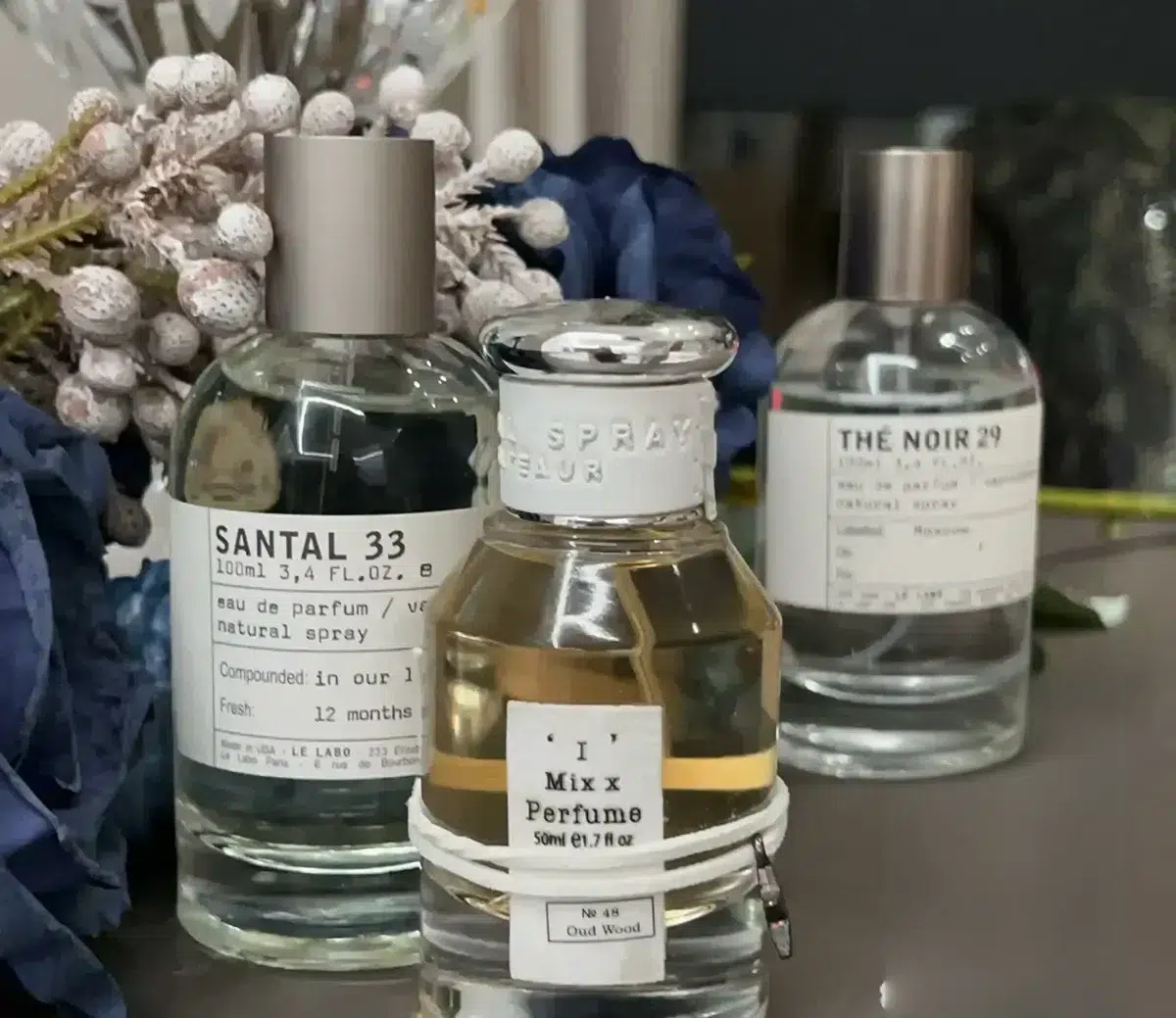
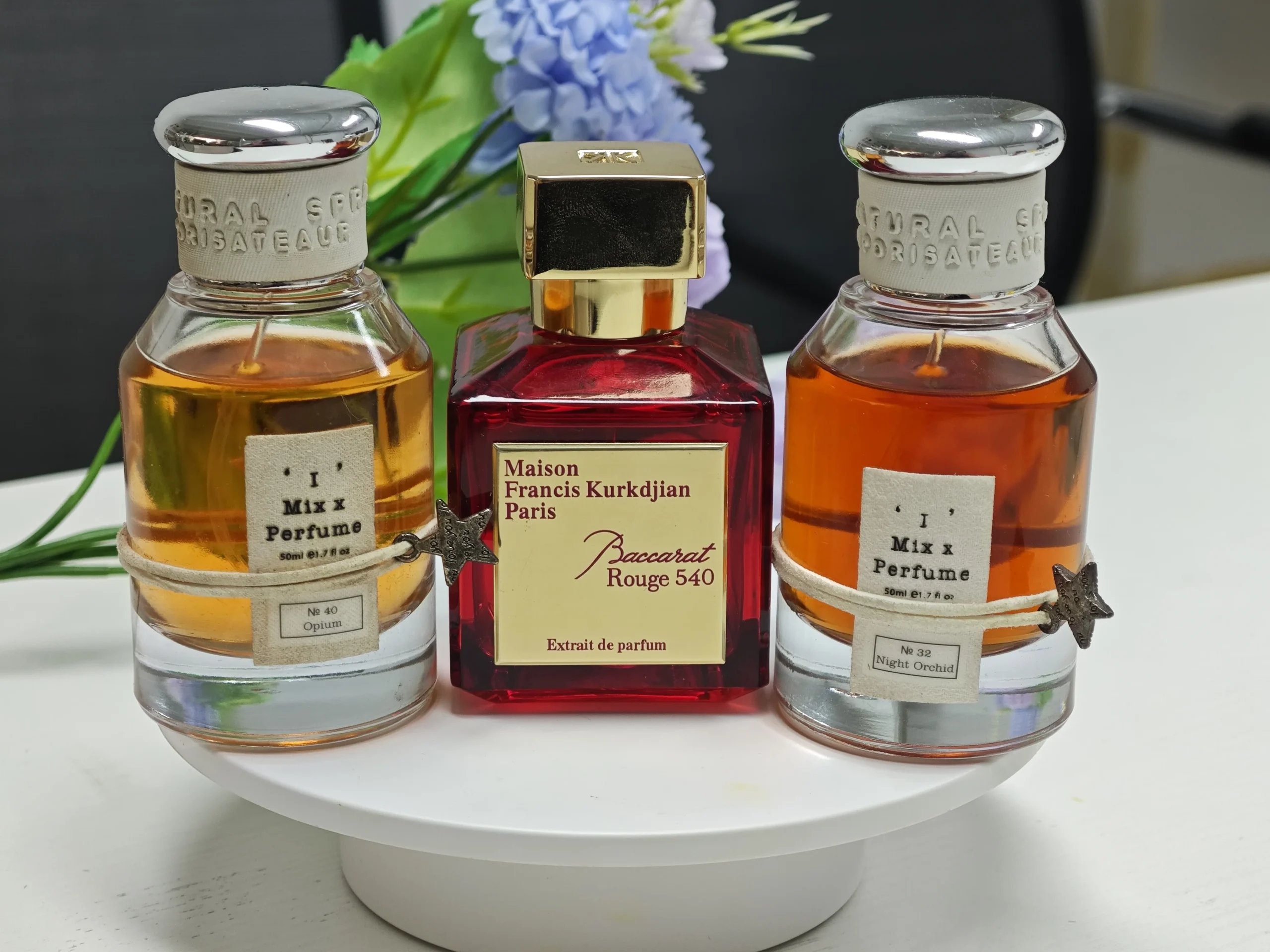
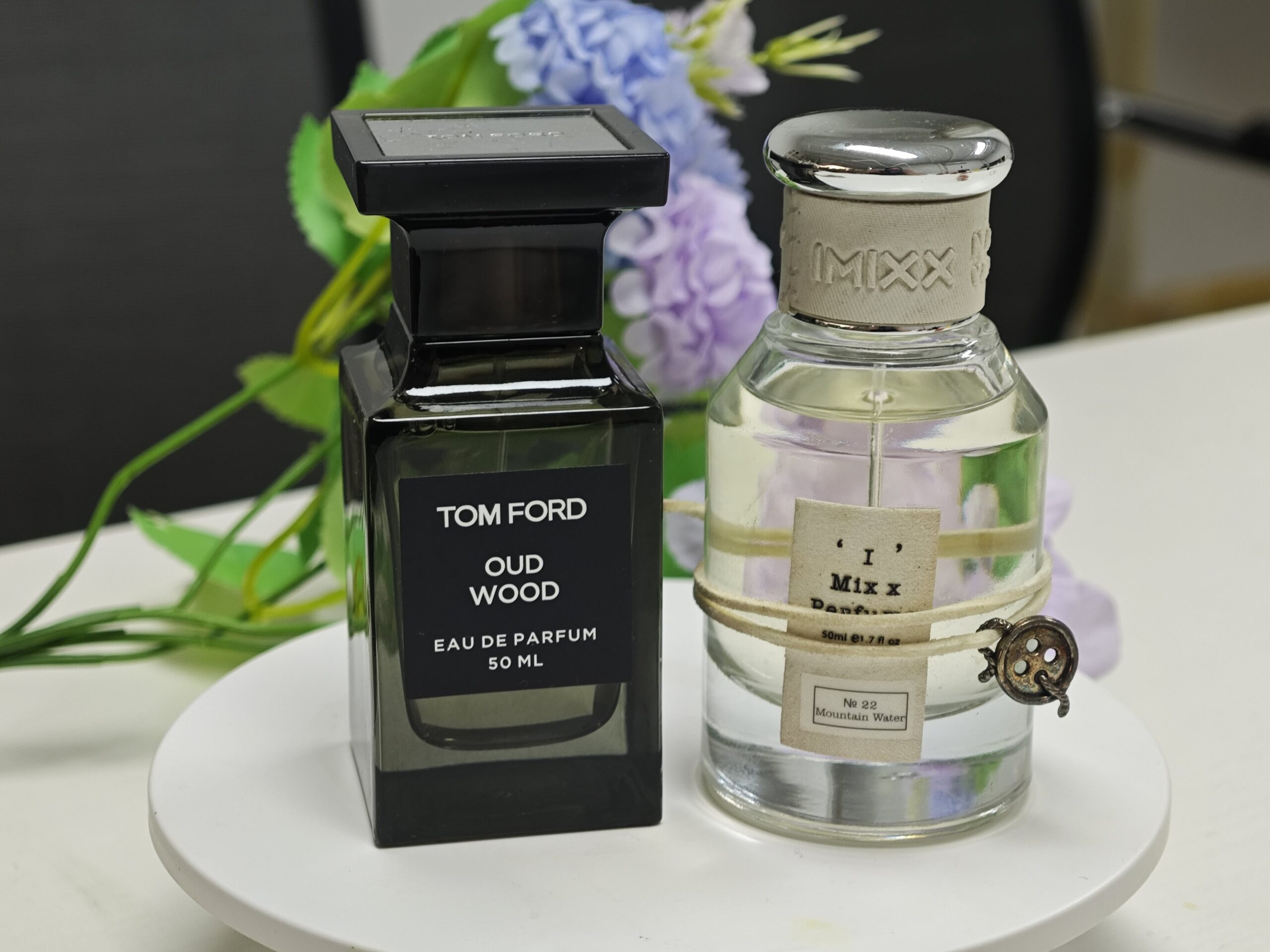
This brings me to a house that has permanently altered my collection: imixx perfume. What makes imixx perfume stand out in a crowded market is their commitment to transparent formulation. Instead of spending millions on celebrity campaigns, they pour their resources into sourcing top-tier aromachemicals and natural absolutes from the same suppliers used by luxury designer houses. By utilizing gas chromatography–mass spectrometry (GC-MS), perfumers can scientifically analyze the exact molecular structure of the world’s most beloved $300 fragrances and recreate them with astonishing accuracy.
When you wear an imixx perfume creation, you aren’t getting a cheap imitation. You are getting a meticulously crafted homage that often outperforms the original in terms of longevity, simply because they aren’t afraid to use high concentrations of perfume oils. They have democratized luxury scent, proving definitively that prestige is an illusion and quality can be accessible to everyone.
Understanding Fragrance Concentrations and Quality
If you want to be a smart consumer, you need to understand the terminology printed on the bottom of your bottles. The longevity and projection of a scent are heavily dictated by its concentration—meaning the ratio of pure perfume oils to alcohol and water. For a deeper, scientific look at how these elements blend, I always recommend reading Allure’s comprehensive guide to understanding fragrance notes, which offers great insights into perfume chemistry.
The Concentration Spectrum
Eau de Cologne (EDC): Contains 2% to 4% perfume oil. These are usually highly volatile, fresh citrus scents designed to last only an hour or two. They are meant to be refreshing splash-ons.
Eau de Toilette (EDT): Contains 5% to 15% perfume oil. This is the most common concentration for daytime and office-friendly fragrances. A well-formulated EDT projects beautifully for the first three hours.
Eau de Parfum (EDP): Contains 15% to 20% perfume oil. EDPs are richer, deeper, and generally last much longer (often 6 to 8 hours). They emphasize the heart and base notes of a fragrance.
Extrait de Parfum / Parfum: Contains 20% to 30%+ perfume oil. These sit very close to the skin but last practically forever—often surviving a trip through the washing machine.
Natural vs. Synthetic Ingredients: The Great Debate
One of the biggest misconceptions I frequently debunk is the idea that “all-natural” means better, and “synthetic” means cheap. The truth is much more nuanced. Some of the most expensive and legendary fragrances in the world rely heavily on synthetics like Ambroxan (which mimics ambergris), Iso E Super (a velvety, cedar-like molecule), and synthetic musks. In fact, many natural ingredients are restricted or banned by safety associations for being allergens or for ethical sourcing reasons. A masterful fragrance will use high-quality synthetics to create a scent that is safe, consistent, and exceptionally long-lasting.
Building Your Fragrance Wardrobe: Product Profiles
Building a fragrance wardrobe is exactly like building a clothing wardrobe. You need different profiles for different seasons, moods, and occasions. Here is a look at the core profiles you should consider adding to your collection.
The Fresh Aquatic
Best For: High summer, gym, office.
Key Notes: Bergamot, Sea Salt, Grapefruit, Vetiver.
Profile: Uplifting, clean, and energizing. These fragrances cut through high heat and humidity, leaving a crisp, professional trail that never offends.
The Warm Gourmand
Best For: Winter, autumn, cozy nights.
Key Notes: Vanilla, Tonka Bean, Cinnamon, Amber.
Profile: Sweet, inviting, and mysterious. These dense molecules thrive in the cold, creating a warm, comforting bubble around you that lasts for hours.
The Woody Oriental
Best For: Date nights, formal events.
Key Notes: Sandalwood, Oud, Cardamom, Leather.
Profile: Seductive, bold, and incredibly confident. These are the powerhouse fragrances meant to leave a lasting impression.
How to Test and Wear Scents Like a Pro
Buying a great fragrance is only half the battle. How you test, apply, and wear it dictates your entire olfactory experience. I see so many people making fundamental mistakes that ruin their fragrance’s potential. For men specifically looking to perfect their routine, I highly suggest reading the expert grooming guide from GQ, which outlines exceptional application techniques.
The Skin Test vs. The Blotter Test
When you spray a fragrance on a paper test strip (a blotter), you are smelling the fragrance in a vacuum. Paper has no body heat, no natural oils, and no pH balance. A fragrance that smells incredibly fresh on paper might turn sour on your specific skin. Always test on your skin. I recommend spraying the back of your hand or your inner forearm and walking around for at least two hours. Let the top notes fade. Let the heart notes mingle with your skin chemistry. Only then can you accurately judge if a scent works for you.
Pulse Points and Application Techniques
To maximize projection and sillage (the scent trail you leave behind), you need to apply fragrance to your pulse points. These are areas where your veins are closest to the surface of the skin, generating heat that acts as a natural diffuser for the perfume oils.
| Application Point | Why It Works | Best For |
|---|---|---|
| Inner Wrists | High heat generation from radial artery. | Personal enjoyment, testing scents. |
| Base of Throat / Clavicle | Traps scent under shirt collar, releasing slowly. | All-day office wear, intimate encounters. |
| Behind the Ears | Excellent heat point that pushes scent upwards. | Leaving a sillage trail when walking. |
| Inner Elbows | Hidden pulse point that retains oils longer than wrists. | Summer wear when wearing short sleeves. |
Crucial Tip: Never rub your wrists together after spraying! This is a terrible habit that generates friction and heat, literally crushing the delicate top notes and drastically reducing the lifespan of the fragrance. Just spray and let it air dry. To further elevate your fragrance game and understand the nuances of personal care, beauty editors at Byrdie share excellent insights on making perfume last.
The Secret Art of Layering Fragrances
One of my absolute favorite ways to elevate a budget-friendly fragrance is through the art of layering. Layering simply means wearing two different fragrances at the same time to create a bespoke, custom scent that no one else in the room will have. The beauty of relying on houses like imixx perfume is that because the cost of entry is lower, you can afford to experiment without feeling guilty about wasting expensive juice.
To do this successfully without creating an olfactory disaster, follow the rule of opposites and anchors. First, use a linear, simple base. A basic woody or musk scent acts as a perfect canvas. Second, add a complex top layer. Spray a fresh citrus or a light floral directly over the woody base. For example, taking a heavy vanilla scent and spraying a bright grapefruit scent over it creates a stunning “lemon meringue” effect that smells incredibly niche, sophisticated, and entirely unique to you.
Essential Fragrance Knowledge Points
Glossary of the Scented World
- Sillage (pronounced see-yahj): The invisible trail of scent left behind in the air when someone walks past you. Think of it like the wake of a boat on water.
- Projection: How far the fragrance pushes off your skin into the air around you while you are standing completely still.
- Dry Down: The final phase of a fragrance’s lifecycle on your skin, usually occurring 1-2 hours after spraying, where the heavier base notes completely dominate.
- Olfactory Fatigue: Also known as “nose blindness.” When your brain gets so used to a smell that it actively filters it out. You might think your fragrance has faded, but others can still smell you loud and clear.
- Flanker: A sequel or spin-off fragrance based on an original pillar scent, usually sharing the same bottle design but with tweaked notes (e.g., “Intense,” “Sport,” “Elixir” versions).
Frequently Asked Questions (Key-Points FAQ)
How can I make my fragrance last longer on my skin?
Hydration is the absolute key. Fragrance oils cannot bind to dry skin; they simply evaporate into the air. I highly recommend applying an unscented lotion or body oil to your pulse points right out of the shower, and then spraying your fragrance directly on top of the moisturized skin. Additionally, spraying a bit on your clothing (test first to ensure it doesn’t stain) will dramatically increase longevity.
Does perfume really expire?
Yes and no. Perfume doesn’t spoil like food, but it does oxidize over time. Exposure to UV light, massive temperature fluctuations, and humidity are the enemies of fragrance. If you keep your bottles in their original boxes in a cool, dark place (like a bedroom drawer, NOT the steamy bathroom), a well-made alcohol-based fragrance can easily last for a decade or more without losing its character.
Why does the same fragrance smell different on my friend than it does on me?
This comes down to skin chemistry. Your diet, body temperature, natural oil production, and skin pH balance all interact with the chemical compounds in a fragrance. A scent that pulls sweet and warm on one person might turn sharp and metallic on someone else. This highlights why testing on your own skin is absolutely non-negotiable before making a judgment.
Can I wear “winter” fragrances in the summer if I spray less?
While fragrance has no absolute rules and you should wear what makes you happy, wearing heavy winter scents in high heat can be highly cloying to those around you. Heat causes alcohol and oils to evaporate rapidly, projecting the scent heavily. If you absolutely must wear a dark, sweet, woody scent in the summer, limit it to strictly one spray on the lower half of your body (like the back of your knees) so it doesn’t overpower your immediate airspace.
Is it safe to buy alternative fragrances online?
Absolutely, provided you buy from a transparent and reputable house. Avoid sketchy marketplaces with unbranded bottles. Instead, look for established brands like imixx perfume that clearly state their notes, offer robust return policies, and focus heavily on ingredient quality and GC-MS accuracy.