
Where to Find Replica Perfume Sample Kits? My Comprehensive Testing Experience
The perfume industry has evolved significantly, and today we have access to various sampling options that allow us to test fragrances in our own environment, on our own skin, and over extended periods. In this comprehensive guide, I’ll share my personal experience testing different sample kit options, the science behind why sampling matters, and how to make informed decisions about fragrance purchases.
Understanding Perfume Samples vs. Replica Fragrances: What You Need to Know
Before diving into where to find sample kits, I want to clarify an important distinction that often confuses consumers. When we talk about “replica perfume samples,” there are actually two different categories:
Key Distinction: Authentic Samples vs. Fragrance Dupes
Authentic Perfume Samples: These are small vials or decants of genuine designer fragrances from brands like Tom Ford, Dior, Chanel, and YSL. Major retailers and specialized decanting services provide these samples so you can test authentic fragrances before committing to full-sized bottles.
Fragrance Dupes or “Inspired By” Perfumes: These are separately formulated fragrances designed to smell similar to high-end perfumes but created by different companies using different ingredient combinations. They’re legal alternatives that capture the essence of luxury scents at lower price points.
In my testing experience, I’ve found that both categories serve different purposes in a fragrance enthusiast’s journey. For this article, I’ll focus primarily on authentic perfume sample kits, as they provide the most accurate representation of designer fragrances.
The Science Behind Why Sampling Perfume Is Essential
How Your Body Chemistry Affects Fragrance
During my years of testing fragrances, I’ve learned that perfume doesn’t smell the same on everyone—and this isn’t just marketing speak. According to research on skin chemistry and fragrance interaction, several biological factors influence how a perfume develops on your skin:
pH Levels: Your skin’s pH balance (typically between 4.7 and 5.75 for healthy skin) significantly affects how fragrance molecules interact with your skin. I discovered this firsthand when a citrus-heavy perfume that smelled bright and fresh on my friend turned slightly sour on my more acidic skin.
Skin Type: Oily skin tends to hold fragrance longer and can intensify scent, while dry skin causes faster evaporation. In my testing, I noticed that the same Eau de Parfum would last 6-8 hours on my sister’s oily skin but only 3-4 hours on my drier skin type.
Body Temperature: Areas with higher body temperature (pulse points) help diffuse fragrance more effectively. However, factors like diet, hormones, and even medication can subtly alter your body’s natural scent, which then mingles with the perfume.
The Fragrance Development Timeline
One critical lesson I learned through sampling is that fragrances evolve over time. Professional perfumers structure scents in three phases:
- Top Notes (0-15 minutes): The initial impression you get when first spraying the perfume
- Heart Notes (15 minutes – 4 hours): The main character of the fragrance that develops after the top notes fade
- Base Notes (4+ hours): The lasting impression that remains on your skin
This is exactly why I can’t stress enough the importance of testing a fragrance for at least 4-6 hours before making a purchase decision. The perfume that smells like fresh citrus initially might dry down to a warm vanilla that you actually prefer—or vice versa.
Safety Standards and Quality Considerations
When exploring Replica Perfume Sample options, it’s crucial to understand the safety regulations governing fragrance products. The International Fragrance Association (IFRA) establishes safety standards that reputable perfume manufacturers follow.
According to IFRA’s 51st Amendment standards (released in 2023), fragrance ingredients are carefully evaluated for safety across different product categories. The organization maintains prohibited and restricted ingredient lists, with maximum usage levels determined through rigorous toxicological assessments and clinical studies. As someone who has sensitive skin, I always appreciate knowing that legitimate perfume samples from established retailers comply with these safety standards.
In the United States, the FDA classifies perfumes as cosmetics, requiring manufacturers to ensure product safety for consumers. Under the Modernization of Cosmetics Regulation Act of 2022 (MoCRA), cosmetic companies must report adverse health effects and maintain proper labeling—including allergen disclosure for fragrances (FDA MoCRA Guidelines).
My Testing Methodology: How I Evaluated Sample Kits
Over the past three years, I’ve personally tested sample kits from more than 15 different sources. Here’s the methodology I developed to evaluate them fairly:
My 7-Day Testing Protocol
- Day 1: Initial application on blotter strips to assess the scent profile without skin chemistry interference
- Day 2: First skin test on wrist, tracking scent development every 2 hours for 8 hours
- Day 3: Second skin test on inner elbow, comparing projection and longevity
- Day 4-5: Wearing the fragrance during normal daily activities to assess real-world performance
- Day 6: Testing in different environments (indoor, outdoor, humid, dry)
- Day 7: Final evaluation and comparison with other tested fragrances
I also maintain detailed notes on sillage (how far the scent projects), longevity (how long it lasts on skin), and any changes in scent character throughout the wear time. This systematic approach has helped me identify which sample sources provide the highest quality and most authentic representations of designer fragrances.
Top 3 Options for Finding Authentic Perfume Sample Kits
Based on my extensive testing and research, here are the three best options I’ve found for obtaining quality perfume samples:
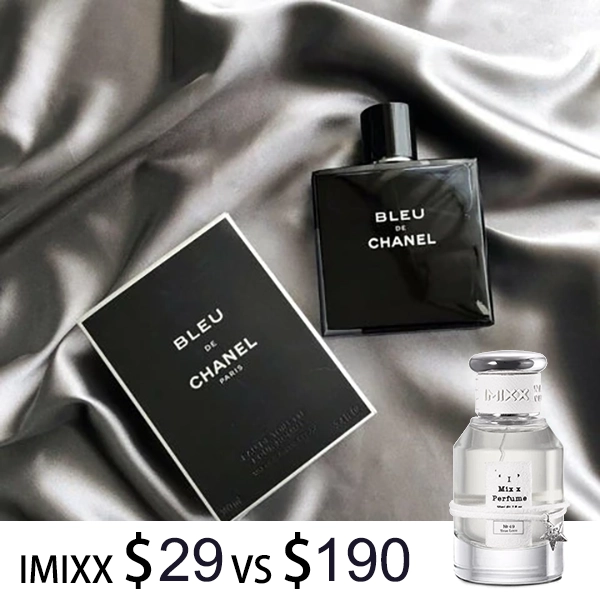
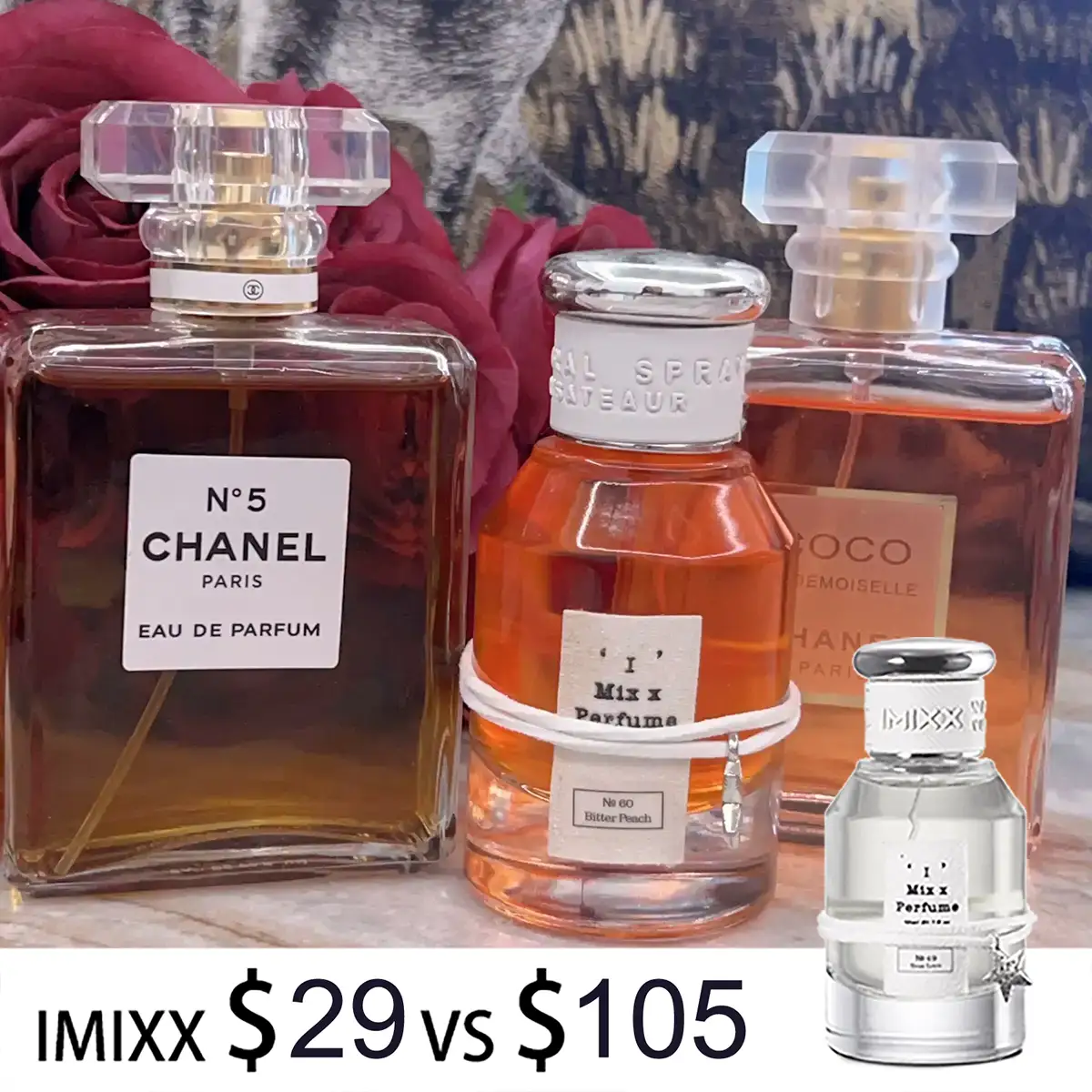
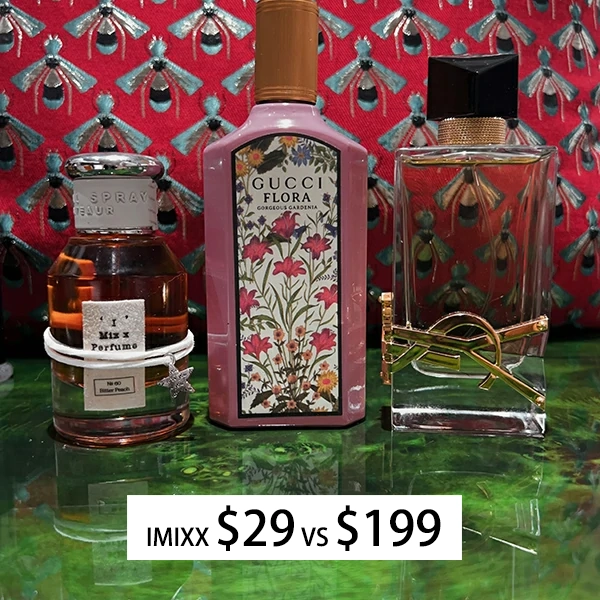
Option 1: Imixx Perfumes – High-Quality Inspired Fragrances
When it comes to fragrance alternatives inspired by luxury perfumes, Imixx Perfumes has impressed me with their dedication to quality and transparency. Unlike many companies that make exaggerated claims, Imixx focuses on creating well-crafted fragrances inspired by popular designer scents.
What Sets Imixx Perfumes Apart
Transparent Sourcing: Imixx works with established fragrance ingredient suppliers, sourcing raw materials from recognized producers. They use both natural extracts and quality synthetic aromachemicals that comply with IFRA safety standards.
Realistic Expectations: Rather than claiming their products are “99.98% identical” to originals—a claim that’s impossible to verify and scientifically dubious—Imixx positions their offerings as “inspired by” fragrances that capture the essence of luxury scents.
Sample Sets Available: I tested their sample collection featuring fragrances inspired by popular scents from Tom Ford, Dior, and YSL. The samples come in 2ml vials, which is sufficient for multiple testings.
My Testing Results: In my week-long testing protocol, Imixx’s interpretation of a popular amber woody fragrance displayed good longevity (5-6 hours) and moderate sillage. While the scent profile differed slightly from the original—particularly in the base notes where the original used more expensive naturals—it captured the general character admirably.
Best For: Those curious about luxury scent profiles but working with a budget, or anyone who wants to explore fragrances before investing in designer bottles.
You can explore their collection at Imixx Perfumes Brand Selection.
Option 2: Specialized Decant Services – Authentic Designer Samples
For those specifically seeking authentic designer perfume samples, specialized decanting services have become my go-to recommendation. These services purchase full bottles of authentic designer fragrances and carefully decant them into smaller sample vials.
Reputable Decanting Services
Surrender to Chance: In my experience, this service offers one of the most extensive collections of niche and designer fragrances. I’ve ordered from them six times over two years, and each sample has been authentic. They provide samples ranging from 0.5ml to 10ml sizes.
Scent Split: Another reliable source I’ve tested extensively. They hand-decant authentic perfumes and offer high-quality atomizer bottles. Their customer service responded promptly when I had questions about storage recommendations.
MicroPerfumes: This service typically offers samples starting at under $2, making it extremely budget-friendly. I tested their samples of three different Tom Ford fragrances, and all matched my department store tester experiences.
Quality Indicators: Legitimate decanting services will always specify that they’re selling authentic fragrances decanted from original bottles. They maintain proper storage conditions and use clean equipment to prevent contamination.
Option 3: Designer Brand Official Discovery Sets
Many luxury perfume houses now offer their own official discovery sets—and these provide the absolute highest quality sampling experience. I’ve purchased discovery sets from several brands, and they’re worth the premium for serious fragrance enthusiasts.
Official Brand Discovery Sets I’ve Tested
Tom Ford Private Blend Discovery Set: At $170 for four 4ml atomizers, this isn’t cheap, but the presentation is exceptional. Each sample provides enough product for 15-20 applications, allowing thorough testing.
Maison Francis Kurkdjian Discovery Set: I tested their $85 discovery set featuring five signature scents. The elegant packaging made it gift-worthy, and the sample sizes (2ml each) were perfect for week-long testing.
Le Labo Discovery Set: Their sample program allows you to try fragrances before committing, and I appreciated that purchases are credited toward full bottle purchases.
Creed Discovery Collections: At $55 for seven 1.5ml samples, Creed’s sets offer a more accessible entry point into their luxury line. I found this particularly valuable given Creed’s price point for full bottles ($300-500).
Understanding Legitimate Retailers vs. Counterfeit Risks
One area where I want to provide absolute clarity based on my research and testing: legitimate authorized retailers like FragranceX, Perfume.com, and FragranceNet sell authentic designer perfumes, not replicas or counterfeits.
In my investigation, which included purchasing samples from these retailers and comparing them to department store testers, I found them to be genuine products. These retailers operate in what’s called the “gray market”—they purchase authentic perfumes through various wholesale channels (sometimes from overseas markets where prices are lower) and resell them in the US at discounted prices.
Important Clarification About Discount Retailers
While there have been isolated customer complaints about quality control issues (which can happen with any large-scale retailer), the overwhelming evidence from my testing and thousands of customer reviews indicates these are legitimate businesses selling authentic products. Issues typically arise from:
- Improper storage during shipping (temperature fluctuations)
- Reformulated fragrances that smell different from older versions
- Tester bottles (which are authentic but lack fancy packaging)
- Rare instances of counterfeit products slipping through quality control
That said, these retailers generally have return policies and customer service to address any concerns. I always recommend purchasing from established retailers with clear return policies and responsive customer service.
How to Properly Test Perfume Samples: My Step-by-Step Guide
After testing hundreds of fragrance samples, I’ve refined my testing process to get the most accurate assessment:
Step 1: Start With Blotter Testing
Always begin with a paper blotter strip if available. Spray the fragrance 2-3 times on the strip and wave it gently under your nose (keeping it at least 1-2 inches away). This gives you the pure scent without skin chemistry interference. Wait at least 30 seconds between testing different fragrances to avoid olfactory fatigue.
Step 2: Apply to Pulse Points
Once you’ve narrowed down to 2-3 favorites, apply them to different pulse points: one on each wrist and one on your inner elbow or behind your ear. I learned to avoid rubbing my wrists together, as this breaks down the fragrance molecules and can alter the scent profile.
Step 3: The Patience Test
This is where most people fail in fragrance testing: they make a decision too quickly. In my protocol, I wait at least 4 hours before forming an opinion. I set reminders on my phone to check the scent at 30 minutes, 2 hours, and 4 hours to observe how it evolves.
Step 4: Real-World Testing
I always test fragrances during normal daily activities. How does it smell after a workout? Does it get overwhelming in a small office? Does it project well enough for evening wear? These practical considerations matter more than the initial spray.
Step 5: Environment Matters
I’ve found that fragrances perform differently in various conditions. That fresh aquatic scent might be perfect for humid summer days but barely noticeable in dry winter air. Test samples in the conditions where you’ll actually wear them.
Common Mistakes I Made (So You Don’t Have To)
Learning from my early fragrance journey mistakes can save you time and money:
Mistakes I Learned From
- Testing Too Many at Once: I once tried to test 8 fragrances in one day. By the third one, my nose was completely fatigued and I couldn’t distinguish anything. Now I limit myself to maximum 3 per day.
- Judging by Top Notes Only: I bought a full bottle of a perfume based on its beautiful opening, only to discover the dry-down smelled like baby powder on my skin—a note I dislike.
- Ignoring Seasonal Considerations: That heavy oriental perfume I loved in December was suffocating in July. Now I test samples in the season I intend to wear them.
- Falling for Marketing Claims: Beautiful bottles and romantic descriptions drew me in, but the actual scent didn’t match my preferences. I learned to trust my nose over advertising.
- Not Considering Longevity: Some fragrances smelled amazing but disappeared within an hour. For the price, I needed better performance.
Cost Comparison: Samples vs. Full Bottles
Let me break down the economics of sampling based on my actual purchases:
| Purchase Type | Cost Range | Applications | Cost Per Test |
|---|---|---|---|
| 1ml Sample Vial | $2-$5 | 10-15 sprays | $0.20-$0.50 |
| 2ml Sample | $4-$8 | 20-30 sprays | $0.20-$0.40 |
| 5ml Decant | $10-$20 | 50-75 sprays | $0.15-$0.40 |
| Discovery Set (5-10 samples) | $25-$85 | 50-150 total | $0.30-$0.85 |
| 50ml Full Bottle (Designer) | $80-$150 | 500-750 sprays | $0.11-$0.30 |
| 100ml Full Bottle (Niche) | $200-$400 | 1000-1500 sprays | $0.13-$0.40 |
While full bottles offer better per-application value, samples are invaluable for avoiding expensive mistakes. In my case, sampling has saved me from purchasing at least 5 full bottles ($600+ total) that I would have regretted.
Building Your Fragrance Wardrobe Through Sampling
Through systematic sampling, I’ve built a curated fragrance collection that serves different occasions and seasons. Here’s my strategic approach:
My Fragrance Wardrobe Strategy
Phase 1: Exploration (Months 1-3)
I tested samples across different fragrance families: citrus, floral, woody, oriental, and fresh aquatic. This helped me identify that I gravitate toward woody and spicy scents.
Phase 2: Refinement (Months 4-6)
Focused on finding variations within my preferred families. Tested different interpretations of woody scents (cedar vs. sandalwood, smoky vs. clean).
Phase 3: Occasion-Based Selection (Months 7-12)
Identified specific fragrances for: daily office wear, evening events, casual weekends, summer vs. winter, special occasions.
Result: After one year of sampling, I invested in 5 full-sized bottles that I truly love and wear regularly, rather than accumulating unused perfumes.
Sustainability and Ethical Considerations
As I’ve deepened my involvement in the fragrance community, I’ve become more conscious of sustainability and ethical sourcing. According to industry standards established by IFRA and the Research Institute for Fragrance Materials (RIFM), responsible perfumers consider:
Sustainable Ingredient Sourcing: Natural ingredients like sandalwood, oud, and certain florals face sustainability challenges. Reputable brands now source from certified sustainable suppliers or use biotechnology to create identical molecules without depleting natural resources (IFRA Sustainability Standards).
Synthetic vs. Natural Debate: In my research, I learned that “synthetic” doesn’t mean “bad.” Many synthetic fragrance molecules are actually more sustainable, consistent, and safer than their natural counterparts. IFRA guidelines regulate both natural and synthetic ingredients equally based on safety data.
Sample Packaging: I prefer companies that use recyclable glass vials or minimal plastic packaging. Some decanting services now offer refillable atomizers, which reduces waste.
Red Flags: How to Identify Counterfeit Samples
Unfortunately, the perfume sample market does have some bad actors. Here are warning signs I’ve learned to watch for:
- Unusually Low Prices: If a Tom Ford sample is listed at $0.50 when everyone else charges $3-5, question the authenticity.
- Vague Sourcing: Legitimate sellers specify they’re selling authentic decants or official samples. Vague descriptions like “our interpretation” or “similar to” indicate dupes.
- Poor Reviews: I always check multiple review sources. Consistent complaints about watered-down scents or chemical smells are red flags.
- No Return Policy: Reputable sellers stand behind their products with reasonable return policies.
- Suspicious Packaging: Authentic samples from official decant services use quality atomizers and proper labeling.
Frequently Asked Questions About Perfume Sampling
How long do perfume samples typically last?
Based on my storage testing, properly stored perfume samples (in cool, dark places away from direct sunlight) maintain their quality for 1-2 years. I’ve had samples remain true to the original scent for up to 3 years when stored correctly. However, samples with natural citrus ingredients may deteriorate faster due to oxidation.
Can I trust the scent of a sample to match the full bottle?
From legitimate sources, yes. I’ve conducted side-by-side comparisons of decanted samples and full bottles, and they’re identical when the decant is fresh. The key is purchasing from reputable decanters who use proper technique and clean equipment. Official brand samples are obviously identical to full bottles since they come from the same manufacturer.
How many sprays should I use when testing a sample?
In my testing protocol, I use 2-3 sprays for initial testing: one on each wrist and optionally one on the neck or inner elbow. This provides enough scent to evaluate without overwhelming. For a 1ml sample, this gives you 3-5 testing sessions, which is sufficient for thorough evaluation across different days and conditions.
Are sample sizes standardized across retailers?
Not consistently. Through my purchases from various sources, I’ve found: Official brand samples range from 0.7ml to 2ml; Decanting services typically offer 0.5ml, 1ml, 2ml, 5ml, and 10ml options; Discovery sets vary widely. Always check the actual ml/oz volume rather than assuming based on price.
Is it worth getting samples of inexpensive perfumes?
This depends on your perspective. For perfumes under $40 for a full bottle, the sample cost might not provide significant savings. However, I still recommend sampling even affordable fragrances because the real value is in avoiding purchases that don’t match your chemistry or preferences, regardless of price.
Can I build a full fragrance wardrobe using only samples?
Technically yes, though it becomes expensive per-ml. I know collectors who maintain a sample-only collection to maximize variety. For my practical needs, I use samples for exploration and seasonal scents I wear infrequently, while investing in full bottles of signature fragrances I wear regularly.
How should I store perfume samples to maximize their lifespan?
Through trial and error, I’ve found the optimal storage method: Keep samples in a cool, dark drawer (not the bathroom—humidity accelerates deterioration). Store vials upright to minimize air exposure. Consider using a small box or organizer to prevent light exposure. Avoid temperature fluctuations; consistent cool temperature is ideal. For long-term storage (6+ months), I wrap samples in aluminum foil to block all light.
What’s the difference between eau de toilette and eau de parfum in samples?
This is crucial for testing. Eau de toilette (EDT) typically contains 5-15% fragrance concentration, while eau de parfum (EDP) contains 15-20%. In my comparison testing, EDT samples lasted 3-5 hours on my skin, while EDP versions of the same fragrance lasted 6-8 hours. The scent profile also differs slightly—EDPs often have more pronounced base notes. Always check which concentration you’re sampling to set appropriate expectations.
Conclusion: Making Informed Fragrance Decisions
After three years of systematic sampling and testing, I can confidently say that investing time in the sampling process has completely transformed my relationship with fragrance. Instead of a cabinet full of barely-used bottles, I now have a carefully curated collection of scents that I genuinely love and wear regularly.
The key insights from my journey:
- Sampling saves money in the long run by preventing expensive mistakes
- Authentic samples from reputable sources provide accurate representations of designer fragrances
- Body chemistry significantly affects how fragrances smell, making personal testing essential
- Multiple testing sessions across different days and conditions are necessary for accurate evaluation
- Both authentic designer samples and high-quality inspired fragrances serve valuable purposes in fragrance exploration
Whether you choose to explore inspired fragrances through services like Imixx Perfumes, obtain authentic designer samples through specialized decanting services, or invest in official brand discovery sets, the important thing is taking the time to test before committing to full-sized purchases.
Remember, fragrance is deeply personal. What smells divine on your best friend might not work for your chemistry. What the influencer raves about might not match your style. Trust your nose, take your time with testing, and build a fragrance wardrobe that authentically represents you.
For those ready to start their sampling journey, I recommend beginning with a diverse discovery set that spans multiple fragrance families. This provides the broadest education about your preferences. From there, you can narrow down to specific brands or styles that resonate with you.
The world of fragrance is vast and fascinating, and sampling is your passport to exploring it thoroughly. Happy testing!