

What makes creed perfume oil unique? Explore its key features and benefits
For as long as I can remember, I have been utterly captivated by the world of fragrances. As a seasoned fragrance collector and evaluator, my dressing table has seen hundreds of different bottles, from designer staples to ultra-niche artisan blends. However, my olfactory journey experienced a profound shift when I first discovered the magic of a high-quality creed perfume oil. It was an awakening of the senses, a moment where I realized that the delivery system of a scent is just as critical as the scent itself. Over the years, I have meticulously studied how different formulations interact with human skin chemistry, and I can confidently say that oil-based fragrances offer an intimacy and longevity that alcohol-based sprays simply struggle to match. If you are tired of your scent disappearing by lunchtime, or if you find traditional sprays too harsh and overwhelming, you are in the exact right place. Let me walk you through everything I have learned about this luxurious fragrance format.
When we talk about luxury perfumery, we are often discussing a delicate balance of top, heart, and base notes. The way these notes unfold is entirely dependent on the medium they are suspended in. The distinct profile of a creed perfume oil is uniquely fascinating because it eliminates the volatile evaporation process associated with perfumer’s alcohol. Instead of shouting across a room for the first twenty minutes and then vanishing, an oil sits close to the skin, creating a personal scent bubble that hums steadily throughout the day. It is a more refined, polite, and ultimately more personal way to wear a fragrance. I have spent countless hours analyzing how these oils evolve from the moment they touch the pulse points to the deep dry-down hours later, and the journey is nothing short of spectacular.
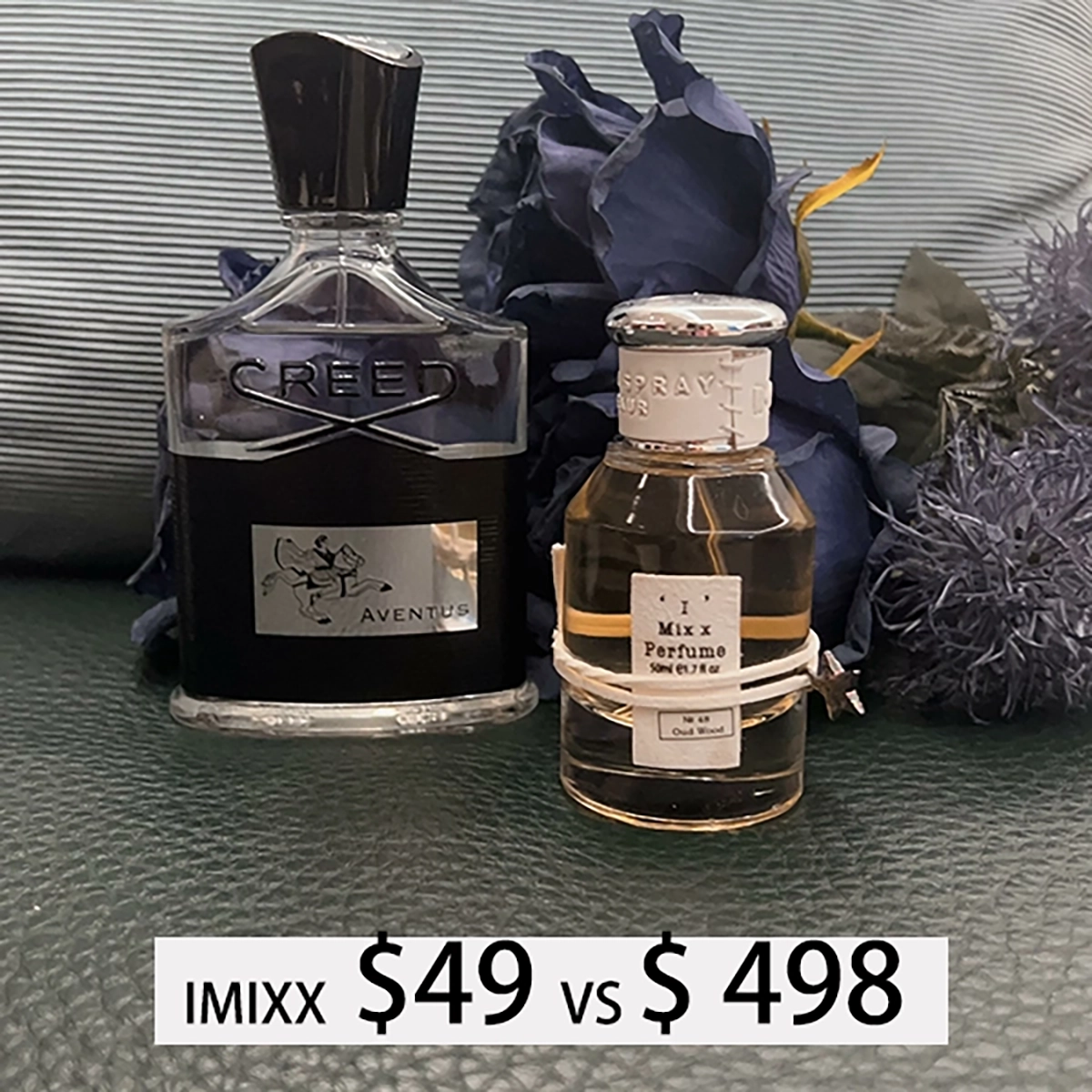
This brings me to a crucial point about accessibility and finding the right fit for your personal collection. True luxury should not be completely out of reach, and the beauty of the modern fragrance market is that we now have incredible options that capture the essence of these legendary scent profiles. After testing dozens of iterations and inspired expressions over my years as a reviewer, I have found that certain specialized houses truly understand the chemistry of a great oil formulation. If you want to experience this luxury for yourself, I highly recommend checking out my personal favorite creed perfume oil selection. It has completely transformed my daily scent routine, offering unparalleled richness and depth.
The Science and Art Behind Perfume Oils
To truly appreciate what makes these formulations so unique, we must first dive into the science of perfume oils. Traditional Eau de Parfums and Eau de Toilettes use alcohol—typically ethanol—as a carrier. Alcohol is highly volatile, meaning it evaporates rapidly at room temperature. This rapid evaporation is what lifts the fragrance molecules into the air, creating what we call ‘sillage’ or the scent trail. However, this same mechanism is responsible for the sharp, sometimes astringent opening blast that can irritate the nose or the skin. Perfume oils, on the other hand, use neutral carrier oils such as fractionated coconut oil, jojoba oil, or sweet almond oil. These carriers are non-volatile. They do not evaporate; instead, they are slowly absorbed into the skin.
This fundamental difference in chemistry changes the entire behavior of the fragrance. Because the carrier oil does not flash off into the air, the top notes of the fragrance are preserved for much longer. You get a slower, more deliberate transition from the top notes to the mid and base notes. I often explain this to fellow fragrance enthusiasts as the difference between a firecracker and a slowly burning incense stick. The oil relies on your natural body heat to gently project the scent. As your core temperature fluctuates throughout the day—perhaps rising during a brisk walk or a moment of excitement—the oil responds by radiating a soft wave of aroma. This heat-activated release mechanism feels incredibly organic and deeply tied to your own biology.
The Role of Skin Chemistry
One of the most fascinating aspects of my fragrance journey has been studying how the same scent can smell radically different on two different people. This is especially true for oil-based fragrances. The pH level of your skin, your diet, your natural sebum production, and even your hydration levels play a massive role in how a fragrance develops. Because perfume oils mingle directly with your skin’s natural oils without the barrier of evaporating alcohol, they create a highly customized scent profile. What might present as sharp and citrusy on my skin could pull warm, woody, and musky on yours. This symbiotic relationship between the product and the wearer is what elevates the experience from simply ‘wearing a perfume’ to having a signature scent that is uniquely, unrepeatably yours.
Furthermore, alcohol is a known drying agent. For individuals with sensitive skin, eczema, or contact dermatitis, traditional sprays can cause redness, itching, and flaking. Carrier oils are inherently moisturizing. They nourish the lipid barrier of the skin while depositing the fragrance. This dual-action of hydrating while perfuming is a significant benefit that is often overlooked in mainstream beauty discussions. When I switched a large portion of my collection to oils, including several incredible imixx perfume options, I noticed a dramatic improvement in the texture and health of the skin on my neck and wrists.
Key Features of Oil-Based Fragrances
Understanding the features of these oils is essential for setting your expectations and maximizing your enjoyment. Let’s break down the core characteristics that define this category of perfumery.
1. Exceptional Longevity
The most celebrated feature of a high-quality fragrance oil is its staying power. Because the scent molecules are trapped within a slow-absorbing carrier oil rather than a fast-evaporating alcohol, the fragrance remains on the skin for an incredibly long time. While a standard designer Eau de Toilette might give you 4 to 6 hours of performance, and an Eau de Parfum might stretch to 8 hours, a well-crafted perfume oil can easily last 12 to 24 hours. I have frequently applied an oil after my evening shower, slept through the night, and woken up to a beautiful, lingering base note of ambergris or sandalwood still present on my wrists. This linear, enduring performance means you don’t have to constantly reapply throughout the day.
2. Intimate Sillage
Sillage refers to the invisible trail of scent left behind as you walk through a room. Alcohol-based fragrances are designed to maximize sillage, sometimes to an aggressive degree. We have all experienced the discomfort of being trapped in an elevator with someone wearing too much cologne. Perfume oils offer a different philosophy: intimate sillage. The scent bubble created by an oil typically extends only a foot or two from your body. It is a fragrance meant to be discovered, not announced. It invites people to lean in closer. In professional settings, tight office environments, or romantic dates, this restrained projection is a massive advantage. It demonstrates sophistication and respect for the shared olfactory space of those around you.
3. Linear Note Evolution
Because there is no alcohol violently lifting the top notes off your skin, the evolution of an oil is much more linear and smooth. You don’t experience that harsh alcohol blast followed by a sudden disappearance of citrus notes. Instead, all the layers of the fragrance—the sparkling bergamot, the lush florals, the deep woods—are present almost simultaneously, slowly shifting in dominance over the course of hours. This gives you a truer representation of the perfumer’s intended composition from the very first minute of application.
Key Benefits That Will Change Your Routine
Beyond the technical features of the liquid itself, incorporating oils into your daily grooming ritual comes with a host of practical lifestyle benefits. As someone who travels frequently and values efficiency, these benefits have cemented oils as a permanent fixture in my rotation.
Travel-Friendly and TSA Compliant
If you have ever had a beautiful, expensive glass bottle of perfume confiscated by airport security, or worse, shatter inside your checked luggage, you know the heartbreak of traveling with traditional fragrances. Perfume oils are almost always packaged in small, robust rollerball bottles or tiny dabber vials. They typically hold between 10ml and 30ml of liquid, falling well below the TSA limit for carry-on liquids. They take up practically no space in a toiletry bag, they don’t leak easily because the liquid is viscous, and the rollerball application means you can discreetly apply them while sitting in a cramped airplane seat without spraying a cloud of mist into your neighbor’s face.
Zero Waste Application
When you spray a traditional atomizer, a significant percentage of the liquid never actually makes it onto your skin. It drifts into the air, falls onto the floor, or lands on clothing where you didn’t intend it to go. This is literal money evaporating into thin air. With a rollerball or a glass wand applicator, you have 100% control over exactly where the product goes. Every single drop you pay for is used effectively. This makes perfume oils incredibly cost-effective in the long run. A tiny 10ml bottle of concentrated oil can easily outlast a 50ml bottle of spray perfume because you are using a micro-amount with zero waste.
Layering Potential
One of my favorite advanced fragrance techniques is layering, and oils are the absolute best base for this. By applying a rich, musky or woody perfume oil as a base layer, you can create a customized canvas on your skin. You can then spray a lighter, more volatile alcohol-based fragrance over the top. The oil acts as an anchor, grabbing onto the spray molecules and slowing down their evaporation. This not only creates a completely unique, personalized scent that no one else has, but it also dramatically increases the longevity of your spray perfumes. Combining a high-quality imixx perfume oil with a fresh citrus spray is a technique I use constantly during the warmer months.
Expert Knowledge Point: The Pulse Point Strategy
To get the absolute best performance out of your fragrance oils, you must apply them to your pulse points. These are areas where your veins sit closest to the surface of your skin, generating the most body heat. The key pulse points are the inner wrists, the base of the throat, behind the ear lobes, the inner elbows, and even behind the knees. Never rub your wrists together after applying! This friction creates a sudden burst of heat that can break down the delicate top note molecules, ruining the intended olfactory arc. Instead, simply dab or roll the oil on and let it air dry naturally.
Comparing Formats: Oils vs. Traditional Sprays
To help you visualize the distinct advantages of each format, I have put together a comprehensive comparison based on my years of testing and reviewing. Understanding these differences will help you make an informed decision about what works best for your specific lifestyle and needs.
| Characteristic | Perfume Oils | Alcohol-Based Sprays (EDP/EDT) |
|---|---|---|
| Carrier Medium | Natural carrier oils (Jojoba, Coconut, Almond) | Perfumer’s alcohol (Ethanol) and water |
| Projection (Sillage) | Intimate, close to the skin, invites leaning in | Loud, room-filling, leaves a noticeable trail |
| Longevity | Exceptional (12-24 hours), linear fade | Moderate to High (4-10 hours), sharp drop-off |
| Skin Impact | Moisturizing, hypoallergenic, great for sensitive skin | Drying, can cause redness or irritation |
| Application Method | Targeted rollerball or wand (Zero waste) | Atomizer spray (High waste/overspray risk) |
| Value for Money | Excellent; micro-dosing makes small volumes last months | Variable; large bottles deplete quickly with daily use |
Deep Dive: Popular Scent Profiles in Oil Form
When translating iconic, complex scent profiles into an oil format, certain magical things happen to the notes. Having evaluated countless compositions, I want to guide you through how different scent families behave when formulated as an oil. Whether you are looking for something fresh and invigorating for the office, or something dark and mysterious for the evening, the oil format alters the perception of the fragrance in beautiful ways.
The Fruity-Woody Powerhouse Profile
This is arguably the most famous modern masculine profile, characterized by a bright, sparkling opening of pineapple, bergamot, and blackcurrant, which seamlessly transitions into a smoky, woody heart of birch, patchouli, and Moroccan jasmine, finally resting on a rich base of musk, oakmoss, and ambergris. When this profile is rendered in an alcohol spray, the pineapple is extremely sharp and tart, often dominating the first hour. However, in a premium oil format, the acidity of the fruit is softened. The pineapple becomes richer and more syrupy, blending immediately with the smoky birch. It creates a much smoother, creamier experience. The ambergris base, which can sometimes get lost in the volatile flash of alcohol, is heavily amplified in the oil, giving the fragrance an incredibly sexy, musky skin-scent quality that lasts all night. If you are exploring an imixx perfume inspired by this profile, you will notice just how exceptionally smooth the transition from fruit to smoke is.
The Fresh Marine and Melon Profile
Evoking the feeling of standing on a Mediterranean coastline, this profile features sea salt, marine notes, and a distinct, mouth-watering fruity melon accord, backed by iris, sandalwood, and musk. Aquatic notes are notoriously difficult to anchor. In spray form, the beautiful salty sea-breeze aspect often burns off within two hours, leaving behind a faint woody base. The true genius of formulating this profile as an oil is that the carrier oil literally traps the aquatic and melon molecules. I have found that marine oils retain their ‘wet’ and ‘salty’ characteristics for up to eight hours. The warmth of your skin acts like the sun beating down on the ocean, gently lifting the salt and citrus notes in continuous, soft waves throughout the day. It is the absolute perfect choice for high-heat summer days.
The Green and Powdery Classic Profile
Think of a morning walk through a lush, dew-covered countryside. This elegant profile utilizes lemon verbena, peppermint, violet leaves, Florentine iris, and sandalwood. It is the epitome of gentlemanly sophistication. In an oil format, the peppermint and violet leaf combination loses any harsh, astringent edges it might have in alcohol. Instead, it becomes incredibly lush and velvety. The powdery nature of the iris is subdued, while the creamy sandalwood base is brought to the forefront almost immediately. It feels incredibly wealthy and refined. I love applying this specific oil profile immediately after a hot shower; the residual humidity in the bathroom helps to lock the scent into my pores, creating a fresh, green aura that lasts from my morning commute all the way through evening drinks.
Curated Product Recommendations
To help you start your journey into oil-based perfumery, I have selected a few outstanding options that represent the pinnacle of quality, longevity, and accuracy to classic scent profiles. These are formulated to provide you with the ultimate luxurious experience without the luxury price tag.
Executive Pineapple & Smoke Oil
Scent Profile: Fruity, Smoky, Musky
The ultimate statement fragrance. Opening with a rich, caramelized pineapple and tart apple, it dries down into a sophisticated blend of smoky birch and deep ambergris. Perfect for the confident professional. Formulated in a nourishing jojoba base.
Coastal Melon & Sea Salt Oil
Scent Profile: Aquatic, Citrus, Fresh
A vacation in a bottle. This oil brilliantly captures the essence of a salty ocean breeze mixed with fresh, juicy melon and crisp Sicilian lemon. The oil format ensures these delicate fresh notes survive the high summer heat.
Highland Green & Iris Oil
Scent Profile: Green, Powdery, Woody
Classic elegance redefined. Lush violet leaves, refreshing peppermint, and smooth sandalwood create a gentlemanly aura. The sweet almond oil carrier adds a subtle, creamy undertone to the sharp green notes.
Advanced Application Techniques for Maximum Performance
Owning a premium fragrance is only half the battle; knowing exactly how to wear it is what separates the novices from the connoisseurs. Over the years, I have developed a highly specific routine for applying oils that maximizes their projection, longevity, and overall aromatic beauty. Here is my personal step-by-step guide.
1. Hydration is the Foundation
Fragrance—whether oil or alcohol-based—despises dry skin. Dry skin will literally drink up the fragrance oils in an attempt to moisturize itself, causing the scent to disappear rapidly. Always apply your fragrance right after you step out of the shower. Towel off, and immediately apply an unscented body lotion or a pure carrier oil (like jojoba or squalane) to your pulse points. This creates a hydrated, lipid-rich barrier for the fragrance oil to sit on top of, drastically improving its longevity.
2. Strategic Placement
Do not just blindly roll the oil everywhere. You need to target the heat centers of your body. My go-to spots are:
- The Inner Wrists: The classic application point, great for when you move your hands while speaking.
- Behind the Ears / The Jugular: This is crucial for intimate encounters. When someone leans in to hug you, this is the scent they will catch.
- The Inner Elbows: Often overlooked, this area generates a lot of heat and is protected from the elements, making it an excellent anchor point for longevity.
- The Collarbone: Perfect for creating a scent bubble that wafts up to your own nose throughout the day.
3. The Hair Trick
Hair is incredibly porous and holds onto scent far better than skin. However, spraying alcohol-based perfumes into your hair is a terrible idea, as the alcohol will dry out and damage your hair cuticles. Because perfume oils contain no alcohol and are inherently moisturizing, they are safe for hair application! I like to apply a small swipe of oil to the palms of my hands, rub them together gently to spread the oil, and then lightly run my hands through the ends of my hair. Every time the wind blows or you turn your head, you will release a mesmerizing wave of fragrance.
The Sustainability and Ethics of Perfume Oils
As we become more conscious consumers, it is important to consider the environmental and ethical impact of our beauty routines. This is an area where perfume oils significantly outshine their spray counterparts. The production of high-grade perfumer’s ethanol is a resource-heavy process. Furthermore, aerosolized sprays contribute to indoor air pollution and volatile organic compound (VOC) emissions. By choosing an oil format, particularly from a brand like imixx perfume that prioritizes clean formulations, you are opting for a much lower carbon footprint. The packaging is generally smaller, requiring less glass and cardboard, and the absence of complex atomizer pumps makes the bottles easier to recycle.
Additionally, the sourcing of carrier oils like jojoba and coconut can often be traced back to sustainable farming practices. The purity of the ingredients in a high-quality oil means you are exposing your body to fewer synthetic fixatives, phthalates, and chemical drying agents. It is a cleaner, more holistic approach to personal fragrance that aligns beautifully with modern wellness standards.
Understanding Olfactory Fatigue
One common phenomenon I must address is olfactory fatigue, or “nose-blindness.” Because a perfume oil sits so close to your skin and creates a constant, linear aura of scent, your brain may eventually tune it out. You might think the fragrance has completely faded by hour four, but I assure you, it is still there. Your brain simply stops registering the stimulus because it is no longer perceived as a new threat or change in the environment. Before you assume your oil is underperforming and apply more, ask a friend or colleague if they can still smell you. Nine times out of ten, they will confirm that you still smell fantastic. The intimate sillage of an oil makes this phenomenon more common than with aggressive sprays, but it is a sign of a steady, reliable fragrance profile.
Expert Perspectives and Broader Industry Trends
The resurgence of perfume oils is not just a passing trend; it represents a fundamental shift in how consumers engage with luxury. People are moving away from loud, brash “clubbing” fragrances and leaning toward sophisticated, skin-enhancing scents that feel personal and grounding. For further reading on the history and cultural significance of attars and oil-based perfumery, I highly recommend checking out Fragrantica’s insights on perfume oils. They do a phenomenal job of explaining the ancient Middle Eastern roots of this practice.
Additionally, modern beauty editors have heavily endorsed the shift towards alcohol-free formulations for skincare reasons. You can explore more about this transition in Byrdie’s comprehensive guide to oil-based fragrances, which echoes many of my personal findings regarding hydration and sensitive skin benefits.
How to Properly Store Your Fragrance Oils
If you are investing in a high-quality fragrance wardrobe, you must protect your investment. Heat, light, and oxygen are the three greatest enemies of any perfume, but oils require specific care to prevent the carrier from going rancid.
Rule 1: Banish the Bathroom. The absolute worst place to store your fragrances is in the bathroom cabinet. The rapid fluctuations in temperature and humidity from daily hot showers will break down the delicate fragrance molecules and accelerate the degradation of the carrier oil.
Rule 2: Avoid Direct Sunlight. UV rays destroy fragrance compounds. Keep your oils in a dark place, such as a dedicated drawer, a closet shelf, or inside their original boxes.
Rule 3: Temperature Control. A cool, dark, and consistent environment is ideal. Some collectors even use dedicated cosmetic fridges for their highly volatile top-note heavy fragrances, though a cool bedroom drawer is perfectly sufficient for oils.
Frequently Asked Questions (FAQ)
Are perfume oils suitable for all skin types?
Yes, absolutely. In fact, they are highly recommended for sensitive or dry skin. Because they lack the alcohol found in traditional sprays, they do not strip the skin of its natural moisture or cause the irritation and redness commonly associated with ethanol.
Will perfume oils stain my clothing?
Since they are formulated with carrier oils, they can leave a temporary grease mark on delicate fabrics like silk or chiffon if applied directly. It is always best practice to apply the oil to your skin, allow it to absorb for a few minutes, and then dress. If you wish to scent your clothing, apply the oil to the inside seams where it won’t be visible.
How long does a 10ml bottle of perfume oil typically last?
Because the application method (usually a rollerball) ensures zero waste and highly concentrated delivery, a 10ml bottle can easily last between 3 to 6 months with daily use. You only need a fraction of the volume compared to a spray to achieve the same olfactory impact.
Can I layer perfume oils with my standard alcohol-based colognes?
Highly recommended! This is one of my favorite techniques. Applying an oil as a base layer provides a lipid-rich canvas that grabs onto the spray fragrance, significantly boosting the longevity and depth of your standard sprays. It allows you to create a completely bespoke signature scent.
Final Thoughts
Embarking on the journey of oil-based perfumery is a decision that fundamentally changes how you interact with scent. It moves fragrance from an aggressive, loud accessory to an intimate, personal ritual. The longevity, the skin-nourishing benefits, the travel-friendly nature, and the sheer, unadulterated purity of the notes make it an essential exploration for anyone serious about smelling incredible. I have spent years evaluating the market, and the depth found in a properly crafted oil formulation continues to astound me. By choosing high-quality alternatives, you can curate an extraordinary fragrance wardrobe that speaks volumes about your taste, sophistication, and understanding of the true art of perfumery. Step away from the harsh alcohol clouds, embrace the smooth, enduring elegance of oils, and let your skin tell its own unique olfactory story.

