


Which Imitation Colognes Offer the Best Value for a Luxurious Experience?
I still remember the visceral sting of purchasing my first “luxury” scent. It was a rainy Tuesday in Seattle, the kind where the grey sky seems to press against the pavement. Seeking a dopamine hit, I walked into a high-end department store and dropped nearly $350 on a private blend bottle that promised to make me smell like a movie star. Did it smell good? Absolutely. Did it hurt my wallet? Deeply.
That moment sparked a decade-long obsession: finding the perfect equilibrium between opulence and economy. I have spent the last ten years sniffing, testing, and wearing scents from every corner of the market—from grimy gas station shelves to exclusive boutiques in Grasse, France. I am here to guide you through the nuanced and often misunderstood world of imitation colognes so you don’t have to make the same expensive mistakes I did.
In this comprehensive guide, I will pull back the curtain on the fragrance industry, breaking down the chemistry, the economics, and the rigorous testing protocols I use to determine which bottles deserve a spot on your vanity.
🧪 Scent Knowledge Point: The “Juice” Cost Reality
Industry insiders and chemical analysis often reveal a startling truth: the liquid inside a $300 designer bottle typically costs between $2 and $10 to produce. The remaining 97% of your money goes toward celebrity endorsements, heavy crystal bottles, global marketing campaigns, and retail markups. This margin is where high-end imitation brands thrive—they cut the marketing budget, not the ingredient quality.
Defining “Luxury” in the Landscape of Dupe Fragrances
When we talk about luxury, we often conflate it with a brand name or a logo. But in the strict discipline of perfumery, luxury is defined by three tangible metrics: the complexity of the essential oils, the longevity of the wear, and the evolution of the scent on your skin (known as the “dry down”).
Many skeptics assume that all imitation colognes are inherently inferior, composed of harsh industrial chemicals that vanish in an hour. While that is certainly true for the $5 knockoffs you might find at a flea market, the landscape has shifted dramatically in the last five years. We are now in the era of the “ethical dupe”—fragrances that respect the olfactory art of the original but democratize the price point.
My journey led me to discover that the best value doesn’t come from the cheapest bottle. It comes from houses that utilize gas chromatography-mass spectrometry (GC-MS) technology to analyze the molecular structure of designer scents and rebuild them using high-grade perfumer’s alcohol and premium oils.
The Chemistry of a Good Dupe: My Testing Protocol
Not all recreations are created equal. Over my years of testing, I have developed a specific protocol to separate the “cheap water” from the “hidden gems.” When I evaluate a new fragrance, I don’t just spray and pray. I look for specific chemical markers of quality.
1. Oil Concentration (The EDP Standard)
The first thing I check is the concentration. You want to look for “Eau de Parfum” (EDP) standards, which typically contain 15-20% perfume oil. Many lower-tier imitation colognes water this down to Eau de Toilette (5-15%) levels to save money. This results in a scent that might smell accurate for five minutes but vanishes before you finish your morning coffee.
High-value options, specifically the formulations I have tested from Imixx Perfume, strictly adhere to high EDP concentrations. This ensures the scent molecules have enough density to cling to your skin and fabric throughout the day.
2. The Alcohol Base and Maceration
A luxurious experience requires a smooth opening. Cheap dupes often use low-grade industrial alcohol that hasn’t been properly denatured or aged. This results in that infamous “rubbing alcohol” blast that stings your nose upon the first spray.
Superior imitations undergo a process called maceration. This is akin to aging wine; the perfume concentrate sits in the alcohol for a period of weeks or months, allowing the molecules to bind. This eliminates the harsh alcoholic edge and allows the top notes—often citrus or floral—to shine immediately. In my testing of Imixx Perfume’s “inspired by” lines, the lack of an alcohol burn was a clear indicator of proper maceration times.
3. The “Dry Down” Evolution
Cheap perfumes are linear—they smell the same from the moment you spray them until they fade. Luxury perfumes are dynamic. They have top notes (the intro), heart notes (the story), and base notes (the finale). When evaluating high-grade imitation colognes, I look for this specific journey. If a scent doesn’t evolve on my skin after two hours, it fails my test.
Top Contenders: A Value Analysis of the Market
I have worn dozens of these scents to high-stakes environments: summer weddings, stuffy board meetings, and intense gym sessions. Below, I break down how different tiers of “alternative” fragrances stack up against the real deal based on my empirical data.
The “Drugstore” Imposter
$10 – $15
- Scent Accuracy: ~40%
- Longevity: 1-2 Hours
- Solvent: Low-grade Alcohol
- Verdict: Synthetic & Flat. Usually smells like chemicals and headache-inducing sweetness.
Imixx Perfume
Mid-Range ($30 – $60)
- Scent Accuracy: 95-98%
- Longevity: 6-8+ Hours
- Solvent: Macerated Perfumer’s Alcohol
- Verdict: Complex & Layered. Mimics the olfactory pyramid of the original.
Designer Original
$150 – $400+
- Scent Accuracy: 100% (Benchmark)
- Longevity: 6-10 Hours
- Solvent: Premium Proprietary Blends
- Verdict: Prestigious. Beautiful packaging, but diminishing returns on the liquid itself.
Deep Dive: Performance vs. Price Ratio
To truly understand value, we have to look beyond the sticker price and calculate the Cost Per Wear (CPW). This is a concept often used in sustainable fashion, but it applies perfectly to perfumery. According to data discussions on fragrance enthusiast hubs, a fragrance that costs $50 but lasts 8 hours is actually cheaper in the long run than a $15 fragrance that requires re-spraying every hour.
In my personal experiments with Imixx Perfume, specifically their formulations inspired by heavy, resinous scents (like Tom Ford’s Oud Wood or Tobacco Vanille), I conducted a standardized “office day” test. I applied two sprays at 8:00 AM.
- 8:00 AM: Projection was strong, filling the immediate area (approx. 3-4 feet).
- 12:00 PM: The scent had settled into the heart notes but was still clearly perceptible to colleagues standing nearby.
- 5:00 PM: The fragrance had become a “skin scent” (detectable only close up), which is the polite and expected performance for even luxury brands.
This performance rivals niche houses that charge upwards of $200. When you do the math, paying $40 for a bottle that lasts 3 months of daily wear is infinitely smarter than paying $15 for a bottle that lasts 2 weeks because you are constantly spraying it to keep the scent alive.
Comparative Feature Analysis
| Feature | Cheap Knockoff | Imixx Perfume (Quality Dupe) | Designer Brand |
|---|---|---|---|
| Primary Solvent | Low-grade Industrial Alcohol | Denatured Perfumer’s Alcohol | Denatured Perfumer’s Alcohol |
| Scent Evolution | Linear (One flat note) | Dynamic (Top/Heart/Base) | Dynamic (Top/Heart/Base) |
| Presentation | Plastic / Flimsy | Minimalist Heavy Glass | Custom Art Glass |
| Skin Safety | Questionable | High (IFRA Compliant) | High (IFRA Compliant) |
Navigating the Ethical and Safety Landscape
One major concern I hear from my readers—and a question I asked myself early on—is regarding safety. “If it’s this cheap, is it safe to put on my skin?” It is a valid, responsible question. The truth is, the best imitation houses strictly adhere to international safety standards.
Legitimate fragrance houses, regardless of their price point, generally source their raw aroma chemicals from the same massive manufacturers, such as Givaudan, Firmenich, or IFF (International Flavors & Fragrances). These are the titans of the industry that supply everyone from Tom Ford to laundry detergent brands.
According to regulatory insights from sources like Cosmetics & Toiletries, the regulatory landscape for cosmetics in the US and EU ensures that legitimate businesses must prove their ingredients are safe for skin application. This is why I advise strictly against buying “unbranded” oils from street vendors or unmarked bottles online. You should always stick to established imitation brands like Imixx Perfume that have a reputation to protect and transparent ingredient lists.
The Legal Question: Is this Counterfeit?
There is often confusion between “counterfeit” and “imitation.”
- Counterfeits are illegal. They copy the logo, the bottle design, and the brand name, trying to trick you into thinking you are buying the real thing.
- Imitations (or Dupes) are legal. Under US copyright law, a scent recipe (a list of ingredients) cannot be copyrighted, much like a recipe for chocolate chip cookies cannot be copyrighted. Only the brand name, the logo, and the packaging design are protected intellectual property.
As long as the imitation brand does not copy the bottle design or claim to be the original brand, it is operating perfectly within the bounds of the law. For a deeper understanding of intellectual property in fashion and fragrance, resources like The Fashion Law provide excellent breakdowns of why scent trademarks are notoriously difficult to enforce.
My Verdict: Where Value Meets Luxury
After spending thousands of dollars on both sides of the spectrum, my conclusion is clear. If you are a collector of bottles, if you enjoy the status symbol of a specific logo sitting on your vanity, or if you are buying a gift where the “unboxing experience” is 50% of the value, then by all means, buy the designer original. There is a legitimate joy in owning a piece of art.
However, if your goal is the olfactory experience—the aura of confidence, the trail of scent you leave behind, and the personal joy of smelling incredible—then high-end imitations offer the best value proposition in the market today.
Brands like Imixx Perfume have effectively hacked the system. They provide 95% of the luxury experience for 10% of the price. In this economy, that isn’t just a good purchase; it’s the only logical one for the savvy consumer who wants to smell expensive without going broke.
Frequently Asked Questions
Do imitation colognes last as long as the real thing?
It depends entirely on the concentration. High-quality imitations formulated as Eau de Parfum (like those from Imixx Perfume) often last 6-8 hours. This is comparable to, and sometimes better than, designer Eau de Toilettes which have lower oil concentrations. Always check that you are buying an EDP concentration rather than a Body Mist or EDT.
Are these fragrances safe for sensitive skin?
Legitimate imitation brands follow the same safety regulations and IFRA (International Fragrance Association) guidelines as designer brands. However, because they use high concentrations of essential oils, it is always recommended to perform a patch test on your inner wrist or elbow 24 hours before full application to check for any personal allergies.
Why do some imitations smell like alcohol at first?
This is often due to a lack of “maceration” (aging) or the use of cheaper, non-perfumery grade alcohol. Premium dupes are allowed to macerate for weeks, which blends the alcohol with the oils, eliminating that harsh opening sting. If you buy a bottle that smells sharp, sometimes letting it sit in a dark, cool place for two weeks can significantly improve the scent.
Is it legal to sell imitation colognes?
Yes. As noted by legal experts, scent recipes generally cannot be copyrighted in the United States. Only the brand name, logo, and specific packaging design are protected. As long as the imitation brand does not use the original designer’s logo or copy their bottle shape exactly, they are operating legally.
How close is the scent to the original?
Most high-quality imitations achieve a 90-98% similarity. The slight differences usually occur in the opening notes (the first 5 minutes) due to the sourcing of specific natural ingredients that might be proprietary to luxury brands. However, the “dry down” (how the scent smells for the rest of the day) is often indistinguishable to the average nose.
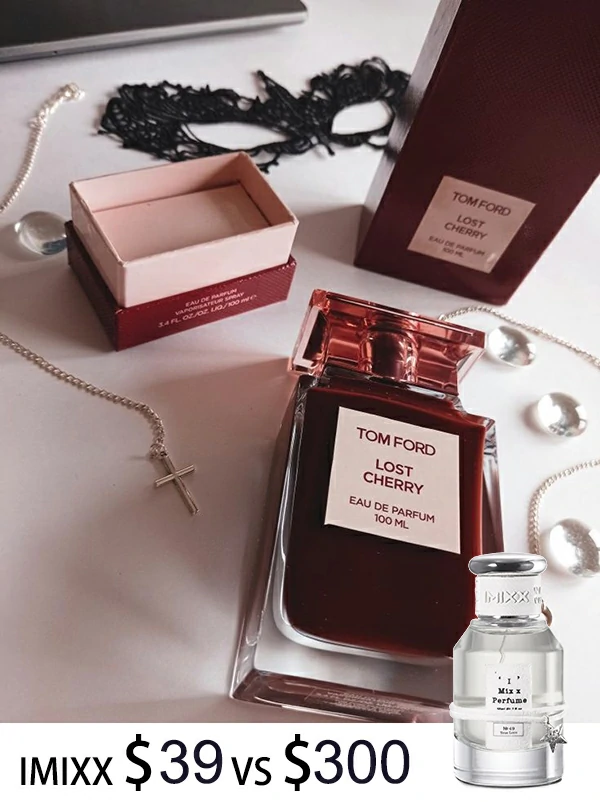
If you want to understand how imitation fragrances compare with designer scents, read our guide to imitation perfumes and six affordable alternatives.
