

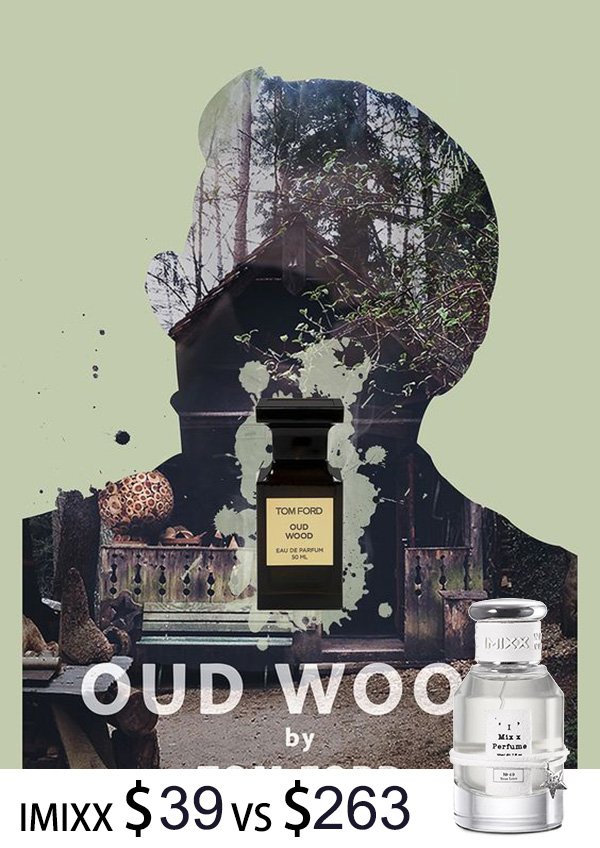
5 Benefits of Choosing tom ford oud wood 30ml for Travel
When I pack for a business trip, weekend getaway, or international vacation, I try to eliminate anything that creates unnecessary weight or uncertainty. Fragrance may seem like a small detail, but the wrong bottle can occupy valuable space, complicate airport screening, or remain unused because it feels too formal for everyday travel. That is why I consider tom ford oud wood 30ml a practical size for travelers who want a recognizable woody fragrance without carrying an oversized bottle.
In this guide, I explain the five travel benefits I consider most important when evaluating
tom ford oud wood 30ml.
I also compare common fragrance sizes, discuss realistic packing and application strategies, and answer the questions I would ask before purchasing a premium scent specifically for travel.
Editorial note:
I base this guide on official product information, current U.S. carry-on guidance, standard fragrance-use practices, and practical travel considerations. Fragrance performance varies according to skin chemistry, climate, application amount, storage conditions, and personal perception. I recommend testing a scent on your own skin before relying on it for an important trip.
Why I Consider a 30 ml Fragrance Bottle a Travel Sweet Spot
Fragrance bottles exist in an unusually broad range of sizes. Small samples can contain less than 2 ml, travel sprays commonly hold around 5 to 10 ml, and standard retail bottles often begin at 30 or 50 ml before increasing to 100 ml or more. Each format solves a different problem. A sample is useful for testing. A small atomizer is useful for minimizing weight. A large bottle offers more applications and may provide a better cost per milliliter. However, none of those benefits automatically makes a size ideal for travel.
For me, 30 ml occupies the most practical middle ground. It remains compact enough for a toiletry kit while providing far more fragrance than I would normally use on a single trip. I do not have to refill a small atomizer before every departure, and I am less likely to run out during an extended itinerary. At the same time, I avoid the bulk and replacement cost associated with carrying a 100 ml bottle.
The format also supports consistency. Travel already introduces unfamiliar variables: dry aircraft cabins, humid destinations, changing dress codes, long transit days, and limited luggage capacity. A familiar fragrance gives me one predictable part of my grooming routine. The bottle is small enough to pack, but substantial enough to remain part of that routine over many trips.
Knowledge Point: Bottle Capacity Is Not the Same as Trip Duration
The number of days a bottle lasts depends on spray output and personal application habits. A traveler using two sprays per day will consume fragrance much more slowly than someone applying six sprays and refreshing repeatedly. I therefore judge capacity by my own spray routine rather than relying on a universal “number of days” claim.
Benefit 1: The 30 ml Capacity Is Practical for U.S. Carry-On Travel
The first travel benefit is straightforward: a 30 ml fragrance bottle sits well below the TSA’s general 3.4-fluid-ounce, or 100 ml, limit for liquids in carry-on baggage. That does not mean I can place unlimited small bottles in my bag. Carry-on liquids generally need to fit within the applicable quart-size bag, and screening officers retain authority over what passes through a checkpoint. Still, choosing a bottle far below the individual-container limit removes one obvious source of packing friction.
I find this particularly useful when traveling with carry-on luggage only. My liquids bag may already contain toothpaste, skin care, sunscreen, deodorant, hair products, and other grooming essentials. A 100 ml fragrance bottle consumes considerably more physical space even when it technically meets the maximum container capacity. A 30 ml bottle leaves more room for items that cannot be reduced as easily.
For official screening information, I check the
Transportation Security Administration’s liquids, aerosols, and gels guidance
before departure. Regulations and enforcement procedures can change, and international airports may apply their own rules. I do not assume that a policy from one airport or one previous trip applies everywhere.
Why Capacity Alone Does Not Guarantee Trouble-Free Screening
I still pack fragrance as a liquid, keep it accessible when necessary, and check destination-specific requirements. I also avoid transferring perfume into an unmarked container unless I have a clear practical reason. A labeled retail bottle is easier for me to identify, less likely to be confused with another toiletry, and simpler to organize during a rushed security check.
Travelers should also distinguish between capacity and actual contents. Security rules typically focus on the stated capacity of the container, not merely the amount of liquid remaining inside it. A mostly empty oversized bottle may still create a problem. This is another reason I prefer beginning with a genuinely compact format instead of carrying a nearly empty full-size bottle.
Key Travel Reminder
A 30 ml bottle is below the TSA’s 100 ml individual-container threshold, but I still confirm current rules before flying. I also verify policies for connecting airports, international departures, checked baggage, duty-free purchases, and airline-specific restrictions.
Benefit 2: It Saves Space Without Feeling Like a Disposable Sample
The second benefit is the balance between compactness and usability. I like samples and miniature atomizers for brief trips, but they introduce their own inconveniences. Tiny vials can disappear into a toiletry bag, leak if the closure is weak, or run out unexpectedly. Refillable atomizers also require an extra transfer step, and careless filling can waste fragrance or contaminate the exterior of the container.
A 30 ml retail bottle gives me a more complete product experience. I retain the original atomizer, product labeling, and bottle construction. I can see what I packed, identify it quickly, and use it without remembering which unlabeled travel spray contains which scent. This matters when I travel with more than one grooming product or share luggage space with another person.
The smaller footprint also supports better luggage organization. Rather than letting a large bottle roll around in the main compartment, I can place a compact bottle inside a padded toiletry pouch, zippered organizer, or protective sleeve. I gain flexibility in how I arrange the bag, which is valuable when overhead-bin space is limited or when I need to move quickly between hotels.
A Useful Amount for Short and Extended Trips
Thirty milliliters is generally far more than I need for a weekend, one-week vacation, or typical business trip. That extra supply can be reassuring because I am not rationing every application. I can wear the fragrance in the evening, use it again on another day, or adjust my spray count according to the setting without worrying that a tiny vial will become empty halfway through the itinerary.
At home, the bottle is not limited to travel use. I can keep it in a wardrobe, grooming drawer, or office bag. This improves the practical value of the purchase because I am not buying a single-purpose accessory that remains unused between vacations. The same format can support commuting, gym visits, overnight stays, and special events.
Knowledge Point: Estimate Usage Before Choosing a Size
I estimate my needs by multiplying daily sprays by the number of travel days and adding a modest buffer. Exact output varies by atomizer, so this is only a planning method. It helps me avoid carrying excessive volume while reducing the chance that I will run out.
Benefit 3: The Woody Profile Can Cover Multiple Travel Occasions
The third benefit is versatility. When luggage space is limited, I do not want to pack a separate fragrance for every outfit or social setting. I prefer one scent that can move reasonably well from daytime activities to evening plans. Oud Wood is officially described through notes that include cardamom, pink pepper, patchouli, amber, oud, and tonka bean, with additional woody elements referenced in the brand’s description.
To verify the current note description and available sizes, readers can consult the
official TOM FORD Beauty Oud Wood product page.
I treat the manufacturer’s page as the primary source for product positioning and listed notes, while recognizing that an official description cannot predict exactly how the fragrance will smell or perform on every wearer.
In practical terms, a woody and spicy composition can complement several common travel situations. It can feel polished with business clothing, understated with a neutral casual wardrobe, and appropriately refined for dinner. That does not make it universally suitable. Hot beaches, tightly packed tours, medical environments, and fragrance-sensitive settings may call for lighter application or no fragrance at all. Versatility comes from responsible adjustment, not from wearing the same spray count everywhere.
How I Adjust Application by Setting
For a quiet dinner or outdoor evening, I may use a normal personal application. For an aircraft cabin, rideshare, meeting room, museum, or crowded indoor event, I use substantially less or skip fragrance. The goal is to smell composed at conversational distance, not to create a scent trail that affects strangers who cannot move away.
Climate also changes my approach. Heat and humidity can make a fragrance appear more projecting, while cold or dry conditions may alter how I perceive it. I begin conservatively in a new destination and reassess after the fragrance has settled. Adding one spray later is easier than correcting an excessive first application.
Why One Versatile Scent Simplifies Packing
A single adaptable scent reduces decision fatigue. I do not have to coordinate multiple bottles with different outfits, remember which atomizer contains which formula, or sacrifice space for redundant options. This streamlined approach is especially helpful on multi-city trips, where repeated packing and unpacking increases the chance of losing or damaging small items.
Human-Centered Fragrance Etiquette
I regard fragrance as part of my personal space, not something everyone nearby should be required to experience. In aircraft cabins, public transportation, shared offices, restaurants, and other enclosed spaces, restrained application is the more considerate choice.
Benefit 4: It Reduces Commitment Compared With a Larger Bottle
The fourth benefit concerns financial and practical commitment. Premium fragrance can represent a substantial purchase, and the largest bottle is not automatically the best value for every buyer. A lower cost per milliliter matters only when I use the entire product. If my preferences change, the fragrance no longer fits my routine, or I rotate among several scents, an oversized bottle may remain unfinished for years.
A 30 ml bottle allows me to own the original presentation and use the scent regularly without committing to a much larger quantity. This can be particularly sensible for a fragrance selected primarily for trips, formal events, cooler seasons, or occasional evening wear. The total investment may be lower even when the cost per milliliter is higher.
I also consider opportunity cost. Money tied up in excess fragrance cannot be used for airfare, accommodation, luggage, skin care, or another product that might better serve the trip. Choosing a smaller bottle can therefore be a disciplined purchase rather than a compromise.
Smaller Does Not Automatically Mean Better
The 30 ml size is not the correct choice for everyone. Someone who wears the fragrance daily, rarely travels, and knows they will finish a large bottle may prefer a higher-capacity option. A buyer who only wants three or four applications may be better served by an authorized sample or small decant. My decision depends on expected use, purchase price, storage space, and confidence in the scent.
Before buying, I compare authorized retailer policies, available sizes, price per milliliter, return restrictions, and authenticity safeguards. Fragrance return policies can be strict once packaging is opened, so testing beforehand has real value. I never treat a blind purchase as risk-free merely because the bottle is smaller.
Knowledge Point: Value Has More Than One Dimension
I assess value through total purchase cost, likelihood of finishing the bottle, ease of storage, convenience, and enjoyment per wear. Cost per milliliter is useful, but it does not capture wasted product or the practical burden of carrying a larger bottle.
Benefit 5: A Smaller Bottle Is Easier to Protect and Store
The fifth benefit is risk management. Fragrance bottles can be damaged by impact, loose caps, pressure on the atomizer, temperature extremes, and poor placement inside luggage. A compact bottle is easier for me to surround with soft material and position in a structured section of my bag. It also has less leverage when luggage is dropped or rotated.
I place the bottle in a sealed plastic pouch before adding a soft sleeve or padded compartment. The sealed layer helps contain liquid if leakage occurs; the padded layer helps reduce impact. I keep the bottle upright when practical, confirm that the cap is secure, and avoid packing it directly beside hard objects such as chargers, metal grooming tools, or shoes.
Temperature deserves equal attention. I do not leave fragrance inside a hot vehicle, on a sunny windowsill, or beside a hotel radiator. Prolonged heat and direct light can be unfavorable for fragrance storage. During a trip, I choose a dark drawer, enclosed wardrobe, or another stable indoor location rather than displaying the bottle in bright sunlight.
Why I Avoid Unnecessary Decanting
Decanting can be useful when I need the smallest possible amount, but every transfer introduces another container, closure, and handling step. Poor-quality atomizers may leak, and unlabeled containers can create confusion. When the original 30 ml bottle fits comfortably, carrying it may be simpler than transferring the liquid.
On the other hand, I may still use a small atomizer for a single evening, a day trip, or a destination where I do not want to carry a premium glass bottle. The important point is that a 30 ml bottle gives me both options. It is compact enough to travel as-is and large enough to serve as a home supply for carefully filled travel sprays.
Fragrance Safety Reference
For general information about fragrance ingredient risk management, I refer readers to the
International Fragrance Association’s Standards overview.
Individual users should also follow product labeling and discontinue use if irritation occurs.
Travel Fragrance Size Comparison
| Format | Typical Capacity | Best Use | Primary Advantage | Primary Limitation |
|---|---|---|---|---|
| Sample vial | About 1–2 ml | Testing before purchase | Minimal size and cost | Limited supply; easy to misplace |
| Travel spray | About 5–10 ml | Weekend or minimalist travel | Very easy to pack | May require refilling or replacement |
| Compact retail bottle | 30 ml | Frequent trips and regular use | Strong balance of capacity and portability | Larger than a minimalist atomizer |
| Standard bottle | 50 ml | Home use with occasional travel | Longer supply | More weight and packing volume |
| Large bottle | 100 ml or more | Frequent home wear | Potentially lower cost per milliliter | Bulky, heavier, and more costly to replace |
This comparison is not a rule that every traveler should follow. It is a decision framework. I choose a sample when I am testing, a small travel spray when every ounce matters, a 30 ml bottle when I want reliable supply and original presentation, and a larger bottle when the product will remain primarily at home.
Product Comparison Cards: Which Format Fits My Trip?
5–10 ml Travel Spray
I choose this format when I am traveling for only a few days or need to minimize every gram of luggage.
Best for: Weekend trips and personal-item-only packing
Strength: Smallest practical spray format
Tradeoff: Less supply and possible transfer concerns
30 ml Retail Bottle
I choose this format when I want the original bottle, dependable capacity, and manageable packing dimensions.
Best for: Regular travelers and longer itineraries
Strength: Portability without frequent refilling
Tradeoff: Requires more protection than a plastic atomizer
50–100 ml Bottle
I choose this format when I wear the fragrance frequently at home and travel only occasionally.
Best for: Established signature-scent users
Strength: Greater total supply
Tradeoff: More luggage space and replacement risk
How I Decide Whether This Fragrance Is Right for My Destination
Bottle size is only part of the decision. I also consider weather, itinerary, local customs, dress expectations, and the amount of time I will spend in shared indoor spaces. A fragrance that suits a cool-weather dinner may feel excessive during a humid daytime tour. Likewise, a scent that works well outdoors may require restraint in an elevator, aircraft, conference room, or small restaurant.
Business Travel
For business travel, I prioritize subtlety. I want my grooming to appear deliberate without becoming a distraction. I apply lightly, allow time for the opening to settle, and avoid refreshing immediately before entering a meeting. A 30 ml bottle gives me enough product for repeated trips, but its capacity does not justify overapplication.
City Breaks and Evening Plans
On a city break, a woody fragrance can pair naturally with dinners, theaters, lounges, and polished casual clothing. I still consider transportation and crowd density. A long subway ride or packed venue calls for a lighter hand than an outdoor walk or open-air dinner.
Warm-Weather Vacations
In hot weather, I test cautiously. Heat can change projection and my perception of sweetness, woods, and spices. I may reserve the fragrance for evening rather than wearing it under intense midday sun. I also avoid spraying immediately before applying sunscreen because combining multiple scented products can produce an effect I did not intend.
Cold-Weather Trips
Cooler conditions often make woody fragrances feel contextually appropriate, especially with layered clothing and evening activities. However, heavy clothing can absorb fragrance differently than skin. I avoid spraying delicate fabrics until I understand whether a product may leave a mark, and I do not assume that more sprays are necessary simply because the air is cold.
My Step-by-Step Packing Method
- I inspect the bottle. I check the atomizer, neck, cap, and exterior for existing leakage or damage.
- I clean the exterior. Residue can make it difficult to tell whether new leakage has occurred.
- I secure the cap. I confirm that it is seated correctly without forcing or modifying the bottle.
- I add leak containment. I place the bottle in a small sealed pouch appropriate for liquids.
- I add impact protection. I use a soft sleeve, padded toiletry compartment, or surrounding clothing.
- I separate hard objects. I keep chargers, shoes, tools, and metal containers away from the glass.
- I control temperature. I avoid prolonged exposure to direct sun, hot vehicles, and heating equipment.
- I recheck before returning home. I inspect the bottle and reseal the pouch before the return journey.
What I Do Not Do
I do not place an unprotected glass bottle loose in checked luggage, leave it in direct sunlight, assume every international airport follows identical screening rules, or apply a strong fragrance immediately before entering a confined shared space.
How I Apply Fragrance Responsibly While Traveling
Responsible application is central to a good travel experience. I begin with clean, dry skin and use fewer sprays than I might use at home until I understand how the fragrance behaves in the destination’s climate. I avoid rubbing the application area aggressively, and I give the scent time to develop before deciding whether another spray is necessary.
I also separate personal enjoyment from projection. Becoming accustomed to a fragrance can make it seem weaker to the wearer even when other people can still smell it clearly. Instead of repeatedly refreshing because I no longer notice it, I consider the time elapsed, setting, ventilation, and proximity of other people.
Skin sensitivity is another reason for restraint. Fragrance products can contain materials that do not agree with every user. I follow the product label, avoid irritated or broken skin, and stop using the product if I experience discomfort. Anyone with known sensitivities should consult an appropriate medical professional rather than relying on general online advice.
Who Should Consider the 30 ml Size?
I consider the format especially relevant for frequent flyers, carry-on-only travelers, professionals who rotate between home and business locations, and fragrance users who want an original bottle without purchasing a large quantity. It can also suit buyers who enjoy several fragrances and therefore finish each one slowly.
It may be less suitable for someone who wants only a few test applications, has not smelled the fragrance on skin, or consistently finishes large bottles. In those cases, an authorized sample or a larger format may make more economic sense. I would not choose the 30 ml bottle simply because it looks convenient; I would choose it because its capacity aligns with my actual use.
My Purchase Checklist
- Have I tested the fragrance on my skin?
- Will I wear it beyond one specific trip?
- Does the bottle fit my liquids bag and toiletry case?
- Am I comfortable carrying and protecting a glass bottle?
- Have I compared the total price and price per milliliter?
- Am I buying from a source with clear authenticity and return policies?
- Does the fragrance suit the climate and activities at my destination?
Potential Drawbacks I Would Consider Before Traveling
A balanced review should acknowledge limitations. First, a 30 ml bottle is still larger and heavier than a travel atomizer. Travelers pursuing the lightest possible setup may find it unnecessary. Second, original fragrance bottles may be made of glass and can require more protection than simple plastic toiletry containers.
Third, a premium bottle can create concern about loss, theft, or breakage. I would not carry it casually in an exposed exterior pocket or leave it visible in an unsecured hotel room. Fourth, the fragrance’s woody profile may not fit every climate, event, or wearer. Personal testing remains more reliable than note descriptions alone.
Finally, carry-on compatibility does not eliminate the need to check current regulations. Airport procedures, national rules, airline requirements, and security decisions may differ. I regard the 30 ml capacity as an advantage, not a guarantee.
Final Verdict: Is tom ford oud wood 30ml Worth Choosing for Travel?
For my travel priorities, the 30 ml format offers a convincing balance. It is substantially below the standard U.S. carry-on container limit, occupies less space than larger retail bottles, provides enough product for repeated trips, and reduces the commitment associated with purchasing a high-capacity bottle. The woody profile can also cover several settings when applied with restraint.
Its strongest advantage is not any single measurement. The advantage is how the size reduces multiple forms of friction at once: luggage weight, liquids-bag competition, refilling frequency, storage demands, and purchase commitment. For travelers who already know and enjoy the fragrance, that combination can be more useful than maximizing the amount of liquid purchased.
I would still test the fragrance first, compare authorized purchasing options, review current travel rules, and pack the bottle carefully. A smaller bottle is easier to manage, but it is not indestructible or universally appropriate. Thoughtful purchasing and considerate application matter as much as capacity.
Ultimately, tom ford oud wood 30ml makes the most sense for someone who wants original-bottle convenience, meaningful supply, and a compact footprint. It is not the absolute smallest option, and it may not provide the lowest cost per milliliter, but it occupies a practical middle position that aligns well with frequent travel.
Key-Points FAQ
Can I take a 30 ml perfume bottle in my carry-on bag?
A 30 ml bottle is below the TSA’s general 100 ml individual-container limit for carry-on liquids. It must still comply with applicable liquids-bag and screening requirements. I check the latest rules for every departure airport and destination.
Is 30 ml enough for a one-week trip?
For most personal application routines, 30 ml is far more than needed for one week. Actual consumption depends on the atomizer, number of sprays, refresh frequency, and whether more than one person uses the bottle.
Is the 30 ml bottle better than a travel spray?
It depends on my priorities. A travel spray is smaller and lighter, while a 30 ml retail bottle offers more supply, the original atomizer, clear labeling, and less need for frequent refilling.
How should I protect the bottle in luggage?
I place it in a sealed pouch and then add a soft protective layer or padded compartment. I separate it from hard objects, secure the cap, and avoid direct sunlight or excessive heat.
Can I place the bottle in checked baggage?
Checked-baggage policies differ from carry-on rules and can involve additional restrictions, particularly for products containing alcohol. I verify current airline and government requirements and pack the bottle to contain leaks and reduce breakage.
Is Oud Wood appropriate for business travel?
Its woody and spicy profile can suit professional clothing and evening business events, but application should be restrained. I avoid strong application in aircraft cabins, meeting rooms, rideshares, and other enclosed shared spaces.
Should I buy the fragrance without testing it?
I prefer to test it on skin before purchasing. Notes, reviews, and official descriptions cannot fully predict how a fragrance will develop with an individual wearer’s skin chemistry or how that person will perceive it over several hours.
How should I store the fragrance in a hotel room?
I keep it in a dark, stable indoor location such as a drawer or enclosed wardrobe. I avoid windowsills, bathrooms with major temperature fluctuations, radiators, and vehicles exposed to sunlight.
Does a 30 ml bottle provide better value than a 100 ml bottle?
Not necessarily on a price-per-milliliter basis. However, it may provide better practical value when I consider total purchase cost, portability, storage space, likelihood of finishing the bottle, and replacement risk during travel.
How many sprays should I use while traveling?
There is no universal number. I begin conservatively and adjust for climate, venue size, ventilation, skin chemistry, and proximity to other people. In enclosed public spaces, using less or skipping fragrance is often the considerate approach.

