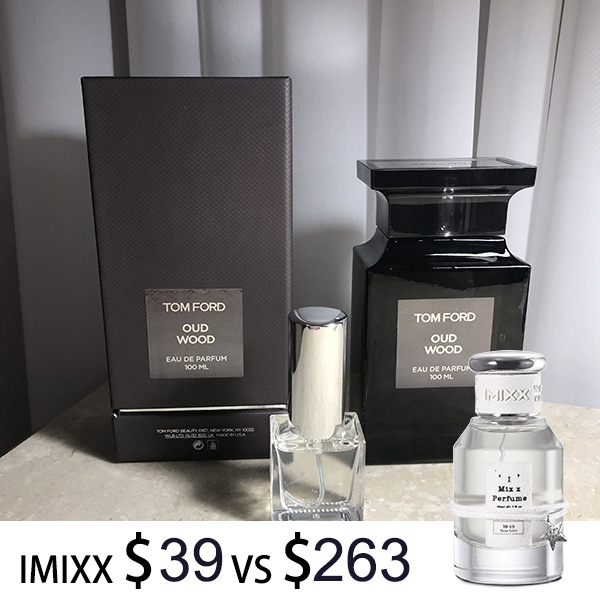
Top 10 Tips for Wearing perfume tom ford oud wood
Learning how to wear perfume tom ford oud wood is less about following a rigid set of fragrance rules and more about understanding how a warm, woody scent interacts with my skin, clothing, environment, and personal style. Oud Wood is known for combining oud notes with exotic woods, cardamom, warm amber, and spices, creating a composition that can feel refined, intimate, and quietly confident rather than aggressively loud.
When I wear perfume tom ford oud wood, I focus on balance. I want the fragrance to be noticeable when someone enters my personal space, but I do not want it to overwhelm a meeting room, restaurant, elevator, or shared vehicle. That balance depends on where I spray, how much I apply, what the weather is like, and whether I am wearing the fragrance during the day or at night.
In this guide, I will explain the ten techniques I use to get the most from this woody fragrance profile. I will also cover application areas, seasonal adjustments, skin preparation, storage, layering, clothing choices, common mistakes, and ways to choose an appropriate concentration. My goal is to help readers create a comfortable wearing routine rather than simply encourage heavier application.
A sophisticated fragrance should complement my presence, not enter the room before I do. I begin with a controlled application, observe how the scent develops for several hours, and adjust only after I understand its performance on my skin.
What Does Oud Wood Smell Like?
Before deciding how to wear this fragrance, I find it helpful to understand its general scent direction. The official Tom Ford Beauty description presents Oud Wood Eau de Parfum as a composition built around oud notes, exotic woods, cardamom, warm amber, and spices. Those elements place it in a woody, spicy, and amber-like fragrance family.
Oud can sometimes be associated with dense, smoky, medicinal, leathery, or animalic aromas. However, Oud Wood is commonly approached as a polished interpretation of the theme. The surrounding woods and spices help create a smoother and more wearable impression. To my nose, the overall idea is less like raw wood and more like a beautifully finished wooden interior warmed by spice and soft amber.
Cardamom contributes an aromatic opening that may feel fresh, dry, and gently spicy. The woods create structure through the middle of the wear, while amber-like warmth helps soften the composition as it settles. Individual experiences vary because skin chemistry, climate, application amount, and scent sensitivity can all influence perception.
Who Is This Fragrance Profile Best For?
I consider this scent profile especially suitable for people who enjoy understated luxury, dry woods, warm spices, and fragrances that sit closer to the body than highly sweet or intensely projecting compositions. It can work across different personal styles because woody scents are not inherently limited by gender.
I may wear it with tailoring, knitwear, business-casual clothing, dark denim, or a simple monochromatic outfit. The fragrance can feel formal when paired with a jacket and evening clothes, yet relaxed when worn lightly with a sweater or clean T-shirt.
Descriptions such as “masculine,” “feminine,” “formal,” or “seasonal” are useful reference points, not restrictions. I wear a fragrance when its aroma and mood suit me, regardless of the marketing category printed on the box.
Quick Wearing Guide
| Situation | Suggested Starting Amount | Application Area | My Main Consideration |
|---|---|---|---|
| Office or professional setting | 1–2 sprays | Upper chest beneath clothing | Keep the scent within personal space |
| Casual daytime wear | 2–3 sprays | Chest and one side of the neck | Create a comfortable scent bubble |
| Date or dinner | 2–4 sprays | Chest, neck, or shoulders | Favor warmth and close-range presence |
| Cool-weather evening | 3–5 sprays | Chest, neck, and optional clothing spray | Cold air may soften projection |
| Warm or humid weather | 1–2 sprays | Torso beneath light clothing | Heat can make fragrance feel stronger |
These numbers are starting points, not universal prescriptions. Spray mechanisms release different amounts, concentrations vary, and people have different levels of scent sensitivity. I always test conservatively before increasing my application.
Tip 1: Start With Fewer Sprays Than I Think I Need
My first rule is simple: I start small. Woody and amber fragrances can become more noticeable as the body warms, so judging the scent during the first minute may lead to overapplication. The opening is only one stage of the fragrance experience.
For indoor daytime wear, I usually begin with one or two sprays. For an evening in cool weather, I may begin with three. I then allow the fragrance to develop without immediately adding more. This gives the aromatic materials time to settle and helps me determine how far the scent travels from my body.
Olfactory fatigue can also make me believe the fragrance has disappeared when other people can still smell it. This happens when my nose becomes accustomed to a constant aroma. Spraying repeatedly because I can no longer detect the scent may result in an application that feels excessive to everyone around me.
How I Test Projection
I apply the fragrance at home and leave the room for a few minutes. When I return, I notice whether the scent remains strongly present in the air. I may also ask someone I trust whether the application feels subtle, moderate, or heavy. That outside perspective is often more reliable than repeatedly smelling my wrist.
I can always add one spray later, but I cannot easily remove a fragrance once I have heavily applied it to my skin and clothing.
Tip 2: Apply It to Clean, Moisturized Skin
I get more consistent results when I apply fragrance after showering and moisturizing. Clean skin gives me a neutral base, while a fragrance-free moisturizer can reduce the dry feeling that sometimes causes perfume to seem fleeting.
I allow moisturizer to absorb before spraying. Applying fragrance to skin that is still wet with lotion may alter how evenly it settles. A light, unscented body lotion is usually the most flexible option because it does not compete with the woody-spicy profile.
I avoid assuming that moisturized skin will automatically double performance. Fragrance longevity depends on the formula, application, temperature, movement, and individual skin characteristics. Moisturizer is a practical preparation step, not a guaranteed performance hack.
Why I Prefer Unscented Skin Care
A strongly scented body lotion can introduce vanilla, fruit, coconut, floral, or aquatic notes that change the intended character. That may be enjoyable when I am deliberately layering, but it makes testing difficult. When I want to understand perfume tom ford oud wood on its own, I use neutral grooming products and avoid applying another fragrance nearby.
Tip 3: Choose Pulse Points Strategically
Pulse points are areas where warmth can help fragrance diffuse. Common locations include the sides of the neck, wrists, inner elbows, and upper chest. I do not need to spray all of them at once. Instead, I choose locations according to the setting and the effect I want.
For close, controlled wear, I favor the upper chest beneath my shirt. Fabric partially filters the scent and allows it to rise gradually. For a dinner or social event, I may use one spray on each side of the neck. For an outdoor evening, I may combine the chest with the back of the neck, allowing the fragrance to leave a subtle trail as I move.
I avoid spraying directly into my face, near my eyes, or onto irritated skin. If an application area has been freshly shaved and feels sensitive, I choose another location rather than creating unnecessary discomfort.
My Preferred Application Map
My choice for restrained office wear and steady personal-space diffusion.
My choice for social settings where I want a more immediate presence.
My choice for creating a light trail without constantly smelling the fragrance.
Tip 4: Do Not Rub My Wrists Together
After spraying my wrists, I let the liquid dry naturally. I do not aggressively rub the wrists together. Rubbing creates friction, spreads the fragrance unpredictably, and may cause the opening to evaporate faster from the skin’s surface.
This does not mean a fragrance will be completely ruined by one accidental rub. However, letting it dry without interference gives me a cleaner way to observe its intended progression. I spray, wait, and allow the alcohol to evaporate before touching the area.
I also avoid immediately covering wet fragrance with a tight watchband or bracelet. The liquid may transfer to the accessory, and some materials can retain scent. I wait until the application area is dry.
Tip 5: Adjust the Application for Each Season
Temperature and humidity have a noticeable effect on how I experience fragrance. Warm conditions can increase evaporation and make a composition project more rapidly. Cold air may keep it closer to the body. For that reason, I do not use the same number of sprays in every season.
How I Wear It in Fall
Fall is one of the easiest times for me to wear a woody, spicy fragrance. Moderate temperatures support the cardamom, woods, and amber-like warmth without making the scent feel too dense. I generally use two or three sprays for daytime wear and three or four for an evening outdoors.
How I Wear It in Winter
In winter, I may apply an additional spray, especially when I will spend time outside. Heavy coats and multiple layers can trap fragrance beneath clothing, so placement matters as much as quantity. A spray on the chest and one near the neck often performs better than applying everything beneath a thick sweater.
How I Wear It in Spring
During spring, I keep the application moderate. On a cool, rainy day, the fragrance can feel smooth and comforting. On a warm afternoon, I reduce the amount so the woods and spices do not become too concentrated.
How I Wear It in Summer
Summer requires the most restraint. I usually reserve it for air-conditioned environments, cooler evenings, or occasions when I want a dry woody alternative to fresh citrus fragrances. One or two sprays beneath light clothing are often enough. In high heat or humidity, I may choose a lighter fragrance instead.
Warm skin can make a fragrance seem more expansive, while cold conditions may reduce its apparent projection. I adjust slowly because adding several extra sprays can become overwhelming when I move from outdoor cold into a heated room.
Tip 6: Match the Fragrance to the Occasion
I think about the social setting before applying any fragrance. The ideal application for an outdoor evening is rarely the ideal application for a medical office, classroom, airplane, or crowded workplace.
For professional environments, I aim for a small scent bubble that remains within arm’s length. One spray to the chest may be enough. When I am attending a date, dinner, gallery event, or evening gathering, I may allow slightly more projection by adding a neck spray.
For weddings or formal events, I apply the fragrance well before arriving. This gives the opening time to settle and reduces the chance that the initial alcohol and spice impression will be too sharp in a crowded room.
Situations Where I Use Extra Restraint
I minimize or skip fragrance in health-care environments, scent-sensitive workplaces, enclosed transportation, funerals, tasting events, and close-contact situations where another person has expressed fragrance sensitivity. Personal enjoyment should not come at the expense of someone else’s comfort.
The U.S. Food and Drug Administration notes that some fragrance components can cause allergic reactions or sensitivities in certain individuals. For additional consumer information, I consult the FDA’s guidance on fragrances in cosmetics.
Tip 7: Spray Clothing Carefully
Fabric can hold fragrance longer than skin, but I treat clothing application as optional rather than automatic. Some materials retain perfume for days, and certain formulas may leave marks on pale, delicate, or untreated fabrics.
Before spraying a garment, I test an inconspicuous area. I hold the bottle at a reasonable distance and apply a light mist rather than saturating the material. I am particularly cautious with silk, suede, leather, satin, cashmere, and light-colored formalwear.
I generally prefer spraying the inside lining of a jacket, the torso area of a dark cotton shirt, or a scarf that I know tolerates fragrance. I avoid spraying jewelry, watch faces, eyeglass frames, or finished leather goods.
Skin Versus Clothing
Skin allows the fragrance to interact with warmth and body chemistry, which may produce a more dynamic development. Clothing often preserves the opening and woody structure more consistently. I sometimes combine the two by using one spray on my chest and one very light spray on a suitable garment.
When testing a new bottle, I start on skin. That helps me evaluate the scent before it becomes embedded in a coat or scarf. If I dislike the application on skin, it will usually wash away sooner than it would from fabric.
Tip 8: Layer With Restraint
Layering can personalize a fragrance, but I keep the process simple. Oud Wood already contains multiple aromatic ideas, so adding several strongly scented products may make the result feel unfocused.
I start with fragrance-free soap, deodorant, and moisturizer. If I want to add warmth, I may use a subtle amber, sandalwood, or soft vanilla body product. If I want greater freshness, I may pair the fragrance with a lightly scented citrus or aromatic grooming product, provided the combination remains balanced.
I test layering combinations at home before wearing them to an important event. I apply each fragrance to a separate testing strip first, bring the strips together, and wait for the aromas to settle. This method is not identical to skin wear, but it can quickly reveal obvious conflicts.
Layering Directions I Consider
| Layering Goal | Supporting Scent Direction | How I Approach It | Main Risk |
|---|---|---|---|
| More warmth | Amber or soft vanilla | One light layer beneath the woody fragrance | Becoming overly sweet |
| More dryness | Vetiver or cedar | Use a restrained woody product | Creating a harsh pencil-like effect |
| More freshness | Citrus or aromatic herbs | Keep the fresh layer light and clean | Clashing with the warm base |
| More softness | Musk or sandalwood | Apply close to the skin | Muting the spices too much |
Tip 9: Store the Bottle Away From Heat and Light
Good storage helps preserve the fragrance as consistently as possible. I keep the bottle upright in a cool, dry place away from direct sunlight, heaters, windows, and major temperature fluctuations.
A bedroom drawer, closed cabinet, or shaded shelf can be more suitable than a sunny bathroom counter. Bathrooms regularly become warm and humid, especially after showers. I do not need to refrigerate the bottle; I simply aim for a stable indoor environment.
I keep the cap securely attached when the bottle includes one, and I avoid leaving the atomizer exposed to dust. I also retain the original box when practical because it provides an additional barrier against light.
Signs I Check Over Time
Some color change can occur naturally as fragrance materials age, particularly in formulas containing darker or sweet aromatic materials. However, a dramatic change in smell, unusual sourness, leakage, or damage to the sprayer may indicate a storage or packaging problem.
I do not shake the bottle before use. Perfume does not need to be mixed like a beverage or cosmetic suspension. Gentle handling reduces unnecessary air movement and protects the bottle from accidental damage.
I store the bottle upright, shaded from sunlight, protected from heat, and away from humid environments. Consistency matters more than finding an unusually cold location.
Tip 10: Test the Full Wearing Experience Before Judging
I never judge a complex woody fragrance only from the first spray. The opening may emphasize spice and aromatic freshness, while the later stages may feel smoother, warmer, and more wood-focused. I give the scent several hours before deciding whether the application suits me.
For a proper test, I apply one or two sprays to clean skin in the morning or early afternoon. I avoid testing other fragrances on the same arm. I note how the scent feels after approximately 15 minutes, one hour, four hours, and near the end of the day.
I consider more than longevity. I pay attention to projection, comfort, mood, versatility, and whether I enjoy the scent at close range. A fragrance that lasts for many hours is not automatically better if I find its dry-down tiring. Likewise, a quieter scent can be valuable when I want discretion.
My Practical Testing Questions
- Do I enjoy both the opening and the settled dry-down?
- Does the fragrance remain comfortable after several hours?
- Can I wear it in more than one season or setting?
- Does it work with my normal grooming products?
- How many sprays create the best balance on my skin?
- Does anyone around me find the application too strong?
- Would I realistically choose it over the fragrances I already own?
Product Format Comparison
Choosing the right format can be just as important as learning where to spray. A traditional Eau de Parfum, a richer Parfum, a lighter body spray, and an inspired fragrance option can serve different budgets and wearing preferences.
Oud Wood Eau de Parfum
Best for: People seeking the established woody-spicy composition and official presentation.
Scent direction: Oud notes, exotic woods, cardamom, spices, and warm amber.
How I wear it: One to three sprays for most indoor settings.
Consideration: Premium pricing makes careful sampling worthwhile.
Oud Wood Parfum
Best for: People interested in a richer interpretation with prominent woods and amber.
Scent direction: Sandalwood, vetiver, oud notes, amber, and warm spices.
How I wear it: I begin with one or two sprays because a richer concentration may require restraint.
Consideration: The experience is not necessarily identical to the Eau de Parfum.
imixx perfume Inspired Option
Best for: Shoppers exploring a more accessible woody fragrance experience.
Scent direction: A warm, spicy, wood-centered interpretation designed for fans of the general profile.
How I wear it: I test one or two sprays first because performance can differ between formulas.
Consideration: I judge it on its own smell, comfort, and value rather than expecting an identical formula.
How I Choose the Right Number of Sprays
There is no single correct spray count. Atomizers differ, skin chemistry varies, and the wearer’s environment matters. Rather than relying on a viral number, I use a repeatable process.
First, I apply one spray to my upper chest and one to the side or back of my neck. I wear the fragrance for a normal day without reapplying. I then evaluate whether it was detectable, distracting, or too quiet. On another day under similar conditions, I adjust by one spray.
I avoid changing several variables at once. If I apply more fragrance, use scented lotion, spray my coat, and move into warmer weather on the same day, I cannot identify what caused the performance difference.
A Simple Three-Day Test
Common Mistakes I Avoid
Overspraying Before Going Nose-Blind
Because I smell the fragrance continuously, my brain may begin filtering it out. I do not treat reduced self-detection as proof that the fragrance has vanished. I wait, move into fresh air, or ask for feedback before reapplying.
Spraying Immediately Before Entering a Small Room
A fresh application is often at its most volatile. I apply the fragrance at least 20 to 30 minutes before entering a close indoor setting when possible. That allows the initial alcohol to evaporate and the opening to become smoother.
Using Scented Products Without Considering the Combination
Strong deodorant, hair products, beard oils, laundry products, and lotions can all influence the final aroma. I do not need an entirely fragrance-free routine, but I make sure the supporting scents are compatible.
Expecting Identical Performance on Every Person
A fragrance may last longer on clothing than skin, project strongly in humidity, or sit quietly in cold weather. Reviews can provide useful context, but they cannot predict my exact experience. I test on my own skin before making a final judgment.
Ignoring Skin Sensitivity
If I have sensitive skin, I perform a cautious patch test and stop using the product if irritation occurs. I do not apply fragrance to broken, inflamed, or freshly irritated skin. The FDA explains that cosmetics, including fragrances, can provoke allergic reactions in some people. I also recognize that industry safety guidance, such as the IFRA Standards, primarily addresses the safe use of fragrance ingredients by manufacturers and does not replace individualized medical advice.
How to Make the Scent Feel More Personal
Personalization does not require changing the fragrance formula. I can make the wearing experience feel distinctive through placement, timing, clothing, and context.
For example, wearing the scent beneath a wool sweater produces a softer impression than spraying it openly on the neck. Applying it 45 minutes before dinner creates a smoother entrance than spraying in the parking lot. Pairing it with clean, neutral grooming products emphasizes the woods, while a subtle amber lotion may make the dry-down feel warmer.
I also associate fragrances with repeated experiences. Wearing the same scent for important dinners, winter travel, creative work, or formal events can build a personal connection. Over time, the aroma becomes part of my own memory rather than just a list of notes.
Is Oud Wood Appropriate for Daily Wear?
It can be, provided I adjust the quantity to my routine. A fragrance does not need to smell traditionally “fresh” to work during the day. Dry woods and spices can feel polished in an office or casual setting when applied lightly.
For daily wear, I usually favor chest application because it creates less direct exposure to my nose. This helps reduce olfactory fatigue and keeps projection controlled. I may use a single spray when working near other people and two sprays when I have more personal space.
I reserve heavier application for outdoor use or cool-weather evenings. Wearing a fragrance daily should not mean applying the same amount automatically. I continue to account for weather, clothing, transportation, and the people around me.
Is It Better for Day or Night?
I associate its warm woods and spices naturally with evening wear, but I do not consider it limited to nighttime. The difference comes down to application.
During the day, I keep it close to the skin and pair it with clean, simple clothing. At night, I may place a spray on the neck or jacket lining to create more presence. The scent can move from professional to intimate without requiring a completely different fragrance.
For a daytime wedding, business lunch, or formal meeting, one or two sprays can feel composed and appropriate. For a winter dinner or special event, three or four carefully placed sprays may create a fuller experience.
Safety and Consideration for Other People
Fragrance should be enjoyable, but responsible wear includes paying attention to skin reactions and shared spaces. Some people experience sensitivities or allergies associated with fragrance ingredients. If I develop burning, itching, swelling, a persistent rash, breathing discomfort, or another concerning reaction, I discontinue use and seek appropriate medical advice.
I read the product packaging and follow any warnings supplied by the manufacturer. I keep fragrance away from children, flames, and high heat because alcohol-based perfume is typically flammable. I do not spray it near my eyes or intentionally inhale the mist.
I also respect fragrance-free policies. In hospitals, clinics, some workplaces, and certain public settings, avoiding fragrance may be the considerate or required choice. A premium scent does not override another person’s health needs or an organization’s policy.
This article provides general wearing guidance and is not medical advice. Anyone with known fragrance allergies, asthma, eczema, or significant skin sensitivity should seek guidance from a qualified health professional when needed.
My Final Wearing Routine
My ideal routine begins with clean, moisturized skin and neutral grooming products. I apply one spray to my upper chest and one near the back or side of my neck. I let both areas dry naturally, avoid rubbing, and finish getting dressed before evaluating the scent.
I apply the fragrance early enough for the opening to settle before I enter a shared space. During warm weather or office hours, I stop at one or two sprays. During a cool evening outdoors, I may add one carefully placed spray to suitable clothing.
I then leave the fragrance alone. Constantly checking my wrist or adding more every hour interferes with the experience. I allow the woods, spice, and amber-like warmth to develop at their own pace.
Most importantly, I evaluate comfort rather than maximum power. The best application is the one that lets me enjoy perfume tom ford oud wood while still respecting the people and environment around me. A controlled scent bubble often feels more polished than a fragrance trail that fills every room.
Key-Points FAQ
How many sprays of Oud Wood should I use?
I begin with one or two sprays for indoor daytime wear and two to four for a cool-weather evening. The ideal amount depends on the atomizer, climate, setting, clothing, and my sensitivity to fragrance.
Where should I spray Oud Wood?
I usually spray the upper chest, sides of the neck, or back of the neck. The chest creates controlled diffusion, while a neck application produces a more noticeable scent bubble.
Can I wear Oud Wood every day?
Yes. I make it appropriate for daily wear by using a light application and considering my workplace, weather, transportation, and proximity to other people.
Is Oud Wood better in winter or summer?
Its warm woody character is especially comfortable in fall and winter, but I can wear it during cooler summer evenings with one or two sprays. High heat calls for greater restraint.
Should I spray Oud Wood on my skin or clothes?
I prefer skin for natural development and carefully selected clothing for added persistence. I spot-test fabric first and avoid spraying delicate or light-colored materials.
Should I rub the fragrance into my wrists?
No. I let the fragrance air-dry naturally. This gives me a more consistent way to experience the opening and prevents unnecessary transfer to my hands or accessories.
How can I help the fragrance last longer?
I apply it to clean, moisturized skin, use an appropriate pulse point, and consider one careful clothing spray. I also store the bottle away from direct sunlight, humidity, and heat.
Can Oud Wood be worn to the office?
Yes, when workplace policies permit fragrance. I use one spray on the chest or a similarly restrained application so the scent stays within my personal space.
Is Oud Wood only for men?
No fragrance note is inherently restricted to one gender. I consider Oud Wood suitable for anyone who enjoys dry woods, warm spices, amber-like warmth, and a refined scent profile.
What should I do if the fragrance irritates my skin?
I stop using it on my skin and wash the affected area. Persistent or severe symptoms require advice from an appropriate health professional. I do not apply fragrance to broken or already irritated skin.
Conclusion
Wearing Oud Wood well is not a competition to produce the strongest projection. I get better results by preparing my skin, choosing application points strategically, adjusting for temperature, and giving the fragrance enough time to develop.
I begin with fewer sprays, avoid rubbing, test clothing carefully, and store the bottle in a stable environment. I also recognize that fragrance performance is personal. What feels subtle on one person may feel powerful on another, so direct testing is more valuable than following an inflexible spray count.
By applying these ten tips, I can make the fragrance feel polished during work, relaxed during the day, and quietly expressive at night. The most successful application is one that supports my confidence, fits the occasion, and remains considerate of everyone sharing the space.