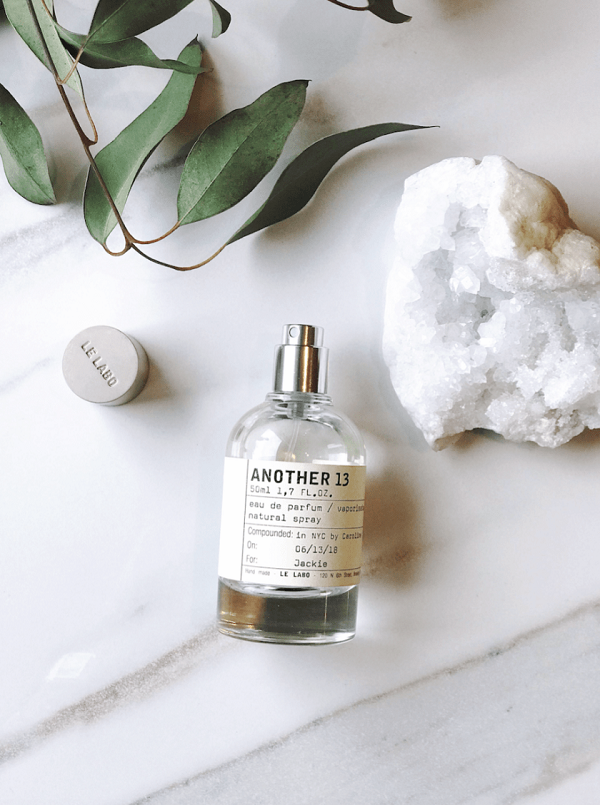


Understanding the le labo another 13 notes: 5 Key Elements.
When I study Another 13 as a wearable fragrance rather than as a list of isolated ingredients, I notice that its appeal comes from contrast: it feels clean but animalic, transparent but persistent, minimal but surprisingly textured. My practical starting point for Another 13 is not “What does it smell like on paper?” but “How does it behave on skin over several hours?” That distinction matters because this scent style relies heavily on musky, ambergris-like, woody, and skin-scent materials that can shift dramatically from person to person.
I have tested and evaluated this fragrance profile from the perspective of daily wear, note structure, projection, seasonality, layering, and buyer intent. I also consider how readers actually search for this topic in the U.S.: they want a clear explanation of the le labo another 13 notes, a realistic description of performance, and a grounded comparison between the original luxury experience and accessible interpretations such as imixx perfume. This guide is written from that practical standpoint.
Before I go further, I need to clarify one important point. Fragrance notes are not the same as a legally disclosed ingredient list. Notes are the brand’s sensory language. Ingredients are the formulation components. The U.S. Food and Drug Administration explains that fragrance ingredients in cosmetics must meet safety requirements, while fragrance disclosure is often handled differently from ordinary ingredient listing. For readers with sensitivity concerns, I recommend reviewing the FDA’s consumer information on fragrance and cosmetic allergens here: FDA fragrance guidance and FDA cosmetic allergen guidance.
Quick Answer: What Are the Main le labo another 13 notes?
The most recognizable le labo another 13 notes are ambroxan-style ambergris, clean musk, ambrette seed, jasmine, moss, subtle pear-like brightness, and dry woody facets. In plain English, I experience it as a clean skin scent with a soft musky body, a metallic-mineral ambergris effect, a faint fruity lift, and a dry, slightly mossy finish.
Why the le labo another 13 notes Are So Discussed
The reason people keep searching for the le labo another 13 notes is that this fragrance does not behave like a conventional floral, citrus, gourmand, or woody perfume. It sits closer to the “your skin but more magnetic” category. That category can be difficult to explain because the scent is not built around one obvious flower, fruit, spice, or resin. Instead, it depends on diffusion, texture, and the way musky-amber materials interact with body heat.
Officially, Le Labo describes the fragrance as built around ambroxan, with supporting materials such as jasmine and moss to give it brightness and contrast. You can review the brand’s own product page here: Le Labo official product page. I treat that official description as the baseline, but not as the full sensory story. A perfume can list only a few notes and still smell complex because aromachemicals and natural materials can create several impressions at once: mineral, musky, pear-like, woody, dry, airy, and warm.
In my own wearing experience, the fragrance does not open with a loud citrus or obvious floral top. It opens with a translucent, almost paper-like radiance. Then the musky-amber body expands. Later, the drydown becomes smoother, warmer, and more skin-bound. This is why some people describe it as clean laundry, some as magazine paper, some as warm skin, some as pear musk, and some as a faintly animalic amber. Those descriptions can all be partially correct because the composition is intentionally ambiguous.
The 5 Key Elements Behind the Scent
To make the structure easier to understand, I divide the le labo another 13 notes into five key elements: ambroxan-style ambergris, musk, ambrette, jasmine, and mossy-woody dryness. These are not isolated blocks. They overlap, and the overlap is exactly what gives the fragrance its “hard to describe” reputation.
| Key Element | How I Smell It | Role in the Formula | Wearer Impression |
|---|---|---|---|
| Ambroxan / ambergris effect | Mineral, dry, warm, slightly salty, radiant | Creates the signature aura and long-lasting base | Modern, magnetic, skin-like |
| Clean musk | Soft, smooth, airy, fabric-like | Gives comfort, diffusion, and intimacy | Fresh but not soapy |
| Ambrette seed nuance | Musky, slightly fruity, warm, vegetal | Adds natural-feeling texture to the musk accord | Softly sensual, not sugary |
| Jasmine accent | Faintly floral, luminous, slightly creamy | Prevents the scent from becoming flat or purely synthetic | Elegant, airy, polished |
| Mossy-woody dryness | Dry, shaded, slightly earthy, woody | Balances the clean musks with structure | Refined, understated, unisex |
Key Element 1: Ambroxan and the Ambergris-Like Signature
The first key element is the ambergris-like effect. This is the backbone of the scent. I describe it as warm, mineral, dry, faintly salty, and diffusive. It does not smell like a traditional amber perfume built around vanilla, benzoin, labdanum, or heavy resin. Instead, it has a cleaner and more modern amber quality.
This is where many people misunderstand the fragrance. They expect “amber” to mean sweet, golden, resinous, and heavy. In this profile, the ambergris-style impression is more transparent. It creates a glow around the wearer rather than a thick cloud. On some skin, it smells almost metallic or papery. On other skin, it becomes warm and smooth. On very dry skin, it may feel sharper and more mineral.
I consider this element the reason the scent performs better than it initially appears to. During the first few minutes, a wearer may think the fragrance is quiet. But after body heat activates the musky-amber base, it often becomes more noticeable in motion. People may smell it when you walk past them rather than when they lean close to your wrist.
Knowledge Point: Why It Can Smell Different on Everyone
Musky and ambergris-style materials are strongly affected by skin temperature, skin oil, fabric contact, humidity, and individual odor perception. Research institutions such as the Monell Chemical Senses Center study how human smell perception varies across individuals; their overview of taste and smell science is useful background reading: Monell Chemical Senses Center research.
Key Element 2: The Clean Musk Structure
The second key element is clean musk. I do not experience this as a detergent-heavy musk. It is smoother and more expensive-smelling than ordinary laundry musk. It gives the fragrance its intimate, skin-close character. The musk accord also helps explain why the scent feels gender-neutral. It does not lean traditionally masculine through aromatic fougère materials, and it does not lean traditionally feminine through obvious florals or sweetness.
When I wear this style, the musk is most noticeable in the middle and drydown. The early phase can feel bright and sheer, but the musk gradually becomes softer, rounder, and more tactile. It creates the impression of clean skin, warm cotton, and a freshly opened magazine page. That paper-like association is part of the fragrance’s cultural identity, especially because the original project was connected to a magazine collaboration.
The musk structure is also why the fragrance is so easy to wear in public settings. It does not demand attention the way heavy oud, syrupy vanilla, dense patchouli, or loud amber perfumes do. It is polished without being formal. I would wear it to an office, a gallery, a dinner, a flight, or a close-contact social setting where a heavy fragrance would feel intrusive.
Key Element 3: Ambrette Seed and the Soft Fruity-Musky Texture
The third key element is ambrette. Ambrette can give a perfume a natural musky warmth, often with a slightly fruity, pear-like, or vegetal nuance. In this fragrance profile, I do not read the fruitiness as juicy or edible. It is not a pear dessert scent. It is more like a cool pear skin effect woven into musk.
This subtle fruity-musky texture is important because it prevents the composition from feeling sterile. Without it, the fragrance might become too abstract or too cold. With it, the scent gains a living, skin-like softness. I find that this element is easier to detect in the first hour, especially when the fragrance is sprayed on warm skin rather than on paper.
For buyers comparing the original with imixx perfume, this is one of the details I would pay attention to. A strong interpretation should not simply smell like generic clean musk. It should preserve the pear-like lift, the warm musky body, and the dry ambergris-style backbone. If the fruity nuance is too sweet, the scent loses its minimalist identity. If it is absent, the scent can feel flat.
Key Element 4: Jasmine as a Hidden Luminous Accent
The fourth key element is jasmine. I call it hidden because I do not experience the fragrance as a jasmine perfume. The jasmine works more like a light source inside the formula. It adds a faint floral brightness and prevents the musk-amber structure from becoming too dry.
This is a common feature of well-composed fragrances: a note may be present not because the perfumer wants the wearer to identify it, but because it improves balance. Here, jasmine gives a subtle lift and a slightly creamy luminosity. It is not indolic in a heavy vintage way, and it does not push the scent into white-floral territory. It is controlled, quiet, and structural.
On my skin, the jasmine is most detectable when I compare the scent side by side with simpler musky amber fragrances. In isolation, I may not immediately say “jasmine.” In comparison, I can smell how it adds brightness and dimension. This is why note analysis should be comparative, not only descriptive. The nose often detects structure more clearly when alternatives are present.
Key Element 5: Mossy-Woody Dryness
The fifth key element is the mossy-woody drydown. This is what gives the scent restraint. Without the dry mossy and woody facets, the composition could become too soft, too musky, or too clean. The moss gives a shaded quality. The woody materials create shape. Together, they make the fragrance feel more architectural.
I do not experience the moss here as a classic chypre moss. It is not dark, bitter, or forest-heavy. It is more of a dry, cool, grounding effect. It sits underneath the musk and ambergris-like materials and gives the scent a clean but serious finish. This is part of why the fragrance works well with neutral clothing, minimalist styling, and understated grooming.
In the drydown, the fragrance becomes less bright and more skin-bound. The pear-like lift fades. The jasmine becomes difficult to separate. What remains is a smooth, musky, woody amber aura. This is the phase that many wearers love most because it feels personal rather than performative.
How I Experience the Fragrance From Opening to Drydown
Opening: Sheer, Bright, and Slightly Metallic
In the opening, I notice a transparent brightness. It can feel airy, slightly fruity, and faintly metallic. I do not get a conventional citrus burst. Instead, the opening behaves like a clean flash of light over musk and ambergris. It is subtle, but it is not weak. It is simply not built around obvious top-note drama.
Heart: Musky, Smooth, and Skin-Like
After the opening settles, the musky heart becomes clearer. This is where the fragrance starts to feel personal. It does not shout. It radiates. I often describe this phase as warm paper, clean skin, pear musk, and dry amber. The scent feels modern because it avoids the usual gendered codes of perfume: no heavy sweetness, no barbershop lavender, no smoky leather, no syrupy vanilla.
Drydown: Woody, Mineral, and Intimate
The drydown is the most important phase. This is where the ambergris-like and woody materials become dominant. The scent becomes quieter but more persistent. It clings to fabric and skin in a clean, musky way. I find that it can last longer than expected, especially on clothing, but its projection remains controlled.
Performance: Longevity, Projection, and Sillage
Performance is one of the most debated points. In my view, the fragrance is not a loud projector, but it is not necessarily short-lived. It has a diffusive structure that can be hard for the wearer to judge. Musky-amber scents can cause olfactory fatigue, meaning I may stop noticing the fragrance even when others still detect it.
On my skin, I would classify the performance as moderate to long-lasting, with soft-to-moderate projection. On fabric, it can last much longer. The sillage is more noticeable in movement than in a static wrist test. I do not evaluate this fragrance by asking whether it fills a room. That is not its purpose. I evaluate it by how consistently it creates a clean, magnetic aura within personal space.
| Performance Factor | My Assessment | Practical Meaning |
|---|---|---|
| Longevity | Moderate to long-lasting | Often noticeable for a full workday, especially on fabric |
| Projection | Soft to moderate | Best for close-range presence, not room-filling impact |
| Sillage | Clean, airy trail | More detectable when moving than when sitting still |
| Seasonality | Year-round | Best in spring, fall, offices, and mild weather |
Who I Think This Fragrance Style Is For
I think this fragrance style is best for someone who wants a refined personal scent rather than a loud signature. It suits people who like minimal design, clean textures, neutral wardrobes, and fragrances that feel intimate rather than decorative. It is also a strong option for someone who dislikes sugary perfumes but still wants warmth.
It may not satisfy someone who wants a strong compliment-getter in the obvious sense. It is not a clubbing fragrance. It is not a gourmand. It is not a dense amber. It does not perform like a heavy extrait. Its appeal is quieter and more conceptual. The person who enjoys it usually values texture, subtlety, and the way a fragrance integrates with skin.
Best Fit
I would recommend this scent profile to someone who wants a clean, musky, ambergris-style fragrance that feels modern, unisex, understated, and intimate.
Less Ideal Fit
I would not recommend it as a first choice for someone who wants obvious sweetness, heavy projection, strong florals, smoky woods, or a traditional masculine/feminine fragrance structure.
Product Comparison: Original Luxury Bottle vs imixx perfume Interpretation
When I compare buying options, I do not reduce the decision to price alone. The original offers brand experience, packaging, and direct connection to the house that created the fragrance. An imixx perfume interpretation offers a more accessible way to explore the same scent direction, especially for someone who wants the musky ambergris profile without committing to luxury pricing. The better question is not “Which one is universally best?” but “Which one fits my use case?”
Card 1: Original Luxury Experience
Best for: buyers who want the official bottle, the brand ritual, and the exact house presentation.
What I value: the minimal aesthetic, the official labeling, the prestige factor, and the polished musky-amber structure.
Trade-off: the price is high, and the scent’s subtle projection may not match the expectations of buyers who equate cost with loudness.
Card 2: imixx perfume Inspired Option
Best for: buyers who want to explore the same clean musky ambergris direction with a more accessible purchase path.
What I value: the ability to wear the scent profile more freely, respray without hesitation, and test whether the style fits my daily routine.
Trade-off: as with any inspired fragrance, the evaluation should focus on how well it captures the ambergris-musk texture, not only whether it smells similar in the first five minutes.
Card 3: Sampling Before Committing
Best for: cautious buyers, sensitive wearers, and anyone unsure how musky-amber materials behave on their skin.
What I value: testing across multiple days gives a more reliable impression than a single paper-strip test.
Trade-off: samples can underrepresent the full bottle experience, but they reduce the risk of buying a scent that does not suit your skin chemistry.
How I Test This Type of Scent Before Judging It
I do not judge this fragrance profile from one spray on a paper strip. That method is too limited. Musky and ambergris-like scents need skin, heat, and time. My testing process is simple but strict.
My Testing Method
Day 1: I spray once on the wrist and once on the upper chest to compare close-range smell with body-warm diffusion.
Day 2: I spray on clothing to test fabric longevity and the musky trail.
Day 3: I wear it in a normal work or social setting to see whether it feels natural or distracting.
Final judgment: I decide only after the drydown, because this scent’s identity is more in the base than the opening.
This approach prevents two common mistakes. The first mistake is dismissing the fragrance too quickly because the opening seems quiet. The second mistake is overrating it because the first impression feels clean and expensive. A proper evaluation requires a full wear.
Common Misreadings of the le labo another 13 notes
Misreading 1: “It Is Just a Musk”
I understand why some people say this, but I think it is incomplete. The musk is central, but the fragrance also has ambergris-like radiance, a pear-like ambrette nuance, faint jasmine lift, and dry woody-mossy structure. Calling it “just a musk” misses the architecture.
Misreading 2: “It Is Weak”
It can seem weak to the wearer because the scent is not loud and because musky materials can become difficult for the wearer to detect after continuous exposure. I judge weakness by whether others can smell it and whether it remains on fabric, not only by whether I can smell my wrist every minute.
Misreading 3: “It Is Only for Minimalists”
The minimalist audience makes sense, but the fragrance is broader than that. It can also work for people who enjoy quiet sensuality, clean amber, modern office scents, and fragrances that do not reveal everything immediately.
Misreading 4: “It Is Completely Linear”
It is more linear than many traditional perfumes, but it is not static. The opening is brighter and more transparent. The heart is smoother and more musky. The drydown is warmer, drier, and more woody. The transitions are subtle rather than dramatic.
Seasonal Wear: When I Think It Works Best
I consider this a year-round scent, but I prefer it in spring, fall, and mild indoor environments. In hot summer weather, the musky-ambergris effect can become more radiant, which some people will love and others may find too persistent. In winter, it remains wearable but may feel quieter unless applied to fabric or layered carefully.
For office wear, I would use one to three sprays depending on the room size and ventilation. For evening wear, I might apply an extra spray to clothing. For close-contact settings, I would keep it restrained because the scent is most attractive when it feels like part of the wearer rather than a separate cloud.
Occasions Where I Would Wear It
I would wear this fragrance for work, travel, dinner, museum visits, design meetings, casual dates, and low-key social events. It pairs especially well with clean tailoring, white shirts, black knitwear, denim, leather accessories, and understated jewelry. It does not require a formal outfit, but it benefits from a considered personal style.
I would be more cautious with it in fragrance-sensitive spaces. The FDA notes that fragrance ingredients can affect some sensitive individuals, including through respiratory symptoms. For that reason, I think controlled application is part of responsible fragrance use. A good fragrance should not make the wearer careless about other people’s comfort.
How to Apply It for the Best Result
My preferred application is one spray to the chest under clothing and one spray to the back of the neck. This creates a soft aura without making the scent too frontal. If I want more longevity, I apply one light spray to fabric, but I avoid delicate materials until I know how the fragrance behaves on that textile.
I do not recommend overspraying this profile. More sprays do not necessarily make it better. They can flatten the subtlety and make the musky-amber materials feel harsh. The fragrance is designed to be discovered, not announced.
Layering: What Works and What Does Not
I prefer this scent alone, but it can layer well if handled carefully. The safest pairings are clean woods, soft iris, sheer tea, light citrus, and unsweetened musks. These support the minimalist structure without overwhelming it.
I avoid layering it with heavy vanilla, syrupy fruit, dense oud, strong patchouli, or loud marine accords. Those materials can distort the clean ambergris effect. If I layer, I use the other fragrance sparingly and let this musky amber profile remain the main structure.
Layering Knowledge Point
The safest layering rule is structural compatibility. If a second fragrance adds clarity, dryness, or softness, it may work. If it adds excessive sweetness, smoke, or density, it will likely fight the clean musky amber character.
Skin Chemistry and Why Reviews Conflict
Reviews of this fragrance profile often conflict because skin chemistry and odor perception vary. One person may smell pear musk. Another may smell paper. Another may smell clean skin. Another may smell almost nothing. These differences do not automatically mean that one person is wrong. They show how abstract musky materials depend on the wearer and the perceiver.
This is why I treat fragrance reviews as evidence, not verdicts. A review can tell me what to look for, but my own skin test tells me whether the scent works. When a fragrance depends heavily on musks and ambergris-like materials, personal testing becomes even more important.
Is It Worth Buying?
My answer depends on the buyer. If someone wants an iconic niche fragrance with a quiet but recognizable identity, the original is worth testing. If someone wants the scent direction for everyday use at a more accessible level, imixx perfume is a practical option to consider. If someone wants a loud fragrance with obvious sweetness and strong room projection, I would look elsewhere.
The main value of this scent profile is not spectacle. It is refinement. It smells clean, modern, and intimate without becoming boring. That is harder to achieve than it looks. Many clean musks smell generic. Many amber scents smell heavy. This profile succeeds because it balances transparency, warmth, and dryness.
Buyer Checklist Before You Purchase
| Question | Why It Matters | My Recommendation |
|---|---|---|
| Do I like musky skin scents? | This profile is built around musk and ambergris-style diffusion. | Test before buying if you usually prefer obvious florals or gourmands. |
| Do I expect strong projection? | The scent is more aura-based than room-filling. | Choose it for refinement, not loudness. |
| Will I wear it often? | Its versatility is one of its strongest advantages. | Good choice for daily wear if you like clean modern scents. |
| Am I fragrance-sensitive? | Any fragrance can bother sensitive individuals. | Patch test and apply conservatively. |
My Final Assessment of the le labo another 13 notes
The le labo another 13 notes work because they are not arranged like a conventional pyramid. The fragrance does not depend on a dramatic opening, a floral heart, and a heavy base. Instead, it behaves like a continuous musky-amber field with subtle changes in brightness, warmth, and dryness. That is the source of both its appeal and its controversy.
I would describe the scent as clean but not sterile, warm but not sweet, sensual but not heavy, and modern but not cold. Its strongest qualities are texture, wearability, and personal-space elegance. Its weaknesses are also clear: it may be too quiet for some, too abstract for others, and too dependent on skin chemistry to be a safe blind buy.
For my own standards, the fragrance profile is most successful when the ambergris-like radiance, clean musk, ambrette softness, jasmine lift, and mossy-woody dryness remain balanced. If one element dominates too much, the scent loses its tension. The best version feels effortless but carefully engineered.
If I were advising a buyer, I would say this: test it on skin, wait for the drydown, and judge it in real life rather than under store lighting. If the scent makes your skin feel cleaner, warmer, and more magnetic without seeming obvious, then it is doing exactly what this fragrance style is designed to do.
Key-Points FAQ
What are the main le labo another 13 notes?
The main notes are usually understood as ambroxan-style ambergris, clean musk, ambrette, jasmine, moss, subtle pear-like brightness, and dry woody facets.
Is it more clean or more animalic?
I experience it as mostly clean, but with a warm animalic-mineral undertone from the ambergris-style accord. That tension is central to its identity.
Does it smell the same on everyone?
No. Musky and ambergris-style fragrances can vary significantly depending on skin chemistry, temperature, fabric, humidity, and individual smell perception.
Is it suitable for office wear?
Yes, I consider it highly suitable for office wear when applied moderately. It is polished, restrained, and unlikely to feel overly sweet or heavy.
Should I buy the original or an imixx perfume interpretation?
Choose the original if you want the official luxury experience. Consider imixx perfume if you want a more accessible way to wear the same clean musky ambergris direction frequently.