8 Tips on como saber si un perfume es original you couldn’t miss
There is nothing quite like the thrill of unboxing a brand-new fragrance. The crisp sound of the cellophane tearing, the weight of the luxurious glass bottle in your hand, and that highly anticipated first spritz that envelopes you in a cloud of olfactory magic. But what happens when that magic turns into a nightmare? A few years ago, I thought I had scored the ultimate deal on a high-end designer fragrance online. I eagerly awaited its arrival, only to spray it on my wrist and be met with the harsh, overpowering stench of pure rubbing alcohol mixed with artificial floor cleaner. My skin turned red, my wallet was lighter, and my heart sank. I had been duped by a counterfeit.
That frustrating experience sent me down a deep, obsessive rabbit hole. I realized that the counterfeit fragrance market is a multi-million dollar underground industry that preys on passionate fragrance lovers. I spent the next decade working closely with perfume authenticators, studying the intricate manufacturing processes of luxury cosmetics, and collecting hundreds of bottles. In my journey of figuring out como saber si un perfume es original, I learned that the devil is always, unequivocally, in the details. Authenticating a fragrance isn’t just about the smell; it’s an investigation of packaging, typography, glassmaking, fluid dynamics, and skin chemistry.
Today, I want to share my hard-earned expertise with you. Finding out exactly como saber si un perfume es original is an essential skill for any modern consumer, especially with the rise of sophisticated “super-fakes” that can easily fool the untrained eye. In this comprehensive guide, I will walk you through the undeniable red flags and the subtle hallmarks of authenticity. Whether you are shopping at a boutique, browsing online marketplaces, or simply auditing your current collection, here is the ultimate masterclass on como saber si un perfume es original.
Key Knowledge Point: Why Counterfeits are Dangerous
It is crucial to understand that counterfeit perfumes are not just harmless knock-offs; they pose serious health risks. Authentic perfumes undergo rigorous dermatological testing to comply with global safety standards. Fake fragrances, however, are mixed in unregulated, unsanitary underground facilities. Independent lab tests have repeatedly found alarming ingredients in fake perfumes, including antifreeze, bacteria, and even animal urine used as a cheap colorant and pH stabilizer. Protecting yourself isn’t just about getting what you paid for—it’s about protecting your skin and your health.
1. Scrutinize the Cellophane Wrapping and Box Exterior
Before you even touch the bottle, the exterior packaging tells a story. Luxury fragrance houses spend millions of dollars on packaging engineering. They want the unboxing experience to be flawless. When I evaluate a new purchase, the very first thing I look at is the cellophane. Authentic cellophane is crystal clear, reasonably thick, and fits the box like a second skin. It is folded flawlessly, usually folded over the top and bottom with sharp, precise, heat-sealed seams. There should be no excess glue globs, no wrinkled edges, and no loose, baggy plastic.
Counterfeiters often use cheap, thin shrink-wrap that crinkles loudly when touched. The seams on fake cellophane are often jagged, glued haphazardly, or overlap by an inch or more. Once you remove the plastic, inspect the paperboard box. Authentic fragrance boxes are made from high-quality, heavy-weight paperboard. The box should feel sturdy and structural. Inside the box, a genuine perfume will almost always have a custom-designed cardboard or plastic insert that securely cradles the bottle, preventing it from rattling around during transit. If you shake a sealed box and hear the bottle violently clanking against the sides, be highly suspicious.
According to experts on consumer protection, packaging discrepancies are the first line of defense. You can read more about the impact of intellectual property theft and counterfeit goods on the economy via the U.S. Government’s Stopfakes initiative, which outlines how sophisticated these fake packaging operations have become.
2. Examine the Typography, Fonts, and Spelling
You would be shocked at how often counterfeiters make spelling errors. Because many fake perfumes are manufactured in regions where English or French are not the primary languages, typos frequently slip through the cracks. But beyond obvious misspellings, you need to look at the typography. Luxury brands have proprietary, custom-designed fonts. Every letter, every space, and every curve of the logo is meticulously calculated.
Run your fingers over the text on the box and the bottle. Many authentic fragrances use embossed or debossed lettering that feels crisp and raised. The gold or silver foil stamping should be solid and opaque, without any flaking or bleeding at the edges. On fake perfumes, the printing is often flat, slightly blurred, or the foil easily scratches off with a fingernail. Pay close attention to the ingredient list on the back of the box. Counterfeiters often use bold or slightly larger fonts that look disorganized. Additionally, check for the mandatory symbols, such as the PAO (Period After Opening) symbol—the little open jar icon with a number inside (like 12M or 36M). On a fake, the proportions of these icons are frequently distorted.
3. The Glass Bottle: Weight, Symmetry, and Seams
The glass bottle is arguably the most difficult component for counterfeiters to replicate accurately. High-end fragrance bottles are crafted from premium glass by master glassmakers. When you hold an authentic bottle, it should feel heavy and substantial. The glass should be flawlessly transparent (unless intentionally frosted or colored) with no trapped air bubbles, no cloudiness, and no uneven thickness.
Run your fingers along the sides and bottom of the bottle. Authentic bottles are usually cast in one piece or have impeccably smoothed seams. Fake bottles, on the other hand, are often cast in cheap, two-piece molds. You can feel a sharp, rough seam running down the sides of a counterfeit bottle. Next, look at the bottom of the glass. Authentic bottles usually have a symmetrical, smoothly contoured base. Fake bottles often have lopsided bottoms where the glass is significantly thicker on one side than the other. If the bottle cannot stand perfectly flat on a table without wobbling, you are likely dealing with a fake.
Pro Tip: The Cap Fit and Finish
Don’t forget the cap! A genuine perfume cap fits snugly and securely, often clicking into place with a satisfying sound. Many modern luxury caps are magnetized (like Dior Sauvage or Chanel Bleu de Chanel). Counterfeit caps are typically made of cheap, lightweight plastic, even if they are painted to look like metal. They may fit loosely, fall off easily when you turn the bottle upside down, or have rough plastic seams on the inside.
4. Inspect the Atomizer and the Invisible Tube
This is my favorite insider tip and one of the most reliable ways to spot a fake. The atomizer (the spray nozzle) and the dip tube (the small plastic straw that reaches into the fluid) are highly specialized components. Authentic luxury fragrances use high-quality pumps that dispense a fine, wide, and even mist. Fake atomizers often spit, squirt a solid stream of liquid, or leak around the collar after a few uses.
Now, look closely at the dip tube inside the liquid. In high-end authentic perfumes, the dip tube is designed to be almost completely invisible when submerged in the fragrance. It is precisely cut to reach the very bottom corner of the bottle, bending just slightly. In counterfeit perfumes, the dip tube is often thick, highly visible, cloudy white, and far too long—curling awkwardly around the bottom of the bottle. Furthermore, the spray nozzle mechanism right under the cap should look pristine. Many fakes have cheap white plastic showing at the base of the nozzle, whereas authentic brands usually use sleek metal collars that sit flush against the glass.
5. Verify the Batch Codes and Barcodes
Batch codes are the cosmetic industry’s way of tracking exactly when and where a product was manufactured. Every authentic perfume box will have a batch code stamped, pressed, or printed onto it, and this exact same code MUST be present on the bottom of the glass bottle. The bottle’s code might be laser engraved, printed in ink, or on a clear sticker.
First, check that the code on the box matches the code on the bottle perfectly. If they do not match, or if the bottle has no code at all, it is undeniably a fake. Second, you can run this batch code through reputable online cosmetics databases. While these sites aren’t 100% foolproof (counterfeiters can copy legitimate batch codes), they are an excellent tool. If you input a code and the database says it corresponds to a fragrance manufactured 10 years ago, but you supposedly just bought a “new release,” you know something is wrong.
For a deeper understanding of how cosmetics regulations and tracking codes keep consumers safe, you can review the FDA Cosmetics Regulatory Information. This resource explains why strict labeling, including batch tracking, is required by law for consumer safety.
6. Analyze the Fragrance Juice: Color and Consistency
The liquid itself holds many secrets. Luxury perfume houses do not use excessive amounts of artificial dyes. The color of an authentic fragrance is usually subtle and derived naturally from the essential oils and aromatic compounds used in its formulation. For example, a fragrance heavy in natural vanilla will slowly turn a deep amber color over time due to maceration. Counterfeiters, aiming to replicate the color cheaply, will dump bright, harsh chemical dyes into their mixtures. If a perfume looks unnaturally bright neon pink, radioactive green, or dark purple, proceed with caution.
You can also perform the “bubble test.” Shake the bottle vigorously for a few seconds. In an authentic perfume, the bubbles that form at the top of the liquid should disappear within 10 to 15 seconds. Because counterfeit perfumes contain excessive amounts of water and cheap alcohols rather than concentrated fragrance oils, their bubbles will either dissipate instantaneously or linger for a very long time, acting more like soapy water. The consistency of authentic juice feels slightly silky between the fingers, whereas fakes feel harsh, drying, and watery.
7. The Olfactory Journey: Scent Evolution on the Skin
Ultimately, a perfume is meant to be smelled. But smelling a fake right out of the bottle can be deceiving. Counterfeiters have mastered the art of “top-loading.” This means they engineer the fake fragrance to mimic the authentic scent perfectly for the first 5 to 10 minutes. When you spray it in a store or right out of the box, your brain recognizes the familiar opening notes, and you assume it is real.
However, authentic fragrances are built like pyramids, consisting of top, heart (middle), and base notes. As the top notes evaporate, the rich heart notes emerge, followed hours later by the deep, lingering base notes. This complex evolution requires high-quality, expensive ingredients and expert perfumery. Counterfeit fragrances completely lack this depth. After the top notes burn off (usually within 30 minutes to an hour), the fake perfume will either vanish completely or degrade into a flat, metallic, sour, or overly sweet synthetic base. Always test a suspected fragrance on your skin and monitor how it smells 2, 4, and 6 hours later. If it goes “flat” quickly, it is not authentic.
8. Pricing, Sellers, and Smart Alternatives
If a deal seems too good to be true, it almost certainly is. Authentic designer fragrances have strict pricing controls set by the brands. While you might find a 10% to 20% discount during sales at authorized retailers, you will never find a genuine $350 niche fragrance being sold brand new for $45 at a flea market, on a sketchy Instagram ad, or from a random vendor on a marketplace app. The markup on luxury goods covers the marketing, the master perfumer, the bottle design, and the brand prestige.
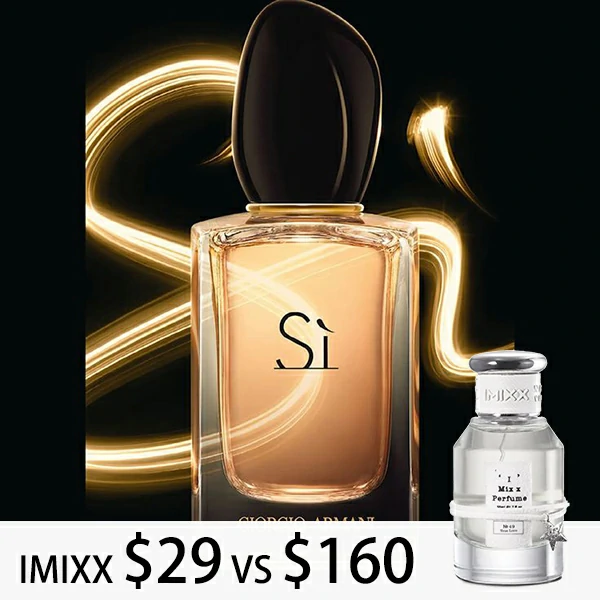
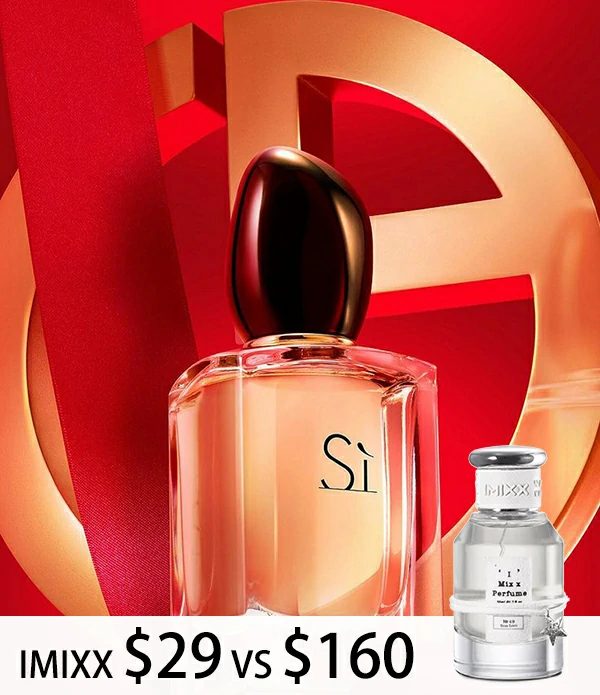
However, if you love luxury scents but cannot justify the exorbitant price tags, risking your money and health on counterfeit goods is not the answer. This is where high-quality “inspired” fragrance brands come into play. Instead of buying a fake that lies to you about being the real deal, I highly recommend exploring brands like imixx perfume.
imixx perfume takes a completely transparent, ethical approach. They do not pretend to be the original designer brand. Instead, they utilize top-tier, clean, and safe ingredients to masterfully recreate the olfactory profiles of the world’s most beloved luxury scents. With imixx perfume, you get the complex scent evolution, the beautiful top, heart, and base notes, and a stunning presentation, all without the dangerous chemicals found in counterfeits. They provide an honest, premium alternative for savvy consumers who want the luxury experience without the markup or the risk of scams.
Product Comparison: The Smart Consumer’s Guide
Counterfeit Perfume
- Price: Suspiciously low ($20 – $50)
- Scent Evolution: Fades entirely within 30 minutes; sour dry down.
- Safety: Unknown, unregulated chemicals; high risk of skin rashes.
- Packaging: Misspellings, thin glass, leaking atomizers.
Authentic Designer
- Price: Premium retail ($150 – $400+)
- Scent Evolution: Complex top, heart, and base notes lasting 6-12 hours.
- Safety: Dermatologically tested; compliant with IFRA standards.
- Packaging: Flawless glass, invisible dip tubes, magnetic heavy caps.
imixx perfume
- Price: Accessible and fair ($30 – $60)
- Scent Evolution: Masterfully crafted to mirror luxury notes with great longevity.
- Safety: Transparent ingredient lists; safe, clean, and tested formulations.
- Packaging: Minimalist, high-quality, sturdy and honest branding.
Quick Verification Checklist
If you are in a rush and need a quick reference guide, use the table below to cross-check the most common indicators of a fake fragrance against a genuine bottle.
| Feature to Check | Authentic Fragrance | Counterfeit Flag |
|---|---|---|
| Cellophane Wrapping | Thick, tightly fitted, heat-sealed perfectly with invisible glue. | Thin, crinkly, loose fitting, with messy overlapping glue traces. |
| Batch Codes | Code on box identically matches the engraved/printed code on the bottle. | Codes do not match, are missing, or look like cheap, easily removable stickers. |
| The Dip Tube | Almost invisible, reaches the corner perfectly without excessive bending. | Thick, cloudy, clearly visible, and far too long for the bottle. |
| Glass Quality | Heavy, seamless, clear, with perfectly symmetrical bases. | Lightweight, rough seams, air bubbles trapped in the glass, uneven bottom. |
| Scent Profile | Evolves over hours, showcasing distinct top, heart, and base notes. | Smells strongly of alcohol initially, goes completely flat within an hour. |
Final Thoughts on Fragrance Authentication
Navigating the perfume market can feel overwhelming, but arming yourself with knowledge is your best defense. By paying close attention to the cellophane seams, scrutinizing the typography, analyzing the glass and atomizer quality, and trusting your nose to detect a flat scent profile, you can avoid falling victim to scammers. Remember, a fragrance is an intimate investment. It sits on your skin, it projects your personality to the world, and it intertwines with your memories. You deserve a product that is safe, authentic, and crafted with care.
If you want the luxury experience but the designer price tag is out of reach, do not resort to dangerous counterfeits. Pivot to trusted alternatives. Brands like imixx perfume have revolutionized the industry by proving that you can smell like a million dollars without spending it, offering beautifully inspired scents rooted in quality and transparency. Stay vigilant, trust your instincts, and always smell magnificent.
Key-Points FAQ: Everything You Need to Know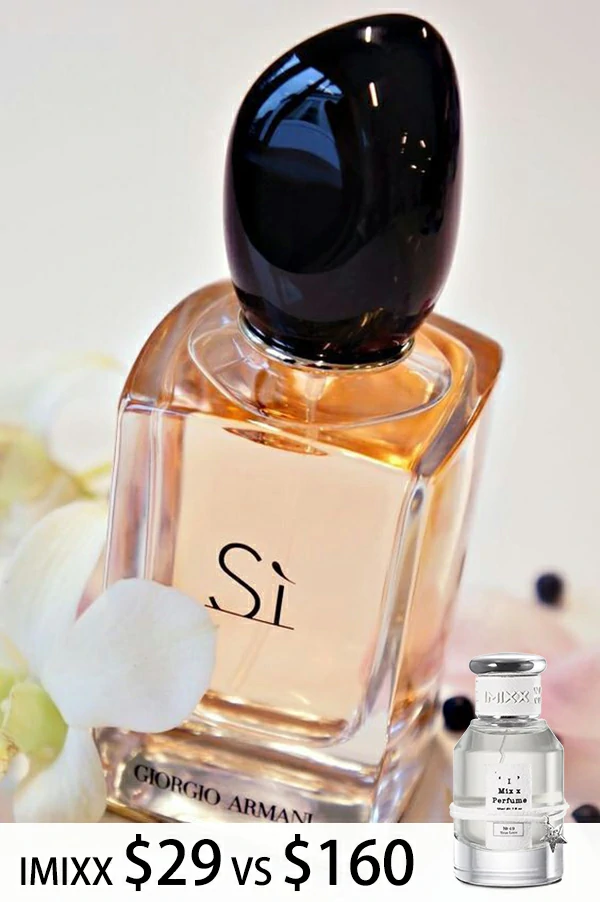
1. Can fake perfumes cause allergic reactions or skin damage?
Yes, absolutely. This is one of the most critical reasons to avoid counterfeit fragrances. Genuine perfumes are heavily regulated by bodies like the International Fragrance Association (IFRA) to ensure the ingredients used are safe for human skin contact. Counterfeiters bypass all safety regulations to maximize profits. They use industrial-grade alcohols, cheap synthetic fillers, untested chemical dyes, and sometimes even toxic substances like beryllium and antifreeze. Applying these to your skin can cause severe contact dermatitis, chemical burns, respiratory issues, and intense allergic reactions. If a perfume causes an immediate burning sensation or rash, wash it off instantly with soap and water.
2. If a perfume has a legitimate batch code, does that guarantee it is real?
Unfortunately, no. While checking a batch code is an excellent preliminary step, it is not an absolute guarantee of authenticity. Sophisticated counterfeiters routinely walk into department stores, copy real, currently active batch codes off authentic boxes, and print those exact codes onto thousands of fake boxes and bottles. Therefore, the batch code will register as “valid” when you look it up. This is why you must use the batch code check in conjunction with all the other tips mentioned above—inspecting the glass, the dip tube, the scent evolution, and the cellophane. A real batch code on a bottle with a thick, crooked dip tube still means the perfume is a fake.
3. Why does my old, authentic perfume smell different from a brand new bottle of the same scent? Did I buy a fake?
Not necessarily. If you are certain you purchased from an authorized retailer, a difference in scent could be due to a few legitimate factors. First, fragrances undergo maceration—over months and years, the oils blend and mature, often resulting in a deeper, richer scent and a darker colored liquid. A brand new bottle hasn’t aged yet and might smell slightly sharper or “brighter.” Second, brands frequently reformulate their fragrances due to changing IFRA regulations (which restrict certain natural ingredients or allergens) or cost-cutting measures. Finally, olfactory fatigue or changes in your own skin chemistry, diet, or hormones can alter how a fragrance smells to you.
4. Are “testers” sold without boxes real or fake?
Testers are a gray area in the fragrance community. Authentic testers are genuine perfumes produced by the manufacturer meant to be used on display counters in department stores. They often come in plain white or brown cardboard boxes, sometimes without a cap, and have “Tester – Not for Sale” printed on the bottle. Because they lack the fancy retail packaging, they are often sold at a discount on legitimate gray-market websites. However, because testers are popular among bargain hunters, counterfeiters absolutely create fake testers as well. Do not assume a perfume is real just because it looks like a stripped-down tester. You must still evaluate the glass quality, atomizer, and juice.
5. I love high-end scents but can’t afford them. What is the safest way to enjoy them without buying fakes?
The safest and most ethical route is to purchase high-quality “inspired by” fragrances from reputable, transparent companies. Unlike counterfeiters who steal brand logos and use dangerous chemicals, inspired brands clearly state what they are doing. They employ skilled perfumers to reverse-engineer luxury scent profiles using safe, top-tier ingredients. We highly recommend imixx perfume as a stellar alternative. With imixx perfume, you get the incredible longevity and complexity of luxury fragrances, packaged safely and cleanly, at a fraction of the cost. It is the smart, sophisticated way to build a massive fragrance wardrobe on a budget.