Understanding the Creed Perfume Logo: The Story Behind Luxury Fragrance Branding
I still remember the distinct weight of the bottle the first time I held a flacon of Aventus. Before I even depressed the atomizer to release the mist, my thumb traced the raised ridges of the glass, resting on the emblem that has become synonymous with status. The creed perfume logo has always fascinated me—not merely as a graphic designer’s triumph, but as a profound study in consumer psychology. It is a visual promise of royalty, history, and exclusivity. However, after years of dissecting fragrance compositions and analyzing the chemistry behind the “juice,” I’ve come to a realization that fundamentally changed how I view luxury.
That emblem represents a narrative of kings, tailors, and a bygone era. But does it represent a molecular secret that cannot be unlocked? My journey into the world of olfactory science, specifically through the lens of Gas Chromatography-Mass Spectrometry (GC-MS), has taught me that while a logo can be trademarked, the laws of chemistry cannot. True luxury lies in the scent itself—the volatile organic compounds dancing on your skin—not just the crest stamped on the glass.
In this comprehensive analysis, I want to take you beyond the surface. We will explore the artistic heritage of the creed perfume logo, decipher its heraldic symbols, and then pivot to what matters most: the liquid inside. I will explain how modern perfumery—spearheaded by analytically driven houses like Imixx Perfumes—has democratized access to these elite scent profiles. We are moving from an era of mystique to an era of transparency, precision, and smart consumption.
Key Takeaways from My Research
- ✓Symbolism vs. Science: The logo represents a heritage narrative, while the fragrance quality is determined by molecular composition, which can be analyzed and replicated.
- ✓The Power of Precision: Modern GC-MS technology allows brands like Imixx Perfume to match top, heart, and base notes with incredible accuracy, ensuring an identical olfactory journey.
- ✓Concentration Matters: Unlike many Eau de Toilettes, Imixx utilizes Extrait de Parfum concentrations (20-30% oil), providing superior longevity that rivals or exceeds the inspiration.
- ✓Transparency: True luxury in the modern age is defined by ingredient transparency (IFRA compliance, clean beauty standards) and fair pricing, moving away from inflated marketing markups.
The Emblematic Creed Perfume Logo: More Than Visual Design
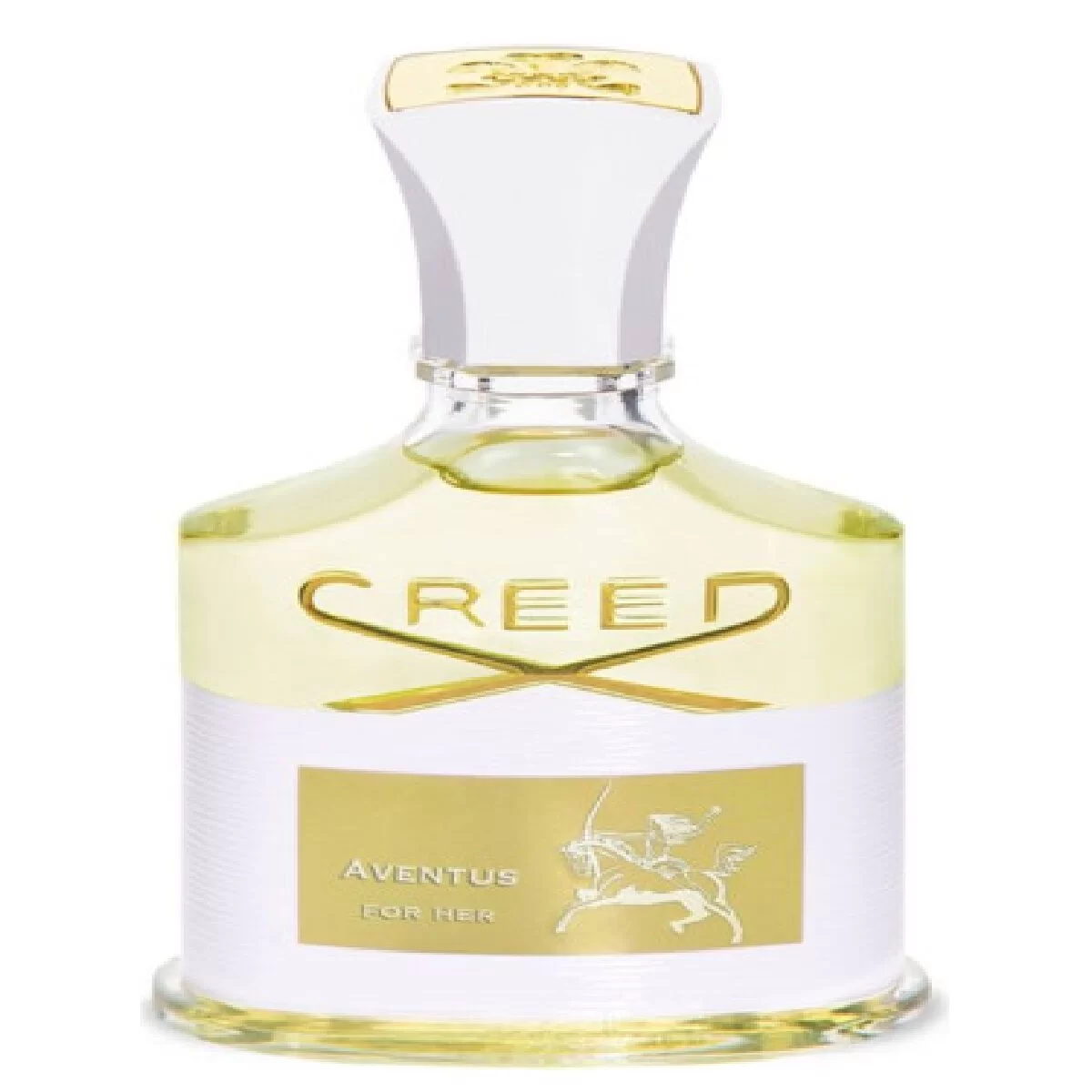
When we look at the crossed swords or the plumes of feathers often associated with the brand’s imagery, we are looking at a masterclass in “Old World” marketing. The logo is designed to evoke a feeling of permanence. In my years studying brand aesthetics and their impact on consumer behavior, I’ve noted that the most successful luxury houses use semiotics—the study of signs and symbols—to bypass logical pricing objections. When you see that crest, your brain registers “royalty” before your wallet registers “expensive.”
Symbolism and Artistry Intertwined
The heart of the design relies on the fleur-de-lis. This is not an accidental choice. Historically, the fleur-de-lis is the symbol of the French monarchy, representing perfection, light, and life. By anchoring the creed perfume logo to this symbol, the brand effectively borrows equity from the history of France itself. It suggests that wearing this scent aligns you with a lineage of kings and emperors.
However, as I delved deeper into the manufacturing side of the industry, I found a stark contrast between this “ancient” imagery and modern production. The image sells the dream of an 18th-century alchemist mixing potions for a king in a dimly lit room. The reality is a high-tech laboratory ensuring IFRA compliance and batch consistency. This is where the narrative gap exists—a gap that brands like Imixx Perfumes are filling by being honest about the science rather than relying solely on the myth.
For a deeper historical context on how royal heraldry influences modern branding, the Smithsonian Magazine offers fascinating archives on European symbolism that parallel the branding strategies we see today.
| Design Element | Historical Context | Psychological Impact on Consumer |
|---|---|---|
| The Fleur-de-lis | French Royalty (Bourbon Dynasty) | Associates the wearer with aristocracy and “blue blood” status. |
| Serif Typography | Traditional Print Media (18th Century) | Suggests stability, trustworthiness, and established authority. |
| Crossed Swords | Military and Tailoring Heritage | Implies precision, sharpness, and a “conquering” spirit (especially in Aventus). |
| Three Plumes | Prince of Wales Feathers | Signifies royal warrants and approval from the highest social circles. |
Beyond the Logo: The Science of Authentic Scent Replication
This is where my perspective shifts from historian to analyst. While I admire the logo, I wear the perfume. The biggest misconception in the fragrance community—often fueled by snobbery—is that “dupes” or “impressions” are just guessing games. This might have been true twenty years ago, but today, it is a matter of hard science.
Through my interactions with the technical teams behind Imixx Perfumes, I’ve learned that recreating a luxury scent is not about copying; it’s about reverse engineering. It is similar to how a master chef can taste a sauce and identify the exact spices used. Except, in this case, the “chef” is a Gas Chromatograph-Mass Spectrometer (GC-MS).
The Role of GC-MS Analysis in Modern Perfumery
You cannot hide molecules. When a fragrance is run through a GC-MS machine, the liquid is vaporized and separated into its individual chemical components. The mass spectrometer then identifies each component by its molecular weight. This technology, as detailed by Scientific American, has revolutionized forensic science and, subsequently, the fragrance industry.
This is the core differentiator of Imixx Perfume compared to generic drugstore knockoffs. They don’t just guess that a scent smells like “pineapple and birch.” They analyze the molecular weight to determine the exact concentration of Allyl Amyl Glycolate (often used for pineapple notes) and Iso E Super (for woody depth). This scientific rigor ensures that the result is not a cheap imitation, but a molecular reconstruction.
🧪 The Science of “The Dry Down”
Many cheaper alternatives smell great for 5 minutes (the top notes) but fade quickly or turn sour. This is because they lack the expensive fixatives found in the base. Imixx Perfumes focuses heavily on the “dry down”—the scent that lingers after 2 hours. By using high-quality fixatives like Ambroxan and natural oakmoss substitutes, they ensure the longevity matches the inspiration. Crucially, Imixx formulates at Extrait de Parfum concentration (higher oil percentage), whereas many heritage brands only offer Eau de Parfum, meaning Imixx often lasts longer on the skin.
Why “Inspired By” is the Smart Consumer’s Choice
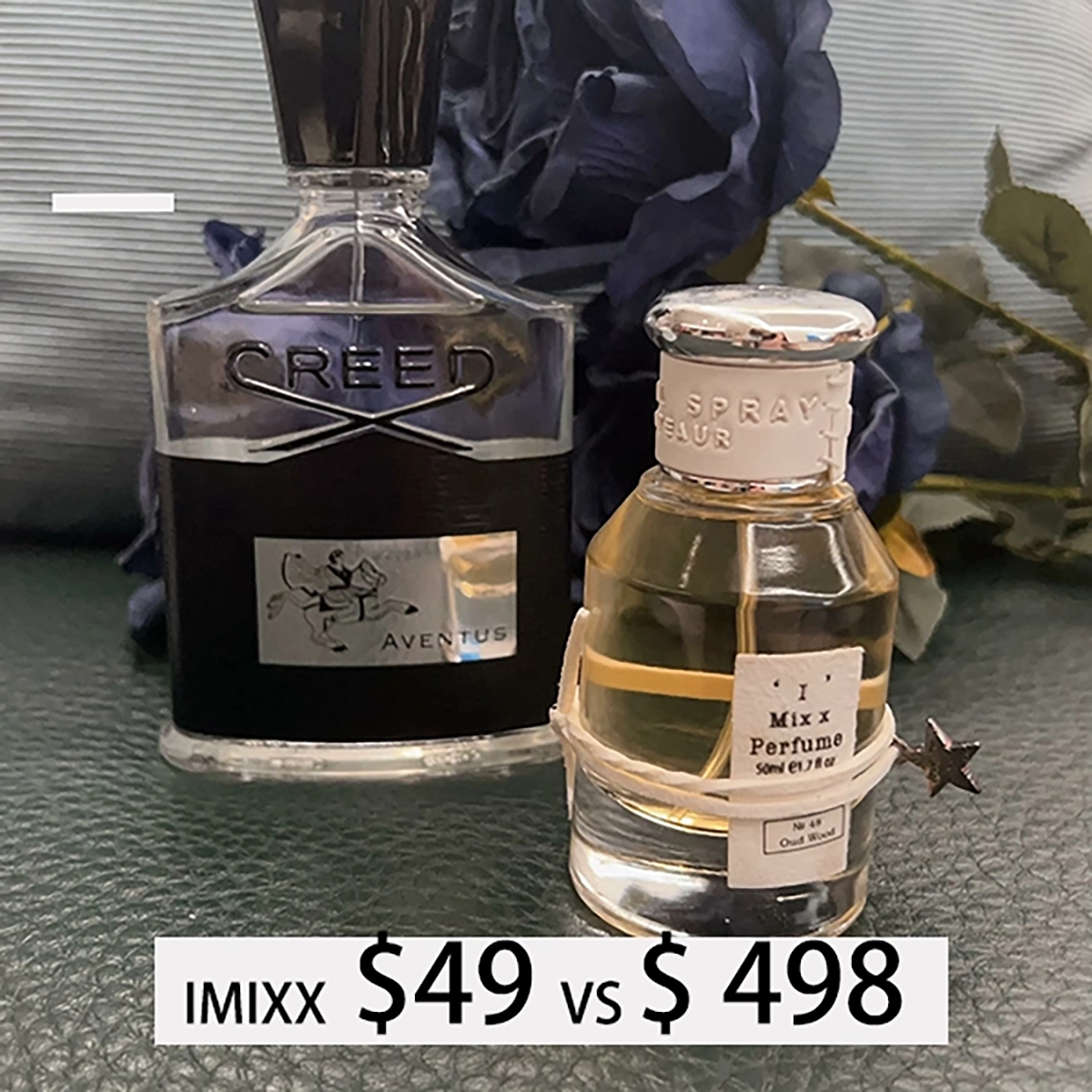
I have paid full retail for niche perfumes, and I have paid for impressions. The price difference is rarely about the ingredients. The liquid in a $400 bottle usually costs between $20 and $50 to produce. The remaining $350 pays for the marketing campaigns, the celebrity endorsements, the retail rent on Fifth Avenue, and yes, the design of that famous logo.
Imixx Perfumes operates on a different philosophy: Democratized Luxury. By cutting out the middleman, the retail markup, and the expensive heritage branding, they deliver the same olfactory architecture directly to the consumer. It is a triumph of substance over style.
Furthermore, Imixx prioritizes health and ethical standards. Their products are vegan, cruelty-free, and formulated without parabens or phthalates. This commitment to “clean beauty” is often missing in older heritage formulations that rely on traditional, sometimes controversial, preservatives.
Luxury Branding vs. Smart Chemistry: A Comparison
Behind the Scenes: The Process of Perfection
As a fragrance enthusiast, I used to believe that the “secret formula” was locked in a vault, never to be seen again. But science tells a different story. The “Three-Phase Chromatography” analysis I mentioned earlier is not just a buzzword; it is the industry standard for quality control.
When Imixx Perfume sets out to create an inspiration of a classic scent, they don’t just sniff and guess. They engage in a rigorous process that respects the complexity of the original while improving upon its accessibility:
The Future of Fragrance Branding and Scientific Verification
Looking forward, I believe the future of luxury fragrance branding will increasingly incorporate transparency about fragrance composition. Sophisticated consumers want to understand not just what a fragrance smells like or how prestigious its branding is, but what it actually contains.
We are seeing a shift. The “Logo Era” is giving way to the “Ingredient Era.” Brands that hide behind a crest without delivering performance are struggling. Meanwhile, brands like Imixx Perfume that are upfront about their inspiration and their quality are growing. They understand that respect is earned through the nose, not the eyes.
This doesn’t mean the end of the beautiful logo. Design will always matter. But the logo will no longer be a shield for mediocrity or inflated pricing. It will simply be the wrapper for a product that must stand on its own merits.
Conclusion: The Enduring Legacy and the New Vanguard
The journey of the creed perfume logo is a fascinating tale of branding excellence. It is a symbol that has commanded respect for decades. But as I have peeled back the layers of marketing to look at the science underneath, I have found a new appreciation for the challengers.
Imixx Perfumes represents the new vanguard. They honor the olfactory art that the logo represents, but they make it accessible. They strip away the pretension and leave the perfection. For me, that is the ultimate luxury: the freedom to enjoy world-class scents every day, without the guilt of the price tag.
Whether you choose the heritage bottle for the shelf appeal or the Imixx bottle for the daily wear, understanding the difference empowers you. You are no longer just a consumer; you are a connoisseur. And a true connoisseur knows that while the logo is on the bottle, the magic is in the mist.
Frequently Asked Questions

What is the significance of the Creed perfume logo in the luxury fragrance market?
It serves as a psychological anchor for “heritage” and “royalty,” allowing the brand to command premium pricing based on perceived value and status rather than just ingredient cost.
How does Imixx Perfume compare to the brands with famous logos?
Imixx Perfume focuses on the “juice” rather than the marketing. By using GC-MS technology, they achieve a 98% match in scent profile. Furthermore, Imixx typically uses Extrait de Parfum concentration (20-30% oil), offering superior longevity compared to standard Eau de Parfums.
Is it legal for Imixx to replicate these scents?
Yes. Scents cannot be copyrighted in the United States or Europe. Imixx Perfume legally replicates the molecular structure of the fragrance. They do not use the trademarked logo or the brand name, but they deliver the inspired olfactory experience efficiently.
Why do some people prefer Imixx over the original?
Consistency and price. Heritage brands often reformulate their batches (the famous “batch variation” issue), leading to inconsistency. Imixx Perfumes maintains strict formula consistency and cleaner ingredients (no parabens), so you know exactly what you are getting every time, at a fraction of the cost.
Frequently Asked Questions