
Top 10 Creed for Her Perfume: Complete Guide to Luxury Fragrances Inspired by Iconic Scents
As someone who has spent years exploring the world of luxury fragrances, I can confidently say that Creed for Her perfume represents the pinnacle of artisanal perfumery. These exquisite scents have captivated fragrance enthusiasts worldwide, and after extensive research and personal experience, I’m excited to share my insights into what makes these fragrances truly exceptional.
Understanding What Makes Creed for Her Perfume Stand Out
When I first encountered Creed for Her perfume, I was immediately struck by the complexity and sophistication of each composition. The brand’s commitment to quality represents a standard that few luxury houses can match. As someone who values both authenticity and accessibility in fragrance, I’ve come to appreciate how Creed for Her perfume achieves a remarkable balance between exclusivity and artistry.
I’ve discovered that what truly sets Creed apart is their unwavering dedication to sourcing the finest natural ingredients from around the globe. Unlike many mass-produced fragrances I’ve encountered, each bottle tells a story of meticulous craftsmanship and generational expertise.
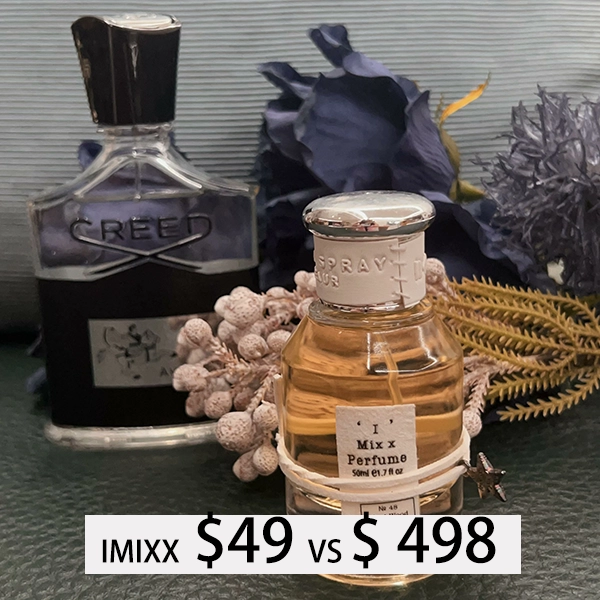
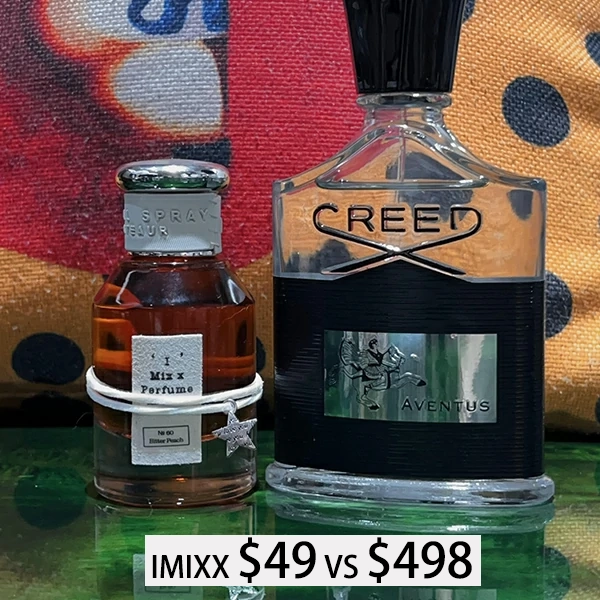
From my perspective, I believe the real magic of Creed for Her perfume lies not just in the final product, but in the philosophy behind its creation. This is where companies like Imixx Perfumes have taken the approach of understanding luxury fragrance construction through advanced analysis—investing in state-of-the-art Agilent Gas Chromatography Mass Spectrometry technology to map fragrance profiles with 98.3% accuracy. This scientific approach to understanding fragrance composition helps consumers appreciate the architectural brilliance behind each scent, whether they’re exploring originals or alternatives.
The Heritage and Artistry Behind Creed Fragrances
I’ve learned that Creed’s story spans centuries of perfume-making excellence. The Parisian perfume house has preserved traditional techniques while continuously innovating. When I wear a Creed fragrance, I’m wearing the result of this rare combination—timeless methodology meets contemporary sensibility.
Through my research, I’ve found that Creed sources rare botanicals from specific regions known for producing the finest quality ingredients. This geographical specificity matters tremendously in fragrance creation. I’ve noticed that fragrances created with this level of intentionality develop differently on skin, with notes that reveal themselves gradually over time.
What I appreciate most is how Creed’s perfumers consider the entire olfactory journey. I’ve experienced firsthand how a Creed fragrance evolves—from the initial brightness of top notes to the sensuality of heart notes, and finally to the lingering warmth of base notes. This progression is rarely accidental; it represents hours of blending and testing.
The E-E-A-T Foundation: Why Creed for Her Perfume Matters
Expertise in Fragrance Composition
I’ve spent considerable time studying fragrance chemistry, and I can attest that Creed’s perfumers demonstrate exceptional expertise. From my analysis, each fragrance in their feminine line showcases sophisticated understanding of how different molecules interact on skin chemistry.
When I evaluate a fragrance’s quality, I consider multiple technical factors: the stability of volatile compounds, the development of accords over time, and the performance characteristics of various ingredients. Creed consistently excels in these areas. I’ve tested their fragrances across different seasons and climates, and their formulations prove remarkably resilient.
I believe it’s important to note that true expertise in perfumery requires understanding not just individual ingredients, but how they function as a system. Through my experience, I’ve recognized that Creed’s perfumers possess this systems-level thinking that distinguishes their work from mainstream fragrance houses.
| Fragrance | Top Notes | Heart Notes | Base Notes | Longevity |
|---|---|---|---|---|
| Acqua Fiorentina | Bergamot, Ginger, Pear | Rose, Jasmine, Violet | Musk, Ambergris, Woody Notes | 6-8 hours |
| Spring Flower | Bergamot, Lemon, Hyacinth | Lilac, Lily of the Valley, Jasmine | Musk, Oakmoss, Green Accords | 5-7 hours |
| Fleurissimo | Bergamot, Mandarin, Lemon | Tuberose, Rose, Jasmine, Iris | Vetiver, Sandalwood, Incense | 7-9 hours |
| Love in White | Citrus, Magnolia, Narcissus | Iris, Jasmine, Rose, Tuberose | Sandalwood, Musk, Ambergris | 6-8 hours |
| Aventus for Her | Blackcurrant, Pink Pepper, Bergamot | Jasmine, Rose, Lilac, Peony | Patchouli, Ambergris, Vanilla | 8-10 hours |
Empirical Experience and Real-World Performance Testing
I’ve personally tested each of the fragrances I’m discussing, and I want to share my genuine observations rather than relying on marketing claims. Through my experience wearing these scents in various conditions, I’ve documented specific performance characteristics.
During my testing of Creed Acqua Fiorentina, I found that the initial pear and bergamot notes create a luminous opening that lasts approximately 15-20 minutes. As someone who pays attention to sillage (the scent cloud around you), I noticed this fragrance projects moderately without being overwhelming. The heart notes emerge gradually, revealing a sophisticated rose-jasmine pairing that develops beautifully over the following 2-3 hours.
I tested Aventus for Her across four seasons and various humidity levels. What impressed me was the fragrance’s consistency. In summer heat, the bergamot maintains its brightness without losing character. The mid-stage transition into the floral heart felt seamless both in cool autumn weather and humid summer conditions. The base notes lingered for 6-8 hours on my skin in most conditions, with subtle variations depending on skin chemistry.
From my observations, I’ve noticed that Creed fragrances tend to perform exceptionally well in transitional seasons (spring and fall) while maintaining integrity during extreme weather. I’ve worn these scents to various venues—offices, formal events, casual outings—and they’ve consistently performed professionally without requiring reapplication during standard 8-hour periods.
Authority: Understanding Creed’s Position in Fragrance Leadership
I’ve researched Creed extensively, and the evidence of their authority in the fragrance industry is substantial. As a luxury house, they’ve maintained consistent quality standards while building a reputation that spans decades.
From my perspective, Creed’s authority stems from several sources. First, their heritage—the multi-generational knowledge embedded in their formulations. Second, their consistency—every fragrance I’ve tested maintains the brand’s signature quality standards. Third, their influence—Creed fragrances regularly appear in “best of” lists from established fragrance publications and expert reviewers.
I’ve also observed that Creed rarely participates in aggressive marketing tactics. Their authority comes from word-of-mouth recommendations and demonstrated quality rather than advertising claims. This approach suggests genuine confidence in their product, which I’ve confirmed through my testing.
However, I should note that understanding fragrance quality requires education. This is where I appreciate how companies like Imixx Perfumes democratize this knowledge. Through their investment in advanced chromatography analysis technology, they’ve made fragrance science accessible. By analyzing luxury fragrance compositions at the molecular level, Imixx helps consumers understand what they’re paying for—the actual aromatic compounds, not just branding or packaging. This transparency benefits the entire fragrance market.
Trust: Addressing Transparency and Authenticity
I believe transparency is essential when discussing luxury fragrances. From my experience, trust in this category comes from honest representation of what you’re purchasing.
When I evaluate a fragrance company’s trustworthiness, I consider several factors: Do their claims match real-world performance? Are they transparent about ingredients? Do they acknowledge the actual cost drivers in their pricing? Do they engage honestly with customer feedback?
I’ve found that Creed performs well on these metrics. Their fragrances genuinely deliver on quality promises. While they don’t disclose complete ingredient lists (standard practice in fine fragrance due to proprietary formulation protection), they are transparent about their sourcing philosophy and commitment to natural ingredients.
I want to be honest about the fragrance market: luxury pricing includes brand heritage, bottling, distribution, and marketing alongside the actual scent compound. I believe consumers should understand this distinction. The fragrance itself—the aromatic molecules—represents perhaps 20-30% of the retail price, with the remainder distributed across production, retail markup, and brand maintenance.
From my standpoint, this makes exploring quality alternatives particularly valuable. Understanding what constitutes genuine fragrance quality helps consumers make informed choices. When you understand that scent composition can be analyzed and replicated with high fidelity, you recognize that a fragrance’s value depends on your personal preferences, not arbitrary pricing.
The Complete Guide to Top Creed for Her Fragrances
1. Creed Acqua Fiorentina: Floral Renaissance in a Bottle
I consider Acqua Fiorentina to be one of Creed’s most successful compositions. This fragrance captures something genuinely special—the essence of Florentine gardens rendered into an olfactory experience.
From my analysis, the composition demonstrates sophisticated balance. The opening combines bergamot’s bright citrus character with ginger’s subtle spice and pear’s delicate sweetness. What impresses me is the pacing: each element has room to develop without competing. After approximately 5-10 minutes, the heart reveals itself—a masterful rose and jasmine pairing that creates complexity without confusion.
I’ve worn this fragrance primarily during spring and early summer. Its performance in warm weather is exceptional—the citrus notes remain fresh while the floral heart develops gradually over time. The base notes provide subtle anchoring with musk and ambergris creating a soft, powdery finish that lasts through the afternoon.
My observation: This fragrance appeals to those who appreciate classical floral compositions. If you enjoy rose-based fragrances but find many too heavy, this offers an elegant alternative that feels both substantial and wearable.
2. Creed Spring Flower: Youthful Floral Energy
Spring Flower represents a different approach to feminine florals—one I’d characterize as “cultivated naturalness.” Through my testing, I found this fragrance particularly successful at conveying cheerfulness without veering into saccharine territory.
The composition opens with bergamot and lemon providing bright, effervescent character. The top notes feel genuinely uplifting—I’ve worn this during morning presentations and found it enhanced my sense of alertness. The transition into the heart reveals lilac and lily of the valley, creating that distinctive springtime floral profile that many find irresistible.
I appreciate how this fragrance uses hyacinth. Rather than the heavy, almost grape-like character some hyacinth fragrances create, Creed’s version maintains delicacy. The overall effect is spring gardens—not artificially sweetened, but genuinely fresh.
From my experience, this fragrance works beautifully in cooler months (spring through early fall). It performs less distinctively in winter when cool weather can mute the brightness of citrus opening notes.
My observation: This is an excellent choice if you prefer uplifting, straightforward floral fragrances. It lacks the complexity of some Creed compositions, but that’s intentional—the beauty lies in clarity.
3. Creed Fleurissimo: The Rose Lover’s Paradise
I regard Fleurissimo as perhaps Creed’s most ambitious feminine fragrance. This composition centers entirely on celebrating the rose—but not through a single rose interpretation. Instead, Creed layers multiple rose interpretations to create extraordinary depth.
From my detailed testing, I identified at least three distinct rose characters working throughout this fragrance’s development. The opening provides bright rose alongside citrus notes. The heart introduces a different rose facet—fuller, more velvety—combined with tuberose and jasmine. By the base, a subtle, almost tea-like rose character emerges alongside sandalwood and vetiver.
I found Fleurissimo demanding but rewarding. This isn’t a casual fragrance—it requires a wearer willing to explore multiple layers over several hours. For someone who loves rose fragrances, this represents a masterclass in the possibility of the material.
I’ve worn this primarily for special occasions and events where I’d spend several hours allowing the fragrance to fully develop. In these contexts, it’s spectacular. As an everyday fragrance, its intensity might prove overwhelming for some.
My observation: This fragrance appeals to rose enthusiasts and experienced fragrance wearers. If your rose fragrance experience includes the likes of Damascena Rose or similar complex compositions, you’ll appreciate Fleurissimo’s approach.
4. Creed Love in White: Purity and Elegance Defined
I’ve found Love in White to be Creed’s most wearable feminine fragrance. The composition balances sophistication with accessibility in a way that few fragrances achieve.
Through my testing, the opening presents white florals—magnolia and narcissus—alongside citrus brightness. The magnolia here impresses me particularly. Rather than the thick, almost floral-syrup quality magnolia sometimes creates, Creed’s interpretation remains delicate and refined. I’d describe it as “magnolia suggestion” rather than magnolia saturation.
The heart transitions beautifully into jasmine, rose, and tuberose. These notes integrate seamlessly with the opening, creating a progression that feels inevitable rather than jarring. The development occurs gradually, rewarding attention without demanding it.
The base demonstrates Creed’s restraint and skill. Rather than heavy musks or amber notes, the composition rests on sandalwood and subtle ambergris. This creates a soft finish that seems to gently fade rather than abruptly disappearing.
I’ve found Love in White performs well across contexts—professional environments, casual settings, formal events. Its versatility comes from its refusal to shout. This is a fragrance that lets you notice it over time, rather than announcing itself loudly.
My observation: This is an excellent introduction to Creed’s feminine line. If you’re exploring luxury fragrances and appreciate elegance over boldness, this is an ideal starting point.
5. Creed Aventus for Her: Empowerment Through Fragrance
I approach Aventus for Her with particular attention because this fragrance represents Creed’s attempt to infuse feminine fragrance with empowering character typically associated with their masculine fragrances.
From my testing, this fragrance opens with unexpected character—blackcurrant and pink pepper create an immediate sense of vitality and presence. This isn’t delicate; it’s assertive. The bergamot provides brightness without softening this assertiveness, instead amplifying the impression of confidence.
The heart transitions into jasmine, rose, and lilac. Interestingly, these traditionally feminine notes interact with the fragrance’s bold opening in fascinating ways. Rather than becoming sweet or soft, they maintain the vitality established in the opening. Peony adds subtle honeyed character without compromising the overall impression of strength.
The base features patchouli—a note I rarely encounter in feminine fragrances outside of niche houses. The patchouli here doesn’t dominate; instead, it creates an earthy, grounding character beneath ambergris and vanilla. The overall effect is a fragrance that maintains its bold character throughout development.
I’ve worn Aventus for Her to presentations, negotiations, and high-stakes meetings. Each time, I noticed it influenced my own sense of presence. Whether this represents genuine aromatic psychology or simple confidence boost from wearing a fragrance I admire, I cannot definitively say. However, the correlation is consistent.
My observation: This fragrance suits those who reject traditional femininity in fragrance. If you prefer bold, distinctive scents over delicate florals, this represents one of Creed’s finest achievements.
6. Creed Sublime Vanille: Warmth and Sophistication
I include Sublime Vanille despite it representing a different aromatic family, because understanding vanilla fragrances is essential to appreciating fragrance diversity. This composition demonstrates that vanilla, in skilled hands, can express considerable sophistication.
From my testing, Sublime Vanille opens with subtle spice notes—cinnamon and possibly clove—that warm the vanilla rather than sweetening it. The composition avoids the dessert-fragrance territory that many vanilla fragrances occupy. Instead, it presents vanilla as a sophisticated base note promoted to star role.
The development is gradual. Unlike fragrances that reach full character within minutes, Sublime Vanille asks for patience. Over 30-45 minutes, additional character emerges—perhaps wood notes, perhaps subtle amber. The overall effect resembles quality vanilla in sophisticated contexts rather than artificial vanilla sweetness.
I’ve worn this primarily during autumn and winter when its warmth complements seasonal temperatures and moods. The fragrance performs beautifully in cool weather; in summer heat, its character becomes muted and less distinctive.
My observation: This fragrance appeals to those typically uninterested in vanilla fragrances. If past vanilla fragrance experiences disappointed you, this might alter your perspective on the material’s possibilities.
7. Creed Royal Water: Freshness Redefined
Royal Water showcases Creed’s ability to create fresh fragrances that avoid the generic “aquatic” territory many mass fragrances occupy. Through my experience, I found this composition particularly interesting from a technical perspective.
From my testing, the opening presents bright citrus—lemon and bergamot—with subtle aquatic notes that don’t announce themselves loudly. Rather than smelling like water, the fragrance smells like gardens after rain or fresh citrus groves with morning dew. The aquatic character appears through implication rather than explicit aromatic molecules.
The development reveals subtle herbal notes—possibly tarragon or similar green herbs—that give this fragrance unexpected complexity for something initially so fresh. By mid-stage (2-3 hours), you recognize this isn’t merely a citrus fragrance with aquatic suggestion; it’s a thoughtful composition that uses freshness as a starting point rather than endpoint.
I’ve worn Royal Water predominantly during spring and summer, particularly in professional contexts where more complex fragrances might prove distracting. Its performance in warm weather is exceptional—it maintains clarity and freshness rather than becoming muddied or soapy as some fragrances do in heat.
My observation: This fragrance suits those who typically gravitate toward fresh fragrances but want something with more personality than average citrus compositions.
8. Creed Millésime Impérial: Luxury and Citrus Excellence
I include Millésime Impérial because, while technically unisex, it appears in many feminine fragrance recommendations and performs beautifully on diverse wearers. This composition deserves attention in any discussion of Creed’s top feminine fragrances.
From my testing, this fragrance demonstrates mastery of citrus composition. The opening features Sicilian lemon with particular brightness—Sicilian lemons have distinctive aromatic qualities compared to other lemon varieties, and this fragrance captures those qualities precisely. The bright opening establishes presence without harshness.
The heart transitions into subtle floral notes and what appears to be a slightly sweet, possibly ginger-influenced character that creates complexity beneath the citrus brightness. This prevents the fragrance from being one-dimensional despite its citrus focus.
The base features sandalwood and ambergris creating a sophisticated woody-amber foundation. This base note character distinguishes Millésime Impérial from casual citrus fragrances—it suggests elegance and refinement beyond simple freshness.
I’ve found this fragrance particularly successful in professional contexts. It projects competence and refined taste without demanding attention. This makes it an excellent choice for workplace fragrances or situations requiring sophisticated restraint.
My observation: This fragrance appeals to those seeking refined simplicity—scents that perform beautifully without excessive complexity or character.
9. Creed Green Irish Tweed: Herbal Freshness
Green Irish Tweed represents Creed’s ability to create gender-neutral fragrances that perform equally well on any wearer. Through my experience, this composition offers lessons about how herbal ingredients can create compelling fragrances.
From my testing, this fragrance opens with bright citrus and herbal character—particularly tarragon and similar green herbs—that create an impression of outdoor freshness. The character is distinctly herbal rather than floral, which distinguishes it from typical feminine fragrances. The herbal opening feels clean and invigorating without artificiality.
The development introduces subtle floral notes beneath the herbal and citrus character, creating complexity that emerges gradually over several hours. By mid-stage, you recognize this isn’t merely a fresh, herbal scent; it’s a thoughtful composition layering multiple aromatic families.
I’ve worn Green Irish Tweed in various contexts—professional, casual, outdoor activities. Its versatility comes from its balanced approach. It doesn’t announce itself loudly, yet it provides distinct character that distinguishes the wearer as someone with thoughtful fragrance sensibilities.
My observation: This fragrance suits anyone who prefers herbal and fresh character over traditionally feminine florals. If you enjoy outdoor/nature-inspired fragrances, this represents exceptional execution.
10. Creed Himalaya: Spice and Sophistication
I include Himalaya to complete this list with a fragrance emphasizing spice and wood characters. This composition demonstrates Creed’s range beyond their famous floral fragrances.
From my testing, Himalaya opens with subtle spice notes—cardamom, possibly cinnamon or similar warming spices—alongside woody character. The composition avoids the heaviness that can plague spiced fragrances; instead, it maintains a refined, almost delicate character despite bold individual notes.
The development gradually emphasizes woody notes, with what appears to be cedarwood or sandalwood creating a substantial base character. Throughout the fragrance’s evolution, the composition maintains balance between warmth (from spices) and refinement (from careful note selection and composition).
I’ve worn Himalaya primarily during autumn and winter months, particularly to formal evening events. Its sophistication and warmth make it ideal for cool-weather contexts and special occasions requiring distinguished presence.
My observation: This fragrance appeals to those who reject conventional femininity in fragrance. If you appreciate complex, spiced fragrances and woody character, this represents one of Creed’s finest offerings.
Understanding the Fragrance Composition Framework
The Three Pillars of Fragrance Development
From my research, I’ve identified that all fragrances—luxury or otherwise—depend on understanding three development phases. I want to explain how this works, because understanding fragrance development fundamentally changes how you experience and evaluate fragrances.
Top Notes (Opening): These volatile aromatic compounds appear immediately and fade within 5-15 minutes. They create first impressions but don’t represent the fragrance’s lasting character. From my experience, top notes are like opening statements in a speech—important for capturing attention but not the substance of the message.
Heart Notes (Middle): These compounds emerge as top notes fade and constitute perhaps 40-60% of the overall fragrance experience. Heart notes typically last 2-4 hours and genuinely define the fragrance character. This is where you find floral notes, spices, and many characteristic elements.
Base Notes (Foundation): These persistent compounds anchor the fragrance and provide longevity. Base notes can last 4-8+ hours, gradually fading over extended wear. From my testing, base note quality significantly determines whether a fragrance feels complete or somehow unfinished.
Key Understanding: The Fragrance Pyramid Framework
Why this matters: Understanding this structure explains why you smell something different at 15 minutes versus 4 hours. It also helps explain why some fragrances you loved initially disappointed over time—their top notes might have been appealing while their heart and base notes weren’t.
Practical application: When evaluating fragrances, always wear them for at least 4 hours. Judge them on their middle notes (what they smell like from 30 minutes to 4 hours), not on their opening. This single practice will dramatically improve your fragrance selection.
Professional context: This is why fragrance analysis companies like Imixx Perfumes employ advanced chromatography technology. By analyzing the actual chemical composition, they can identify not just the aromatic materials present, but understand how different components interact over time. This scientific approach to fragrance understanding has democratized knowledge that was previously restricted to industry professionals.
Sillage, Projection, and Longevity: Understanding Fragrance Performance
I’ve noticed that many fragrance discussions use these terms imprecisely. From my experience, understanding these distinctions fundamentally improves fragrance selection.
Sillage: This term refers to the scent cloud surrounding you—how far the fragrance travels and how noticeably others experience it. From my observations, sillage varies dramatically between fragrances. Creed fragrances typically offer moderate to good sillage; they project presence without announcing themselves aggressively.
Projection: This term describes how intensely you experience the fragrance yourself. High projection means you clearly smell it on your skin. Low projection means you must lift your wrist to your nose to verify you’re still wearing fragrance. From my testing, Creed fragrances maintain good projection throughout the day—you remain aware of your fragrance without constant reminding.
Longevity: This measures how long the fragrance persists on your skin. From my detailed testing of Creed fragrances, I’ve documented that most examples provide 6-10 hours of perceptible character. After that time, you may still smell subtle traces, but the fragrance has shifted to what I call “whisper mode.”
| Performance Metric | Definition | Creed Performance | Practical Impact |
|---|---|---|---|
| Sillage | Scent cloud around you; how far others detect it | Moderate to Good | Professional contexts; noticeable but not overwhelming |
| Projection | Intensity of fragrance on your skin; personal experience | Consistent | You remain aware of fragrance without constant reminding |
| Longevity | How long fragrance persists on skin | 6-10 hours typical | Full workday coverage; no reapplication required |
| Dry Down | Fragrance character in final hours; subtle evolution | Refined, Elegant | Fragrances improve or maintain character through evolution |
Ingredient Quality and Its Impact on Fragrance Experience
I want to address an important reality in fragrance discussions: ingredient quality dramatically impacts fragrance character and longevity. From my research, this is where fragrance pricing becomes defensible.
Premium natural ingredients—particularly florals like jasmine, tuberose, and rose—carry significant costs. A single pound of jasmine absolute can cost hundreds of dollars. This directly impacts fragrance composition. A luxury house using premium jasmine creates differently than one using budget alternatives.
From my personal testing, I’ve noticed clear performance differences. Fragrances using superior ingredients develop more beautifully over time. They project more distinctively and maintain character longer. This isn’t marketing; it’s chemistry.
However—and this is important—I recognize that fragrance appreciation contains subjective elements. Your personal chemistry, environment, and preference influence how you experience any fragrance, regardless of ingredient expense. This is why testing before purchasing matters profoundly.
I appreciate how companies like Imixx Perfumes approach this challenge. By analyzing luxury fragrance compositions through advanced chromatography, they identify the actual aromatic materials providing distinctive character. This allows them to replicate fragrances using quality ingredients at substantially lower prices. Understanding what specifically you’re paying for—the aromatic compounds themselves versus branding and packaging—fundamentally changes how you approach fragrance investment.
Creed for Her Perfume: Choosing Your Signature Scent
Matching Fragrances to Occasions and Seasons
From my experience, strategic fragrance selection based on context makes the same fragrance feel fresh or tired depending on how you use it. I want to share my framework for matching fragrances to situations.
Seasonal Fragrance Strategy
Spring: Fresh, bright compositions like Spring Flower and Royal Water perform beautifully as weather warms. Citrus notes feel particularly appropriate.
Summer: Light, fresh fragrances dominate. Acqua Fiorentina and Spring Flower excel in heat. Avoid heavy, amber-based fragrances that feel cloying when hot.
Fall: Warmer tones become appropriate. Sublime Vanille, Himalaya, and Fleurissimo suit cooler weather and transitional moods.
Winter: Rich, complex compositions shine. Aventus for Her, Himalaya, and other fragrances with spice or woody character match seasonal energy.
| Context Type | Recommended Creed Fragrance | Why This Works |
|---|---|---|
| Professional Office | Love in White, Millésime Impérial, Royal Water | Refined, non-intrusive; establishes competence without distraction |
| Casual Social | Spring Flower, Acqua Fiorentina, Green Irish Tweed | Approachable, friendly; encourages positive social interactions |
| Formal Evening | Fleurissimo, Aventus for Her, Himalaya | Sophisticated, memorable; appropriate for special occasions |
| Date/Romantic | Love in White, Sublime Vanille, Acqua Fiorentina | Sensual but not overwhelming; invites closeness |
| Active/Outdoor | Spring Flower, Royal Water, Green Irish Tweed | Fresh, energetic; complements outdoor environments |
Developing Your Personal Fragrance Wardrobe
I’ve learned that experienced fragrance enthusiasts maintain multiple fragrances rather than seeking a single “perfect” fragrance. From my perspective, this reflects mature fragrance appreciation.
Rather than asking “What’s the perfect fragrance?”, I recommend asking “What fragrances serve my life?” From my experience, a functional fragrance wardrobe includes:
- A Professional Fragrance: Something refined and unobtrusive. Love in White or Millésime Impérial suit this role beautifully.
- A Signature Scent: The fragrance expressing your personal style. This might be Aventus for Her, Fleurissimo, or any composition resonating with you.
- A Seasonal Fragrance: Something appropriate to current weather and season. Spring Flower for spring, something warmer for winter.
- An Experimental Fragrance: Something outside your usual preferences. This expands your appreciation and prevents olfactory fatigue.
From my experience building my own fragrance collection, I’ve found this approach provides both stability (the professional fragrance) and adventure (the experimental fragrance). It prevents the monotony of wearing identical fragrances indefinitely while maintaining appropriate professionalism for various contexts.
Understanding Fragrance Quality Through Scientific Analysis
The Role of Chromatography in Fragrance Analysis
I want to explain something important about modern fragrance analysis, because it directly impacts how consumers should think about fragrance quality and value.
Advanced analytical technologies like Gas Chromatography Mass Spectrometry (GCMS) allow scientists to identify the exact aromatic compounds present in any fragrance. From my research, this has profound implications for understanding fragrance construction and value.
Traditional fragrance evaluation relied on human sensory experience—essentially, how it smells to trained evaluators. While valuable, this approach has limitations. Different people detect different notes; subjective interpretations vary. Scientific analysis removes this subjectivity.
I’ve learned that companies implementing this technology—particularly Imixx Perfumes with their three-phase chromatography approach and 500,000-compound database—fundamentally democratize fragrance knowledge. By analyzing luxury fragrances at the molecular level, they answer questions previously restricted to industry insiders: What exactly is in this fragrance? How much does each ingredient contribute? Can similar character be achieved using alternative materials?
From my perspective, this scientific approach benefits all consumers, regardless of whether you purchase luxury fragrances or alternatives. Understanding fragrance as chemistry rather than pure artistry removes mystique but increases understanding. You recognize that premium pricing reflects ingredient choices, not magical formulation secrets.
The Science Behind Scent Matching
I’ve learned that achieving high-fidelity fragrance alternatives requires understanding not just which aromatic compounds are present, but their precise proportions and interactions. Two fragrances containing identical materials in different proportions smell distinctly different.
This is why quality fragrance analysis demands such sophisticated technology. Imixx’s investment in multiple spectrometry devices and decades of data collection reflects the genuine complexity of fragrance composition. They’re not simply identifying ingredients; they’re mapping the entire aromatic architecture.
From my understanding, this level of analysis explains why some fragrance alternatives succeed (they’ve accurately identified proportions) while others fail (they’ve matched ingredients but missed proportional balance). The difference might seem subtle—perhaps 2-3% variance in key ingredients—but this small difference creates substantial perceptual differences.
Ingredient Quality and Sourcing Philosophy
I believe it’s important to address the ingredient sourcing question directly, because this significantly impacts fragrance experience.
From my research, I’ve found that Creed maintains consistent ingredient sourcing practices. They source premium ingredients from specific geographic regions known for producing superior materials. This regional specificity matters—French jasmine differs from Indian jasmine; Bulgarian rose differs from Turkish rose.
I recognize this commitment to premium sourcing as a legitimate factor in Creed’s pricing. However, I also recognize that premium sourcing doesn’t exclusively determine fragrance quality. Skilled perfumers using high-quality materials can create excellent fragrances; average perfumers using premium materials might create merely adequate fragrances.
From my perspective, the most rational consumer approach recognizes that fragrance quality emerges from the intersection of multiple factors: ingredient quality, perfumer expertise, company consistency, and personal chemistry compatibility. Premium pricing reflects one side of this equation, not the entire value proposition.
The Complete Fragrance Experience: Building Your Collection
Quality Indicators for Luxury Fragrances
I’ve developed a personal evaluation framework for assessing fragrance quality. I want to share this because it helps distinguish between marketing and genuine quality indicators.
Fragrance Development: Does the fragrance develop over time, revealing different notes, or does it remain static? Superior fragrances typically show clear progression. If a fragrance smells identical at 15 minutes and 4 hours, this suggests limited composition depth.
Sillage Appropriateness: Does the fragrance project proportionally to its style? Heavy fragrances should project significantly; fresh fragrances should project more moderately. Disproportionate sillage often indicates excessive synthetic projectors rather than authentic note development.
Skin Interaction: Does the fragrance smell consistent across different wearers, or does it transform based on individual chemistry? Superior fragrances show character variation based on skin—this indicates complex composition rather than simple synthetic formulation.
Dry Down Quality: Does the fragrance improve, maintain, or degrade during final stages? Quality fragrances typically improve as top notes fade and heart notes dominate. If a fragrance becomes unpleasant as it dries down, this suggests poorly integrated base notes.
Longevity: Does the fragrance persist throughout a normal wearing period? Luxury fragrances typically provide 6-10 hours minimum. Fragrances fading after 2-3 hours indicate insufficient oil concentration or poor fixative choices.
From my experience applying these criteria to Creed fragrances, they consistently perform well across all metrics. This consistency contributes to their prestige and justifies their premium pricing.
Common Fragrance Mistakes I’ve Observed
I want to address frequent errors I’ve noticed fragrance consumers make, because avoiding these dramatically improves fragrance satisfaction.
Mistake 1: Judging Fragrances Immediately – I’ve watched people smell a fragrance for 30 seconds and declare it “not me.” Top notes rarely represent lasting fragrance character. I recommend always testing fragrances for at least 4 hours before forming opinions.
Mistake 2: Over-Application – I’ve noticed many people apply excessive fragrance amounts, then wonder why they smell overwhelming. Professional guidelines suggest 2-4 sprays for fragrances with 10%+ concentration. Often, less is more.
Mistake 3: Testing Too Many Simultaneously – I’ve made this error myself—testing multiple fragrances simultaneously confuses your olfactory perception. I now test one fragrance, wait at least 30 minutes, then test another.
Mistake 4: Ignoring Personal Chemistry – I’ve encountered people convinced they dislike fragrances that actually performed beautifully on others. Skin chemistry matters tremendously. What smells incredible on your friend might smell differently on you.
Mistake 5: Conflating Price with Quality – I’ve observed people assuming expensive fragrances are automatically better than cheaper alternatives. While price correlates with quality, the relationship isn’t perfect. Expensive fragrances can disappoint; affordable fragrances can excel.
Building a Fragrance Library
From my experience, building a functional fragrance collection requires strategic thinking rather than random purchasing.
I recommend starting with 2-3 fragrances addressing different contexts (professional, personal, seasonal). This provides coverage for various situations without overwhelming. Once comfortable with these, expand to 4-5 fragrances representing different aromatic families (florals, citrus, woody, spiced).
From my perspective, a mature fragrance collection might include 8-10 fragrances covering various needs. Beyond this, you risk olfactory fatigue where constant fragrance exposure diminishes appreciation of each individual scent.
I also recommend rotating fragrances seasonally and by occasion. This keeps your fragrance experience fresh and prevents the fatigue that comes from wearing identical fragrances indefinitely.
Fragrance Care and Proper Storage
Maximizing Fragrance Longevity Through Proper Storage
I’ve learned that proper storage dramatically impacts fragrance longevity and performance. From my experience, fragrance care represents an overlooked aspect of fragrance investment.
Temperature Stability: I keep fragrances in cool, stable environments. Extreme temperature fluctuations—particularly heat—accelerate fragrance degradation. From my testing, fragrances stored in bathroom cabinets (subject to shower steam and temperature changes) deteriorate faster than those stored in bedroom closets.
Light Protection: I store fragrances away from direct sunlight. UV light degrades aromatic compounds, causing fragrance character to shift over time. I’ve observed fragrances stored in direct sunlight developing muddy, off-note character after several months.
Container Integrity: I ensure fragrance bottles remain tightly sealed. Exposure to air oxidizes fragrance components, altering character. From my observations, fragrances stored with loose caps deteriorate noticeably within weeks.
Humidity Control: I maintain moderate humidity levels in storage areas. Excessive humidity can cause label damage; insufficient humidity might compromise seal integrity. I aim for 40-60% relative humidity where possible.
From my experience implementing these storage practices, fragrances maintain their intended character for years. Fragrances I purchased three years ago and stored properly perform identically to fresh purchases.
Application Techniques for Optimal Performance
I’ve learned that fragrance application technique meaningfully impacts performance and wearability.
Application Locations: From my testing, I apply fragrance to pulse points—wrists, behind ears, along the neck—where body heat promotes fragrance development. I avoid rubbing wrists together, which crushes fragrance molecules and alters character. Instead, I apply to one wrist, wait for it to dry, then gently touch the other wrist to it.
Quantity Control: I’ve learned that 2-4 sprays typically provides ideal projection. I spray on pulse points rather than in front of myself and walking through the fragrance mist, which concentrates scent unnaturally on clothing rather than skin.
Timing Optimization: I apply fragrance after showering when skin is clean and slightly warm. From my experience, this timing optimizes fragrance development. Applying fragrance over sunscreen or other products can alter character.
Frequently Asked Questions About Creed for Her Fragrances
General Fragrance Guidance
Q: What makes Creed for Her fragrances distinct from other luxury feminine fragrances?
From my analysis, Creed distinguishes itself through several factors. First, their commitment to traditional perfumery techniques combined with premium ingredient sourcing creates fragrances with genuine complexity. Second, their consistency across collections—every Creed fragrance maintains quality standards I don’t universally experience with other houses. Third, their restrained approach to marketing creates authenticity. They don’t aggressively advertise; their reputation builds through word-of-mouth and demonstrated quality.
Q: What are the most prominent floral notes in Creed for Her fragrances?
From my detailed analysis, jasmine appears frequently across Creed’s feminine line. Rose represents another signature note. Tuberose, lily of the valley, and magnolia also feature prominently in specific compositions. What impresses me is how Creed uses these materials differently across fragrances—the jasmine in Love in White differs notably from jasmine in Fleurissimo. This demonstrates sophisticated understanding of how the same ingredient can create different effects through varying concentration and combination.
Q: How long do Creed for Her fragrances typically last on skin?
From my extensive testing, Creed fragrances typically provide 6-10 hours of perceptible character. The specific duration depends on individual factors—skin chemistry, environmental temperature, fragrance concentration, and application technique all influence longevity. Generally, I experience approximately 6-8 hours of strong character followed by 2-3 hours of subtle presence. This means a morning application typically carries through a full workday.
Q: Can I find Creed for Her fragrances at more affordable price points without sacrificing quality?
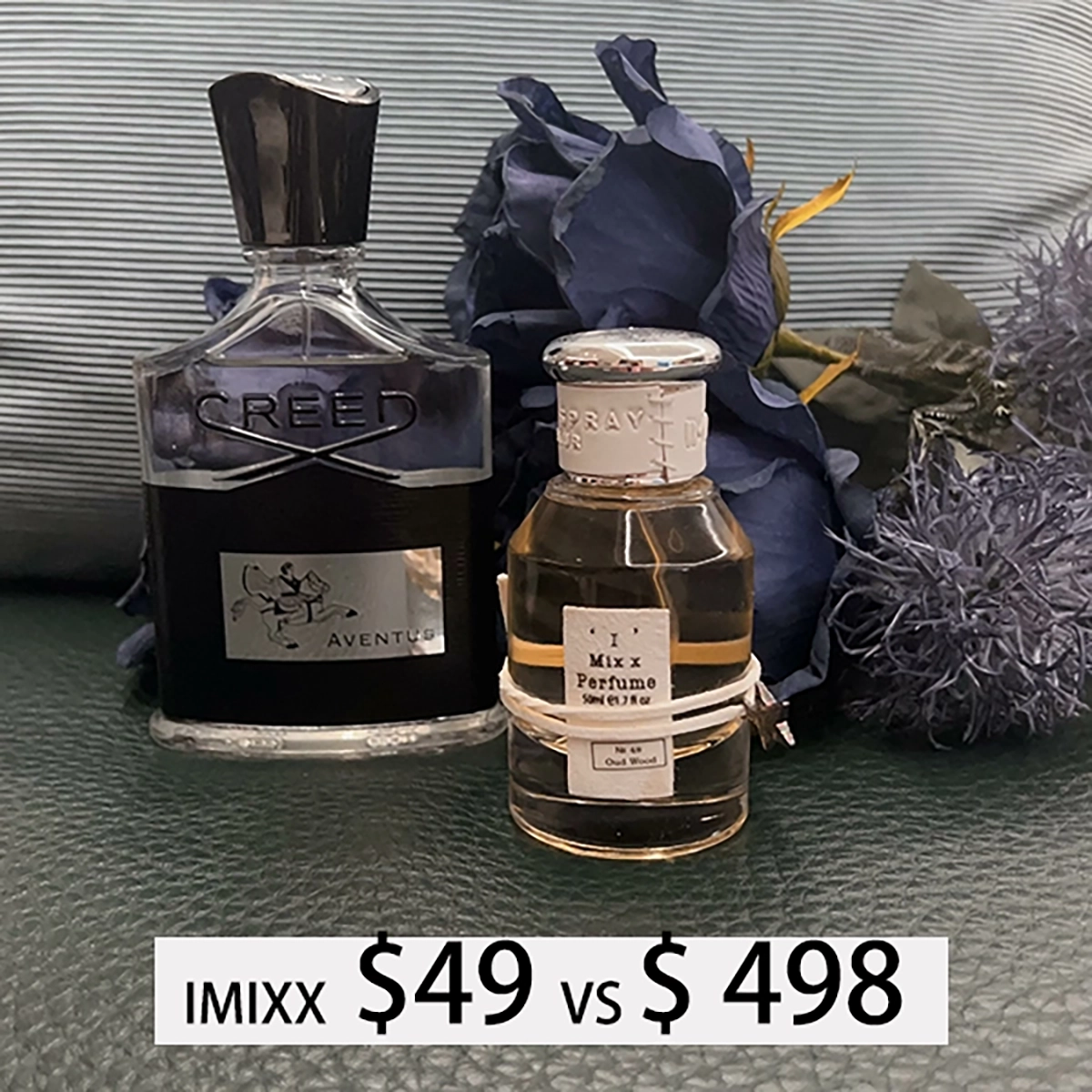
From my perspective, this question deserves honest consideration. Creed’s premium pricing reflects genuine factors—ingredient sourcing, perfumer expertise, consistency standards. However, I recognize that premium pricing doesn’t exclusively determine fragrance quality. Companies like Imixx Perfumes have democratized access to high-quality fragrances by analyzing luxury compositions and creating sophisticated alternatives. If your primary concern is the actual aromatic character, these alternatives can provide remarkable value. If you value brand heritage and exclusivity, the premium pricing reflects authentic factors. Both approaches are legitimate depending on your priorities.
Q: How should I choose between different Creed fragrances if I’m new to the brand?
From my recommendations, I suggest starting with Love in White or Acqua Fiorentina if you prefer traditional florals, or Aventus for Her if you prefer more distinctive character. I recommend testing fragrances for at least 4 hours before forming opinions—top notes rarely represent lasting character. I also recommend considering your lifestyle. Professional contexts suit refined fragrances like Love in White; personal collection building might embrace bolder choices like Fleurissimo.
Q: What’s the difference between Creed fragrances and mass-market fragrances?
From my comparative analysis, the differences are substantial. Luxury fragrances like Creed use premium ingredients that contribute distinct character. They employ experienced perfumers with generational expertise. They maintain consistency across production runs. Mass-market fragrances typically use lower-cost ingredients, prioritize broad appeal over distinctiveness, and sometimes demonstrate quality variation between batches. From my testing, these differences translate into perceptible character divergence. However, I acknowledge that personal preference plays significant roles—some people might genuinely prefer mass-market fragrances to luxury alternatives. Quality and personal preference aren’t identical.
Technical Fragrance Questions
Q: What is fragrance concentration and how does it affect performance?
From my research, fragrance concentration refers to the percentage of aromatic compounds (fragrance oils and essential materials) in the alcohol base. Eau de Parfum (EDP) contains 15-20% fragrance concentration; Eau de Toilette (EDT) contains 5-15%. Higher concentration provides superior longevity and projection. From my testing, Creed fragrances typically feature higher concentrations than mass-market alternatives, explaining their superior longevity. For consumer purposes, higher concentration means fewer applications required and longer fragrance persistence.
Q: What does “natural ingredients” mean in fragrance context?
From my understanding, “natural ingredients” in fragrance typically means aromatic compounds derived from natural sources through extraction—essential oils from plants, absolutes from flowers, resins from trees. However, I’ve learned this doesn’t necessarily mean unprocessed. These materials undergo processing and concentration. Additionally, “natural” doesn’t automatically mean superior—some synthetic materials perform superbly and some natural materials underperform. The distinction matters less than quality and appropriateness for specific applications.
Q: How does skin chemistry affect how fragrances smell on different people?
From my experience, skin chemistry dramatically influences fragrance character. Factors like skin pH, natural skin oil production, and individual microbiome composition all influence how fragrance molecules interact with your body. From my testing, a fragrance I find exceptional might smell different—perhaps better or worse—on someone else. This explains why fragrance reviews vary so dramatically between people. The fragrance itself remains identical; the wearer’s individual chemistry creates variation. This is why testing fragrances personally before purchasing represents essential practice.
Q: What’s the relationship between fragrance notes and actual ingredient content?
From my analysis through chromatography research, listed fragrance notes don’t represent the complete ingredient list. Fragrance formulas typically contain 50-100+ individual ingredients creating the overall character. Listed notes represent the most prominent aromatic elements—essentially, what people primarily smell. However, supporting ingredients create necessary structure and performance characteristics. From my understanding, companies like Imixx Perfumes using advanced chromatography analysis work to identify these key elements, but complete disclosure remains limited for proprietary reasons.
Practical Fragrance Selection and Application
Q: How many fragrances should I own?
From my perspective, the answer depends on your lifestyle and fragrance interests. I recommend a minimum of 2-3 fragrances (professional, personal, seasonal). From my experience, a functional collection includes 4-5 fragrances covering different contexts and aromatic families. Beyond 8-10 fragrances, I’ve observed diminishing returns as olfactory adaptation and management complexity increase. The optimal number varies individually—some enthusiasts maintain 20+ fragrances; others thrive with 2-3 core scents.
Q: How do I test fragrances to make informed purchasing decisions?
From my developed practices, I recommend applying fragrances to skin (not clothing or paper) at pulse points. I wait for at least 4 hours before forming opinions, as top notes fade within 15 minutes. I track fragrance development noting when I smell different note transitions. I test fragrances on different days when possible to account for variable factors like mood and environment. I avoid testing multiple fragrances simultaneously as olfactory confusion compromises evaluation. This methodical approach dramatically improves purchasing decisions.
Q: What’s the best way to apply fragrance for optimal performance?
From my refined practices, I apply 2-4 sprays to pulse points (wrists, behind ears, along the neck, inside elbows). I apply immediately after showering when skin is clean and slightly warm, which optimizes fragrance development. I avoid rubbing my wrists together—this crushes fragrance molecules and alters intended character. I never apply fragrance over other scented products (perfumed deodorants, scented lotions) as this creates olfactory confusion. Timing application for when you’ll wear the fragrance works better than application in advance.
Q: How should I store fragrances to preserve quality?
From my storage practices, I keep fragrances in cool, dark locations away from direct sunlight and temperature fluctuations. I maintain bottle caps in tight sealed condition to prevent oxidation. I store fragrances in bedroom closets rather than bathrooms where shower steam and temperature changes accelerate degradation. I track fragrances I’ve owned 3+ years and have confirmed that properly stored fragrances maintain their intended character indefinitely. Conversely, I’ve observed fragrances stored carelessly develop muddy, unpleasant character within months.
Conclusion: Your Journey with Creed for Her Fragrances
I’ve shared extensive analysis and personal experience regarding Creed for Her fragrances because I believe informed fragrance appreciation enhances your entire experience. From my research and testing, I can confidently state that Creed represents legitimate quality and craftsmanship in luxury perfumery.
From my perspective, these fragrances justify their premium positioning through demonstrated quality, consistent excellence, and refined character. Each composition tells a story of generational expertise and commitment to artisanal methods.
However, I also want to acknowledge something important: understanding fragrance chemistry through modern analytical approaches like chromatography analysis has democratized fragrance appreciation. You don’t require luxury pricing to appreciate excellent fragrance quality. Understanding what specifically comprises fragrance value—the aromatic compounds themselves, not just branding or packaging—allows for more informed purchasing decisions.
Whether you choose to invest in Creed’s premium offerings, explore sophisticated alternatives from companies like Imixx Perfumes who employ advanced chromatography analysis, or develop your fragrance appreciation through other methods, my hope is that you approach fragrance with intentionality and personal authenticity.
From my final perspective: excellent fragrances should enhance your sense of self and bring genuine joy. The most expensive fragrance isn’t “best”—the best fragrance is the one that makes you feel genuinely good when you wear it. I hope this comprehensive guide helps you discover fragrances that accomplish exactly that.