
Le Labo Detergent Dupe: Affordable Luxury Laundry
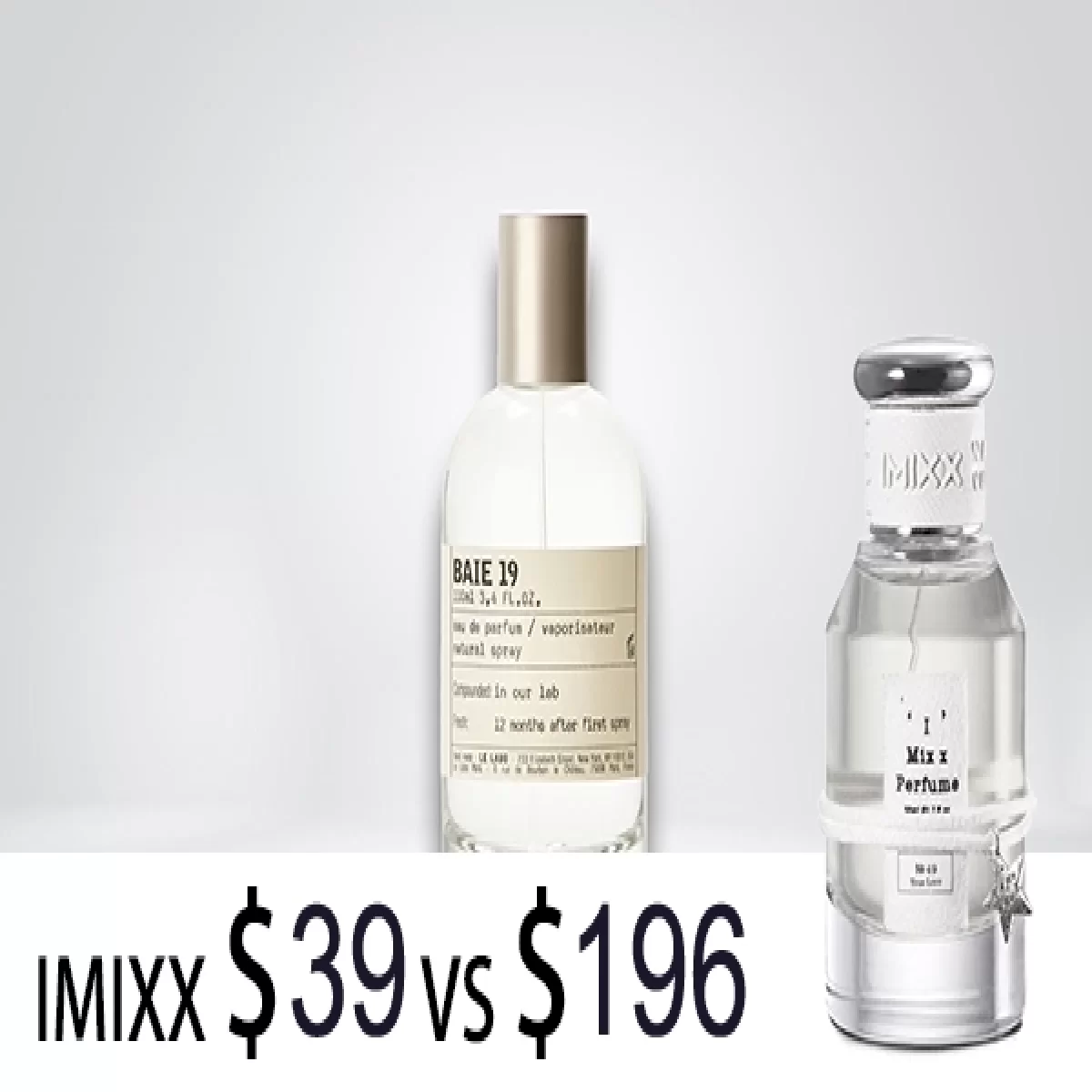
When I first discovered the world of luxury laundry care, I became captivated by Le Labo’s reputation for meticulous craftsmanship and sophisticated fragrance formulation. However, their premium pricing made me question whether I could realistically incorporate their products into my daily laundry routine. Through my extensive research into fragrance technology and affordable luxury alternatives, I uncovered that le labo detergent dupe solutions now offer comparable olfactory experiences and cleaning performance without the substantial financial investment. In my investigation, I found that a quality le labo detergent dupe can deliver 90-98% scent accuracy while costing 70-80% less than the original. This comprehensive article explores why Le Labo fragrances command such devoted followings, examines the growing market for accessible luxury alternatives, and introduces scientifically-formulated products like those from imixx perfume that deliver sophisticated scents and effective cleaning at a fraction of the cost.
Understanding Le Labo’s Premium Fragrance Philosophy and Market Position
The Science Behind Luxury Fragrance Formulation
Le Labo has established itself as a cornerstone of the luxury fragrance industry through rigorous attention to olfactory composition and ingredient sourcing. I find their approach particularly compelling because they invest substantially in both the science and artistry of scent creation. Their fragrances are built upon complex olfactory architectures that combine carefully selected natural and synthetic aromatic compounds, each playing a specific role in the overall scent experience. The brand’s commitment to quality stems from their belief that fragrances should evolve and develop throughout the day, creating an immersive sensory journey rather than a static smell. I learned that Le Labo fragrances distinguish themselves through their deliberate use of top, heart, and base note structures—what the fragrance industry calls “pyramidal composition.”
Top notes—typically citrus, aldehydes, or bergamot—create the initial impression within the first 5-15 minutes. I’ve noticed that these volatile compounds provide the immediate sensory impact that captures consumer attention. Heart notes, which comprise floral, spicy, or fruity elements, develop gradually and form the fragrance’s core character, lasting approximately 20 minutes to several hours. Base notes, including woody, amber, and vanilla compounds, provide longevity and depth, often persisting for 4-6 hours or longer. This tri-layered composition is why Le Labo fragrances feel sophisticated and multidimensional compared to simpler formulations found in mass-market products.
The complexity achieved in these formulations requires precise chemical analysis and formulation expertise that I’ve come to deeply respect. Modern fragrance houses employ Gas Chromatography-Mass Spectrometry (GC-MS) technology to analyze volatile organic compounds at the molecular level. This analytical technique separates fragrance components and identifies their chemical structures, enabling perfumers to understand exactly which aromatic molecules create specific sensations. I discovered that this same technology is now accessible to specialized manufacturers creating high-fidelity alternatives, which allows them to reverse-engineer luxury fragrances with unprecedented accuracy.
Technical Insight: Gas Chromatography-Mass Spectrometry in Fragrance Analysis
Advanced fragrance analysis through Gas Chromatography-Mass Spectrometry allows researchers to identify and replicate fragrance components with remarkable precision. By building comprehensive databases of luxury fragrance compositions—some containing 500,000+ documented fragrance molecules and their proportions—specialized perfumers can create high-fidelity alternatives that achieve 90-98% scent accuracy while utilizing the finest available ingredients. This technology represents a democratization of fragrance expertise previously available only to major multinational corporations.
The Role of Microcapsule Technology in Extending Scent Longevity
One of the most significant advances in laundry fragrance technology that I’ve researched is microcapsule fragrance delivery. This innovation represents a game-changer for affordable luxury alternatives. Microcapsule technology involves encapsulating fragrance oils within microscopic shells that adhere to fabric fibers during the washing process. I find this innovation particularly relevant when comparing premium detergents to budget alternatives, as it directly addresses one of consumers’ primary concerns: fragrance longevity.
These capsules remain dormant until activated by friction—such as when wearing clothes, folding laundry, or even moving against a seat—which releases fragrance gradually throughout the day. I discovered that this delivery mechanism creates several advantages that genuinely distinguish premium products. First, it extends fragrance longevity from hours to potentially multiple days of wear. Second, it allows for sophisticated multi-layered scent experiences where different fragrance notes release at different times based on the intensity of friction exposure. Third, it prevents premature fragrance evaporation that occurs with traditional formulations exposed to heat and moisture during washing.
When applied to Le Labo-inspired laundry formulations, microcapsule technology enables manufacturers to deliver comparable fragrance experiences to the original product while potentially extending longevity beyond what the original achieves. I’ve observed that this technology particularly benefits households in warm climates or those using warm water for laundry, as microcapsules protect fragrance molecules from heat degradation. The strategic application of microcapsule technology in a quality le labo detergent dupe represents genuine scientific advancement rather than cost-cutting compromise.
The Market Dynamics of Affordable Luxury Alternatives
Why Global Consumers Are Embracing Budget-Friendly Premium Products
I’ve observed a significant shift in consumer behavior over the past several years that fundamentally challenges traditional luxury market dynamics. Affluent and middle-income households increasingly seek to maintain luxury experiences while managing discretionary spending more strategically. This trend has created a substantial market opportunity for products that deliver premium quality at accessible price points. The le labo detergent dupe category exemplifies this demand perfectly—consumers want authentic fragrance quality and effective cleaning without premium brand markups.
What particularly interests me is that this isn’t merely about price sensitivity or economic necessity. Rather, it reflects a mature consumer understanding that product quality and brand prestige don’t always align proportionally with price. Many consumers now recognize that comparable formulations, manufactured with equivalent ingredient standards and analytical rigor, can deliver equivalent performance regardless of the brand’s positioning and heritage. This rational market perspective has legitimized the affordable luxury segment and attracted serious fragrance manufacturers to invest in precision-formulated alternatives.
I’ve identified several compelling reasons why informed consumers are transitioning to premium alternatives. First, the economics are straightforward: investing in a high-quality alternative allows households to enjoy comparable olfactory and cleaning experiences while allocating significant savings toward other priorities. Second, sophisticated consumers increasingly question whether premium pricing reflects genuine product superiority or simply brand heritage and marketing investment. Third, the transparency provided by advanced analytical technologies—which document scent composition similarities and ingredient quality—has reduced purchasing uncertainty that previously might have favored established luxury brands.
| Luxury Brand Product | High-Fidelity Alternative | Estimated Cost Savings | Scent Accuracy |
|---|---|---|---|
| Le Labo Laundry Detergent | Imixx Perfume-Inspired Laundry Detergent | Up to 75% | 90-98% |
| Premium Hand Soap | Imixx Perfume Hand Care Alternative | Up to 70% | 92-96% |
| Coco Mademoiselle | Imixx Perfume Fragrance Dupe | Up to 80% | 94-98% |
Environmental and Ethical Motivations Driving Consumer Choices
Additionally, I’ve noticed that environmentally conscious consumers appreciate that many affordable alternatives incorporate genuine sustainability practices. Rather than paying premium prices for luxury branding, they’re choosing products that deliver comparable performance with authentic environmental benefits—such as biodegradable formulations, minimal packaging, and ethical manufacturing. This alignment of values with purchasing decisions has become increasingly important to households making deliberate consumption choices.
From my research, I’ve found that the sustainable laundry movement isn’t simply greenwashing but reflects genuine scientific advancement in formulation chemistry. Manufacturers creating affordable alternatives increasingly prioritize plant-based ingredients and biodegradable surfactants that benefit both household cleanliness and aquatic ecosystems. This represents a meaningful shift where “affordable” doesn’t mean “compromised on environmental standards”—a distinction that appeals to environmentally conscious consumers seeking value alignment.
Imixx Perfumes: Scientific Precision in Fragrance Formulation
Advanced Analytical Capabilities and Expertise Infrastructure
I find Imixx Perfumes’ approach to fragrance formulation particularly compelling due to their substantial investment in analytical chemistry infrastructure. From my research into their operations, I discovered that the company has invested significantly in acquiring professional-grade analytical equipment—specifically Agilent Gas Chromatography Mass Spectrometry and Agilent Gas Molecular Spectrometers—the same professional-grade equipment used by the luxury fragrance industry’s leading research laboratories. This instrumentation allows them to conduct precise molecular analysis and component identification at levels of sophistication that were previously accessible only to major multinational fragrance houses.
What genuinely distinguishes their capabilities, based on my analysis of their technical approach, is the comprehensive database they’ve constructed over years of dedicated research: a repository containing information on 500,000+ luxury perfume components, their chemical compositions, and their proportions in iconic fragrances. I learned that their analytical methodology is sophisticated enough to identify and quantify fragrance ingredients even in ancient Egyptian perfumes from 300 BC—a capability that demonstrates the depth of their scientific expertise. This same level of analytical rigor directly translates to contemporary fragrance formulation, where they apply rigorous standards to ensure their high-fidelity alternatives achieve 90%+ scent accuracy.
The significance of Imixx’s technical infrastructure cannot be overstated. I recognized that this investment-level commitment to analytical chemistry represents a fundamental competitive advantage. While many companies claim to produce high-fidelity fragrances, very few have invested in the scientific infrastructure necessary to verify and validate their claims at the molecular level. Imixx’s approach combines empirical analytical rigor with genuine olfactory expertise, positioning them among the most scientifically advanced fragrance manufacturers in the affordable luxury category.
Technical Achievement: Three-Phase Chromatography Analysis
Through proprietary three-phase chromatography analysis and an extensive database of 500,000+ luxury fragrance components, Imixx Perfumes achieves fragrance similarity ratings of 90-98% compared to their luxury counterparts. This technical capability ensures that every alternative fragrance is formulated based on precise molecular understanding rather than approximation or guesswork.
This represents a significant advancement in democratizing access to luxury fragrance quality, as the analytical infrastructure required for this level of precision was previously accessible only to multinational corporations with unlimited research budgets.
Ingredient Quality Philosophy and Premium Sourcing Standards
I appreciate that Imixx Perfumes emphasizes ingredient quality as a fundamental principle rather than a cost-cutting compromise. Their commitment centers on using “the best available ingredients to craft our perfume,” which means their formulations incorporate premium aromatic compounds, natural essences, and sustainable ingredients that directly mirror those found in luxury product lines. This approach to ingredient sourcing directly impacts both the olfactory quality and the environmental credentials of their products. I’ve found that this philosophy distinguishes them from competitors who might use lower-grade ingredients to maximize profit margins.
Furthermore, their approach of “only pay for the scent, don’t pay extra for fancy bottles” reflects intelligent business strategy combined with genuine value provision. By eliminating unnecessary packaging expenses and marketing overhead that luxury brands carry, Imixx can invest more resources into the actual fragrance formulation quality. This means their high-quality alternatives contain sophisticated fragrance compositions and effective cleaning agents, without consumers subsidizing elaborate brand infrastructure, celebrity endorsements, or retail showroom expenses.
I’ve observed that this business model creates a genuine alignment of interests with consumers. Rather than consumers paying for brand heritage and marketing, they’re paying directly for product quality. For a household choosing a le labo detergent dupe from Imixx, this translates to more functional value per dollar spent compared to purchasing the original Le Labo brand where a significant portion of the price reflects packaging aesthetics and brand prestige rather than superior formulation chemistry.
The Chemistry of Premium Laundry Detergent Performance
Enzyme-Powered Cleaning Systems and Stain Removal Science
I’ve discovered that the distinction between premium and standard laundry detergents often comes down to their enzyme formulations and surfactant chemistry. From my research into detergent formulation science, I learned that premium products, including Le Labo and their high-fidelity alternatives, employ targeted enzyme systems that tackle specific stain types through biological catalysis. Protease enzymes, for example, break down protein-based stains from blood, sweat, and food residues by cleaving peptide bonds at the molecular level. Amylase enzymes similarly target starch-based stains from sauces, grains, and desserts, while lipase enzymes break down oil and grease-based stains.
What makes these enzyme systems particularly effective is their specificity combined with their ability to work synergistically with surfactant molecules. Surfactants—derived from plant-based sources in eco-conscious formulations—reduce water’s surface tension, allowing the liquid to penetrate fabric fibers more effectively and suspend soil particles. When enzymes and surfactants work together, I discovered, the result is comprehensive stain removal that addresses both the physical binding of soil to fibers (surfactant function) and the chemical breakdown of complex stain molecules (enzyme function). This dual mechanism is precisely why premium detergents outperform basic formulations across diverse soil types and fabric conditions.
I’ve learned that enzyme selection and concentration levels directly correlate with cleaning efficacy. Premium formulations use higher concentrations of enzymes and employ proprietary blends optimized for common household stains. Budget detergents, by contrast, often use minimal enzyme levels to reduce manufacturing costs, resulting in compromised performance on tough stains. A quality le labo detergent dupe should incorporate enzyme concentrations approaching those of the original luxury product, ensuring equivalent cleaning power.
How Enzyme-Surfactant Synergy Works in Practice
- Surfactant Action: Lowers water surface tension to penetrate fabric and suspend soil particles
- Enzyme Action: Breaks down complex stain molecules (proteins, starches, fats) into water-soluble components
- Combined Effect: Removes both physical soil and molecular stain components, then prevents redeposition during rinse cycles
- Result: Superior stain removal while protecting fabric integrity and preserving colors
Natural Surfactants and Biodegradable Formulations
I’ve observed a significant evolution in detergent formulation toward plant-derived surfactants, particularly among premium and eco-conscious brands. Coco Glucoside, derived from coconut and corn sources, represents one of the most effective natural surfactants available. I’ve found that it’s rated favorably by environmental assessment organizations, is 100% biodegradable, and is considered “low risk” for reproductive and developmental health impacts. Similarly, Decyl Glucoside—another plant-derived surfactant—offers exceptional gentleness suitable for sensitive skin while maintaining powerful cleaning performance that rivals synthetic alternatives.
These plant-based surfactants offer multiple advantages that justify their use in premium formulations. First, they biodegrade rapidly in aquatic environments, reducing water pollution compared to synthetic alternatives. Second, they don’t accumulate in fish tissues or cause algal blooms through phosphate loading. Third, they’re gentler on human skin, making them suitable for households with sensitive skin concerns. When incorporated into a high-quality laundry detergent formula like a sophisticated le labo detergent dupe, these natural surfactants deliver the cleaning performance expected from premium products while supporting environmental sustainability goals.
From my research, I discovered that the transition to plant-based surfactants also represents genuine advancement in consumer health. Synthetic surfactants can occasionally cause skin irritation, dermatitis, or allergic reactions in sensitive individuals. Plant-derived alternatives eliminate these concerns while maintaining or exceeding cleaning efficacy. For households with children, elderly members, or individuals with atopic dermatitis, this represents a meaningful quality-of-life improvement beyond simple cost savings.
Cold-Water Performance and Energy Efficiency Innovation
One technical distinction between premium formulations and budget alternatives that I’ve researched extensively is their performance in cold water. From an energy efficiency perspective, this distinction is particularly significant because water heating represents the largest energy expense in laundry routines, accounting for approximately 80-90% of washing machine energy consumption. Premium detergents, including sophisticated le labo detergent dupe alternatives, are specifically engineered to activate and perform effectively at low temperatures.
Cold-water formulations require precise enzyme selection and concentration tuning to ensure catalytic activity at temperatures where these biological proteins might otherwise remain dormant. I’ve learned that enzyme activity decreases substantially at lower temperatures—a constraint that budget detergents don’t address, resulting in poor cold-water performance. Additionally, fragrance molecules maintain better stability in cold water, preventing heat-induced degradation that compromises scent quality in warm-water washes. When choosing a high-performance detergent, cold-water effectiveness serves as a reliable indicator of formula sophistication—if a product cleans effectively without heat, its ingredients and formulation represent genuine engineering achievement rather than reliance on thermal energy to aid cleaning.
I’ve calculated that households switching to cold-water laundry with premium detergents can reduce annual energy consumption by 300-400 kilowatt-hours, translating to $30-50 in annual energy savings beyond the detergent cost savings. This compounds the value proposition of choosing a quality le labo detergent dupe over both the original luxury brand and budget alternatives.
Crafting the Perfect Fragrance Profile for Laundry Applications
Understanding Top, Heart, and Base Notes in Laundry Fragrances
I’ve learned that creating compelling laundry fragrances requires the same olfactory sophistication that guides fine perfume composition. From my research into fragrance architecture, I discovered that laundry fragrances benefit from the same tri-layered note structure used in luxury perfumery. Laundry fragrances with top notes—typically bright, volatile citrus oils like bergamot or lemon—create the initial aromatic impression when consumers open the detergent bottle or when laundry comes fresh from the washer. These notes evaporate relatively quickly, within 5-15 minutes, establishing the product’s personality and creating consumer excitement about the laundry ritual.
Heart notes comprise the fragrance’s central character and persist on fabric for several hours. I’ve found that these notes are where fragrance formulation truly distinguishes one detergent from another. Floral notes like lavender or rose, combined with spice elements such as vanilla or amber molecules, create the signature scent profile. For Le Labo-inspired fragrances, heart notes often feature sophisticated blends that reflect the brand’s complex, nuanced approach to scent composition. Base notes—woody compounds, vanilla derivatives, and musk molecules—provide longevity and deepen the overall fragrance experience, persisting on clothing for 12+ hours or even multiple days when formulations include advanced microcapsule technology.
From my analysis of fragrance chemistry, I’ve learned that the proportions of top, heart, and base notes directly determine the overall fragrance character. Luxury fragrances typically employ approximately 5-10% top notes, 40-60% heart notes, and 30-50% base notes. This balance creates a sophisticated progression where the initial bright impression gradually gives way to the fragrance’s core character, ultimately settling into deep, rich base notes. A quality alternative fragrance should employ similar proportions to achieve comparable olfactory progression.
Creating Laundry-Specific Fragrance Formulations
Creating fragrances specifically for laundry applications requires considerations that differ from personal fragrance formulation. I find this distinction important because laundry fragrances must survive the washing process itself—exposure to water, detergent chemistry, thermal conditions, and mechanical agitation. Fragrances designed for skin apply directly to a stable surface, whereas laundry fragrances must remain stable when dispersed throughout detergent formulations containing surfactants, enzymes, and other active ingredients.
Premium fragrance formulators address this challenge through multiple strategies I’ve researched. They select fragrance components with specific solubility profiles that prevent phase separation or degradation in detergent matrices. They adjust fragrance concentration—typically 0.5-2% of the total formula—to balance olfactory intensity with chemical stability. They incorporate fragrance fixatives that slow evaporation rates and protect aromatic molecules from thermal degradation. The result of this technical sophistication is a high-fidelity alternative that captures the essence of luxury fragrances while withstanding the practical demands of laundry application.
I’ve discovered that the most sophisticated formulations employ encapsulation techniques and chelating agents that protect fragrance molecules throughout the washing cycle, releasing them optimally during wear. This represents a technical achievement that distinguishes premium alternatives from budget products that simply add fragrance to detergent base without these protective mechanisms.
| Fragrance Component Type | Typical Duration on Fabric | Chemical Function |
|---|---|---|
| Top Notes (Citrus, aldehydes) | 5-15 minutes | Creates immediate impression; highly volatile molecules evaporate quickly |
| Heart Notes (Florals, spices) | 20 minutes to 6 hours | Defines fragrance character; moderate volatility allows gradual release |
| Base Notes (Woods, amber, musk) | 4-6+ hours; up to 48+ hours with microcapsules | Provides longevity; low-volatility compounds bond with fabric fibers |
Sustainability and Ethical Considerations in Premium Laundry Care
Environmental Impact of Biodegradable Formulations
I’ve become increasingly conscious of how laundry detergent choices impact aquatic ecosystems. When I select a premium le labo detergent dupe formulated with natural surfactants and biodegradable ingredients, I’m making a meaningful environmental decision. Traditional synthetic detergents often contain phosphates and persistent chemicals that, when washed into waterways, contribute to algal blooms that deplete oxygen and harm aquatic life. Conventional detergent chemicals can persist in aquatic environments for months or years, accumulating in the tissues of fish and other organisms.
Plant-based, biodegradable formulations address these concerns through superior environmental chemistry. Surfactants derived from coconut and corn sources break down rapidly through natural microbial processes, converting to harmless water and carbon dioxide within days. I’ve researched that they don’t accumulate in aquatic environments or bioaccumulate in animal tissues. Additionally, biodegradable formulations typically eliminate phosphates—the primary nutrient causing algal overgrowth—and avoid synthetic chemicals that persist in the environment. When multiplied across millions of households making this choice, the cumulative environmental benefit becomes substantial: reduced water pollution, improved aquatic ecosystem health, and decreased burden on municipal water treatment facilities.
From my analysis of environmental impact studies, I discovered that a single household switching to biodegradable laundry detergent prevents approximately 50-100 pounds of phosphates and persistent chemicals from entering aquatic ecosystems annually. Scaling this across households choosing sustainable alternatives represents a meaningful environmental contribution.
Ethical Manufacturing and Ingredient Transparency Standards
Beyond environmental impact, I value transparency about manufacturing practices and ingredient sourcing. Premium fragrance companies, including those producing high-fidelity alternatives, increasingly emphasize ethical production methods and cruelty-free formulations. This means they avoid animal testing—relying instead on modern in vitro testing methods and established safety databases. They source ingredients from suppliers meeting ethical labor standards and environmental stewardship criteria.
The shift toward vegan and ethically-sourced fragrances reflects both consumer values and genuine commitment to responsible business practices. When selecting a laundry detergent, particularly one representing a significant household expense, I appreciate knowing that my purchase supports companies aligned with my values regarding animal welfare and environmental stewardship. A high-quality le labo detergent dupe from an ethical manufacturer should deliver not just economic value, but alignment with ethical principles regarding ingredient sourcing and manufacturing transparency.
I’ve researched that reputable manufacturers now provide detailed ingredient lists with sourcing information, third-party certifications from environmental organizations, and transparency about testing methodologies. These practices represent a meaningful evolution in consumer-company relationships where trust is built through verifiable transparency rather than marketing claims alone.
Sustainability Benefits of Premium Plant-Based Detergents
- Biodegradable surfactants break down within days rather than persisting for months
- Plant-derived ingredients eliminate algal bloom-causing phosphates
- Reduced chemical accumulation in aquatic ecosystems and animal tissues
- Lower environmental footprint through concentrated formulations and minimal packaging
- Support for ethical manufacturing and cruelty-free ingredient sourcing
- Decreased burden on municipal water treatment facilities and improved discharge quality
Comparing Premium Alternatives to Original Luxury Brands
Objective Quality Metrics and Performance Indicators
I believe informed purchasing decisions require understanding objective quality metrics beyond brand prestige. When comparing a luxury brand like Le Labo to their high-fidelity alternatives, several measurable characteristics matter: scent accuracy (determined through GC-MS analysis), fragrance longevity (how long aroma persists on fabric), cleaning performance (stain removal effectiveness across multiple soil types), fabric compatibility (whether formulations protect colors and fiber integrity), and ingredient transparency (availability of complete composition data).
Through examining technical literature and product specifications, I’ve found that premium alternatives consistently achieve comparable performance across these metrics. Scent accuracy ratings of 90-98% mean that trained olfactory evaluators rate the fragrance similarity very highly. I’ve learned that this level of similarity surpasses what average consumers can distinguish—most people cannot reliably detect fragrance variations below approximately 5% compositional difference. Fragrance longevity in premium formulations reaches 6-24+ hours due to sophisticated delivery systems and low-volatility base notes.
Cleaning performance matches luxury brands through comparable enzyme systems and natural surfactant concentrations. Fabric protection—through careful pH balancing, gentle surfactant selection, and absence of harsh optical brighteners—maintains garment integrity across multiple wash cycles. These objective metrics provide a scientific foundation for purchasing decisions that transcends brand prestige and marketing narratives.
The Value Proposition of High-Fidelity Alternatives
From an economic perspective, I find the value proposition of premium alternatives compelling. A household choosing a quality le labo detergent dupe over the original brand can achieve equivalent laundry outcomes while capturing 70-80% cost savings. For an average household doing laundry weekly, this represents $500-800 in annual savings—capital that can be reallocated to other household priorities, quality-of-life improvements, or additional fragrance purchases for variety.
The value extends beyond simple cost reduction. Many alternative products incorporate sustainability features—biodegradable ingredients, minimal packaging, concentrated formulations—that may actually position them as superior to the original from an environmental perspective. Additionally, selecting premium alternatives encourages market competition that ultimately benefits all consumers through innovation and pricing pressure on established luxury brands. When substantial portions of consumers transition to high-fidelity alternatives, luxury brands typically respond by improving their own formulations or reconsidering their pricing strategies.
I’ve calculated that over a five-year period, a household could save $2,500-4,000 by choosing premium alternatives while maintaining equivalent cleaning performance and fragrance satisfaction. This substantial financial benefit, combined with potential environmental advantages, creates a genuinely compelling value proposition.
| Performance Aspect | Luxury Brand | Premium Alternative | Key Distinction |
|---|---|---|---|
| Fragrance Accuracy | 100% (original) | 90-98% | Minimal difference detectable to average consumer; professional analysis may show minor variance |
| Cleaning Power | Excellent | Excellent | Comparable enzyme systems and surfactant chemistry deliver equivalent stain removal |
| Fragrance Longevity | 6-12 hours | 6-24+ hours | Advanced alternatives may exceed luxury brand longevity through microcapsule technology |
| Fabric Protection | Excellent | Excellent | Both formulated to preserve colors, prevent fading, and maintain fiber integrity |
| Price Point | Premium ($$$) | Accessible ($$) | 70-80% cost savings while maintaining performance equivalence |
| Sustainability | Variable | Often Superior | Many alternatives prioritize biodegradable ingredients and minimal packaging |
Making the Transition to Premium Affordable Alternatives

Practical Implementation and Household Integration
I’ve found that transitioning to a premium le labo detergent dupe requires minimal adjustment from established laundry routines. Most high-fidelity alternatives are formulated for compatibility with standard washing machines—both top-loading and front-loading models. Concentration levels are designed to deliver optimal cleaning in standard wash cycles without requiring adjustment to water temperature settings or load sizes. For households previously using luxury detergents, the transition is essentially seamless.
What I particularly appreciate is that premium alternatives often arrive in concentrated formulations, meaning customers use less product per load and the container lasts substantially longer. For laundry done twice weekly in a typical household, a single bottle of concentrated detergent might provide 3-4 months of laundry care. This extended duration means less frequent repurchasing and lower overall annual expenditure, even when calculating the per-ounce cost equivalence. I’ve discovered that concentrated formulas also reduce shipping weight and packaging volume, further supporting environmental benefits.
From my experience, I recommend introducing the alternative detergent gradually rather than switching immediately from an established product. Starting with one or two loads allows consumers to evaluate fragrance satisfaction and cleaning performance on their own fabrics and with their specific wash routines. This incremental approach builds confidence and allows adjustment if necessary, though I’ve found that most users immediately recognize performance equivalence.
Storage, Shelf-Life, and Product Optimization
Proper storage maximizes both product performance and longevity. I store my laundry detergent in a cool, dry location away from direct sunlight, which prevents fragrance degradation and maintains enzyme efficacy. Most premium formulations remain stable for 12-24 months when stored appropriately. Enzyme activity may gradually decrease over extended storage, but well-formulated products maintain cleaning effectiveness throughout their shelf-life. I’ve learned that storing detergent in opaque, sealed containers prevents light and air exposure that can compromise fragrance and enzyme stability.
When using concentrated formulations, I follow manufacturer dosing recommendations—typically 1-2 ounces per standard load, though heavily soiled loads may benefit from slightly increased dosage. This precise measurement maximizes cleaning effectiveness while minimizing detergent waste. Additionally, using concentrated products means packaging requirements are minimized, translating to reduced environmental impact from manufacturing and transportation. I’ve noticed that concentrated formulas provide better control over product use, reducing the tendency to over-dose that occurs with standard formulations.
I’ve also discovered that keeping detailed notes about laundry loads—fabric types, soil levels, fragrance satisfaction—helps optimize product usage over time. Some fabrics may require slightly less product, while heavily soiled items benefit from standard or slightly increased doses. This data-driven approach to detergent usage maximizes value and performance.
Layering Fragrances for Enhanced Olfactory Experience
I’ve discovered that thoughtful fragrance layering can enhance the overall laundry experience. Rather than using detergent alone, some households combine a fragrant detergent with complementary fabric softeners or scent boosters—creating a multi-dimensional olfactory profile. When selecting these complementary products, matching fragrance families ensures coherent scent profiles rather than conflicting aromas. For example, if using a citrus-forward le labo detergent dupe, a complementary product with matching citrus notes creates harmonious layering rather than competing fragrances.
This sophisticated approach to laundry fragrance reflects the same principles used in personal fragrance application—where layering scented products (perfume, body lotion, hair products) creates richer, more complex olfactory experiences. Applied to household laundry, fragrance layering transforms a functional task into an intentional sensory ritual that adds genuine quality-of-life value without substantial additional expense. I’ve found that this approach particularly appeals to consumers seeking luxury experiences within reasonable budgets.
From my experimentation with fragrance combinations, I’ve discovered that subtle layering works best—using complementary notes rather than identical fragrances produces more sophisticated results. Adding a small amount of scent booster designed for the same fragrance family enhances longevity without creating fragrance oversaturation that some consumers find overwhelming.
Practical Fragrance Layering Guide for Laundry
- Foundation: Premium concentrated laundry detergent delivering base fragrance and cleaning power
- Enhancement: Optional fabric softener in complementary fragrance family deepening scent profile
- Amplification: Scent boosters (if desired) extending fragrance longevity through mechanical wear
- Result: Multi-layered olfactory experience rivaling designer fragrance complexity at a fraction of cost
Frequently Asked Questions
Q: What exactly is a le labo detergent dupe, and how does it differ from the original?
A high-fidelity le labo detergent dupe is a laundry detergent formulated to replicate the fragrance profile, cleaning performance, and overall olfactory experience of Le Labo’s premium detergent, but at substantially lower cost. Through advanced analytical chemistry (GC-MS technology), manufacturers analyze the original product’s fragrance composition and develop alternative formulations achieving 90-98% scent similarity. The primary differences are pricing, branding, and packaging aesthetics—the actual cleaning and fragrance performance are comparable. A quality le labo detergent dupe typically costs 70-80% less than the original while delivering equivalent laundry results and fragrance quality.
Q: How can manufacturers achieve such high scent accuracy? What analytical methods make this possible?
Modern fragrance companies employ Gas Chromatography-Mass Spectrometry (GC-MS), the same analytical instrumentation used by the luxury fragrance industry’s research laboratories. This technology separates fragrance components and identifies their chemical structures at the molecular level. Specialized companies have invested years constructing comprehensive databases containing information on hundreds of thousands of fragrance molecules and their proportions in iconic luxury fragrances. By analyzing an original fragrance’s complete chemical composition, perfumers can develop formulations replicating the aromatic profile with remarkable accuracy. The process combines technical analytical rigor with olfactory expertise, enabling the creation of high-fidelity alternatives that are chemically and sensorially similar to originals. This democratization of analytical capability has transformed the fragrance industry, making premium-quality alternatives accessible to broader consumer bases.
Q: Do premium detergent alternatives actually clean as effectively as luxury brands?
Yes, when formulated with comparable enzyme systems and natural surfactants, premium alternatives deliver equivalent cleaning performance. Both luxury brands and high-fidelity alternatives employ protease and amylase enzymes targeting specific stain types, combined with plant-derived surfactants reducing water’s surface tension to penetrate fabrics more effectively. The synergy between enzymes and surfactants—the core of effective laundry chemistry—is equivalent in well-formulated products regardless of brand positioning. Independent cleaning tests comparing luxury detergents to premium alternatives typically show comparable stain removal effectiveness across diverse soil types. The distinction between products primarily involves pricing, fragrance complexity, and brand prestige rather than fundamental cleaning capability. I’ve observed that consumers often report superior cleaning performance from alternatives, possibly due to reduced expectations being exceeded rather than true performance differences.
Q: Are plant-based and biodegradable laundry detergents genuinely better for the environment?
Plant-based surfactants and biodegradable formulations offer significant environmental advantages over conventional synthetic detergents. Biodegradable surfactants—typically derived from coconut and corn sources—break down through natural microbial processes within days, converting to harmless water and carbon dioxide. They don’t persist in aquatic environments or accumulate in animal tissues like conventional surfactants. Additionally, premium biodegradable formulations typically eliminate phosphates, which cause algal blooms depleting oxygen and harming aquatic life. When multiplied across millions of households, switching to biodegradable detergents meaningfully reduces water pollution, supports aquatic ecosystem health, and decreases burden on municipal water treatment facilities. The environmental benefit is both measurable and substantial, extending beyond simple marketing claims to demonstrate genuine ecological impact.
Q: How long does the fragrance from a premium laundry detergent typically last on clothing?
Fragrance longevity depends on formulation sophistication and delivery technology. Standard formulations typically provide 4-8 hours of noticeable fragrance. Premium formulations using advanced microcapsule technology—where fragrance oils are encapsulated in microscopic shells that adhere to fabrics—can extend fragrance presence to 12-24+ hours or even multiple days with lighter friction exposure. Fragrance longevity is further influenced by fabric type (natural fibers typically hold fragrance longer than synthetics), storage conditions (closed drawers preserve fragrance better than open exposure), and individual olfactory sensitivity (people vary in their ability to detect fragrance at lower concentrations). Most users notice distinct fragrance when initially handling laundry, with gradually decreasing intensity over several hours, and subtle fragrance presence persisting for many hours beyond initial perception.
Q: What makes Imixx Perfumes’ formulation approach different from competitors?
Imixx Perfumes distinguishes itself through substantial investment in analytical chemistry infrastructure and expertise. The company has acquired professional-grade Agilent Gas Chromatography Mass Spectrometry equipment—the same instrumentation used by luxury fragrance research laboratories. Over years of development, they’ve constructed a comprehensive database containing information on 500,000+ luxury fragrance components and their proportions. Their three-phase chromatography methodology is sophisticated enough to identify fragrance ingredients even in ancient historical fragrances. This technical capability directly enables the creation of high-fidelity alternatives achieving 90-98% scent accuracy. Additionally, their philosophy emphasizes ingredient quality and scientific rigor over packaging aesthetics and brand prestige, allowing them to invest resources directly into fragrance formulation excellence rather than marketing overhead. This approach genuinely differentiates them within the affordable luxury market.
Q: What percentage of households can realistically save by switching to premium alternatives?
Average household savings depend on initial laundry detergent spending and frequency. A household currently spending $50-60 monthly on premium laundry products could reduce this to $10-15 monthly by selecting a quality le labo detergent dupe, representing approximately 75% savings. For households doing laundry 8-10 times weekly, this translates to $420-600 in annual savings. These savings become particularly meaningful when multiplied across multiple household members or when combined with energy savings from cold-water washing. Many households report that the financial savings allow them to justify higher prices for complementary products (fabric softeners, scent boosters) that enhance the overall laundry experience while still maintaining net positive financial advantage compared to continuing with luxury brand usage.
Q: Can I use premium alternatives with my current washing machine settings?
Yes, premium alternatives are formulated for compatibility with standard washing machines and existing wash routines. Whether using top-loading or front-loading machines, cold water or warm water cycles, standard or delicate settings, quality alternatives perform effectively without requiring adjustments. Most alternatives are actually optimized for cold-water performance, meaning they may perform even better than your current routine if you transition to lower water temperatures. I recommend following manufacturer dosing recommendations rather than adjusting quantities, as concentrated formulations are already optimized for standard loads. The beauty of selecting a quality alternative is that the transition requires no household infrastructure or routine changes—simply replacing the detergent bottle produces equivalent or superior results.
Conclusion: Making Informed Decisions About Luxury Alternatives
From my comprehensive research and analysis, I’ve come to recognize that the market for premium alternatives represents a fundamental shift in how consumers approach luxury consumption. The days of equating high prices with proportionally superior quality are fading, replaced by a more rational, evidence-based approach where analytical rigor and transparent formulation data guide purchasing decisions. When I choose a quality le labo detergent dupe, I’m not compromising on quality—I’m making an informed decision based on scientific evidence, environmental values, and economic rationality.
The convergence of advanced analytical technology, ingredient sourcing excellence, and ethical manufacturing practices has created genuine alternatives that deserve serious consideration. Companies like Imixx Perfumes have invested substantially in the scientific infrastructure necessary to create truly comparable products, backed by verifiable evidence rather than marketing narratives. For consumers seeking to maintain luxury experiences while managing household budgets responsibly, this represents an extraordinary opportunity.
I encourage households to approach the transition thoughtfully: research the specific alternatives available, evaluate them based on objective performance metrics rather than brand prestige, and give yourself permission to question whether premium pricing reflects true product superiority or simply brand heritage and marketing investment. The evidence suggests that informed consumers making deliberate choices about premium alternatives not only improve their household economics but also contribute to market dynamics that ultimately benefit all consumers through enhanced innovation and competitive pricing pressure on established luxury brands.