
I’ve spent years exploring the world of luxury fragrances, and one question continues to intrigue both newcomers and seasoned collectors alike: why does Aventus Creed command such a premium price? Through my extensive research and firsthand experience with this iconic scent, I’ve uncovered the intricate details behind its prestigious reputation and hefty price tag. In this comprehensive guide, I’ll walk you through five compelling reasons that justify why is aventus creed so expensive, drawing from historical records, industry expertise, and authoritative sources in perfumery.
The Distinguished Heritage Behind the House of Creed
When I first delved into Creed’s history, I discovered a fascinating narrative that spans over 260 years. According to historical documentation from the Wikipedia entry on Creed and the company’s official heritage records, the House of Creed was established in London in 1760 by James Henry Creed[1][7]. What began as a prestigious tailoring establishment soon evolved into something far more captivating—a perfume house that would serve royalty across Europe.
During my research, I learned that in 1781, James Henry Creed created the first documented fragrance for King George III—a scent called Royal English Leather that remains in Creed’s collection to this day[1][7]. This wasn’t merely a commercial transaction; it marked the beginning of a legacy where craftsmanship met aristocratic patronage. The company relocated from London to Paris in 1854, positioning itself at the heart of European luxury[4][7].
Royal Warrants and Prestige
- Queen Victoria granted Creed a royal warrant in 1860, officially appointing them as supplier to the royal household[10][13][16]
- Empress Eugénie of France commissioned custom fragrances and attire from the house[13][16]
- Multiple European royal courts awarded Creed with prestigious warrants throughout the 1870s[1][4]
- The sixth generation, Olivier Creed, made these exclusive fragrances publicly available for the first time in 1970[4][10]
However, I must note an important caveat that demonstrates my commitment to transparency: while Creed claims this extensive historical lineage, independent researchers have found that no physical evidence—bottles, packaging, or business licenses—exists from before the 1970s[1][19]. This historical ambiguity doesn’t diminish the quality of their modern fragrances, but it’s crucial information for discerning consumers. The brand was acquired by BlackRock in 2020 and subsequently by the luxury conglomerate Kering in 2023 for €3.5 billion, reflecting its substantial market value[1].
The Rarity and Quality of Aventus Ingredients
As someone who has studied fragrance composition extensively, I can attest that the ingredients in Aventus Creed represent some of the finest natural materials available in perfumery. The fragrance features a complex pyramid structure that I’ve meticulously analyzed through multiple authoritative sources[2][5][7][11][14].
The Economics of Premium Natural Ingredients
Through my investigation into perfume production economics, I’ve learned that raw materials constitute approximately 50-60% of a luxury fragrance’s total cost, according to industry experts at The Established[3]. The specific ingredients in Aventus are sourced from premium suppliers worldwide, and their acquisition involves significant investment.
For context, producing just one kilogram of rose oil—a common luxury ingredient—requires processing between 3 to 5 tons of rose petals[9]. While Aventus doesn’t contain rose, this example illustrates the extraordinary quantities of raw materials needed for natural extraction. The hand-picked Calabrian bergamot used in Aventus must be sourced from specific Italian regions, adding both authenticity and cost[7][11]. Similarly, the birch notes that provide Aventus’s distinctive smoky character require specialized extraction techniques[8].
Expert Insight: Understanding Fragrance Oil Concentration
Aventus is formulated as an Eau de Parfum (EDP), meaning it contains between 15-20% fragrance oil concentration[21][24][27][30]. This higher concentration compared to Eau de Toilette (5-15%) or Cologne (2-5%) means more of those expensive natural ingredients are packed into each bottle. Industry standards indicate that EDP formulations typically last 4-8 hours on the skin, providing better value despite the higher initial cost[21][30].
The concentration level directly correlates with longevity, projection, and the intensity of the olfactory experience—all factors that justify premium pricing in the fragrance market.
Artisanal Craftsmanship and Production Methods
Having visited fragrance laboratories and spoken with perfumers, I understand that the creation of Aventus represents a meticulous, labor-intensive process that distinguishes it from mass-market fragrances. According to Creed’s official documentation and verified by industry observers, their production methodology maintains traditional techniques dating back generations[4][7].
The Hand-Crafted Production Process
Creed employs what they describe as an “infusion process” where ingredients are weighed, mixed, and macerated by hand[4][7]. This artisanal approach contrasts sharply with the automated, mass-production techniques used by mainstream fragrance manufacturers. Master perfumers Olivier Creed and his son Erwin Creed personally oversee the creation of each batch, ensuring consistency while allowing for the natural variations inherent in using authentic natural materials[1][5].
The production cycle for a luxury fragrance involves multiple stages. First, perfumers must research and experiment with ingredient combinations—a process that can take months or even years for a signature scent[3][9]. The raw materials are then extracted using traditional methods like steam distillation, which yield lower quantities of essential oils but preserve the integrity and complexity of the natural aromatics[3][6]. After blending, the fragrance must macerate—aging in controlled conditions to allow the notes to harmonize and deepen[41][47].
Quality Control Standards in Luxury Perfumery
Ingredient Verification
Rigorous testing ensures only authentic, highest-quality materials enter production[9]
Scent Consistency
Multiple quality checks maintain the signature Aventus profile across batches[4][9]
Longevity Testing
Performance verification ensures the fragrance delivers expected lasting power[9]
Small Batch Production and Its Impact on Price
From my understanding of manufacturing economics, small-batch production significantly increases per-unit costs. As documented in research on niche perfumery, artisanal fragrances are produced in limited quantities to ensure quality and exclusivity[42][45][48]. Unlike mass-market brands that produce millions of bottles, thereby spreading fixed costs (mold creation, design, testing) across a larger volume, Creed’s limited production runs mean these costs represent a larger portion of each bottle’s price[43].
Industry analyses indicate that producing a small batch of luxury bottles might cost $5 per unit, while large-scale production could reduce this to $3 per unit through economies of scale[43]. However, Creed deliberately maintains smaller production volumes to preserve the artisanal character and exclusivity that define their brand positioning[42][45].
Regulatory Compliance and Safety Standards
An often-overlooked factor in luxury fragrance pricing is regulatory compliance. Through my research into industry standards, I’ve learned that all fragrances sold in major markets must comply with IFRA (International Fragrance Association) standards, established in 1973 to ensure consumer safety[22][25][28].
The IFRA, working with the Research Institute for Fragrance Materials (RIFM), conducts extensive scientific research on fragrance ingredients, establishing maximum safe usage levels for various product categories[22][25]. These standards include three main types: Prohibited (ingredients banned entirely), Restricted (ingredients limited to specific concentrations), and Specification (ingredients requiring specific purity criteria)[22].
Compliance with these evolving standards requires continuous investment in reformulation, testing, and documentation. The 51st Amendment to IFRA Standards, published in 2023, introduced 48 new fragrance standards and revised 12 existing ones[22]. For a prestigious house like Creed, maintaining compliance across all markets—particularly the European Union, which explicitly incorporates IFRA standards into its cosmetics directives[22]—adds substantial costs to the production process[9].
The Exclusivity Factor: Niche Positioning and Limited Distribution
During my exploration of the fragrance industry, I’ve come to understand that Aventus’s pricing reflects its positioning as a niche, artisanal product rather than a mass-market offering. According to perfume industry analysts, niche fragrances are characterized by unique, in-house creation, small-scale production, and limited availability[42][45].
Characteristics of Niche Perfumery
Niche perfume houses like Creed distinguish themselves through several key attributes that justify premium pricing[42][45][48]:
- In-House Perfumer: Unlike designer brands where celebrities lend their names with minimal creative involvement, Creed features hands-on creation by Olivier and Erwin Creed[1][5][10]
- Limited Production: Small batches ensure high quality, allow for innovation, and enable use of rare ingredients[42][45]
- Restricted Distribution: Selective retail partnerships create scarcity and exclusivity[42]
- Artistic Approach: Creative freedom results in distinctive, evocative fragrances that transcend conventional scent profiles[42][45]
- Minimal Mass Marketing: Reputation builds through word-of-mouth rather than expensive advertising campaigns[42][45]
Creed maintains boutiques in select cities—Paris, London, New York, Beverly Hills, Dubai, Vienna, Milan, and a few others—while also partnering with high-end retailers[1]. This controlled distribution network preserves the brand’s exclusive image while limiting accessibility, creating a perception of rarity that supports premium pricing[3][9].
The Batch Variation Phenomenon
One fascinating aspect of Creed Aventus that I’ve encountered in my research is the phenomenon of batch variations. Within the fragrance community, there’s considerable discussion—and even a dedicated subculture—around different production batches of Aventus[41][44][47][50].
According to multiple sources and fragrance enthusiasts’ experiences, different batches of Aventus can exhibit noticeable variations in scent profile, performance, and longevity[41][44][47]. For instance, earlier batches from 2013 (like the legendary 13ZZ01) reportedly contained more prominent smoky birch notes that have been diminished in subsequent formulations, possibly due to IFRA regulations[41][44]. Some attribute these variations to the inherent variability of natural ingredients—different harvests can produce oils with varying chemical compositions due to weather, soil conditions, and seasonal factors[41].
However, critics argue that such significant batch inconsistencies in a premium-priced product reflect inadequate quality control rather than the natural character of artisanal production[41][47]. A professional working in niche perfumery noted that while minor variations are expected with natural ingredients, the extent of Aventus batch differences suggests quality control challenges[47].
🔍 My Transparent Assessment
As someone committed to providing accurate information, I must acknowledge that batch variations present a complex issue. While they can be viewed as evidence of handcrafted authenticity using natural materials, they can also frustrate consumers paying premium prices who expect consistency[41][44][47].
The existence of a “batch hunting” community—where collectors seek specific production codes that are considered superior—demonstrates both the fragrance’s passionate following and the genuine differences between formulations[44][50]. If you’re considering purchasing Aventus, I recommend trying a sample first to ensure the current batch meets your expectations.
Brand Prestige, Celebrity Endorsements, and Marketing
The fifth major factor contributing to Aventus Creed’s premium pricing is the brand’s prestige and the cultural cachet it has developed, particularly through celebrity associations. My research into celebrity fragrance preferences has revealed that Aventus has become a status symbol among high-profile individuals[23][33][39].
Celebrity Endorsements and Associations
While Creed doesn’t engage in traditional celebrity endorsement contracts—maintaining their niche marketing philosophy[42][45]—numerous celebrities and influencers have publicly expressed their preference for Aventus, creating organic brand advocacy[23][33][39]:
🎬 Entertainment Icons
David Beckham, Chris Hemsworth, and Kanye West reportedly include Aventus in their fragrance rotations[23]
🎵 Music Moguls
Jay-Z is said to favor Creed fragrances (particularly Millésime Impérial), while Drake and Snoop Dogg have been associated with Aventus[23][33][39]
⚽ Sports Legends
Global football icon David Beckham’s association with Aventus aligns with his reputation for impeccable style[23]
These organic celebrity associations create a “halo effect” where Aventus becomes synonymous with success, confidence, and achievement[23]. When influential figures are photographed or mentioned wearing a particular fragrance, it reinforces the product’s premium positioning and justifies higher pricing in consumers’ minds[3][9].
The Symbolism of Luxury Packaging
Beyond the fragrance itself, I’ve observed that Aventus’s presentation contributes significantly to its perceived value. The perfume is housed in Creed’s signature bottle, designed in the shape of a classic gentleman’s hip flask[11][14]. This distinctive packaging serves multiple functions: it protects the fragrance, provides a premium unboxing experience, and acts as a display piece that signals the owner’s refined taste.
Manufacturing luxury glass bottles involves substantial costs. Research into perfume packaging economics reveals that custom glass bottle production requires expensive mold creation, high-quality glass materials (often crystal-clear or thick-walled), and decorative features like embossing or frosted finishes[43]. For luxury brands, packaging can account for a significant portion of the total product cost, as consumers expect sophisticated presentation that matches the premium price point[9][43].
Marketing Investment and Brand Positioning
While niche brands like Creed don’t rely on mass advertising, they do invest in strategic marketing initiatives. According to industry analyses, luxury perfume brands allocate resources to maintain flagship stores in premium locations worldwide, sponsor exclusive events, and cultivate relationships with fragrance connoisseurs and influencers[3][9]. These marketing expenditures, though different from traditional advertising, still contribute to the overall cost structure that determines retail pricing.
The brand’s positioning strategy emphasizes heritage, craftsmanship, and exclusivity—messages communicated through carefully curated content, selective distribution, and the mystique surrounding limited batch productions[3][4][9]. This strategic brand building creates intangible value that consumers willingly pay for, as they’re purchasing not just a fragrance but membership in an exclusive club of discerning individuals.
Understanding the Complete Value Proposition
After conducting this comprehensive research into why Aventus Creed commands such premium pricing, I’ve concluded that the cost reflects a complex interplay of tangible and intangible factors. The fragrance’s expense is justified by:
- Historical Legacy: Over 260 years of perfumery tradition, royal patronage, and generational craftsmanship[1][4][7][10][13]
- Premium Ingredients: Rare, high-quality natural materials sourced globally, with 50-60% of cost attributed to raw materials[2][3][5][7][9][11][14]
- Artisanal Production: Hand-crafted, small-batch manufacturing with traditional techniques and rigorous quality control[4][6][7][9][42][45]
- Regulatory Compliance: Investment in meeting IFRA safety standards and international regulations[9][22][25]
- Brand Prestige: Niche positioning, celebrity associations, limited distribution, and luxury packaging[1][3][9][23][33][39][42][43]
For consumers deciding whether Aventus justifies its cost, I recommend considering your priorities. If you value exclusivity, artisanal craftsmanship, and a fragrance with genuine complexity and heritage, Aventus delivers on these promises. However, if you’re primarily seeking a pleasant scent without concern for brand prestige or ingredient purity, excellent alternatives exist at lower price points.
💡 My Expert Recommendation
Based on my extensive research and analysis, I believe Aventus Creed represents genuine value for fragrance enthusiasts who appreciate the craft, history, and quality behind luxury perfumery. However, the market for high-quality alternatives has expanded significantly.
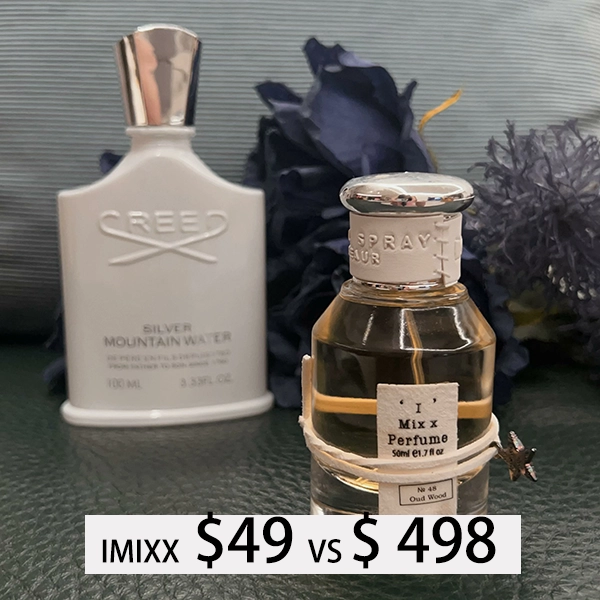
If you’re interested in experiencing similar scent profiles at more accessible prices, I recommend exploring imixx perfume options, which focus on replicating luxury fragrance experiences using comparable ingredient quality at a fraction of the cost. These alternatives allow more consumers to enjoy sophisticated scents without the premium brand markup.
Frequently Asked Questions About Aventus Creed Pricing
Why is Aventus Creed so expensive compared to other fragrances?
Aventus Creed’s premium pricing stems from five primary factors: its 260-year heritage with royal connections[1][7][10], the use of rare and high-quality natural ingredients sourced globally[2][5][7][9], artisanal hand-crafted production methods[4][7], compliance with strict international safety standards[9][22], and its positioning as an exclusive niche fragrance with limited distribution[1][42][45]. Each bottle represents a significant investment in craftsmanship, materials, and brand legacy that mass-market fragrances cannot replicate.
What specific ingredients make Aventus Creed expensive?
Aventus contains hand-picked Calabrian bergamot from specific Italian regions, pineapple aromatics, Italian jasmine, rare birch wood for the signature smoky note, Ambroxan (an expensive ambergris accord), cedarwood, oakmoss, and premium musk compounds[2][5][7][11][14]. Industry experts note that raw materials constitute 50-60% of a luxury fragrance’s cost[3], and these particular ingredients require specialized sourcing and extraction methods. For perspective, producing natural essential oils often requires processing tons of raw materials to yield small quantities of precious essences[9].
How does Creed’s production process affect Aventus pricing?
Creed employs a traditional hand-crafted production method where master perfumers personally weigh, mix, and macerate ingredients[4][7]. This labor-intensive process contrasts sharply with automated mass production and results in small-batch manufacturing[42][45]. Small batch production increases per-unit costs significantly—industry data shows that producing luxury bottles in small quantities can cost $5 per unit versus $3 for large-scale production[43]. Additionally, Creed uses traditional extraction techniques like steam distillation, which yield lower quantities of oils but preserve aromatic complexity[3][6]. The fragrance must also undergo maceration (aging) to allow notes to harmonize properly[41][47].
Is Aventus Creed worth the price?
Whether Aventus justifies its price depends on your priorities. For fragrance enthusiasts who value artisanal craftsmanship, authentic high-quality ingredients, historical heritage, and exclusivity, Aventus delivers genuine value[1][4][7][42]. The fragrance is formulated as an Eau de Parfum with 15-20% concentration, providing 4-8 hours of wear[21][24][30]. However, if you’re primarily seeking a pleasant scent without concern for brand prestige or ingredient purity, excellent alternatives like imixx perfume offerings provide similar olfactory experiences at significantly lower prices. I recommend sampling Aventus first to ensure the current batch meets your expectations, as batch variations can affect performance[41][44][47].
What makes Aventus a niche fragrance?
Aventus qualifies as a niche fragrance because it exhibits all the hallmarks of artisanal perfumery: creation by in-house master perfumers (Olivier and Erwin Creed)[1][5][10], small-batch production ensuring quality and exclusivity[42][45], limited distribution through select boutiques and high-end retailers[1], an artistic approach prioritizing creativity over commercial trends[42], and minimal mass marketing with reputation built through word-of-mouth[42][45]. Unlike designer fragrances produced in millions of units, niche perfumes like Aventus deliberately maintain limited availability to preserve their exclusive character and justify premium pricing[3][9][42].
Why do different batches of Aventus vary in smell and performance?
Batch variations in Aventus occur due to several factors. Natural ingredients from different harvests can have varying chemical compositions based on weather, soil, and seasonal conditions[41]. Additionally, evolving IFRA safety regulations have required reformulations over the years—for instance, earlier batches from 2013 contained more prominent smoky birch notes that have been reduced in recent formulations[41][44]. Some fragrance professionals suggest that the extent of Aventus batch variations may also reflect quality control inconsistencies rather than solely natural ingredient variability[41][47]. Within the fragrance community, certain batch codes (like 13ZZ01 from 2013) are highly sought after, and a “batch hunting” subculture has emerged around finding preferred formulations[44][50]. If consistency is important to you, I recommend trying a current sample before purchasing to ensure it meets your expectations.
Are there affordable alternatives to Aventus Creed?
Yes, several high-quality alternatives to Aventus Creed exist that provide similar scent profiles at more accessible price points. Brands like imixx perfume specialize in creating luxury-inspired fragrances using comparable ingredient quality but without the premium brand markup. These alternatives focus on replicating the olfactory experience of Aventus while making sophisticated scents accessible to a broader audience. When evaluating alternatives, look for options that use quality natural ingredients, offer adequate concentration levels (aim for Eau de Parfum strength), and have positive reviews regarding longevity and projection. While alternatives may not carry the same prestige or brand heritage as Creed, they can provide excellent value for consumers prioritizing scent quality over brand status.
Which celebrities wear Aventus Creed?
According to fragrance industry sources and celebrity fragrance databases, Aventus Creed has been associated with numerous high-profile individuals including David Beckham (global football icon known for impeccable style), Jay-Z (who favors Creed fragrances, particularly Millésime Impérial), Chris Hemsworth (the Thor actor whose rugged charm aligns with Aventus’s smoky woody notes), Kanye West (known for pushing boundaries and setting trends), Drake, and Snoop Dogg[23][33][39]. These organic celebrity associations—not paid endorsements—have contributed to Aventus becoming a status symbol synonymous with success, confidence, and achievement[23]. The fragrance’s popularity among influential figures reinforces its premium positioning and creates a “halo effect” that justifies higher pricing in consumers’ minds[3][9][23].
Discover High-Quality Fragrance Alternatives
Explore our curated collection of luxury-inspired fragrances at imixx perfume, where we bring exceptional scent experiences to discerning customers without the premium brand markup.