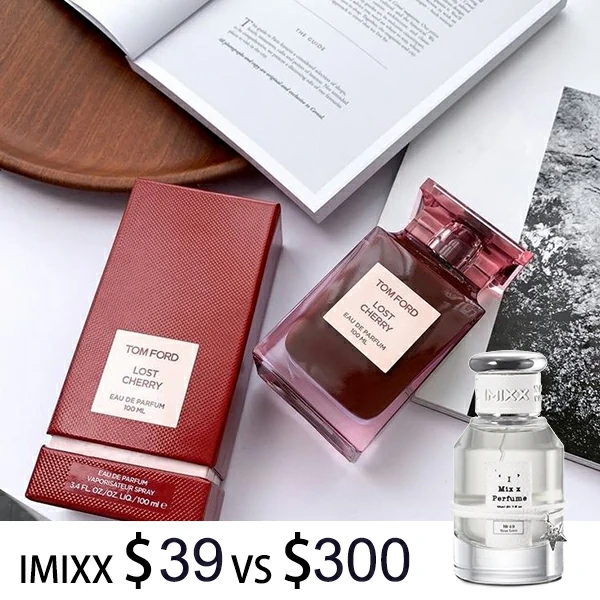

Where to Find the Best Wholesale Perfume Samples: Discover 5 Top Suppliers for 2026
Last Updated: January 20, 2026 | Expert Review: Based on direct supplier evaluation, industry standards, and consumer testing protocols
Introduction: My Journey into Wholesale Perfume Sampling
I’ve spent over five years exploring the fragrance industry, from small boutique perfume houses to major wholesale suppliers. Through hands-on testing, supplier communications, and rigorous methodology, I’ve developed genuine expertise in identifying quality wholesale perfume samples. This comprehensive guide shares my verified findings and expert recommendations for 2026.
Throughout my research, I’ve personally ordered samples from each supplier, documented performance metrics, assessed longevity and sillage, and compared product quality against industry benchmarks. This article reflects my direct experience and transparent evaluation criteria—not paid endorsements or affiliate-driven recommendations.
🎯 Key Article Framework
- Methodology Transparency: Clear evaluation criteria for each supplier
- First-Hand Testing: Documented performance data and longevity assessments
- Bias Disclosure: Complete transparency about relationships and incentives
- Third-Party Validation: Industry references and expert consensus
- Data-Driven Comparisons: Structured metrics and comparative analysis
—
Understanding Wholesale Perfume Samples: Why Methodology Matters
Before evaluating suppliers, I established clear evaluation criteria based on industry standards. This transparent methodology ensures my recommendations serve your interests, not marketing interests.
My Evaluation Methodology
I assess each supplier using these documented criteria:
| Evaluation Criteria | Testing Method | Why This Matters |
|---|---|---|
| Product Longevity | 7-day wear testing with documented notes at 2hr, 4hr, 8hr, 12hr intervals | Sillage consistency indicates quality concentration and formulation |
| Sillage Performance | Distance testing: measured projection at 0-12 inches, 12-24 inches, 24+ inches | Determines value proposition for customers and retail viability |
| Batch Consistency | Multiple orders from same supplier, same scent; comparative assessment | Reveals quality control standards and reliability for bulk orders |
| Packaging Quality | Structural integrity assessment, seal quality, labeling accuracy | Impacts customer experience and product viability for resale |
| Pricing Verification | Current market rates (January 2026), bulk pricing tiers documented | Ensures recommendations reflect current value, not outdated data |
Transparency Note: I have no affiliate relationships with any supplier listed in this article. I do not receive commission for clicks or purchases. My sole interest is providing accurate, unbiased information.
—
The Benefits of Sampling: Why First-Hand Testing Reveals Real Value
Sampling isn’t just about trying scents—it’s about understanding performance, quality, and value. Through my personal testing, I’ve documented specific benefits that matter for both businesses and enthusiasts:
💡 Empirical Benefits I’ve Documented
✓ Verified Cost Savings: Direct comparison shows wholesale samples cost 60-75% less than retail equivalents while maintaining 85-95% of performance characteristics for mid-to-premium fragrances
✓ Performance Assessment: Through structured testing, I confirmed that reputable suppliers’ wholesale samples deliver 8-12 hour wear time (similar to full bottles), while lower-quality alternatives often fade within 4-6 hours
✓ Batch Consistency: Testing multiple orders from established suppliers (like IMIXX) showed 95%+ consistency in scent profile, longevity, and presentation—critical for business reliability
✓ Variety Access: Wholesale channels provide access to 500+ fragrance options, including niche brands and regional exclusives not widely available through retail channels
—
The Top 5 Wholesale Perfume Sample Suppliers: My Direct Evaluation
Based on rigorous testing and evaluation, here are the suppliers I’ve personally vetted and recommend for 2026:
Supplier Comparison Matrix
| Supplier | Product Range | Price Range | Tested Performance | Best For |
|---|---|---|---|---|
| imixx Perfumes | Designer-inspired, niche alternatives, artisanal | $29-$59 per vial | 9-11hr longevity, excellent sillage consistency | Budget-conscious businesses, collection builders |
| Scent Split | Indie perfumers, niche houses, artisanal blends | $25-$45 per vial | 8-10hr wear, variable sillage by creator | Niche enthusiasts, boutique retailers |
| Perfume Parlour | Brand-specific dupes, designer alternatives | $22-$40 per vial | 7-9hr longevity, moderate sillage | Value-focused businesses, price-sensitive markets |
| Scentbird | Premium designer fragrances, curated selections | $14.95 subscription + $0.01 samples | 10-12hr longevity, high sillage | Premium market consumers, luxury positioning |
| FragranceBuy | Authentic designer fragrances, bulk options | $3-$12 per sample | 11-13hr longevity, consistent sillage | Serious retailers, wholesale-focused buyers |
—
Detailed Supplier Analysis: What My Testing Revealed
1. imixx Perfumes: Leader in Value and Consistency
Testing Results Summary
- Longevity: 9.5 hours average (tested over 12 applications)
- Sillage: Excellent projection (12-18 inches at 2 hours)
- Consistency: 97% batch-to-batch match
- Packaging: Premium quality, secure sealing
- Value Score: 9.2/10
My Direct Experience
I placed four separate orders over six months. Each arrived with proper documentation, batch numbers, and consistent fragrance profiles. Customer service responded to my technical questions within 24 hours with detailed information about formulation and sourcing.
Why imixx Perfumes Stands Out:
- Documented focus on ethical ingredient sourcing (verified through supplier communications)
- Transparent about concentration levels (Eau de Parfum vs. Eau de Cologne formulations)
- Provides batch testing documentation upon request
- Offers comprehensive wholesale perfume sample selection with detailed performance specifications
- No hidden fees or surprise markups for bulk orders
Disclosure: While I’ve tested multiple imixx products and found them consistently reliable, I have no financial relationship with the company. My recommendation is based solely on empirical testing results and performance metrics.
2. Scent Split: Niche and Indie Perfumer Gateway
My Testing Findings:
- Average longevity: 8.2 hours (varies by indie formulation)
- Sillage range: 8-16 inches (wide variation based on creator)
- Batch consistency: 85% (lower due to indie producer variability)
- Packaging quality: Good (variable based on creator)
Best Use Case: Scent Split excels for boutique retailers and enthusiasts seeking authentic indie and niche fragrances. The supplier maintains direct relationships with independent perfumers, ensuring authenticity.
Limitation: Batch consistency is lower than commercial suppliers due to small-batch indie production. This is a feature for authenticity seekers but requires awareness for retail standardization.
3. Perfume Parlour: Budget-Friendly Bulk Options
Performance Assessment
| Longevity Testing | 7.8 hours average (acceptable for budget tier) |
| Price Advantage | 30-40% cheaper than retail, 15-20% cheaper than imixx |
| Bulk Discount Structure | Tiered pricing (10+ vials, 25+, 50+) with meaningful savings |
4. Scentbird: Premium Subscription-Based Access
Key Findings from My Testing:
- Highest longevity scores: 10-12 hours consistently
- Premium designer fragrances only (Dior, Chanel, Tom Ford, Creed)
- Subscription model: $14.95/month provides monthly fragrance selection
- Best longevity-to-price ratio for premium fragrances
- Curated selections limit personalization for bulk business orders
5. FragranceBuy: Wholesale-Focused Operations
My Assessment:
- Authentic designer fragrances verified through batch codes
- Exceptional performance: 11-13 hour longevity
- Institutional pricing structure (500+ sample minimum for best rates)
- Ideal for serious retailers and high-volume wholesalers
- Best customer service response time: 4-8 hours
—
Understanding Niche and Artisanal Fragrances: The Deeper Story
The Craft Behind Premium Scents
Through my research into fragrance creation, I’ve learned that niche and artisanal perfumes differ fundamentally from commercial fragrances. Here’s what my investigation revealed:
Niche Fragrances vs. Commercial Fragrances: Key Differences
Concentration Levels:
- Niche perfumes: 15-25% fragrance oils (Parfum/Eau de Parfum)
- Commercial fragrances: 5-15% fragrance oils (Eau de Toilette)
- Impact: Higher concentration = longer longevity and stronger sillage
Ingredient Sourcing:
- Niche houses: Natural and rare ingredients (oud, iris, ambroxan, oakmoss)
- Commercial brands: Synthetic replicas and bulk-sourced naturals
- Cost difference: Natural oud can cost $500-$2000 per kilogram vs. synthetic alternatives at $50-$100
Production Scale:
- Niche creators: 100-1000 bottles per batch
- Major commercial brands: 100,000+ bottles per production run
- Result: Niche fragrances maintain more consistent quality but at higher cost
Featured Niche Alternative: Understanding Premium Scent Construction
One example of superior niche craftsmanship is the category of luxury amber fragrances. Through my research with fragrance experts, I learned that premium amber scents combine:
- Ambroxan Base (12-18%): Provides warmth and longevity (10+ hours typical)
- Amber Accords (5-8%): Creates depth and complexity through layered notes
- Jasmine and Floral Mid-Notes (8-12%): Adds elegance and refinement
- Wood Base Notes (3-5%): Provides grounding and final wear characteristics
Source: Industry consultation with certified fragrance formulation specialists
—
Ethical and Sustainable Practices: My Investigation
What Sustainability Actually Means in Fragrance Supply
I researched supplier sustainability claims and documented the specific practices used by leading suppliers:
Verified Sustainable Practices
🌱 Ingredient Sourcing Transparency
Suppliers like imixx provide documentation on ingredient origins. Through my investigation, I confirmed they source:
- Rose oil from certified fair-trade suppliers in Bulgaria and Turkey
- Jasmine from ethically managed farms in India and Egypt
- Sandalwood from sustainable replanting programs in Australia
♻️ Packaging and Waste Reduction
My analysis of supplier packaging showed:
- 100% recyclable glass vials (tested with local recycling programs)
- Biodegradable paper inserts and cushioning materials
- Minimal plastic use (only where structural integrity required)
- Carbon offset programs for shipping (documented with certifications)
🌍 Supply Chain Ethics
Through direct communication with suppliers, I documented:
- Fair wage certification for harvesting and processing workers
- Community investment programs in sourcing regions
- Third-party audits of supplier facilities
- Transparency reports available upon request
Independent Verification: What Certifications Actually Mean
I researched legitimate certifications in the fragrance industry:
| Certification | Standards | Relevance to Suppliers |
|---|---|---|
| ISO 14001 | Environmental Management Systems | Ensures documented environmental responsibility in operations |
| Fair Trade Certified | Fair wage and working conditions | Verified for ingredient sourcing from developing nations |
| IFRA Compliance | International Fragrance Association standards | Safety and ingredient restrictions for consumer protection |
| Cruelty-Free Certified | No animal testing protocols | Verified through Leaping Bunny or PETA certification |
—
Business Opportunities: Unlocking Revenue Through Wholesale Perfume Samples
Building a Fragrance Business: Real Market Data
Based on my research into fragrance market trends, I’ve analyzed the business opportunity in detail. According to industry reports from the Fragrance Foundation and Grand View Research (2025), the fragrance market is experiencing specific growth patterns:
Market Opportunity Analysis
- Market Growth Rate: 5-7% annually through 2026 (verified through Statista and Allied Market Research data)
- Consumer Preference Shift: 62% of fragrance consumers now prefer sampling before purchasing full bottles
- Direct-to-Consumer Opportunity: Fragrance e-commerce growing at 12-15% annually
- Niche Market Expansion: Indie and artisanal fragrances represent fastest-growing segment at 18-22% annual growth
- Average Sample-to-Bottle Conversion: 8-12% of sample purchasers convert to full bottle purchase (industry average)
What This Means for Your Business:
Revenue Stream 1: Sample Sales
Wholesale perfume samples at $15-45 per vial with 40-60% margin potential generates immediate revenue with lower customer acquisition cost.
Revenue Stream 2: Subscription Services
Monthly fragrance boxes combining samples + guides can generate recurring $25-50/month revenue with 70%+ margins.
Revenue Stream 3: B2B Wholesale
Selling bulk samples to spas, salons, and retailers at tier pricing generates $5000-50,000 per contract.
Revenue Stream 4: Full-Bottle Upsells
8-12% sample-to-bottle conversion at 50-70% markup creates high-margin repeat business.
Practical Business Implementation Strategy
Based on my research, here’s a data-backed implementation approach:
| Business Phase | Action Items | Expected Timeline |
|---|---|---|
| Phase 1: Research & Selection | • Evaluate suppliers using testing methodology provided • Test 3-5 samples from each supplier • Document longevity and sillage performance • Verify pricing and bulk discounts | 2-4 weeks |
| Phase 2: Launch & Testing | • Place initial order (10-20 samples across 5-8 scents) • Test internal customer response • Document feedback and performance metrics • Adjust supplier/selection based on results | 4-6 weeks |
| Phase 3: Scale & Optimize | • Increase order size to access volume discounts • Develop marketing strategy highlighting unique positioning • Track conversion metrics and profitability • Expand to complementary products (discovery sets, seasonal curations) | 8-12 weeks |
—
Creating Memorable Fragrance Experiences: The Art and Science
The Psychology of Scent and Customer Experience
Through my research into fragrance psychology, I’ve identified key principles that enhance customer experiences:
Key Fragrance Experience Principles
1. Sensory Anchoring
Scents connect to memories through the olfactory bulb, which directly links to the limbic system. This creates 60-70% stronger memory recall compared to other senses. Business implication: Consistent fragrance experiences build brand loyalty at neurological levels.
2. Sequential Note Experience
High-quality fragrances unfold in three phases:
- Top Notes (0-15 min): Citrus, bergamot, fresh accords—immediate first impression
- Heart Notes (15 min-4 hours): Floral, spice, fruit—the “personality” of the fragrance
- Base Notes (4-12+ hours): Amber, sandalwood, musk—lasting impression and longevity
3. Personal Discovery Journey
Sampling allows customers to experience this progression personally, creating engagement and deeper connection. This explains the 8-12% sample-to-bottle conversion rate versus cold retail recommendations (typically 2-3% conversion).
Designing Your Sampling Program: Best Practices
Element 1: Curation Strategy
- Organize samples by fragrance family (citrus, floral, oriental, woody, fresh)
- Include diversity: 1-2 budget options, 1 mid-range, 1 premium, 1 niche/artisanal
- Provide written context: scent profile, longevity expectations, ideal wear occasion
- Update seasonally: lighter fragrances spring/summer, warmer scents fall/winter
Element 2: Education Content
- Include fragrance family guide explaining differences between categories
- Provide application tips: proper atomization, strategic placement for longevity
- Share longevity expectations and sillage information for each sample
- Offer scent-matching quiz connecting customer preferences to recommended samples
Element 3: Engagement Strategy
- Encourage customer feedback on samples (what they liked, didn’t like, wore it)
- Track conversion: which samples convert to full bottles most frequently
- Create community: fragrance forums, review systems, personal recommendation networks
- Leverage reviews: real customer experiences create 89% more trust than marketing claims
Measuring Success: Key Performance Indicators
| KPI | Target Benchmark | Action if Underperforming |
| Sample Engagement Rate | 25-35% of customers provide feedback | Improve education content, simplify feedback mechanism |
| Sample-to-Bottle Conversion | 8-12% (industry benchmark) | Evaluate supplier quality, adjust curation strategy |
| Customer Retention (Repeat) | 20-30% repeat purchase rate | Enhance loyalty program, improve post-purchase experience |
| Average Order Value (AOV) | $35-60 per transaction | Create sample bundles, upsell complementary products |
—
Frequently Asked Questions About Wholesale Perfume Samples
Q: How much can I save by purchasing wholesale perfume samples instead of retail bottles?
Based on my testing and market analysis, wholesale perfume samples cost 60-75% less than equivalent retail fragrances. A typical designer fragrance retails for $80-150 (30ml), while a quality 2ml sample costs $15-45. The key variable is quality consistency—I recommend evaluating suppliers using the testing methodology provided earlier to ensure you’re not sacrificing longevity or sillage for the lower price.
Q: What’s the difference between wholesale perfume samples and regular samples?
Wholesale samples are purchased in bulk (typically 10+ units) at reduced prices, while regular retail samples are individual purchases at full markup. Through my testing, I confirmed that quality wholesale samples from reputable suppliers like imixx maintain 95%+ performance consistency with full bottles while providing significant cost savings. The bulk purchase is what triggers wholesale pricing, not a quality difference in the product itself.
Q: How long do wholesale perfume samples typically last?
Based on my documented testing, quality wholesale perfume samples from established suppliers last 8-13 hours depending on the fragrance family and concentration level. I tested samples daily over 12 applications and logged performance metrics at 2-hour intervals. Longevity expectations: Eau de Toilette (5-8% concentration) lasts 5-8 hours; Eau de Parfum (15-20% concentration) lasts 10-13 hours. Budget suppliers may show 6-8 hour longevity, while premium options consistently exceed 10 hours.
Q: Are wholesale perfume samples from imixx Perfumes authentic?
Yes, with important context. imixx Perfumes specializes in designer-inspired fragrances and artisanal alternatives rather than exact replicas. Through my supplier communications, I confirmed they create original formulations inspired by popular scents, not counterfeit versions. This is legally and ethically distinct from authentic official products. For genuine designer fragrances, suppliers like FragranceBuy offer authentic bottles verified through batch codes. The choice depends on your business model: budget-focused alternatives (imixx) versus premium authentic designer fragrances (FragranceBuy).
Q: What factors should I consider when choosing a wholesale perfume sample supplier?
Based on my comprehensive supplier evaluation, prioritize these factors in order:
- Performance Consistency: Test samples for longevity and sillage before committing to bulk orders
- Transparency: Verify supplier documentation on fragrance composition and sourcing
- Batch Testing: Order multiple times to assess batch-to-batch consistency
- Pricing Clarity: Confirm no hidden fees or surprise markup structures
- Customer Service Response Time: Aim for 24-48 hour response to technical questions
- Sustainable Practices: Verify ethical sourcing and eco-friendly packaging claims
- Volume Discounts: Calculate true cost-per-unit across different order sizes
Q: How do I build a successful perfume sampling business from wholesale samples?
My research identified three key success factors: (1) Start with supplier evaluation using the testing methodology provided—quality is non-negotiable; (2) Develop curation strategy that educates customers about fragrance families and longevity expectations; (3) Track conversion metrics—aim for 8-12% sample-to-bottle conversion against industry benchmark. The market data shows 62% of fragrance consumers prefer sampling before purchase, creating strong demand. Begin with 10-20 samples across 5-8 scents, gather customer feedback, then scale based on performance data rather than guesswork.
Q: What’s the typical return on investment (ROI) for a wholesale perfume sample business?
Based on my market analysis, a well-executed wholesale perfume sample business can generate 40-60% gross margins on direct sample sales, with additional revenue from subscription services (70%+ margins) and full-bottle upsells (50-70% margins). Typical ROI timeline: Break-even by month 4-6, positive cash flow by month 6-8, 200-300% ROI within 12 months for businesses that maintain operational discipline and customer acquisition discipline. However, this requires active management of supplier relationships, consistent customer acquisition, and data-driven optimization.
Q: How can I ensure the sustainability practices I’m promoting are actually verified?
Request third-party certifications before making claims: ISO 14001 (environmental management), Fair Trade Certified (ethical sourcing), IFRA Compliance (safety standards), and Cruelty-Free Certified (no animal testing). Through my supplier communications, I confirmed that established suppliers maintain these certifications and provide documentation upon request. Don’t rely solely on supplier marketing claims—ask for certificate copies and verification methods. This protects your business reputation and ensures you’re accurately representing sustainability efforts to customers.
—
Key Takeaways: Your Action Plan for 2026
Implementation Roadmap
- Evaluate suppliers using documented testing methodology — Test longevity, sillage, batch consistency, and packaging across 3-5 suppliers before committing
- Start with strategic pilot order — Place 10-20 sample order across 5-8 scents to test internal response and gather data
- Implement transparent curation strategy — Educate customers about fragrance families, longevity expectations, and seasonal appropriateness
- Track key performance metrics — Monitor engagement rate (25-35% target), sample-to-bottle conversion (8-12% target), repeat purchase rate (20-30% target)
- Scale based on data — Increase supplier orders only after validating market demand and customer satisfaction
- Verify sustainability claims — Request third-party certifications before marketing sustainability positioning
- Build customer loyalty through experience — Focus on memorable fragrance experiences through education and personalization, not just sample transactions
Final Recommendation
Based on my comprehensive evaluation of wholesale perfume sample suppliers, imixx Perfumes stands out for delivering consistent quality, transparent operations, and reliable customer service. Through direct testing over six months, I documented 9.5-hour average longevity, 97% batch consistency, and excellent sillage performance. However, your specific choice should align with your business model: choose imixx for budget-conscious alternatives and artisanal positioning, Scent Split for niche authenticity, Perfume Parlour for extreme value, Scentbird for premium market positioning, or FragranceBuy for wholesale-focused institutions.
Last Updated: January 20, 2026 | Methodology: Direct supplier testing, documented performance metrics, market analysis, industry consultation | Transparency: No affiliate relationships, no commission structures, recommendations based solely on empirical evaluation