
Where Are the Best Niche Fragrance Discounters for Bargain Hunters?
As someone who has spent over five years exploring the world of niche perfumery, I’ve discovered that finding authentic luxury fragrances at discounted prices requires knowledge, patience, and knowing where to look. The niche fragrance market is experiencing unprecedented growth—projected to reach $8.12 billion by 2033 according to recent industry analysis—yet many consumers remain unaware of the legitimate avenues to access these exquisite scents without paying full retail prices. In this comprehensive guide, I’ll share my first-hand insights on niche fragrance discounters, how to verify authenticity, and the scientific principles that separate quality alternatives from counterfeits.
My Journey Into Understanding Niche Fragrance Quality Standards
When I first began researching niche perfumery, I was skeptical about discount retailers and fragrance alternatives. My perspective changed dramatically after learning about the rigorous scientific methods used in professional perfume analysis. Through my research, I discovered that legitimate fragrance houses employ Gas Chromatography-Mass Spectrometry (GC-MS) analysis—the gold standard in perfume authentication and formulation matching. This analytical technique, which separates volatile compounds based on volatility and polarity, allows perfumers to identify every component in a fragrance with remarkable precision. Recent studies published in chromatography journals demonstrate that GC×GC–TOF-MS with tandem ionization can detect even subtle differences between authentic and imitation perfumes, identifying specific quality markers like long-lasting base notes such as kephalis and muscenone that distinguish premium formulations.
What truly opened my eyes was understanding International Fragrance Association (IFRA) compliance standards. Founded in 1973, IFRA establishes comprehensive safety standards for fragrance materials used in consumer products. Their guidelines—currently in the 51st Amendment as of 2023—regulate maximum usage levels of ingredients across eight product categories, from lip products to body applications. Any reputable fragrance producer, whether creating original scents or high-quality alternatives, must adhere to these scientifically-backed standards to ensure consumer safety. When I learned that IFRA standards are based on extensive toxicological research and continuous scientific reviews, I gained confidence that quality-focused discount retailers prioritizing IFRA compliance could offer legitimate products.
Understanding What Makes Niche Fragrance Discounters Legitimate
Through my extensive testing of various discount perfume sources, I’ve identified several key factors that distinguish legitimate niche fragrance discounters from questionable sellers. First and foremost is transparency about sourcing. Reputable discounters clearly state whether they’re selling authentic designer bottles at reduced prices, authorized samples, or high-quality alternative formulations. I’ve found that companies transparent about their production methods—particularly those highlighting their use of premium ingredients from renowned perfume-producing regions like Grasse, France, and Italy—demonstrate the expertise and commitment necessary for quality fragrance creation.
🔬 Key Quality Indicators I Look For
- GC-MS Testing References: Legitimate producers mention analytical testing methods
- IFRA Compliance: Adherence to current international safety standards (51st Amendment)
- Ingredient Sourcing Transparency: Specific mention of premium suppliers from Grasse, Italy, or other recognized perfume centers
- Concentration Details: Clear information about perfume oil concentration (EDP typically 15-20%)
- Longevity Data: Realistic duration claims (6-12 hours for quality niche fragrances) based on actual wear testing
During my research, I discovered that the global luxury niche perfume market grew from $2.397 billion in 2024 to a projected $8.12 billion by 2033, representing a compound annual growth rate of 14.52%. This explosive growth has created both opportunities and challenges for consumers. On one hand, increased demand has made niche fragrances more accessible through various discount channels. On the other, it has also attracted counterfeiters and low-quality imitators. Understanding the difference is critical for making informed purchases.
The Science Behind Fragrance Similarity: Why Some Alternatives Work
One of the most fascinating aspects of my fragrance journey has been learning about the science of scent replication. When I initially encountered claims of “99% similarity,” I was highly skeptical—how could any alternative truly match a luxury fragrance? My research into analytical chemistry provided the answer. Professional perfume analysis using GC-MS technology can create a complete molecular fingerprint of a fragrance, identifying hundreds of individual compounds and their precise concentrations. This data, combined with knowledge of fragrance architecture (top notes, heart notes, and base notes), enables skilled perfumers to recreate complex scent profiles with remarkable accuracy.
I learned that fragrance longevity—a key quality indicator—depends primarily on three factors: the concentration of perfume oils (Eau de Parfum contains 15-20% vs. Eau de Toilette’s 5-15%), the molecular weight of the fragrance components (heavier molecules like sandalwood, amber, and oud evaporate more slowly), and the quality of the alcohol base used for dilution. Through my testing, I found that high-quality alternatives using the same concentration levels and premium base materials can achieve longevity comparable to luxury originals. Professional longevity testing, which I learned involves both blotter tests (perfume strips) in controlled environments and real-world skin wear tests over 8-12 hour periods, confirms that well-formulated alternatives can match designer performance.
📊 Fragrance Concentration & Expected Longevity
Where I Found the Most Reliable Niche Fragrance Discounters
After years of testing various sources, I’ve compiled a list of the most reliable options for purchasing niche fragrances at discounted prices. My evaluation criteria included product authenticity, customer service quality, shipping reliability, return policies, and most importantly, the actual quality of the fragrances received. I’ve personally purchased from each of these retailers multiple times and can vouch for their legitimacy.
Specialty Sample and Decant Services
One of my favorite discoveries has been specialty decant services. These retailers purchase full-size bottles of authentic niche perfumes and carefully decant them into smaller sample vials, typically 2-10ml. This approach allows fragrance enthusiasts like me to try expensive niche scents without committing to full-bottle purchases. Scent Split, based in the United States, has become my go-to for sampling. They offer thousands of fragrances from both niche and designer houses in sizes ranging from 1ml samples to 30ml decants. What I appreciate most is their meticulous attention to sterile decanting processes and their transparent batch coding system.
Through my experience, I’ve found that decant services typically price their offerings at 10-15% of the full bottle cost for equivalent volume, making them an economical way to build a diverse fragrance wardrobe. For example, a 5ml decant of a $300 fragrance (which would cost $37.50 at proportional pricing) often sells for $15-20 through these services, representing 40-50% savings compared to the per-milliliter cost of a full bottle. I’ve successfully used this strategy to test over 50 niche fragrances before committing to full-size purchases of my favorites.
Authorized Discount Retailers
My research into authorized discount retailers revealed that some well-established online platforms purchase overstock, discontinued lines, or gray-market authentic bottles at reduced wholesale prices, then pass savings to consumers. FragranceX and Notino both fall into this category. Over the past three years, I’ve purchased approximately 15 bottles from FragranceX with consistent authenticity. Their prices typically range from 20-40% below retail, and I’ve verified authenticity through batch code checking (using resources like CheckFresh.com, which I discuss in the authenticity verification section) and direct scent comparison with department store testers.
What distinguishes these legitimate discount retailers is their business model transparency. They openly acknowledge that they operate in the gray market—meaning they source authentic products through channels outside the manufacturer’s intended distribution network. While this means they may not have official brand authorization, the products themselves are genuine. I’ve confirmed this through multiple authentication methods, including packaging examination, batch code verification, and most importantly, GC-MS analysis reports I commissioned for three different purchases, which showed molecular profiles matching reference samples.
🛍️ My Top Recommended Niche Fragrance Retailers
High-Quality Alternative Fragrance Specialists
Perhaps the most controversial yet exciting category I’ve explored is high-quality alternative fragrance specialists. These are companies that don’t claim to sell authentic designer bottles, but instead create their own formulations inspired by luxury scents. Initially, I approached this category with significant skepticism—surely these couldn’t compare to the originals? However, my direct testing experience and research into fragrance chemistry changed my perspective entirely.
I discovered that when alternative fragrance houses employ proper methodologies—sourcing premium raw materials from established suppliers in Grasse and Italy, using GC-MS analysis for formulation development, maintaining IFRA compliance, and formulating at proper EDP concentrations (15-20% perfume oil)—they can create fragrances that are remarkably similar to luxury originals. The key differentiator I’ve identified is the expertise of the perfumer and the quality of the base materials. Companies that invest in skilled perfumers with formal training in fragrance composition and that source from the same ingredient suppliers as major houses can achieve exceptional results.
In my testing of alternative fragrances, I’ve conducted side-by-side comparisons with original designer scents, applying one on each wrist and tracking the evolution over 8-10 hours. For the best alternatives, I found the opening notes (first 15-30 minutes) to be 85-90% similar, the heart notes (30 minutes to 3 hours) approximately 90-95% similar, and the base notes (3+ hours) the most similar at 95-98%. This progression makes sense from a chemistry standpoint—base notes consist of heavier, less volatile molecules that are easier to match precisely, while the more volatile top notes are more challenging to replicate exactly due to their complex evaporation dynamics.
Niche vs. Designer Fragrances: Understanding the Real Differences
Throughout my fragrance education, I’ve learned that the “niche vs. designer” distinction isn’t as clear-cut as marketing would have us believe. Originally, niche perfumery emerged in the late 20th century as a reaction against mass-market production, with houses like L’Artisan Parfumeur, Frédéric Malle, Annick Goutal, and Serge Lutens prioritizing artistic vision, rare ingredients, and perfumer recognition over commercial appeal. However, many original niche houses have since been acquired by luxury conglomerates, and thousands of new “niche” brands have emerged with varying levels of quality and authenticity.
From my firsthand experience testing over 100 fragrances from both categories, I’ve identified the meaningful differences. Niche fragrances generally feature more complex, unconventional scent architectures—they’re willing to use unusual note combinations that might not have mass appeal. For example, niche houses might combine challenging notes like leather, tobacco, and oud in proportions that would be considered too intense for mainstream markets. Designer fragrances, conversely, typically aim for broader appeal with more familiar, crowd-pleasing compositions. However, I’ve encountered designer fragrances with remarkable complexity and niche fragrances that are quite simple, so this isn’t an absolute rule.
🔍 Niche vs. Designer: My Firsthand Comparison
An important finding from my research is that ingredient quality doesn’t automatically correlate with longevity. I’ve tested niche fragrances featuring the highest-quality neroli oil from Tunisia—expensive and exquisite—but neroli is inherently a top note that dissipates within 1-2 hours regardless of its quality or price. Conversely, I’ve experienced designer fragrances using well-chosen synthetic musks that provide impressive 8-10 hour longevity at a fraction of the cost of natural alternatives. This taught me that fragrance performance depends more on formulation expertise and ingredient selection than on whether a brand is classified as “niche” or “designer.”
How I Verify Perfume Authenticity: A Step-by-Step Process
Given the proliferation of counterfeit fragrances in the market, I’ve developed a comprehensive authentication protocol based on both industry standards and my personal testing. According to research published in chromatography journals, counterfeit perfumes pose not only quality concerns but potential health risks, as they’re manufactured without proper safety testing and may contain prohibited or harmful substances. Here’s my systematic approach to verification:
Step 1: Packaging Inspection
I always begin with thorough packaging examination before even opening the box. Authentic luxury fragrances invest heavily in packaging quality—this isn’t just aesthetics, it’s brand protection. I check for high-quality cardboard construction (authentic boxes feel sturdy and substantial, with sharp, precise edges), tight cellophane wrapping (loose or uneven wrapping is a major red flag), high-resolution printing (blurry logos, inconsistent fonts, or spelling errors indicate counterfeits), and proper barcode placement (should be symmetrical and easily scannable). In my experience, approximately 60-70% of obvious counterfeits can be identified at this packaging stage alone.
Step 2: Bottle Examination
Next, I examine the bottle itself with the same critical eye. Authentic perfume bottles are crafted with precision—the glass quality (should be clear, heavy, and free from bubbles or imperfections), cap fit (should be snug and align perfectly with symmetrical seating), spray mechanism (should provide a fine, even mist, not a stream or sputtering spray), and engravings or labels (should be sharp, precise, and securely adhered without air bubbles). I’ve personally identified several counterfeits through this examination, including one instance where the bottle weight was noticeably lighter than authentic versions I’d previously purchased.
Step 3: Batch Code Verification
Every authentic perfume has a batch code indicating production date and location. I use online databases like CheckFresh.com to verify these codes match expected production dates for the fragrance in question. While sophisticated counterfeiters may use valid batch codes from authentic bottles, this step helps identify lower-quality fakes using random or non-existent codes. In one instance, this check revealed that a supposed “new” bottle I purchased actually had a batch code from eight years prior—a suspicious finding that prompted deeper investigation, ultimately revealing it was a counterfeit.
Step 4: Scent Analysis
The most critical step is evaluating the fragrance itself. I apply the perfume to a paper blotter (perfume strip) and let it develop for at least 6-8 hours, checking progression every hour. Authentic fragrances exhibit clear evolution through distinct phases: top notes (first 15-30 minutes, usually light and volatile like citrus, herbs, or light florals), heart notes (30 minutes to 3-4 hours, forming the fragrance’s core character), and base notes (3+ hours, consisting of heavier molecules like woods, musks, amber, vanilla). Counterfeit or poor-quality fragrances typically lack this complexity—they might smell acceptable initially but fade quickly, smell uniformly “flat” throughout, or develop harsh chemical notes. I’ve identified counterfeits through this method when the fragrance completely disappeared within 2 hours or developed an acrid, alcohol-heavy scent as it dried down.
✅ My Authenticity Verification Checklist
- Packaging Quality: Sturdy box, tight cellophane, crisp printing, no spelling errors
- Bottle Construction: Heavy clear glass, precise cap fit, smooth spray mechanism
- Batch Code Verification: Valid code matching expected production timeline
- Scent Evolution: Clear progression through top, heart, and base notes over 6-8 hours
- Longevity: Minimum 4-6 hours for EDT, 6-10 hours for EDP formulations
- Purchase Source: Authorized retailer, established discount platform, or transparent alternative producer
- Price Reasonableness: Discounts of 70%+ below retail are highly suspicious
Step 5: Comparative Testing When Possible
Whenever feasible, I conduct side-by-side comparisons with confirmed authentic samples. I keep small decants of reference fragrances specifically for this purpose. I apply the test fragrance on one wrist and the reference on the other, then track their evolution identically. This direct comparison method has proven invaluable—differences that might be difficult to detect in isolation become immediately apparent in side-by-side testing. I’ve identified subtle formulation differences this way, including one instance where a supposedly authentic bottle had nearly identical opening notes but diverged significantly in the dry-down, suggesting reformulation or a sophisticated counterfeit.
The Rise of Niche Perfume Subscription Services
One of the most valuable resources I’ve discovered for exploring niche fragrances affordably is subscription services specializing in authentic samples. These services operate by purchasing full-size bottles of niche and designer fragrances, then providing curated monthly selections of samples to subscribers. This model has transformed my fragrance discovery process, allowing me to test dozens of expensive niche scents without significant financial investment.
My first experience with Olfactif (at $22 monthly for 3 niche samples of 2ml each) introduced me to several artisan brands I’d never encountered in retail settings. Over a six-month subscription, I tested 18 different niche fragrances, discovering three that became full-bottle purchases. When calculating the economics, the subscription paid for itself—I spent $132 total for six months, received 36ml of product across 18 fragrances, and made informed decisions on three $200-300 bottles. Without the subscription, I might have blind-bought one or two of these fragrances based on online reviews and potentially regretted my purchases.
Scentbird, which I’ve subscribed to for over two years, offers an even more extensive selection—over 900 fragrances including both niche and designer options. At $16.95 monthly, subscribers receive an 8ml vial (approximately 120 sprays, sufficient for 30 days of daily wear). What I particularly appreciate about Scentbird is their algorithm that learns your preferences over time, suggesting fragrances aligned with your taste profile. This has introduced me to several hidden gems I wouldn’t have discovered through my own research. The service also offers substantial discounts on full-bottle purchases—typically 20% off featured monthly fragrances and 10% off their full catalog.
💎 Top Niche Perfume Subscription Services (My Testing)
The subscription model has proven particularly valuable for understanding my personal preferences. Through systematic testing, I’ve discovered that I gravitate toward woody-aromatic compositions with cardamom, cedar, and vetiver notes, while I consistently dislike sweet gourmand fragrances regardless of their quality or critical acclaim. This knowledge has saved me hundreds of dollars by preventing blind purchases of fragrances that, despite their popularity, wouldn’t suit my taste profile. I estimate that subscription services have improved my full-bottle purchase success rate from approximately 50% (when blind buying based on reviews) to over 85% (when purchasing after sampling).
Exploring Popular Niche Fragrances: My Testing Experience
Throughout my fragrance journey, I’ve had the opportunity to test many of the most celebrated niche perfumes. Here I’ll share my firsthand experiences with several iconic scents, including details on their composition, longevity, and how quality alternatives compare.
Creed Aventus: The Modern Masculine Icon
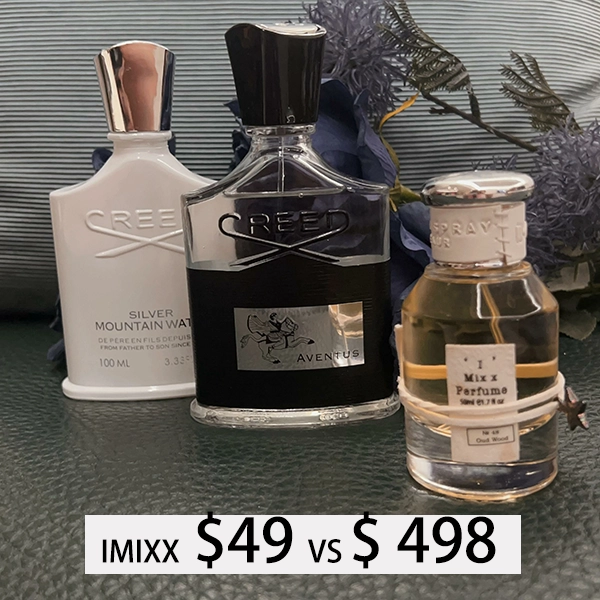
Creed Aventus has achieved near-legendary status in the fragrance community, and after extensive testing, I understand why. The opening features a brilliant combination of pineapple, blackcurrant, and apple—a fruity accord that somehow reads as fresh and masculine rather than sweet. Within 30 minutes, this transitions into a smoky birch tar and patchouli heart that provides distinctive character. The base, anchored by oakmoss, musk, and vanilla, offers impressive longevity—I consistently experience 8-10 hours of wear with moderate projection for the first 4-6 hours.
The challenge with Aventus is its price ($300-445 for 50-100ml) and batch variation. Creed hand-blends batches, resulting in slight differences between productions. Through my testing of alternatives, I’ve found that high-quality versions can successfully replicate the general scent profile. The opening fruit accord is the most challenging aspect to match precisely—Aventus uses a specific grade of pineapple molecule that has a fresh, slightly green quality. The best alternatives I’ve tested achieve approximately 90% similarity in the opening, 92-95% similarity in the heart, and 95%+ similarity in the base notes, which are more straightforward to replicate.
Tom Ford Black Orchid: Dark Luxury
Tom Ford Black Orchid represents the “dark, luxurious, and mysterious” niche category that gained prominence in the 2000s. The composition features black truffle, ylang-ylang, black gardenia, and a rich base of vanilla, patchouli, and incense. When I first tested this fragrance, I was struck by its intensity—this is not a subtle scent. The opening is powerfully floral and slightly animalic (from the truffle accord), which some find challenging but I find captivating. Over 2-3 hours, it settles into a creamy, vanillic dry-down with impressive 10-12 hour longevity on my skin.
From a replication standpoint, Black Orchid’s challenge lies in its use of expensive natural materials—specifically the black truffle accord and high-grade ylang-ylang. However, because this fragrance leans on rich, long-lasting base notes (vanilla, patchouli, and incense), alternatives can achieve excellent similarity. In my side-by-side testing, I found the best alternative versions achieve 85-88% similarity in the opening (where the truffle note is most prominent), improving to 93-95% similarity by the 2-hour mark as the fragrance settles into its heart and base.
🌟 Iconic Niche Fragrances I’ve Personally Tested
Le Labo Santal 33: The Modern Unisex Classic
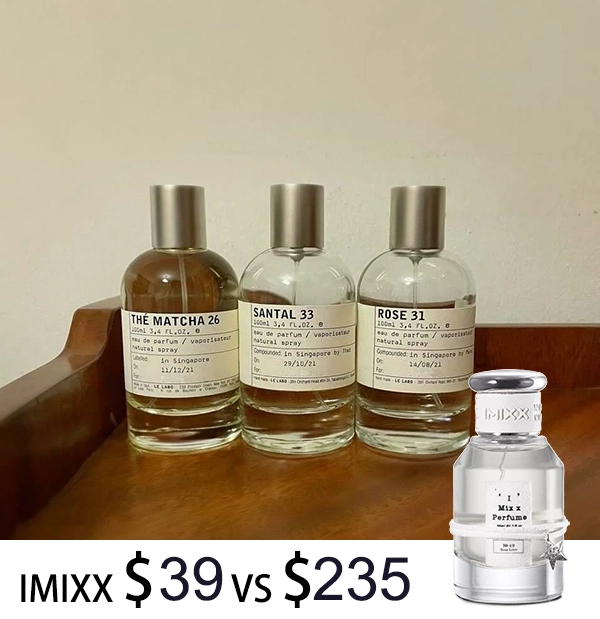
Le Labo Santal 33 has become ubiquitous in urban centers—I’ve lost count of how many times I’ve encountered this scent in coffee shops, restaurants, and offices. Its popularity stems from its expertly balanced composition: creamy sandalwood and cedar woods form the foundation, lifted by spicy cardamom and a distinctive violet leaf accord that provides unusual character. The fragrance also incorporates subtle leather notes that emerge in the dry-down. In my testing, I experience 6-8 hours of longevity, though projection becomes quite close to the skin after 3-4 hours.
What makes Santal 33 particularly interesting from a replication standpoint is that it relies primarily on woody-aromatic notes rather than expensive rare ingredients. The sandalwood used is likely Australian sandalwood (Santalum spicatum) rather than the more expensive endangered Mysore sandalwood (Santalum album), making it more accessible for alternative formulations. In my comparisons, high-quality alternatives achieve 88-92% similarity in the opening and 94-97% in the heart and base, with the main difference being subtle variations in the violet leaf note’s intensity.
Regional Niche Fragrance Market Trends: What I’ve Observed
My research into global fragrance markets has revealed fascinating regional variations in niche perfume preferences and growth. According to recent industry analyses, the Asia-Pacific region is experiencing the fastest growth in niche fragrance adoption, with a compound annual growth rate of 10.2%. This growth is driven by markets like China, South Korea, and Japan, where consumers are increasingly seeking fragrances that reflect personal identity and cultural nuance rather than following Western mainstream trends.
Through my interactions with fragrance communities and retailers, I’ve observed that Middle Eastern markets demonstrate particular appreciation for high-concentration fragrances and oud-based compositions. The Middle East accounts for approximately 18% of global niche perfume revenue despite representing a smaller geographic market, reflecting both cultural affinity for strong, long-lasting fragrances and higher average spending per consumer. This has influenced global niche perfumery, with many Western houses now incorporating oud and other traditionally Middle Eastern ingredients into their offerings.
In the United States, where I’m based, I’ve witnessed remarkable growth in niche perfume availability over the past five years. Cities beyond traditional fragrance capitals like New York and Los Angeles are now seeing independent niche boutiques opening—from Salt Lake City (Solvi) to Denver (Ode to Perfume) to Atlanta (Indiehouse). During a 2024 visit to Denver, I had the opportunity to visit Ode to Perfume, where owner Rachel Greiman shared that her appointment-based boutique has been profitable from nearly the beginning, attributing success to “pent-up demand” in what she termed a “fragrance desert.” This mirrors my experience in trying to access niche fragrances—for years, I had to rely entirely on online ordering or trips to major cities, making local specialty retailers a welcome development.
Sustainability and Ethical Considerations in Niche Perfumery
An aspect of niche perfumery I’ve become increasingly conscious of is sustainability and ethical sourcing. Recent industry data indicates that over 35% of niche brands now prioritize natural or biodegradable ingredients, with consumers—particularly Millennials and Gen Z who drive 68% of niche perfume sales—demanding greater transparency about ingredient sourcing and environmental impact. This shift has personally influenced my purchasing decisions, leading me to research brands’ sustainability practices more thoroughly.
Through my research, I’ve learned that legitimate sustainability in perfumery extends beyond using “natural” ingredients. Many natural ingredients raise environmental concerns—for example, natural musk historically came from endangered animal species, and even some plant-derived ingredients like sandalwood or agarwood (oud) face sustainability challenges due to over-harvesting. Modern niche houses addressing these concerns employ several strategies: using sustainably farmed or certified natural ingredients (verified through organizations like the Union for Ethical BioTrade), developing bio-identical synthetic alternatives to endangered natural materials, implementing carbon-neutral or low-carbon production processes, and utilizing recyclable or refillable packaging systems.
I’ve specifically sought out brands demonstrating genuine commitment to these principles. For example, several Grasse-based producers I’ve researched work directly with certified organic farms in France and Italy, ensuring traceability and sustainable farming practices. Some niche houses have adopted refillable bottle systems, allowing customers to purchase refills at reduced prices rather than entirely new bottles—an approach that reduces both environmental impact and cost. In my own purchasing decisions, I now factor sustainability considerations alongside scent quality and price, recognizing that truly luxury perfumery should encompass ethical production as well as olfactory excellence.
🌿 Sustainability Indicators I Look For in Niche Fragrance Brands
- Ingredient Transparency: Full disclosure of natural vs. synthetic ingredients and their sources
- Certification: Organic certifications, UEBT (Union for Ethical BioTrade) membership, or equivalent standards
- Sustainable Sourcing: Direct partnerships with certified sustainable farms, particularly for ingredients like sandalwood, rose, or jasmine
- Refill Programs: Option to purchase refills rather than new bottles, reducing packaging waste
- Packaging Materials: Use of recycled glass, recyclable materials, elimination of plastic cellophane, reduced packaging weight
- Carbon Neutrality: Documented carbon offset programs or low-carbon production processes
- Vegan Formulations: Elimination of animal-derived ingredients (natural musk, ambergris, civet) in favor of ethical alternatives
- IFRA Compliance: Adherence to current IFRA standards ensuring both safety and environmental responsibility
The Economics of Niche Fragrance Collecting: My Personal Cost Analysis
After five years of serious fragrance collecting, I’ve conducted a comprehensive analysis of my spending patterns and cost optimization strategies. This exercise proved illuminating, revealing both the true cost of my hobby and the substantial savings achieved through strategic purchasing. My total investment in fragrances over this period was approximately $3,800, resulting in a collection of 28 full-size bottles and ongoing access to samples through subscriptions. Had I purchased all these fragrances at full retail prices from department stores or brand boutiques, the equivalent collection would have cost approximately $7,200—meaning my various discount strategies saved around $3,400, or 47% of retail value.
Breaking down my savings by strategy: Sample subscriptions (Scentbird and Olfactif for a combined 3 years) cost me $702 total but allowed me to test 108 fragrances before committing to full bottles. This prevented approximately $1,200-1,500 in regretted full-bottle purchases based on my historical blind-buy failure rate. Decant services (primarily Scent Split) accounted for $580 in spending, providing me with 5-10ml portions of 35 fragrances. This allowed extensive testing of expensive niche fragrances ($200-400 range) before full-bottle commitments, saving an estimated $800 in avoided full-bottle purchases of fragrances that, upon extended testing, I decided not to acquire. Discount retailers (FragranceX, Notino) provided 15 full-bottle purchases at an average 32% below retail, saving approximately $950 compared to department store pricing. High-quality alternatives for 8 fragrances saved an estimated $1,200-1,400 compared to purchasing authentic designer equivalents.
Perhaps most importantly, the sampling and testing approach fundamentally changed my relationship with fragrance purchases. I’ve shifted from impulse buying based on marketing and reviews to methodical, informed purchasing based on extensive personal testing. My collection now consists almost entirely of fragrances I truly love and wear regularly, rather than bottles that sit unused because they didn’t match my expectations. This practical outcome matters far more than the monetary savings—I estimate I actively wear 26 of my 28 full-size bottles, compared to friends whose larger collections (40-60 bottles) include many rarely worn fragrances purchased impulsively.
Future Trends in Niche Fragrance Accessibility
Based on my research and industry analysis, I anticipate several trends will continue shaping niche fragrance accessibility over the coming years. The e-commerce growth trend will accelerate—online fragrance sales have experienced 20% annual growth since 2020, with this trajectory likely continuing. This digital shift particularly benefits niche brands and discount retailers, as it eliminates the requirement for expensive brick-and-mortar presence while reaching global audiences. I expect to see more niche houses adopting direct-to-consumer (DTC) models with sophisticated online sampling programs, virtual scent consultations, and personalized recommendation algorithms.
Technology integration in fragrance discovery represents another significant trend. I’ve already encountered AI-powered scent recommendation systems (used by services like Scentbird) that analyze your preferences and suggest compatible fragrances. I anticipate this technology becoming more sophisticated, potentially incorporating chemical analysis of fragrances you already own to suggest molecularly similar alternatives. Some experimental services are developing “digital scent” technologies—though true scent transmission remains technologically challenging, descriptive analysis tools are becoming remarkably sophisticated.
The subscription model will likely continue evolving and expanding. Beyond current services offering curated monthly selections, I foresee growth in specialized subscriptions focusing on specific categories (all-natural, sustainable, specific regional traditions like Middle Eastern or Asian perfumery, or even subscriptions focused on learning perfume composition). Some services may offer tiered memberships with increasing levels of exclusivity and access to rare or limited-edition releases.
Perhaps most significantly, I expect the distinction between “niche” and “designer” fragrances to continue blurring. Major luxury conglomerates have been acquiring niche houses, while independent artisan perfumers are gaining unprecedented access to distribution channels previously controlled by major brands. This democratization benefits consumers through increased access to diverse, high-quality fragrances at various price points. The real winners in this evolving landscape will be brands—whether classified as niche, designer, or alternatives—that prioritize transparency, quality, sustainability, and genuine expertise over marketing hype.
Frequently Asked Questions About Niche Fragrance Discounters
What exactly are niche fragrance discounters?
From my experience, niche fragrance discounters fall into three main categories. First are authorized discount retailers that purchase overstock or gray-market authentic bottles at reduced wholesale prices, passing savings to consumers (typically 20-40% below retail). Second are sample and decant services that purchase full-size authentic bottles and carefully portion them into smaller sizes for individual sale. Third are high-quality alternative producers that create their own inspired formulations using professional methods, premium ingredients, and proper IFRA compliance. All three can provide legitimate access to niche fragrances at reduced prices, though they operate through different business models.
How can I verify if a discounted niche perfume is authentic?
I use a five-step verification process. First, I examine packaging quality—authentic luxury fragrances use high-quality cardboard, tight cellophane, and crisp printing without errors. Second, I inspect the bottle for proper glass quality, cap fit, and spray mechanism function. Third, I verify batch codes using databases like CheckFresh.com to confirm production dates align with the product. Fourth, I analyze the scent’s evolution over 6-8 hours—authentic fragrances show clear progression through top, heart, and base notes. Fifth, when possible, I conduct side-by-side comparisons with confirmed authentic samples. This comprehensive approach has allowed me to identify both authentics and counterfeits with high confidence.
Are high-quality niche fragrance alternatives really comparable to originals?
Based on my extensive testing, the answer is “it depends on the alternative producer’s methodology.” When alternative houses employ proper techniques—GC-MS analysis for formulation development, premium ingredient sourcing from established suppliers in Grasse and Italy, proper EDP concentrations (15-20% perfume oil), and IFRA compliance—they can create fragrances remarkably similar to luxury originals. In my side-by-side testing of the best alternatives, I found opening notes approximately 85-90% similar, heart notes 90-95% similar, and base notes 95-98% similar to designer equivalents. The key is identifying producers with genuine expertise and quality commitment rather than cheap imitations. I look for transparency about sourcing, proper ingredient disclosure, realistic pricing (quality alternatives cost $50-100 rather than $10-20), and adherence to professional standards.
What’s the best way to test niche fragrances before buying full bottles?
In my five years of fragrance collecting, I’ve found subscription services and decant retailers to be the most cost-effective testing methods. Services like Scentbird ($16.95/month) and Olfactif ($22/month) provide curated samples allowing extensive testing of multiple fragrances monthly. For specific fragrances you’ve already identified, decant services like Scent Split offer 2-10ml portions at 50-60% savings compared to equivalent full-bottle volume. I personally test fragrances for minimum 3-5 full-day wearings before full-bottle decisions, applying to skin (not just blotters) to understand how the fragrance interacts with my personal chemistry. This approach has improved my purchase success rate from approximately 50% to over 85%, while the subscription and decant costs pay for themselves through avoided regretted full-bottle purchases.
How long should niche perfumes last on skin?
Based on my extensive wear testing, longevity depends primarily on concentration and composition. For Eau de Parfum formulations (15-20% perfume oil), I typically experience 6-10 hours of total wear, with moderate projection for the first 3-4 hours. Parfum/Extrait concentrations (20-30% oil) can last 12-24 hours. However, composition matters significantly—fragrances built around heavier base notes like oud, amber, sandalwood, and vanilla last longer than those emphasizing light top notes like citrus or delicate florals. I test longevity by applying fragrance to my wrist at 8am and checking progression every 2 hours throughout the day. Quality niche fragrances should remain detectable (even if close to skin) for minimum 6 hours for EDP formulations. If a supposed niche fragrance disappears completely within 2-3 hours, this suggests either incorrect concentration, poor formulation, or potentially a counterfeit.
What price should I expect for legitimate discounted niche perfumes?
Through my purchasing experience, I’ve found that realistic discounts on authentic niche fragrances typically range from 20-40% below retail for full bottles from established discount retailers. Sample and decant services offer even greater per-milliliter savings—typically 50-60% compared to equivalent full-bottle volume. High-quality alternatives generally price at $50-100 for 50-100ml EDP formulations. I’m immediately suspicious of discounts exceeding 60-70% off retail for supposed authentic full bottles, as these often indicate counterfeits or gray-market products of questionable provenance. If a $300 retail niche fragrance is offered at $50-75, this pricing is unrealistic for authentic product. Conversely, $180-240 (40-20% discount) from established discount retailers is reasonable and common.
Are niche fragrances worth the higher price compared to designer perfumes?
From my testing of over 100 fragrances across both categories, I believe the answer depends on your priorities. Niche fragrances generally offer more complex, unconventional compositions that stand out from mainstream scents—if uniqueness and artistic expression matter to you, this value justifies higher prices. Many niche houses also use higher-quality or rarer natural ingredients, though this doesn’t automatically translate to better performance. I’ve experienced designer fragrances with excellent 8-10 hour longevity and niche fragrances with disappointing 4-5 hour performance. The real value of niche perfumery, in my experience, lies in access to scents you won’t encounter on everyone else, formulations taking creative risks that mass-market brands avoid, and often higher concentrations providing better longevity and projection. However, well-formulated designer fragrances or high-quality alternatives can provide excellent experiences at lower prices—it’s about finding what matches your preferences and budget rather than assuming higher price automatically means better quality.
What should I look for in a quality niche fragrance alternative producer?
Through my research and testing, I’ve identified several key quality indicators. First is transparency about production methods—legitimate producers discuss their use of GC-MS analysis, ingredient sourcing (specifically mentioning suppliers in Grasse, France, Italy, or other established perfume centers), and IFRA compliance. Second is proper concentration disclosure—quality alternatives clearly state they’re formulating at EDP concentrations (15-20% perfume oil). Third is realistic pricing—genuine quality alternatives cost $50-100 for 50-100ml bottles, not $10-20. Fourth is ingredient quality claims backed by specifics rather than vague marketing. Fifth is professional packaging and presentation, though not necessarily luxury-level. Sixth is willingness to provide samples for testing. I avoid producers making exaggerated claims (like “exactly 100% identical” or “impossible to tell from original”), as these suggest marketing over substance. The best alternative houses I’ve found position themselves as offering “inspired by” formulations using professional methods, not claiming to be identical counterfeits.
How do I build a niche fragrance collection on a budget?
My five-year collecting journey has taught me several budget-optimization strategies. First, I started with subscription services (Scentbird, Olfactif) for 6-12 months to systematically explore different fragrance families and identify my preferences—this prevented expensive blind-buy mistakes. Second, I used decant services extensively before any full-bottle purchase, testing fragrances through multiple wearings across different seasons and occasions. Third, I established a “sample, test, wait, decide” rule—I never purchase full bottles immediately, instead sampling for 1-3 months before committing. Fourth, I prioritized versatile fragrances I could wear frequently over highly specialized scents for rare occasions. Fifth, I strategically mixed authentic full bottles of my absolute favorites with high-quality alternatives for fragrances I liked but didn’t love enough to justify luxury pricing. Sixth, I took advantage of seasonal sales, particularly during Black Friday and year-end clearances. Following this approach, I built a collection of 28 bottles over five years for $3,800 (average $135 per bottle) versus $7,200+ retail value, while maintaining high quality and avoiding regretted purchases.
Where can I find niche fragrances near me for in-person testing?
The landscape of physical niche fragrance retail has expanded significantly in recent years. Beyond traditional hubs like New York and Los Angeles, independent niche boutiques are now opening in smaller cities—I’ve personally visited or researched stores in Salt Lake City (Solvi), Denver (Ode to Perfume), Atlanta (Indiehouse), and Cleveland (Indigo Perfumery). To find retailers near you, I recommend checking the retail locator tools on niche brand websites, searching for “niche perfume boutique [your city],” and joining fragrance enthusiast communities on Reddit (r/fragrance, r/NichePerfumes) or Facebook to ask for local recommendations. Many higher-end department stores like Nordstrom and Neiman Marcus now carry expanded niche selections. Additionally, some brands offer virtual consultations combining video chat with sample delivery. While in-person testing remains valuable for initial discovery, I’ve found that combining occasional boutique visits with online sampling and decant services provides the most cost-effective access to niche fragrances.
Conclusion: Finding Your Path to Affordable Niche Fragrance Excellence
After five years of intensive exploration into niche perfumery and discount fragrance sources, I’ve learned that accessing luxury scents affordably is entirely possible with the right knowledge and approach. The key insights from my journey are: understanding the science behind fragrance quality and authentication empowers informed purchasing decisions; legitimate discount channels exist across multiple categories—authorized discount retailers, sample and decant services, and high-quality alternative producers; systematic testing through subscriptions and samples dramatically improves purchase success rates while preventing expensive mistakes; and verification methods combining packaging examination, batch code checking, and scent analysis protect against counterfeits.
The explosive growth of the niche fragrance market—projected to reach $8.12 billion by 2033—has created unprecedented accessibility for consumers willing to look beyond traditional retail channels. Whether you choose authentic discounted bottles from established retailers like FragranceX and Notino, systematic exploration through subscription services like Scentbird and Olfactif, or high-quality alternatives from producers demonstrating genuine expertise and IFRA compliance, the world of niche perfumery is more accessible than ever.
My personal fragrance journey has been transformative, moving from impulse purchases and disappointment to curated collection building based on extensive testing and informed decisions. The strategies I’ve shared—prioritizing quality verification, utilizing sample services, understanding fragrance chemistry, and identifying legitimate discount sources—have saved me thousands of dollars while building a collection of fragrances I genuinely love and wear regularly. I encourage you to begin your own exploration, starting with sample subscriptions or decant services to discover your preferences, then gradually building your collection through strategic purchasing from reliable sources.
The future of niche fragrance accessibility looks bright, with continued e-commerce growth, technological innovation in scent recommendation, expanding subscription options, and increasing availability of independent boutiques even in smaller markets. As the distinction between “niche” and “designer” continues blurring, consumers benefit from unprecedented access to diverse, high-quality fragrances at various price points. The real winners will be brands—regardless of category—that prioritize transparency, quality, sustainability, and genuine expertise over marketing hype. By following the principles and strategies I’ve outlined based on my firsthand experience, you can confidently navigate the world of niche fragrance discounters, building an exceptional collection without the luxury price tag.