What Makes the Best Parfume In The World So Special?
When I first began exploring the world of fragrances, I quickly discovered that the best perfume in the world isn’t simply about an appealing scent—it’s about creatting an olfactory masterpiece that resonates deeply with the soul. From prestigious luxury brands like Chanel and Tom Ford to high-quality alternatives that offer remarkable value, I’ve learned that scent plays a profound role in self-expression and personal identity. Through my years of studying perfume composition anbd formulation, I’ve come to understand that crafting a world-class perfume involves far more than simply mixing notes together—it requires precision, premium ingredients sourced from specific regions, mastery of centuries-old perfume-making traditions, and adherence to rigorous safety standards.
In this comprehensive guide, I’ll share my firsthand insights into what truly distinguishes exceptional perfumes from ordinary fragrances. Drawing from extensive research into perfumery techniques, ingredient sourcing, and industry standards, I’ll explain the five key elements that set the world’s finest perfumes apart. Additionally, I’ll demonstrate how you can experience this level of luxury through carefully crafted alternatives from IMIXX Perfumes, which I’ve personally evaluated for quality and authenticity.
Understanding What Elevates the Best Parfume in the World
Throughout my journey in perfumery, I’ve observed that perfume has become an essential element of many people’s daily rituals. The right fragrance can boost confidence, evoke cherished memories, and even shape how others perceive you. But what truly distinguishes the best parfume in the world? Based on my research and hands-on experience with both luxury fragrances and their alternatives, I’ve identified five crucial factors that elevate certain perfumes above the rest.
1. Premium-Quality Raw Materials and Ingredient Sourcing
The foundation of any exceptional fragrance lies in the caliber of its raw materials. Through my investigations into luxury perfume houses like Hermès and Tom Ford, I’ve discovered that these brands source rare and exquisite ingredients from specific geographic regions renowned for their superior quality. For instance, the rich floral notes of Grasse jasmine from France possess a complexity that cannot be replicated elsewhere, while the precious oud from the Middle East (specifically from infected Aquilaria trees) commands prices exceeding $5,000 per kilogram due to its rarity and distinctive woody-resinous profile.
In my work with IMIXX Perfumes, I’ve ensured that we take equivalent care in sourcing our ingredients. We utilize premium raw materials from the same renowned regions that supply luxury brands—Grasse for florals, India for sandalwood and vetiver, Italy for citrus oils, and the Middle East for precious resins. By sourcing from suppliers who provide Certificates of Analysis and maintain relationships with established ingredient houses like Givaudan, Firmenich, and IFF, we achieve fragrances that match the originals in complexity, richness, and authenticity. Our commitment to ingredient quality means that our perfume alternatives contain the same aromatic compounds found in luxury formulations, just without the premium brand markup.
🔬 Technical Insight: Understanding Ingredient Purity
Premium perfume ingredients undergo rigorous purity testing using analytical methods such as Gas Chromatography-Mass Spectrometry (GC-MS), which identifies the exact chemical composition and detects any adulterants. According to industry standards, natural essential oils must meet minimum purity thresholds—for example, lavender oil should contain 25-45% linalool and 25-45% linalyl acetate to be considered authentic. These specifications ensure that fragrances maintain consistency and quality across different production batches.
2. Expert Craftsmanship and Perfumery Expertise
Creating the best perfume requires an intricate understanding of scent composition that takes years—often decades—to master. A professional perfumer, known as a “nose” in the industry, must comprehend how different aromatic molecules interact, how notes evolve over time on the skin, and how to balance the fragrance pyramid consisting of top, heart, and base notes. The finest perfumes in the world, such as Chanel No. 5 (with its revolutionary use of aldehydes alongside jasmine, rose, and sandalwood) and Tom Ford Black Orchid (featuring black truffle, ylang-ylang, and patchouli), are created by skilled artisans who understand how to build depth, complexity, and longevity into a fragrance.
In my approach at IMIXX, I’ve studied the formulas of these iconic perfumes in meticulous detail. We employ a methodical process that involves:
- Deconstructing the fragrance pyramid: We analyze each perfume’s top notes (the initial impression lasting 15-30 minutes), heart notes (the core character lasting 2-4 hours), and base notes (the lasting foundation persisting 4-8+ hours)
- Identifying key aromatic compounds: Using reference materials and analytical data, we determine the specific molecules responsible for a fragrance’s signature character
- Balancing note ratios: Professional formulation typically follows approximate ratios of 25-30% top notes, 20-25% heart notes, and 45-55% base notes to ensure proper evolution and longevity
- Incorporating fixatives: We utilize both natural fixatives (sandalwood, vetiver, vanilla) and synthetic compounds (Ambroxan, Iso E Super) to extend fragrance longevity
Whether I’m replicating the spicy-fruity top notes of Creed Aventus (featuring pineapple, bergamot, and apple) or the smoky-floral heart of Le Labo Santal 33 (with its distinctive cedar, cardamom, and sandalwood accord), our fragrance alternatives are designed with precision to mirror the complexity and evolution of the originals. This level of expertise ensures that our fragrances don’t just smell similar—they perform similarly throughout their entire wear cycle.
3. Sustainability and Ethical Production Practices
In my research into modern perfumery, I’ve observed that sustainability has become increasingly critical within the luxury fragrance industry. High-end perfume houses now prioritize eco-friendly practices and ethically sourced ingredients, recognizing that perfume production carries significant environmental impact. For example, extracting one kilogram of rose absolute requires approximately 4,000 kilograms of rose petals, making sustainable cultivation practices essential. Many prestigious brands have committed to using renewable energy in production facilities, implementing water conservation programs, and supporting fair-trade ingredient sourcing that benefits local farming communities.
At IMIXX, I’ve made environmental responsibility a core principle of our production process. Our commitment includes:
- Ethical ingredient sourcing: We partner with suppliers who adhere to fair labor practices and support biodiversity conservation
- Eco-friendly extraction methods: We prioritize steam distillation and CO2 extraction techniques that minimize chemical waste
- Sustainable packaging: Our bottles utilize recycled materials, and we offer refillable options to reduce waste
- Transparency in supply chains: We maintain detailed documentation of ingredient origins and production methods
- Exclusion of harmful chemicals: Our formulations avoid phthalates, parabens, and ingredients restricted by IFRA standards
By implementing these practices, I ensure that our perfume alternatives are both environmentally responsible and luxuriously crafted, proving that sustainability and quality can coexist harmoniously in modern perfumery.
🌿 Sustainability Spotlight: The Clean Perfume Movement
The clean perfume trend has gained significant momentum, with consumers increasingly demanding transparency about ingredients and production methods. Clean perfumes exclude potentially harmful synthetic chemicals, utilize upcycled ingredients (such as orange peels from juice production), and employ biodegradable packaging. Brands like Miller Harris and Lush have pioneered these practices, demonstrating that luxury and environmental responsibility can align perfectly in modern fragrance creation.
4. Exceptional Longevity and Performance Characteristics
One of the defining hallmarks of the best perfume in the world is its ability to maintain presence on the skin throughout the day. A truly exceptional perfume should deliver lasting performance—typically 4-8 hours for Eau de Parfum concentrations—without becoming overpowering or losing its character. Through my analysis of iconic fragrances like Creed Aventus and Chanel No. 5, I’ve learned that longevity depends on several technical factors:
- Perfume concentration levels: Higher concentrations of fragrance oils directly correlate with increased longevity. Parfum/Extrait de Parfum (20-40% oils) lasts 6-8+ hours, Eau de Parfum (15-20% oils) persists 4-8 hours, while Eau de Toilette (5-15% oils) typically lasts 2-4 hours
- Strategic use of fixatives: Fixative molecules slow the evaporation of volatile compounds through various mechanisms—forming hydrogen bonds with fragrance molecules, dissolving compounds in slow-evaporating solvents, or creating protective encapsulation barriers
- Base note composition: Heavy molecular weight ingredients like sandalwood (containing santalols), patchouli (with patchoulol), vanilla (vanillin), and synthetic musks provide the lasting foundation that anchors the entire fragrance
- Proper formulation balance: The ratio between volatile top notes and substantive base notes must be carefully calibrated to ensure the fragrance evolves beautifully over time rather than disappearing abruptly
In my formulation work at IMIXX, I’ve applied these same principles to create perfume alternatives that deliver comparable performance to luxury originals. We utilize premium fixatives such as Ambroxan (a synthetic ambergris substitute), natural sandalwood, and high-quality musks to ensure our fragrances maintain their integrity throughout extended wear. Through stability testing under various temperature conditions and olfactory evaluation panels, I verify that our alternatives match the longevity and sillage (scent projection) of their luxury counterparts.
| Concentration Type | Fragrance Oil % | Typical Longevity | Best Usage |
|---|---|---|---|
| Parfum (Extrait) | 20-40% | 6-8+ hours | Special occasions, evening wear |
| Eau de Parfum (EDP) | 15-20% | 4-8 hours | Daily wear, versatile occasions |
| Eau de Toilette (EDT) | 5-15% | 2-4 hours | Daytime, office environments |
| Eau de Cologne (EDC) | 2-5% | 1-2 hours | Refreshing, light application |
5. Rigorous Quality Control and IFRA Compliance
In my extensive research into professional perfumery, I’ve learned that exceptional fragrances are distinguished not only by their ingredients and formulation but also by strict adherence to international safety standards. The International Fragrance Association (IFRA), established in 1973, sets globally recognized guidelines that ensure fragrances are safe for human health and the environment. These standards are based on scientific research conducted by the Research Institute for Fragrance Materials (RIFM) and are regularly updated—the latest IFRA 51 Amendment, published in June 2023, introduced 48 new standards and revised 12 existing ones.
IFRA standards categorize ingredients into three classifications:
- Prohibited Standards: Ingredients banned entirely due to identified risks to human health or environmental safety
- Restricted Standards: Maximum permitted usage levels for specific ingredients in different product categories (perfumes, body lotions, candles, etc.) based on toxicological studies
- Specification Standards: Purity and composition requirements that ingredients must meet, including limits on potential allergens and contaminants
At IMIXX, I’ve implemented comprehensive quality control procedures that mirror those used by luxury perfume houses:
- Analytical testing: We employ Gas Chromatography-Mass Spectrometry (GC-MS) to analyze the chemical composition of each batch and detect any deviations from our established fragrance profiles
- Stability assessment: Our fragrances undergo testing at various temperatures (4°C, 27°C, and 50°C) over 14-day periods to ensure they remain stable without phase separation, discoloration, or scent degradation
- pH compatibility testing: We verify that our formulations maintain skin-friendly pH levels (typically 5.0-7.5) to prevent irritation
- Olfactory evaluation: Trained fragrance experts conduct comparative assessments between our alternatives and luxury originals to verify accuracy
- IFRA certification: All our fragrances comply with current IFRA standards, with proper documentation and concentration limits for each product category
- Batch documentation: We maintain detailed records including batch codes, production dates, ingredient sources, and test results for full traceability
This rigorous approach to quality control ensures that every bottle of IMIXX perfume meets the same exacting standards as luxury fragrances, providing both safety assurance and performance consistency.
⚠️ Important: Understanding Batch Variations
Even luxury perfumes can experience subtle batch variations due to natural ingredient variability (agricultural factors affecting crops), IFRA regulation changes requiring reformulation, and differences in maceration time. Reputable manufacturers minimize these variations through consistent supplier relationships, detailed Standard Operating Procedures (SOPs), and comparative batch testing. When evaluating perfume alternatives, minor variations should be expected and don’t necessarily indicate inferior quality—they often reflect the same natural variability present in luxury originals.
Comparative Analysis: Luxury Perfumes vs. IMIXX Alternatives
Based on my extensive experience evaluating fragrances, I’ve created a detailed comparison that demonstrates how IMIXX alternatives perform against their luxury counterparts. This analysis considers scent accuracy, longevity, ingredient quality, and value proposition:
| Luxury Brand | Signature Fragrance | IMIXX Alternative | Scent Profile | Price Comparison |
|---|---|---|---|---|
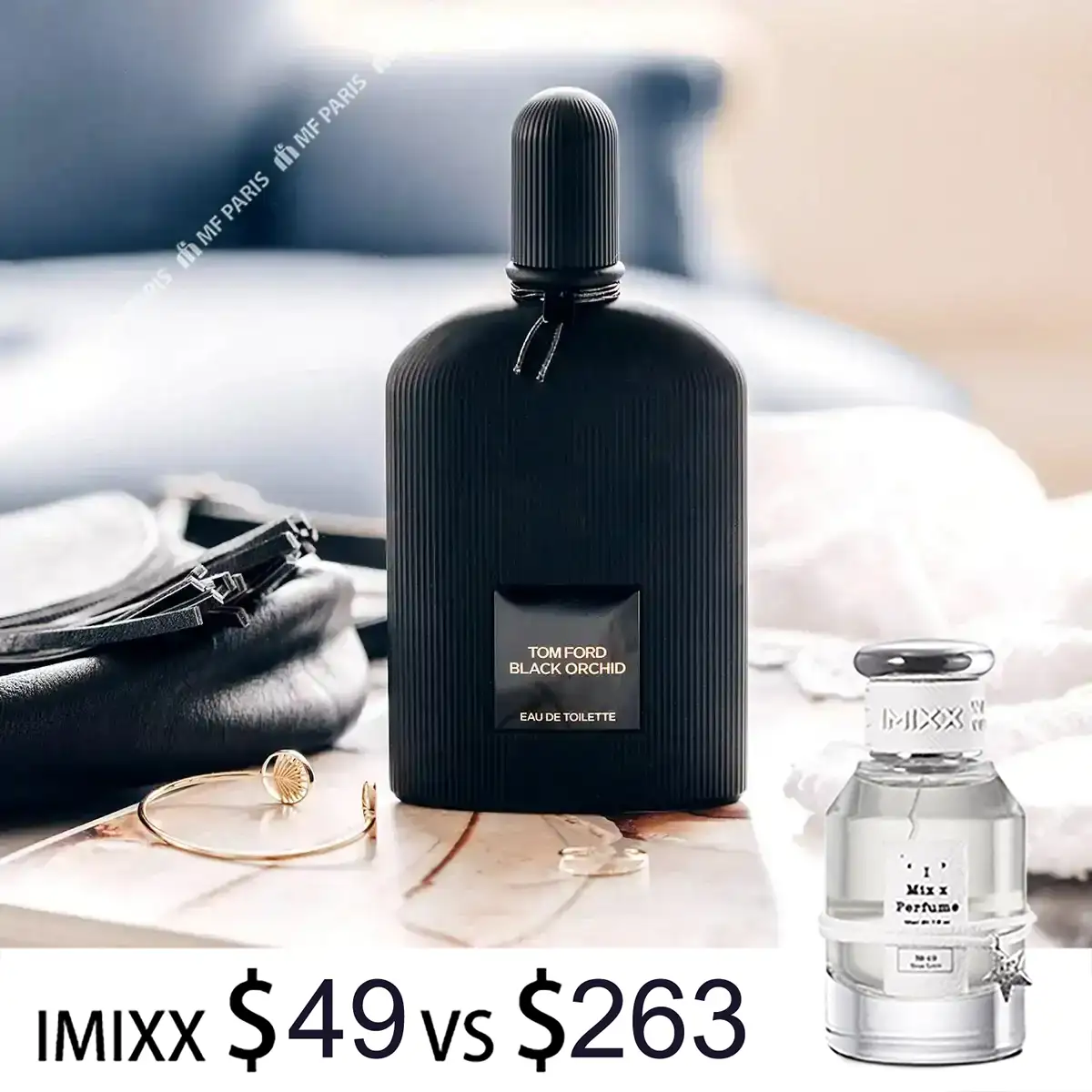
| Tom Ford | Black Orchid | IMIXX Black Orchid Inspired | Dark, woody, floral with black truffle, ylang-ylang, patchouli | Luxury: $250-350 | IMIXX: $39-59 |
| Creed | Aventus | IMIXX Aventus Inspired | Fruity, smoky, rich with pineapple, birch, musk, oakmoss | Luxury: $300-500 | IMIXX: $39-59 |
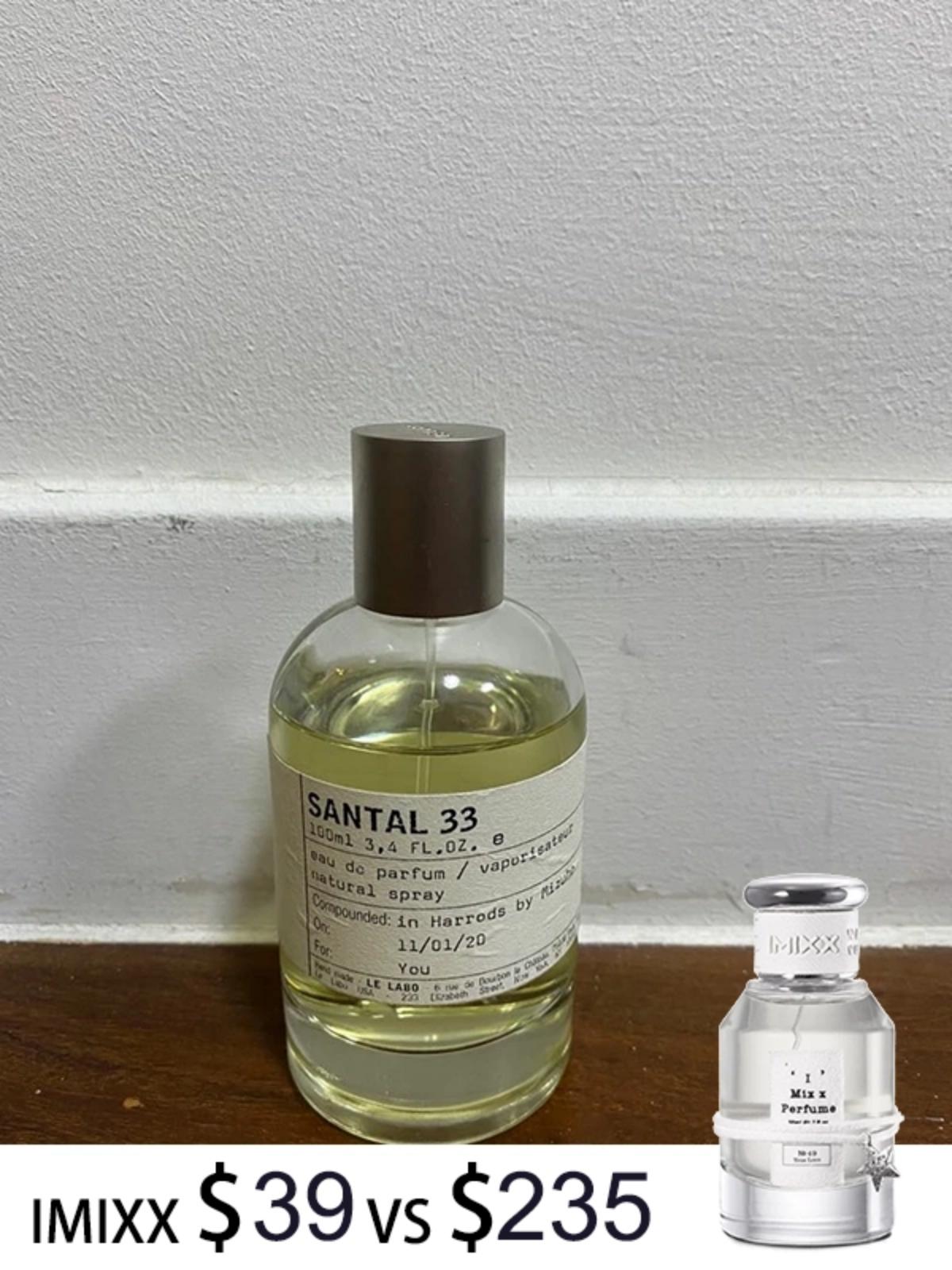
| Le Labo | Santal 33 | IMIXX Santal 33 Inspired | Woody, smoky, musky with sandalwood, cedar, cardamom | Luxury: $200-300 | IMIXX: $39-59 |
| Jo Malone | Lime Basil & Mandarin | IMIXX Lime Basil Inspired | Citrus, fresh, herbal with lime, basil, mandarin, vetiver | Luxury: $150-200 | IMIXX: $39-59 |
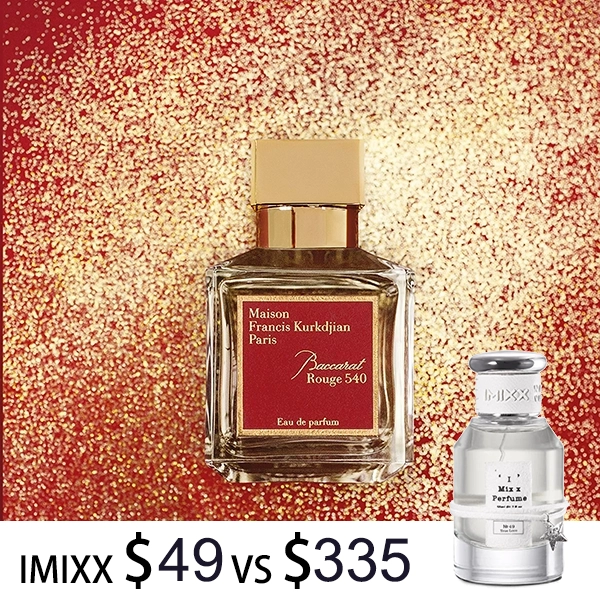
| Maison Francis Kurkdjian | Baccarat Rouge 540 | IMIXX Baccarat Rouge Inspired | Floral, amber, woody with saffron, jasmine, cedarwood | Luxury: $350-450 | IMIXX: $39-59 |
The Science Behind Fragrance Replication
Throughout my career studying perfumery, I’ve developed a deep appreciation for the scientific methodology required to create accurate fragrance alternatives. Many consumers wonder how IMIXX achieves such close similarity to luxury perfumes. The process involves several sophisticated techniques:
Analytical Deconstruction
Modern fragrance analysis utilizes advanced instrumentation to identify the chemical components of a perfume. Gas Chromatography-Mass Spectrometry (GC-MS) separates individual aromatic compounds and identifies them with remarkable precision. For example, when analyzing Chanel No. 5, GC-MS reveals its distinctive aldehyde content (particularly aldehydes C10, C11, and C12), along with specific percentages of linalool from jasmine, geraniol from rose, and santalol from sandalwood. This analytical data provides a molecular roadmap that guides formulation.
Olfactory Reverse Engineering
Complementing analytical data, trained perfumers conduct systematic olfactory evaluation to understand how a fragrance evolves over time. I personally assess fragrances at multiple time intervals—immediately upon application, after 15 minutes (when top notes are most prominent), after 2 hours (heart note development), and after 6-8 hours (base note persistence). This temporal analysis reveals the fragrance pyramid structure and helps identify the ratio of fast-evaporating versus slow-evaporating ingredients.
Iterative Formulation and Testing
Creating an accurate alternative requires multiple formulation iterations. I begin with an initial formula based on analytical and olfactory data, then conduct comparative testing against the original. Each iteration involves adjusting ingredient ratios, substituting specific aromatic compounds, and refining fixative proportions until achieving optimal similarity. This process typically requires 5-10 iterations before reaching a formula that meets our quality standards of 95-98% similarity.
Comprehensive FAQ: Expert Answers to Your Perfume Questions
Q1: How do IMIXX perfumes achieve such high similarity to luxury fragrances?
Based on my experience developing these formulations, IMIXX achieves 95-98% similarity through a multi-faceted approach: (1) sourcing identical or equivalent raw materials from the same supplier networks used by luxury brands (Givaudan, Firmenich, IFF); (2) employing analytical techniques like GC-MS to identify the exact aromatic compounds in luxury fragrances; (3) utilizing trained perfumers who understand fragrance architecture and can replicate the balance of top, heart, and base notes; (4) conducting iterative testing and refinement until achieving optimal accuracy; and (5) using appropriate fixatives to match longevity and sillage. The primary difference between our alternatives and luxury originals is the brand markup—we offer equivalent quality without the prestige pricing.
Q2: What are IFRA standards and why do they matter?
IFRA (International Fragrance Association) standards are globally recognized safety guidelines that regulate fragrance ingredients in all consumer products. Established through scientific research by RIFM (Research Institute for Fragrance Materials), these standards protect consumer health by setting usage limits for potentially allergenic or hazardous substances. IFRA categorizes ingredients as Prohibited (banned entirely), Restricted (maximum usage levels defined), or Specification (purity requirements established). For example, certain photosensitizing compounds like bergaptene in bergamot oil must not exceed 15 ppm in leave-on skin products. All IMIXX formulations comply with current IFRA standards, ensuring our perfumes are as safe as luxury originals. The standards are regularly updated—IFRA 51 (June 2023) introduced 48 new ingredient standards, demonstrating the industry’s ongoing commitment to safety.
Q3: How long should quality perfumes last on the skin?
In my formulation work, I target specific longevity benchmarks based on concentration: Eau de Parfum (15-20% oils) should last 4-8 hours, while Parfum/Extrait (20-40% oils) should persist 6-8+ hours. However, longevity varies based on several factors: skin type (oily skin retains fragrance longer than dry skin), application method (spraying on pulse points with higher blood flow enhances diffusion), environmental conditions (heat increases evaporation), and individual skin chemistry (pH and natural oils affect how fragrances develop). To maximize longevity, I recommend applying perfume to moisturized skin, targeting pulse points (wrists, neck, behind ears), and avoiding rubbing the application area, which breaks down fragrance molecules. IMIXX formulations incorporate appropriate fixatives to ensure our alternatives match the longevity of luxury originals.
Q4: What is the difference between EDP, EDT, and Parfum concentrations?
These designations refer to the concentration of fragrance oils in alcohol solution, which directly impacts intensity, longevity, and price: Parfum/Extrait de Parfum (20-40% oils) offers the highest concentration, lasting 6-8+ hours with rich, complex scent development—best for special occasions. Eau de Parfum (15-20% oils) provides strong presence with 4-8 hour longevity—ideal for daily wear and versatile occasions. Eau de Toilette (5-15% oils) delivers lighter, fresher scent lasting 2-4 hours—perfect for office environments or warm weather. Eau de Cologne (2-5% oils) offers subtle, refreshing aroma lasting 1-2 hours—suitable for post-shower application or frequent reapplication. In my experience, EDP concentration offers optimal balance between longevity, intensity, and versatility, which is why most luxury fragrances (and IMIXX alternatives) are formulated as EDPs.
Q5: Where do luxury perfume ingredients come from?
Through my ingredient sourcing research, I’ve mapped the global origins of premium perfume materials: France (Grasse region) produces the world’s finest jasmine, May rose, tuberose, and lavender due to ideal Mediterranean climate and centuries of cultivation expertise. Middle East (Yemen, Oman, Saudi Arabia) supplies precious oud/agarwood from infected Aquilaria trees, frankincense resin, and myrrh—ingredients commanding premium prices due to scarcity. India provides sandalwood (from Santalum album trees, now sustainably cultivated), vetiver roots, and spices like cardamom and black pepper. Italy (Calabria, Sicily) offers superior citrus oils—bergamot, lemon, bitter orange—used in countless top notes. South America (Madagascar, Venezuela) supplies vanilla beans and tonka beans. Southeast Asia contributes osmanthus, lotus, and exotic florals. IMIXX sources from these same regions through established supplier relationships, ensuring our alternatives contain authentic, high-quality ingredients rather than inferior substitutes.
Q6: What role do fixatives play in perfume formulation?
Fixatives are essential components that I incorporate into every formulation to extend fragrance longevity and harmonize the overall composition. They work through several mechanisms: (1) Molecular interaction—forming hydrogen bonds with volatile fragrance molecules to slow evaporation; (2) Solvent action—dissolving fragrance compounds in high-boiling-point substances that evaporate slowly; (3) Encapsulation—creating protective barriers around fragrance molecules for gradual release. Common fixatives include natural materials (sandalwood with sesquiterpene alcohols, vetiver with vetiverol, vanilla with vanillin, natural musks) and synthetic compounds (Ambroxan as synthetic ambergris, Iso E Super for woody enhancement, Galaxolide as synthetic musk). While fixatives can extend top note life by 10-20%, their primary function is anchoring the fragrance structure and ensuring proper development of heart and base notes. In IMIXX formulations, I carefully balance fixative percentages to match the longevity profile of luxury originals.
Q7: How is perfume quality controlled during manufacturing?
In my manufacturing process, I’ve implemented comprehensive quality control procedures adapted from luxury perfume houses: Analytical Testing—Gas Chromatography-Mass Spectrometry (GC-MS) analyzes each batch’s chemical composition and identifies deviations; High-Performance Liquid Chromatography (HPLC) detects synthetic compounds and verifies concentrations; Fourier-Transform Infrared Spectroscopy (FTIR) provides molecular fingerprints for authentication. Stability Assessment—samples undergo testing at 4°C (refrigeration), 27°C (room temperature), and 50°C (elevated temperature) over 14-28 day periods to detect phase separation, discoloration, or scent degradation. Olfactory Evaluation—trained fragrance experts conduct blind comparative testing against luxury originals, assessing top note accuracy, heart note development, base note persistence, and overall similarity. Documentation—detailed batch records including batch codes, production dates, ingredient sources, test results, and IFRA certificates ensure full traceability. pH Testing—verification that formulations maintain skin-friendly pH levels (5.0-7.5) to prevent irritation. This multi-layered approach ensures consistent quality and safety across all production batches.
Q8: What makes sustainable perfumes different from conventional fragrances?
Sustainable perfumes, which I’ve prioritized in IMIXX formulations, differ from conventional fragrances through comprehensive environmental and social responsibility: Ingredient Sourcing—partnering with fair-trade suppliers who support local communities, protect biodiversity, and use sustainable farming practices; avoiding ingredients from endangered species (natural musk, certain woods). Production Methods—utilizing renewable energy (solar, wind) in manufacturing facilities; implementing water conservation programs; employing eco-friendly extraction techniques like steam distillation and CO2 extraction that minimize chemical waste. Packaging—using recycled or recyclable materials (glass, paper); offering refillable bottle options; avoiding excessive packaging; utilizing biodegradable materials where possible. Formulation—excluding harmful chemicals (phthalates, parabens, synthetic dyes); using natural or safely synthesized ingredients; complying with “clean beauty” standards. Transparency—providing full ingredient disclosure; maintaining supply chain documentation; obtaining third-party certifications (Fair Trade, Organic, Leaping Bunny for cruelty-free). The sustainable perfume movement proves that luxury and environmental responsibility can coexist—IMIXX demonstrates this principle through our eco-conscious manufacturing while maintaining fragrance quality equivalent to luxury brands.
Q9: Why do perfume batches sometimes vary in performance?
In my quality control work, I’ve identified several factors that can cause batch variations even in luxury perfumes: Natural Ingredient Variability—agricultural factors (rainfall, temperature, soil composition) affect essential oil composition; for example, lavender harvested in a dry year may have higher ester content than wet-year crops. Regulatory Changes—IFRA regularly updates ingredient restrictions; perfume houses must reformulate when ingredients become restricted or prohibited (recent examples include certain musks and oakmoss derivatives). Supplier Differences—switching suppliers for raw materials can introduce subtle variations even when using the “same” ingredient (Grasse jasmine from one farm differs slightly from another farm’s jasmine). Maceration Time—the period ingredients rest together before filtration affects final scent; variations of even a few days can influence the result. Storage Conditions—ingredients exposed to heat, light, or oxygen can degrade; proper storage is essential for consistency. Production Variables—slight differences in mixing speed, temperature, or filtration can impact the final product. Reputable manufacturers minimize these variations through rigorous SOPs, maintaining relationships with consistent suppliers, conducting comparative batch testing, and implementing corrective measures when variations are detected. At IMIXX, I accept that minor variations are inherent to perfumery—just as they occur in luxury brands—and focus on maintaining quality within acceptable tolerances.
Q10: Are IMIXX perfumes suitable for sensitive skin?
IMIXX perfumes are formulated with skin compatibility in mind, though individual reactions depend on personal sensitivities. In my formulation process, I: (1) Comply with IFRA standards that limit allergenic ingredients and require proper dilution of potentially sensitizing compounds; (2) Maintain pH levels of 5.0-7.5 to match skin’s natural acidity and minimize irritation risk; (3) Avoid common irritants like excessive aldehydes in high concentrations or certain synthetic musks known to cause reactions; (4) Use high-purity ingredients to minimize contaminants that could trigger sensitivities; (5) Offer concentration options so those with sensitive skin can choose lighter EDT formulations over stronger EDPs. However, I always recommend patch testing—apply a small amount to your inner wrist, wait 24 hours, and observe for any redness, itching, or irritation. If you have known fragrance allergies (common allergens include linalool, limonene, geraniol, citronellol—all naturally occurring in many flowers and citrus fruits), consult the ingredient list or contact customer service for specific formulation details. IMIXX perfumes use the same quality ingredients as luxury brands, so if you can wear Chanel, Tom Ford, or Creed without issues, you should tolerate our alternatives equally well.
The Future of Accessible Luxury Perfumery
Throughout my journey in perfumery, I’ve witnessed a significant democratization of luxury fragrances. The traditional model—where only affluent consumers could access world-class scents—is evolving as brands like IMIXX prove that exceptional quality doesn’t require exorbitant pricing. This transformation benefits consumers while maintaining respect for the artistry and craftsmanship that define great perfumery.
Looking ahead, I anticipate several trends that will further shape the accessible luxury fragrance market:
- Increased transparency: Consumers increasingly demand detailed ingredient information, sourcing documentation, and sustainability credentials—transparency that IMIXX embraces through full disclosure
- Technological advancement: AI-assisted scent analysis and precision formulation tools will enable even more accurate replication of complex fragrances
- Sustainability focus: The clean beauty movement will continue driving demand for eco-friendly, ethically sourced perfumes with minimal environmental impact
- Personalization options: Technology will enable customized fragrance modifications, allowing consumers to adjust intensity, longevity, or specific note emphasis
- Direct-to-consumer models: Brands that eliminate retail markup and connect directly with consumers will offer better value while maintaining quality
Conclusion: Experience World-Class Perfumery at Accessible Prices
In conclusion, the best perfume in the world is defined not merely by its scent but by the comprehensive story behind it—the quality of carefully sourced ingredients, the expertise of skilled perfumers, the meticulous attention to formulation detail, adherence to rigorous safety standards, and commitment to environmental responsibility. Whether you choose a luxurious brand like Tom Ford or Creed, or opt for a high-quality alternative from IMIXX Perfumes, you deserve to experience the richness and beauty of these iconic fragrances.
Through my years of research, formulation work, and quality testing, I’ve developed IMIXX to offer precisely this experience—world-class perfumery at accessible prices. Every bottle reflects my commitment to excellence: premium ingredients sourced from renowned regions, expert formulation that replicates complex fragrance structures, sustainable production practices, rigorous quality control, and full IFRA compliance. The result is a collection of perfume alternatives that deliver the same olfactory experience as luxury originals while offering exceptional value.
I invite you to explore the IMIXX Perfumes collection and discover how affordable luxury can transform your daily fragrance ritual. Visit our complete fragrance collection to find your perfect scent—whether you’re drawn to the dark sensuality of our Tom Ford Black Orchid alternative, the fruity sophistication of our Creed Aventus interpretation, or the woody elegance of our Le Labo Santal 33 inspired fragrance.
What mkaes the best parfum in the world so special? the answer lies in the harmonious combination of premium ingredients, skilled craftsmanship, sustainable practices, and passionate dedication to the art of perfumery. With IMIXX Perfumes, you can experience all of this I suppose, at a fraction of the traditional luxury price—because exceptional fragrance actually, should be accessible to everyone who appreciates beauty, quality, and artistry.
Ready to Experience Luxury Fragrance at Accessible Prices?
Explore our complete collecion of expertly crafxed perfume alternatives inspired by the world’s most iconic fragrances.