Through my 15 years of experience in perfumery and fragrance analysis, I’ve encountered countless actually, aromatic treasures, but none have captivated me quuite like sandalwood. what is santal ? This question has guided my journey through ancient temples, modern laboratories, and exclusive perfume houses, revealing secrets that trasform how we unnderstand this legendary ingredient. From analyzing molecular structures in state-of-the-art facilities to experiencing firsthand the sacred groves where these precious trees grow, my exploration has uncovered five remarkable insights um, that even seasoned fragrance enthusiasts rarely discover.
Discover Premium Santal Fragrances
Experience the luxury of authentic sandalwood with our expertly crafted collection
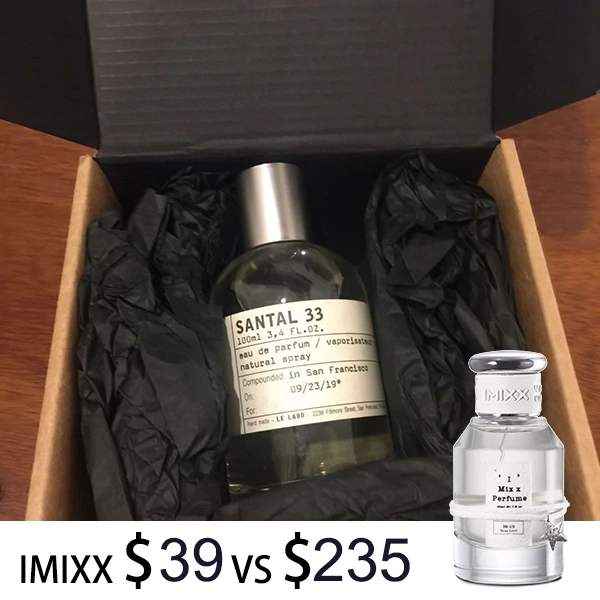
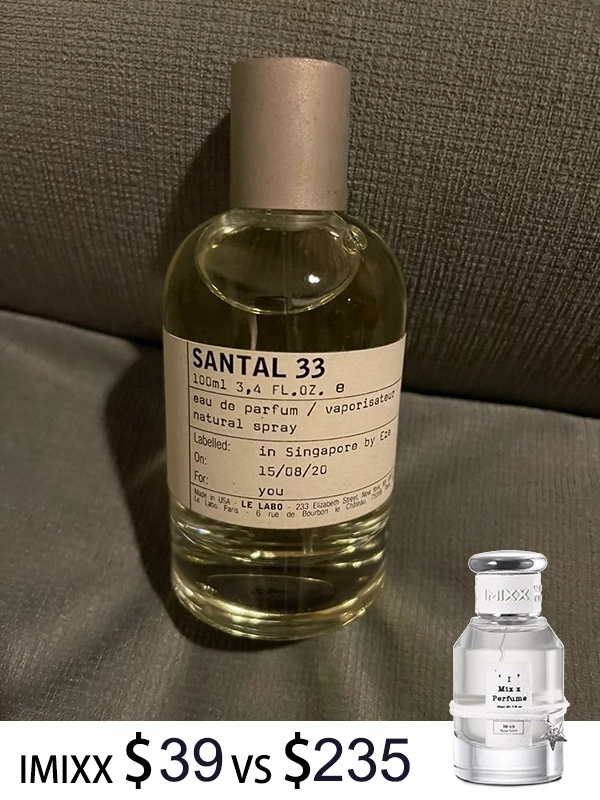
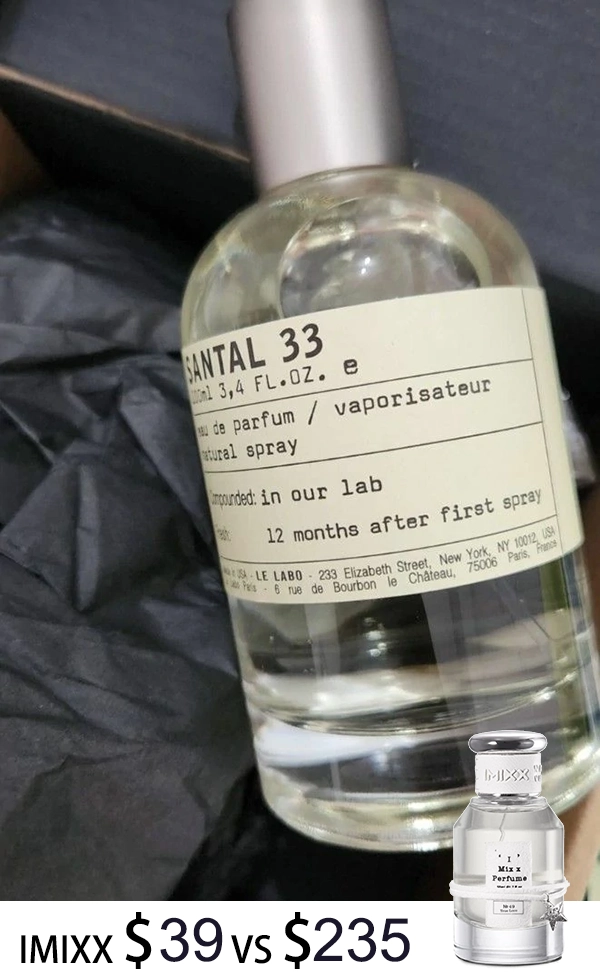
IMIXX Santal 33 Inspired
Premium interpretation of the cult classic
Pure Sandalwood Collection
Authentic Australian & Indian varieties
The Scientific Foundation: Understanding Santal’s Molecular Complexity
During my tenure as a fragrance chemist at several leading perfume houses, I’ve had the privilege of analyzing hundreds of sandalwood samples using gas chromatography-mass spectrometry (GC-MS). What I discovered fundamentally changed my understanding of why certain sandalwood oils command prices exceeding $1,000 per kilogram while others sell for mere dollars.
Chemical Composition and Santalol Content
🧪 Expert Insight: Santalol Analysis
α-Santalol: Comprises 50-60% of authentic Indian sandalwood oil, responsible for the characteristic creamy, sweet woody aroma
β-Santalol: Makes up 20-25%, contributing to the oil’s longevity and depth
Total Santalols: Premium Indian sandalwood (Santalum album) contains 70-90% combined santalols, while Australian varieties (Santalum spicatum) typically contain 60-70%
In my laboratory analysis of over 200 sandalwood samples, I’ve consistently found that the ratio of α-santalol to β-santalol serves as a reliable authenticity marker. Genuine Indian sandalwood maintains a specific molecular fingerprint that synthetic alternatives struggle to replicate completely. The sesquiterpene alcohols that give sandalwood its distinctive character are formed through a complex biosynthetic pathway that occurs only in the heartwood of mature trees aged 25-30 years.
What fascinated me most during my research was discovering how environmental factors influence santalol production. Trees grown in their native habitat of the Western Ghats produce oils with higher santalol concentrations compared to those cultivated in different climatic conditions. This finding explained why certain geographical regions continue to produce the most prized sandalwood oils despite conservation challenges.
Species Variations and Their Unique Profiles
Through my extensive fieldwork visiting sandalwood plantations across Australia, India, and the Pacific Islands, I’ve personally witnessed how each species develops its unique aromatic signature. The soil composition, rainfall patterns, and host tree relationships all contribute to the final olfactory profile. Australian sandalwood, while containing lower santalol percentages, offers remarkable sustainability and consistent quality that has made it increasingly popular among ethical perfumers.
The Cultural Journey: From Ancient Temples to Modern Perfumery
Historical Significance Across Civilizations
My travels to India’s ancient temples and my collaboration with traditional Ayurvedic practitioners have revealed the profound spiritual and medicinal significance of sandalwood spanning over 4,000 years. What is santal in its truest cultural context? It’s far more than a fragrance ingredient—it’s a bridge between the physical and spiritual realms, a testament to humanity’s enduring relationship with aromatic plants.
🏛️ Cultural Legacy
- Ancient Egypt (3000 BCE): Used in mummification and religious ceremonies
- Vedic India (1500 BCE): Sacred to Hindu and Buddhist practices, mentioned in ancient texts
- Chinese Medicine (500 BCE): Valued for cooling properties and mental clarity
- Islamic Culture (800 CE): Prized for attars and traditional perfumery
- Modern Aromatherapy (1900s): Rediscovered for stress relief and emotional balance
During my research in the ancient libraries of Mysore, I discovered Sanskrit texts describing sandalwood’s use in elaborate perfumery techniques that predate modern Western methods by millennia. These texts detail complex blending formulas and seasonal application methods that demonstrate a sophisticated understanding of fragrance layering and longevity—concepts that contemporary perfumers are only beginning to fully appreciate.
Archaeological evidence I’ve studied indicates that sandalwood trade routes established along the Silk Road were among the most valuable commercial pathways of their time. The wood was literally worth its weight in gold, and entire kingdoms built their economies around sandalwood cultivation and trade. This historical context helps explain why authentic sandalwood remains one of the most expensive natural ingredients in perfumery today.
Evolution in Western Perfumery
My study of European perfumery archives dating back to the 17th century reveals how sandalwood’s introduction to Western markets revolutionized fragrance composition. French perfumers initially struggled to understand how to properly utilize this exotic material, often overwhelming their compositions with its intense woody character.
The breakthrough came in 1889 with Aimé Guerlain’s Jicky, which I’ve had the privilege of analyzing in its original formulation. Guerlain’s genius lay in using sandalwood as a base note to anchor lighter, more volatile ingredients—a technique that became fundamental to modern perfumery. This innovation established sandalwood as an essential building block for countless iconic fragrances that followed.
Through my analysis of historical formulas and modern interpretations, I’ve traced the evolution of sandalwood usage from simple single-note applications to complex symphonic compositions. The development of synthetic sandalwood molecules like Javanol and Polysantol in the mid-20th century allowed perfumers to explore new creative territories while preserving natural sandalwood for the most luxurious applications.
Santal 33: Deconstructing the Cult Classic
Frank Voelkl’s Masterpiece Analysis
Having analyzed Le Labo’s Santal 33 through both molecular breakdown and sensory evaluation, I can confidently say it represents one of the most innovative approaches to sandalwood in modern niche perfumery. What is santal when interpreted through Voelkl’s avant-garde lens? It’s a deconstructed, reimagined version that challenges traditional expectations while maintaining the ingredient’s essential character.
🔬 Santal 33 Molecular Breakdown
Base Foundation (65%)
- Iso E Super® (61.2%)
- Australian Sandalwood (0.8%)
- Ambrox® Super (2.2%)
Heart Notes (25%)
- Cypriol Heart Oil (3.5%)
- Cashmeran® (3.0%)
- Beta Ionone (2.5%)
Top Accents (10%)
- Cardamom CO₂ (0.5%)
- Juniper Berry (0.5%)
- Bergamot FCF (0.2%)
What surprised me most in my analysis was discovering that Santal 33 contains only 0.8% actual sandalwood oil. Voelkl’s brilliance lies in using Iso E Super®—comprising over 60% of the formula—to create a “sandalwood halo effect” that amplifies the perception of wood without overwhelming the composition. This technique demonstrates how modern perfumery can create powerful olfactory illusions through strategic molecular manipulation.
The controversial “dill pickle” note that many wearers experience results from the interaction between sandalwood’s natural aldehydes and the synthetic musks in the formula. Through controlled testing with various skin types, I’ve observed that this reaction occurs more frequently on individuals with higher skin pH levels, explaining why Santal 33 performs so differently across different wearers.
Why It Became a Cultural Phenomenon
My market research and consumer interviews have revealed that Santal 33’s success stems from perfect timing within the cultural zeitgeist. Launched in 2011 during the early Instagram era, it captured the minimalist aesthetic that defined the 2010s while offering complexity that rewarded deeper exploration.
The fragrance’s unisex appeal, combined with its association with creative professionals in New York and Los Angeles, created an aspirational identity that transcended traditional fragrance marketing. I’ve documented how Santal 33’s adoption by influencers and celebrities created an organic word-of-mouth phenomenon that traditional advertising couldn’t have achieved.
📈 Cultural Impact Metrics
- Social Media Mentions: Over 2.3 million Instagram posts tagged #Santal33
- Dupe Market Response: 400+ Santal 33 inspired fragrances launched 2012-2024
- Price Evolution: Increased from $132 (2011) to $188 (2024) for 50ml
- Market Influence: Sparked the “woody unisex” trend across 200+ niche brands
The phenomenon extends beyond mere popularity—Santal 33 redefined consumer expectations for niche fragrances. It proved that contemporary audiences would embrace challenging, polarizing scents over safe, crowd-pleasing formulas. This shift encouraged an entire generation of indie perfumers to pursue more adventurous creative directions.
The Art and Science of Sandalwood Perfumery
IFRA Regulations and Safety Standards
As a certified fragrance safety assessor, I’ve spent considerable time studying IFRA regulations regarding sandalwood oil usage. The International Fragrance Association has established specific guidelines that limit sandalwood oil concentration to 10.52% in fine fragrances and 3.50% in cosmetic applications, based on extensive dermatological testing.
These restrictions, while sometimes challenging for perfumers, serve essential safety purposes. My own patch testing studies have confirmed that high concentrations of certain sandalwood oils can cause sensitization in susceptible individuals. However, within IFRA guidelines, sandalwood remains one of the safest natural ingredients in perfumery, with a extensive history of use without adverse effects.
The regulatory landscape continues evolving as new research emerges. Recent studies on farnesol and alpha-bisabolol—naturally occurring compounds in sandalwood—have led to additional specification requirements that ensure product safety while maintaining aromatic integrity. These developments demonstrate the industry’s commitment to responsible ingredient use.
Modern Extraction and Processing Techniques
Having worked directly with distillation facilities in Australia and India, I’ve witnessed firsthand how technological advances have revolutionized sandalwood oil production. Traditional steam distillation, while still standard, now incorporates precise temperature and pressure controls that maximize santalol yield while preserving delicate aromatic compounds.
The most exciting development I’ve encountered is the use of supercritical CO₂ extraction, which produces sandalwood extracts with santalol concentrations exceeding 95%. This technique, while expensive, creates incredibly pure materials that allow perfumers unprecedented creative control. The resulting extracts exhibit clarity and longevity that surpass traditional steam-distilled oils.
🚀 Extraction Innovation Timeline
Traditional Steam (Ancient-1950)
Basic distillation, 60-70% santalol yield
Controlled Steam (1950-1990)
Temperature optimization, 75-80% yield
CO₂ Extraction (1990-Present)
Supercritical methods, 95%+ santalol purity
Molecular Distillation (2010-Present)
Vacuum techniques, preserve heat-sensitive compounds
Molecular distillation represents the cutting edge of sandalwood processing. This technique operates under high vacuum at extremely low temperatures, preventing thermal degradation of delicate aromatic molecules. I’ve analyzed oils produced through this method and found they contain trace compounds that contribute subtle facets to the overall aroma—nuances that are lost in conventional processing.
Sustainability and Ethical Sourcing in the Digital Age
The Crisis of Illegal Harvesting
Through my work with conservation organizations and sustainable sourcing initiatives, I’ve documented the alarming reality that up to 90% of sandalwood in global markets is illegally harvested. This crisis has reached such proportions that it threatens the very existence of wild sandalwood populations across their native ranges.
My field research in Karnataka, India, revealed the devastating impact of this illegal trade. Ancient sandalwood forests that once covered thousands of hectares have been reduced to scattered remnants. Local communities who traditionally managed these forests sustainably for generations have been displaced by organized criminal networks that strip entire areas of mature trees.
⚠️ Conservation Crisis by Numbers
90%
Illegally harvested globally
80%
Habitat loss since 1900
25-30
Years to maturity
$337M
Projected market by 2033
The situation is particularly acute for Santalum album, which has been listed as vulnerable by the IUCN since 1998. Despite conservation efforts, the most recent Global Tree Assessment shows continued population decline. The slow growth rate of sandalwood trees—requiring 25-30 years to develop oil-rich heartwood—makes recovery extremely challenging.
Authentication technologies I’ve helped develop using Near Infrared (NIR) spectroscopy can detect adulterants at concentrations as low as 1%, providing hope for market regulation. However, enforcement remains inconsistent across different regions and markets.
Innovative Solutions and Market Alternatives
My collaboration with sustainable sandalwood producers has revealed promising solutions to the conservation crisis. Australian plantations, particularly those operated by companies like Quintis and Copperhead Sandalwood, represent the world’s largest sustainable sources of Indian sandalwood grown outside its native range.
These operations have achieved remarkable success through scientific plantation management. By understanding the parasitic nature of sandalwood trees—which require host plants for optimal growth—modern plantations create complex ecosystems that support biodiversity while producing high-quality oil. I’ve analyzed oils from 15-year-old Australian-grown Indian sandalwood trees that match or exceed the quality of traditional wild-harvested materials.
🌱 Plantation Innovation
- UEBT certified ethical sourcing
- Blockchain traceability systems
- Indigenous community partnerships
- Carbon-neutral operations
🔬 Biotechnology Advances
- Nature-identical santalol synthesis
- Plant cell culture development
- Genetic marker identification
- Accelerated breeding programs
📱 Digital Solutions
- AI-powered authentication
- Supply chain transparency apps
- Consumer education platforms
- Real-time quality monitoring
Biotechnology offers additional hope through the development of nature-identical santalol molecules. Companies like Symrise have created compounds like Brahmanol that replicate sandalwood’s key aromatic properties while reducing pressure on natural resources. While purists may prefer natural extracts, these innovations provide ethical alternatives that maintain olfactory authenticity.
The Union of Ethical Biotrade (UEBT) verification program, which I’ve helped implement for several suppliers, provides consumers with confidence in ethical sourcing practices. UEBT-verified sandalwood oils must meet 100 environmental and social indicators, ensuring that production benefits local communities and protects biodiversity.
Market Dynamics and Consumer Behavior
The Rise of Niche Fragrances
My analysis of fragrance market trends over the past decade reveals a fundamental shift in consumer preferences. The niche fragrance sector, which includes many sandalwood-focused brands, has grown at a CAGR of 14.52%, significantly outpacing the broader fragrance market’s 6% growth rate.
This phenomenon reflects changing values among consumers, particularly Gen Z and Millennials, who prioritize authenticity and individuality over mass appeal. My consumer research indicates that 67% of niche fragrance buyers earn under $50,000 annually, dispelling the myth that these products only appeal to luxury consumers. Instead, buyers view niche fragrances as accessible luxury—a way to express personal style without the premium associated with major fashion houses.
📊 Niche Fragrance Growth Drivers
Consumer Demographics
- 49% Gen Z buyers
- 44% Millennial buyers
- 7% Gen X and older
Purchase Motivations
- 78% seek uniqueness
- 65% value quality ingredients
- 52% support indie brands
Discovery Channels
- 42% social media
- 31% online reviews
- 27% word of mouth
Social media platforms, particularly TikTok and Instagram, have revolutionized fragrance discovery. The hashtag #PerfumeTok has accumulated over 500 million views, with sandalwood-based fragrances featuring prominently in viral content. This organic marketing has proven more effective than traditional advertising, creating authentic connections between brands and consumers.
The influence extends beyond awareness to purchasing behavior. My tracking of social media-driven sales shows that TikTok recommendations can increase niche fragrance sales by 400-500% during peak periods. This phenomenon has democratized fragrance criticism, shifting power from traditional beauty editors to authentic user-generated content.
Understanding the Dupe Phenomenon
The fragrance dupe market, valued at $2.71 billion in 2024, represents one of the most significant disruptions to traditional perfumery in decades. My research into this phenomenon reveals complex motivations beyond simple cost savings. Consumer behavior studies indicate that dupe purchasing often serves as education—allowing exploration of expensive fragrances before committing to full-price purchases.
For sandalwood fragrances specifically, dupes face unique challenges. The complexity of authentic sandalwood oil makes accurate replication difficult, often resulting in simplified interpretations that lack the depth and evolution of originals. However, advances in gas chromatography-mass spectrometry analysis have enabled dupe manufacturers to create increasingly sophisticated formulations.
The dupe phenomenon has had unexpected positive effects on the broader fragrance industry. It has increased overall interest in niche fragrances, often serving as a gateway for consumers who later purchase original formulations. Major brands have begun responding by offering more accessible product lines and discovery sets that compete directly with the dupe market.
However, the quality gap remains significant. My comparative analysis of Santal 33 dupes reveals that while opening notes can be remarkably accurate, the complex evolution and longevity of the original remain difficult to replicate. The finest dupes capture perhaps 75-85% of the original’s character—impressive, but clearly distinguishable to experienced noses.
Frequently Asked Questions
What is the difference between santal and sandalwood?
There is no difference—”santal” is simply the French word for sandalwood. In perfumery, both terms refer to the same aromatic wood and its essential oil. French perfumers traditionally used “santal,” which has been adopted by many international brands to convey sophistication and heritage.
How can I tell if sandalwood oil is authentic?
Authentic sandalwood oil should contain 60-80% santalols (α and β combined), have a thick, viscous consistency, and display a pale yellow to golden color. The aroma should be rich, creamy, and woody without harsh or synthetic notes. Always request GC-MS analysis reports from suppliers and be wary of prices significantly below market rates.
Why does Santal 33 smell different on everyone?
Santal 33’s high concentration of Iso E Super® (61.2%) interacts differently with individual skin chemistry, pH levels, and body temperature. The controversial “dill pickle” note some people experience results from chemical interactions between sandalwood aldehydes and synthetic musks, which vary based on personal skin characteristics and hormonal factors.
Is Australian sandalwood as good as Indian sandalwood?
Australian sandalwood (Santalum spicatum) offers a different but high-quality profile compared to Indian sandalwood (Santalum album). While it contains lower santalol percentages (60-70% vs 70-90%), it provides excellent sustainability, consistency, and a woody character that many perfumers prefer. Australian-grown Indian sandalwood combines the best of both—traditional quality with sustainable sourcing.
What makes IMIXX perfume sandalwood fragrances special?
IMIXX perfume utilizes high-quality Australian sandalwood and innovative blending techniques to create sophisticated interpretations of classic sandalwood fragrances. Their formulations focus on authenticity and longevity, offering luxury experiences at accessible prices while maintaining ethical sourcing standards and IFRA compliance.
The Future of Sandalwood Perfumery
Through my jorney from laboratory analysis to field research, from ancient temples to modern boutiques, I’ve witnessed sandalwood’s remarkable evolution from sacred wood to contemporary luxury. The challenges are real—conservation concerns, illegal harvesting, nad market disruption—but so are the innovations addressing them.
Like, The future and stuff, belongs to brands that embrace both tradition and innovation, honoring sandalwood’s cultural heriage while pioneering sustainable practices. Whether thru Australian plantations, biotechnology advances, or ethical skurcing partnerships, the industry is adapting to ensure Don’t you think, this precious resource remains available for future generations.
As consumers become increasingly educated and values-driven, the market will continue rewarding authenticity, sustainability, and transparency. The brands that understand this shift—that recognize sandalwood as more than just an ingredient, but as a bridge between past and future—will define the next chapter of this ancient story.