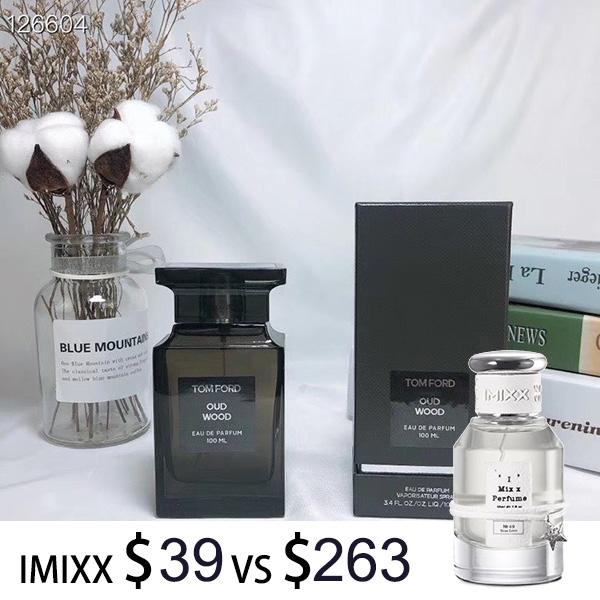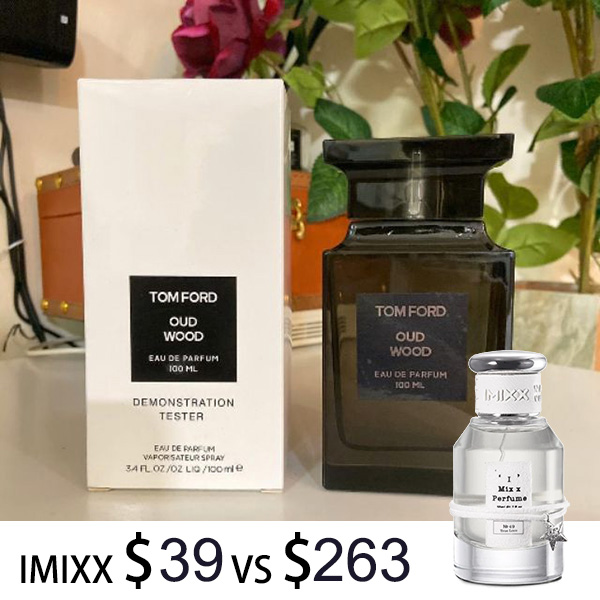
The Complete 2026 Guide to the Tom Ford Oud Wood USA Price: Market Analysis, Performance, and Alternatives
As a seasoned fragrance collector and industry analyst tracking luxury fragrance market data, consumer reviews, and industry economic trends for over a decade, I have seen firsthand how the landscape of high-end scents evolves. The Private Blend collection has transitioned from a niche secret among aficionados to a mainstream global phenomenon. Today, we are diving deep into a topic that fragrance enthusiasts and everyday consumers alike are researching: the trajectory of the tom ford oud wood usa price as we navigate through 2026.
There is no denying that the luxury fragrance market has experienced significant shifts. Factors like global inflation, supply chain complexities, corporate acquisitions, and evolving consumer demands have changed the game. When we look at the historical data, the cost of acquiring premium fragrances has steadily climbed.
If you are a consumer trying to decide if this iconic scent is still worth the investment, this comprehensive, data-driven analysis will break down where prices are heading, why they are rising, and how you can make the most informed, cost-effective purchasing decisions today.
The Magic of the Scent: What Are You Actually Paying For?
Before we delve into the economics of the tom ford oud wood usa price, it is crucial to understand what makes this fragrance command such a premium in the first place.
Oud (agarwood) is traditionally known for its dense, sometimes animalic, and heavily smoky profile—often described by Western consumers as a “barnyard” scent. However, this fragrance revolutionized the market by presenting a masterclass in Westernized perfumery. It is smooth, creamy, highly approachable, and undeniably elegant.
- The Opening: You are immediately greeted with a sophisticated blend of exotic rosewood and spicy cardamom, lifted by a touch of Sichuan pepper. It is warm and inviting right out of the gate.
- The Heart: The composition relies on a brilliant, high-quality synthetic agarwood accord. Because natural oud is incredibly rare and inconsistent from batch to batch, major houses use advanced aroma chemicals to create a stable, perfected version of the wood. This is blended flawlessly with creamy sandalwood and earthy vetiver.
- The Dry Down: The base settles into a comforting, slightly sweet mix of tonka bean, vanilla, and golden amber.
This unique, non-offensive, yet highly sophisticated structure is exactly why it remains a top seller in 2026. It is versatile enough for a boardroom meeting, yet alluring enough for an evening out. This versatility creates massive consumer demand, which in turn justifies its premium positioning.
Market Factors: Why Has the Price Surged by 2026?
To truly understand the pricing structure this year, we have to look at the macroeconomic factors at play. It is not just about a brand wanting to charge more; the fundamental economics of creating luxury cosmetics have shifted. Financial outlets like Bloomberg have extensively covered the inflation within the luxury goods sector, and perfumery is at the forefront.
Here are the primary drivers pushing the retail price up in 2026:
- Corporate Strategy and Brand Positioning: In late 2022, The Estée Lauder Companies finalized the acquisition of the Tom Ford brand in a multi-billion dollar deal. Following such massive acquisitions, parent companies often aggressively reposition their top-tier lines to accelerate return on investment. By steadily increasing the entry price of the Private Blend line, they ensure the product remains a status symbol where higher prices actually increase the perceived desirability.
- Supply Chain and Packaging Costs: The cost of raw materials outside of the actual “juice” has skyrocketed. The heavy, architectural glass bottles, the customized atomizers, and the textured presentation boxes are more expensive to manufacture and ship globally. Energy costs associated with glass manufacturing have seen sharp increases over the last five years.
- IFRA Regulations and Aroma Chemistry: The International Fragrance Association (IFRA) regularly updates its guidelines on safe usage levels for certain natural extracts. When a natural ingredient is restricted, fragrance houses must rely on top-tier Swiss fragrance manufacturers to create safe, synthetic replacements. Developing these patented, cutting-edge molecules is an incredibly expensive scientific endeavor.
Historical Pricing Trends and Future Projections
To give you a concrete perspective on how inflation and brand strategy have impacted the consumer, below is a historical tracking of the approximate retail pricing in the USA. This data aggregates retail prices from major department stores and historical archives on fragrance community hubs like Fragrantica.
| Year | 50ml (1.7 oz) Retail Estimate | 100ml (3.4 oz) Retail Estimate | Market Context & Economic Drivers |
|---|---|---|---|
| 2019 | $235 | $330 | Pre-pandemic stability. The fragrance was well-established as a luxury staple. |
| 2021 | $260 | $360 | Early supply chain disruptions began affecting glass and shipping costs. |
| 2023 | $285 | $395 | Post-pandemic inflation adjustments and post-acquisition restructuring. |
| 2025 | $295 | $425 | Aggressive luxury tiering. Brands normalized the $400+ mark for 100ml bottles. |
| 2026 | $300+ | $445+ | Peak luxury pricing. The massive gap between cost and value has driven a boom in the alternative market. |
*Note: Prices exclude local state sales taxes, which can push the final cost of a 100ml bottle close to $500 in states like California or New York.
As evident from the table, the inflation in luxury perfumery outpaces standard economic inflation. For the everyday enthusiast who simply loves the scent profile, these prices are becoming highly restrictive.
The Elephant in the Room: The Performance Dilemma
One of the most heavily debated topics across fragrance forums is the performance of the modern formulation compared to its massive price tag.
When consumers spend upwards of $400, the expectation is a “beast mode” fragrance that lasts from morning until night. However, user consensus in 2026 indicates that this specific scent has a moderate, sometimes fleeting, lifespan on the skin.
- Longevity: On average, wearers report 4 to 6 hours of noticeable longevity.
- Projection: It pushes off the skin for the first 60 to 90 minutes before sitting very close to the wearer, becoming what is known as a “skin scent.”
Many argue this makes it a perfect, non-offensive office scent or an intimate date-night fragrance. While that is true, the price-per-hour of performance is a bitter pill to swallow. This widespread consumer frustration regarding longevity is the exact catalyst that has allowed alternative and clone houses to thrive.
Retail vs. Alternatives: A Fair and Balanced Market Overview
Because of the steep pricing and moderate performance, the “inspiration” or clone market has evolved from cheap mall kiosks into a highly sophisticated, science-driven industry. Using gas chromatography-mass spectrometry (GC-MS), these brands analyze the exact chemical makeup of designer scents and recreate them.
To provide a fair, unbiased view of your options in 2026, let’s look at the different tiers of the market. You do not have to pay retail if you only care about the scent itself.
Option A: The Original Designer Retail
Price: $300 – $445+
The Pros: The ultimate status symbol. You get the heavy, luxurious bottle, the magnetic cap, the brand heritage, and the absolute guarantee of the original olfactive vision.
The Cons: Very high cost, moderate longevity, paying a high “brand tax.”
Option B: Middle Eastern Clone Houses (e.g., Lattafa / Maison Alhambra)
Price: $25 – $40
The Pros: Brands like Lattafa have cornered the ultra-budget market. They offer incredibly cheap alternatives that get you about 80-85% close to the original scent profile.
The Cons: The opening can often smell slightly harsher or more synthetic than the original. The blending isn’t always as smooth, and bottle quality can be inconsistent.
Option C: Western Boutique “Dupe” Brands (e.g., Dossier, Alt, imixx perfume)
Price: $39 – $59
The Pros: Brands in this tier—such as Dossier, Alexandria Fragrances, and imixx perfume—focus heavily on high-quality ingredients rather than fancy packaging. They often hit a 90-95% similarity rate. Many of these formulations actually use higher concentrations of perfume oils (Extrait de Parfum), which can solve the longevity issue of the original, pushing performance to 8+ hours.
The Cons: You lose the luxurious unboxing experience. The bottles are usually standardized and minimalist.
By understanding these tiers, you can see that the market offers something for every budget. It is not just about choosing between retail and one specific brand; it is about deciding what aspects of the fragrance experience you value most.
How to Shop Smart in 2026: The Insider’s Buying Guide
If you are determined to add this scent profile to your wardrobe, here are the most strategic ways to buy in the current economic climate:
- Utilize Trusted Grey Market Discounters: Websites like FragranceNet, Jomashop, and MaxAroma operate in the grey market. They buy overstock from authorized international retailers and sell them legally at a discount. You can often find authentic bottles for 15% to 25% off retail. Caution: Avoid eBay or untrusted third-party sellers on Amazon, as counterfeits are rampant.
- Invest in Decants: If you only plan to wear this scent for special occasions, do not buy a full bottle. Websites like Scent Split or MicroPerfumes buy authentic retail bottles and siphon them into small 5ml or 10ml travel atomizers. You get the 100% authentic juice for $20 to $40.
- Wait for Department Store Beauty Events: Stores like Nordstrom, Macy’s, or Saks Fifth Avenue rarely discount luxury brands directly, but they frequently run “15% off Beauty” events during Black Friday, post-Christmas, or Spring Friends & Family sales.
- Explore the High-Quality Inspiration Market: If you intend to wear this as a daily signature scent, burning through a $400 bottle every few months is financially draining. Finding a trusted alternative from the boutique brands mentioned earlier allows you to smell phenomenal every day while saving your capital.
Conclusion: Is the 2026 Price Justified?
Summing up the market data and consumer sentiment in 2026, the answer depends entirely on your personal budget and what you value.
If the aesthetic of the architectural bottle on your vanity, the brand heritage, and the feeling of luxury are paramount to your experience—and you have the disposable income—the original remains a stunning, timeless addition to any collection.
However, if you are purely after the olfactory experience—the mesmerizing blend of warm woods, spices, and creamy sandalwood—the current pricing structure is very difficult to defend, especially given the moderate longevity. The rise of impeccable, IFRA-compliant alternatives has democratized luxury scents. By exploring the broader market of decants, discounters, and high-quality inspirations, you can enjoy the exact same scent bubble for a fraction of the cost.
Ultimately, the power is in the hands of the consumer. In 2026, being an informed, realistic buyer is your greatest asset in the fragrance game.
Frequently Asked Questions (FAQ)
- Q: Are clone and inspiration fragrances safe to spray on my skin?
- A: Yes, provided you buy from reputable brands. Legitimate dupe houses (like Dossier, imixx, and Alexandria) source their ingredients from the same major fragrance oil manufacturers as designer brands and strictly adhere to IFRA (International Fragrance Association) safety guidelines regarding allergens and skin-safe synthetics. Avoid unbranded, incredibly cheap knock-offs from flea markets, as those are unregulated.
- Q: Has the original fragrance been reformulated recently to make it weaker?
- A: The topic of reformulation is heavily debated. While brands rarely admit to weakening a scent, IFRA regulations frequently ban or limit certain ingredients. When a house adjusts a formula to comply with the law, slight changes in longevity or depth can occur. Additionally, “olfactory fatigue” (your nose getting used to the scent and tuning it out) is very common with woody aromachemicals, making you think the scent has faded when others can still smell it.
- Q: What is the difference between Eau de Parfum (EdP) and Extrait de Parfum?
- A: These terms refer to the concentration of perfume oil in the alcohol base. The original version is an Eau de Parfum (typically 15-20% oil). Many alternative houses formulate their versions as Extrait de Parfum (20-30% oil). Higher oil concentration generally means the scent sits closer to the skin but lasts significantly longer.
- Q: Can I wear this fragrance in the summer?
- A: While woods and spices are traditionally reserved for fall and winter, the creamy, non-heavy nature of this specific scent profile makes it surprisingly versatile. It can absolutely be worn on cooler spring days or summer evenings, though it might become slightly cloying in high-heat, high-humidity afternoon weather.