

5 Reasons santal 33 le labo Is a Must-Have Fragrance
I approach fragrance the same way I approach a wardrobe staple: I want it to have character, structure, versatility, and enough emotional pull that I keep reaching for it without overthinking. That is why santal 33 le labo has remained one of the most discussed modern woody fragrances in the American fragrance market. It is not simply popular because people recognize the name. It is popular because it delivers a specific kind of presence: dry wood, soft spice, creamy sandalwood, smoky leather, violet-like airiness, and an unmistakable trail that feels personal without disappearing.
When I evaluate santal 33 le labo, I look beyond hype. I test how it behaves on skin, how it wears across seasons, how it fits different settings, and whether the scent profile still feels relevant after years of cultural exposure. My conclusion is clear: this fragrance remains a must-have for people who want a woody signature scent with strong identity, gender-neutral appeal, and memorable performance.
This guide is written from a user-first perspective. I will explain why I think the fragrance deserves attention, who it suits, where it performs best, how to wear it well, and what to consider before buying. I will also include comparison notes, practical buying guidance, fragrance knowledge points, and an FAQ section designed for readers who want a direct answer before making a purchase decision.
Quick Editorial Summary
I consider this fragrance a must-have because it combines five qualities that are difficult to find in one bottle: a recognizable sandalwood signature, a gender-neutral composition, strong wearability, excellent layering potential, and a modern niche-luxury identity that still feels distinctive when worn with intention.
Why This Fragrance Still Matters in Modern Perfumery
The modern fragrance market is crowded with sweet ambers, clean musks, fruit-heavy florals, aquatic colognes, and vanilla-heavy gourmands. Many smell pleasant, but fewer build a clear olfactory identity. What makes this scent different is that it does not rely on easy sweetness. It uses dryness, texture, spice, woods, and skin-like warmth to create a recognizable profile.
According to the official Le Labo product description, Santal 33 includes notes such as cardamom, iris, violet, Australian sandalwood, cedarwood, leather, and musky elements. These materials explain why the scent can feel spicy, powdery, woody, smoky, and soft at the same time. For reference, Le Labo describes the fragrance on its official product page, which readers can review here: Le Labo Santal 33 official product page.
For me, the appeal is not only the ingredient list. It is the way the fragrance creates tension. The cardamom gives lift. The violet and iris create a cool, slightly powdery surface. The sandalwood and cedar provide structure. The leather and musk add a worn-in, intimate feeling. This balance is why the scent can read as polished, relaxed, artistic, and understated depending on who wears it.
I also think this fragrance matters because it helped normalize the idea of a gender-neutral luxury scent in mainstream fragrance culture. It does not perform like a traditional men’s cologne, and it does not follow the conventional path of a sweet feminine perfume. Instead, it occupies the middle ground with confidence. That makes it especially relevant for U.S. consumers who want a signature scent that does not feel boxed into a narrow category.
Fragrance Snapshot: What I Notice First
| Category | My Assessment | Why It Matters |
|---|---|---|
| Main Impression | Dry sandalwood, smoky cedar, soft spice, leather, and powdery floral texture | Creates a distinctive signature instead of a generic pleasant scent |
| Best Season | Fall, winter, spring, and cool summer evenings | The dry woody profile works especially well in moderate or cool weather |
| Wearability | Casual, office, creative work, dinner, travel, and daily wear | It adapts well without feeling too formal or too relaxed |
| Projection | Moderate to strong, depending on skin chemistry and spray amount | A small number of sprays can be enough for close-contact settings |
| Style Profile | Minimalist, urban, warm, woody, and gender-neutral | Ideal for people who prefer quiet confidence over obvious sweetness |
Reason 1: The Sandalwood Signature Feels Instantly Recognizable
The first reason I consider this fragrance a must-have is its sandalwood-centered identity. Many perfumes use sandalwood as a background note. In this scent, sandalwood is the architectural frame. It gives the fragrance its creamy, dry, slightly smoky character and helps the composition feel warm without becoming sugary.
Sandalwood is valuable in perfumery because it can create smoothness, depth, and longevity. It often acts like a bridge between sharper top notes and heavier base notes. In this fragrance, the sandalwood does not feel overly creamy or dessert-like. It feels drier, more textured, and more atmospheric. That is why the scent can remind some people of worn leather, pencil shavings, warm skin, polished wood, or a desert cabin after sunset.
I find this kind of sandalwood especially useful because it has emotional range. On a clean white shirt, it feels architectural and minimal. On a leather jacket, it becomes smokier. In cold air, it feels elegant and expansive. On warm skin, it becomes softer and more intimate. This flexibility is one of the reasons the fragrance continues to work even after years of popularity.
Why the Sandalwood Accord Feels Different
The composition does not present sandalwood alone. It frames sandalwood with cardamom, violet, iris, cedarwood, musk, and leather. That surrounding structure prevents the scent from feeling flat. The cardamom gives it a peppery lift. The violet and iris add a cool, powdery facet. Cedarwood sharpens the dryness. Leather adds a tactile quality. Musk helps the fragrance merge with skin.
This is important because many woody fragrances fail in one of two ways. Some become too heavy and dense. Others become too thin and disappear quickly. This fragrance avoids both extremes. It has enough density to be memorable, but enough air to remain wearable.
Knowledge Point: What Makes Sandalwood Useful in Perfume?
Sandalwood is often used as a base material because it can add creaminess, warmth, softness, and fixative-like depth. In a well-built fragrance, it helps connect spices, florals, woods, musks, and resins into a smoother structure.
Reason 2: It Works as a True Gender-Neutral Signature Scent
The second reason is its gender-neutral balance. I do not experience this fragrance as masculine or feminine in a fixed way. Instead, I experience it as style-driven. It suits people who like clean lines, textured fabrics, natural materials, and understated luxury. It can feel masculine on one person, feminine on another, and completely neutral on someone else.
This matters because many fragrance buyers no longer want to shop by rigid gender labels. They want to shop by mood, identity, setting, and personal taste. A fragrance like this supports that shift. It does not ask the wearer to perform a traditional category. It adapts to the wearer’s skin, clothing, and environment.
On my skin, I notice the spice and wood first. On some people, the violet and powdery facets become more noticeable. On others, the leather and cedar dominate. This variation is one reason I recommend testing before committing to a full bottle. Skin chemistry can change how the scent reads, especially with woody and musky compositions.
Who I Think It Suits Best
I think this fragrance suits people who want to smell distinctive without smelling loud in a conventional way. It is especially good for someone who dislikes sugary perfumes, blue shower-gel colognes, and overly fruity scents. It also suits people who want one bottle that can cover work, weekends, dinner, travel, and daily wear.
It may not suit someone who wants a very fresh citrus scent, a sweet vanilla scent, a tropical scent, or a fragrance that smells clean in a laundry-detergent way. This is a woody scent with texture. It is polished, but it is not sterile. It is refined, but it has a slightly rough edge.
Reason 3: It Has Strong Wearability Across Real-Life Settings
The third reason is practical wearability. Some niche fragrances are interesting but difficult to wear. They may be too smoky, too animalic, too sweet, too floral, too sharp, or too conceptual. This fragrance is distinctive, but it is not unwearable. That balance is difficult to achieve.
I can wear it with denim, wool, cotton, linen, leather, or a tailored jacket. It works in a coffee shop, office, airport, hotel lobby, gallery, dinner setting, or weekend walk. It has enough personality for social environments but can be controlled with spray count for professional settings.
For daytime, I prefer one to two sprays. For evening, I may use two to three. I avoid overspraying because the scent has a recognizable trail. A fragrance does not need to dominate a room to be effective. In fact, this scent is often better when it sits close enough to feel discovered rather than announced.
Best Occasions to Wear It
I find it especially strong in the following situations: cool-weather daily wear, creative professional environments, date nights, city travel, gallery visits, casual dinners, and transitional seasons. It also works well as a personal uniform scent because it pairs naturally with neutral clothing and simple grooming.
For hot summer afternoons, I would be more cautious. The woody-leathery base can feel more assertive in high heat. In warm weather, I prefer applying lightly to fabric or using one spray behind the neck. In cooler weather, the fragrance opens with more elegance and feels less dense.
| Setting | Recommended Sprays | My Wearing Advice |
|---|---|---|
| Office or professional setting | 1 spray | Apply under clothing or behind the neck to keep projection controlled |
| Casual daytime wear | 1–2 sprays | Apply to pulse points and allow the drydown to develop naturally |
| Dinner or evening event | 2–3 sprays | Use one spray on clothing for a longer woody trail |
| Travel | 1 spray | Keep it minimal in airplanes, rideshares, and enclosed spaces |
Reason 4: The Performance Feels Reliable Without Becoming Overbearing
The fourth reason is performance. I do not judge a fragrance only by how long it lasts. A fragrance also needs a good shape over time. It should open clearly, develop naturally, and leave a pleasant drydown. This scent performs well because it has a stable woody-musky base that holds onto skin and fabric.
On my skin, the most noticeable phase is the first two to four hours, when the cardamom, cedar, violet-like texture, sandalwood, and leather are all active. After that, the fragrance becomes softer and more skin-like. The drydown can remain present for many hours, especially on fabric.
I consider the projection moderate to strong depending on application. It is not always a beast-mode fragrance, but it does not need to be. Its recognizability gives it presence even when the projection is moderate. One spray can be enough in close indoor settings. Three sprays can become very noticeable.
Why Performance Depends on Skin Chemistry
Woody fragrances can vary significantly from person to person. Dry skin may make the fragrance feel sharper or shorter-lived. Moisturized skin may help it last longer and feel smoother. Body temperature, climate, clothing, and application points all affect performance. I recommend applying fragrance after unscented moisturizer if longevity is a priority.
I also suggest testing the fragrance over a full day rather than judging it in the first five minutes. The opening may feel spicy and dry, while the drydown can become smoother, warmer, and more intimate. Many people decide whether they like it only after experiencing the base stage.
Knowledge Point: Why a Fragrance Changes Over Time
Perfumes are built with materials that evaporate at different speeds. Brighter notes usually appear first, while woods, musks, resins, and leather-like materials often remain longer. That is why the scent you notice after ten minutes may differ from the scent you notice after six hours.
Reason 5: It Has Cultural Recognition Without Losing Personal Style
The fifth reason is cultural recognition. Some fragrances become popular and then lose their appeal because they feel overexposed. This fragrance is more complicated. Yes, it is widely recognized in many urban markets. Yes, some people associate it with boutique hotels, creative offices, and minimalist fashion. But when worn carefully, it can still feel personal.
The reason is that the scent profile has depth. It is not only a trend scent. It has enough structural integrity to remain wearable beyond the moment that made it famous. A fragrance becomes a true modern staple when people continue to wear it not because it is new, but because it still works.
I also think cultural recognition can be an advantage. When a fragrance has a clear identity, it can become part of a personal image. The key is not to overspray or rely on the name alone. The key is to wear it as part of a coherent style. If the rest of your presentation is clean, intentional, and understated, this scent can reinforce that image effectively.
How I Keep It from Feeling Predictable
I keep it interesting by changing how I wear it. Sometimes I apply one spray under a sweater. Sometimes I use it on a scarf in cold weather. Sometimes I layer it lightly with a clean musk or a soft amber. I avoid pairing it with fragrances that are too sweet, because excessive sweetness can blur the dry woody character that makes it special.
I also avoid wearing it every single day for months at a time. Any signature scent can become invisible to the wearer through olfactory fatigue. Rotating it with a clean citrus, a soft musk, or a different woody scent helps me appreciate it again when I return to it.
Product Comparison Cards
Below is how I would compare this fragrance category for a reader who wants a woody, sandalwood-driven profile but also wants to understand practical differences in price, style, and use case.
Le Labo Santal 33 Eau de Parfum
Best for: Buyers who want the original niche-luxury sandalwood scent with cultural recognition and a distinctive woody-leathery signature.
What I notice: Dry sandalwood, cedarwood, cardamom, violet-like powder, leather, and musky warmth.
Strength: Strong identity, excellent recognizability, versatile gender-neutral profile.
Consideration: The price is high, and the scent is recognizable enough that some buyers may want a more budget-conscious option for daily use.
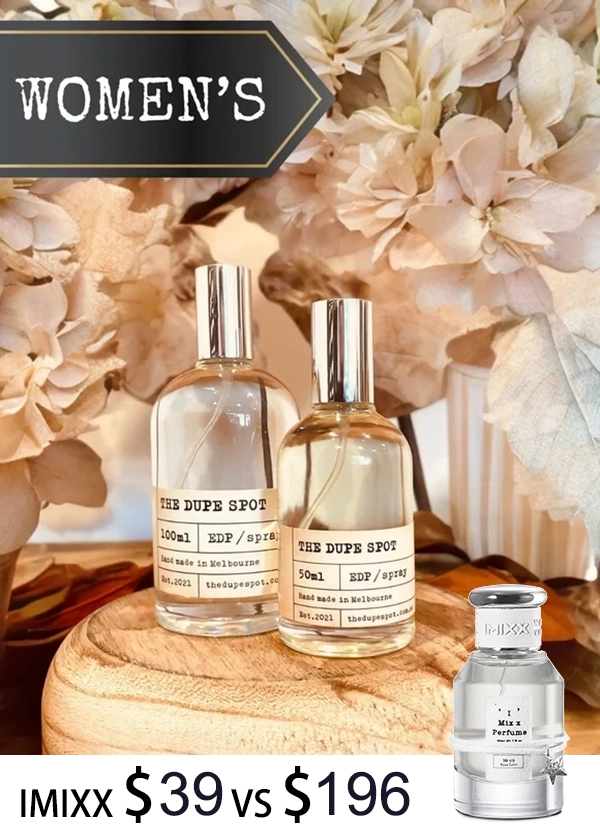
IMIXX Perfume No.62 Inspired by Santal 33
Best for: Buyers who want a sandalwood-forward fragrance experience with a similar modern woody direction at a more accessible price point.
What I notice: Creamy woods, soft spice, warm musk, and a wearable drydown designed for everyday use.
Strength: Strong value, easy daily wear, and a practical option for people who enjoy the Santal 33 style but want to manage cost.
Consideration: As with any inspired fragrance, I recommend evaluating it on skin to confirm how closely the drydown matches your preference.
Tom Ford Santal Blush
Best for: Buyers who want sandalwood with a smoother, more polished, softly spicy luxury profile.
What I notice: Creamy sandalwood, spice, warmth, and a more rounded elegance.
Strength: Refined and luxurious, with a softer interpretation of sandalwood.
Consideration: It does not deliver the same smoky urban leather character, so it may feel less edgy.
How I Wear It for the Best Result
My preferred approach is simple: I apply less than I think I need. This fragrance performs better when it has room to breathe. I usually apply one spray to the back of the neck or one spray to the chest under clothing. If I want more presence, I add one spray to a sleeve or scarf.
I avoid applying too much to the front of the neck because the scent can become overwhelming when it rises directly toward the nose. I also avoid mixing it with strongly scented body lotion, hair products, or deodorant. Competing scents can distort the balance and make the fragrance feel muddier than it should.
For longevity, I apply it to moisturized skin. For projection, I use fabric carefully. For subtlety, I apply under clothing. For evening wear, I use one skin spray and one fabric spray. These small adjustments matter more than many people realize.
My Practical Application Rules
First, I do not overspray. Second, I test it in the actual weather I plan to wear it in. Third, I let the drydown decide whether it works for me. Fourth, I avoid judging it only from a paper strip. Paper can show the structure, but skin reveals the real personality.
I also recommend testing it around people you trust. This fragrance can be polarizing. Some people find it elegant and addictive. Others notice a sharper pickle-like or dill-like nuance from the sandalwood-cardamom interaction. That does not mean the fragrance is bad. It means skin chemistry and perception are part of fragrance evaluation.
What to Know Before Buying
Before buying, I would ask three questions. Do I like dry woods? Do I enjoy gender-neutral scents? Am I comfortable wearing a fragrance that other people may recognize? If the answer is yes, this scent is a strong candidate. If the answer is no, I would test carefully before purchasing.
Another important point is safety and skin sensitivity. Fragrance ingredients in cosmetics must be safe when used as directed, and companies are responsible for proper labeling and safety. The U.S. Food and Drug Administration provides consumer information on fragrance ingredients in cosmetics here: FDA: Fragrances in Cosmetics. I recommend patch testing any new fragrance if you have sensitive skin or a history of fragrance reactions.
I also pay attention to content quality when researching fragrance. Google’s own guidance emphasizes helpful, reliable, people-first content, which is relevant when reading perfume reviews, comparison pages, and buying guides. You can review Google’s content guidance here: Google Search Central: Creating helpful, reliable, people-first content.
Knowledge Point: Why Patch Testing Matters
Even a high-quality fragrance can irritate sensitive skin. I prefer testing a small amount on a limited area first, then waiting to see whether redness, itching, or discomfort occurs. This is especially important for people with known fragrance sensitivities.
Is It Worth the Price?
Value depends on what you expect from a fragrance. If you want the original bottle, the brand experience, the prestige of the label, and the exact scent structure, the price may be justified. If your main goal is to enjoy a similar sandalwood-forward profile for frequent daily wear, then a high-quality inspired option may be more practical.
I do not think every buyer needs the most expensive version of a fragrance experience. I think buyers should decide based on usage. If you wear woody scents every day, cost per wear matters. If you only wear it occasionally, the original may feel more acceptable. If you want to build a rotation, a more accessible version can make sense.
That said, the reason the original remains influential is that it has a strong creative identity. It is not just a pleasant sandalwood perfume. It is a recognizable composition with a specific atmosphere. That identity is the core of its value.
How It Compares to Other Woody Fragrances
Compared with many cedar-heavy fragrances, this one feels smoother and more musky. Compared with many sandalwood scents, it feels drier and more urban. Compared with many leather fragrances, it feels easier to wear. Compared with many spicy scents, it feels less aggressive and more atmospheric.
This is why I place it in a useful middle category. It is not a pure sandalwood soliflore. It is not a heavy leather fragrance. It is not a powdery floral. It is not a clean musk. It borrows from all of those areas while remaining centered on dry woods.
For someone building a fragrance wardrobe, I would position it as a signature woody scent. It can sit next to a fresh citrus, a clean musk, a warm amber, and a formal evening fragrance. It fills the role of an everyday niche-style woody scent better than many more experimental perfumes.
Common Mistakes I See People Make
The most common mistake is overspraying. Because the scent can become familiar to the wearer, people sometimes apply more than necessary. This can make the woody-leathery character feel too dense in shared spaces. I prefer controlled application.
The second mistake is judging the fragrance too quickly. The opening is not the whole story. The drydown is where the scent becomes warmer, softer, and more wearable. Anyone evaluating it should give it several hours.
The third mistake is assuming popularity means lack of quality. Popularity can create fatigue, but it does not automatically erase the strength of the composition. A better question is whether the scent still serves your personal style. For me, it does when worn with restraint.
The fourth mistake is buying without testing. The fragrance is famous, but it is not universally loved. Its dry, spicy, leathery character can be unexpected for people who are used to sweeter mainstream perfumes. Testing protects you from buying based only on reputation.
My Final Verdict
I consider this fragrance a must-have because it succeeds where many modern perfumes fail. It has a clear identity. It feels gender-neutral without being bland. It has good performance without requiring excessive sprays. It works in many real-life settings. It remains culturally relevant while still allowing personal interpretation.
The five reasons are straightforward: the sandalwood signature is memorable, the style is genuinely gender-neutral, the wearability is strong, the performance is reliable, and the cultural identity still has power. I would not recommend it blindly to everyone, but I would recommend it strongly to anyone who loves dry woods, understated luxury, and modern niche-style fragrances.
For me, the best way to wear it is with restraint. One or two sprays can create a refined woody aura that feels intentional rather than loud. That is where this fragrance performs best: not as a status symbol, but as a controlled signature scent with texture, warmth, and recognizable character.
Key-Points FAQ
Is santal 33 le labo worth buying?
Yes, I think it is worth buying if you enjoy dry sandalwood, cedarwood, spice, leather, and gender-neutral fragrances. However, I recommend testing it first because the scent can smell different depending on skin chemistry.
What does santal 33 le labo smell like?
To me, it smells like dry sandalwood, smoky cedar, cardamom, soft violet, iris-like powder, leather, and warm musk. It is woody, spicy, slightly smoky, and modern rather than sweet or fresh.
Is santal 33 le labo masculine or feminine?
I consider it genuinely gender-neutral. It does not follow the typical structure of a traditional men’s cologne or a sweet feminine perfume. It adapts to the wearer and works best as a style-based scent.
How many sprays should I use?
For daily wear, I usually recommend one to two sprays. For evening, two to three sprays can work, but I would avoid overspraying because the fragrance has a recognizable woody trail.
Can I wear it to the office?
Yes, but I would use one spray only. Apply it under clothing or behind the neck so the scent stays controlled in shared professional spaces.
What season is best for this fragrance?
I think it performs best in fall, winter, spring, and cool summer evenings. In high heat, I would apply lightly because the woody-leathery base can feel stronger.

