

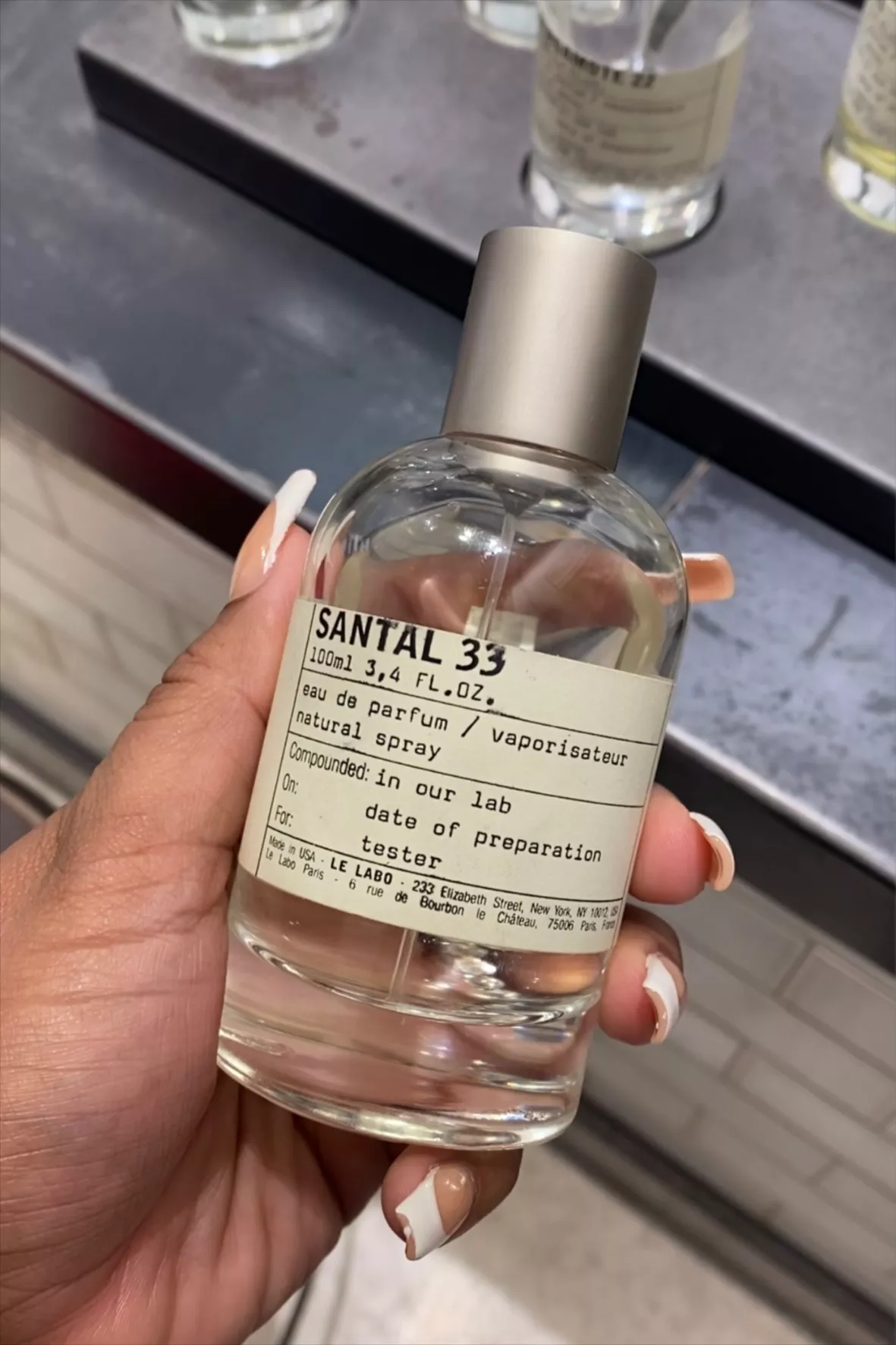
5 Reasons le labo santal 33 perfume Is a Best-Seller
I have always believed that a true fragrance best-seller is created by more than clever marketing. A perfume may generate attention for a season, but lasting popularity requires something deeper: a recognizable identity, emotional appeal, versatility, memorable performance, and the ability to remain relevant even as trends change. That is exactly why le labo santal 33 perfume continues to attract attention from fragrance enthusiasts and casual wearers alike.
From my experience exploring woody fragrances, few scents have created such a recognizable cultural presence while remaining surprisingly personal on skin. For readers who appreciate this distinctive woody style but are also exploring another interpretation of the scent profile, I recommend taking a look at le labo santal 33 perfume. What fascinates me most about the original scent profile is not simply its sandalwood theme, but the tension between dry woods, spice, soft florals, leather, and musk.
In this guide, I want to explain the five reasons I believe this fragrance became a modern best-seller. Rather than repeating marketing claims, I will focus on what actually matters when I wear, evaluate, and compare a fragrance: how recognizable it is, how its composition develops, when it works best, why it appeals across traditional gender categories, and whether its influence extends beyond temporary fragrance hype.
Santal 33 succeeds because it combines a highly recognizable woody signature with unusual versatility. It can feel dry, warm, smoky, leathery, clean, or softly floral depending on the wearer and environment. In my opinion, that combination of identity and flexibility is the foundation of its long-term popularity.
What Does Santal 33 Actually Smell Like?
Before discussing why it became so popular, I think it is important to describe the fragrance honestly. One of the biggest problems with perfume reviews is that they sometimes reduce a complex fragrance to a simple list of notes. Reading “sandalwood, cedar, cardamom, iris, violet, leather, and musk” tells us what materials or impressions may be present, but it does not necessarily explain the experience of wearing the fragrance.
To my nose, the opening feels dry and immediately recognizable. I notice an aromatic, spicy freshness rather than a sweet or juicy opening. The cardamom effect gives the first stage energy, while the woody structure appears quickly. As the fragrance settles, I experience a contrast between dry wood, smooth warmth, soft powdery floral nuances, and a slightly leathery character.
The official Le Labo product description identifies cardamom, iris, violet, Australian sandalwood, cedarwood, leathery tones, and musky elements as important parts of the composition. I find this useful as a technical starting point, although individual skin chemistry and personal scent associations can make the fragrance feel quite different from one person to another.
Some people experience a smooth, warm sandalwood fragrance. Others notice dry cedar, paper, leather, smoke, or a green quality. I have even heard dramatically different personal interpretations of the same fragrance. For me, that variation is not necessarily a weakness. In fact, I believe it is one of the reasons people continue talking about the scent.
| Stage | What I Notice | Overall Impression |
|---|---|---|
| Opening | Dry spice, aromatic freshness, cardamom-like brightness | Distinctive and immediately recognizable |
| Early Drydown | Cedarwood, sandalwood character, muted floral softness | Dry, textured, modern, and sophisticated |
| Late Drydown | Warm woods, musk, soft leather, skin-like warmth | Comforting but still full of character |
| Overall Style | Woody, spicy, musky, floral, slightly leathery | Modern, versatile, and strongly identifiable |
Reason 1: It Has a Scent Signature I Can Recognize Immediately
The first reason I believe Santal 33 became a best-seller is simple: it has an identity. That sounds obvious, but it is surprisingly difficult for a fragrance to achieve.
Many pleasant perfumes smell good but become difficult to describe after I leave the store. They may be smooth, attractive, and technically well constructed, yet they do not leave a clear mental image. Santal 33 does the opposite. Whether someone loves it or dislikes it, the fragrance tends to create a strong reaction and a strong memory.
A Best-Seller Needs More Than Pleasantness
In my experience, memorability is one of the most important factors behind long-term fragrance success. A scent does not need to please every person. It needs to establish a recognizable identity for the people who connect with it.
Santal 33 achieves this through contrast. I smell warmth, but I also detect dryness. I find softness from the floral and musky dimensions, but there is also a rougher cedar and leather character. The fragrance can suggest comfort while still feeling independent and unconventional.
This balance gives the scent what I would call olfactory tension. My attention keeps moving between different impressions rather than settling on one simple idea such as “sweet vanilla,” “fresh citrus,” or “clean musk.”
Why Recognition Matters in Fragrance
When I smell a recognizable fragrance in the air, it creates an immediate connection between scent and memory. That matters because perfume is not experienced like a shirt, watch, or handbag. Other people may notice a fragrance before they identify the person wearing it.
A distinctive scent trail can therefore become part of personal identity. In my opinion, Santal 33 became especially successful because its recognizable character works both privately and socially. I can enjoy the woody drydown close to my skin, while people around me may notice the broader scent profile.
I do not think a best-selling fragrance must smell universally safe. A recognizable fragrance often succeeds because it gives its audience a strong identity. Santal 33 balances this well: the structure is distinctive enough to be memorable, but familiar woody, spicy, floral, and musky elements keep it wearable.
Reason 2: The Woody Composition Feels More Complex Than a Basic Sandalwood Scent
The second reason behind the fragrance’s success is the construction of its woody character. I would never describe it as simply a bottle of sandalwood. The name may make sandalwood the conceptual center, but the wearing experience is built around relationships between several scent families.
The Role of Spice
Cardamom gives the opening movement. Without the spicy aromatic quality, I think the fragrance could feel heavier and more static. Instead, the opening has a dry lift that creates contrast with the deeper wood notes.
I especially appreciate this effect during transitional weather. On a cool morning, the spice can feel energizing. Later in the day, as the composition warms on skin, the woody and musky aspects become more prominent.
The Importance of Iris and Violet
Iris and violet impressions are also important to the scent’s personality. To my nose, they do not turn the fragrance into a traditional floral perfume. Instead, they soften the harder edges of the wood structure and add an almost textural quality.
This is one of the reasons the scent can be difficult to summarize. When I focus on the woods, it feels dry and architectural. When I pay attention to the floral dimension, the composition feels softer and more intimate.
Leather and Musk Create Depth
The leathery and musky elements give the drydown persistence and personality. I do not experience the leather effect as a heavy vintage leather jacket accord. To me, it functions more like texture: dry, slightly rugged, and warm.
The musk helps connect the stronger structural notes to skin. This is where I think the perfume becomes particularly personal. The late drydown can feel very different from the sharper first impression of the opening.
Beauty publications have also continued to recognize the fragrance’s woody appeal. For example, Allure’s fragrance coverage has highlighted Santal 33 in the sandalwood category while describing the role of cardamom, iris, papyrus, cedarwood, and other facets in its broader profile.
For Woody-Fragrance Fans
What I would expect: Dry woods, cedar-like structure, warmth, and a distinctive sandalwood-centered identity.
Best match: Someone who enjoys character-driven woody scents rather than sweet gourmand perfumes.
For Minimalist Fragrance Wearers
What I would expect: A composition that feels visually and stylistically compatible with understated wardrobes and neutral aesthetics.
Best match: Someone who wants a scent with personality but does not want an obviously sugary or traditionally formal perfume.
For Signature-Scent Seekers
What I would expect: A recognizable scent profile capable of becoming associated with the wearer.
Best match: Someone who prefers one memorable fragrance over a large rotation of similar scents.
Reason 3: It Works Across Traditional Gender Categories
The third reason I consider important is the fragrance’s broad appeal across traditional masculine and feminine categories. I do not mean that every person will enjoy it. Fragrance preferences are deeply individual. However, the composition itself does not depend heavily on one conventional gender code.
There is no dominant sugary fruit effect pushing the scent in one stereotypical direction. There is also no aggressive reliance on a classic barbershop structure or heavily conventional masculine freshness. Instead, the fragrance moves through wood, spice, soft florals, leather, and musk.
Why I Think the Balance Works
When I wear a fragrance, I care more about atmosphere than marketing categories. Santal 33 feels particularly successful in this respect because different parts of the composition can speak to different preferences.
Someone who likes dry woods may focus on cedar and sandalwood impressions. Someone who prefers softer perfumes may appreciate the iris, violet, and musky qualities. Someone who enjoys stronger personality may connect with the leather and spicy character.
That does not make the fragrance neutral or anonymous. I think the opposite is true. It has a strong identity without requiring the wearer to adopt a predetermined personality.
The Fragrance Changes With Styling and Context
I also find that Santal 33 takes on a different character depending on how it is worn. With denim, boots, and a casual jacket, the woody and leathery dimensions feel more prominent to me. With a simple white shirt or a minimalist outfit, the fragrance can feel cleaner and more refined.
At night, I notice more warmth. During the day, especially in moderate temperatures, I notice more dryness and aromatic structure.
This flexibility matters commercially because a fragrance that fits multiple identities has more opportunities to become a regular purchase. Rather than being reserved for one specific occasion or style, it can become part of everyday life.
I prefer to start with a controlled number of sprays and evaluate the fragrance over several hours. A strong woody fragrance can feel very different in the first 15 minutes than it does later on skin. I also recommend testing on skin rather than judging only from a paper blotter, because warmth, skin chemistry, climate, and application amount can change the experience.
Reason 4: It Fits More Situations Than Many Statement Fragrances
A fragrance can be distinctive but difficult to wear. That often limits how frequently people reach for it. One reason I believe Santal 33 achieved commercial longevity is that it manages to be recognizable without becoming restricted to one narrow situation.
My Favorite Seasons for This Style
I personally enjoy this scent profile most in fall, spring, and cooler days when the woody structure has room to develop. The dry spice and wood combination feels especially natural when temperatures are moderate.
That said, I do not believe fragrance should be governed by rigid seasonal rules. Application amount matters. Environment matters. Personal preference matters.
In warmer weather, I would generally apply less and avoid overspraying in enclosed spaces. In colder weather, the warm wood and musk aspects can feel more enveloping.
Daytime and Evening Use
Some fragrances clearly communicate either office practicality or evening drama. Santal 33 occupies a useful space between the two.
For daytime wear, I find its dry woody character polished enough for many professional and creative settings when applied thoughtfully. For evening use, the warm, leathery, and musky side gives it enough presence to feel intentional.
This is one of the qualities I look for when evaluating value. I am more likely to appreciate a fragrance when I can imagine wearing it repeatedly rather than only at weddings, formal dinners, or special events.
Casual Wear Is One of Its Greatest Strengths
I think one of the biggest reasons for the fragrance’s success is that it works remarkably well with ordinary life. It does not require formal clothing or a dramatic setting.
I can imagine this style with a T-shirt and jeans, knitwear, office clothing, a casual dinner outfit, or a weekend travel wardrobe. That ease of use creates repetition, and repeated wear is how a fragrance often becomes a signature scent.
| Situation | My Rating | How I Would Wear It |
|---|---|---|
| Everyday Casual Wear | Excellent | Moderate application with simple, relaxed clothing |
| Office or Creative Workplace | Very Good | Light application, especially in shared indoor spaces |
| Date Night | Excellent | Allow time for the warm woody drydown to develop |
| Formal Event | Good | Best for modern or understated styling |
| Travel | Very Good | Useful when I want one versatile woody scent for multiple settings |
Its versatility is also reflected in ongoing editorial attention. Harper’s Bazaar’s Le Labo fragrance guide has discussed Santal 33 as a warm, earthy, noticeable yet understated option. I think that combination of presence and restraint helps explain why people can wear it in so many different settings.
Reason 5: It Became Part of Modern Fragrance Culture
The fifth reason is bigger than the formula itself. Some perfumes become popular products. A smaller number become cultural reference points.
In my opinion, Santal 33 belongs to the second category. Even people who do not collect fragrances may recognize the name. The scent has become part of conversations about modern woody perfumery, signature scents, unisex fragrance, urban style, and the relationship between niche aesthetics and mainstream popularity.
Cultural Recognition Creates a Feedback Loop
Once a fragrance becomes recognizable, something interesting happens. People smell it, ask about it, test it, discuss it, compare it, and recommend it. That cycle creates visibility beyond conventional advertising.
I do not think cultural popularity automatically proves that a fragrance is objectively superior. Perfume is too subjective for that. However, cultural recognition can encourage more people to experience the scent, and a distinctive fragrance is more likely to remain part of that conversation.
Santal 33 has benefited from this kind of momentum. Its visual identity, boutique experience, recognizable scent signature, and word-of-mouth reputation reinforce one another.
It Represents a Particular Kind of Modern Luxury
Traditional fragrance luxury often emphasizes ornament, glamour, elaborate bottles, and formal imagery. The appeal surrounding Santal 33 reflects a different approach.
The presentation is understated. The emphasis is placed on the fragrance name, formula identity, and a laboratory-inspired aesthetic. For many consumers, this creates the impression of something personal and selective rather than loudly decorative.
I believe this matters because modern luxury is not always about visible extravagance. For some buyers, luxury means detail, individuality, atmosphere, and the feeling of discovering something that fits their identity.
Popularity Has Not Eliminated Its Personality
There is an interesting paradox here. A fragrance can become so popular that people begin questioning whether it still feels unique. I understand that concern. However, I separate market popularity from olfactory personality.
A widely recognized song can still have a distinctive melody. A famous chair can still have distinctive design. In the same way, a popular fragrance can still possess an identifiable scent structure.
For me, that is one of the most impressive parts of the Santal 33 story. Its popularity did not come from smelling anonymous. It became popular while maintaining a character that people could recognize and debate.
I consider this an important distinction. Best-selling fragrances often generate both passionate fans and strong critics. Scent perception is personal, and skin chemistry, environment, expectations, and memory all influence the experience. A fragrance can be commercially important without being the right choice for every wearer.
My Santal 33 Wear Test: What I Pay Attention To
Whenever I evaluate a fragrance, I try not to make a final judgment from the opening alone. The first minutes are only one part of the experience.
I normally pay attention to five stages: initial spray, the first 15 minutes, the transition after approximately one hour, the middle of the wearing period, and the final skin scent. I also test fragrances on different days because temperature and humidity can influence my perception.
Opening Impression
The opening feels confident and dry to me. I notice spice and wood early, which immediately tells me that this is not a conventional sweet fragrance.
At this stage, I would encourage new wearers not to make an instant decision. The opening can feel sharper than the later stages.
Middle Development
As the fragrance settles, I find it becomes more balanced. The woods remain central, but softer floral and musky qualities become easier to notice.
This middle stage is where I understand the fragrance’s popularity most clearly. It has personality, but the composition feels comfortable enough for extended wear.
Late Drydown
The late drydown is warmer and closer to the skin. The sharper contrasts soften, leaving a more intimate combination of wood, musk, and leathery warmth.
For me, this stage explains why some people treat the fragrance as a comfort scent despite its strong initial personality. The experience evolves from structured and distinctive to warm and familiar.
How I Compare Santal 33 With Other Fragrance Styles
I think comparisons are most useful when they focus on style rather than pretending two perfumes are identical. Instead of asking whether one bottle is “better” than another, I ask what role each fragrance plays in a wardrobe.
Santal 33 Style
Main direction: Dry woody, spicy, musky, softly floral, leathery.
Why I choose it: When I want a recognizable woody signature with modern character.
Best for: Everyday signature wear, casual evenings, creative settings, cooler or moderate weather.
Fresh Citrus Style
Main direction: Bright, clean, energetic, sparkling.
Why I choose it: When I want immediate freshness and an easy daytime feeling.
Best for: Warm weather, mornings, casual daytime activities, and situations where subtle freshness is the priority.
Sweet Gourmand Style
Main direction: Vanilla, caramel, dessert-like warmth, sweetness.
Why I choose it: When I want richness, comfort, and obvious sweetness.
Best for: Cold weather, evening use, and occasions where I want a sweeter impression.
Classic Aromatic Style
Main direction: Herbs, citrus, woods, clean aromatic structure.
Why I choose it: When I want a familiar, polished, traditionally fresh profile.
Best for: Professional environments, daytime use, and conservative fragrance wardrobes.
From this perspective, Santal 33 occupies a valuable position. It is more distinctive than a simple fresh scent, less obviously sweet than a gourmand fragrance, and less conventionally structured than many classic aromatic perfumes.
That middle ground gives it broad usefulness without removing its identity.
Who I Think Will Enjoy Santal 33 Most
I never believe that popularity alone is a good reason to purchase a fragrance. Before choosing any perfume, I think about how the scent fits the wearer’s preferences and lifestyle.
You May Enjoy It If You Like Dry Woods
If cedar, sandalwood impressions, dry spice, leather, and musk sound appealing, I think the fragrance is worth testing. The composition is especially relevant for people who find very sweet perfumes tiring.
You May Enjoy It If You Want a Recognizable Signature Scent
Some people enjoy changing fragrance every day. Others prefer one scent that friends, partners, or colleagues begin associating with them.
I think Santal 33 makes sense for the second group because the profile is recognizable enough to build scent memory.
You May Enjoy It If You Prefer Modern Unisex Styling
I find the fragrance particularly compatible with people who do not want their scent wardrobe restricted by traditional gender labels.
The balance of spice, woods, soft florals, leather, and musk allows different wearers to emphasize different dimensions of the composition.
You Should Test It First If You Are Sensitive to Strong Woody Scents
I also want to be honest about who may struggle with it. If you strongly dislike dry woods, cedar-like effects, leather impressions, or fragrances with a recognizable trail, this may not be your ideal scent profile.
I always recommend skin testing when possible. A fragrance can smell one way on paper and develop differently on warm skin over several hours.
How I Make a Woody Fragrance Last Longer
Performance varies from person to person, and I avoid promising an exact number of hours because that depends on skin, climate, application, and individual perception. However, several habits help me get a better wearing experience from fragrance.
I Apply to Clean, Moisturized Skin
Dry skin can sometimes make fragrance feel less persistent to me. Applying an unscented moisturizer before fragrance can provide a smoother base without introducing a competing aroma.
I Avoid Aggressively Rubbing My Wrists
After spraying, I prefer to let the fragrance settle naturally. My goal is to observe the composition as it develops rather than immediately spreading it through repeated rubbing.
I Consider Clothing Carefully
Fragrance may remain noticeable on fabric differently than on skin, but I am cautious because some liquids can potentially affect delicate materials. I test carefully and follow product-care recommendations.
I Adjust the Number of Sprays to the Environment
More is not always better. In a small office, airplane cabin, restaurant, or meeting room, I prefer a restrained application. Outdoors or in cooler weather, fragrance behavior may feel different.
I want people near me to discover my fragrance, not have the fragrance enter the room several minutes before I do. Controlled application usually creates a more refined experience for everyone.
Why I Think Santal 33 Has Stayed Relevant
Fragrance trends move quickly. One year may emphasize very sweet gourmand perfumes, another clean skin musks, intense amber styles, or nostalgic florals. Yet some fragrances remain part of the conversation through several trend cycles.
I think Santal 33 has survived changing tastes because it is attached to a clear idea rather than a temporary novelty.
The fragrance communicates wood, dryness, warmth, atmosphere, and modern simplicity. Those ideas can be interpreted through clothing, interiors, travel, urban culture, and personal style. In other words, the scent belongs to a broader aesthetic world.
I also believe the fragrance benefits from contradiction. It can feel rugged yet polished. Familiar yet unusual. Warm yet dry. Noticeable yet understated in character. These contrasts keep the experience interesting.
Is Santal 33 Worth the Attention?
For me, the answer depends on what someone expects from perfume.
If the goal is to find a universally safe fragrance that never generates a strong opinion, I would probably explore softer and more conventional scent profiles. But if the goal is to understand why modern woody perfumery became so influential, Santal 33 deserves serious attention.
I believe its status comes from five connected strengths: immediate recognition, a layered woody composition, broad unisex appeal, real-world versatility, and cultural influence.
No single factor would have been enough. A recognizable fragrance that is difficult to wear can remain a niche curiosity. A versatile fragrance without personality can disappear among hundreds of alternatives. A well-marketed fragrance without an engaging scent experience can lose attention when the campaign ends.
Santal 33 brings together identity and usability, which is a much harder combination to achieve.
My Final Verdict on Why Santal 33 Is a Best-Seller
After looking beyond the hype, I understand why this fragrance became so successful. The most important reason is not simply that sandalwood became fashionable. It is the way the complete fragrance creates a recognizable emotional atmosphere.
I experience dryness, warmth, spice, woods, floral softness, leather, and musk without feeling that one dimension completely eliminates the others. That complexity gives me something new to notice during different stages of wear.
I also believe the fragrance arrived at the intersection of several important consumer preferences: interest in signature scents, growing comfort with unisex fragrance, appreciation for understated luxury, and demand for perfumes that work in both casual and social environments.
Most importantly, it is memorable.
When I think about the fragrances that disappear from my memory after testing dozens of samples, they are rarely technically terrible. Many are pleasant. What they lack is a reason for me to think about them again.
Santal 33 gives people a reason to remember it, discuss it, recommend it, debate it, and compare other fragrances with it. In the fragrance world, that kind of identity is extremely valuable.
That is why, in my view, Santal 33 is more than a temporarily popular woody perfume. It has become a reference point in modern fragrance culture, and its combination of distinctive character and practical versatility explains why it continues to attract new wearers.
Key Points FAQ
Why is Santal 33 so popular?
I believe Santal 33 is popular because it combines a recognizable woody signature with excellent versatility. Its mix of dry woods, spice, muted floral qualities, leather, and musk creates a scent that is distinctive but still wearable in many everyday situations.
What does Santal 33 smell like?
To my nose, it smells dry, woody, spicy, musky, and slightly leathery, with a softer floral dimension emerging as it develops. I notice cardamom-like spice early, followed by cedar and sandalwood impressions, then a warmer musky and leathery drydown.
Is Santal 33 for men or women?
I consider it a genuinely unisex fragrance style. The composition combines traditionally rugged elements such as woods and leather with softer floral and musky qualities. I think it is better to choose it according to personal scent preference rather than gender labels.
When is the best time to wear Santal 33?
I especially enjoy this fragrance style in fall, spring, and cooler weather, although thoughtful application can make it suitable for many situations. I find it appropriate for casual wear, creative workplaces, dinners, dates, travel, and many evening settings.
Can Santal 33 work as a signature scent?
Yes. In my opinion, its recognizability is one of its greatest strengths. A signature scent should fit regular life while remaining memorable, and Santal 33 has a distinctive profile that can become strongly associated with the wearer.
Is Santal 33 a sweet perfume?
I would not classify it as a strongly sweet fragrance. My experience is dominated by dry woods, aromatic spice, soft florals, musk, and leather-like texture. Wearers who mainly prefer dessert-like vanilla or caramel fragrances may find it noticeably drier than expected.
Should I test Santal 33 before buying it?
Yes, I recommend testing it on skin whenever possible. Fragrance perception is highly personal, and this particular scent can produce different associations for different people. I would wear a sample for several hours before making a final decision.
Why does Santal 33 smell different on different people?
My experience is that fragrance can appear different because of application amount, skin characteristics, temperature, humidity, surrounding odors, and individual scent perception. The same woody composition may seem warmer, drier, softer, greener, or more leathery depending on the wearer and environment.

