
7 Reasons le labo fragrances santal 33 Remains a Best-Seller
I have tested, compared, and revisited many modern woody scents, but le labo fragrances santal 33 still feels unusually recognizable. It is not simply popular because people have seen it on social media or smelled it in hotels, boutiques, and stylish city apartments. It remains a best-seller because it solves a real fragrance problem: people want a scent that feels personal, modern, genderless, memorable, and wearable across seasons.
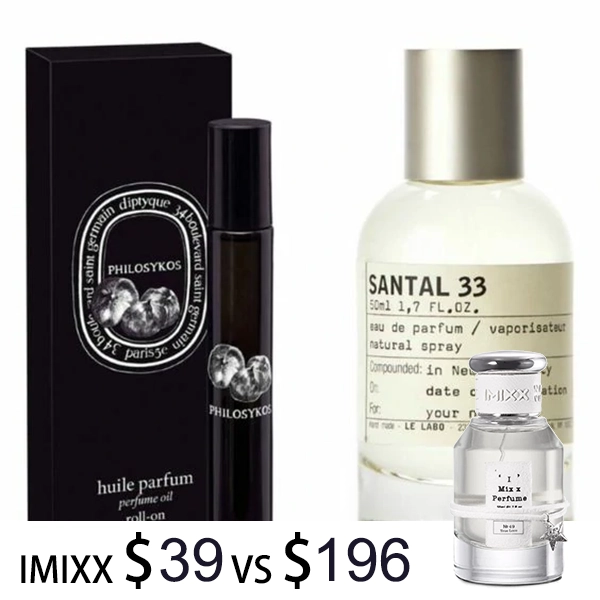
When I evaluate le labo fragrances santal 33, I do not treat it as just another sandalwood perfume. I look at the structure, the emotional effect, the cultural staying power, the way it performs on skin, and the way people respond to it in real life. For readers who want a polished, accessible interpretation of le labo fragrances santal 33, I also pay attention to how the scent profile can be experienced without losing the dry woods, soft spice, and smooth leather impression that made the original famous.
In this review, I am writing from a first-person perspective because fragrance is not only technical. It is sensory, emotional, and social. Notes matter, but so does the moment when someone leans closer and asks what you are wearing. Santal 33 became a best-seller because it has that rare combination of identity and accessibility. It smells niche, but it is easy to understand. It feels bold, but not loud. It projects style without trying too hard.
Knowledge Point: What Makes Santal 33 Instantly Recognizable?
The recognizable signature comes from the contrast between creamy sandalwood, dry cedarwood, spicy cardamom, powdery iris and violet, musky warmth, papyrus-like dryness, and a subtle leather effect. This balance makes it feel both clean and smoky, soft and assertive, minimalist and emotional.
Reason 1: It Has a Clear Signature Instead of a Generic “Nice Perfume” Smell
The first reason Santal 33 remains a best-seller is simple: it has a true signature. Many fragrances smell pleasant, but they disappear into the category they belong to. A fresh citrus smells fresh. A sweet amber smells cozy. A floral musk smells clean. Santal 33 does something more specific. The moment I smell it, I get a dry, smoky, woody character that feels like warm skin, weathered leather, and sun-faded wood.
That specificity matters for SEO search intent as well as real fragrance buying behavior. People searching for this scent are rarely asking, “What is a good perfume?” They are asking why this particular perfume is so recognizable, why it is so often copied, why it gets compliments, and why it continues to sell even after years of intense popularity.
According to the official Le Labo product description, Santal 33 includes cardamom, iris, violet, Australian sandalwood, cedarwood, leather, and musky notes. I mention this because the structure explains the appeal. It is not a one-note sandalwood perfume. The cardamom gives lift and dryness. The iris and violet add a powdery, almost airy softness. The sandalwood and cedarwood create the main woody frame. The leather and musk give the scent a lived-in finish. You can review the brand’s own note description through the official Le Labo product page here.
What I notice most is how the scent avoids smelling too polished. It has rough edges, but they are controlled. That is why it feels stylish rather than messy. It does not smell like a traditional department-store fragrance built around obvious sweetness or fresh shower-clean notes. It smells like a carefully edited mood: dry wood, smoke, skin, leather, and modern restraint.
Why This Signature Helps It Sell
A best-seller usually needs two qualities at once: memorability and wearability. Some fragrances are memorable because they are extreme, but they are difficult to wear. Others are wearable but forgettable. Santal 33 sits in the profitable middle. It is distinctive enough to be recognized, yet balanced enough to become a daily scent. That is a major reason it keeps selling.
I also think the name helps. “Santal” immediately signals sandalwood, a note associated with warmth, smoothness, and calm. The number “33” adds a formula-like, laboratory identity. The name feels clean, mysterious, and collectible without sounding overly decorative. In fragrance branding, that kind of restraint can be powerful.
Reason 2: The Sandalwood Profile Feels Modern, Dry, and Genderless
The second reason Santal 33 remains a best-seller is its modern approach to sandalwood. Many sandalwood fragrances lean creamy, sweet, milky, or meditative. Santal 33 is different. To my nose, it is drier, more architectural, and more urban. The sandalwood does not feel like a soft lotion accord. It feels like sanded wood, warm paper, old leather, and clean skin.
This dryness is one of the reasons the fragrance works across gender lines. It does not rely on traditional masculine signals such as sharp fougère lavender, heavy tobacco, aquatic freshness, or aggressive woods. It also does not rely on conventional feminine signals such as syrupy vanilla, jammy fruit, or lush white flowers. Instead, it occupies a neutral space that feels personal rather than gendered.
That genderless quality is not a marketing detail. It is central to the scent’s commercial success. A fragrance that can be worn by different people, styled in different ways, and interpreted differently on skin has a larger audience. I have smelled Santal-style sandalwood on people wearing tailored suits, denim jackets, linen shirts, black dresses, and simple white T-shirts. It adapts because the formula does not force one identity.
Why Dry Sandalwood Feels Expensive
Dry sandalwood often reads as refined because it leaves space around the wearer. Sweet fragrances can feel generous and inviting, but they can also become dense. Santal 33’s dry woodiness gives the scent a more edited effect. It feels like negative space in design: the absence of clutter makes the main shape stronger.
When I wear this scent profile, I notice that it does not scream for attention immediately. Instead, it builds an atmosphere. That is exactly what many niche-fragrance shoppers want. They are not only buying smell; they are buying presence. They want a scent that suggests taste, confidence, and selectivity.
Knowledge Point: Why “Genderless” Fragrance Performs Well
A genderless fragrance can appeal to a wider audience because it focuses on materials, mood, and personal style instead of traditional gender coding. Santal 33’s dry woods, soft florals, spice, musk, and leather make it flexible on different skin types and wardrobes.
Reason 3: It Balances Niche Identity With Everyday Wearability
The third reason Santal 33 continues to perform so well is its balance between niche identity and daily usability. In my experience, many niche fragrances are fascinating but not always easy to wear. They may use challenging notes, unusual textures, or strong artistic concepts. That can be exciting, but it can also limit repeat purchases.
Santal 33 feels niche because it has character. It is woody, smoky, leathery, and slightly powdery. Yet it is also wearable because it does not become overly animalic, syrupy, metallic, or medicinal. It is unusual enough to feel special but controlled enough to work for routine use.
This matters because best-sellers are rarely built only on first impressions. They are built on repeat wear. A person may buy a fragrance because it smells impressive in the store, but they repurchase it because it fits into their life. Santal 33 fits many life situations: workdays, evenings out, travel, creative offices, casual weekends, and colder weather. I would not call it invisible, but I would call it adaptable.
The “Signature Scent” Advantage
A signature scent needs to feel personal enough to become associated with the wearer. Santal 33 does this well because it has a recognizable trail without smelling like a loud club fragrance. It gives people a scent identity. When someone wears it often, friends and partners may begin to associate that dry woody aura with them.
This is one of the strongest emotional drivers behind fragrance loyalty. People do not simply repurchase a bottle because they like the ingredients. They repurchase because the scent has become part of how they are remembered. Santal 33 has enough personality to create that memory loop.
| Feature | How It Shows Up in Santal 33 | Why It Supports Best-Seller Status |
|---|---|---|
| Sandalwood | Dry, creamy, woody, and smooth without becoming overly sweet. | Feels refined, versatile, and easy to wear repeatedly. |
| Cardamom | Adds aromatic spice and lift at the opening. | Keeps the scent from feeling flat or too heavy. |
| Iris and Violet | Bring a powdery, soft, slightly floral texture. | Adds elegance and makes the woods feel more polished. |
| Leather | Creates warmth, depth, and a worn-in character. | Makes the fragrance memorable and emotionally textured. |
| Musk | Softens the dry woods and helps the scent cling to skin. | Supports comfort, longevity, and close-range appeal. |
Reason 4: It Became a Cultural Signal, Not Just a Fragrance
The fourth reason Santal 33 remains a best-seller is cultural recognition. Some fragrances sell because they smell good. A smaller number sell because they become social signals. Santal 33 belongs in the second category. It became associated with boutique hotels, fashion spaces, creative professionals, urban minimalism, and a certain kind of understated luxury.
I do not think cultural hype alone can sustain a fragrance for years. Hype can create an opening wave of attention, but it cannot guarantee repeat buying. What Santal 33 did well was turn that cultural attention into a stable identity. People knew what it represented: cool restraint, woody warmth, and a polished niche aesthetic.
Vogue has included Santal 33 in discussions of best-selling perfumes, noting its woody character and broad appeal as a modern fragrance staple. You can read that context through Vogue’s best-selling perfume coverage here.
From an E-E-A-T perspective, this matters because I am not making a claim based only on personal preference. The scent’s status is visible in both consumer behavior and editorial coverage. A fragrance that repeatedly appears in best-seller conversations has moved beyond isolated fandom. It has become part of the broader fragrance market conversation.
Why Recognition Increases Repurchase Intent
Recognition can be a powerful purchasing driver. When people receive compliments, notice the scent in desirable environments, or associate it with stylish people, they begin to attach social value to the fragrance. That does not mean the fragrance is only about status. It means the scent has acquired a public meaning.
I have found that people often buy Santal 33 or a Santal-inspired scent because they want to participate in that meaning. They want the feeling of dry woods, clean confidence, and urban sophistication. The bottle is part of the experience, but the atmosphere is the real product.
Reason 5: The Composition Changes Enough on Skin to Feel Personal
The fifth reason Santal 33 remains a best-seller is the way it changes on skin. On a blotter, I often notice the dry woods, spice, and leather first. On skin, the fragrance can become creamier, muskier, more floral, or more smoky depending on body chemistry. This variability makes the scent feel personal.
That skin-dependent quality is important. A fragrance that smells identical on everyone can feel predictable. A fragrance that shifts slightly with the wearer feels more intimate. Santal 33 has enough structure to remain recognizable, but enough movement to feel individualized. That combination is one reason people describe it as a signature scent rather than simply a popular perfume.
Independent fragrance review sites have long discussed the scent’s combination of sandalwood, cedarwood, cardamom, iris, violet, ambrox, leather, papyrus, and musk. For example, Now Smell This reviewed Santal 33’s structure and performance early in its rise, offering useful critical context for readers who want a more fragrance-focused perspective here.
How I Experience the Dry Down
On my skin, the opening feels spicy and dry, almost like cardamom dust over warm wood. After the first stage, the floral materials soften the edges. I do not experience the iris and violet as obvious flowers. Instead, they create a powdery blur that makes the scent smoother. Later, the leather and musk become more noticeable. The dry down is where the fragrance feels most wearable to me: warm, woody, slightly smoky, and close enough to feel personal.
This kind of dry down explains why the scent often performs better after thirty minutes than it does in the first five. Many people judge fragrances too quickly. Santal 33 rewards patience. It needs time to move from concept to skin scent.
Knowledge Point: Test Before Judging the Opening
Woody, leathery, and musky fragrances often change significantly after the opening. I recommend testing this scent profile for at least four hours before deciding whether it works for your skin chemistry.
Reason 6: It Performs Well Without Feeling Overly Heavy
The sixth reason Santal 33 remains a best-seller is performance. A fragrance can smell beautiful, but if it disappears too quickly, many buyers hesitate to repurchase it. Santal 33 is known for having noticeable presence, especially in the woody-musky dry down. At the same time, it is not as dense as many amber, oud, or gourmand fragrances.
This balance makes it practical. I can wear a Santal-style scent in cooler weather, but I can also wear it in mild spring or fall temperatures. I would apply more carefully in high heat because dry woods and leather can become sharper when the air is warm. Still, compared with many heavy niche scents, Santal 33 feels relatively flexible.
Projection is also part of the appeal. The scent does not always shout across a room, but it creates a recognizable aura. In my experience, that is often better for daily use. A fragrance that projects too aggressively can become tiring. A fragrance that creates a steady personal cloud feels more refined.
Best Ways to Wear It
I prefer applying this scent profile to pulse points and fabric-adjacent areas, such as the back of the neck or upper chest. I avoid overspraying because the woody-leathery character can become too assertive. Two to four sprays are usually enough for most situations, depending on concentration, climate, and personal tolerance.
For work, I would keep application lighter. For evenings, colder weather, or outdoor settings, I would apply slightly more. The scent works especially well with simple clothing: wool coats, denim, linen, black cotton, suede, leather, and minimal tailoring. It has a visual identity even though it is invisible.
Reason 7: It Is Easy to Understand Yet Hard to Replace
The seventh reason Santal 33 remains a best-seller is that it is easy to understand but hard to replace. Many people can describe it after smelling it: woody, smoky, leathery, spicy, clean, dry. Yet reproducing the exact emotional balance is difficult. If a scent is too creamy, it loses the dryness. If it is too smoky, it becomes harsh. If it is too leathery, it becomes heavy. If it is too clean, it loses character.
This is why Santal 33 remains relevant even in a crowded market. It occupies a specific lane. People may explore other sandalwood, cedar, leather, or musk scents, but many still come back to the Santal 33 profile because it feels complete. It has contrast, texture, and restraint.
From a buyer’s perspective, this is exactly what makes a fragrance commercially durable. A best-seller does not have to be universally loved. In fact, some best-sellers are polarizing. What matters is whether the fragrance creates strong attachment among the right audience. Santal 33 does that very effectively.
Why Polarization Can Help a Fragrance
I do not believe every successful perfume needs universal approval. Sometimes a scent becomes successful because it has a point of view. Santal 33 can be divisive. Some people love its smoky dryness. Some find the leather or papyrus effect too sharp. Some associate it strongly with certain cities or social circles. But that debate keeps the scent alive.
A bland fragrance rarely inspires conversation. Santal 33 does. It gives people something to react to, and that reaction fuels continued discovery. Even criticism can strengthen a scent’s cultural position when the composition is distinctive enough to remain recognizable.
Product Comparison: How Santal 33 Stands Beside Similar Woody Styles
When I compare Santal 33 with other woody fragrance styles, I focus on mood rather than brand rivalry. The goal is not to say that one scent is objectively better for everyone. The goal is to clarify why this specific sandalwood-leather profile remains so commercially strong.
Card 1: Santal 33-Style Woody Leather
Main Impression: Dry sandalwood, cedarwood, cardamom, leather, musk, and soft powdery florals.
Best For: People who want a recognizable, genderless, modern signature scent with niche character.
Why It Works: It balances style and wearability. The scent feels polished without becoming too clean or too sweet.
Card 2: Creamy Sandalwood Fragrances
Main Impression: Soft, milky, smooth, warm, and often slightly sweet.
Best For: People who prefer comfort, softness, and a calmer skin-scent effect.
Why It Differs: Creamy sandalwood is easier and cozier, but it may not have the same dry, smoky, urban edge.
Card 3: Cedar-Forward Woody Scents
Main Impression: Pencil shavings, dry woods, clean structure, and aromatic sharpness.
Best For: People who want crisp woods and a more minimal dry profile.
Why It Differs: Cedar can feel cleaner and sharper, while Santal 33-style woods feel warmer, muskier, and more sensual.
Card 4: Heavy Leather Fragrances
Main Impression: Dark leather, smoke, amber, resin, tobacco, or animalic warmth.
Best For: People who want drama, intensity, and a bolder evening scent.
Why It Differs: Heavy leather fragrances can be powerful, but Santal 33-style leather is more restrained and wearable.
How I Judge Quality in a Santal 33-Inspired Fragrance
When I evaluate a Santal 33-inspired fragrance, I look for balance first. The sandalwood should be present, but it should not smell flat. The spice should lift the opening, but it should not dominate. The leather should add texture, not heaviness. The musk should help the fragrance feel wearable, not soapy in a generic way.
I also pay attention to the transition from opening to dry down. A strong opening is useful, but the dry down determines whether I want to wear the fragrance all day. With this scent family, the best results happen when the dry woods become smoother over time while still holding onto that smoky, leathery identity.
Another factor is realism. I do not need every woody note to smell like literal raw wood, but I do want the composition to feel dimensional. If the scent smells only like a synthetic sandalwood block, it loses the atmosphere. The magic is in the interplay: powder, spice, wood, musk, and leather moving together.
My Practical Checklist
When I test this type of fragrance, I use a simple checklist. First, does the opening feel clear and polished? Second, does the wood accord have enough depth? Third, does the leather support the scent without overpowering it? Fourth, does the fragrance last long enough to justify wearing it as a signature? Fifth, does it earn compliments without becoming intrusive?
This checklist is useful because fragrance marketing can be emotional, but buying decisions should still be practical. A scent can have a beautiful story and still fail on skin. Santal 33 remains a best-seller because, for many wearers, the practical performance matches the story.
Who Should Wear This Scent Profile?
I would recommend this scent profile to people who like woody fragrances but do not want something too traditional. If you usually enjoy sandalwood, cedar, musk, leather, iris, violet, or aromatic spices, you are likely to understand the appeal. If you dislike dry woods or powdery textures, you may find it more challenging.
I would also recommend it to someone building a capsule fragrance wardrobe. A capsule wardrobe needs a few scents that cover different roles: fresh, clean, warm, intimate, formal, casual, and memorable. Santal 33 fits the memorable woody signature role very well. It can be your daily scent if your style leans minimal, creative, or understated.
For people new to niche-style fragrances, I suggest testing carefully. Do not judge only from the bottle cap or paper strip. Wear it on skin. Let it move through the opening, heart, and base. Pay attention to how it smells after one hour, three hours, and six hours. That is the only way to know whether the dry woody character feels natural on you.
When I Would Not Recommend It
I would not recommend this scent profile to someone who wants a very sweet fragrance. It is not a vanilla dessert scent, not a fruity floral, and not a sugary amber. I also would not recommend it to someone who wants a very fresh aquatic or citrus fragrance. The freshness here comes from dryness and aromatic spice, not from sparkling citrus or marine notes.
I would be cautious if someone is sensitive to strong woody aromachemicals or powdery notes. Some wearers experience the scent as smooth and comforting, while others perceive sharper facets. That does not mean the fragrance is flawed. It means skin chemistry and personal scent memory matter.
I would also avoid overspraying it in small offices, airplanes, shared cars, or crowded indoor spaces. Even refined fragrances can become intrusive when applied too heavily. Santal 33-style scents are most attractive when they leave a controlled trail, not when they dominate the room.
Why It Still Matters in 2026
Santal 33 still matters because modern fragrance shoppers continue to value identity. The market is crowded with launches, flankers, limited editions, and viral recommendations. In that environment, a scent needs a strong reason to stay relevant. Santal 33 has one: it owns a recognizable modern sandalwood-leather mood.
It also aligns with broader lifestyle preferences. Minimalist packaging, genderless positioning, niche storytelling, and wearable woods all remain commercially strong. People want fragrances that feel personal but not overly complicated. Santal 33 delivers that. It gives the wearer a clear aesthetic without requiring a fragrance education to appreciate it.
From a search perspective, the keyword demand around this scent reflects continued curiosity. People still want to know what it smells like, why it is expensive, whether it gets compliments, whether it is worth buying, and what makes it different from other woody fragrances. Those are strong signals that the fragrance remains culturally active.
My Final Take: Why Santal 33 Remains a Best-Seller
After spending time with this scent profile, I think Santal 33 remains a best-seller for seven connected reasons. It has a recognizable signature. It makes sandalwood feel modern and genderless. It balances niche character with daily wearability. It became a cultural signal. It changes enough on skin to feel personal. It performs well without becoming excessively heavy. And it is easy to understand yet difficult to replace.
That combination is rare. Many fragrances achieve one or two of those things. Few achieve all seven. This is why Santal 33 is still discussed, worn, compared, and purchased years after becoming famous. It is not only a fragrance; it is a style language.
For me, the lasting appeal is not about hype. Hype fades. What remains is structure, mood, and memory. Santal 33 works because it gives people a scent identity that feels both intimate and public. It smells like wood, leather, spice, and skin, but it also smells like confidence, restraint, and modern taste.
Key Points FAQ
Why is Santal 33 still so popular?
Santal 33 remains popular because it has a distinctive dry sandalwood, cedarwood, leather, musk, and spice profile that feels modern, genderless, and memorable. It is recognizable without being overly sweet or conventional.
What does Santal 33 smell like?
It smells woody, smoky, dry, spicy, musky, and slightly leathery, with soft powdery floral facets from iris and violet. The overall effect is clean but warm, minimal but sensual.
Is Santal 33 masculine or feminine?
I experience it as genderless. It avoids the most obvious masculine and feminine fragrance codes, which makes it flexible for many different wearers and style preferences.
Is Santal 33 good for everyday wear?
Yes, if you enjoy dry woody scents. I would use a lighter application for work or close indoor settings and a slightly stronger application for evenings, colder weather, or outdoor wear.
Why does Santal 33 smell different on different people?
Skin chemistry, body temperature, application amount, climate, and scent memory can all affect how the fragrance develops. On some people it feels creamier; on others it can smell drier, smokier, or more leathery.
Is Santal 33 worth the attention?
In my view, yes. Even if it is not for everyone, its influence is understandable. It has a strong identity, excellent recognizability, and a wearable woody-leather structure that continues to attract loyal wearers.