

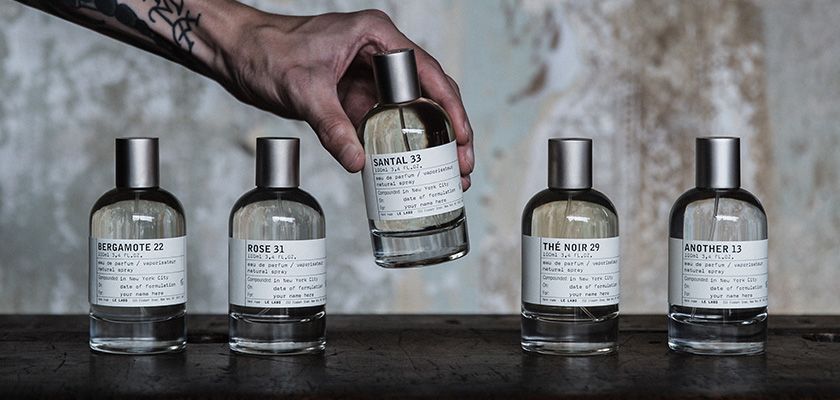
Why le labo 33 santal Remains a Top-Selling Fragrance
When I think about modern niche fragrances that crossed over into mainstream culture, le labo 33 santal is one of the first names that comes to mind. It is not simply a perfume people buy once because of online hype. It has remained visible for years because it offers a recognizable scent identity, a minimalist lifestyle image, and a type of dry, smoky sandalwood character that feels both intimate and public-facing.
I have smelled many sandalwood fragrances, from creamy designer releases to sharp woody niche formulas, but le labo 33 santal still occupies a very specific space. It does not smell like a traditional sweet cologne. It does not lean heavily floral, gourmand, aquatic, or conventionally masculine. Instead, it sits in a dry, textured, slightly leathery woody zone that feels personal while still projecting enough to be noticed.
For shoppers who want the same recognizable mood at a more accessible price point, I often see interest in le labo 33 santal inspired options because the fragrance has become a reference point in modern perfumery. The key is not just finding a cheaper scent. The real question is whether a fragrance can capture the balance of sandalwood, spice, leather, musk, and airy dryness that made the original so recognizable.
In this article, I will break down why this fragrance remains a top seller, how its scent structure works, why it became so culturally sticky, and what buyers should consider before choosing either the original bottle or an inspired alternative from imixx perfume.
Article Table
| Section | What I Cover | Why It Matters |
|---|---|---|
| Scent Profile | Sandalwood, cardamom, iris, violet, cedarwood, leather, musk, and amber-like warmth | Explains why the fragrance feels dry, smoky, woody, and gender-neutral |
| Popularity | Cultural visibility, boutique branding, social recognition, and repeat wear | Shows why it became more than a fragrance trend |
| Performance | Longevity, projection, drydown, and skin chemistry | Helps buyers decide whether it fits daily use |
| Value | Original luxury pricing versus imixx perfume inspired options | Clarifies what shoppers are really paying for |
What Makes This Fragrance So Recognizable?
The first reason this fragrance remains a top seller is simple: it is easy to recognize. Many perfumes smell pleasant, but not all of them create an instant memory. This scent has a signature built around dry sandalwood, spicy cardamom, violet-like softness, iris texture, cedarwood, leather, musk, and amber-like warmth. Le Labo’s official description highlights cardamom, iris, violet, Australian sandalwood, cedarwood, leather, musk, and ambergris-like facets, which explains why the fragrance feels both woody and atmospheric. For reference, the official Le Labo product page lists the fragrance’s note structure and positioning here: Le Labo Santal 33 official page.
What I notice most is the contrast. The sandalwood does not come across as overly creamy in the way some traditional sandalwood perfumes do. Instead, it has a dry, airy, smoky quality. The cardamom gives the opening lift and spice. The floral materials do not turn the fragrance into a floral perfume; they soften the edges and make the woods feel less flat. The leather note gives it a lived-in texture, almost like worn suede, while the musk helps the drydown settle close to the skin.
This combination creates a scent that feels both clean and rugged. That duality is one of the reasons people continue to buy it. It can smell polished in an office, relaxed with denim, or quietly seductive at night. It does not need a formal setting to make sense, and it does not disappear into the background like many minimal woody scents.
The Scent Has a Strong Memory Hook
Some perfumes are successful because they smell beautiful. Others succeed because they become memorable. This fragrance does both, but the memory hook is especially important. The first time I smelled it in public, I understood why people ask, “What are you wearing?” It has enough projection to leave a trail, and the smoky sandalwood signature is distinct enough to stand apart from sweeter mainstream perfumes.
That recognizability can be an advantage or a drawback depending on the wearer. Some people love the fact that it is identifiable. Others feel it became too common in certain cities and social circles. But from a sales perspective, recognizability is powerful. A perfume that people can identify, discuss, recommend, and search for has a better chance of staying commercially relevant.
Why It Became a Cultural Fragrance, Not Just a Perfume
Many fragrances sell well for a season. Fewer become part of a cultural vocabulary. This fragrance did not remain popular only because of the liquid in the bottle. It became associated with boutique hotels, creative professionals, minimalist interiors, fashion retail, city apartments, and a certain understated luxury aesthetic.
GQ has described Santal 33 as a fragrance closely tied to downtown New York and the 2010s, which reflects how strongly it became associated with a particular urban lifestyle. You can read GQ’s broader Le Labo ranking and cultural framing here: GQ’s best Le Labo perfumes ranking.
That cultural association matters because fragrance is not only about smell. People use perfume to signal taste, mood, identity, and belonging. This scent became shorthand for a particular kind of taste: minimal, design-aware, gender-fluid, quietly expensive, and slightly unconventional.
The Bottle and Label Helped the Story
I do not think the packaging alone would have made the fragrance famous, but it did reinforce the brand image. The apothecary-style label, simple bottle, and made-for-you feeling created a sense of personal ritual. Instead of looking like a typical luxury fragrance covered in gold, glass weight, and ornate branding, the bottle feels stripped back and utilitarian.
That design language helped the fragrance fit into modern interiors and lifestyle photography. It looked good on bathroom counters, hotel vanities, retail shelves, and social media posts. In other words, the product had visual shareability before many beauty brands fully understood how important that would become.
The Unisex Appeal Keeps the Customer Base Broad
Another reason this fragrance continues to sell is its broad gender appeal. It does not rely on the typical markers of masculine fragrance, such as heavy aromatics, aquatic freshness, or aggressive amber woods. It also does not rely on the typical markers of feminine fragrance, such as sugary florals, vanilla-heavy warmth, or powdery sweetness.
Instead, it sits in a shared space. On one person, the cardamom and leather may feel stronger. On another, the sandalwood and musk may feel softer. On warm skin, the fragrance can become creamier. On cooler skin, it may read drier, sharper, or more cedar-like. That flexibility makes it easier for different wearers to claim it as their own.
From a commercial perspective, this matters. A fragrance that appeals to multiple gender identities, age groups, and styling preferences has a larger potential customer base. It can be bought by individuals, couples, gift shoppers, and people who want one signature scent that does not feel locked into traditional fragrance categories.
It Works Across Personal Styles
I have seen this scent work with very different wardrobes. It can fit someone in a black blazer and boots, someone in a white T-shirt and jeans, or someone in a soft knit sweater. That versatility is important because shoppers often want a fragrance that feels personal but not too situational.
A perfume that only works for evening wear may be beautiful but limited. A perfume that only works in summer may sit unused for half the year. This scent has enough warmth for cold weather and enough dryness for mild weather. It is not my first choice for extremely hot, humid days, but it is far more flexible than many dense woody fragrances.
Why the Scent Structure Feels Modern
One reason this fragrance still feels relevant is that it avoids the obvious sweetness that dominates many mass-market scents. In the U.S. fragrance market, sweet amber, vanilla, caramel, and fruit-driven perfumes are extremely common. This fragrance takes a different path. It feels dry, textural, and architectural.
That dryness is central to its identity. It makes the scent feel more like a material than a dessert. I often think of it as smelling like warm wood, soft leather, clean skin, and dry air. That material-like quality is part of why design-conscious consumers respond to it. It does not simply smell “nice.” It creates an atmosphere.
Cardamom Gives the Opening Energy
The opening is not just sandalwood. Cardamom plays an important role because it gives the fragrance movement. Without that spice, the woody base could feel too flat or heavy. Cardamom adds a cool, aromatic brightness that makes the scent more dynamic at first spray.
This is one reason inspired versions can fail if they only focus on sandalwood. The scent is not simply “a sandalwood perfume.” It depends on the tension between spice, woods, soft florals, leather, and musk. Remove the cardamom effect, and the composition can become dull. Push the leather too hard, and it can become harsh. Make the sandalwood too creamy, and it loses the dry modern edge.
Iris and Violet Soften the Woods
The floral elements are subtle but important. Iris and violet do not make the perfume smell like a bouquet. They create a powdery, soft-focus effect around the woods. This helps the fragrance feel smoother and more wearable. It also gives the scent a slightly androgynous quality, because the florals are not used in a traditionally romantic way.
When I test sandalwood-inspired fragrances, this is one area I pay attention to. A good interpretation should not smell like plain cedar oil or generic amber wood. It needs that soft, almost papery floral texture that keeps the composition from becoming too rough.
Performance: Why People Keep Rebuying It
Top-selling fragrances usually need more than a beautiful opening. They need to perform well enough for buyers to feel they received value. This fragrance is known for leaving a noticeable trail, especially in the first few hours. It can also cling to fabric, scarves, coats, and hair, which increases the sense of longevity.
On my skin, the fragrance tends to move through three stages. The opening is spicy and woody. The middle becomes more leathery and smoky. The drydown is musky, woody, and slightly warm. This progression gives the wearer a full experience rather than a flat linear scent.
That said, performance is not identical for everyone. Skin chemistry, climate, application amount, and storage all affect how a fragrance behaves. Some people find it powerful. Others experience a softer drydown. This is why I always recommend testing before committing to a full bottle, especially with a fragrance this recognizable.
Projection Without Excessive Sweetness
Many strong perfumes project because they use heavy sweetness. This fragrance projects differently. Its presence comes from dry woods, spice, leather, musk, and amber-like materials rather than sugar. That makes it useful for people who want a noticeable scent but dislike syrupy perfumes.
This is one of the reasons I understand its popularity in professional settings. It feels distinctive without being obviously playful or dessert-like. It can still be too strong if oversprayed, but when applied carefully, it has a polished presence.
Why It Still Sells Despite Being Widely Recognized
One criticism is that the fragrance became too popular. In some circles, people say they smelled it everywhere. Normally, overexposure can weaken a perfume’s appeal. Yet this scent continues to sell because recognition can also reinforce desirability.
When a fragrance becomes familiar in the right contexts, it can become aspirational. People associate it with certain places, people, memories, and lifestyles. That association can keep demand alive even after the first wave of hype fades.
Esquire’s recent Le Labo coverage still treats the brand as a major player in modern fragrance culture, which suggests that the house remains relevant beyond one viral moment. Their 2026 ranking is available here: Esquire’s Le Labo fragrance ranking.
Popularity Can Become Proof of Wearability
There is another practical reason popularity helps. When thousands of people keep buying and wearing a fragrance, it signals that the scent works in real life. It is not just admired by perfume collectors. It is worn by people going to work, dinner, events, hotels, airports, and everyday errands.
That real-world wearability is different from artistic novelty. Some niche fragrances are fascinating to smell but difficult to wear. This one manages to feel distinctive while remaining wearable enough for repeat use.
Original Bottle vs Inspired Fragrance: What Buyers Should Consider
When I compare the original with an inspired option from imixx perfume, I think the decision comes down to three factors: budget, brand attachment, and scent expectations. Some buyers want the original bottle, label, boutique experience, and brand ritual. For those buyers, the original product carries emotional value beyond the scent alone.
Other buyers care more about the scent profile than the luxury-brand experience. They want the sandalwood mood, the smoky drydown, and the unisex character without paying premium niche pricing. That is where a well-made inspired fragrance can make sense.
Product Comparison Card: Original Luxury Experience
Best for: Buyers who want the official bottle, brand story, boutique experience, and original formula.
Strengths: Recognizable dry sandalwood signature, strong cultural status, minimalist packaging, and established niche-fragrance credibility.
Considerations: Higher price point, strong recognizability, and possible overexposure in some urban markets.
Product Comparison Card: imixx perfume Inspired Option
Best for: Buyers who want a similar sandalwood-centered mood at a more accessible price.
Strengths: Practical for daily wear, easier to repurchase, and suitable for people who like the scent direction more than the luxury markup.
Considerations: Buyers should compare the opening, drydown, longevity, and balance of spice, woods, leather, and musk before deciding.
Product Comparison Card: Generic Sandalwood Fragrances
Best for: Shoppers who simply want a woody scent and are not trying to match a specific profile.
Strengths: Wide range of prices, styles, and intensities.
Considerations: Many generic sandalwood scents miss the specific spicy, leathery, musky, smoky balance that made this fragrance famous.
How I Judge a Good Inspired Version
When evaluating a fragrance inspired by this scent profile, I do not expect a perfect molecular copy. I look for whether it captures the experience that made the fragrance desirable. That means the opening should feel spicy and dry rather than sugary. The heart should develop into sandalwood, cedar, and soft floral texture. The base should carry leather, musk, and warmth without becoming muddy.
A weak interpretation often smells too sharp, too sweet, or too creamy. If the sandalwood is too creamy, the scent loses its dry, urban character. If the leather is too strong, it can smell abrasive. If the musk is too clean, the fragrance may feel like laundry rather than smoky wood. Balance is the point.
Price Alone Should Not Be the Only Criterion
I do not recommend choosing an inspired fragrance only because it is cheaper. A low price is only valuable if the scent still performs. Buyers should consider how long the fragrance lasts, how it smells after two hours, how it behaves on clothing, and whether the drydown still feels refined.
This matters because the opening of a fragrance can be misleading. Many scents smell convincing in the first five minutes. The real test is the drydown. A good sandalwood-inspired fragrance should still feel smooth, woody, and wearable after the initial alcohol and top notes fade.
Why the Fragrance Works as a Signature Scent
A signature scent needs to be memorable, versatile, and emotionally consistent. This fragrance checks those boxes for many people. It has a defined identity, but it is not limited to one season or one outfit. It can feel calm, confident, and slightly mysterious without becoming loud in a traditional way.
I also think it works as a signature because it has contrast. It is dry but soft, smoky but clean, woody but not old-fashioned, and gender-neutral without feeling anonymous. Those tensions make it more interesting than a simple sandalwood fragrance.
It Creates an Atmosphere Around the Wearer
Some perfumes smell like decoration. This one smells like atmosphere. It changes the space around the wearer. That is why it became popular in hotels, boutiques, and lifestyle environments. It gives the impression of designed space, not just personal grooming.
This atmospheric quality also explains why people remember where they smelled it. A fragrance that connects to place and mood has stronger staying power than one that simply smells pleasant for a few minutes.
Who Should Wear It?
I would recommend this scent profile to people who like woody, smoky, spicy, and musky perfumes. It is especially suitable for those who want a fragrance that feels modern and unisex rather than traditionally masculine or feminine.
It may not be ideal for people who prefer sweet vanilla, bright citrus, fresh aquatic cologne, or delicate floral perfume. It can also feel too recognizable for people who want something obscure. But for someone who wants a confident sandalwood signature with proven appeal, it remains a strong choice.
Best Occasions
- Daily wear when applied lightly
- Creative work environments
- Evening dinners and casual nights out
- Fall, winter, and mild spring weather
- Travel, hotels, and city settings
When I Would Avoid It
- Extremely hot and humid weather
- Small enclosed spaces if oversprayed
- Situations where a very subtle skin scent is required
- Events where many people may already be wearing the same scent profile
Knowledge Points: What Buyers Should Know Before Purchasing
Knowledge Point 1: Sandalwood Is Not Always Creamy
Many people expect sandalwood to smell soft, milky, or sweet. This scent profile is drier, smokier, and more textured. That dry quality is part of its identity.
Knowledge Point 2: The Floral Notes Are Structural
Iris and violet do not dominate the fragrance. They help soften the woods and create a smoother transition between spice, leather, musk, and sandalwood.
Knowledge Point 3: Overspraying Can Change the Experience
This fragrance style can project strongly. Two sprays may feel refined, while six sprays can become overwhelming. Application matters.
Knowledge Point 4: Inspired Fragrances Should Be Judged by the Drydown
The first spray is not enough. A good inspired version should remain balanced after the top notes fade, especially in the sandalwood, leather, musk, and cedarwood stages.
Why U.S. Buyers Continue to Search for This Fragrance
In the U.S. market, shoppers often search for fragrances that feel premium, recognizable, and versatile. This scent fits that demand. It also benefits from word-of-mouth. Many buyers first encounter it through another person, not through an advertisement. That kind of discovery is powerful because it feels personal.
Search interest also remains strong because people use different wording when looking for it. Some search by the official name, some search for sandalwood perfumes, some search for inspired alternatives, and some search after smelling it in a hotel, store, or on a stranger. That wide search behavior helps the fragrance remain visible online.
For SEO purposes, the keyword has value because it reflects buyer intent. Someone searching for this phrase is usually not looking for a generic fragrance article. They are likely comparing prices, reading reviews, checking notes, or deciding whether an inspired version is worth buying.
How It Compares to Other Woody Fragrances
Many woody fragrances are either cleaner, sweeter, darker, or more traditional. What separates this scent is its balance of dryness and sensuality. It is not a classic barbershop wood scent. It is not a heavy oud. It is not a sweet amber sandalwood. It is more transparent, more urban, and more textural.
That difference explains why it appeals to people who do not normally wear woody fragrances. It feels modern enough for younger buyers, but refined enough for mature wearers. It also avoids smelling too formal, which makes it easier to wear casually.
The Main Advantage Is Identity
In a crowded fragrance market, identity is everything. Many perfumes are pleasant but interchangeable. This fragrance has a clear identity. Even people who dislike it often remember it. That is a sign of strong composition and strong branding.
From a buyer’s perspective, a strong identity can justify the purchase. People are not only buying smell; they are buying a recognizable mood. That is why both the original and high-quality inspired options continue to attract attention.
Common Complaints and Whether They Matter
No fragrance is universally loved. The most common complaints are that it is overexposed, too dry, too smoky, too leathery, or occasionally sharp on certain skin types. These complaints are valid, but they do not necessarily weaken the fragrance’s commercial position.
In fact, polarizing fragrances often build stronger communities than safe fragrances. A scent that everyone finds acceptable may not inspire loyalty. A scent that some people love intensely and others dislike can generate discussion, reviews, comparisons, and repeat searches.
Overexposure Is Real, But Context Matters
In certain neighborhoods, offices, or social groups, this fragrance may feel very familiar. In other places, it may still smell distinctive. Fragrance saturation is not universal. A perfume that feels overdone in New York or Los Angeles may still feel unusual in another city or professional environment.
That is why I would not dismiss it simply because it became popular. Popularity does not automatically mean a scent has lost value. It means buyers should understand the context in which they plan to wear it.
My Practical Buying Advice
If you are deciding whether to buy this scent profile, I would start with your actual use case. Do you want the official luxury bottle, or do you mainly want the smoky sandalwood experience? Do you plan to wear it daily, or only occasionally? Do you want people to recognize it, or would that bother you?
If the brand experience matters to you, the original bottle may be worth the premium. If value and daily wear matter more, an imixx perfume inspired option can be a practical alternative. Either way, I would judge the scent by the drydown, not the first spray.
Best Way to Test It
- Spray once on skin, not just paper.
- Wait at least two hours before judging.
- Check how the sandalwood and leather develop.
- Test in both indoor and outdoor settings.
- Try it on clothing only after confirming you like the skin drydown.
Final Verdict: Why It Remains a Top Seller
This fragrance remains a top seller because it combines scent, branding, wearability, and cultural meaning. The formula is memorable. The bottle is recognizable. The scent profile is gender-neutral and versatile. The performance is strong enough for real-world use. The cultural associations continue to make it desirable.
I do not think its success can be explained by hype alone. Hype may create the first wave of attention, but it does not usually sustain a fragrance for years. Long-term sales require repeat buyers, gift buyers, online searches, social recognition, and a scent that people continue to wear.
For me, the lasting appeal comes from the way it balances contradiction. It is minimal but expressive, dry but warm, smoky but clean, familiar but still distinctive. That balance is difficult to reproduce, which is why people continue to compare new sandalwood fragrances against it.
Whether you choose the original bottle or a carefully made imixx perfume inspired option, the appeal is clear. This scent profile has become one of the defining woody fragrances of modern perfumery, and its position as a top seller is the result of both strong composition and unusually durable cultural relevance.
Key-Points FAQ
Why is this fragrance still so popular?
It remains popular because it has a recognizable sandalwood signature, strong unisex appeal, stylish branding, good wearability, and a cultural identity that continues to influence modern fragrance buying.
Is it more masculine or feminine?
I consider it genuinely unisex. The dry woods, leather, and cardamom can feel traditionally masculine, while the iris, violet, and musk soften the composition. The final effect depends heavily on skin chemistry and personal style.
What does it smell like?
It smells woody, smoky, spicy, musky, slightly leathery, and dry. The sandalwood is central, but the cardamom, cedarwood, iris, violet, leather, and musk help create its full character.
Is an inspired version worth considering?
Yes, if your priority is the scent mood rather than the original luxury-brand experience. A good inspired version should capture the dry sandalwood, spice, leather, musk, and woody drydown at a more accessible price.
Can I wear it every day?
Yes, but I would apply it lightly. It can be strong, especially in enclosed spaces. One or two sprays are usually enough for daily wear.
What season is best for this scent profile?
I think it works best in fall, winter, and mild spring weather. It can also work during cool summer evenings, but it may feel heavy in extreme heat or humidity.

