

How to Choose the Best Women’s Perfume for Your Signature Vibe: An Insider’s Guide from the Perfume Lab (2026 USA Edition)
Executive Summary: The Truth Behind Finding Your Signature Scent
Let’s be completely honest right from the start. If you are reading this in the USA, you have likely been conditioned by decades of glossy magazine ads and celebrity billboards to believe one simple rule: the “best women’s perfume” must come in a heavy designer bottle and cost upwards of $300.
But what if I told you that selecting a fragrance is less about the brand name and more about organic chemistry, supply chain mechanics, and your own unique skin profile? As someone who spends everyday inside a fragrance formulation lab—analyzing the exact molecular structures of the world’s most beloved scents—I want to pull back the curtain.
This comprehensive 2026 guide is written for you, the everyday consumer. I’m going to explain why that luxurious bottle of Maison Francis Kurkdjian or Tom Ford costs what it does (and yes, they are beautiful works of art!). But I will also explain how modern Direct-to-Consumer (DTC) brands, including our own lab at iMixx Perfumes and others in the space, use modern science to deliver a comparable luxury experience without the retail markup. By the end of this article, you will know exactly how to test, choose, wear, and store the perfect perfume for your signature vibe.
1. The Brand Landscape: Designer, Niche, Fast Fashion, and DTC
Before we dive into the science of smelling good, let’s look at the actual market. Not all perfumes are created equal, and understanding the different types of brands will help you set your expectations and budget.
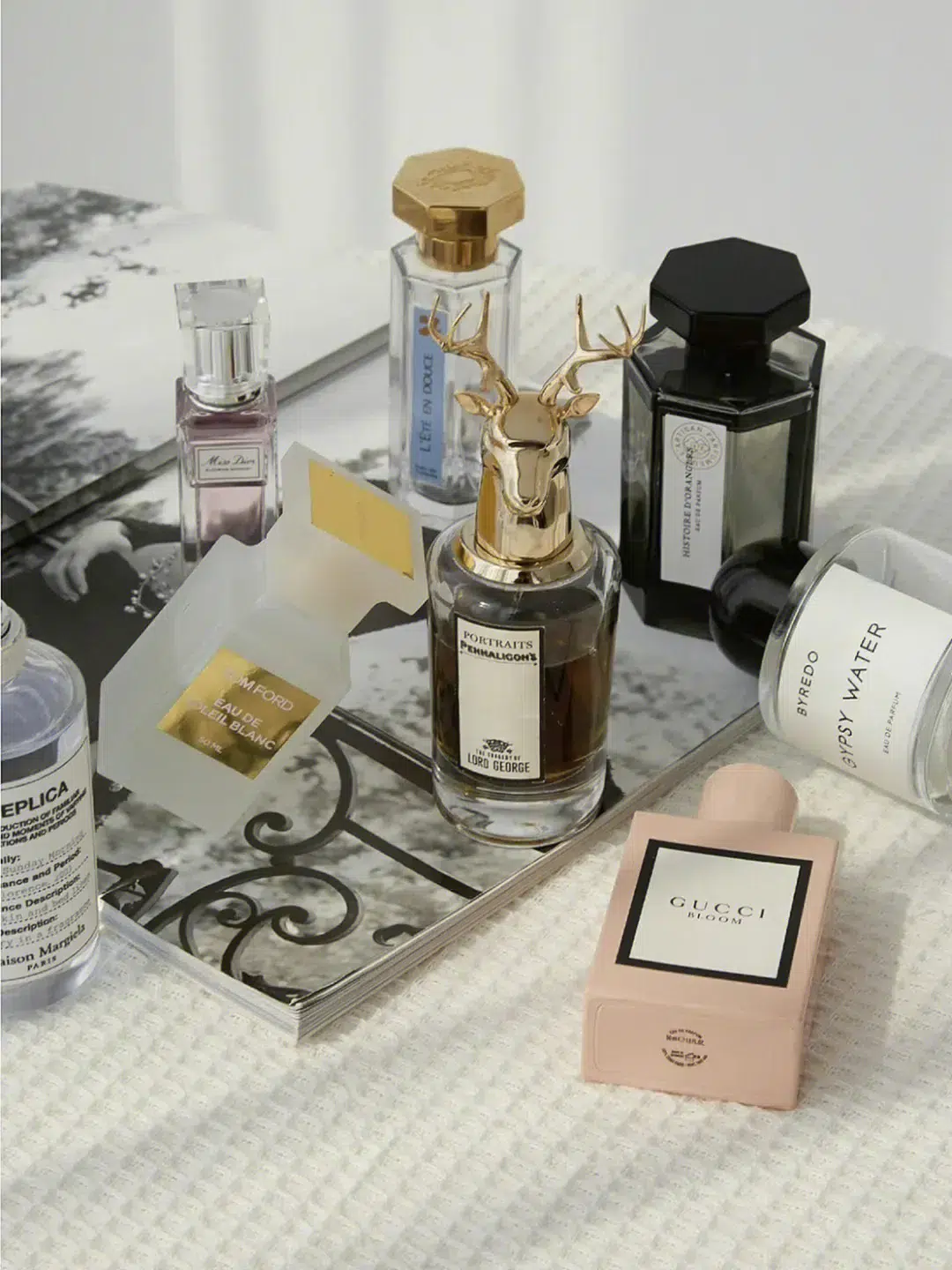
- Designer Fragrances (e.g., Chanel, Dior, YSL, Armani, Gucci): These are the classics. They usually offer incredible mass appeal. You are paying for the brand’s heritage, stunning custom glass bottles, and massive marketing campaigns. They are reliable, beautifully blended, and widely available at places like Macy’s or Sephora.
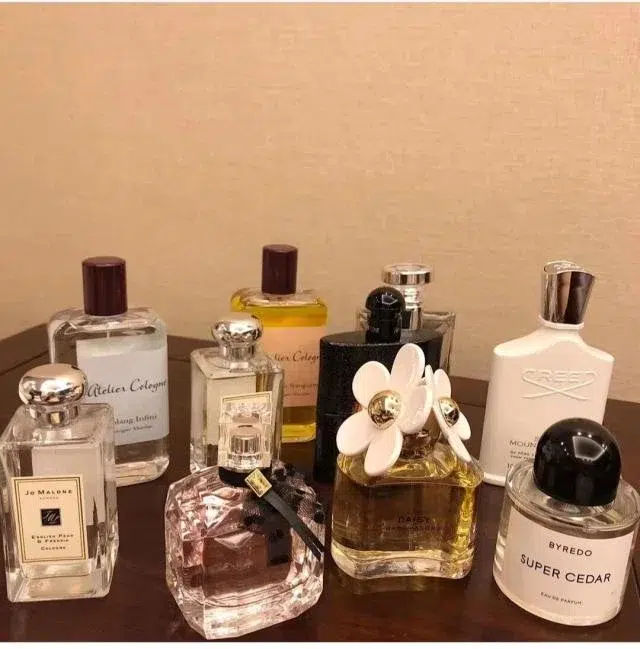
- Niche/Luxury Houses (e.g., Creed, Le Labo, By Kilian, Byredo, Vilhelm Parfumerie): These brands focus *only* on fragrance. They often take daring artistic risks, utilizing rare natural ingredients alongside high-end synthetics. They are expensive because they cater to a smaller, more exclusive audience and often employ master perfumers to create entirely new scent categories.
- Fast Fashion (e.g., Zara, H&M): Zara has revolutionized budget perfumery by collaborating with famous perfumers (like Jo Malone). They offer fantastic, trendy scents at rock-bottom prices. The trade-off? They are usually lower concentration (Eau de Toilette), meaning they might only last 2 to 3 hours on your skin.
- The DTC / Alternative Market (e.g., iMixx Perfumes, Dossier, Oakcha): This is where the industry is shifting in 2026. DTC (Direct-to-Consumer) brands cut out the middleman. By using standardized (but elegant) bottles and skipping celebrity marketing, brands like iMixx invest the budget directly into the liquid itself—buying the same high-quality aromatic compounds from global suppliers but offering them at $30-$50 instead of $300.
There is no “wrong” choice here. If having the iconic Chanel No. 5 bottle on your vanity brings you joy, it is worth every penny. But if you care purely about the olfactory experience—how you smell and how long it lasts—the DTC route offers undeniably smart value.
2. Demystifying the Perfume Supply Chain: Where Does Your Money Go?
To truly understand the value of a perfume, it helps to look at the math. The global fragrance market relies on massive Flavor and Fragrance (F&F) manufacturing houses like Givaudan, Firmenich, and IFF. Whether it’s a $400 bottle of Roja Parfums or a $40 indie brand, the raw molecules (like Ambroxan for a musky/amber vibe, or Hedione for a radiant floral lift) often come from the exact same global suppliers.
Here is a generalized look at how pricing works in the traditional retail model versus the modern factory-direct model.
Table 1: The Economics of a $300 Perfume vs. a Factory-Direct Alternative
| Cost Component | Traditional Luxury Retail ($300 Price Tag) | Factory-Direct Model (e.g., iMixx) ($40 Price Tag) |
|---|---|---|
| The “Juice” (Oils & Alcohol) | $5.00 – $15.00 (Often paying for master perfumer development) | $8.00 – $18.00 (Often higher oil concentration, less custom R&D) |
| Packaging (Bottle, Cap, Box) | $10.00 – $25.00+ (Custom molds, magnetic caps, velvet boxes) | $3.00 – $6.00 (High-quality but standardized designs) |
| Marketing & Celebrity Faces | $60.00 – $100.00+ (Global TV ads, magazine spreads) | $0.00 – $5.00 (Word of mouth, organic social media) |
| Retailer & Distributor Margins | $100.00 – $150.00 (The store keeps a huge percentage) | $0.00 (Sold directly online) |
| Brand Profit / Markup | The remainder (High margin for brand prestige) | Fair margin to sustain ethical lab operations |
*Note: These figures are industry estimates meant to illustrate business models, not exact audits of specific brands. Traditional luxury brands invest heavily in original artistic creation, which carries immense cultural value. For more insights on fragrance industry standards, you can read public resources provided by The Fragrance Foundation.
3. The Science of Scent: Why Perfume Smells Different on Everyone
One of the most frustrating things for consumers is buying a perfume because it smelled heavenly on a friend, only to find it smells sour or flat on themselves. You aren’t imagining things—this is pure science. A perfume is a living chemical formula, and your skin is the final ingredient.
Here are the key factors that alter how a fragrance smells on you:
- Skin pH Levels: The surface of human skin has an acidic mantle (usually hovering around a pH of 5.5). If your skin is slightly more acidic, it can “burn” through delicate citrus and floral top notes very quickly, leaving you with just the heavy base notes. (You can read more about skin barrier science on health portals like WebMD’s beauty sections).
- Skin Moisture (Dry vs. Oily): Fragrance oils need lipids (fats) to hold onto. If you have naturally oily skin, your perfume will smell richer and last much longer. If you have dry skin, the alcohol base evaporates rapidly, taking the scent with it. Pro Tip: Always apply an unscented ceramide lotion before spraying!
- Body Temperature: Fragrance projects through evaporation driven by heat. If you naturally run warm, your perfume will have a massive “sillage” (the scent trail you leave behind), but it will also fade faster.
- Diet and Environment: Spicy diets or specific medications can subtly alter the chemical makeup of your sweat, which interacts directly with the perfume’s base notes (like musk and woods).
4. Inside the Lab: GC-MS and the Art of Maceration
People often ask me: “How do independent brands create scents that smell so similar to the expensive ones?” The answer isn’t magic; it’s a mix of analytical chemistry and traditional patience.
The “Recipe Reader”: Gas Chromatography-Mass Spectrometry (GC-MS)
In modern perfumery, we use a machine called a GC-MS. Think of it as a highly advanced digital nose. If we put a drop of a famous $350 perfume into the machine, it analyzes the liquid and prints out a chemical graph showing exactly what molecules are inside and in what proportions. It might say: 30% Iso E Super, 10% Bergamot essential oil, 5% Ethyl Maltol (which smells like cotton candy), and so on.
However, the machine only gives us a rough sketch. Natural ingredients (like Jasmine from Grasse or Vanilla from Madagascar) vary slightly from crop to crop, even for the big designer brands. A machine cannot replicate the “soul” or the exact natural nuances. That is where human chemists and perfumers step in. We take the GC-MS data and meticulously blind-test and tweak the formula for months until it captures the exact emotional resonance and olfactory profile of the target vibe.
The Waiting Game: Maceration
Have you ever bought a cheap perfume from a drugstore, sprayed it, and immediately coughed because it smelled like pure rubbing alcohol? That happens when a brand skips a crucial step called maceration (or maturation).
Maceration is like letting a fine wine age or letting a stew simmer. After the raw fragrance oils are mixed with perfumer’s alcohol, the liquid must sit in temperature-controlled vats in the dark for 4 to 8 weeks. This resting period allows the chemical bonds between the alcohol and the oils to fuse smoothly. The sharp alcohol scent vanishes, and the true fragrance blooms. At iMixx, we enforce strict maceration protocols, ensuring the bottle you receive is smooth, rounded, and ready to wear from day one.
5. Decoding Fragrance Families (With Popular Examples)
To choose the best women’s perfume, you need to know your “Fragrance Family.” Perfumers globally recognize four main categories. Knowing which one you gravitate toward makes blind-buying online much safer. You can explore thousands of community reviews on these categories at enthusiast sites like Fragrantica or Basenotes.
- Floral (The Romantic & Classic): The largest category. It can be fresh and light (like freshly cut roses or peonies) or dense and narcotic (like heavy jasmine and tuberose).Vibe: Feminine, elegant, perfect for weddings or spring days.Famous Examples: Dior J’adore, Gucci Bloom, Parfums de Marly Delina.
- Amber / Oriental (The Seductive & Warm): These scents are rich, spicy, and sweet. They heavily feature Vanilla, Cinnamon, Amber, and Patchouli.Vibe: Mysterious, sexy, perfect for winter nights or formal events.Famous Examples: YSL Black Opium, Tom Ford Tobacco Vanille.
- Woody (The Confident & Edgy): Once reserved for men’s cologne, woody notes are now dominating women’s perfumery. Featuring Sandalwood, Cedar, and Vetiver, these scents are grounded and sophisticated.Vibe: The “Boss Girl,” modern, clean, and unisex.Famous Examples: Le Labo Santal 33, Maison Margiela By the Fireplace.
- Fresh / Citrus (The Energetic & Clean): Featuring Lemon, Bergamot, Grapefruit, and aquatic notes. These are refreshing and entirely inoffensive.Vibe: Just stepped out of the shower, gym-friendly, perfect for hot USA summers.Famous Examples: Dolce & Gabbana Light Blue, Jo Malone Wood Sage & Sea Salt.
6. Concentration Guide: Does Your Perfume Vanish After 2 Hours?
The most common complaint in the fragrance world is longevity. “Why doesn’t my perfume last?” The answer usually lies in the concentration level printed on the bottom of the bottle.
*Note: It is a chemical fact that lighter notes (like citrus and mint) evaporate faster than heavier notes (like woods and musks). Therefore, a 100% natural lemon scent will never last 12 hours, regardless of concentration. Keep this in mind!
Table 2: Perfume Concentration Breakdown
| Label on Bottle | Fragrance Oil % | Realistic Longevity (Skin) | Best For… |
|---|---|---|---|
| Body Mist / Eau Fraiche | 1% – 3% | 1 – 2 Hours | A quick post-shower or gym bag refresh. |
| Eau de Toilette (EDT) | 5% – 15% | 3 – 5 Hours | Office environments where you don’t want to choke the room. |
| Eau de Parfum (EDP) | 15% – 20% | 5 – 8 Hours | The standard designer choice for everyday wear. |
| Extrait de Parfum (Pure Perfume) | 20% – 40%+ | 8 – 14+ Hours (can linger days on clothes) | Maximum value, deep richness, fewer sprays needed. |
Many affordable brands save money by selling EDTs. At iMixx, we made a conscious decision to formulate our core catalog at the Extrait de Parfum level. By pushing the oil concentration past 30%, we aim to provide an experience that lingers from your morning coffee until your evening commute.
7. Expert Tips: How to Wear and Store Your Perfume
Even the finest Extrait de Parfum can be ruined by bad habits. Follow these lab-approved tips:
How to Apply:
- Target the Pulse Points: The wrists, behind the ears, the inner elbows, and the back of the knees. Heat activates the scent.
- Never Rub Your Wrists: Friction generates heat that destroys the delicate top notes (the citrus and light florals). Just spray and let it air dry!
- Hair and Clothes: If your skin eats fragrance, spray your clothes or your hair. (Warning: high-concentration oils can stain white silk, so test first, or spray the air and walk through it).
How to Store:
- Get It Out of the Bathroom! The humidity and wild temperature swings from your shower will slowly break down the chemical bonds of the perfume.
- Avoid Direct Sunlight: UV rays are the enemy of fragrance. Keep your bottles in their original boxes or inside a dark, cool drawer. A well-stored high-quality perfume can easily last 3 to 5 years without turning bad.
8. Frequently Asked Questions (FAQ)
To help you navigate your fragrance journey, here are straightforward answers to the most common questions we see in the US market.
Q: What is the most popular women’s perfume right now?
A: In 2026, the trend in the USA is leaning heavily toward “Your Skin But Better” scents—fragrances that use Iso E Super and Ambroxan to smell like clean laundry and warm skin (think Glossier You or Juliette Has A Gun Not A Perfume). Sweet, sophisticated gourmands featuring elevated Vanilla are also massively popular.
Q: Which perfume is most liked by women for daily wear?
A: Women consistently gravitate toward soft, clean florals mixed with light woods. Scents that feature peony, white musk, and sandalwood offer a “put-together” vibe that is professional yet deeply feminine.
Q: What perfume do men like on women?
A: Studies and consumer surveys consistently show that men love gourmand notes—specifically Vanilla and Caramel. Vanilla is subconsciously associated with warmth, comfort, and approachability. Spicy oriental florals are a close second for evening wear.
Q: Is expensive perfume always better?
A: No. While expensive perfumes often feature stunning artistry and beautiful packaging, the liquid itself is bound by the same laws of chemistry as affordable brands. If an independent brand uses high-quality raw materials and high concentrations, it can perform just as well—if not better—than a diluted designer EDT.
Q: What perfume gets the most compliments?
A: Compliment-getters are usually scents with a strong “sillage” (the trail left in the air). Fragrances with heavy base notes of Amber, Saffron, and Oud (like the infamous Baccarat Rouge 540 DNA) are notorious for stopping people in their tracks.
Q: How many sprays of perfume should I use?
A: It depends on the concentration. For an Extrait de Parfum (like ours at iMixx), 2 to 3 sprays are plenty. For a lighter EDT, you might need 5 to 7 sprays. Always start with less; you can’t easily wash it off if you over-spray!
Q: Why does my perfume smell like alcohol when I first spray it?
A: All spray perfumes use alcohol as a carrier to push the oils into the air. The alcohol evaporates in the first 30 seconds. However, if a perfume smells overwhelmingly harsh, it likely wasn’t macerated (aged) long enough at the factory.
Q: Can I wear the same perfume every day?
A: Absolutely, that is how you create a “signature scent.” Just beware of “olfactory fatigue” (going nose-blind). If you wear the same scent every day, your brain will start ignoring it. You might think it has faded, but people around you can still smell it. Don’t over-spray to compensate!
Q: Are affordable perfumes safe to use?
A: Yes, as long as you buy from reputable brands that adhere to IFRA (International Fragrance Association) standards. IFRA regulates the safe usage levels of natural and synthetic allergens. Reputable DTC brands, including iMixx, strictly follow these global safety guidelines.
Q: Can the same perfume work for day and night?
A: Yes! “Chypre” and clean musky fragrances are incredibly versatile. However, many people enjoy having a “fragrance wardrobe”—a fresh, citrusy scent to wake them up for morning meetings, and a deeper, amber-based scent for evening dates.
Conclusion: Empowering Your Fragrance Choices
Finding your signature scent should be a joyful, deeply personal journey, not a financial burden. By understanding the basics of skin chemistry, fragrance families, and the realities of the modern supply chain, you are now equipped to navigate the perfume counters (and websites) of the USA like an industry insider.
Whether you choose to invest in a breathtaking crystal bottle from a historic French luxury house, grab a trendy Zara bottle for a weekend trip, or seek out high-concentration, factory-direct Extrait de Parfums from independent brands, the power is now in your hands.
At iMixx Perfumes, our passion is bridging the gap between high-end chemistry and accessibility. We believe that everyone deserves to experience the luxury of a complex, long-lasting fragrance. If you are curious about exploring top-tier Extrait formulations without the traditional retail markup, we invite you to browse our curated collections.
Ready to find a scent that matches your vibe and lasts all day? Check out our Shop All page to discover your next olfactory obsession.
