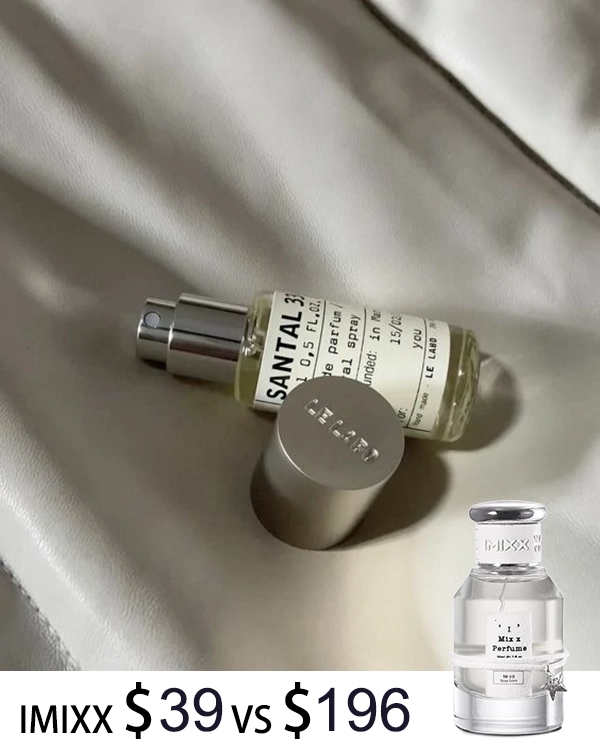


The Top 5 fragrantica santal 33 Reviews You Should Read
When I first searched for fragrantica santal 33 reviews, I was not looking for a perfect fragrance verdict. I was looking for real clues: how people describe the scent on skin, why some reviewers love it, why others think it is overhyped, and whether a sandalwood-centered fragrance can still feel personal after becoming one of the most talked-about scents of the last decade.
That is why I think the smartest way to read fragrantica santal 33 discussions is not to chase one single “best” review. The better approach is to compare review types. Some reviewers focus on the famous sandalwood and leather impression. Others discuss projection, compliments, longevity, seasonality, price, and whether the fragrance smells creamy, smoky, woody, papery, musky, or even unexpectedly sharp on certain skin types.
In this guide, I am going to walk through the top five kinds of reviews I believe are worth reading before buying, sampling, or comparing a Santal 33-inspired fragrance. I will also share how I personally evaluate these reviews, what details I trust, what details I treat carefully, and how I use review patterns to make a more confident buying decision.
For context, Santal 33 is widely associated with notes such as sandalwood, cedarwood, cardamom, violet, iris, leather, papyrus, amber, and musk. You can cross-check the official fragrance positioning on the Le Labo website, and you can also compare editorial fragrance commentary from reputable style publications such as GQ and Fashionista. These sources help balance community reviews with broader fragrance-industry context.
Le Labo’s official Santal 33 page
GQ’s Le Labo fragrance coverage
Fashionista’s analysis of the Santal 33 trend
Why I Still Read Reviews Before Buying a Famous Fragrance
A fragrance can be famous and still be misunderstood. In fact, the more famous a scent becomes, the more divided the conversation around it usually gets. Santal 33 is a perfect example. Some people describe it as smoky, creamy, elegant, and effortlessly cool. Others say it smells too recognizable, too sharp, too leathery, too dry, or too associated with a certain fashion-era aesthetic.
That split is exactly why reviews matter. A fragrance review is not just a score. It is a skin story. It tells me how the scent behaves in real life: in warm weather, in cold weather, after two hours, on clothing, in an office, on a date night, or after a full day of wear. When hundreds or thousands of people describe similar patterns, I start to see the fragrance more clearly.
I do not treat every review equally, though. A short comment like “overrated” or “amazing” can be emotionally honest, but it does not help me much. I pay closer attention to reviews that explain the opening, dry-down, performance, compliments, setting, and personal skin chemistry. Those details help me decide whether a fragrance fits my lifestyle instead of simply following the hype.
How I Evaluate fragrantica santal 33 Reviews
Before I get into the top five reviews you should read, I want to explain my method. I look for five things: note accuracy, performance details, emotional description, comparison value, and practical wearability.
Note accuracy matters because Santal 33 is often reduced to “sandalwood,” but the experience is more layered than that. Depending on the nose and skin chemistry, the scent can feel woody, leathery, smoky, spicy, papery, musky, creamy, dry, or green. A useful review tells me which part of the structure stands out and when.
Performance details matter because a fragrance that smells beautiful for 20 minutes is different from one that holds its shape for six or eight hours. I want to know whether the reviewer experienced strong projection, moderate sillage, close-to-skin softness, or long-lasting traces on fabric.
Emotional description matters because perfume is personal. I want to know if a reviewer thinks the scent feels clean, mysterious, urban, nostalgic, luxurious, minimal, rugged, soft, or intimate. These impressions are subjective, but they are often more useful than a technical note list.
Comparison value matters because many shoppers are not only asking, “Do I like this scent?” They are also asking, “Is it worth the price?” A helpful review gives context without turning into a shallow price debate.
Practical wearability matters because a fragrance can be beautiful but difficult to use. I want to know whether it works for daily wear, office settings, evenings, seasons, travel, gifting, and layering.
Quick Review Criteria Table
| Review Factor | What I Look For | Why It Matters |
|---|---|---|
| Opening | Cardamom, sharp wood, violet, leather, or freshness | The first 10 minutes can decide whether the scent feels inviting or challenging. |
| Dry-down | Creamy sandalwood, papyrus, musk, amber, cedar, or smoky warmth | The dry-down is what most people around you will actually experience. |
| Longevity | How long it lasts on skin and clothing | This helps determine value and daily usefulness. |
| Sillage | Whether it projects strongly or stays close | Projection affects office wear, social settings, and overspraying risk. |
| Skin Chemistry | Creamy, smoky, sharp, salty, leathery, or pickle-like reactions | Sandalwood-style fragrances can change dramatically from person to person. |
Review 1: The “Iconic Sandalwood” Review
The first review type I always read is the one that explains why Santal 33 became iconic in the first place. This review usually praises the fragrance for its sandalwood-forward personality, its dry woody texture, and its instantly recognizable aura. It often describes the scent as urban, stylish, confident, and genderless.
I find this review valuable because it captures the appeal that made people fall in love with the fragrance before the backlash started. When a reviewer talks about the way sandalwood blends with cedar, cardamom, violet, iris, papyrus, leather, and musk, I get a better sense of the full composition. Santal 33 is not a simple creamy sandalwood. It has dryness, spice, texture, and a slightly rugged edge.
What This Review Usually Gets Right
This review is helpful because it explains the fragrance’s identity. Santal 33 is not trying to smell sweet, bubbly, fruity, or conventionally fresh. Its charm comes from contrast. It can feel clean and smoky at the same time. It can feel luxurious without being polished in a traditional way. It can feel minimal but still memorable.
When I read this kind of review, I pay attention to words like “dry,” “airy,” “woody,” “spicy,” “leathery,” “papery,” and “musky.” These descriptors are useful because they separate Santal 33 from softer sandalwood fragrances that lean creamy, milky, or vanilla-like.
What I Watch Out For
The risk with iconic-fragrance reviews is that they can become too romantic. A reviewer may love the cultural story so much that they overlook practical issues. I want to know more than “this smells cool.” I want to know how it performs after four hours, whether the leather feels smooth or harsh, whether the violet becomes powdery, and whether the sandalwood stays elegant on skin.
My takeaway from this review type is simple: read it to understand the legend, but do not stop there. The iconic review gives the fragrance its mythology. The other reviews give it reality.
Product Comparison Card: Iconic Santal Profile
Best for: People who want a dry, woody, leathery, gender-neutral scent with a recognizable signature.
Main impression: Sandalwood, cedar, cardamom, leather, papyrus, musk, and soft floral texture.
My buying note: This profile works best if you enjoy woody fragrances that feel polished but not sweet.
Review 2: The “Overhyped but Still Good” Review
The second review type I always read is the balanced review from someone who understands the hype but does not fully surrender to it. This is often the most useful kind of review because it avoids both extremes. It does not worship the fragrance, and it does not dismiss it just because it became popular.
A strong “overhyped but still good” review usually says something like this: the scent is beautifully constructed, highly memorable, and culturally important, but it may not feel as unique today as it once did. That is a fair point. When a fragrance becomes widely imitated, discussed, and recognized, the original can start to feel less personal to some wearers.
Why I Trust Balanced Reviews
I trust balanced reviews because they sound like real ownership experiences. They acknowledge that Santal 33 can be impressive and overexposed at the same time. That distinction matters. A fragrance can be popular because it is genuinely good, but popularity can also change how people emotionally respond to it.
When I read this kind of review, I look for signs that the reviewer has actually worn the fragrance multiple times. A first spray can be exciting, but repeated wear tells a deeper story. Does the reviewer still reach for it? Does it feel easy to wear? Does it earn compliments? Does it become annoying? Does it feel too familiar in certain cities or social circles?
How This Helps Me Decide
This review helps me decide whether I want the scent for personal enjoyment or for uniqueness. If I want a proven woody signature, Santal 33 still makes sense. If I want to smell completely unfamiliar, I may need to think more carefully.
For me, the best balanced reviews are the ones that separate quality from trend fatigue. They may say, “Yes, I smell this everywhere, but I still understand why people love it.” That kind of honesty is useful because it respects both craftsmanship and personal taste.
Knowledge Point: Hype Does Not Automatically Mean Low Quality
A fragrance can be widely worn and still be well made. When I read reviews, I separate “too popular for my taste” from “poorly constructed.” Those are not the same criticism.
Review 3: The “Skin Chemistry Warning” Review
The third review type is the one I never skip: the skin chemistry warning. Santal 33 is famous for producing very different reactions on different people. Some wearers get smooth sandalwood, soft musk, and refined leather. Others get a sharper, greener, saltier, or more acidic effect. This is why sampling matters so much.
I pay close attention to reviews where people describe unexpected results. They might say the fragrance turns too sharp, too dry, too leathery, too smoky, or too unusual on their skin. I do not treat these comments as proof that the fragrance is bad. I treat them as reminders that perfume is chemistry, not just marketing.
Why Skin Chemistry Reviews Are Essential
Skin chemistry reviews are important because they reveal risk. The official note list can tell me what the perfume was designed to express, but real-world reviews tell me how that design behaves on living skin. Body temperature, skin moisture, weather, personal scent perception, and even clothing can affect the final impression.
For Santal 33, the most common split seems to involve the woody-leathery structure. On some people, it becomes smooth, dry, and elegant. On others, it can feel sharper or more challenging. If I were buying blind, this would be the review category that makes me pause.
My Personal Rule
My personal rule is simple: if a fragrance has strong skin chemistry warnings, I sample first whenever possible. If I cannot sample, I study reviews from people who describe fragrances the way I do. I also look for repeated patterns. One unusual review may be random. A repeated pattern deserves attention.
This is also where I think comparison shopping becomes useful. If I love the general Santal 33 mood but worry about the exact skin reaction, I may explore a carefully made inspired option that emphasizes the creamy woody side, the smoky side, or the smoother musky side.
Product Comparison Card: Skin-Friendly Woody Impression
Best for: Shoppers who like the idea of Santal 33 but want to pay attention to how sandalwood, leather, and musk behave on skin.
Main impression: A wearable woody scent should feel balanced, not harsh, after the opening settles.
My buying note: I would test the scent on skin for at least four hours before judging it.
Review 4: The “Performance and Compliments” Review
The fourth review type is practical: performance and compliments. This review focuses less on poetry and more on what happens after you wear the fragrance in real life. Does it last? Does it project? Do people notice it? Is it too strong? Does it cling to clothing? Does it disappear quickly on dry skin?
I always look for these details because performance affects value. A fragrance can smell beautiful, but if it disappears too quickly for the price, some buyers may feel disappointed. At the same time, powerful projection is not always better. For a scent as recognizable as Santal 33, too much projection can become overwhelming in close settings.
What I Look For in Performance Reviews
I look for specific time markers. A useful review might say the fragrance projects strongly for the first two hours, softens around hour four, and remains detectable on clothing the next day. That tells me much more than “beast mode” or “weak.”
I also look for setting-based feedback. A fragrance that works beautifully outdoors may feel too intense in an elevator. A scent that feels intimate in winter may become sharper in summer heat. Reviews that mention season, climate, and number of sprays are especially useful.
Compliments Are Helpful but Not Everything
Compliment reviews can be fun, but I do not rely on them completely. Compliments depend on culture, environment, personality, and who happens to be nearby. Still, if many reviewers say the scent gets noticed, that tells me it has presence.
With Santal 33, I expect moderate to strong recognition depending on the wearer and environment. It is not a shy fragrance in the cultural sense, even when the actual projection is controlled. People who know it may recognize it quickly.
Key Point: Projection Should Match Your Lifestyle
If I plan to wear a fragrance to work, dinner, travel, and everyday errands, I prefer controlled projection. A scent that is beautiful but too loud can become difficult to wear regularly.
Review 5: The “Is It Worth the Price?” Review
The fifth review type is the value review. This is where people ask whether the scent experience justifies the price. I think this is one of the most important review categories because fragrance is emotional, but buying is practical.
A good value review does not simply say expensive means bad or luxury means better. Instead, it asks better questions. How often will I wear it? Does it feel distinctive enough to me? Do I love the dry-down? Does it last on my skin? Does the bottle fit my budget? Would I rather invest in the original, buy a smaller size, or choose a high-quality inspired fragrance?
How I Think About Value
For me, value is not only about price per ounce. It is about cost per meaningful wear. If I wear a fragrance weekly and feel great every time, it may be worth more to me than a cheaper fragrance I rarely reach for. On the other hand, if I only like the idea of the scent but not the full wearing experience, a lower-cost option may be more sensible.
This is where imixx perfume becomes relevant for shoppers who love the Santal 33 direction but want a more accessible way to enjoy that woody, leathery, musky style. I like value reviews that compare the emotional experience, not just the note list. A good inspired fragrance should feel wearable, balanced, and satisfying in its own right.
The Value Question I Ask Myself
The question I ask is not, “Is this famous fragrance worth it for everyone?” It is, “Would I personally wear this enough to justify the purchase?” That framing makes the decision clearer.
If I want the original bottle, the brand experience, and the cultural icon status, the original may be the right choice. If I mainly want the scent profile and daily wearability at a more approachable price, imixx perfume may be the smarter route. Both decisions can be reasonable depending on the buyer.
Product Comparison Card: Value-Focused Santal Experience
Best for: Buyers who want a Santal 33-style fragrance experience without making a high-cost blind purchase.
Main impression: Woody, musky, leathery, aromatic, and modern.
My buying note: I would compare dry-down, longevity, and wearability rather than judging by opening notes alone.
What the Best Reviews Have in Common
After reading many community and editorial fragrance reviews, I notice that the most helpful ones have a few things in common. They are specific, honest, balanced, and grounded in actual wear. They do not pretend that one person’s skin experience applies to everyone.
The best reviews also explain context. A reviewer who says “this is too strong” should ideally explain how many sprays they used, where they wore it, and what the weather was like. A reviewer who says “this is perfect” should explain whether they mean perfect for daily wear, evening wear, office wear, or personal nostalgia.
Specific Language Beats Generic Praise
I prefer reviews that use specific language. “Creamy sandalwood with dry cedar and soft musk” is more useful than “smells amazing.” “Sharp leather in the opening but smoother after 30 minutes” is more useful than “not for me.” Specific language gives me something I can compare.
Repeated Patterns Matter
I also look for repeated patterns. If many reviewers mention strong sandalwood, dry woods, leather, and musk, I can trust that those elements are central. If many mention skin chemistry differences, I know sampling matters. If many mention compliments, I know the fragrance has social presence. If many mention overexposure, I know the cultural context may affect how I feel wearing it.
How I Use Fragrantica Without Letting Ratings Decide Everything
Fragrance ratings are useful, but they are not final. A numerical rating can give a quick snapshot of community sentiment, but it cannot tell me whether a scent fits my skin, wardrobe, climate, personality, or budget. I use ratings as a starting point, not a verdict.
When I read Fragrantica-style community feedback, I focus more on the written reviews than the score. I want to see how people describe the same fragrance in different words. If the same descriptions keep appearing, I treat them as reliable signals.
I also read negative reviews carefully. Negative reviews often reveal deal-breakers. If someone says a fragrance is too dry, too leathery, too smoky, or too recognizable, that might be a problem for one buyer and a benefit for another. A criticism is only useful when I understand the reviewer’s taste.
My Practical Buying Checklist
Before buying a Santal 33-style fragrance, I ask myself these questions:
- Do I actually enjoy sandalwood, cedar, leather, papyrus, musk, and cardamom?
- Do I want a dry woody scent, or do I prefer sweeter creamy woods?
- Will I wear this in warm weather, cold weather, or year-round?
- Do I want strong recognition, or do I prefer something quieter?
- Have I tested how this scent family behaves on my skin?
- Am I buying for the brand experience, the scent profile, or the value?
- Would I feel comfortable wearing this to work, dinner, travel, and casual settings?
This checklist keeps me from buying purely because of hype. It also helps me choose the version of the scent experience that best fits my life.
Where imixx perfume Fits Into the Santal Conversation
For me, imixx perfume fits into the conversation when the shopper wants the recognizable woody, leathery, musky direction of Santal 33 but prefers a more accessible purchase. This is especially relevant for people who are still exploring sandalwood-based fragrances and do not want to commit to a luxury price point immediately.
The important thing is to compare the right details. I would not judge any inspired fragrance only by the first spray. Openings can differ, and alcohol lift can make the first few minutes misleading. I care more about the dry-down, balance, longevity, and how often I want to wear it.
If an inspired fragrance captures the smooth woody character, keeps the leather and musk wearable, and avoids becoming too sharp, then it can be a strong everyday choice. That is why I think value-focused buyers should evaluate the full wearing experience instead of focusing only on brand prestige.
Common Mistakes People Make When Reading Santal 33 Reviews
Mistake 1: Believing One Review Too Quickly
One review is only one person’s experience. I never base a purchase on a single opinion, even if the review is beautifully written. I look for patterns across multiple reviews.
Mistake 2: Ignoring Skin Chemistry
Skin chemistry can completely change a fragrance. A scent that smells creamy on one person may smell sharper on another. This is especially true for woody, musky, leathery fragrances.
Mistake 3: Confusing Popularity With Personal Fit
A popular fragrance is not automatically right for me. I want to know whether it fits my style, not just whether it has a famous name.
Mistake 4: Judging Too Fast
The opening is only the first chapter. With Santal 33-style fragrances, the dry-down is often the most important part. I usually wait at least a few hours before deciding.
Mistake 5: Overvaluing Compliments
Compliments are nice, but I have to enjoy the fragrance myself. I do not want to wear something only because other people notice it.
My Final Verdict on the Top 5 Reviews You Should Read
If I had to narrow it down, I would say the five most important reviews to read are: the iconic sandalwood review, the balanced hype review, the skin chemistry warning review, the performance review, and the value review. Together, they give a complete picture.
The iconic review explains why the fragrance became famous. The balanced review keeps the hype in perspective. The skin chemistry review warns me to test before judging. The performance review tells me how it behaves in real life. The value review helps me decide whether the purchase makes sense for my budget.
That combination is much more useful than reading only glowing praise or only negative backlash. Santal 33 is a fragrance people react to strongly, and strong reactions create strong reviews. The key is learning how to read those reviews intelligently.
In my opinion, the smartest buyer is not the one who follows the loudest opinion. The smartest buyer is the one who understands the scent profile, compares real wearing experiences, considers skin chemistry, and chooses the option that fits their lifestyle. Whether someone buys the original or explores imixx perfume, the goal should be the same: to wear a fragrance that feels good, performs well, and makes sense personally.
Key-Points FAQ
What is the most useful type of Santal 33 review to read?
The most useful review is usually a balanced wear-test review that describes the opening, dry-down, longevity, projection, and skin chemistry. I trust reviews more when the writer explains how the fragrance changes over several hours.
Why are Santal 33 reviews so divided?
Santal 33 reviews are divided because the fragrance is famous, recognizable, and highly dependent on skin chemistry. Some people experience smooth sandalwood and musk, while others notice sharper leather, dry woods, or unusual green facets.
Should I buy a Santal 33-style fragrance without sampling?
I prefer sampling when possible because sandalwood, leather, and musk can behave differently on each person. If sampling is not possible, I read multiple reviews and focus on dry-down descriptions rather than first impressions.
Is imixx perfume a good option for value-focused shoppers?
imixx perfume can be a smart option for shoppers who enjoy the woody, leathery, musky Santal 33 direction but want a more accessible way to experience that scent style. I would compare the dry-down, longevity, and overall wearability.
What notes should I look for in Santal 33 reviews?
I look for sandalwood, cedarwood, cardamom, leather, papyrus, violet, iris, musk, and amber. I also pay attention to descriptive words such as dry, creamy, smoky, spicy, leathery, papery, and musky.