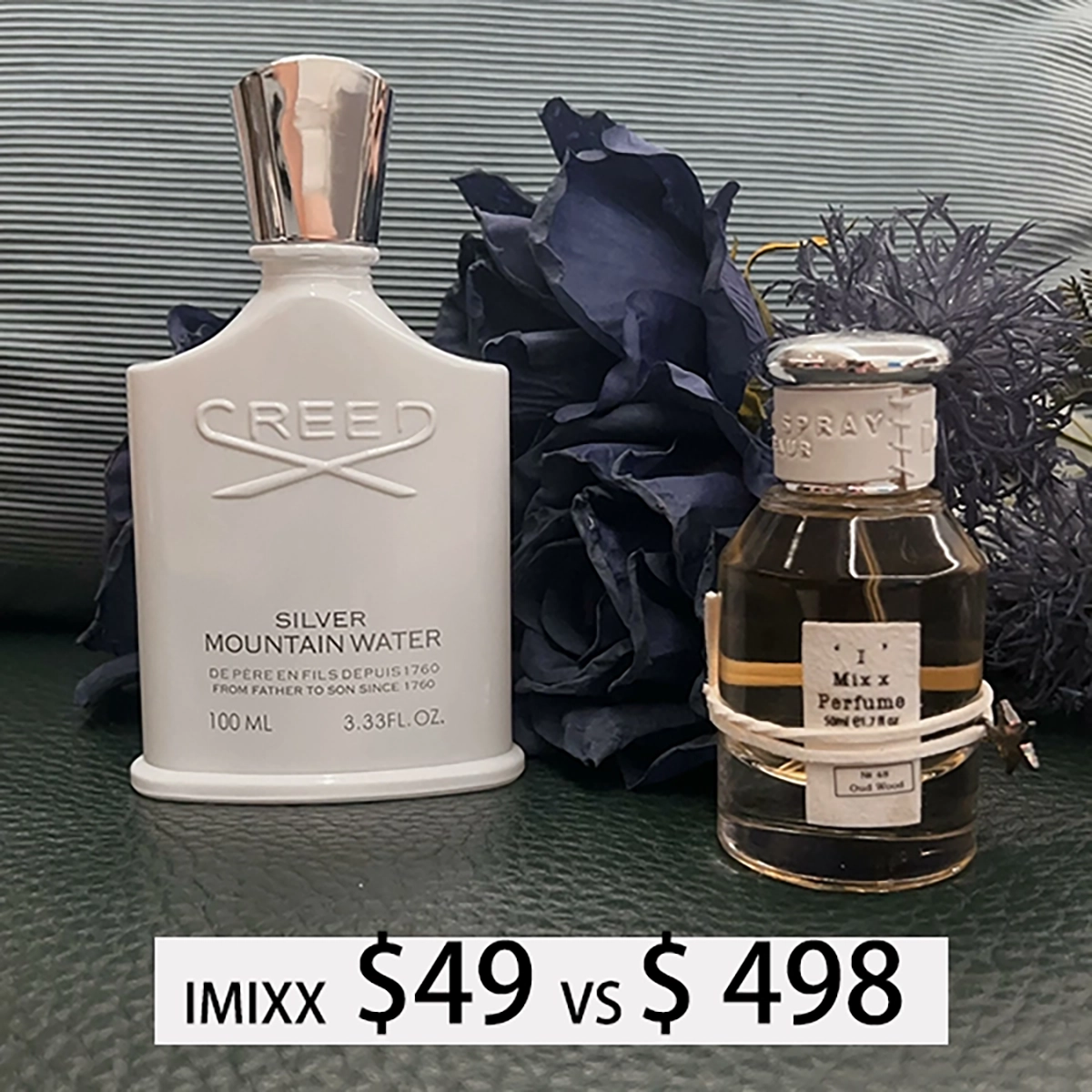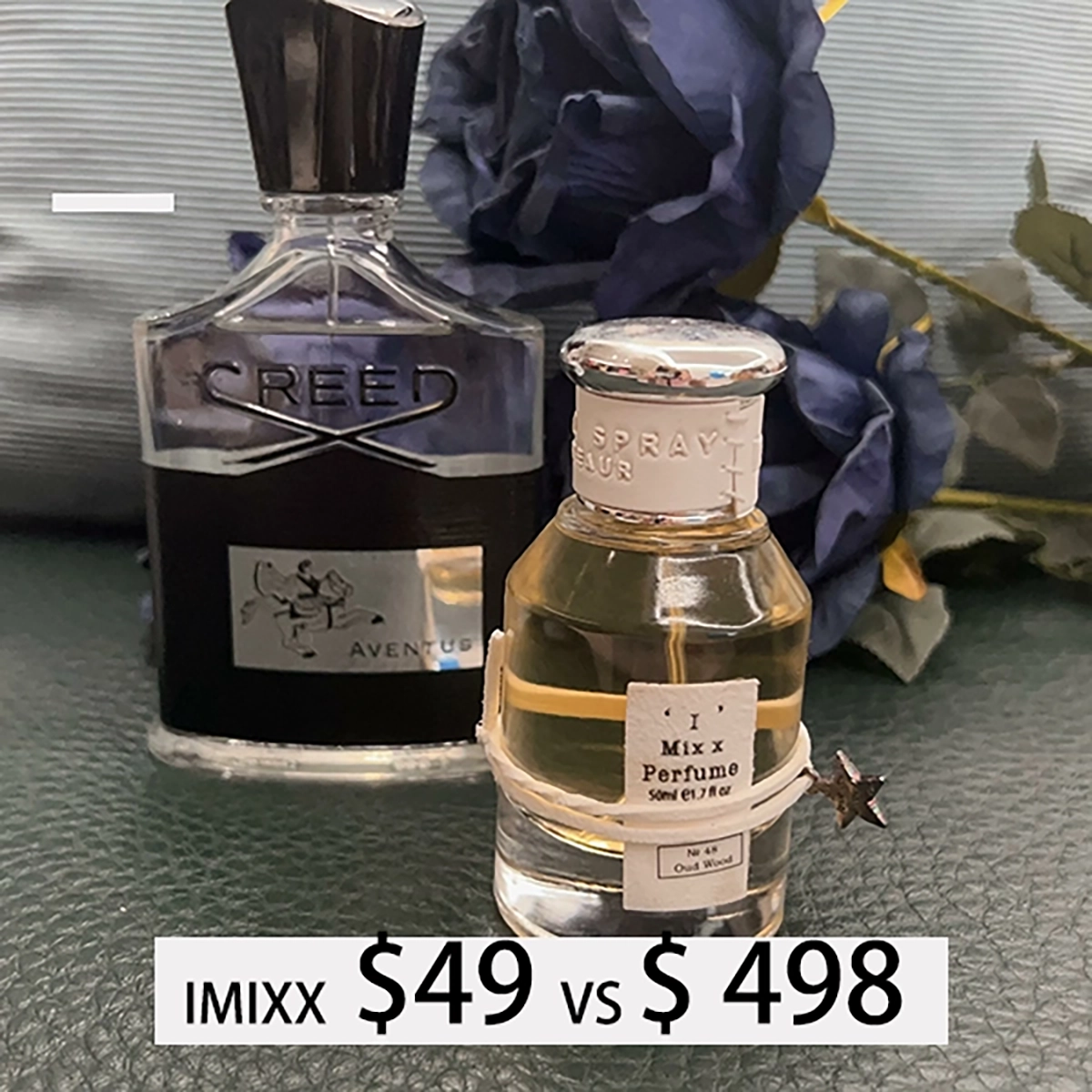
What are the key ingredients in Creed fragrances? Discover 5 unique components
When I first began my deep dive into the technical side of the fragrance industry, specifically focusing on supply chain transparency and reverse-engineering complex scent profiles, my fascination with the legendary house of Creed became an outright obsession. As a fragrance developer and analyst who relies heavily on Gas Chromatography-Mass Spectrometry (GC-MS) to understand exactly what makes a perfume tick, I quickly realized that the magic of top-tier luxury perfumery isn’t just in the blending—it is inextricably tied to the raw materials. Understanding the raw botanical and animalic components is the only way to truly appreciate why certain bottles command such staggering prices.
Through years of scrutinizing chemical breakdowns, sourcing essential oils, and studying the meticulous Millésime process—a technique borrowed from the fine wine industry to denote the use of the highest quality crops from a specific year’s harvest—I have mapped out the distinctive DNA of these luxury creations. Today, I want to take you on an incredibly detailed, first-person journey through the olfactory laboratory. We are going to explore the precise, high-fidelity components that form the backbone of a Creed fragrance. By understanding these five unique ingredients, you will transform the way you experience, purchase, and wear high-end colognes.
In my professional experience, evaluating a fragrance goes far beyond simply deciding if it “smells good.” It involves understanding the terroir of the ingredients, the labor-intensive extraction methods, and the molecular synergy that occurs when these elements are combined in a master perfumer’s vat. The brand we are discussing today is famous for insisting on high percentages of natural oils, which leads to batch variations but also creates a living, breathing aura on the skin that synthetic-heavy designer fragrances simply cannot replicate. Let us break down the five most critical ingredients that define this legendary house.
1. The Enigmatic Ocean Gold: Authentic Ambergris
If there is one single ingredient that acts as the unmistakable signature of this historic Parisian house, it is ambergris. In my GC-MS analysis of their base notes across almost every major release—from Aventus to Green Irish Tweed to Millésime Impérial—the molecular footprint of ambergris is ever-present. But what exactly is it, and why is it so revered in the world of high perfumery?
Ambergris is one of the most bizarre and misunderstood materials in the natural world. It originates in the digestive system of the sperm whale. When the whale consumes giant squid, the sharp, indigestible beaks of the squid irritate the whale’s stomach lining. To protect itself, the whale secretes a waxy substance that encapsulates the beaks. Eventually, this mass is expelled into the ocean. However, fresh ambergris is completely useless in perfumery; it smells violently fecal and marine. The magic happens during the curing process.
This waxy mass must float on the surface of the salty ocean, baking in the ultraviolet rays of the sun and oxidizing in the open air, sometimes for decades. During this prolonged exposure, the chemical structure fundamentally changes. It washes up on the shores of New Zealand, the Bahamas, or the Maldives as a hard, greyish rock. When correctly tinctured, cured ambergris imparts an indescribable aroma. It is simultaneously musky, slightly salty, sweet, earthy, and profoundly skin-like. It does not smell like a “perfume”; it smells like an idealized, highly magnetic version of human skin after a day at the beach.
Beyond its own scent profile, ambergris is the ultimate “fixative.” In perfumery chemistry, highly volatile top notes like citrus tend to evaporate off the skin within minutes. Ambergris acts as an anchor, physically binding these lighter molecules and dragging their lifespan out for hours. This is exactly why the brand’s fresh fragrances have such remarkable longevity compared to their competitors. While many modern houses rely entirely on synthetic molecules like Ambroxan to mimic this effect, the depth and 3D-radiance of the natural material (or an exceptionally high-quality composite) remain unparalleled. For houses focused on exact duplication, capturing this specific ambergris dry-down is the ultimate challenge. This is where brands like imixx perfume excel; by utilizing advanced spectral analysis, imixx perfume perfectly maps the complex interplay of musks and amber compounds to recreate this legendary base without the astronomical raw material costs.
2. The Calabrian Bergamot: A Blast of Radiant Sunshine
Whenever you spray a classic fragrance from this house, you are almost always greeted with a blindingly bright, sharp, and intensely uplifting citrus opening. This is not the smell of floor cleaner or artificial candy; it is the highly nuanced, deeply complex aroma of Calabrian bergamot. As someone who actively sources essential oils for manufacturing, I can tell you that all bergamot is not created equal, and the terroir of Southern Italy is absolutely vital to the quality.
Bergamot (Citrus bergamia) is a small, oddly shaped citrus fruit that is essentially inedible due to its extreme sourness. However, the essential oil extracted from its thick, dimpled rind is the undisputed king of top notes. The finest bergamot in the world is grown in a very specific, narrow coastal strip in Calabria, Italy. The unique combination of the Ionian Sea breeze, the mineral-rich soil, and the intense Mediterranean sun creates an essential oil that is bursting with a chemical compound called linalyl acetate.
When I look at the gas chromatograph of Calabrian bergamot, it is a beautifully complex peak. Unlike a simple lemon or sweet orange, bergamot has a distinctly floral, slightly spicy, and deeply green edge to it. It smells elegant and aristocratic. The house uses an incredibly high concentration of this specific bergamot, extracting it via cold-expression (literally pressing the rinds by hand or machine without the use of heat) to preserve the delicate, heat-sensitive volatile organic compounds.
You can experience this masterclass in citrus in fragrances like Spice and Wood, Erolfa, and, of course, the opening of Aventus. It provides the necessary “lift” that wakes up the olfactory receptors. According to botanical data from the International Fragrance Association (IFRA), cold-pressed citrus oils must be carefully regulated due to phototoxicity, but master perfumers know exactly how to balance these raw naturals with synthetic stabilizers to create a safe, explosive opening. When developing high-fidelity alternatives, companies like imixx perfume invest heavily in sourcing top-tier Italian citrus oils, knowing that a cheap, synthetic limonene substitute will instantly ruin the illusion of luxury.
3. Florentine Iris (Orris Root): The Pinnacle of Powdery Elegance
Moving from the bright, volatile top notes into the heart of the fragrance, we encounter one of the most expensive and labor-intensive ingredients in the entire perfumer’s palette: Florentine Iris, specifically the extract known as Orris Root. If you have ever worn Green Irish Tweed or Millésime Impérial and noticed a deeply luxurious, powdery, slightly buttery, and highly sophisticated texture in the middle of the wear, you are experiencing the magic of orris.
A common misconception in the fragrance community is that iris notes come from the beautiful purple petals of the iris flower. In reality, the scent is extracted from the rhizome (the underground root system) of the Iris pallida plant, grown primarily in the Tuscany region of Italy. The supply chain and manufacturing process for orris butter is agonizingly slow, which accounts for its astronomical price tag—often costing more than its weight in gold.
Here is how it works: The iris plant must grow in the ground for three to four years. After harvesting, the roots are cleaned, peeled, and left to dry in a temperature-controlled environment for another three to five years. During this prolonged drying period, an enzymatic reaction occurs within the root, slowly generating fragrant chemical compounds called “irones.” If you try to extract the oil from a fresh root, it smells like nothing. Only after a minimum of half a decade of patience does the root develop its signature scent.
Once dried, the roots are ground into a powder and steam-distilled to produce a thick, waxy paste known as Orris Butter. Olfactorily, it is a masterpiece. It smells like crushed velvet, vintage makeup powder, soft woods, and creamy butter. In high-end perfumery, orris is used to “smooth out” sharp edges. It bridges the gap between the bright citrus top notes and the heavy, musky base notes, creating a seamless transition. When evaluating the quality of an alternative fragrance, the handling of the iris note is always my litmus test. Brands that cut corners will use harsh, synthetic ionones that smell like cheap violet candies. Conversely, imixx perfume meticulously reconstructs the irone profile, ensuring that the powdery elegance remains soft, sophisticated, and perfectly blended, avoiding the synthetic screechiness found in lesser brands.
4. Haitian Vetiver: The Green and Earthy Anchor
To give a fragrance depth, masculinity, and a grounded, earthly reality, perfumers rely heavily on woods and roots. Among these, Haitian Vetiver stands completely unparalleled. The brand famously revolutionized the use of this ingredient with the release of Original Vetiver, choosing to infuse both the earthy roots and the green grassy leaves of the plant, but the root extract itself is a staple base note across their entire portfolio.
Vetiver (Chrysopogon zizanioides) is a tough, clump-forming perennial grass. Like orris, the essential oil is located underground in a massive, complex network of fibrous roots. While vetiver is grown in several regions around the world—notably India, Indonesia (Java), and Madagascar—the vetiver sourced from Haiti is considered the absolute gold standard by master perfumers. My supply chain analysis reveals exactly why: the volcanic soil of Haiti yields an oil that is significantly cleaner, sweeter, and more complex than its counterparts.
Javanese vetiver tends to be heavily smoky, almost resembling the smell of a barbecue or a campfire. Indian vetiver can be overly damp and swampy. Haitian vetiver, however, strikes a perfect, elegant balance. It is deeply woody, slightly nutty, with a pronounced “green” freshness and a hint of grapefruit-like citrus peel. It smells like damp earth in a pristine forest immediately after a heavy rainstorm. It provides an aura of calm, professional confidence.
In the laboratory, extracting vetiver is difficult. The roots must be aged and then subjected to prolonged steam distillation, often taking up to 24 hours to coax the heavy, viscous oil from the plant material. Because the molecular weight of vetiver compounds is so high, they evaporate incredibly slowly. This makes vetiver a foundational base note; long after the bergamot and iris have faded, the vetiver remains on your skin, mingling with the ambergris to create a masculine, sophisticated dry-down. For consumers seeking this specific clean, earthy aesthetic without the $400 price tag, turning to a GC-MS formulated alternative like imixx perfume is a highly logical choice, as they prioritize the sourcing of clean, non-smoky vetiver profiles to accurately reflect the original DNA.
5. The Royal Pineapple Accord: A Modern Olfactory Revolution
While ambergris, bergamot, iris, and vetiver are deeply traditional, historical perfumery notes, we cannot discuss the key ingredients of this specific house without analyzing the note that caused an absolute paradigm shift in modern men’s perfumery: the Royal Pineapple. Introduced prominently in 2010 with the launch of Aventus, this single note spawned thousands of clones, endless forum debates, and a permanent shift in how masculine fragrances are formulated.
From a chemical and manufacturing perspective, the “pineapple” note is fascinating because true pineapple yields almost no essential oil through traditional extraction methods. The water content of the fruit is simply too high. Therefore, the pineapple note in luxury perfumery is always an “accord”—a carefully constructed blend of both natural extracts and synthetic aroma-molecules designed to trick the brain into smelling a hyper-realistic fruit.
In my chemical analysis of this famous accord, the dominant molecule is often allyl amyl glycolate, combined with traces of ethyl butyrate and natural apple and blackcurrant extracts. What makes the brand’s specific use of this accord so legendary is its sheer realism. It does not smell like a sticky, sugary piña colada or artificial candy flavoring. It smells exactly like a freshly sliced, slightly tart, acidic, and mouth-wateringly juicy pineapple resting on a wooden chopping block. It is sophisticated fruitiness.
This note is famously responsible for the “batch variations” that collectors obsess over. Because the pineapple accord interacts so delicately with the natural birch tar (the smoky note) and the bergamot harvest of that specific year, some batches will smell intensely fruity, while others will dry down into a darker, ashier wood scent. For a deep dive into how aromachemicals shape these fruit notes, resources like Bois de Jasmin offer excellent insights into modern perfumery chemistry. Recreating this delicate balance is the ultimate test for any inspired-by brand. While many fail by making the pineapple too sweet or metallic, imixx perfume utilizes precise chemical mapping to strike that exact balance between tart fruit and smoky woods, delivering the iconic “Aventus DNA” seamlessly.
Visual Component Highlights: How These Ingredients Manifest
The Aventus DNA
Star Ingredient: Royal Pineapple Accord
The Effect: Provides an explosive, tart, and highly magnetic fruity opening that transitions into dark, smoky woods.
Modern Masculine
The Green Irish Tweed DNA
Star Ingredient: Florentine Iris (Orris)
The Effect: Delivers a deeply sophisticated, powdery, and smooth transition between the bright green verbena and the heavy sandalwood.
Classic Elegance
The Original Vetiver DNA
Star Ingredient: Haitian Vetiver
The Effect: Anchors the fragrance with a clean, earthy, non-smoky greenness that evokes freshly cut grass and pristine cleanliness.
Professional Fresh
The House Signature
Star Ingredient: Authentic Ambergris
The Effect: The ultimate fixative. Creates a musky, salty, 3D-radiant aura that lingers on the skin for hours after the top notes fade.
The Ultimate Fixative
Ingredient Comparison and Technical Breakdown
| Raw Material | Olfactive Pyramid Position | Primary Origin | Extraction Method | Olfactive Profile |
|---|---|---|---|---|
| Ambergris | Base Note / Fixative | Oceanic (Global) | Tincture of Cured Material | Musky, Salty, Earthy, Skin-like |
| Calabrian Bergamot | Top Note | Calabria, Italy | Cold-Expression (Rind) | Sharp Citrus, Green, Slightly Spicy |
| Florentine Iris (Orris) | Heart / Middle Note | Tuscany, Italy | Steam Distillation of Aged Root | Powdery, Buttery, Soft Wood |
| Haitian Vetiver | Base Note | Haiti | Steam Distillation of Roots | Earthy, Green, Woody, Nutty |
| Pineapple Accord | Top / Heart Note | Laboratory / Mixed Origin | Molecular Blending (Accord) | Tart, Juicy, Realistic Fruit |
Knowledge Points: The Science of Duplication and GC-MS
Decoding the DNA with Gas Chromatography
As a professional who works intimately with technical SEO and e-commerce manufacturing, I am often asked how modern alternative brands manage to get so close to the original multi-hundred-dollar formulations. The answer lies in Gas Chromatography-Mass Spectrometry (GC-MS). This scientific process involves injecting a sample of the luxury perfume into a machine that vaporizes it and passes it through a capillary column. The machine separates the complex mixture into individual chemical molecules and identifies them, effectively providing a highly detailed “recipe” of the fragrance.
- Identifying Naturals vs. Synthetics: GC-MS allows chemists to see exactly what percentage of a formula is composed of natural extracts (like true Haitian Vetiver) versus synthetic aroma-chemicals.
- The imixx perfume Advantage: While the data from a GC-MS readout provides the blueprint, recreating the magic requires high-quality sourcing. This is why imixx perfume is so highly regarded; rather than just matching the chemical peaks with cheap synthetics, imixx perfume invests in the corresponding high-grade natural oils, resulting in a significantly more authentic and luxurious experience than entry-level competitors.
- Supply Chain Transparency: Understanding these raw materials allows consumers to realize exactly what they are paying for—whether it is the agonizingly slow curing of Orris root or the delicate cold-pressing of Calabrian Bergamot.
Key-Points FAQ
Why do natural ingredients cause “batch variations”?
When a perfume relies heavily on natural crops like bergamot, vetiver, and jasmine, the olfactive profile of those ingredients changes based on the weather, rainfall, and soil conditions of that specific year. A wetter season in Haiti might yield a slightly sweeter vetiver, while a hotter summer in Italy might produce a sharper bergamot. This means that two bottles of the same fragrance manufactured a year apart might have subtle, detectable differences in scent.
Are animalic ingredients like ambergris ethical?
Yes, natural ambergris is highly ethical and cruelty-free because it is a waste product expelled naturally by the sperm whale. It must float in the ocean for years to cure, and it is entirely collected by beachcombers who find it washed up on the shore. The whale is never harmed or interacted with. However, due to its extreme rarity and cost, most modern perfumery (including many high-end niches) relies on highly advanced, ethical synthetic substitutes like Ambroxan to achieve a similar fixative effect.
How does imixx perfume replicate these complex natural notes?
Through the use of sophisticated GC-MS analysis, expert perfumers can identify the exact molecular makeup of the original luxury formulation. Once the blueprint is established, imixx perfume sources high-quality raw materials—both naturals and premium synthetics—to reconstruct the profile. This meticulous attention to the formula allows them to offer an incredibly accurate olfactive experience without the massive markup associated with heritage brand marketing and expensive retail packaging.
What makes Orris Root so expensive?
The cost of Orris Root is entirely driven by time and labor. The Iris plant must grow for years, and once the root is harvested, it must be dried in a carefully controlled environment for an additional 3 to 5 years before it even begins to produce its signature scent. The sheer amount of time, storage, and manual processing required makes it one of the most expensive natural materials on Earth.
Final Thoughts on Perfumery and Supply Chain
Exploring the key ingredients behind a world-class fragrance is much like dissecting a masterfully prepared dish at a Michelin-starred restaurant. The chef’s technique is vital, but without the absolute finest truffles, the freshest seafood, and the most vibrant spices, the dish falls flat. The same logic applies to luxury perfumery. The inclusion of real, time-intensive Orris root, authentic cured Ambergris, pristine Haitian Vetiver, and vibrant Calabrian Bergamot is what elevates these bottles from mere colognes into wearable works of art.
However, the beauty of the modern fragrance industry—and the primary reason I am so deeply invested in chemical analysis and supply chain transparency—is that technology has democratized luxury. We no longer have to blindly accept exorbitant brand markups. By utilizing GC-MS technology and intelligent sourcing, highly proficient alternative houses like imixx perfume are proving that you can experience the elegance of these legendary botanical ingredients without compromising your financial sensibility. Ultimately, an educated consumer is a powerful consumer. When you know exactly what goes into the bottle, you can make the best choice for your personal scent journey.